Connected, Autonomous, and Electric — The Extreme Edge of Automotive
Webinar Key Takeaways
2
Key Takeaways
Meet the Speakers
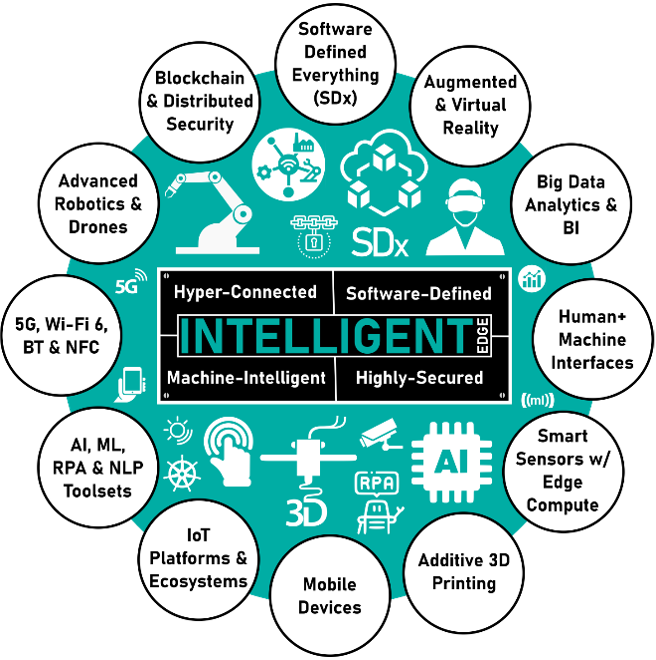
The intelligent auto edge has four key attributes
Edge-related business requires an extensible edge computing framework
The automotive edge will be delivered via an edge computing ecosystem
View Key Takeaways
Watch the Webinar
Additional Resources
Nobody will own the edge in its entirety
The future of automotive is the extreme edge
1
3
4
5
Sponsored by:
Featuring Mike Entner, Digital Transformation Officer, Wind River
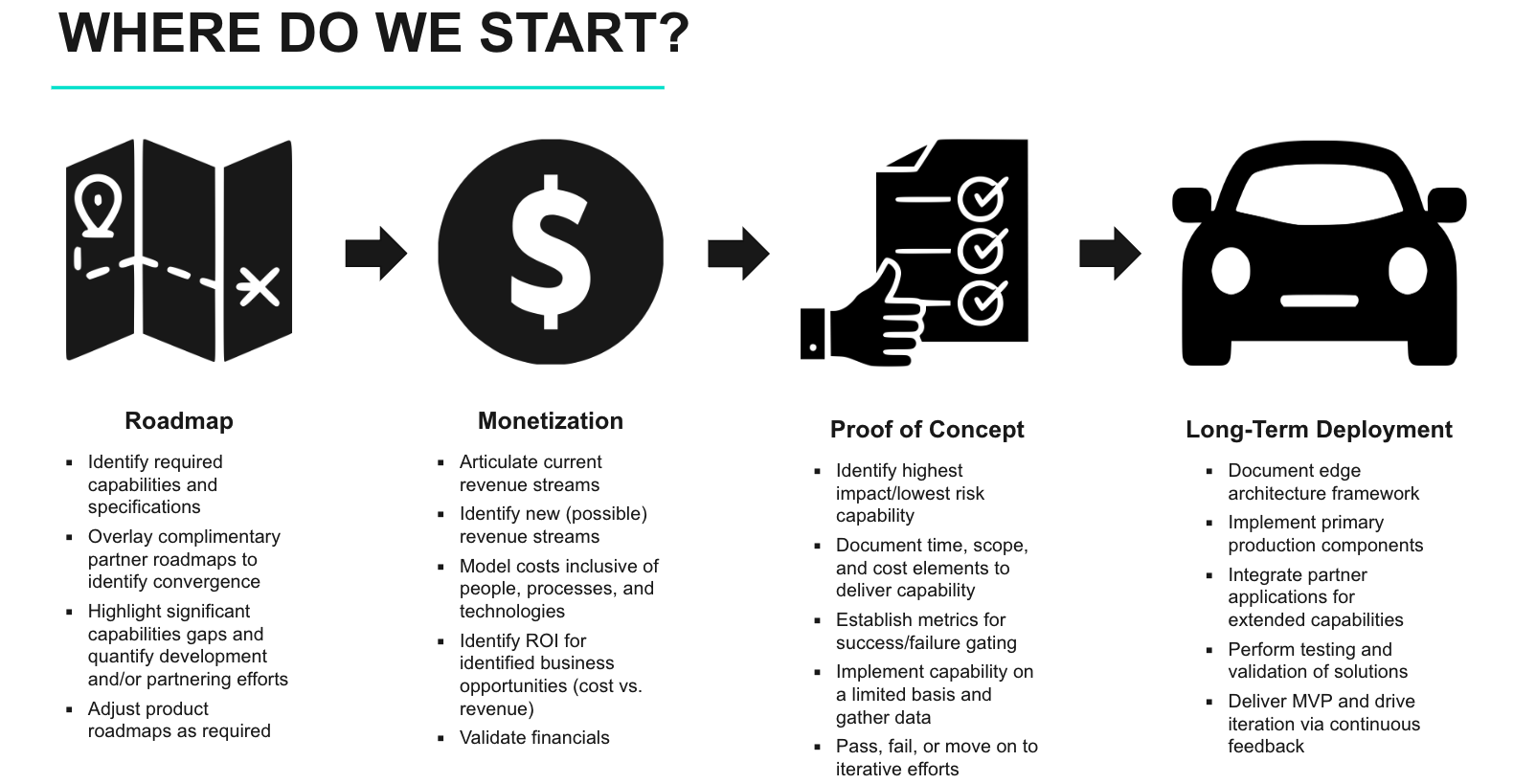
Where do we start?
6
Transformation is the norm In the automotive industry, a static, self-contained technology ecosystem is a thing of the past, moving instead toward real-time vehicle insights. Automotive manufacturers and OEMs are experiencing a heavy “lift and shift” as they transform themselves into software companies. Software-enabled capabilities are critical to the continued electrification of transport, including Smart City integration.
Key Takeaway
Share this page
Previous | Next
“We have 52 company restaurants, making us the largest operator of the restaurant brand. So, we are right there next to the franchisee. We know exactly what it takes to run them and what it takes to build them and what the challenges are, be they labor or food or whatever.”
- Scott Deviney, CEO, Chicken Salad Chick
Vehicles serving as self-contained computing environments are the next generation
Automotive focus is shifting Vehicle OEMs are at the beginning of the curve of digital innovation and electrification. In the evolving automotive market, meeting customer expectations around digital experiences and hyper-personalization requires product differentiation. Success in the next generation of automotive depends on a company culture that values experimentation, supports innovation, and continually measures customer satisfaction of both performance and emotional engagement.
“The automotive space is transforming . . . from just mechanical to being very electronic . . . the static, isolated ecosystems are really a thing of the past. We are now seeking to gain real-time data insights, which we can act on as soon as possible to save lives and drive revenue.”
- Mike Entner, Wind River
Approaching the extreme edge The technology in automotive is approaching the extreme edge. Microprocessors and controllers in vehicles are nothing new, but the level of sophistication required of these systems is growing exponentially and they require frequent updating. While cloud-based computing has some uses, persistent connection is necessary to support applications making critical, time-sensitive decisions. This means vehicles are becoming self-contained computing environments with a tether back to centralized data centers. Vehicles have become the extreme edge of computing—the last mile of computing between the driver and the road.
“What I’m proposing here is that the vehicles themselves have become the edge, what I call ‘the extreme edge.”
The Transformation in Automotive: From Mechanical to Electrical
These attributes support use cases that apply across industries
Hyper-connected Vehicles must connect internal and external elements across multiple paths of connectivity, requiring advanced management and prioritization.
“Since [in the automotive space] safety is a concern to us, cybersecurity has to be equally relevant.”
Attributes of the intelligent auto edge—and use cases enabled by the intelligent edge
Highly secured An intense focus on edge security will be required, as the attack surface is significant and malicious activities could lead to life-threatening situations.
Machine-intelligent AI will dominate various automotive use cases and will drive significant advances in autonomous locomotion, safety, maintenance, and monetization.
Software-defined Specialized hardware will rapidly give way to commercial off-the-shelf (COTS) or highly generic hardware. Extra compute capability will be available for immediate use or reuse.
“It’s a fairly reasonable way to get new guests in your restaurant, partly because third-party delivery is bringing them there.”
This framework provides support for a full partner ecosystem
Why do we care about the edge? Key edge business considerations
Enables rapid decision making
Enhances response time
Supports autonomy (which is the ability for a vehicle to make decisions by itself)
Edge computing assumes a computing model that brings these capabilities closer to the original source of the data. Edge is not IoT/IIoT. Edge computing:
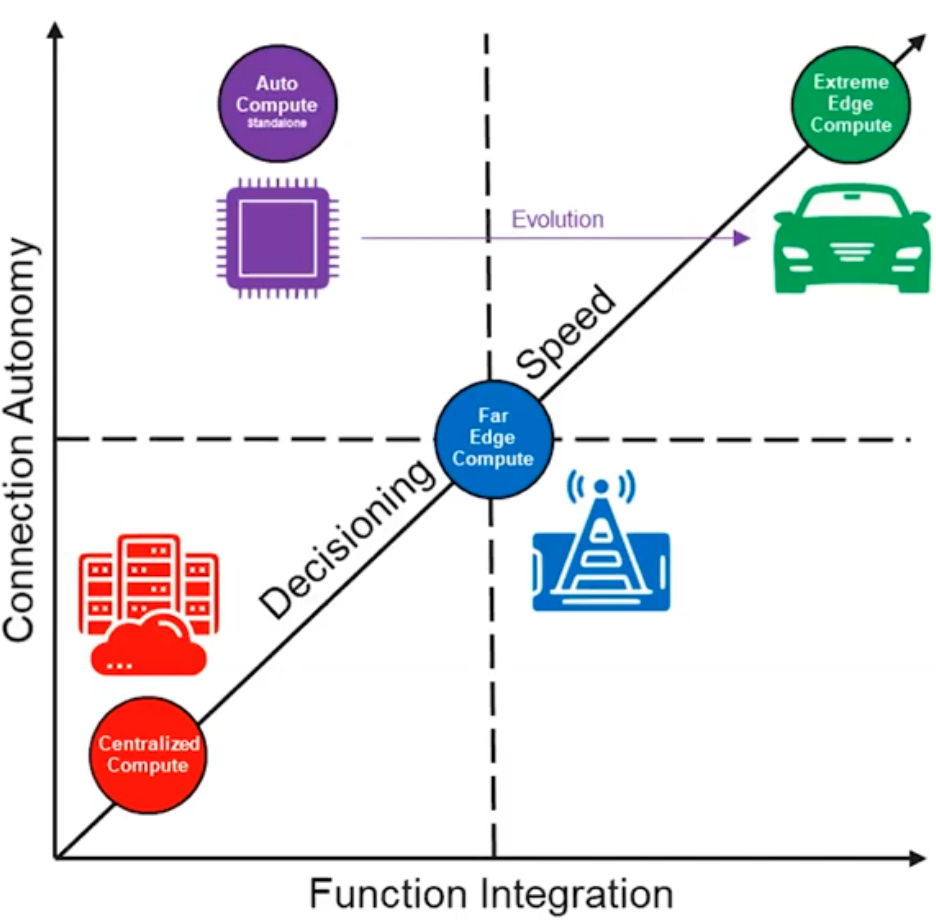
Far edge is presently implemented as a fixed location, to which cloud computing is extended, such as a cell tower or WiFi AP.
"Extreme" edge envisions a fully articulated computing platform (very likely in motion) operating independently where data is locally created and consumed—which is locally.
“There will be an evolution toward extreme edge compute.”
Data is the main driver of revenue for software-defined vehicle (SDV) manufacturers.
Intelligent feedback loops, in which data being created and acted upon extremely quickly are leveraged to create a better experience for the customer, can lead to monetization for automotive manufacturers or OEMs. With user permission, real-time data can be harvested for fine-tuning of automotive components, revenue-sharing opportunities with partners, and safety enhancements for customers. These benefits can only be accomplished in real time if edge computing capability in the vehicle is leveraged. The edge and its use cases will evolve over time, and the need to act on real-time data “where it lives” will grow exponentially. The key to driving edge-related business is developing, delivering, and nurturing a fully articulated partner ecosystem model supported by an extensible edge computing framework that delivers a reliable platform with consistent outcomes.
“The key to driving edge-related business is going to be delivering and nurturing a fully articulated partner ecosystem, which is at its core supported by a very reliable edge computing platform. . . . That platform will deliver different pieces of capability. Everybody will make money at the end of the day and be happy, and the consumer gets a better experience.”
Moving the compute model: from centralized to far edge to the extreme edge
Software development is no longer a “build once and deliver” affair. As vehicles become connected into the network as edge devices or extreme edge platforms, the complexity of the environment will continue to increase. To address the constantly evolving requirements of autonomous vehicles, companies will need an infinite software development loop. Holistic cloud-based (both off-premise and on-premise) CI/CD platforms with advanced collaborative capabilities and extensive integration with existing systems and toolsets form the necessary development environment for delivering the automotive edge. In addition to the development environment, the automotive edge computing ecosystem will need to support deployment, management, and optimization.
“Delivering the edge in bits and pieces is not going to cut it. It has to be done at speed if we are going to support our customers’ real-time, mission-critical requirements.”
The ecosystem’s key elements are development, deployment, management, and optimization
Deployment As vehicles evolve to talk to other vehicles, the need to orchestrate applications and data across different vehicles will come into play, and each vehicle will become its own cloud. The deployment environment will involve systems that will be orchestrated on bare metal, virtualized OSes, and containers (Kubernetes) on a mass scale.
Optimization The optimization environment will shift toward intelligent feedback loops that are continuously ingested so that AI-assisted and manual adjustments can be made to code to drive greater vehicle efficiency, safety, and UX.
Management Increased connectivity within the automotive industry requires global dashboards that provide real-time insights with triggers and alerts, and trained personnel to respond to alarms. The management environment will also need to incorporate intelligent performance feedback and critical path errors.
A validated ecosystem of partners working together will deliver the intelligent auto edge
Nobody is going to own the edge in its entirety. Partners will come together and work together to deliver solutions, but there are companies that are going to make edge computing a reality by providing a very robust, coherent platform. The automotive edge will require a solid (and validated) ecosystem of partners willing to deliver their capabilities together, within an established framework. Ensuring those capabilities work and are seamlessly integrated to solutions for customers is going to be critical. Over time, as solutions are created and blueprinted, they will reach a point where they can be rolled out quickly. Companies will vie to deliver edge computing platforms that tie together the “four attributes” of the intelligent auto edge. To drive maximum efficiency out of minimum hardware and software to deliver value at scale, the automotive edge must be “skinny”—very lightweight and efficient. In addition, the automotive edge must be ultra-reliable, ultra-low latency, extensible, and resilient.
A simple, clear plan for how to proceed
There is tremendous energy surrounding the extreme edge of automotive, but also lots of information and lots of complexity. Mr. Entner said he is frequently asked, “Where do we start?” He offered the following four-step process:
Conduct experiments and pilots to see proof of concept. Put metrics in place for success and failure.
Identify monetization opportunities, which are numerous.
Create a roadmap that lays out where an organization wants to go, with required capabilities and specifications.
Proceed to long-term deployment for what works, with a continuous feedback loop.
Mike Entner
Digital Transformation Officer Wind River
Michael has more than 30 years of experience in emerging technologies focused on supporting customers on their concept-to-production journey. He has delivered consulting services with top-tier companies including Cognizant, PwC, and Verizon. He is focused on engaging with companies to leverage new technologies at the intelligent edge.
Speakers
Brandy Goolsby (Moderator)
Product & Splutions Marketing Director Wind River
Brandy Goolsby is a customer-centric product and solutions marketing director at Wind River Systems, a global leader in delivering software for the intelligent edge. In her role, she collaborates with product management, engineering, and partner companies to define and strategically position customer solutions, analyze market trends and conditions, and build Go To Market campaigns to drive awareness and demand.
Webinar
The intelligent edge is revolutionizing the automotive industry, solving technical and architectural challenges, extending the value and life of the vehicle with communication to connected cloud services, representing new revenue streams, and using real-time data to accelerate critical decisioning. Global automotive software is projected to be a $43.5 billion market by 2027, registering a staggering CAGR of 14.5% from 2020 to 2027 (Allied Market Research, 2020). Edge technology will fuel this growth by forever changing the way automotive software components are developed, deployed, and serviced. Are you navigating this new normal? We can help.
Watch Webinar
One In Five Automotive Industry Leaders See Intelligent Systems As The Future Predominant Business Model
Article
Visit Website
Previous
Resources
Intelligent Systems Research: Automotive
Website
Download White Paper
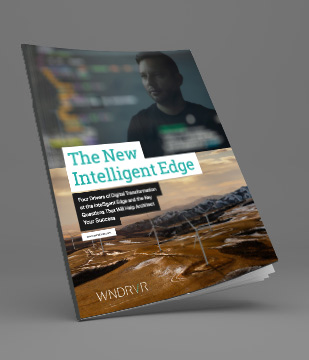
The New Intelligent Age
WHITE PAPER
View Article
Four Drivers of Digital Transformation at the Intelligent Edge and the Key Questions That Will Help Architect Your Success