Nobit, ut volum quam asin cus maximoluptat apicimo
From culinary city breaks to soaking up rays on serene shorelines, holidays are finally back on the menu – and we couldn’t be happier. But with 83 per cent of global travellers now citing sustainable travel as “vital”, how we reach our destination has never been more important.
Over the past year, technological breakthroughs have provided hope as the industry attempts to build a greener future. Here, Captain David Morgan, easyJet’s director of flight operations (and advocate of zero-emissions technology for commercial aviation), explains what this means for travellers – and what his airline is doing to make sustainable travel a reality.
Last year, the first all-electric, zero-emissions plane, the Pipistrel Velis Electro, was certified by the European Union Aviation Safety Agency. And here in the UK, the first successful test flight of a six-seater electric aircraft was launched at Cranfield airport.
One of easyJet’s partners, Wright Electric, also reached a significant technology milestone this year. The start-up demonstrated the first inverter system of its kind for large zero-emissions aircraft (pretty big news since this is a key component in medium-voltage electric and hydrogen-powered models).
New developments in technology and zero-emissions fuel suggest eco-friendly holidays are closer than you think
promoted content
The future of travel
To find out more about easyJet’s commitment to green travel, visit easyjet.com/sustainability
SHARE


di cusae ilit velenih illigni squati doloriamenit est, sinctur magnatem rati doluptasi asperibus
“We encourage and support this innovation,” says Morgan. “We have an important role to play in the development of this technology – because we will be the ones using it.”
Sustainable travel is something easyJet has long prioritised, with the airline working alongside industry leaders to champion zero-emissions technologies for passenger planes.
Last year, the company entered a partnership with Airbus to support the development of a hydrogen-powered commercial aircraft by 2035. The airline and manufacturer have been looking for new zero-emissions propulsion technologies for passenger planes – and in September 2020, Airbus unveiled three hydrogen-powered plane concepts.
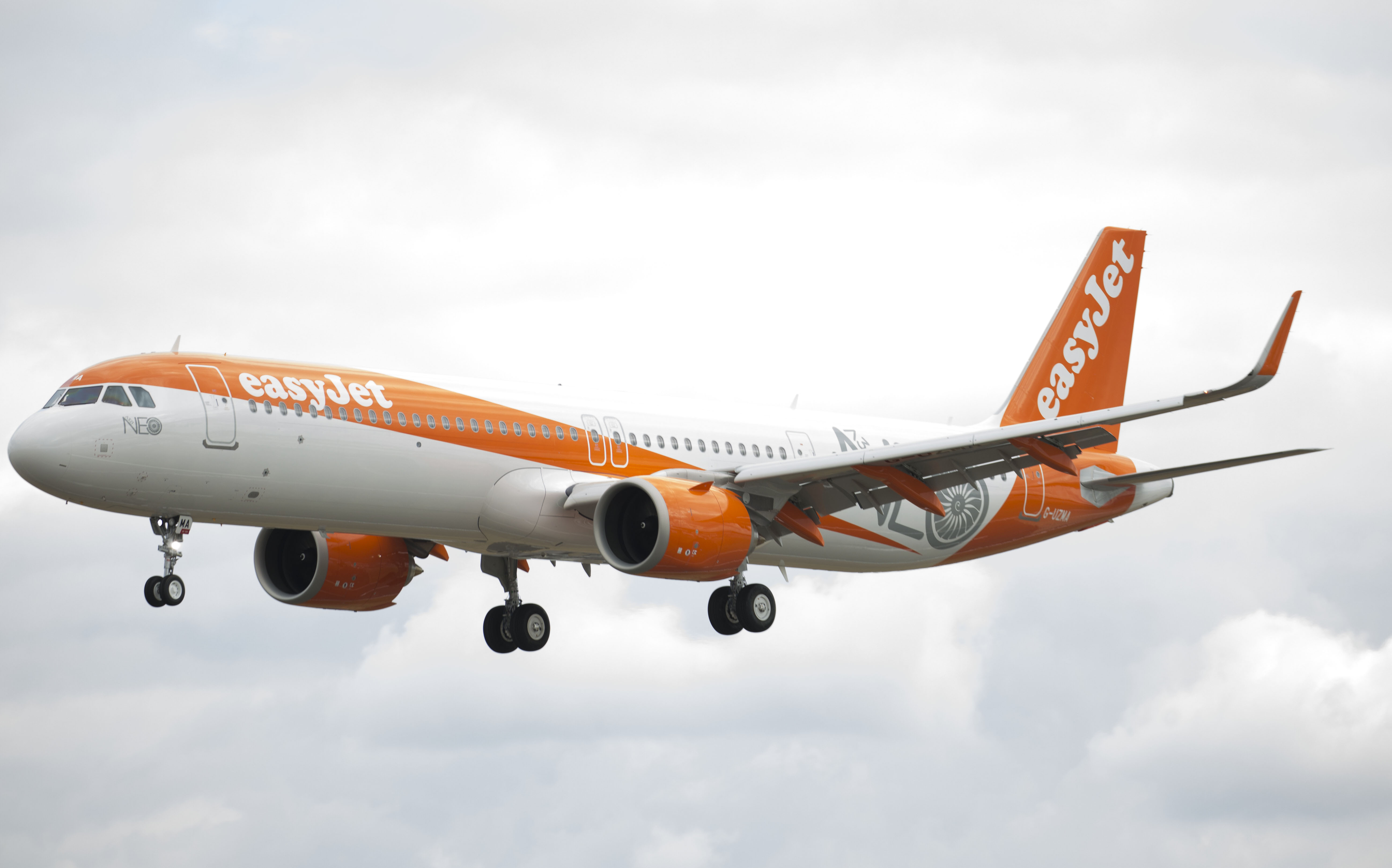
easyJet isn’t sitting still. In 2019, it became the world’s first major airline to offset 100 per cent of its direct carbon emissions from the fuel used for its flights. Airbus A320neo aircraft, which are 15 per cent more fuel-efficient than the planes they replace, continue to join easyJet’s fleet – one of the youngest and most fuel-efficient in Europe.
The airline is also adjusting its everyday operations to reduce fuel consumption, with single-engine taxiing on arrival and departure – and the use of advanced weather information to improve navigation performance. These efforts mean that, since 2000, easyJet has reduced its carbon emissions per passenger kilometre efficiency by more than a third.
“Carbon offsetting is an interim measure and helps us to take responsibility for our climate impact while new zero-emissions technologies are scaled up,” says Morgan. “Ultimately, we want to become a zero-emissions airline, so we’re also working hard on our own detailed roadmap to decarbonise – and we’re committed to transitioning to these new technologies as soon as they’re available.”
This roadmap will probably involve pushing for improvements in air traffic management, which Morgan says could reduce European aviation emissions by up to 11 per cent by allowing airlines to fly more direct routes; exploring sustainable fuels; and the deployment of carbon-capture technologies.
Beyond carbon, easyJet is also focusing on reducing the amount of plastic on its aircraft (in 2020, more than 27 million single-use plastic items were eliminated) as well as reducing waste and plastic within its wider operations and the supply chain.
The airline recently introduced new crew uniforms made from recycled plastic bottles. Forty-five bottles go into each outfit – with the potential to prevent 2.7 million plastic bottles from ending up in landfill or in oceans over the next five years. The garments are fashioned from a high-tech material that is made using renewable energy sources and has a 75 per cent lower carbon footprint than traditional polyester.
So, sustainable travel is finally in sight – but how long will we have to wait for a zero-emissions take-off?
“We expect that this technology, such as the Airbus concept, will be available from 2035, and in the meantime, we will use every option available, including carbon offsetting,” says Morgan. “We are operating our aircraft as efficiently as possible to tackle our environmental impact.”
Travellers visiting short-haul destinations will probably experience this new technology first. “easyJet is in a great position to be one of the pioneers of hydrogen, because the technology is well suited to our short-haul European network, where our average flight is less than two hours,” says Morgan.
“We could realistically see European short-haul flights operating zero emissions from the mid to late 2030s, with our customers starting to fly on hydrogen or hybrid aircraft.”
This could prove to be the biggest revolution since the Wright brothers began powered flight, he says.
Passengers are unlikely to notice any major changes onboard, except the possibility of quieter travel – welcome news for travellers and those living under flight paths, no doubt.
“Our latest generation of aircraft is 50 per cent quieter than the previous generation and we’re hoping future aircraft will be even quieter still, which will be a great experience for the travelling public in the future,” says Morgan.
Greener travel and the possibility of peaceful sleep at 40,000 feet? See you at check-in.
We’re working hard on our own detailed roadmap to decarbonise – and we’re committed to transitioning to new technologies
We could see customers starting to fly on
hydrogen-powered or
hybrid aircraft

Isn’t just green, it’s orange


Green travel: easyJet facts
2035: when new zero-emissions aircraft are expected to be in service

100 per cent of direct carbon emissions from fuel used on all easyJet flights is offset

15 per cent greater fuel efficiency is delivered by the new
Airbus A320neo aircraft

27 million single-use plastic items were eliminated in 2020

45 recycled plastic bottles make up each crew member’s uniform


Operating efficiently: easyJet’s modern A320neos are 15 per cent more fuel efficient than the planes they replace
Flying high: easyJet is working with industry leaders to build a greener future

Bright idea: zero-emission planes could be flying you across Europe in the 2030s