REGIONAL EXPRESSIONS
Setting the stage for 2026 and beyond
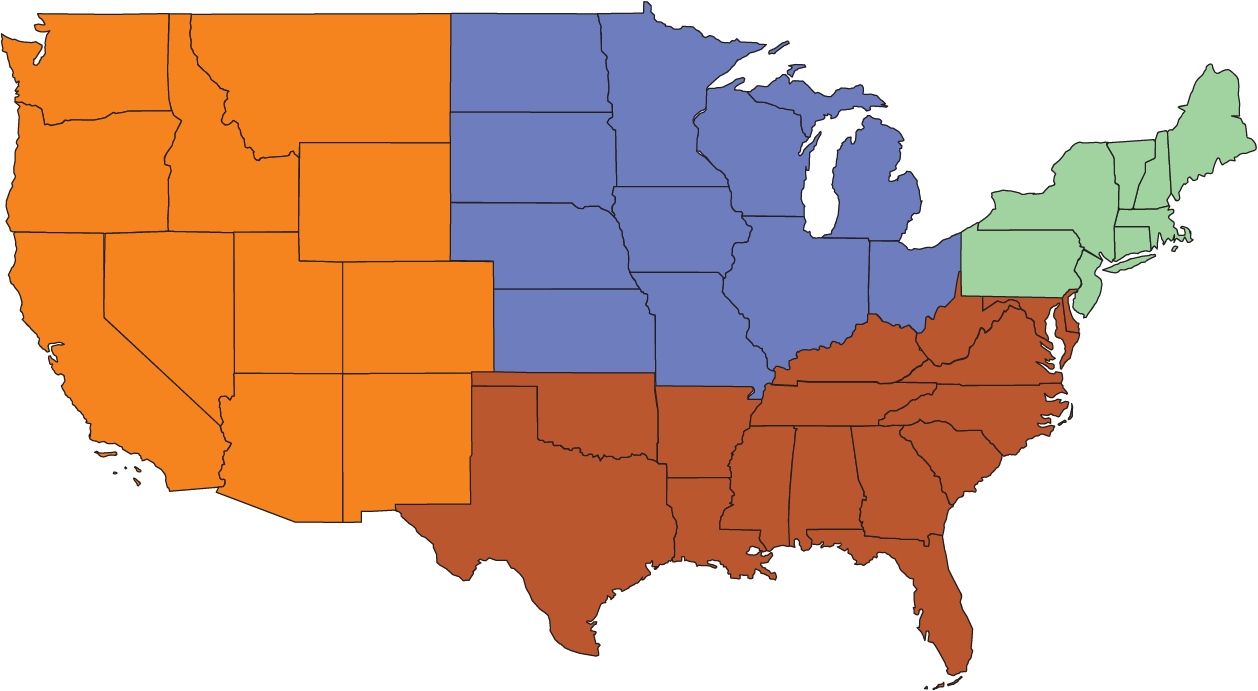
Home design in the U.S. is increasingly shaped by geography and lifestyle. Climate, culture, and daily routines all play a role in how Americans are redefining home. Curious how design varies across the country? See what’s trending by region and how it’s shaping the future of home.
Hover over map to explore regional styles

SOUTHWEST
Seamless indoor/outdoor living
NORTHEAST
Cozy, compact, and classic
PACIFIC NORTHWEST
Sustainable and smart
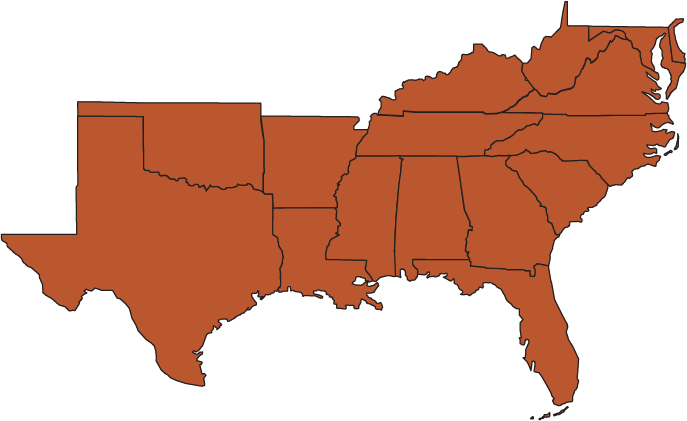
southeast
Breezy and social
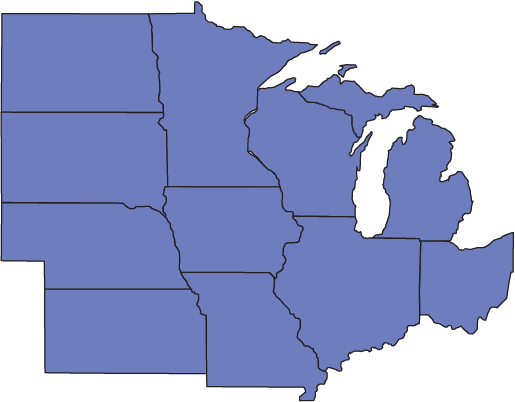
midwest
Practical and weather-ready
MIDWEST
NORTHEAST
SOUTH
WEST
AL/HI
SOUTHWEST
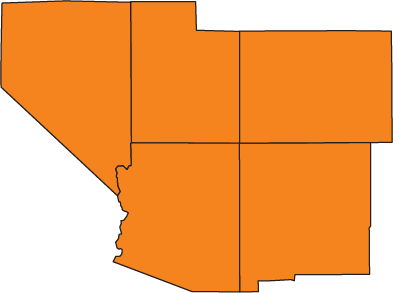
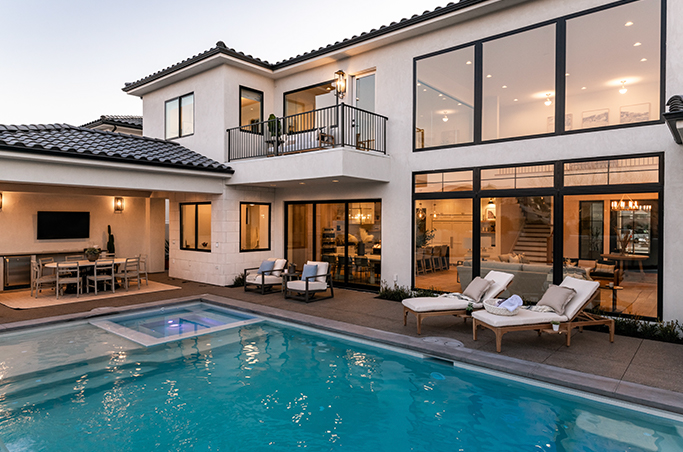
Southwest
Seamless indoor/outdoor living
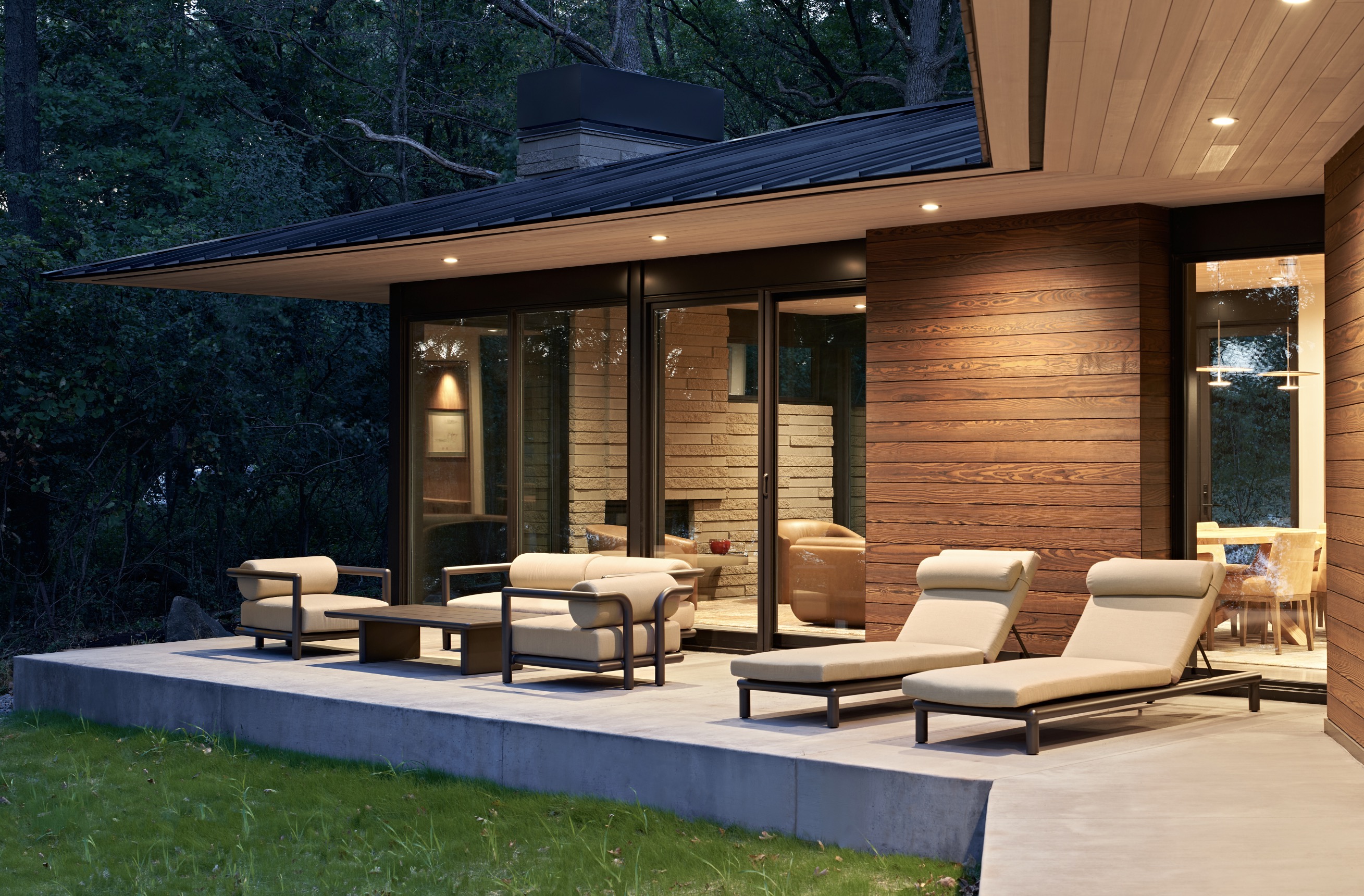
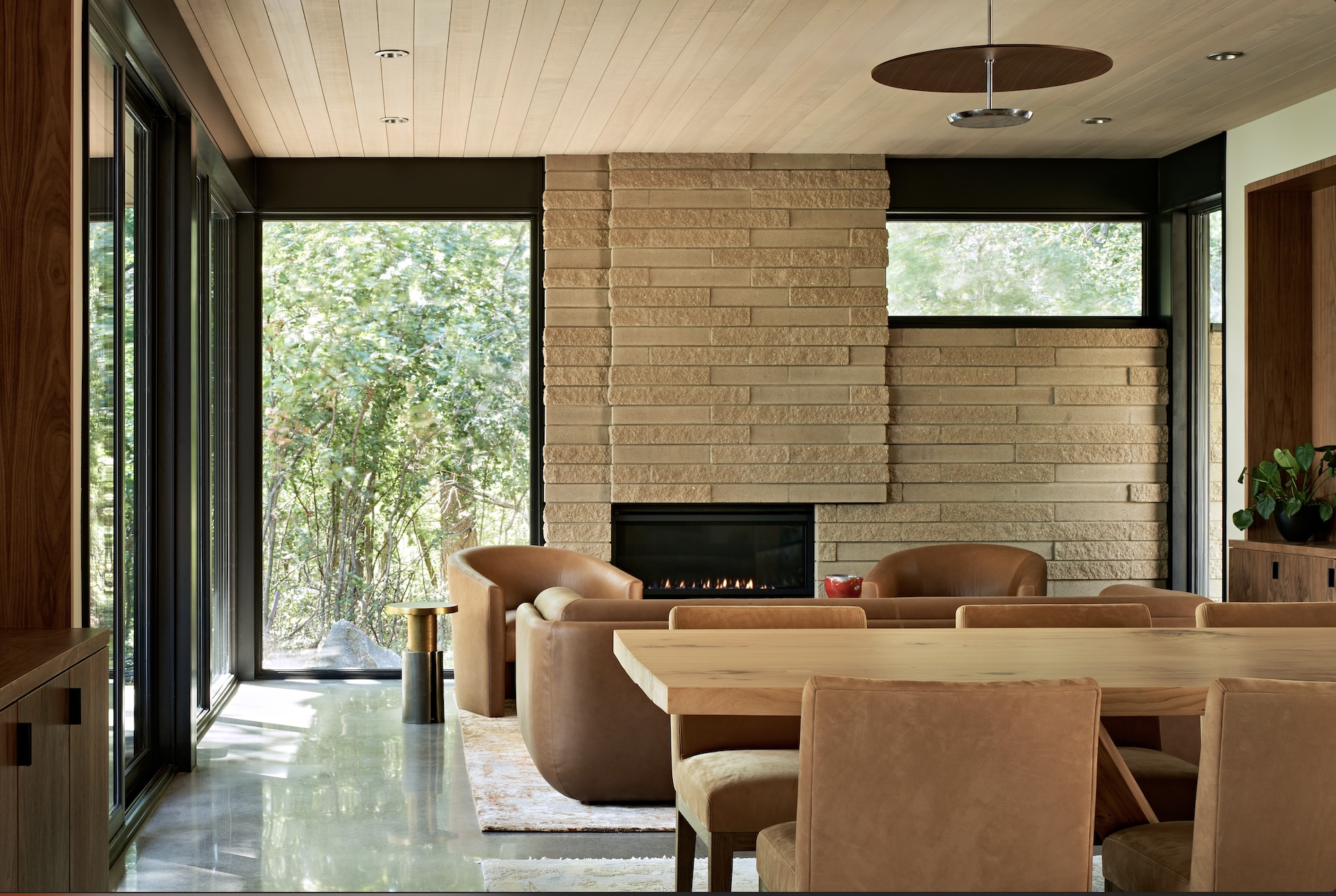
In the Southwest, expansive desert views and year-round sunshine call for homes that blur the line between inside and out. Slim aluminum frames and Multi-Slide Doors from Andersen’s all-aluminum line offer narrow sightlines and advanced glass technology, perfect for maximizing views while keeping interiors cool and energy-efficient.

PACIFIC
NORTHWEST
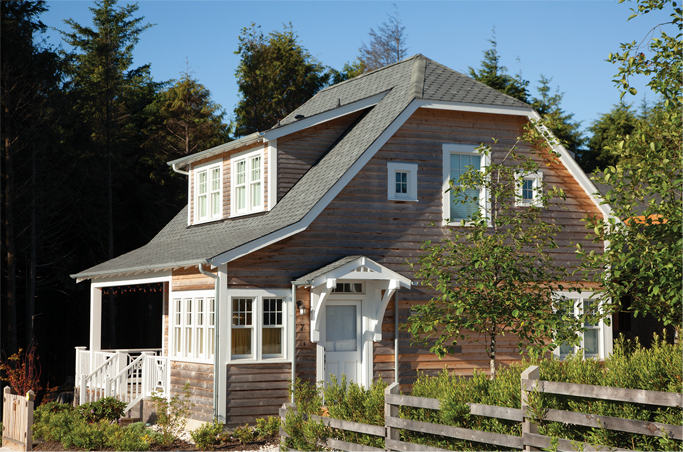
pacific northwest
Sustainable and smart
Eco-conscious and design-forward, the Pacific Northwest embraces natural materials, green roofs, and smart layouts. Andersen’s A-Series windows and doors pair beautifully with cedar and stone, offering top-tier energy efficiency and wood interiors that align with the region’s sustainable values.
NORTHEAST
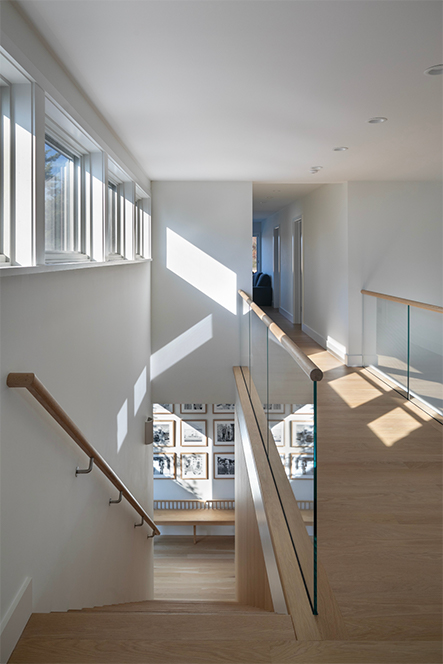
northeast
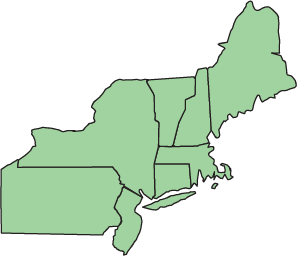
Cozy, compact, and classic
Historic charm meets modern efficiency in the Northeast, where steep-pitched roofs, fireplaces, and built-ins define the aesthetic. Andersen’s awning windows are ideal for compact spaces, offering ventilation and light without sacrificing warmth, perfect for cozy renovations and timeless architecture.
design &
architecture
FOCUSES on form, structure, and the evolution of home design
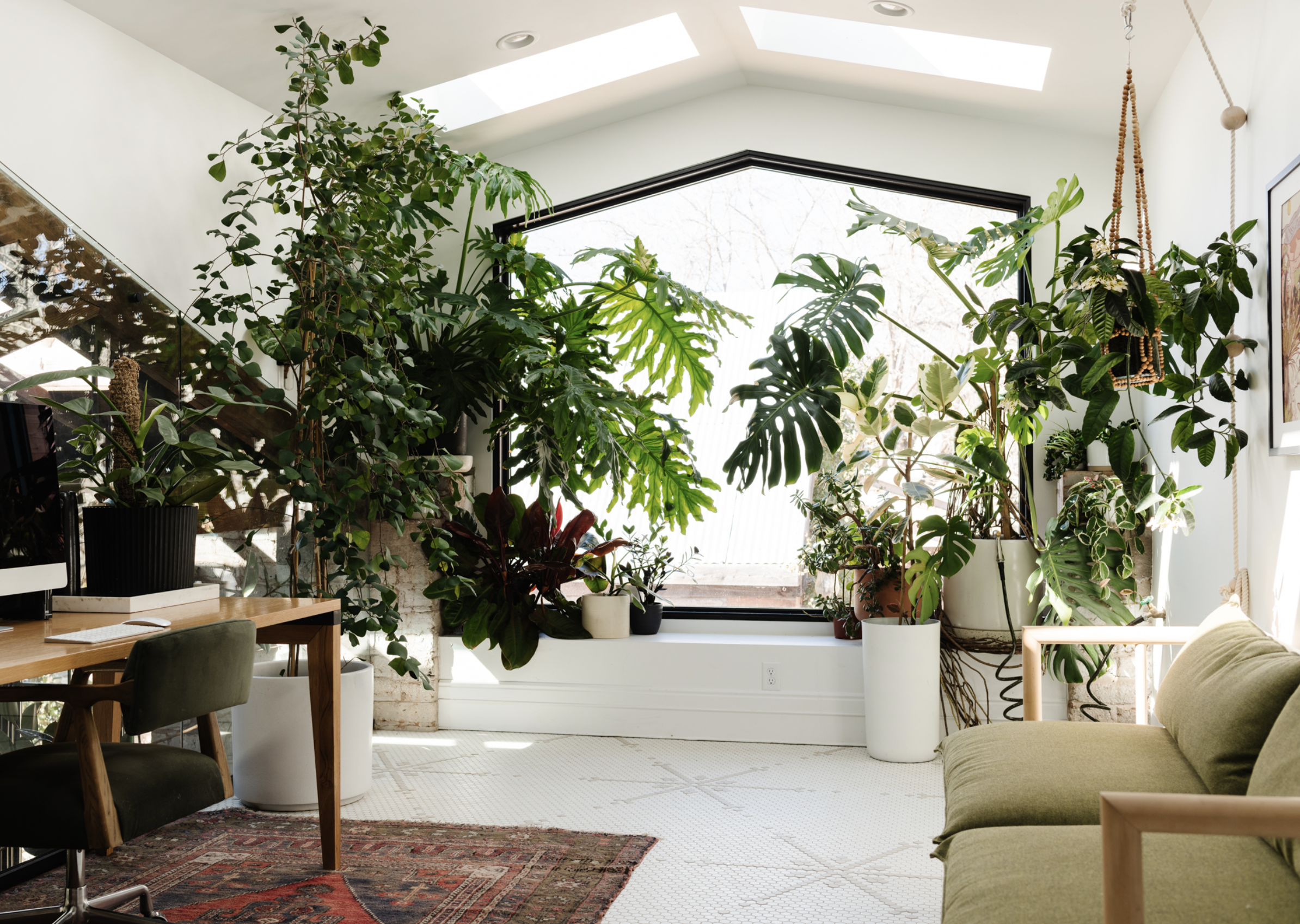
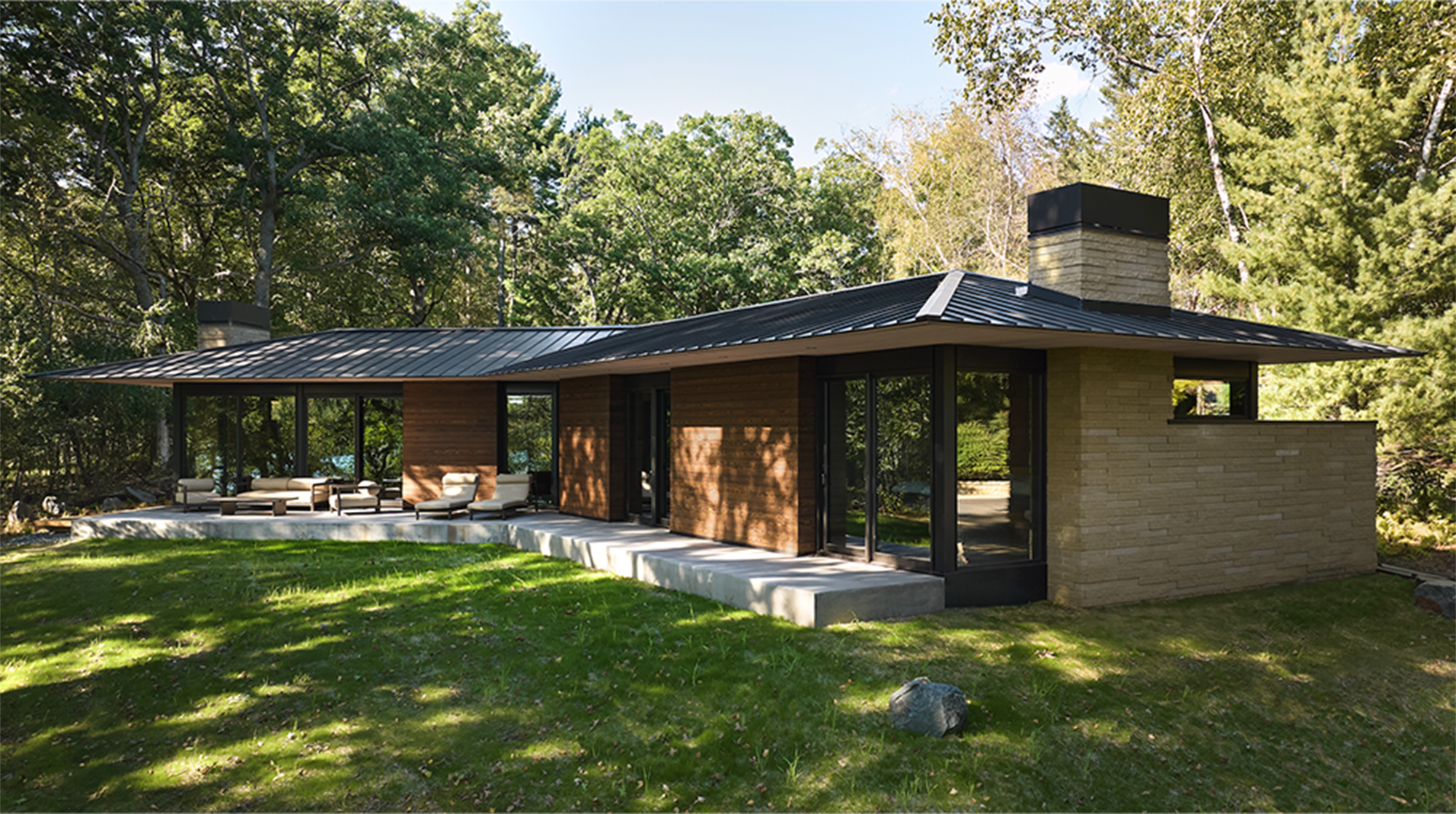
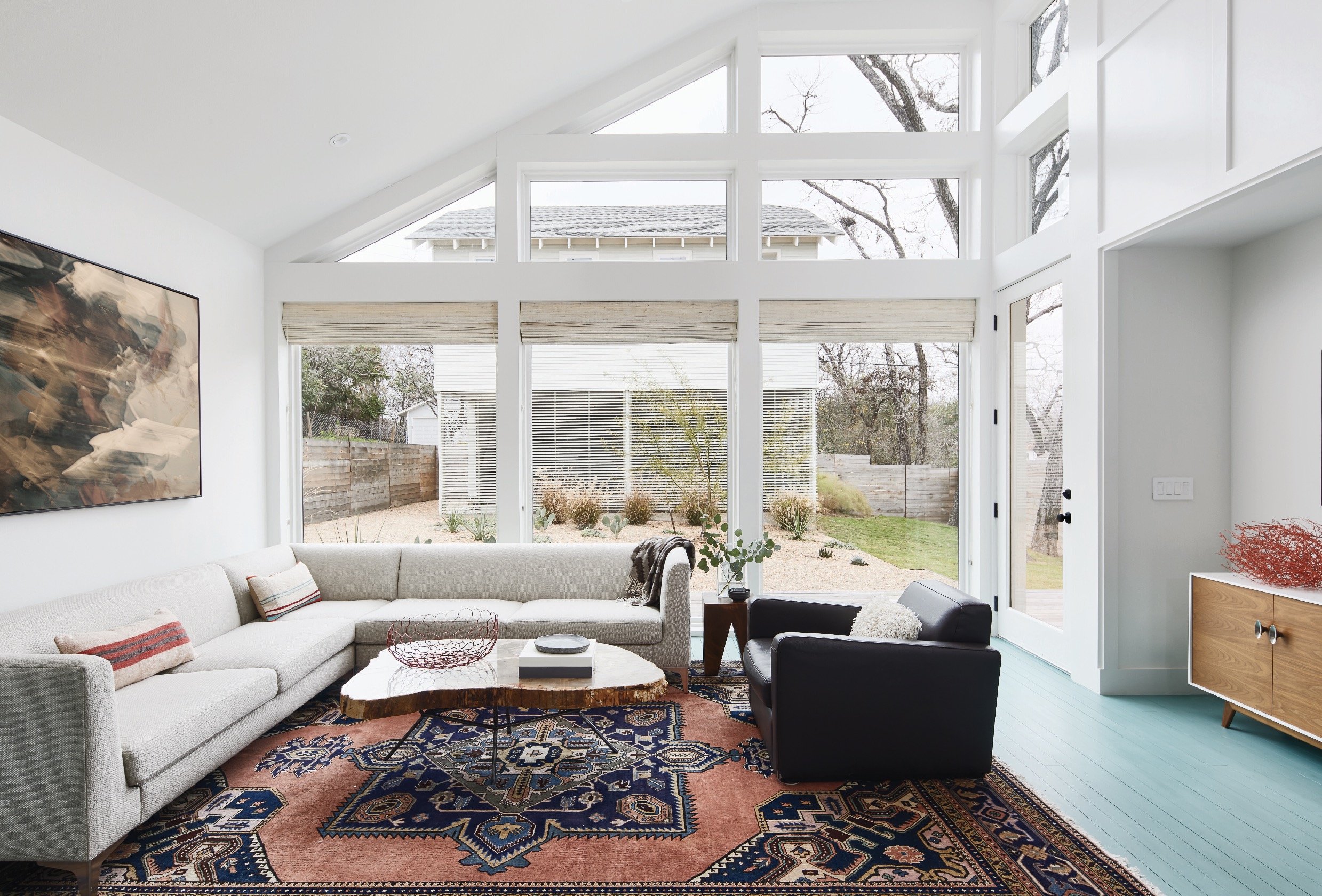
Windows are no longer just openings, they’re design statements. In today’s homes, walls are being transformed into canvases of light, shape, and expression. From floor-to-ceiling expanses to custom configurations, designers are embracing bold openings that enhance natural light, ventilation, and architectural identity.
These large-scale windows not only elevate aesthetics, they also support energy efficiency and well-being, making them a defining feature of modern home design.
Trend No.1
windows that fill
the space
Three ways to bring this trend to life
USE SPECIALTY SHAPE WINDOWS
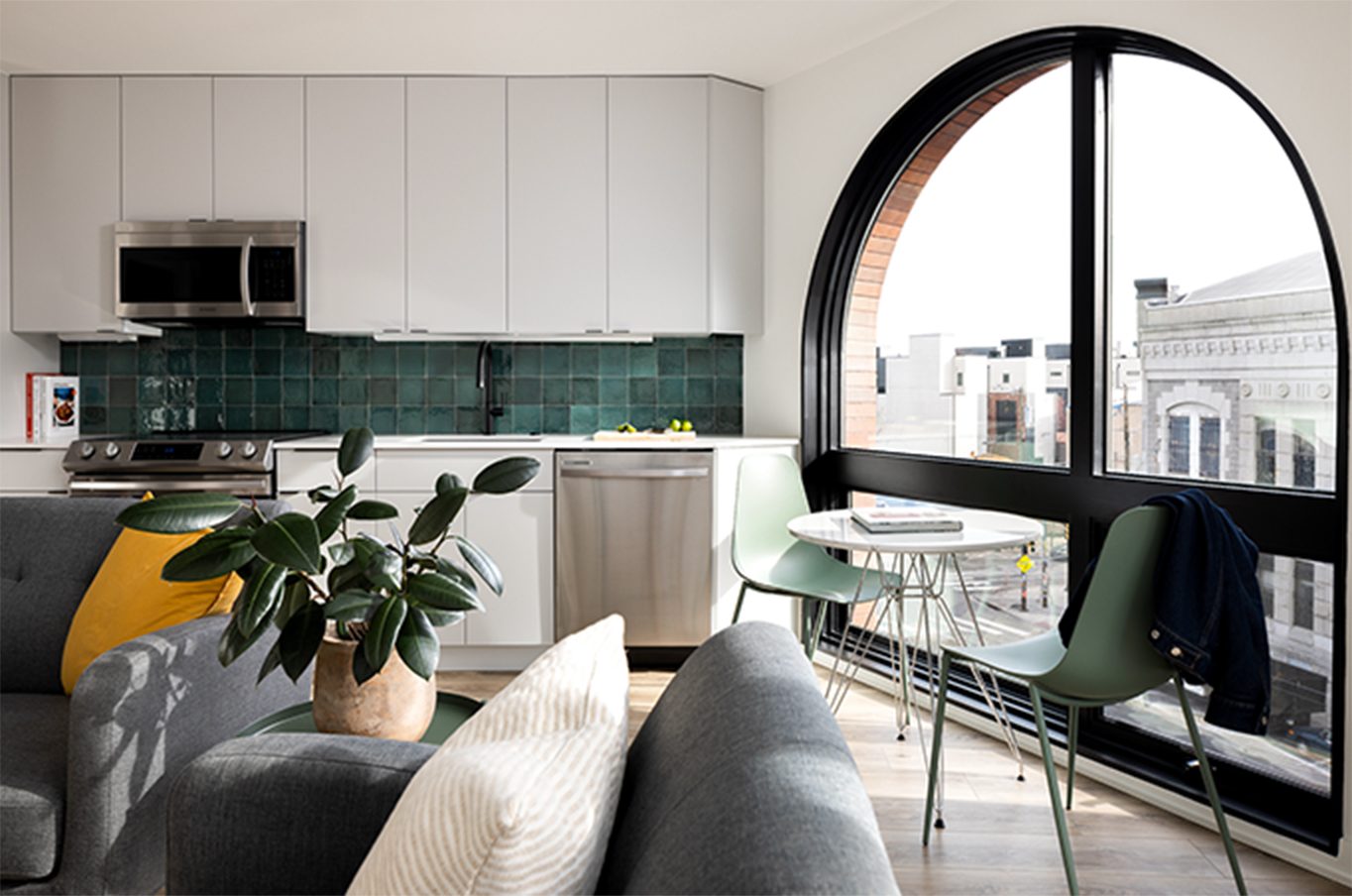
Incorporate arched tops, angled corners, or trapezoidal windows to follow the roofline or architectural form. These shapes can add character and help the window feel like a natural extension of the structure.
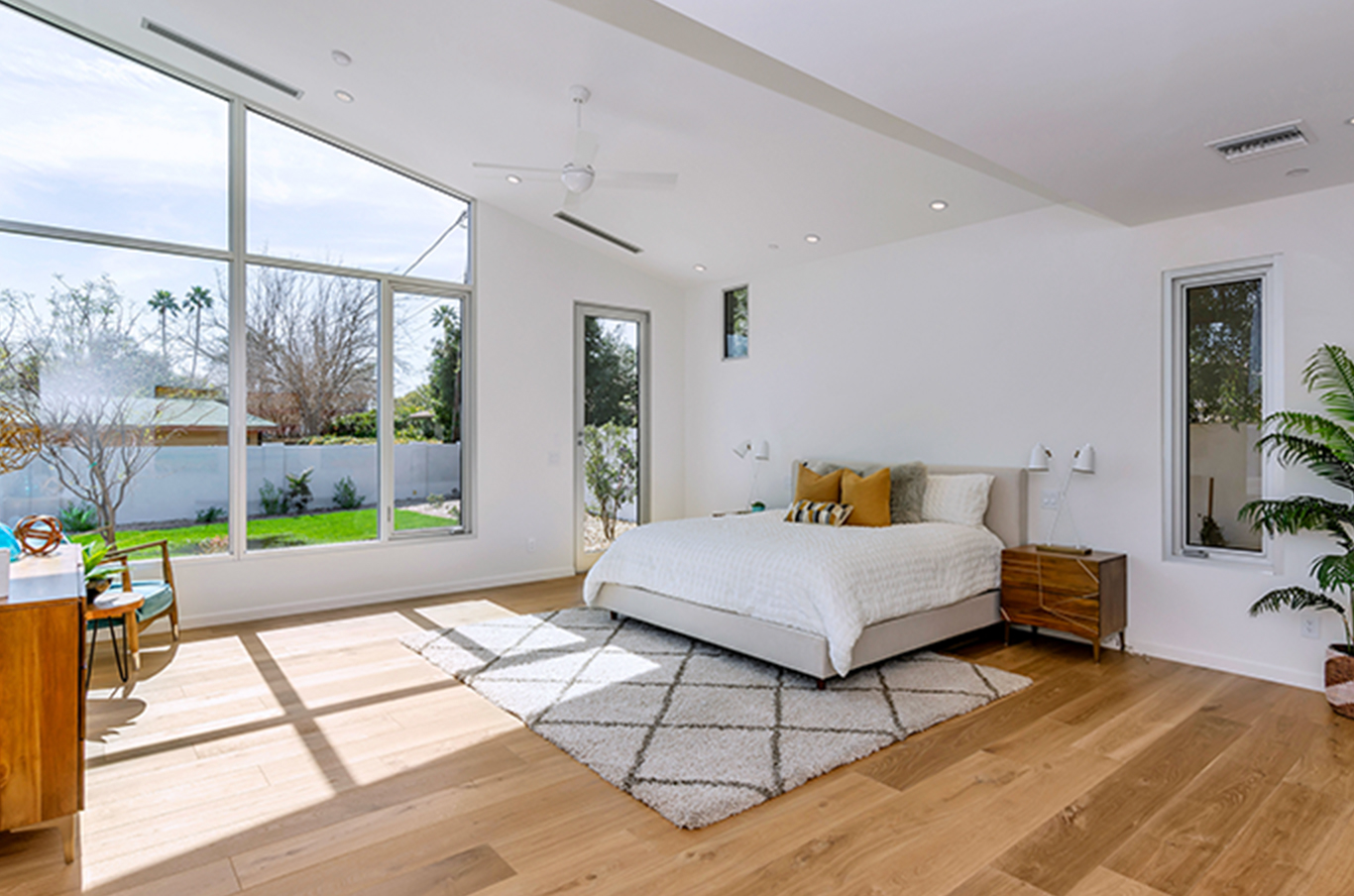
COMBINE WINDOWS AND DOORS
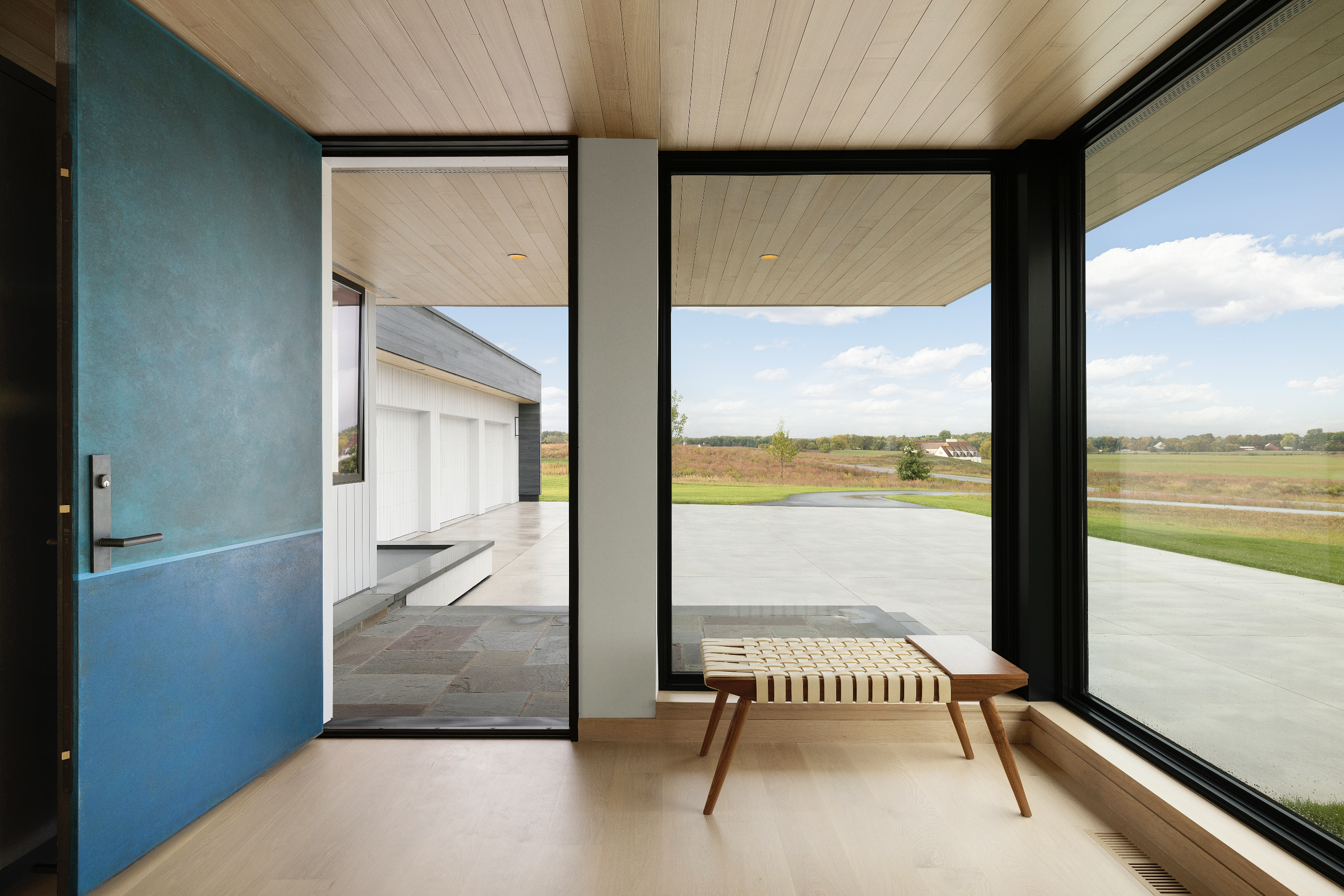
Pair large fixed windows with patio doors or operable units to create a seamless wall of glass that offers both access and airflow. This approach works especially well in living rooms, dining areas, or anywhere indoor/outdoor flow is a priority.
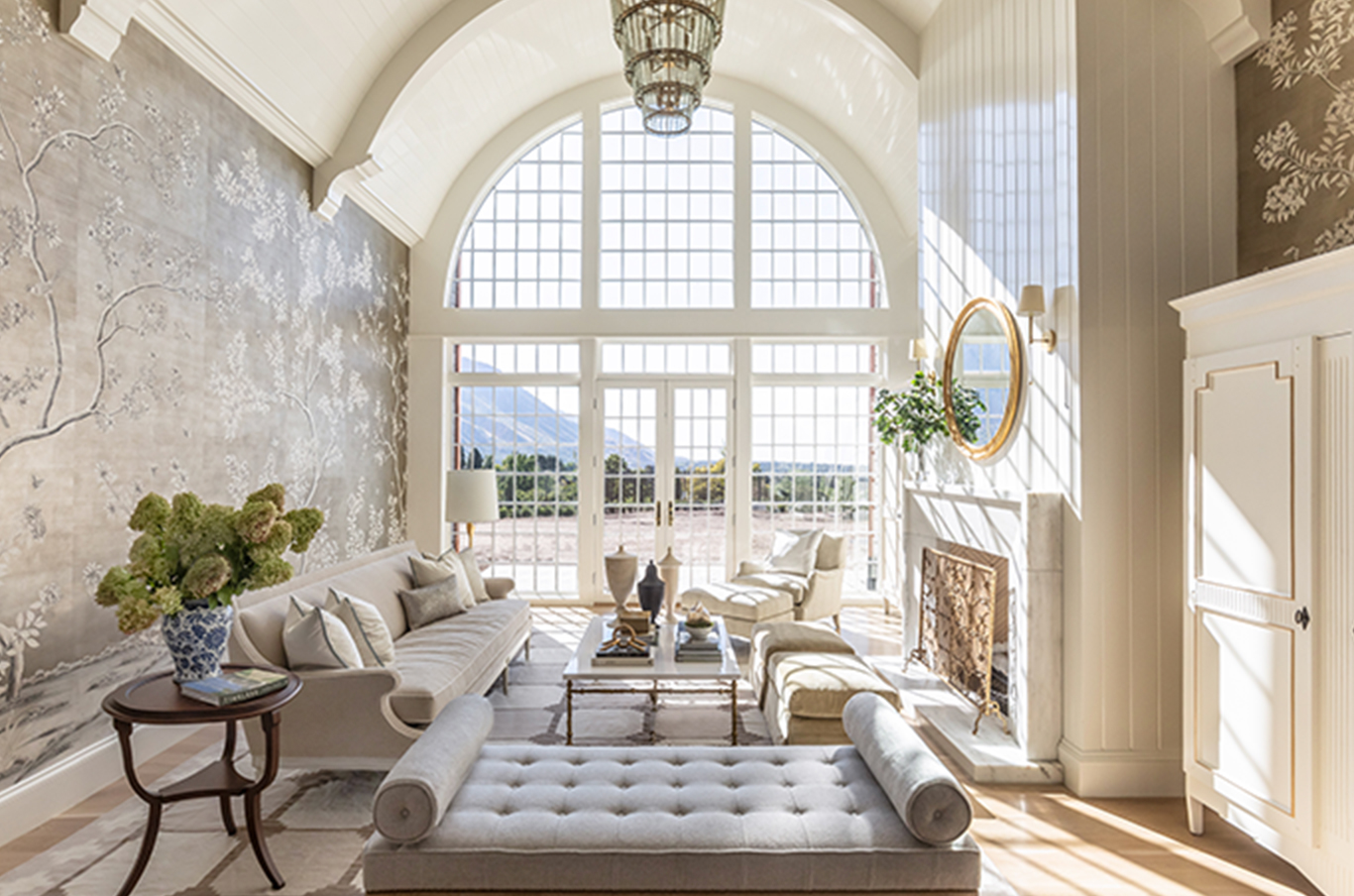
GO OVERSIZED
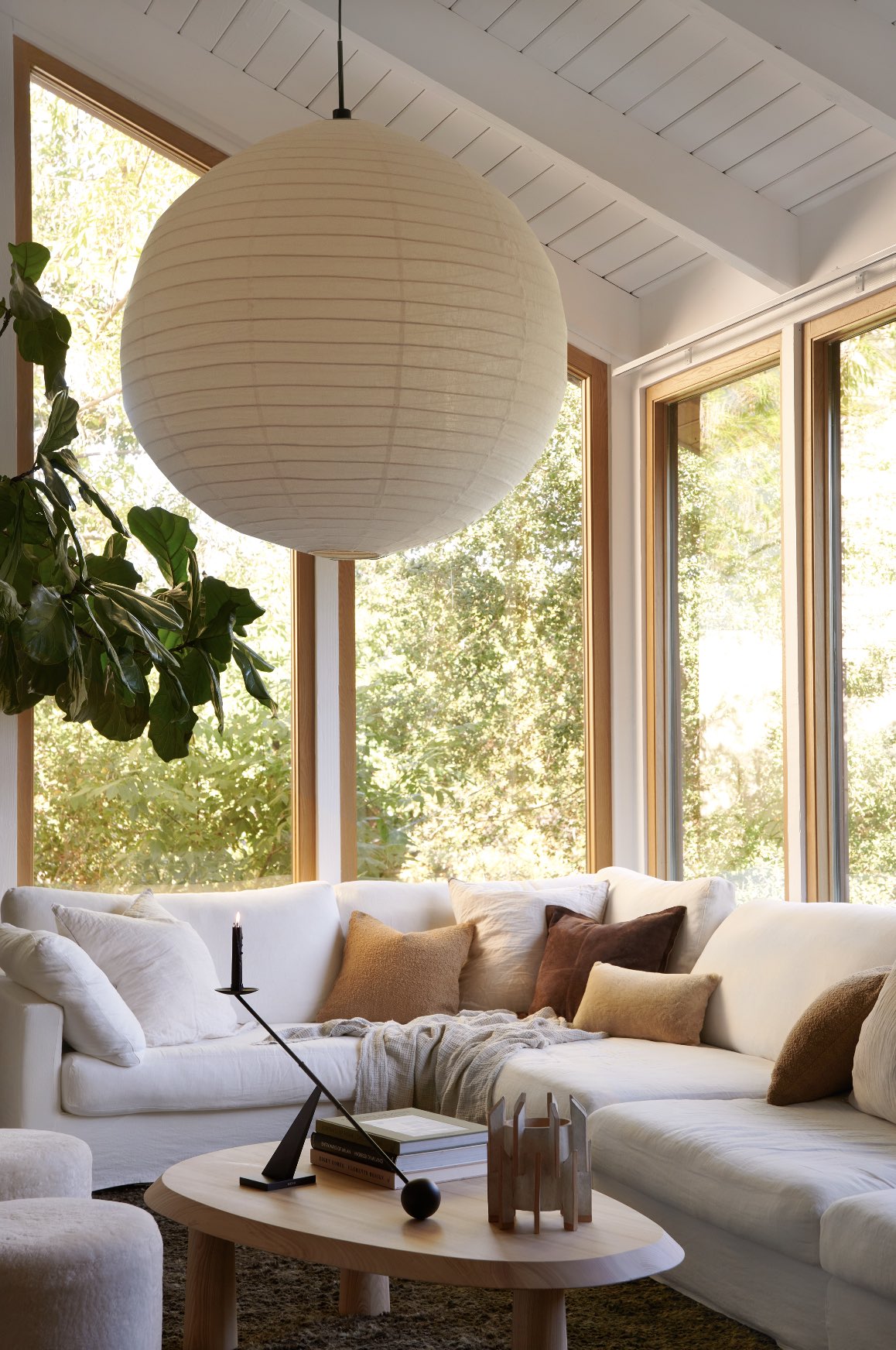
Maximize the impact by choosing oversized windows that stretch from floor to ceiling or wall to wall. These expansive openings flood interiors with light and frame views like artwork — perfect for homes with scenic surroundings or dramatic landscapes.
Trend No.2
on it's way back
glass blocks
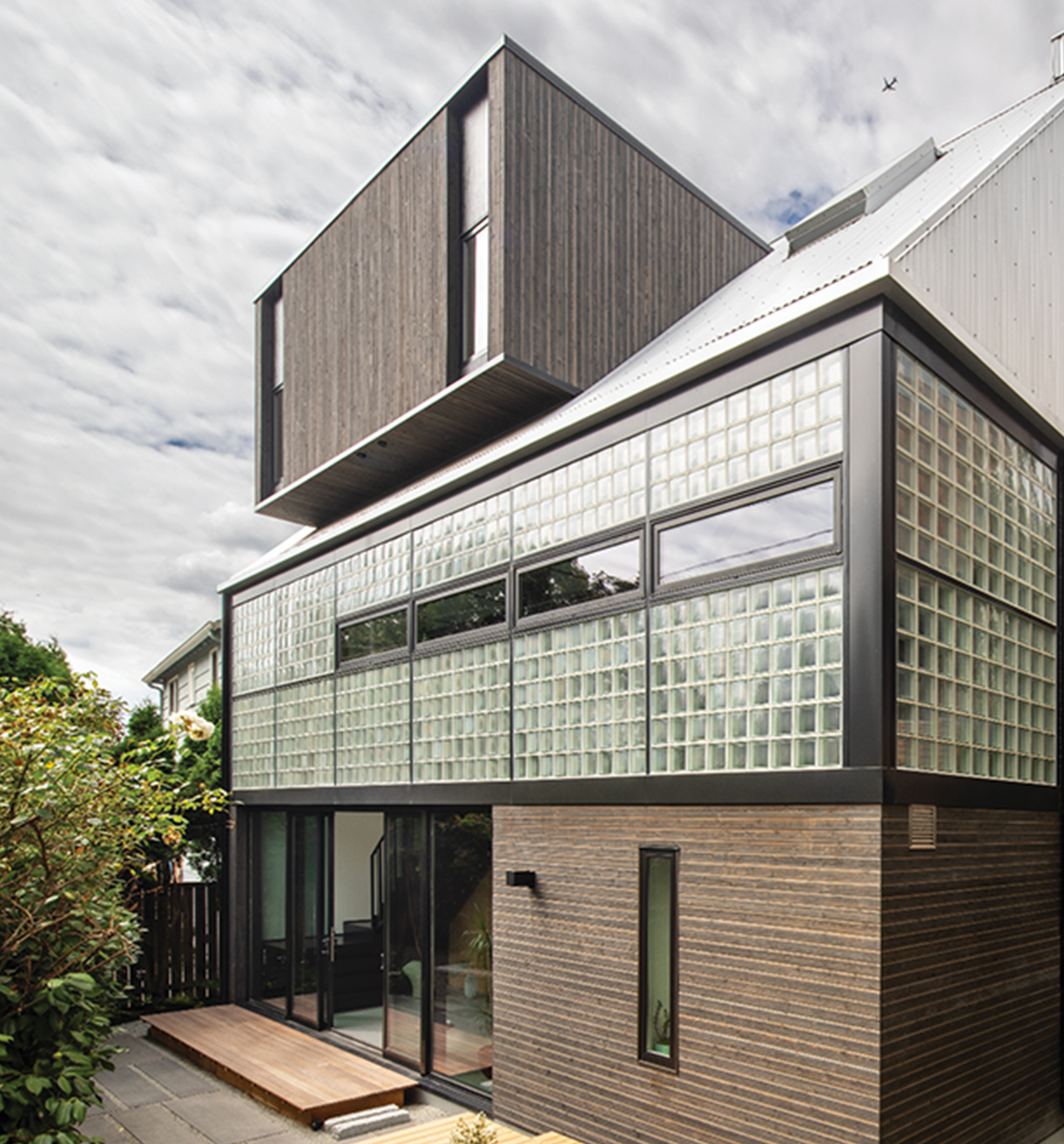
Glass blocks are stepping back into the spotlight in 2026, reimagined for a new era of design that values both transparency and privacy along with light and texture. Once a staple of mid-century style, these semi-transparent glass cubes are now being used in unexpected, artful ways, blending yesteryear feelings with innovations.
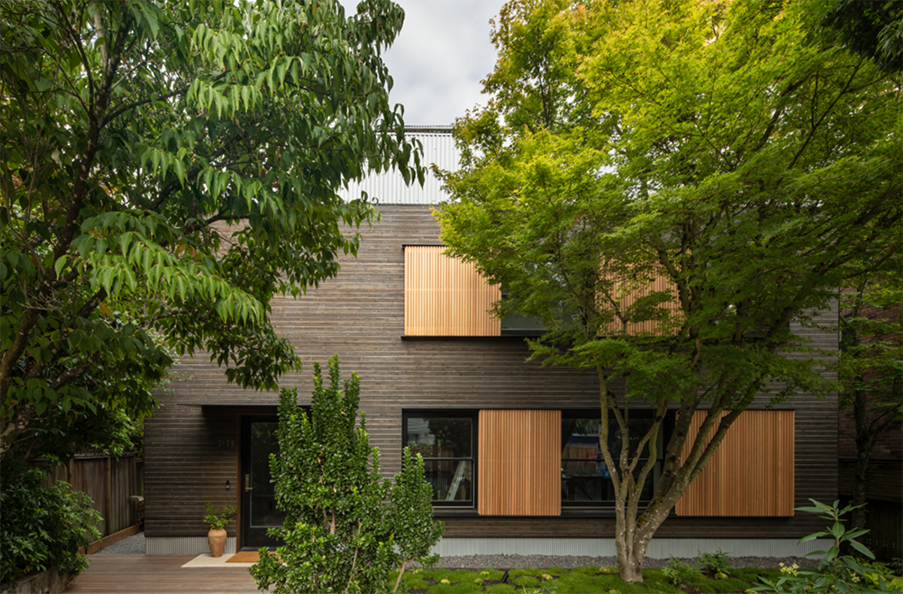
�One standout example is the Park Home in Ravenna project, designed by an architect couple and homeowners Kejia Zhang, AIA and Xiaoxi Jiao, Assoc. AIA. In this home, glass blocks are not just a material choice, they're also a design statement. This home renovation, awarded the AIA Seattle Honor Award 2024, merges modern minimalism with historical reverence, using glass blocks to create a luminous facade that feels both contemporary and timeless.
Hover over pinpoints to learn more
1
2
3
"Glass blocks offer a rare combination of softness and structure, and we utilized them as a way to articulate the building envelope with both visual and tactile depth.
Their modularity allowed us to play with composition, while their translucency allowed us to craft an architectural statement that balances privacy and openness — filtering light while maintaining a sense of enclosure, similar to that of a Japanese shoji screen,”said Xiaoxi.
"We chose Andersen’s E-Series Awning Window for this project because it combines the perfect balance of aesthetic, reliability, and performance. The skinny frame and narrow system depth of 4 inches fits perfectly within the assembly depth of the glass block wall.
The flexibility of window dimension enabled us to find the optimal composition within the glass block wall with total freedom rather than being confined by what’s available,”said Kejia.
To accommodate three generations, the Park Home in Ravenna was thoughtfully expanded with a third floor and rear addition, blending old and new through a traditional gable roof, rooftop patio, and a Japanese-style Engawa porch for seamless indoor/outdoor living.
The renovation uses a “stilts and cocoon” approach — new structural supports wrap the original brick walls in a high-performance shell, allowing future updates without disturbing the exterior.
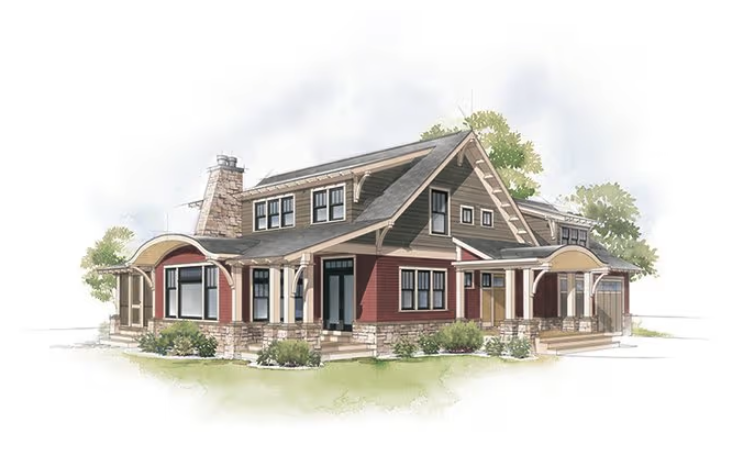

CRAFTSMAN
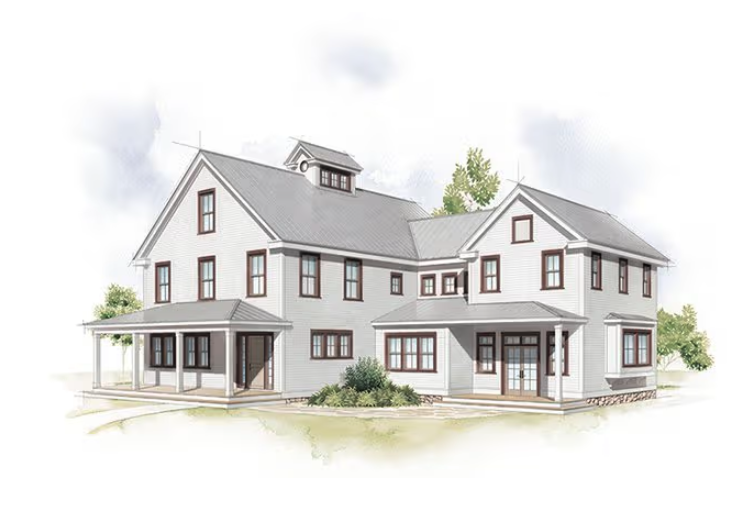

american farmhouse
find your home's style
Charting your own path in the heritage revival trend? The Andersen Home Style Library is your go-to design companion.
This curated guide breaks down the defining features of popular architectural styles, from farmhouse to French Eclectic, and shows you how to bring them to life with the right window and door combinations.
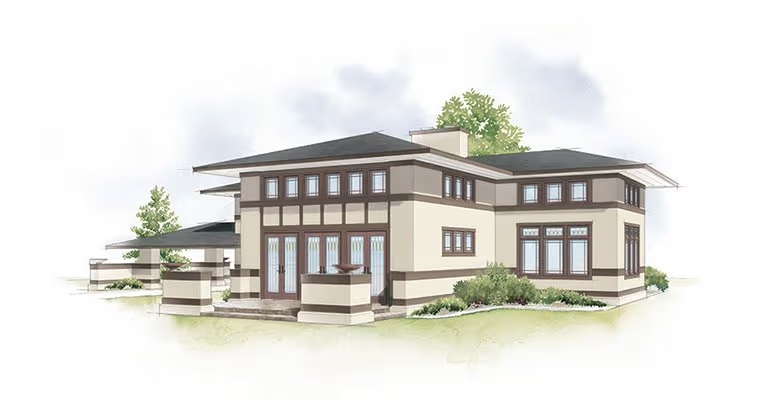

PRAIRIE
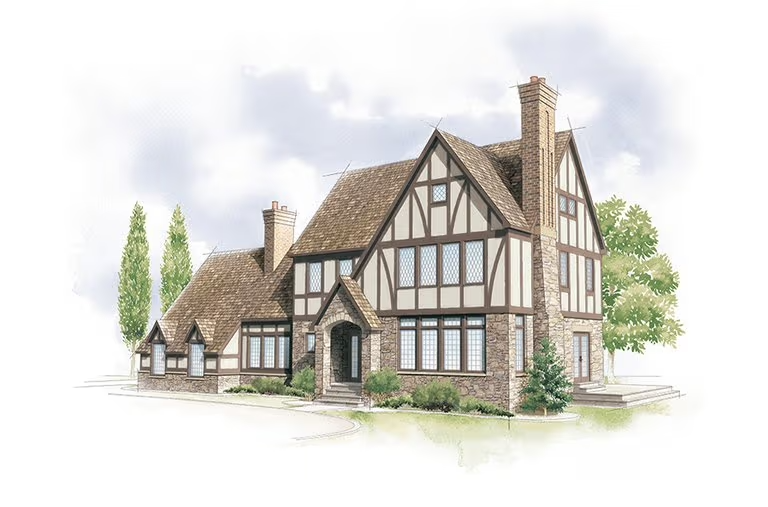

TUDOR
Materials &
craftsmanship
highlights the tactile and visual elements that define the home's character
How does this come to life?
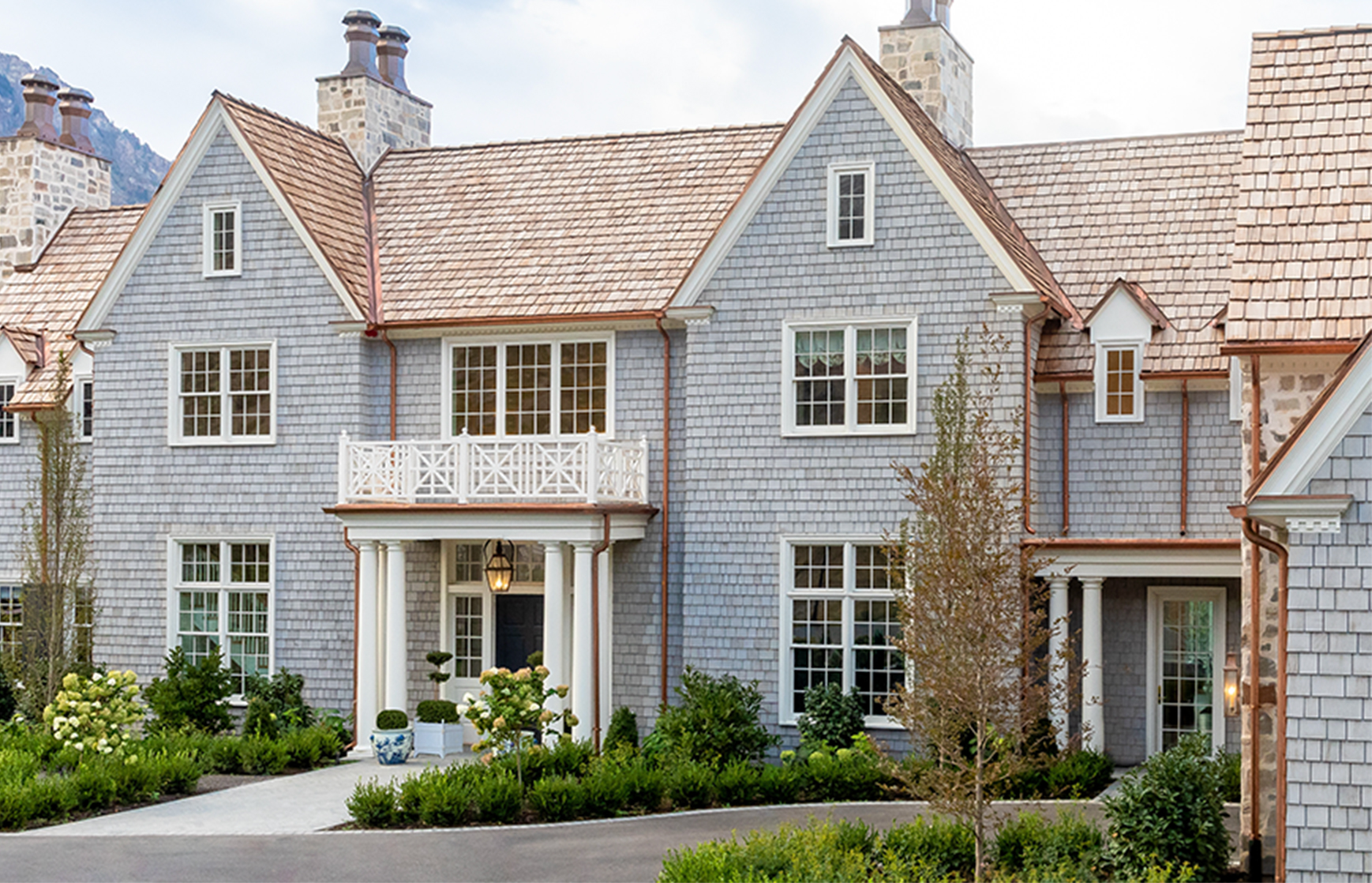
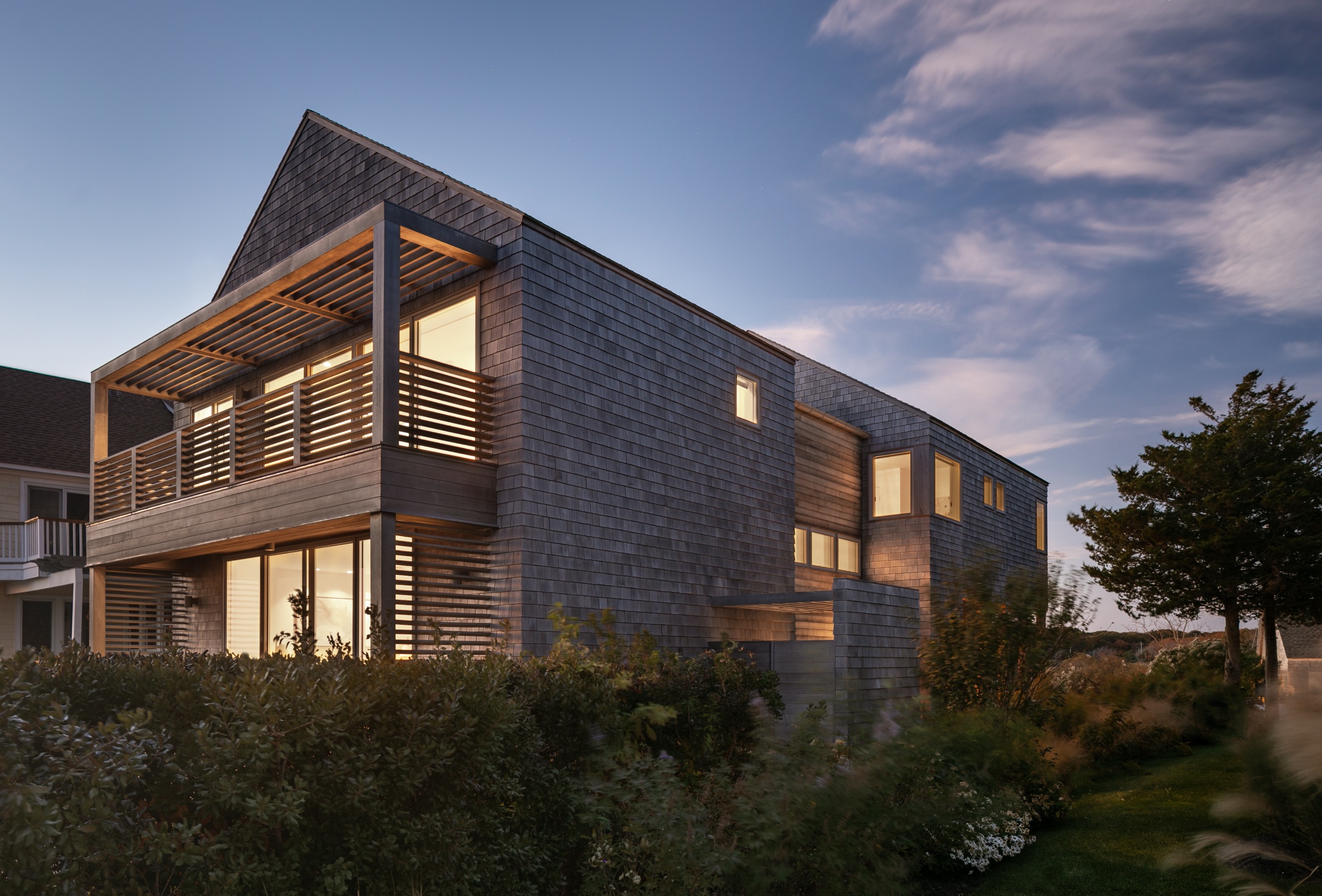
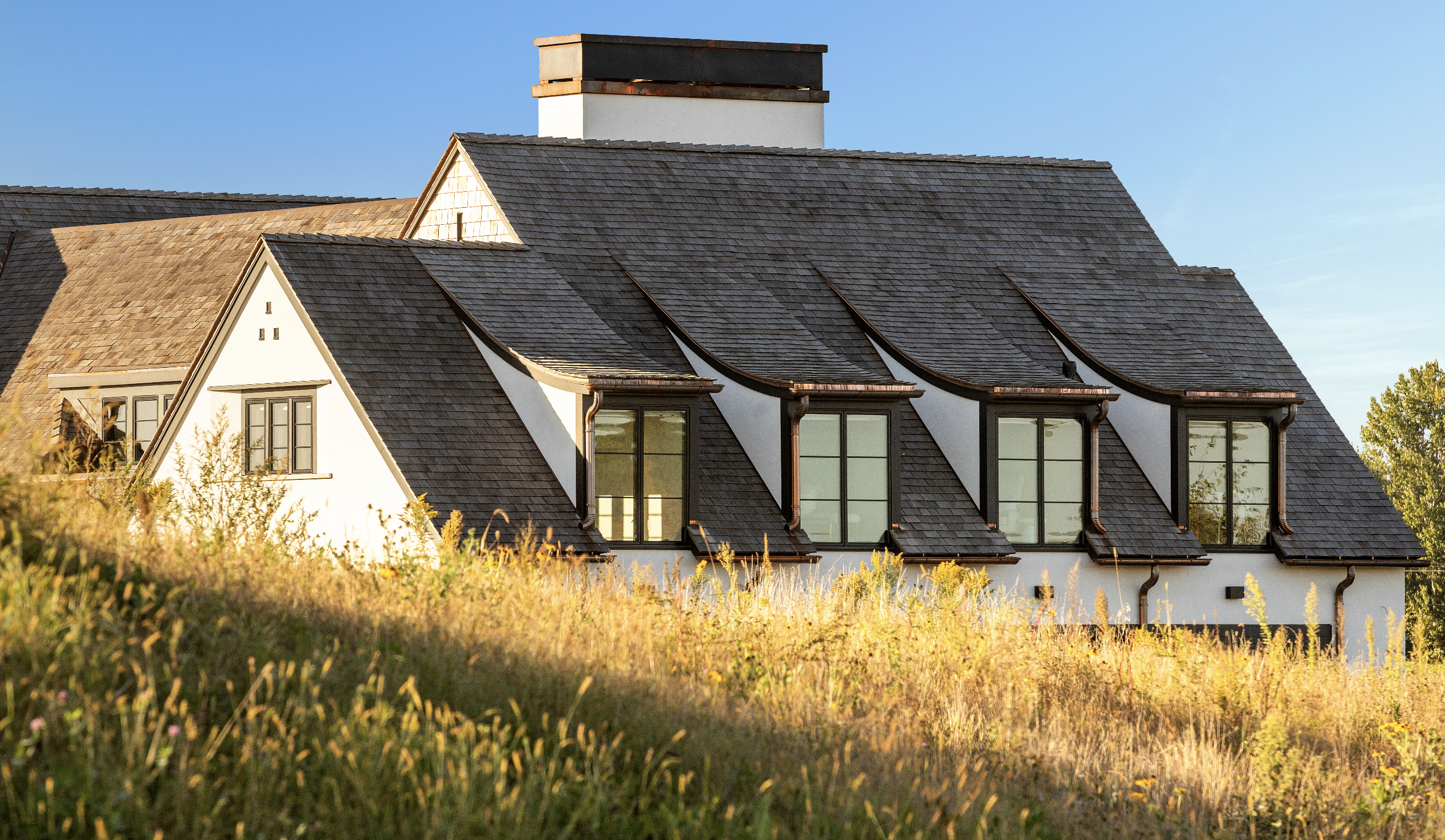
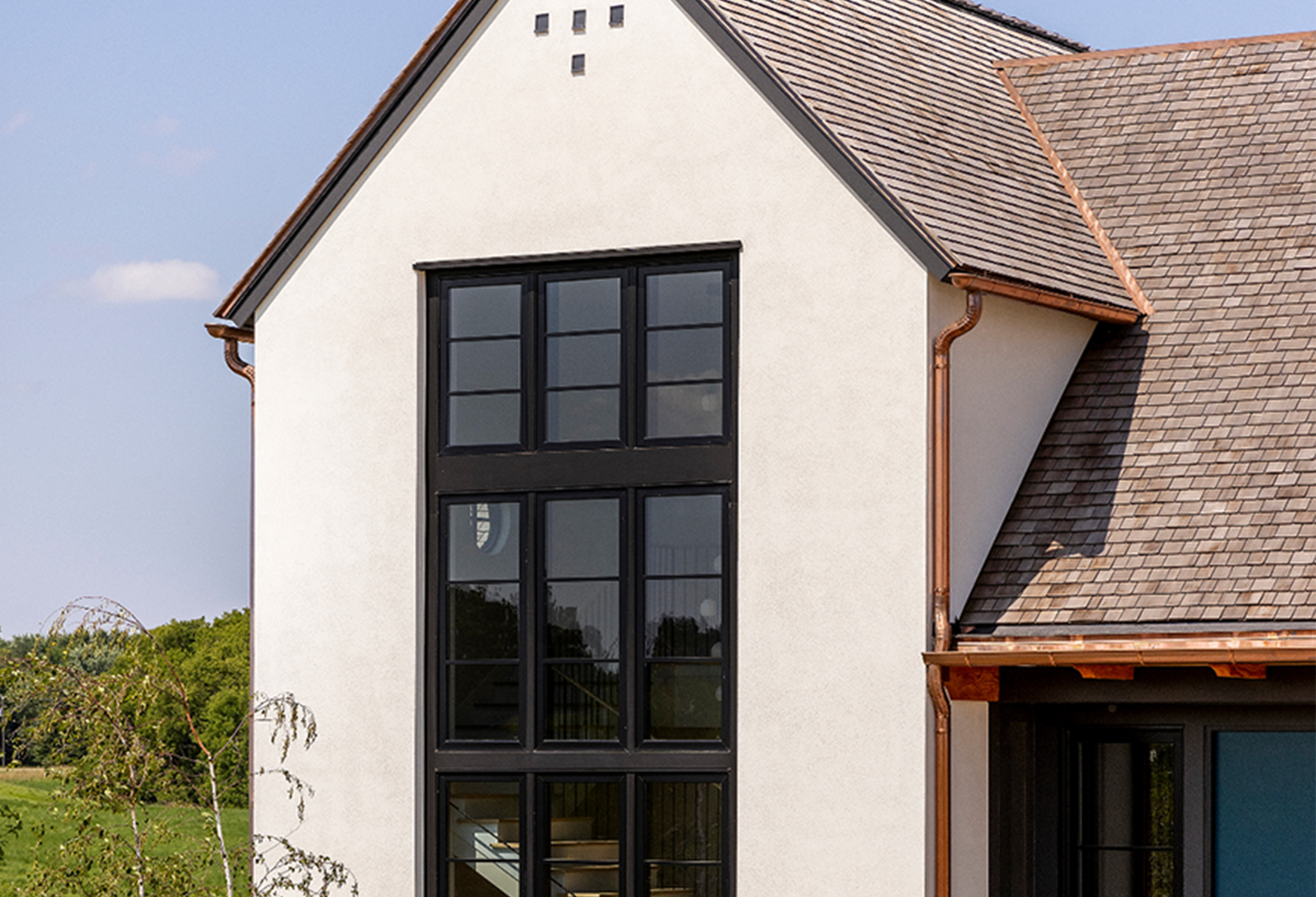
While smooth stucco remains a popular choice, more homeowners and designers are opting for richly textured finishes that add depth and artistry to exteriors. These surfaces allow for greater personalization through hand-applied patterns, directional troweling, and tonal variation, making each application feel unique and crafted.
Stucco
Sometimes, it’s the subtle architectural elements like copper gutters that bring the most warmth, texture, and artisanal charm to a home’s exterior. Copper gutters offer more than durability; they also add sculptural interest to the roofline and pair beautifully with natural materials and expansive glass, where the clean sightlines of modern windows meet the handcrafted character of aged metal.
Copper gutters
Wood shingles remain a defining element of textured exteriors. Once rooted in coastal and traditional architecture, they are now being used across a range of styles, from classic cottages to soft, modern homes. Their natural grain and layered dimension bring warmth and rhythm to facades, creating movement as light shifts throughout the day.
Wood shingles
03/03
02/03
01/03


innovation
& lifestyle
centers on technology, wellness, and the way we live now
The power of
Thoughtful sightlines that elevate everyday living
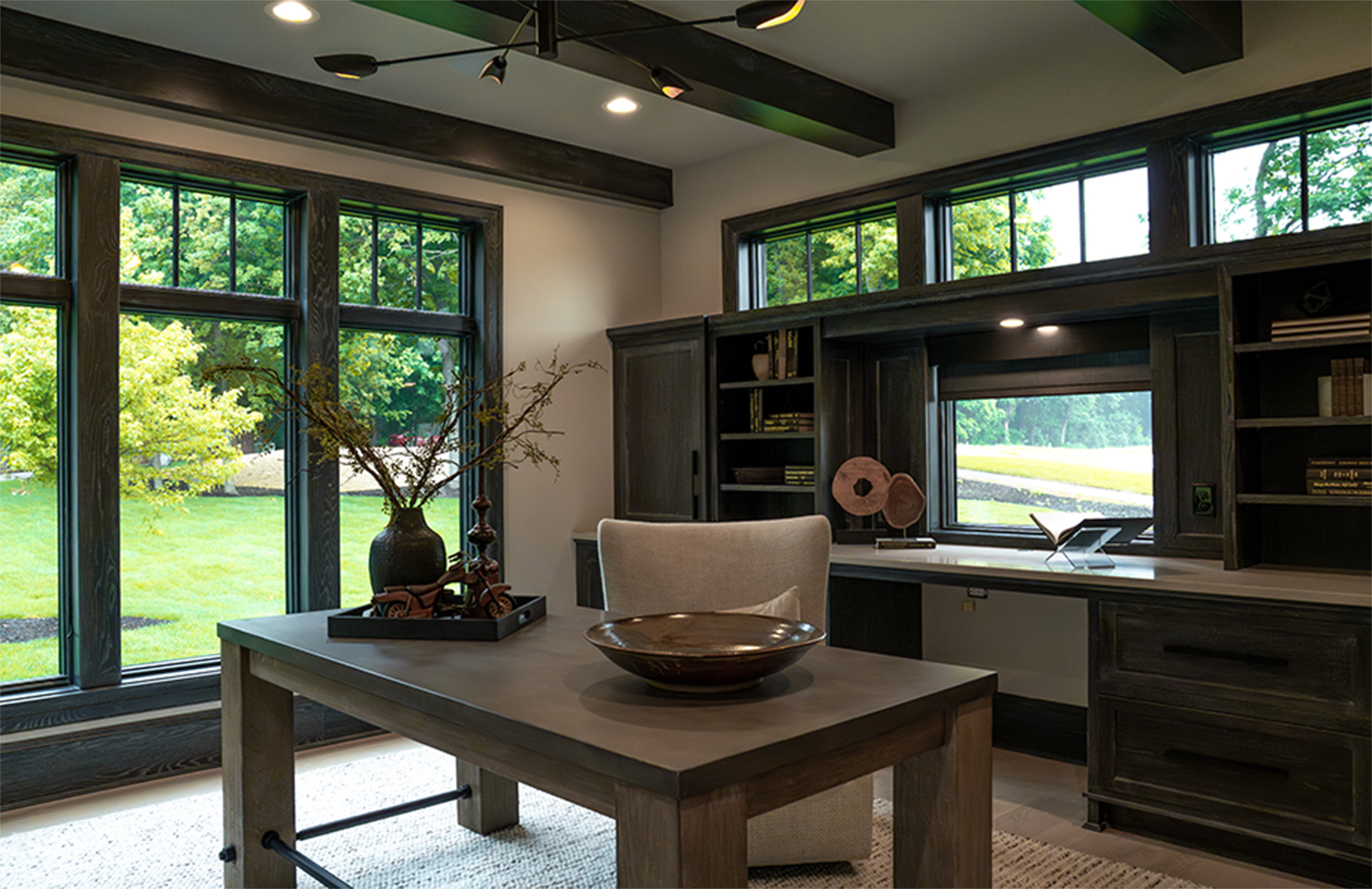
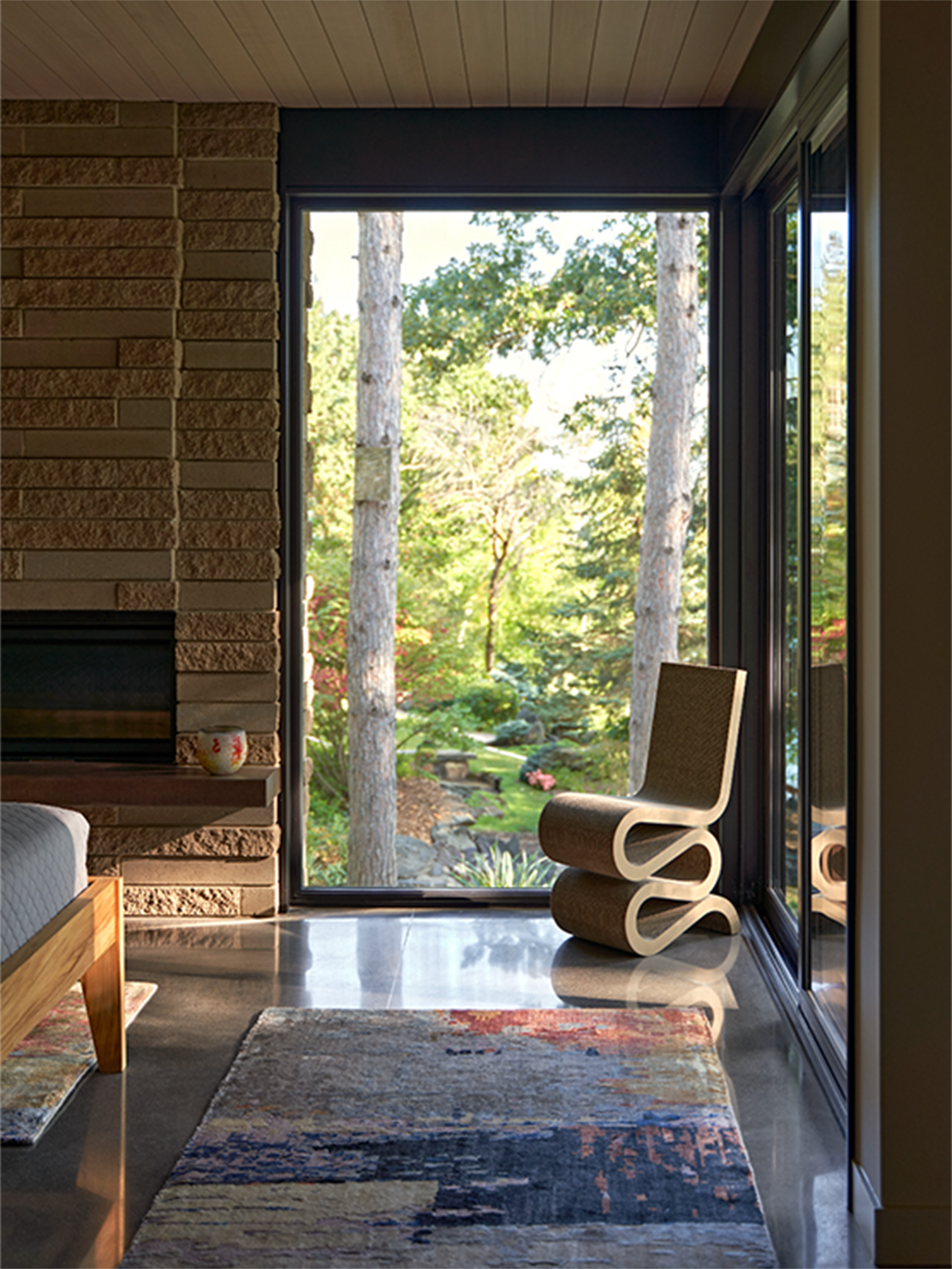
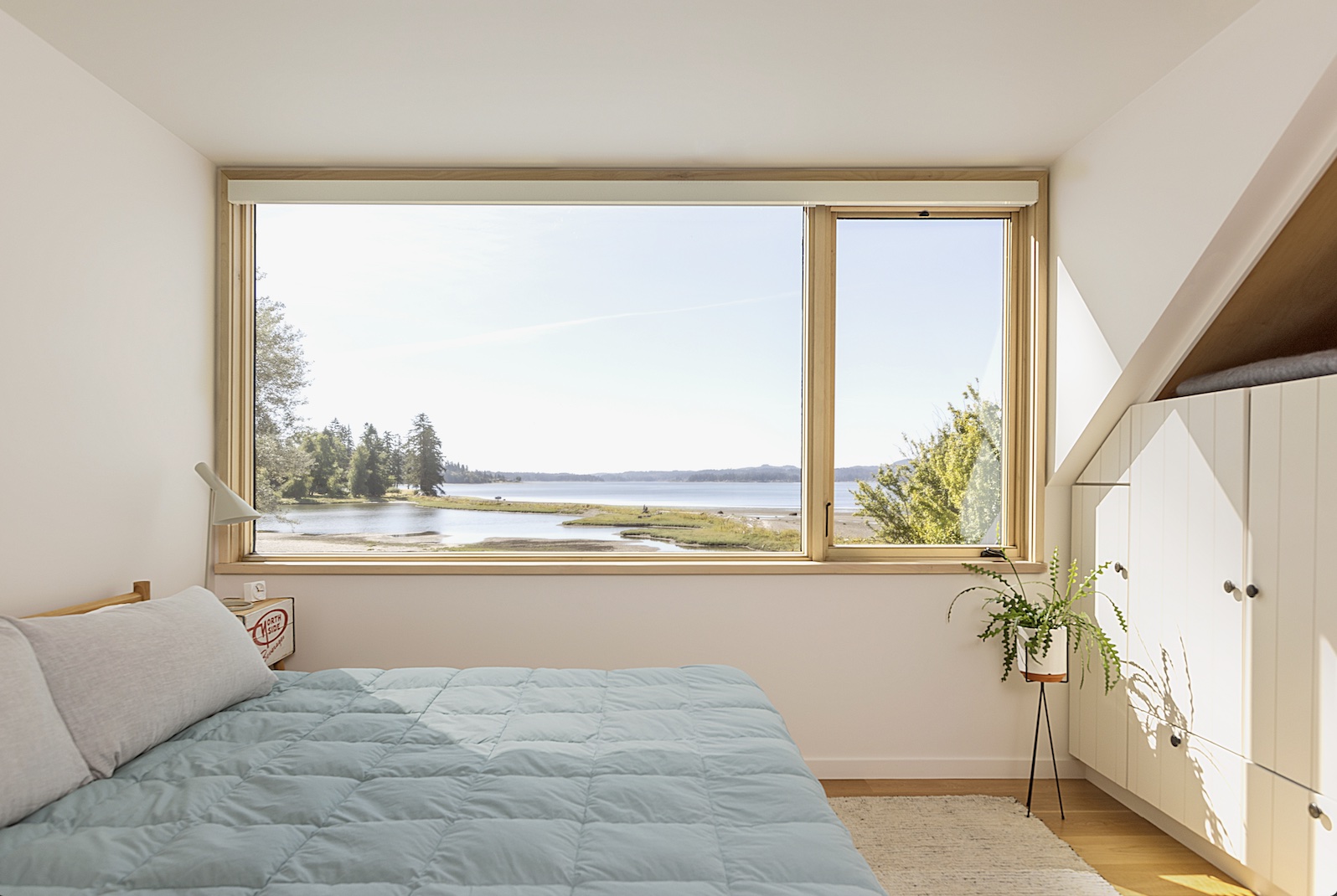
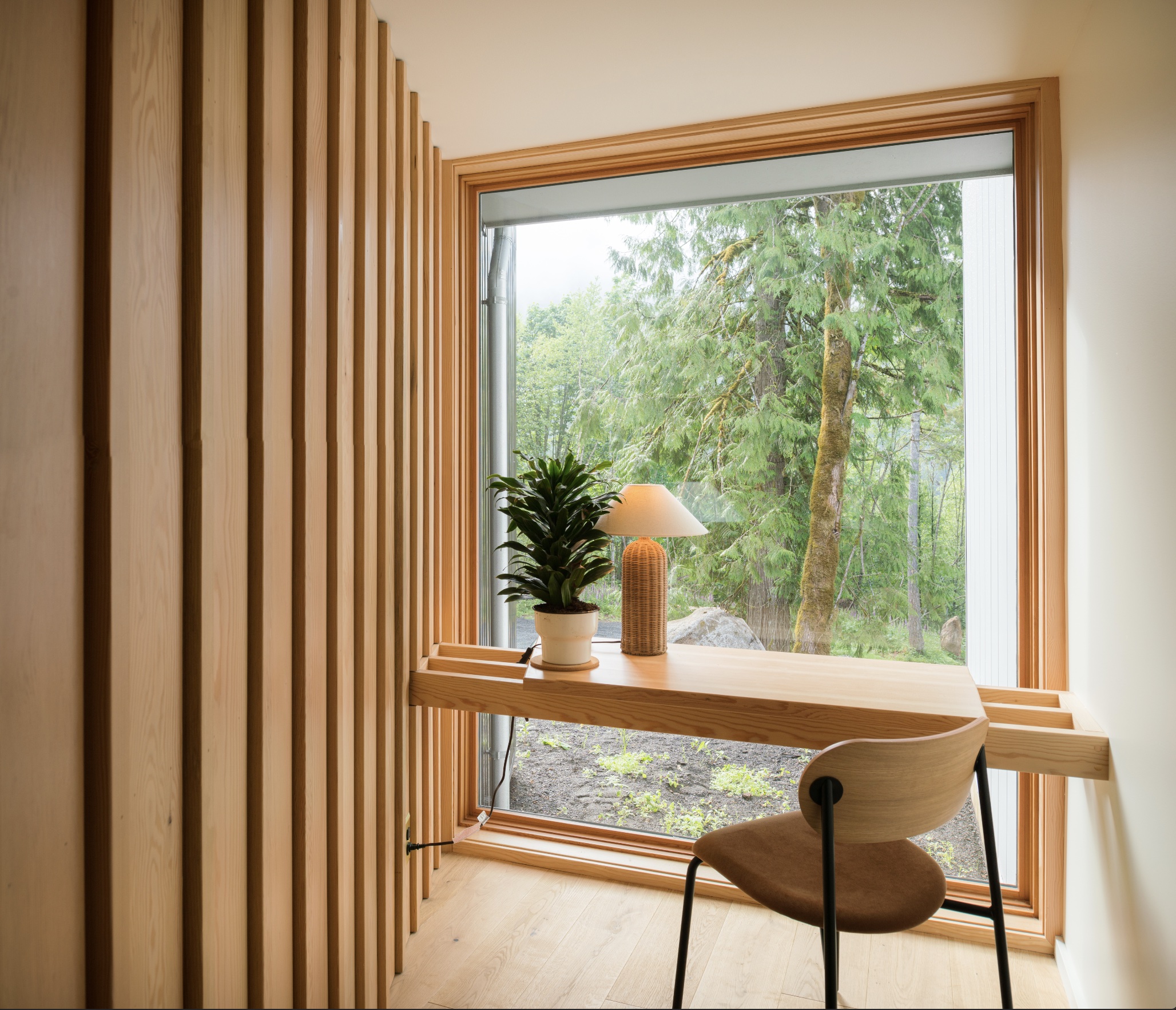
Strategically positioned openings, often in unexpected locations, are being used to frame the most beautiful and meaningful views, turning everyday moments into visual experiences.
This trend is all about intentionality. It’s not just about letting in light, it’s about curating a moment. These carefully considered placements turn ordinary views into quiet focal points and transform daily rituals into sensory experiences.

zoom
in
Framing the view
See how strategic window placement turns everyday spaces into extraordinary experiences. These real-world projects show how pros and homeowners use windows to frame views, evoke emotion, and elevate design.
Night
Day
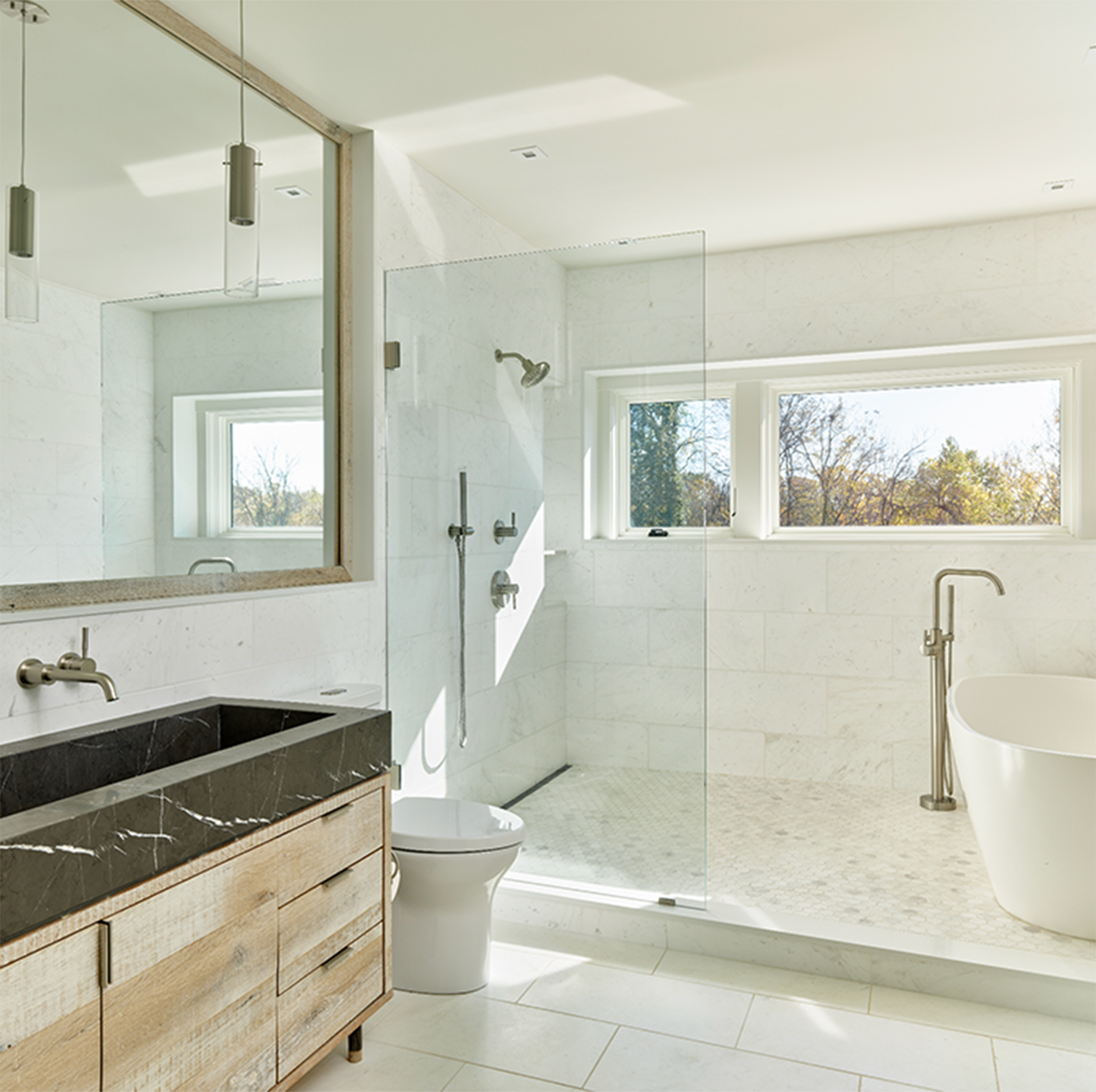
tub windows as tranquil focus points
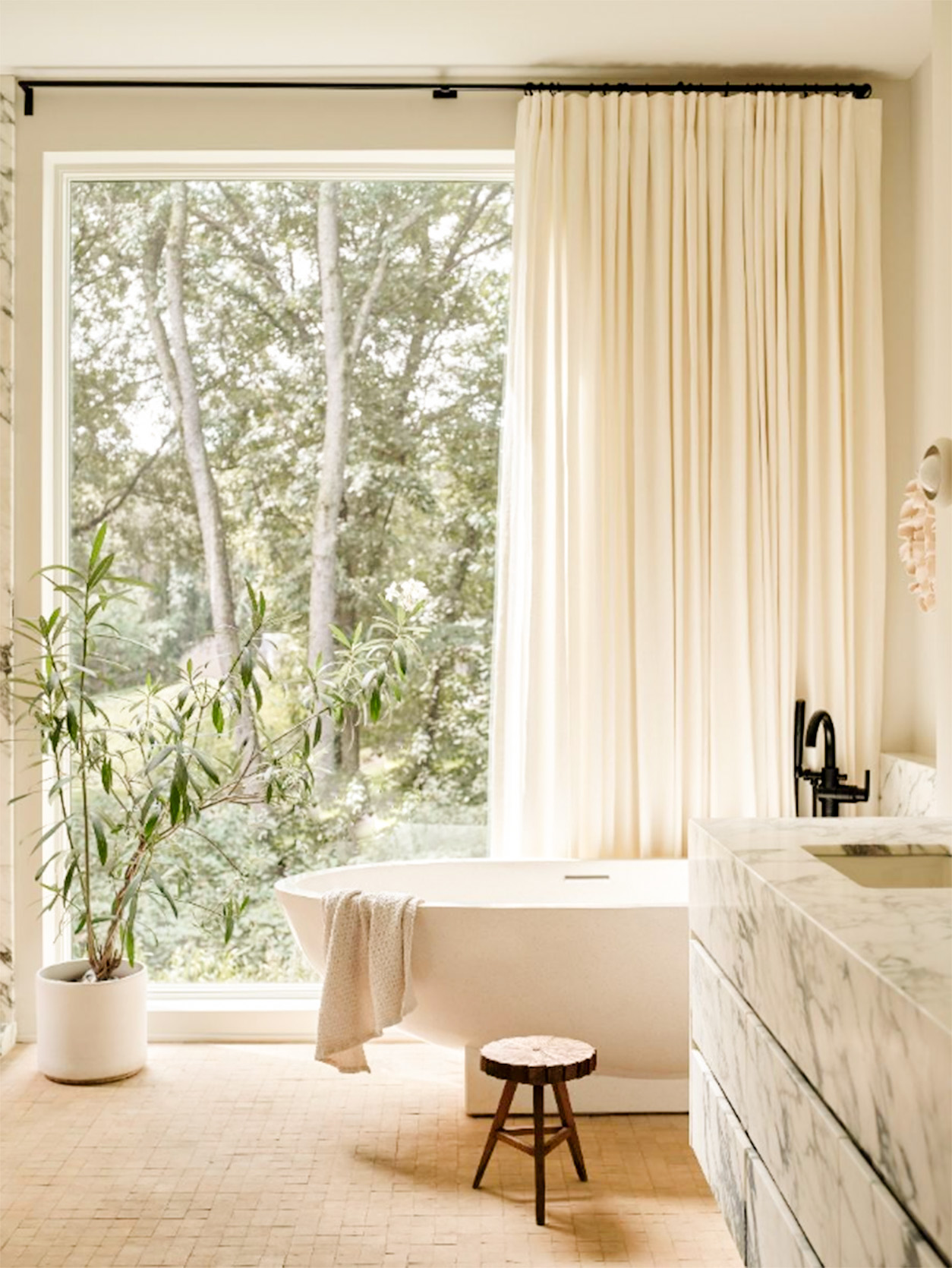
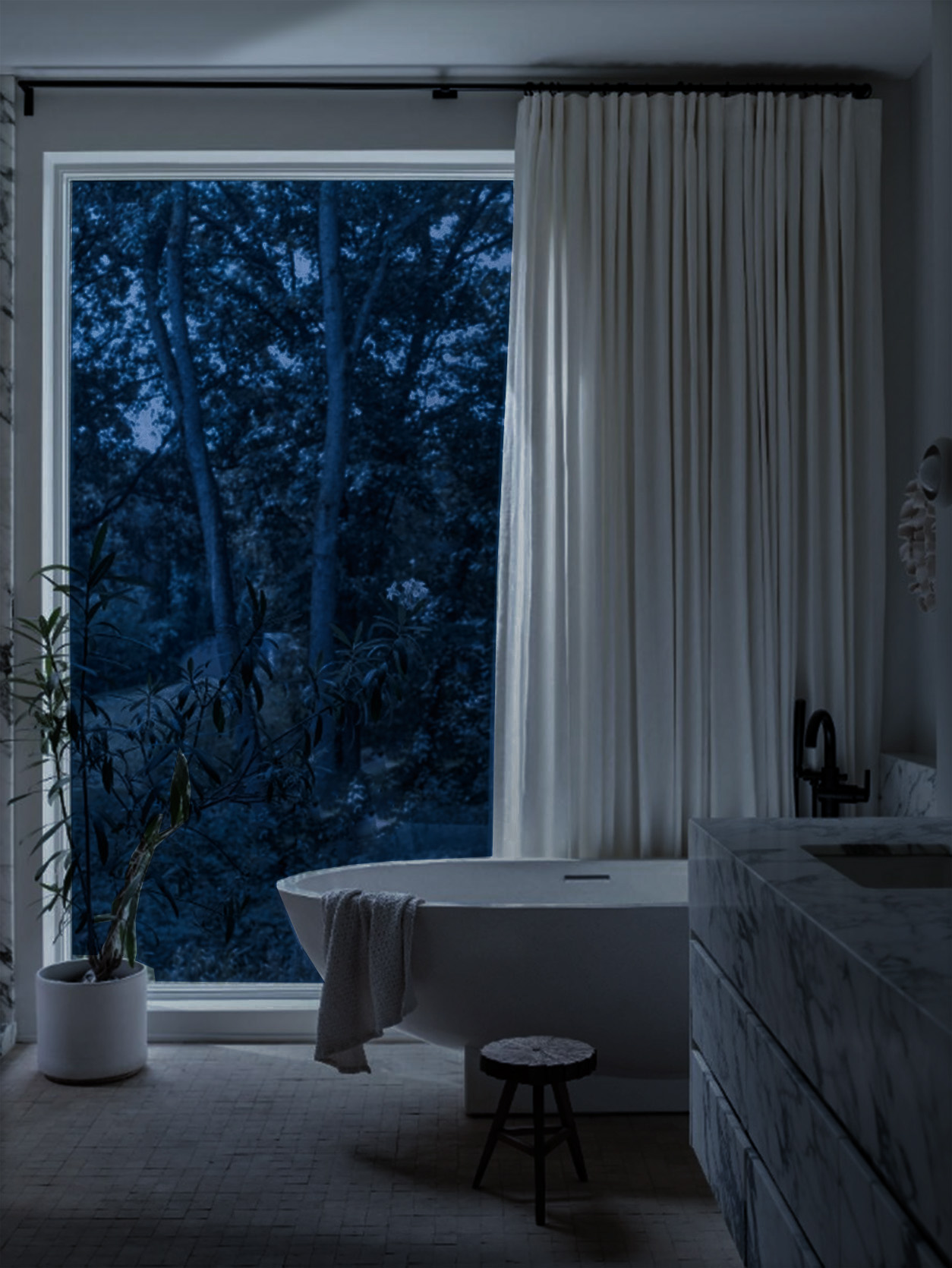
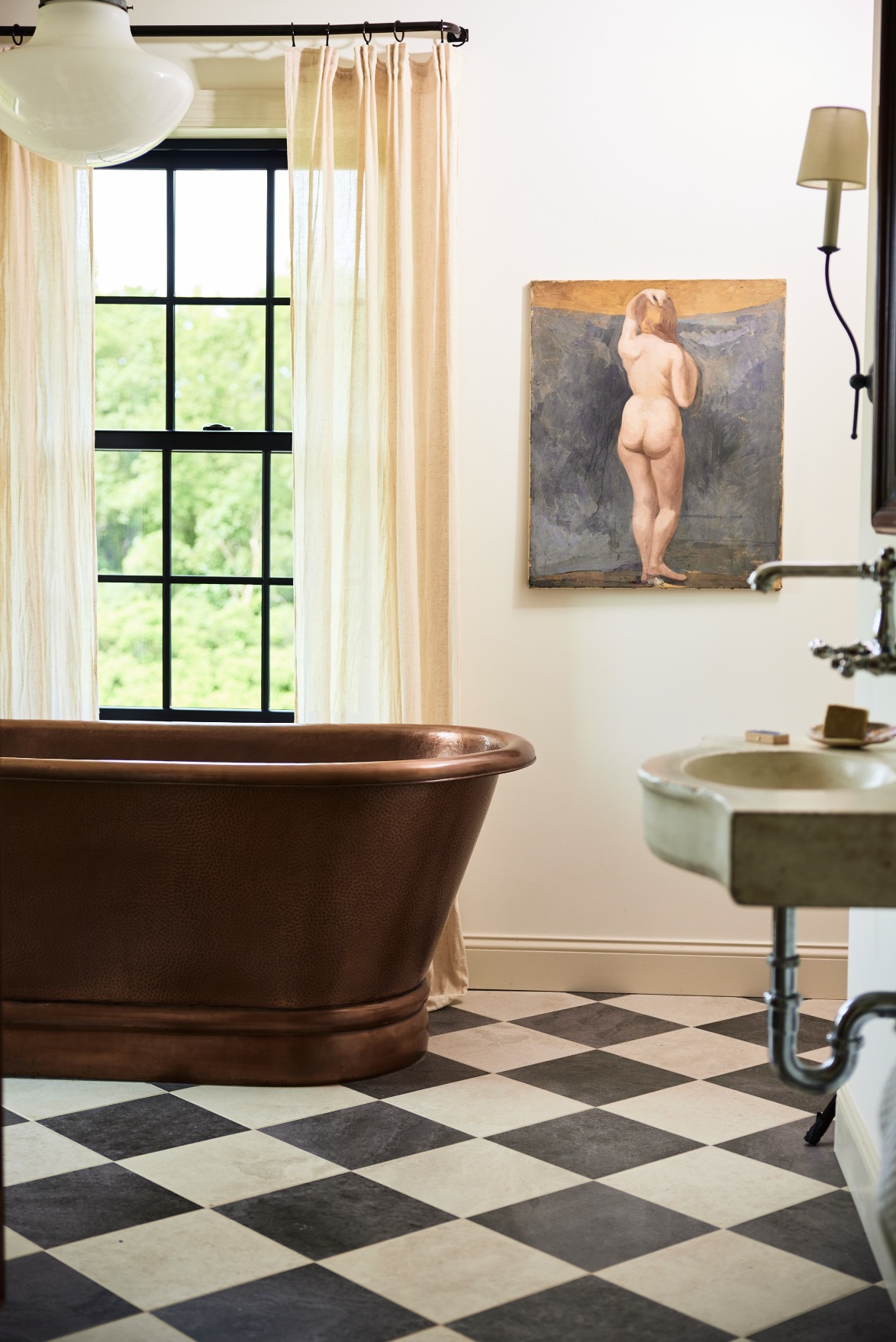
Bathrooms are no longer just functional. They’re becoming personal sanctuaries. At the heart of this transformation is a bold yet serene design feature: the tub window.
�
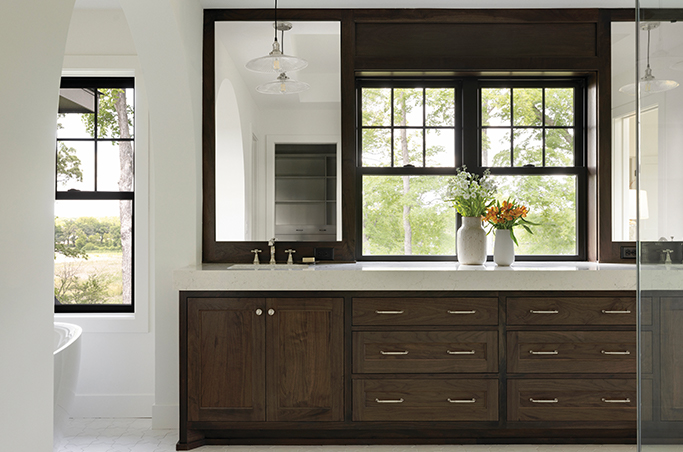
These expansive panes of glass are being used to frame the outdoors like living artwork, turning the bath into a destination for rest and reflection. Whether it’s a quiet garden, a snowy mountain, or a dense forest, the view becomes an integral part of the room’s ambiance — a visual exhale that invites stillness.
�
Build the sanctuary
Click below to build the room
Frame the view with intention
Use specialty shapes to echo the architecture
Pair with natural materials and minimalist finishes
Position the tub near a large window that captures a peaceful outdoor scene. Use Andersen® privacy glass or strategic landscaping to maintain privacy without losing the connection to nature.
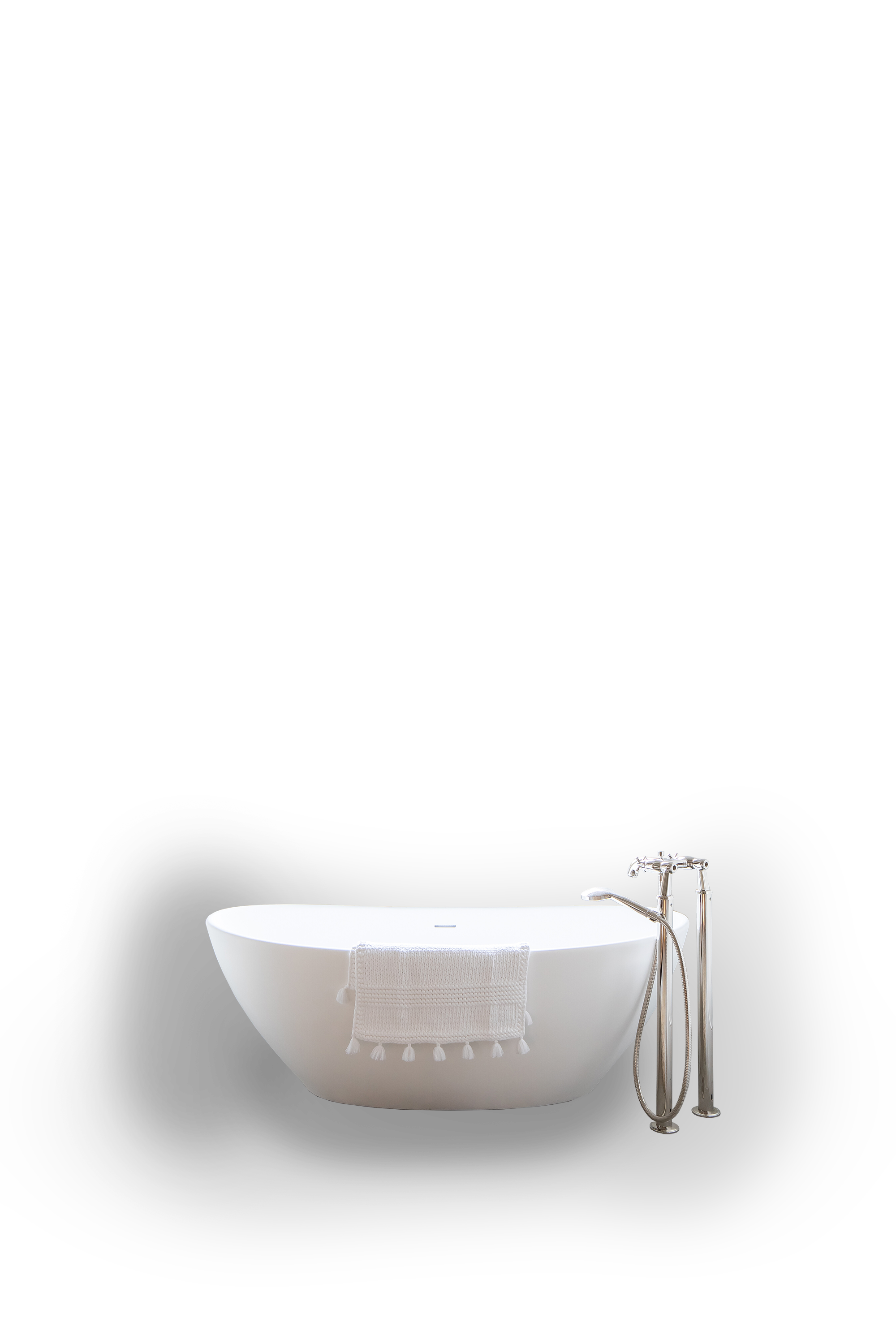
Frame the view with intention

Arched or trapezoidal windows can mirror rooflines or soften the space with curves, adding a sculptural quality that enhances the sanctuary feel.
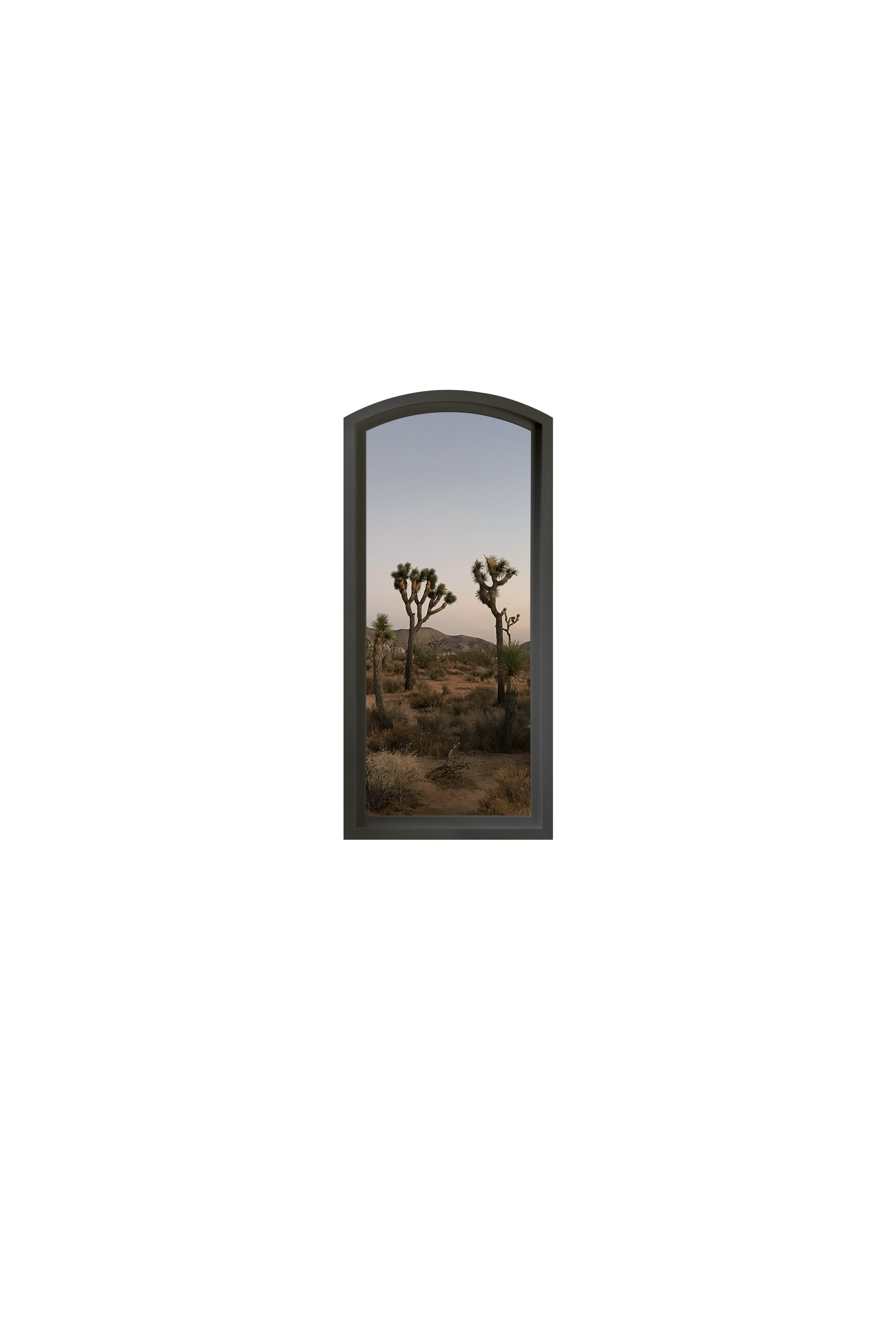
Use specialty shapes to echo the architecture
Let the view take center stage by keeping the palette simple; think white oak vanities, stone tile, and brushed or matte hardware. The goal is to create a space that feels open, grounded, and serene.
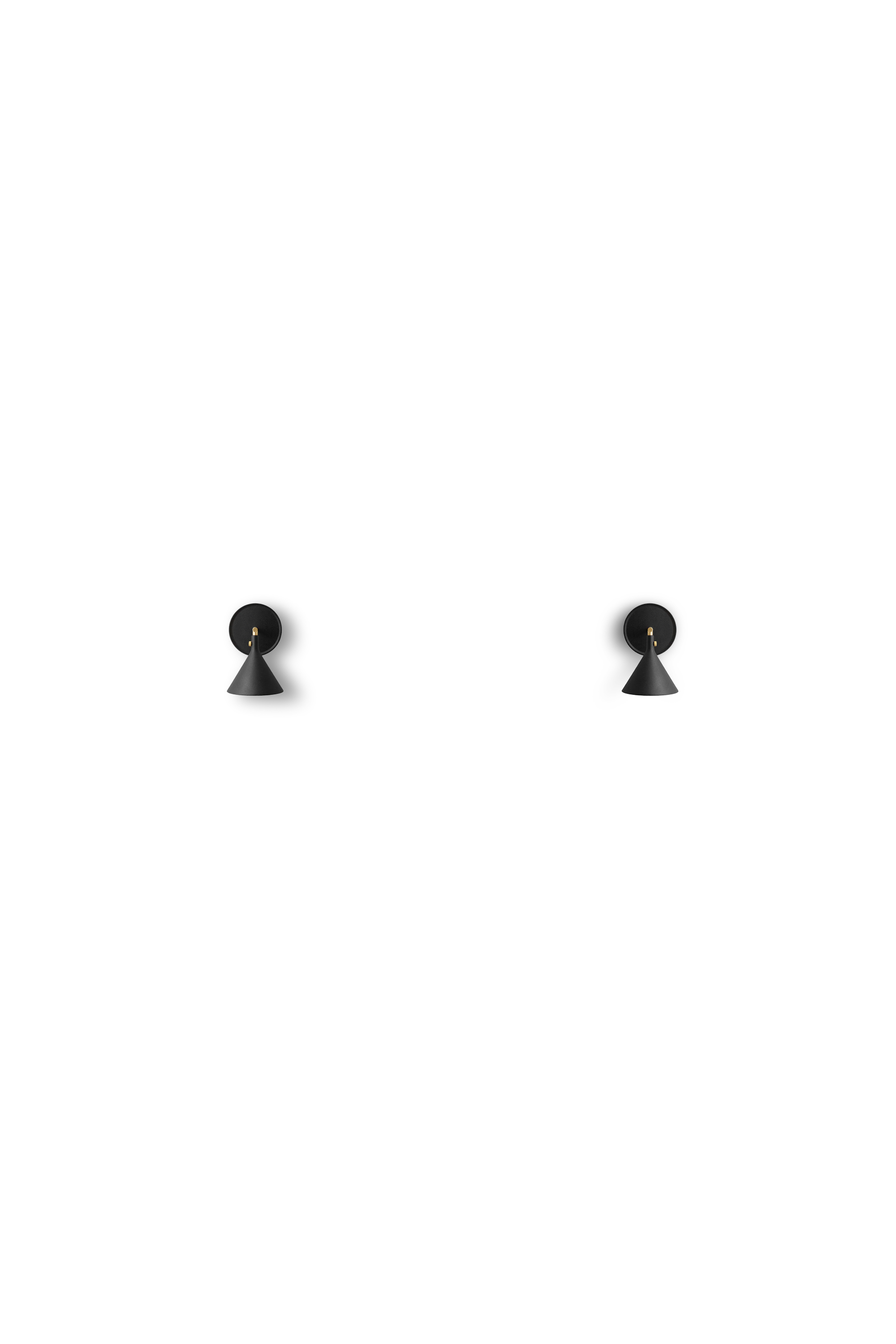
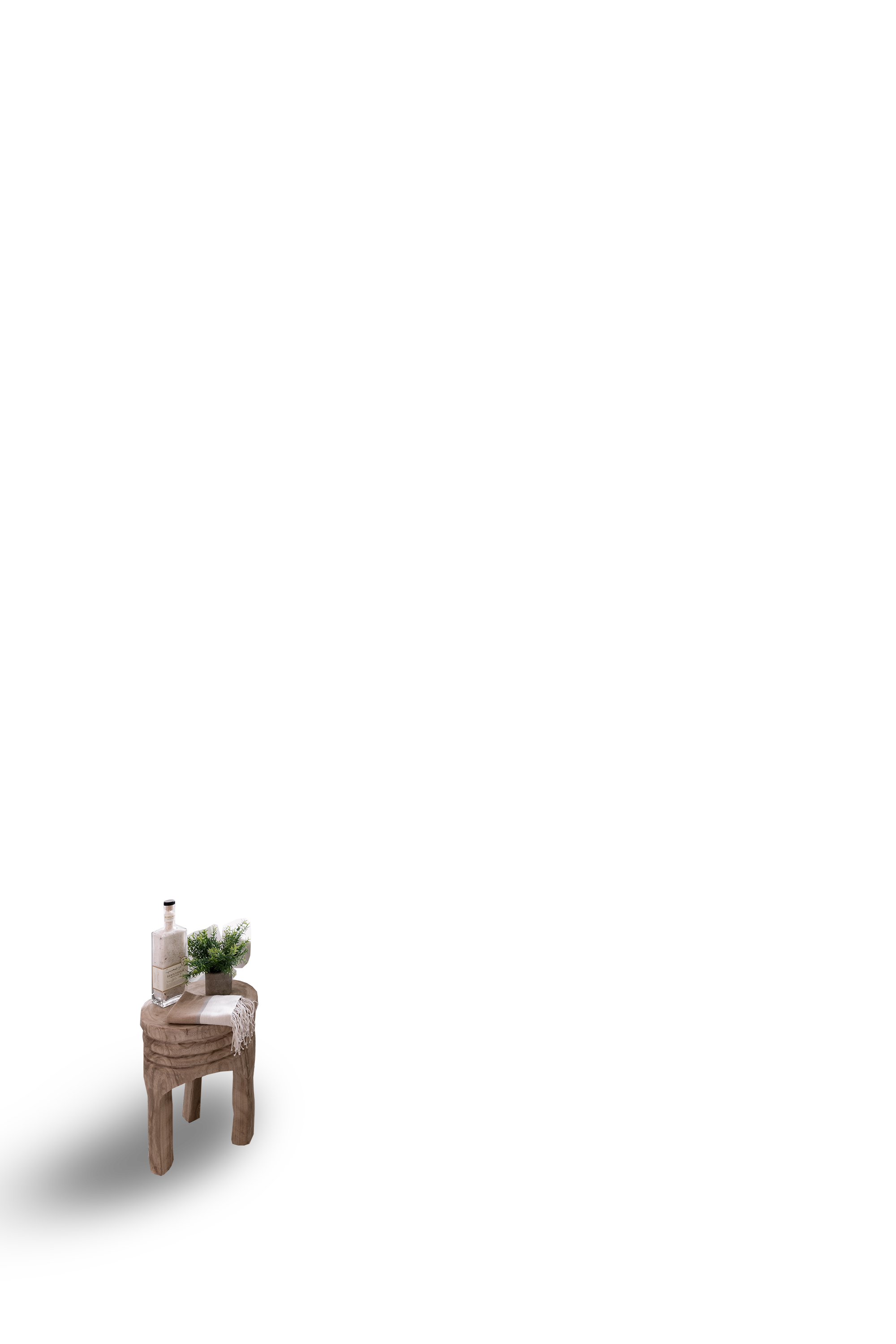
Pair with natural materials and minimalist finishes
clear all
zoom
in
Q:
What defines a high-performance home, and what features make it work?
Q:
Start with the envelope. You can always upgrade appliances later, but getting the walls, windows, and roof right from the beginning makes everything else work better.
ANSWER:
trends from
high performance
the pros:
As energy codes tighten, climate awareness grows, and technology evolves, high-performance building is no longer a niche, it’s becoming the new standard.
From better insulation to smarter window choices, today’s homes are being designed to use less energy, stay more comfortable year-round, and reduce their environmental footprint while saving money month-to-month.
We spoke with Jordan Smith, President of Smith House Co., a design and build firm based in Austin, Texas. As a certified passive house builder and thought leader in high-performance construction, Jordan shares practical insights for homeowners looking to build or renovate with performance in mind.
A high-performance home is designed to use less energy, maintain consistent indoor temperatures, and reduce environmental impact. Homeowners today also expect benefits like better indoor air quality, quieter spaces, and long-term durability. It's about creating a home that feels good to live in, not just one that performs well on paper.
Some of the most important features include airtight construction and better insulation, high-efficiency HVAC systems, smart solar orientation and shading, durable low-maintenance materials, high-performance windows and doors, energy-efficient appliances, moisture management systems, reflective or cool roofing materials, integrated smart home systems, and improved acoustics.
�
ANSWER:
Trend No.3
old soul, new build — The double-hung window's role in heritage revival
Homeowners are looking beyond modern minimalism and turning toward something more rooted — homes that feel like they’ve been part of the neighborhood for generations, even if they’re new builds.
�
Whether driven by historic-district rules or personal taste, the goal is the same: to create homes that feel rooted, warm, and enduring.
�
old soul,
THE ROLE OF THE
DOUBLE-HUNG WINDOW
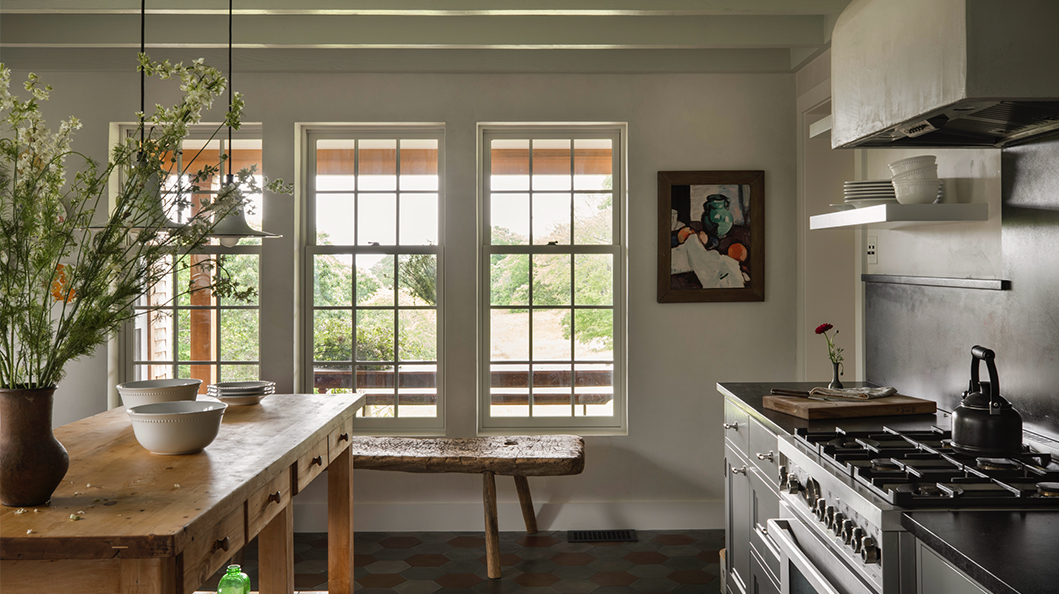
With its classic vertical sliding sashes and symmetrical design, the double-hung window is a perfect match for traditional architecture. Today’s versions, however, offer more than timeless charm, they bring modern performance and versatility to the table.
Trend No.4
tactile by design:
Home exteriors are embracing a more tactile aesthetic where texture takes center stage. The focus is shifting away from finishes that aim to stay pristine and toward materials that age gracefully and weather beautifully over time.
These surfaces add warmth and a sense of story, helping exteriors feel more personal and lived in. Whether used to soften minimalist forms or enrich transitional styles, texture offers versatility and lasting appeal. It evokes craftsmanship and permanence, making homes feel both contemporary and deeply connected to their surroundings.
�
textured materials add curb appeal to exteriors
placement
Scroll to shift from day to night�

tactile by design

SOUTHEAST
SOUTHEAST
Breezy and social
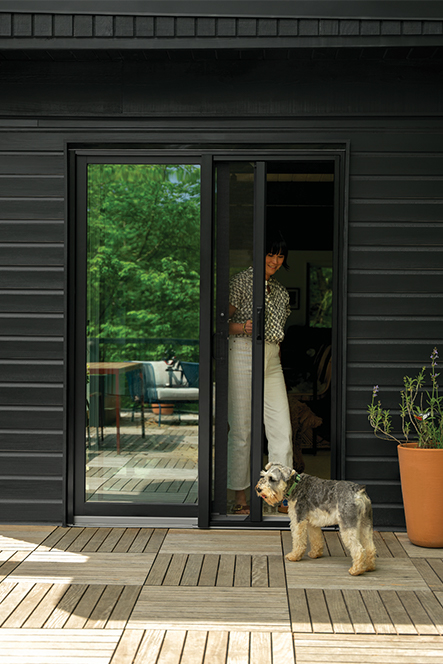
Southern homes are built for gathering, think high ceilings, French doors and shaded porches. Andersen’s gliding doors with retractable screens invite airflow while keeping bugs out, blending style and function for homes that celebrate hospitality and outdoor living.
MIDWEST
midwest
Practical and weather-ready
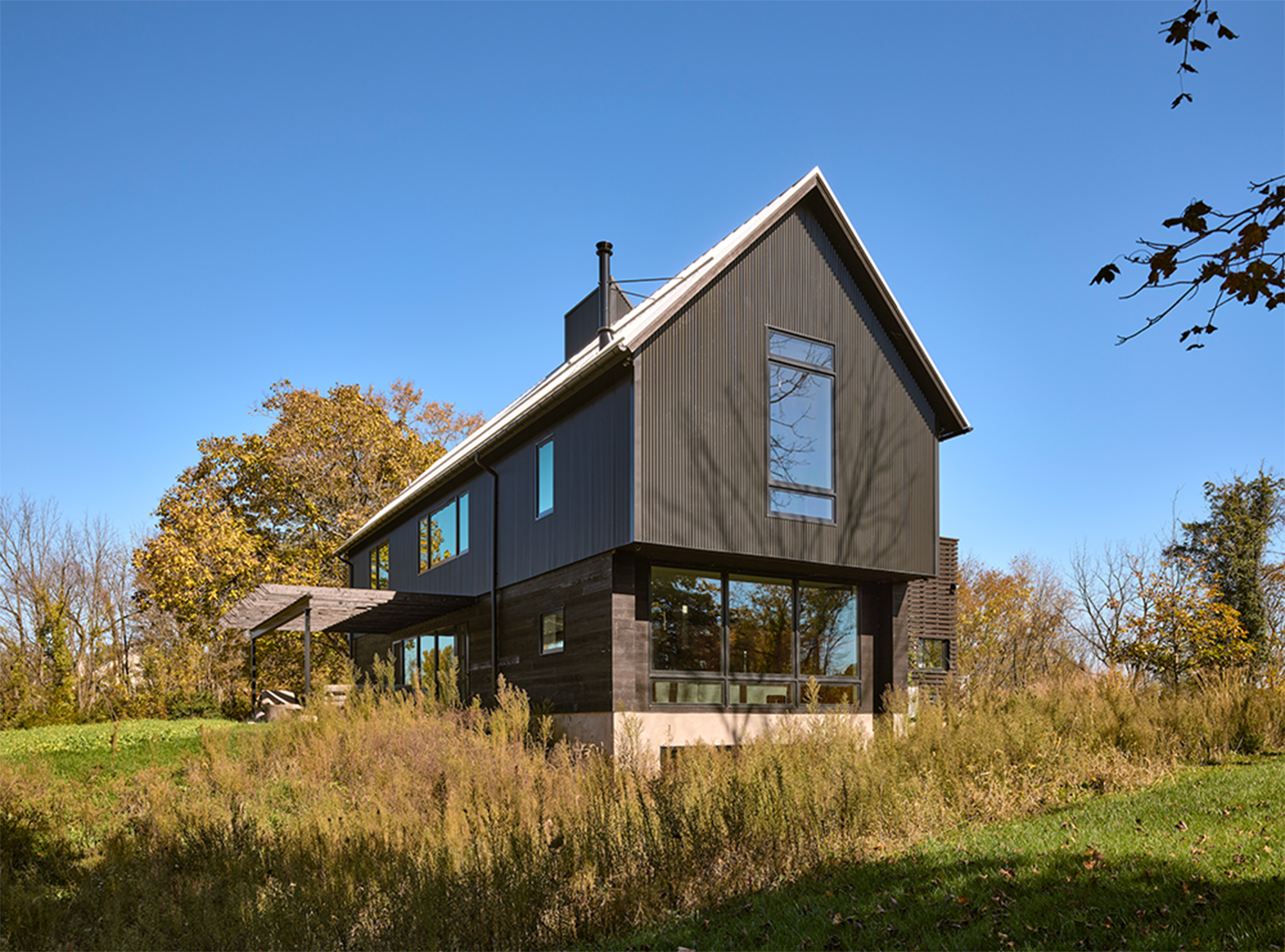
Durability is key in the Midwest, where brick exteriors, covered entries, and basements are built to handle all seasons. Andersen’s new 100 Series double-hung windows, available in select markets, offer a modern take on traditional design, with low-maintenance materials and energy-efficient performance that stand up to the elements.
Hover over pinpoints to learn more
new build
1
2
3
4
Ventilation control: Operable top and bottom sashes allow for better airflow, which is ideal for homes that prioritize natural ventilation and comfort.
Design flexibility: Available in a variety of grille patterns, finishes, and materials, they can be customized to match both historic and contemporary aesthetics.
Modern performance: Today's versions offer advanced insulation, Low-E glass, and tilt-in cleaning, delivering energy efficiency without sacrificing authenticity.
Historic character: Their classic look complements a wide range of heritage styles, from Georgian to farmhouse.
Q:
How do you balance aesthetics with building science?
This is a common challenge. Many homeowners are split. One partner might be focused on aesthetics while the other is more performance minded. The sweet spot is in the middle. You can absolutely have a beautiful home that’s also energy efficient. It’s about thoughtful design and smart material choices.
For example, if you want large windows for natural light, you’ll need to invest in higher-performance glazing to maintain efficiency.�
ANSWER:
Q:
Why are windows such a critical part of high-performance design?�
In building science, the “envelope” refers to the outer shell of your home — walls, roof, foundation, windows, and doors. It separates the inside from the outside and plays a major role in controlling temperature, moisture, and airflow. When you add windows, you’re essentially cutting holes in that protective shell. Windows are necessary for light, views, and ventilation, but they're also weaker spots in terms of insulation and energy efficiency compared to solid walls.
That’s why windows need to work harder. If you want large windows or lots of natural light, they need to be high-performance so they don’t let in too much heat in summer or lose too much warmth in winter.�
ANSWER:

Where's your design headed in 2026?
Follow us on Instagram and tag @Andersen_Windows
�
Back to top

andersenwindows
�
10:45






AndersenWindows
�
@andersen_windows�
01 / 03
02 / 03
03 / 03


01

Design & architecture
table of contents
02

Materials & craftsmanship
03

Innovation & lifestyle
04

Trends from the pros
What's one tip for homeowners building or renovating with performance in mind?
Framing
the
future
In a world where design is constantly evolving, windows and doors are no longer just functional elements, they’re central to how we experience home.

Read more
@andersen_windows�

Trend No.5
Trend No.6
Back to top
