

This idea of having a baseline tariff on US imports, I think that that's a concept that's likely to stay for several more administrations. This is a generational shift in US trade policy.
Kelly Ann Shaw
Former Deputy Assistant to the President for International Economic Affairs and Deputy Director, National Economic Council

You could argue that the fact that Congress isn't legislating means that they're OK with the direction of travel in terms of what the president is doing.
From the US perspective, China basically took a sledgehammer to the trade deal . . . We can't be overly reliant on a country that frankly isn't that trustworthy at the end of the day.
I think people understand that there are really good deals to be made here, deals that will benefit everybody in the long run. Over time, it's not realistic to expect the US to sort of be the consumer of last resort for everybody forever.
Now the consensus in Washington is this is really a geopolitical issue. This is about to what extent can the United States maintain its independence and its place in the world, given that China has a bigger industrial base than we do, and I think that's the real challenge.�
Stephen Vaughn
Former Acting United States Trade Representative and General Counsel, Office of the United States Trade Representative

Kelly Ann Shaw
Former Deputy Assistant to the President for International Economic Affairs and Deputy Director, National Economic Council
Kelly Ann Shaw
Former Deputy Assistant to the President for International Economic Affairs and Deputy Director, National Economic Council
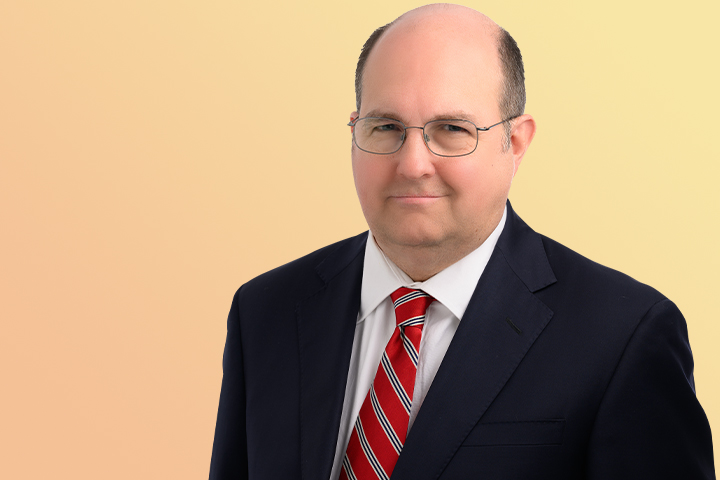
Stephen Vaughn
Former Acting United States Trade Representative and General Counsel, Office of the United States Trade Representative
Stephen Vaughn
Former Acting United States Trade Representative and General Counsel, Office of the United States Trade Representative