
Who are the key players in payment processing?
How do payments get processed?
What is a payment gateway?
What is a merchant bank account?
What to look for in a payment gateway


There are five key players involved in every payment transaction.
There are three steps in the payment process.
For a business like yours that wants to accept payments, a payment gateway is a must-have.
For your business to get paid, you need a merchant bank account.
As a merchant, you get to choose your payment gateway. There are a number of things to consider when making your choice.



Customer
The person or entity buying the goods or service.

Merchant
The business (you!) selling the goods or service.

Payment gateway
The payment gateway (such as Authorize.net) sits in the middle. It connects all the key players and, most importantly, allows the merchant to process and accept payments.

Issuer
The bank or financial institution that provides the customer's payment card and account.
Acquirer
The bank or financial institution where you have your merchant bank account.


There are five key players involved in every payment transaction.
Who are the key players in payment processing?


For a business like yours that wants to accept payments—online, in person or both—a payment gateway (such as Authorize.net) is a must-have, along with a merchant bank account.
What is a payment gateway?
A payment gateway lets your business accept payments made via your eCommerce website or mobile app, or at instore or mobile POS terminals.
The payment gateway processes the payment transactions and enables the money to move from your customers' accounts into your merchant bank account.
Payment methods you can accept include credit and debit cards, eChecks, and
digital wallets.

For your business to get paid, you need a merchant bank account.
What is a merchant bank account?

As a merchant, you get to choose your payment gateway. There are a number of things to consider when making your choice. For example:
What to look for in a payment gateway
What types of payment does the gateway help you accept?
Does the gateway come with fraud protection capabilities?
Is it easy to add Buy Now or Donate buttons to your website (perfect for business that sell items singly or non-profits that accept donations)?
Does the gateway simplify acceptance of recurring payments (important if your business runs on a subscription or installment model)?
Authorize.net can provide you with a payment gateway, or with a gateway plus a merchant bank account as an all-in-one plan.

There are three steps in the payment process.
How do payments get processed?
Authorization
When your customer clicks the 'Buy' button on your eCommerce website or pays at your POS terminal, the payment gateway manages the process of checking they have enough funds to pay for the goods or service.
The gateway:
Automatically receives the necessary transaction details and the customer’s payment information from the merchant
Makes sure your customer has sufficient funds in their account
Step 1
Capture
After verifying that funds are available, the issuer either approves or declines the transaction and places a hold on the funds. At this point, the merchant can hand over or ship the goods, or deliver the service.
Step 2
Settlement
This is the process of transferring the funds from the customer's bank or financial institution relevant account to your merchant account. This typically takes a couple of days.
Settlement generally happens once a day when the payment gateway collects up all of the merchant's transactions for the day and sends them to the payment network. This is where banks connect to each other so that issuers can transfer funds from customers' accounts to the merchant's bank account. To complete each transaction, the issuer posts the charge on customer's account.
Step 3




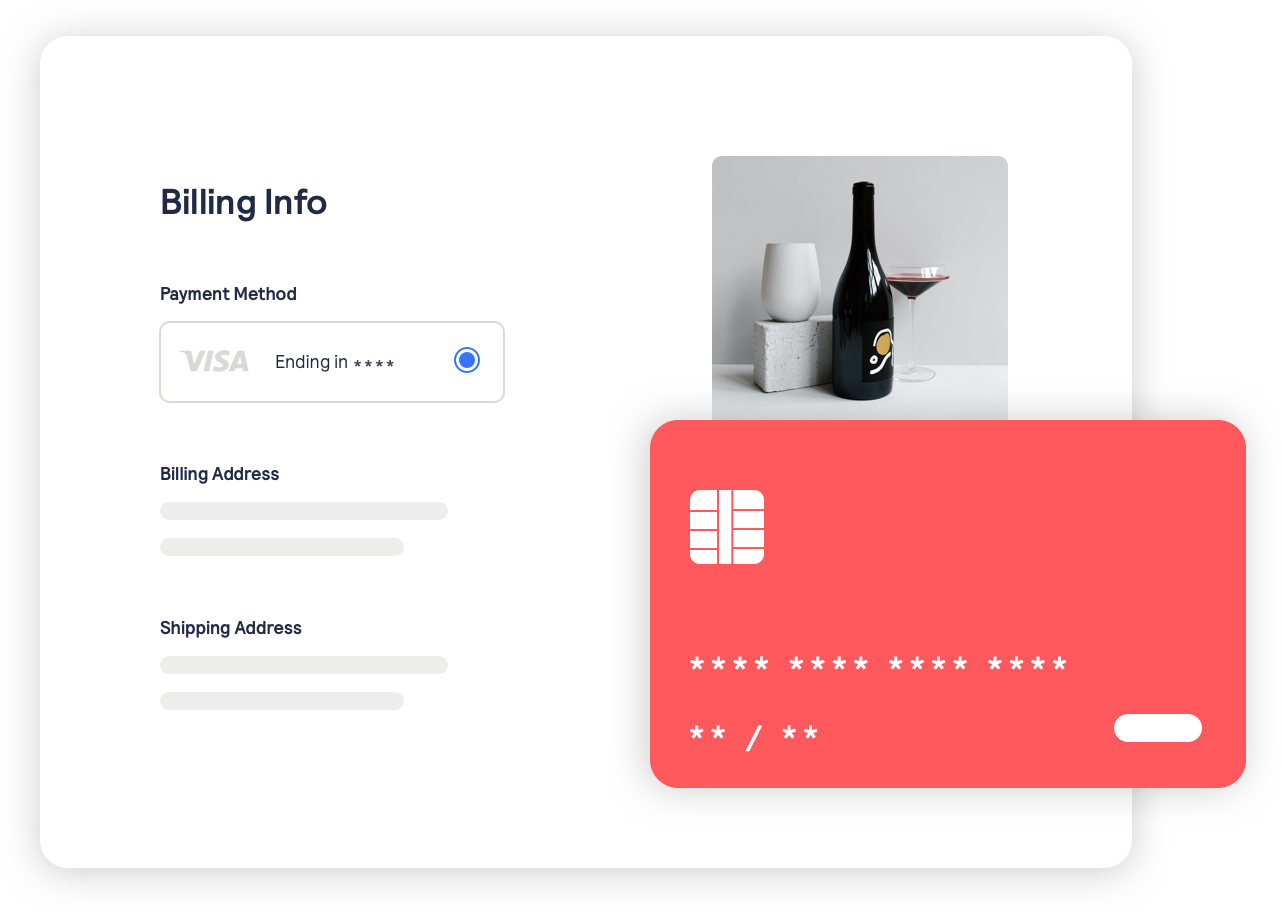
A merchant bank account is a special kind of bank account that allows you to accept payment cards, eChecks and digital wallets from websites, POS terminals, and mobile devices.
The bank where you have your merchant account is called the acquirer, or merchant acquiring bank. Authorize.net can help you set up both a merchant account and a payment gateway in our all-in-one pricing option.
Merchant bank account
Acquirer
When you apply for a merchant account, the acquirer's underwriter take a number of factors into account, including:
Your industry
Your payment processing history (if you have one)
The creditworthiness of your business
Your personal credit history
Once your merchant bank account is approved, your business is ready to connect to a payment gateway and start accepting payments.





The bank where you have your merchant account is called the acquirer, or merchant acquiring bank. Authorize.net can help you set up both a merchant account and a payment gateway in our all-in-one pricing option.