GE QUIZ
A walk through Singapore’s electoral journey
Think you know your GRCs from your SMCs, or when Singapore first went to the polls? Take a stroll through our nation’s electoral journey – from historic milestones to what’s ahead in GE2025 – and see how savvy you are. No voting slips required! By Hyrie Rahmat



Start quiz
Q1
When did Singapore hold its first general election after gaining independence?
A. 1965
B. 1967
C. 1968
D. 1970
Answer: C. 1968�Singapore conducted its first general election as a sovereign nation on Apr 13, 1968. The PAP achieved a comprehensive victory, capturing all 58 parliamentary seats and securing 84.4 per cent of the votes cast. It was the first instance of a single party attaining full parliamentary control. The landslide outcome was significantly shaped by an electoral boycott led by Barisan Sosialis and several opposition parties, leading to only seven contested constituencies at the close of nominations.

D. 1968, 1978, 1984, 1991
C. 1968, 1972, 1980, 1991
B. 1968, 1976, 1980, 1988
A. 1968, 1972, 1976, 1980
Answer: A. 1968, 1972, 1976, 1980�The PAP won every seat in Parliament during the 1968, 1972, 1976 and 1980 general elections, demonstrating its political dominance during that era. The PAP’s complete control of Parliament during this period was not due to a lack of opposition, but rather the government's strong public support and the absence of viable opposition parties. This dominance allowed the PAP to implement bold policies and guide Singapore's transition into a modern and economically successful city-state.
Q2
In which years did the People’s Action Party win all parliamentary seats in a general election?
D. 2011
C. 2009
B. 2006
A. 2004
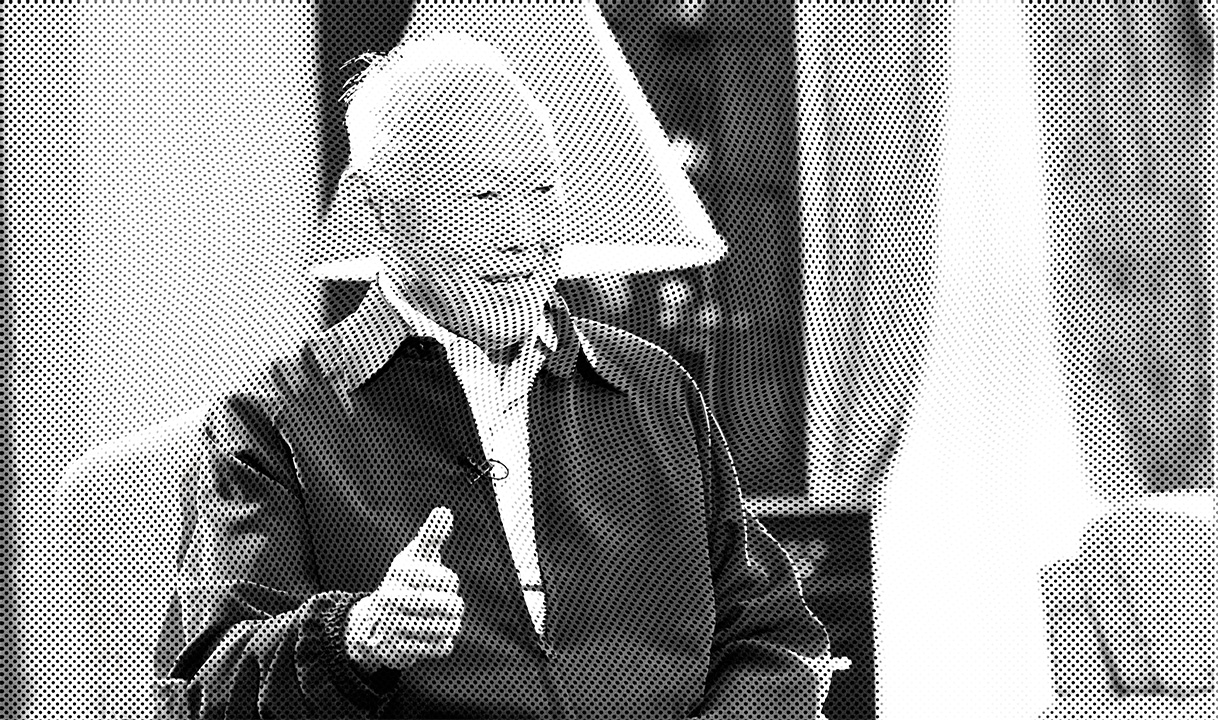
Answer: D. 2011�Lee Kuan Yew, Singapore’s first prime minister, retired from active politics in 2011 but remained influential until his passing in 2015. He served as minister mentor, advising his successors Goh Chok Tong and Lee Hsien Loong. His leadership was crucial in transforming Singapore into a global economic powerhouse. In 2024, Lawrence Wong succeeded Lee Hsien Loong as prime minister, becoming the nation’s fourth leader and ushering in a new chapter in Singapore’s political journey.
Q3
Which year did Lee Kuan Yew announce his retirement from politics?
D. Mixed-member system
C. Ranked-choice voting
B. First-past-the-post
A. Proportional representation
Answer: B. First-past-the-post�Singapore uses the first-past-the-post (FPTP) electoral system, a system in which the candidate or team with the most votes wins, even if they don’t achieve a majority (i.e., over 50 per cent of the votes). This system is used in Single-Member Constituencies (SMCs) and Group Representation Constituencies (GRCs). While FPTP is straightforward and easy to understand, critics argue that it may not always represent a true reflection of voters' preferences, as the winning candidate or party may not have the support of the majority of voters.
Q4
What voting method is used in Singapore general elections?
D. 1997
C. 1991
B. 1988
A. 1984
Answer: B. 1988�The GRC system was introduced in 1988 to ensure more minority representation in Singapore's Parliament. Under this system, teams of candidates contest elections in larger constituencies, and each team must include at least one member from a minority racial group (e.g., Malay, Indian, or others). This system was designed to encourage ethnic harmony and inclusivity by ensuring that no racial group is left underrepresented in Parliament. GRCs help to give smaller, minority communities a stronger voice in governance.
Q5
Which year saw the introduction of the Group Representation Constituency (GRC) system?
D. Barisan Sosialis
C. Singapore Democratic Party
B. Progress Singapore Party
A. Workers’ Party
Answer: A. Workers’ Party
In the 2011 General Election, the Workers' Party made history by winning Aljunied GRC – the first time an opposition party won a GRC. That victory marked a shift in Singapore's political landscape, as it kickstarted a more competitive and pluralistic political environment.
Q6
Which opposition party first won a GRC in 2011?
D. Supreme Court
C. The President
B. Speaker of Parliament
A. Prime Minister
Answer: C. The President
According to Singapore’s Constitution, the president has the formal power to dissolve Parliament and call for a general election. However, this action is taken on the advice of the prime minister. The president’s role is largely ceremonial, but the dissolution of Parliament must be done by the president to ensure that the process remains constitutionally sound.
Q7
Who has the power to dissolve Parliament and call for a general election in Singapore?
D. Elections Department
C. Election Committee
B. Public Service Commission
A. Parliament of Singapore
Answer: D. Elections Department (ELD)
The ELD, under the Prime Minister’s Office, manages presidential and parliamentary elections, national referendums, and oversees the Registry of Political Donations. It ensures compliance with the Foreign Interference (Countermeasures) Act during elections. Beyond election periods, ELD maintains up-to-date voter registers, trains election officials, and plans manpower and logistics. It also educates the public on voting processes, administers campaign spending rules, and supports committees that recommend changes to electoral boundaries and oversee candidate eligibility.
Q8
What is the name of the body that oversees the conduct of elections in Singapore?
D. 2011
C. 2006
B. 2004
A. 2001
Answer: C. 2006
Lee Hsien Loong, son of Singapore’s founding prime minister Lee Kuan Yew, became Singapore’s third prime minister in 2004. He led the PAP in the 2006 General Election, securing a strong mandate for the ruling party. Under his leadership, Singapore continued to experience economic growth, and his administration emphasised policies such as economic modernisation, social integration, and the development of a knowledge-based economy.
Q9
In which general election did Lee Hsien Loong first lead the PAP as prime minister?
D. Reserved for civil servants
C. Losing opposition candidates can still enter Parliament
B. Only available during presidential elections
A. Only appointed by President
Answer: C. Losing opposition candidates can still enter Parliament
The Non-Constituency Member of Parliament (NCMP) scheme, introduced in 1984, ensures a minimum number of opposition voices in Parliament. Losing opposition candidates with at least 15% of votes may be offered seats if too few of them are elected. In 2016, PM Lee Hsien Loong raised the minimum from nine to 12 and granted NCMPs equal voting rights.
Q10
What is a unique feature of Singapore’s Non-Constituency Member of Parliament (NCMP) scheme?
D. Appointing MPs
C. Drafting electoral boundaries
B. Ensuring elections are conducted smoothly and fairly, and announcing results
A. Managing campaign funding
Answer: B. Ensuring elections are conducted smoothly and fairly, and announcing results
Besides declaring the results for general elections and presidential elections, the Returning Officer (RO) oversees the conduct and announces results of general and presidential elections in Singapore. The RO directs election officials, authorises campaign materials, and ensures compliance with regulations. Under the Parliamentary Elections Act, the RO may suspend or postpone polling at affected stations in cases of disruptions like riots, violence, or natural disasters.
Q11
What is the role of the Returning Officer in the election?
D. Chee Soon Juan
C. J B Jeyaretnam
B. Pritam Singh
A. Chiam See Tong
Answer: C. J B Jeyaretnam
J B Jeyaretnam of the Workers’ Party won Anson SMC in a 1981 by-election, becoming the first opposition MP elected since independence in 1965. His victory broke the PAP’s parliamentary monopoly and marked a milestone in Singapore's political landscape. A former district judge and prominent lawyer, JBJ – as many used to call him – was known for his fiery speeches and steadfast commitment to political pluralism.
Q12
Who became the first opposition MP elected since independence?
D. Publicly named and shamed
C. Disqualified from citizenship
B. Banned from voting in future elections unless reinstated
A. Charged in court
Answer: B. Banned from voting in future elections unless reinstated
After an election, the ELD identifies non-voters and removes them from the register of electors. These individuals cannot vote or stand as candidates in future elections unless reinstated. To be reinstated, a non-voter must submit a request with a valid reason. Without one, a $50 fee applies. Applications can be made online or at community centres.
Q13
What happens in Singapore if a voter fails to vote without a valid reason?
D. 102
C. 97
B. 93
A. 89
Answer: C. 97
This year, a total of 97 parliamentary seats will be filled. This is an increase from the 93 seats in 2020. For GE2025, the Electoral Boundaries Review Committee considered shifts in population and new housing developments to evaluate their effect on elector distribution across constituencies. The committee sought to maintain consistency with GE2020 in terms of average GRC size, proportion of SMCs, and elector-to-MP ratios.
Q14
How many parliamentary seats will be filled in the 2025 General Election?
D. Tanjong Pagar GRC
C. Ang Mo Kio GRC
B. Aljunied GRC
A. Marine Parade-Braddell Heights GRC
Answer: A. Marine Parade-Braddell Heights GRC
In the 2025 General Election, Marine Parade-Braddell Heights GRC is the only constituency to see a walkover. The WP, which had worked the ground there for many years, decided not to field a team for this GRC, citing resource constraints. This resulted in an unexpected walkover for the PAP on Nomination Day, drawing criticism from other opposition parties.
Results
Q15
Which constituency will be uncontested in the 2025 General Election?
Majulah maven
You’re a seasoned citizen with a sharp eye on Singapore’s political landscape. Policy chats at the kopitiam? You’re ready.
Ballot buff
You've got a good sense of how our elections work — just a bit more reading and you'll be marching ahead with confidence.
Civic rookie
Still getting your bearings, but every great voter starts somewhere. Plenty of time to level up before the next election!
Retake quiz
SOURCES: NLB, The Straits Times, Prime Minister’s Office, Elections Department of Singapore, Vulcan Post BT GRAPHICS: HYRIE RAHMAT


A
B
C
D








Click here for results