1819
A single mail office is established in the same year Stamford Raffles arrives in Singapore. The postal service was the original national network, marking the beginning of what would become a pillar of the nation’s infrastructure.
A gilt-edged legacy
�
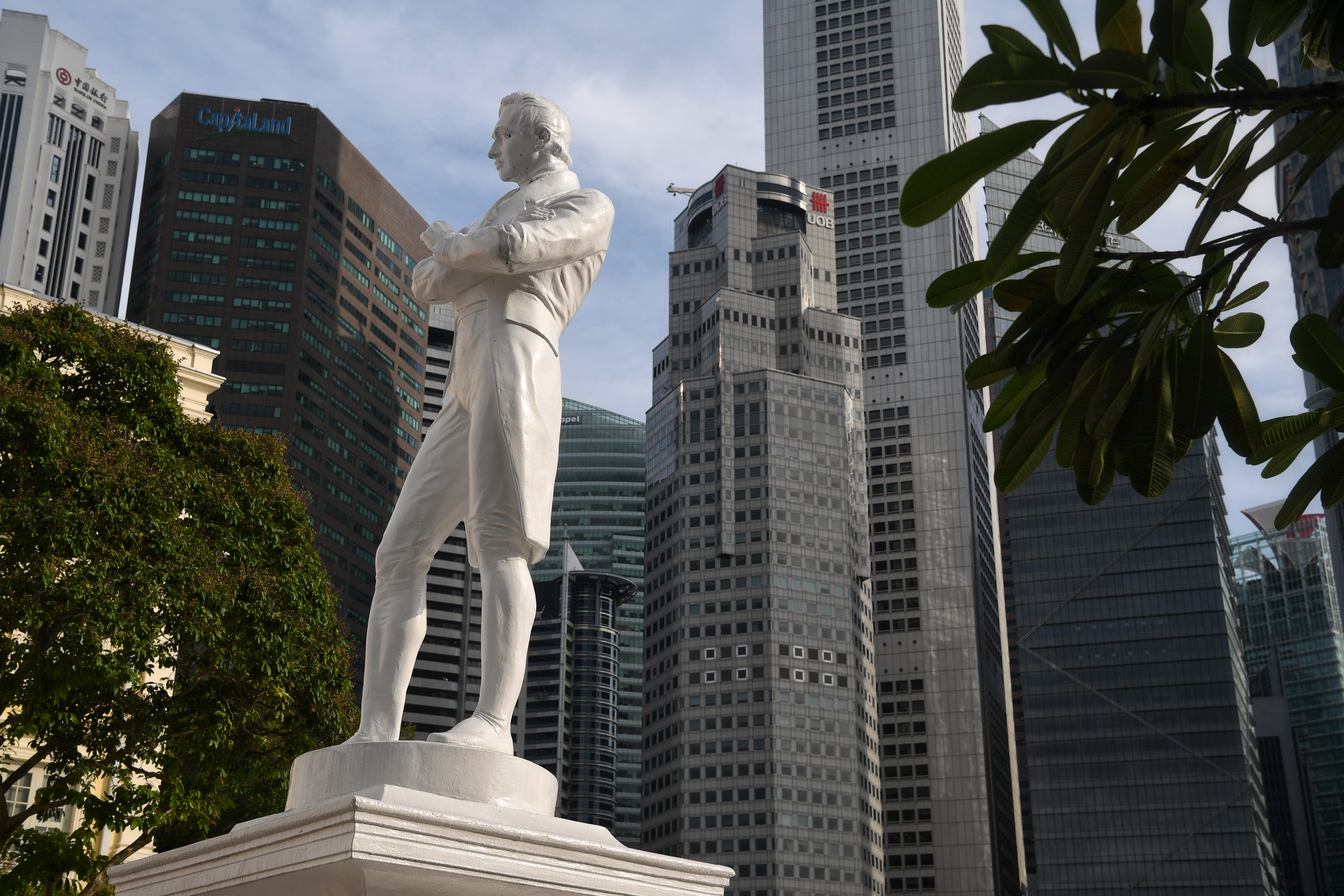
The Statue of Sir Stamford Raffles located next the the Asian Civilisations Museum. PHOTO: BT FILE
1858
The Post Office splits from the Marine Office to form a distinct department, marking the formal beginning of a public postal service in Singapore.
1877
The Post Office Savings Bank (POSB) is established within the postal department to provide banking services to lower-income workers.
1928
The General Post Office moves into its new headquarters in Raffles Place, the Fullerton Building. The neoclassical landmark, strategically located at the mouth of the Singapore River, becomes the nerve centre of the island’s mail network.
Fullerton Building at 1 Fullerton Square, Singapore, in 1957. PHOTO: BT FILE

1972
The Telecommunication Authority of Singapore (TAS) is set up as a statutory board, which merges with the Singapore Telephone Board two years later.
1982
TAS merges with the Postal Services Department.
1992
TAS splits into three entities – Singapore Post (SingPost), Singapore Telecommunications (Singtel), and the Telecommunications Authority of Singapore, which is now the Infocomm Media Development Authority (IMDA).
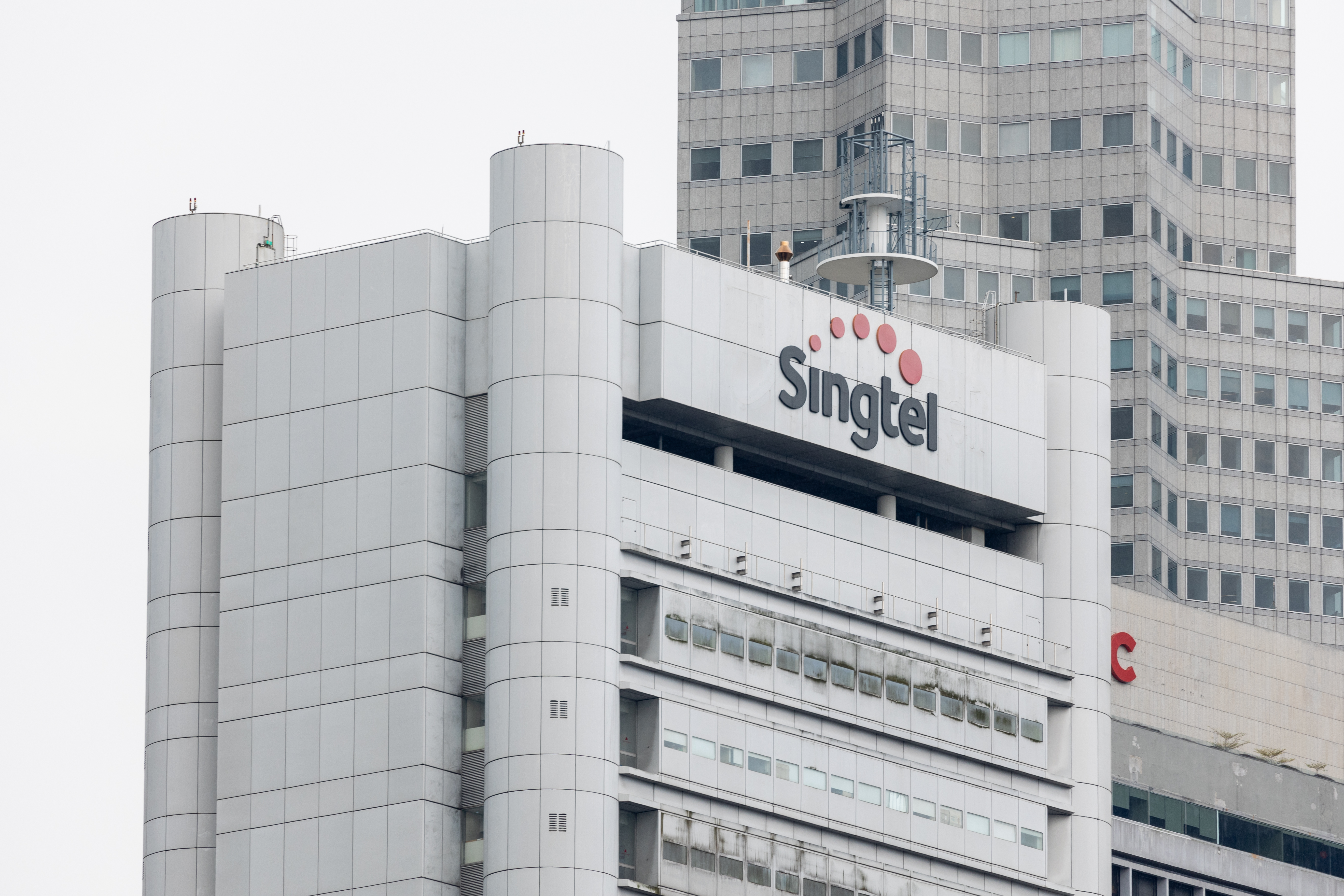
Singtel corporate headquarters at Comcentre. PHOTO: BT FILE
2003
SingPost launches its Initial Public Offering and is listed on the Singapore Exchange in May. Backed by extensive property assets and a monopoly on basic mail, it is viewed as a stable, blue-chip stock.
Peaks and troughs�
�
2014-2015
Alibaba buys a 10.35 per cent stake in SingPost for S$312.5 million in May 2014. SingPost expands into e-commerce logistics. Its stock price soars over 43 per cent in 2014 and hits all-time highs in early 2015. The market bets on a global e-commerce powerhouse in the making.
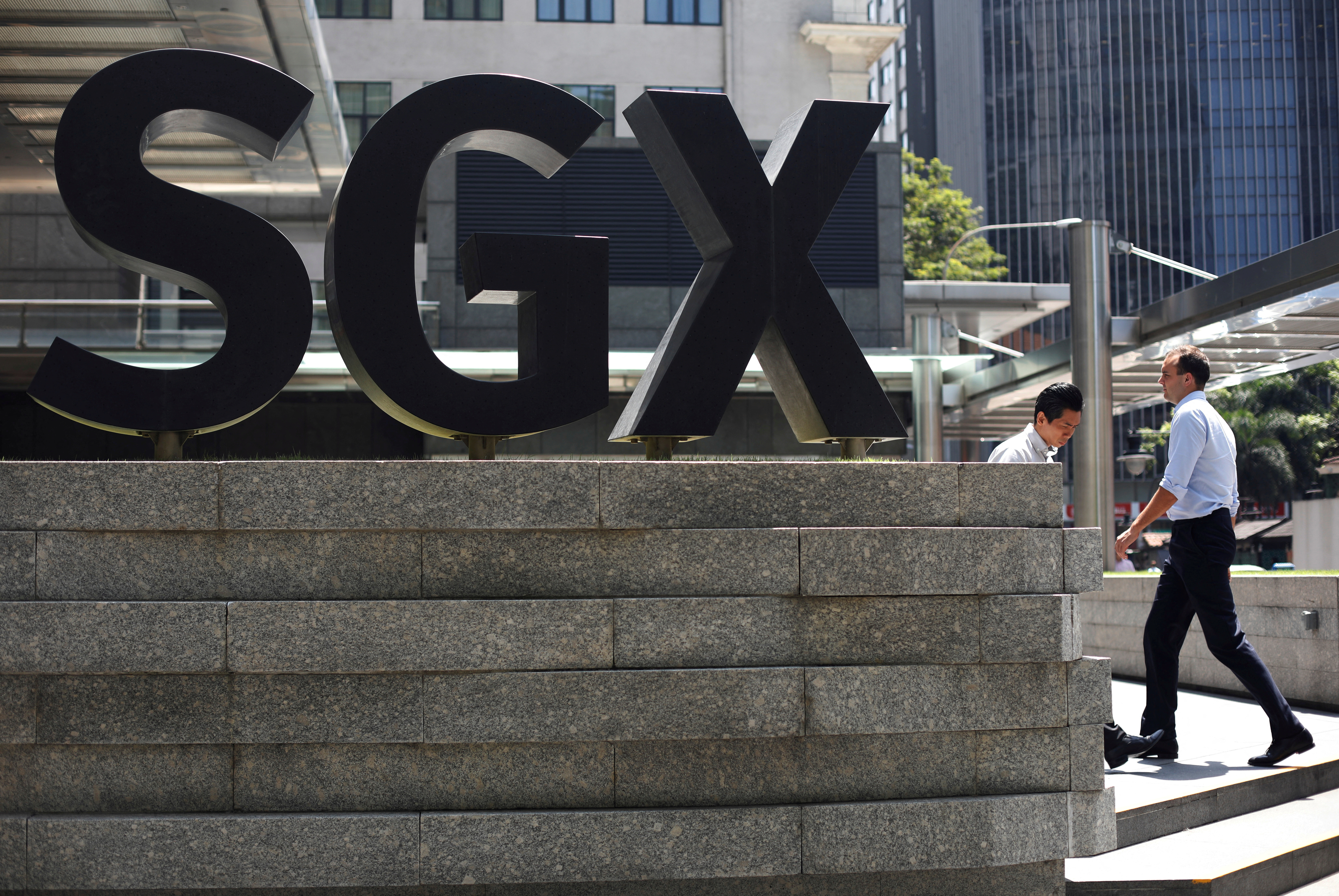
An SGX sign is pictured at Singapore Stock Exchange PHOTO: BT FILE
2000S
The public gains access to e-mail. By the 2000s, it has gained ubiquitous status, ringing the death knell for postal mail. The subsequent spread of smartphones sealed the fate of “snail mail”.

Smartphones on display for sale. PHOTO: BT FILE
2016
A special audit is launched to investigate a potential conflict of interest concerning board member Keith Tay’s role in the 2013 acquisition of Famous Holdings. The audit exposes significant lapses in SingPost’s corporate governance framework, triggering a crisis of confidence.
The uncertainty proves toxic for the stock. From its early 2015 peak of around S$2.15, the share price falls nearly 15 per cent by the end of the year, and close to another 10 per cent in 2016.
2017-2019
SingPost is forced to announce a write-down on its US e-commerce acquisitions, TradeGlobal and Jagged Peak, which it bought for a total of over US$180 million in 2015. The businesses fail to perform and eventually file for bankruptcy protection. The company’s global ambitions suffer a blow.
2018-2022
Operational struggles intensify, and result in regulatory action. For service lapses in 2018, IMDA fines it S$300,000. Years of negative headlines about service failures further erodes its brand value.
2020-2025
Earnings turn volatile as profits swing between deterioration and improvement.
For the latest quarterly results announced in August, SingPost reports a 60 per cent drop in its operating profit to S$3.4 million; its operating profit margin dips to a mere 2 per cent.
Parcelgate scandal
�
�
Early 2024
A whistleblower report alleges that three employees in the International Business Unit were systematically falsifying delivery statuses to avoid contractual penalties from a major client.
End 2024
The board announces the termination of three top executives – group chief executive officer Vincent Phang, group chief financial officer Vincent Yik, and the CEO of the international business unit, Li Yu.
The bourse filing states that they were “grossly negligent” in the handling of the internal investigations, and had omitted to consider material facts that compromised their decision-making and/or failed to perform their duties responsibly and reliably.
The market’s reaction is swift and severe, and investor confidence vaporises. On the first trading day following the announcement of the executive firings, SingPost’s stock price plummets more than 10 per cent.
All three executives contest their firing.
March 2025
SingPost completes the sale of its Australian subsidiary, Freight Management Holdings, for an enterprise value of A$1 billion.
Management actions
July 2025
The company sells its freight forwarding business, Famous Holdings, for S$177 million.
These divestments mark an end to its previous global expansion strategy, as it raises capital to pay down debt, issue special dividends and refocus its core business.
August 2025
SingPost unveils a new corporate service to help businesses manage US custom duties following recent changes to the de minimis rule.
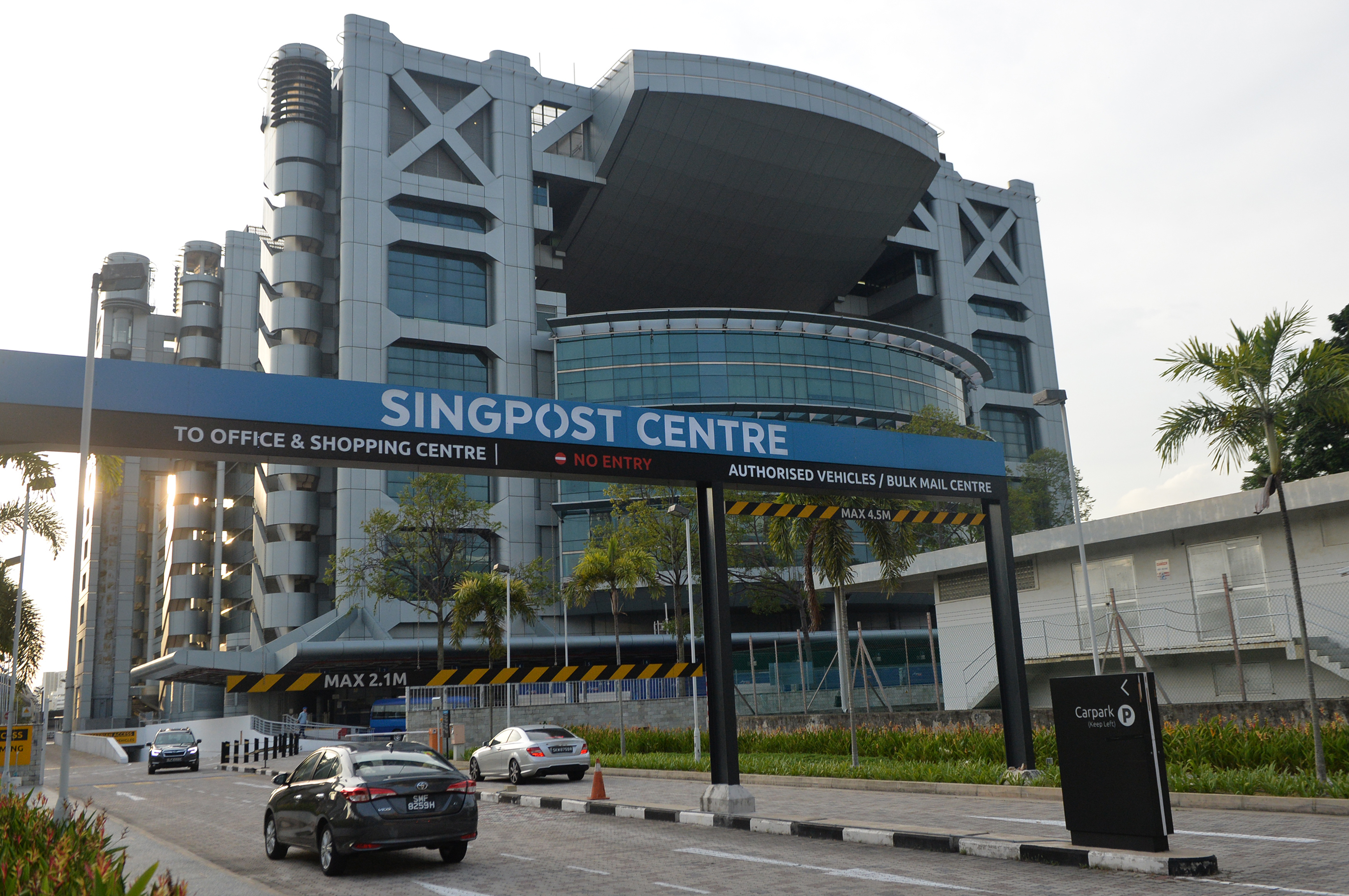
SingPost Centre in Paya Lebar. PHOTO: BT FILE
GRAPHICS: TEOH YI CHIE, BT