Rebuilding, rewilding�& reinvigorating
Call it ambition. Or maybe it’s born out of necessity. But the sheer pace of evolution at the 4,000-acre Harewood Estate will make you walk a little faster just to keep up.
Ben Lascelles has been the Managing Director at his 18th century West Yorkshire ancestral home for about seven years.�
What’s striking is that the business he and his family now run simultaneously bears little resemblance to anything that’s gone before while being completely single-minded about preserving every aspect of it.
Rebuilding from the inside out
“We often act as a sounding board for Ben and provide ad hoc advice on a range of estate matters”
Leeds city centre is just nine miles from Harewood, and the estate’s footprint can be found there too. From road signs, to the farm’s meat being served on trendy restaurant menus, there are 800,000 potential customers living nearby. �
Most will be familiar with Harewood House – the centrepiece mansion completed in 1771 – which is now placed in an educational charitable trust and run by a board chaired by Ben’s sister, Lady Emily Shard. Thousands more are drawn to the estate to take tours of the Emmerdale TV set which occupies 11 of Harewood’s acres on a �long lease.�
But Ben’s responsibility lies in the nature and the farmland. Working with his brother, Eddy, who runs the estate’s vital food, drink and hospitality operation, they have struck upon a vision that customers should be able to “eat Harewood.”�
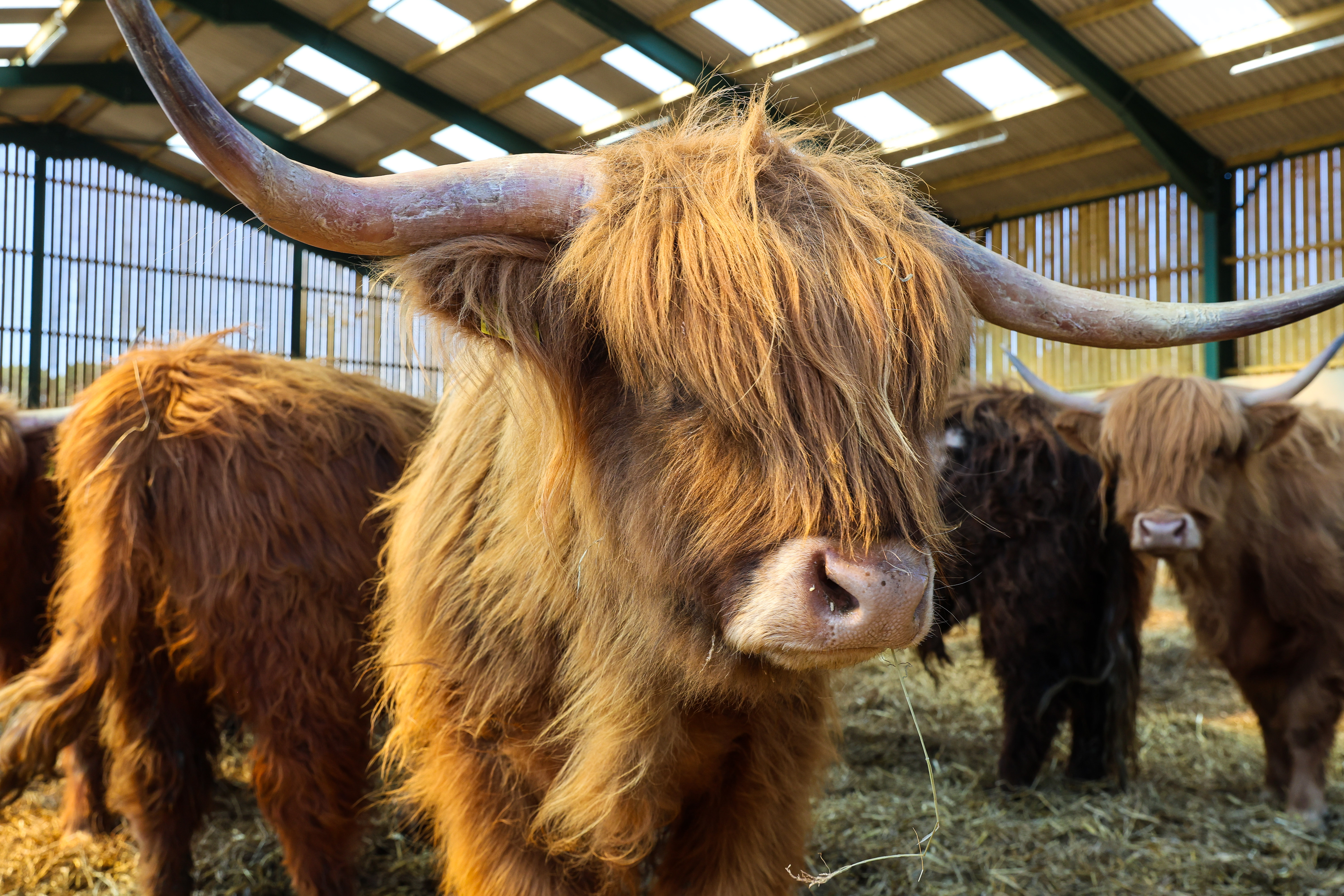
With rare breed livestock including Highland cattle, pedigree Angus, red deer and Hebridean sheep, the focus is on quality over quantity. Around a third of the meat is sold through Harewood's own outlets, a third to local butchers, and a third to high-end wholesalers. "The more we can sell through our own shops and cafes, the better the margin," Ben says. "But it’s not just about profit. It’s about telling the story of the place and helping people understand the journey from field to fork and the role our animals play in managing the landscape."
A dedicated team of 100 volunteers work alongside 13 members of staff to keep the 2.2acre site running.
“A lot of our volunteers are struggling with their mental or physical health,” shares Gemma. “We’ve had people who worked in high powered jobs before suffering a breakdown – they’re struggling and trying to rebuild. Other people may have a physical injury and they use the farming for exercise. Some people are struggling with isolation or bereavement. We’ve also had young people who just aren’t engaging with school.
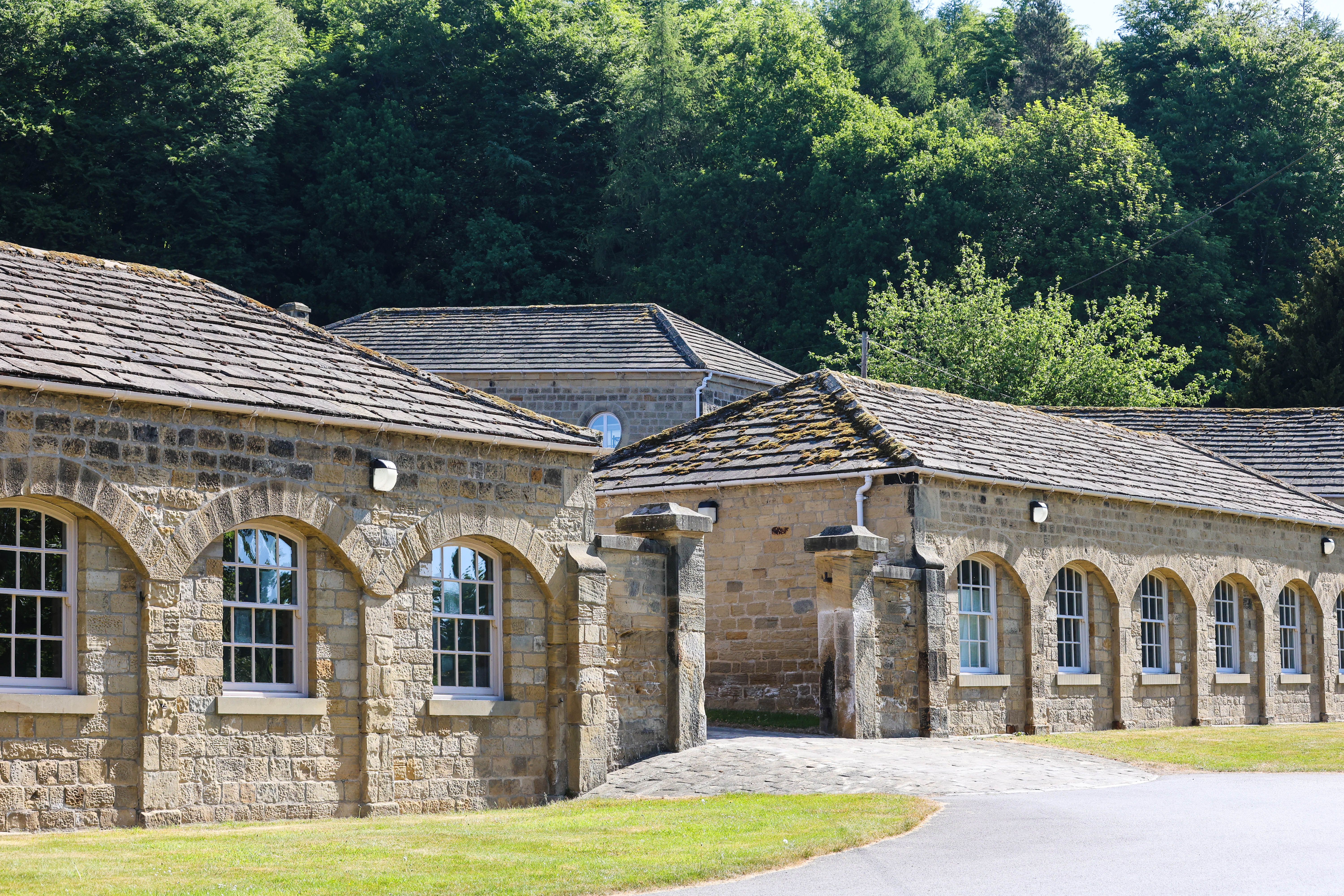
"When I arrived, Harewood was a fairly traditional, closed shooting estate," Ben says as he steers his 4X4 around a group of schoolchildren preparing for an estate tour.
"It had six or seven staff. Nearly everything was outsourced. Now we have 43 directly employed, plus another 30 in our food and drink team. We’ve essentially rebuilt the estate from the inside out."
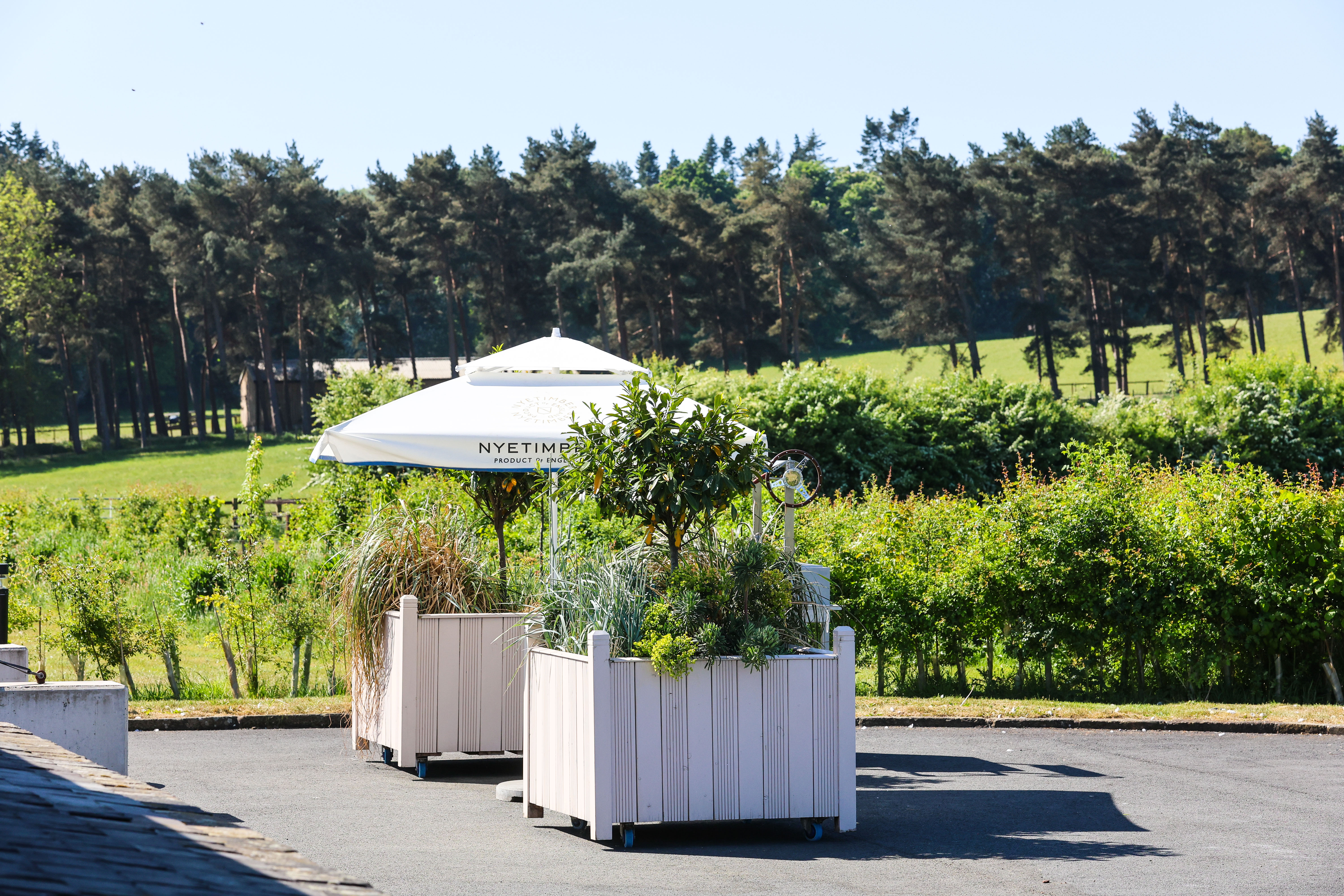
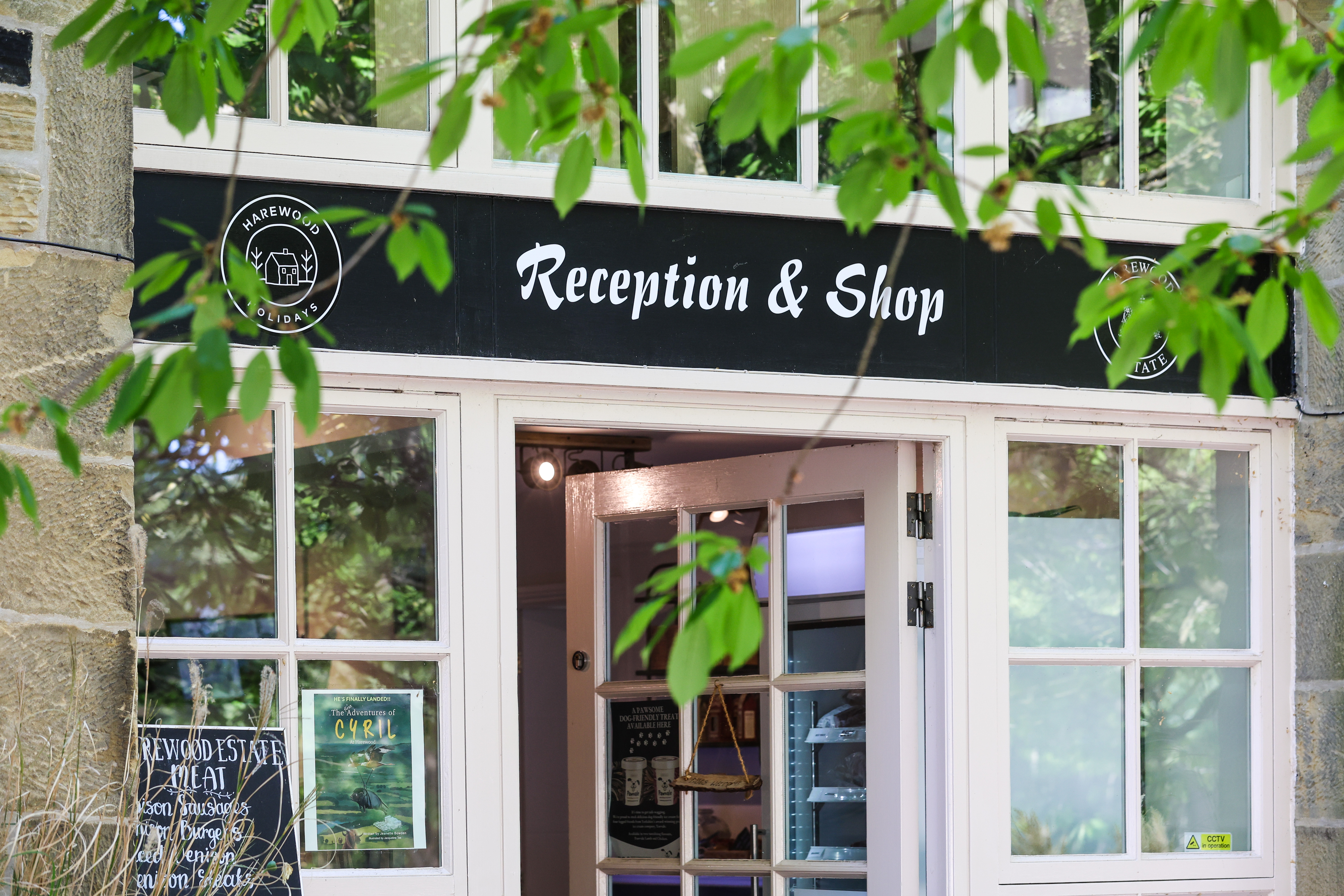
This localised, story-driven model supports more than just income. It creates loyalty and transparency, and helps frame the estate’s long history of conservation and landscape preservation efforts in tangible, everyday terms. "We can talk about wildflower margins and regenerative grazing—but if someone buys a burger and we can show them where it came from and how it helped rebuild a hedgerow, that sticks."
a 250-year-old family estate
The recipe appears to be balance. Balancing history with high tech. Embracing the opportunities within government policy while, at the same time, being completely restrained by it.
No two days are the same, but the Lascelles family travels in just one direction; forwards.
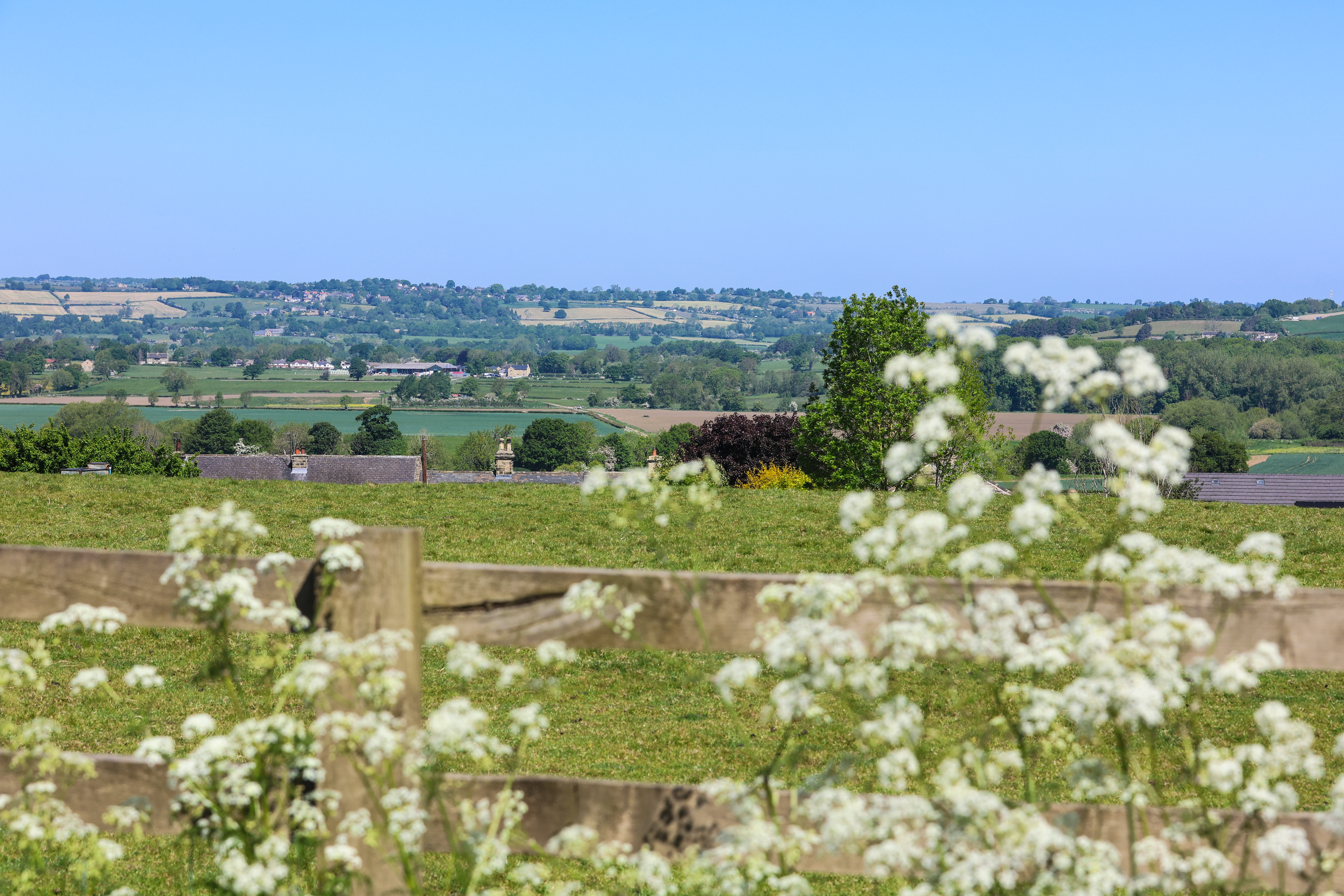
Underlying it all is a careful, deliberate integration: farming supports food retail; woodlands fuel energy systems; the landscape attracts paying guests. "Everything has to reinforce something else," says Ben. "That's how you build a long-term sustainable model." �
This integration has also required a new mindset—one that treats the estate as a complex, adaptive business rather than a static heritage asset. "We’re constantly revising our approach based on what works," he says. "Some ideas fly, others don’t. You can’t get too precious."
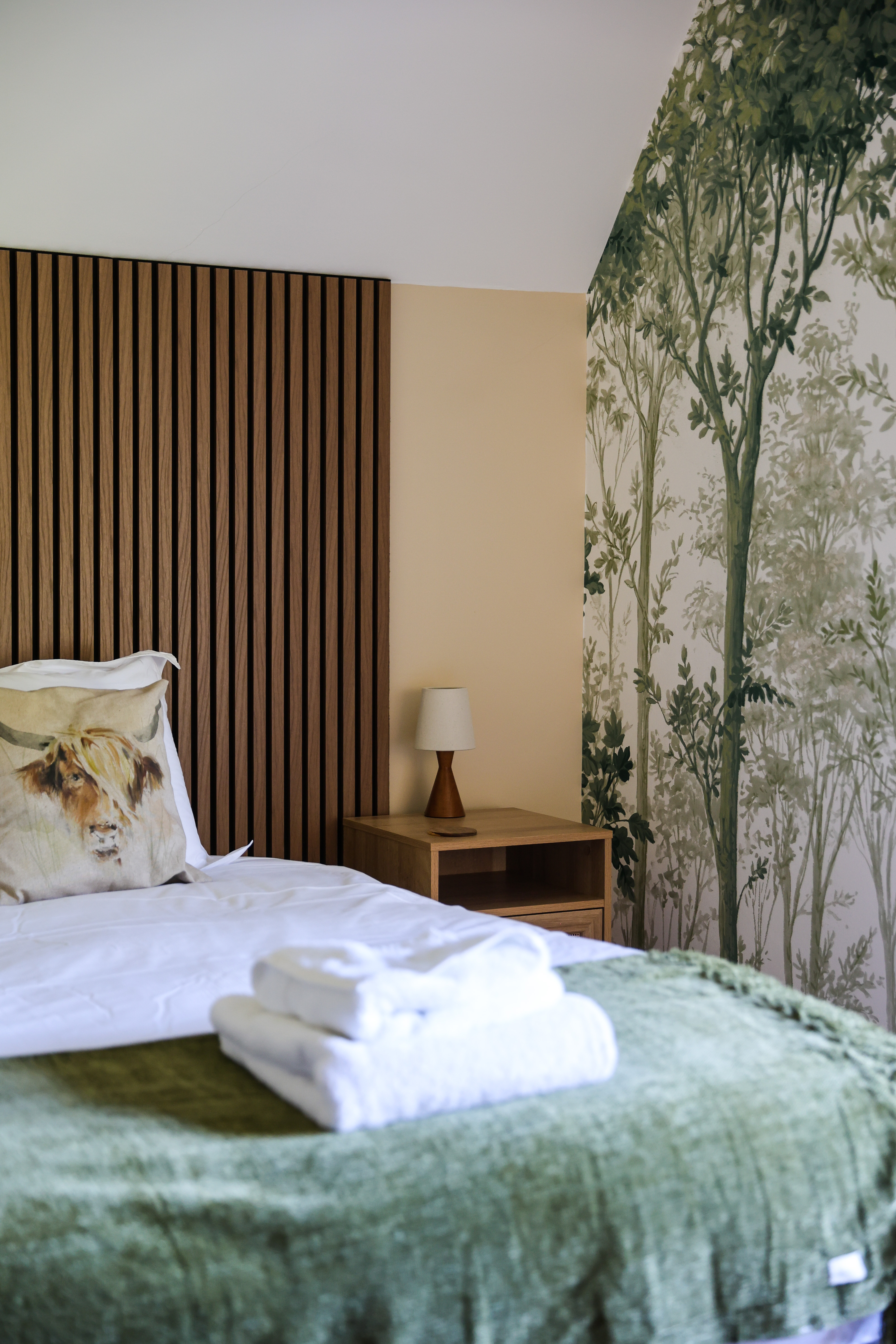
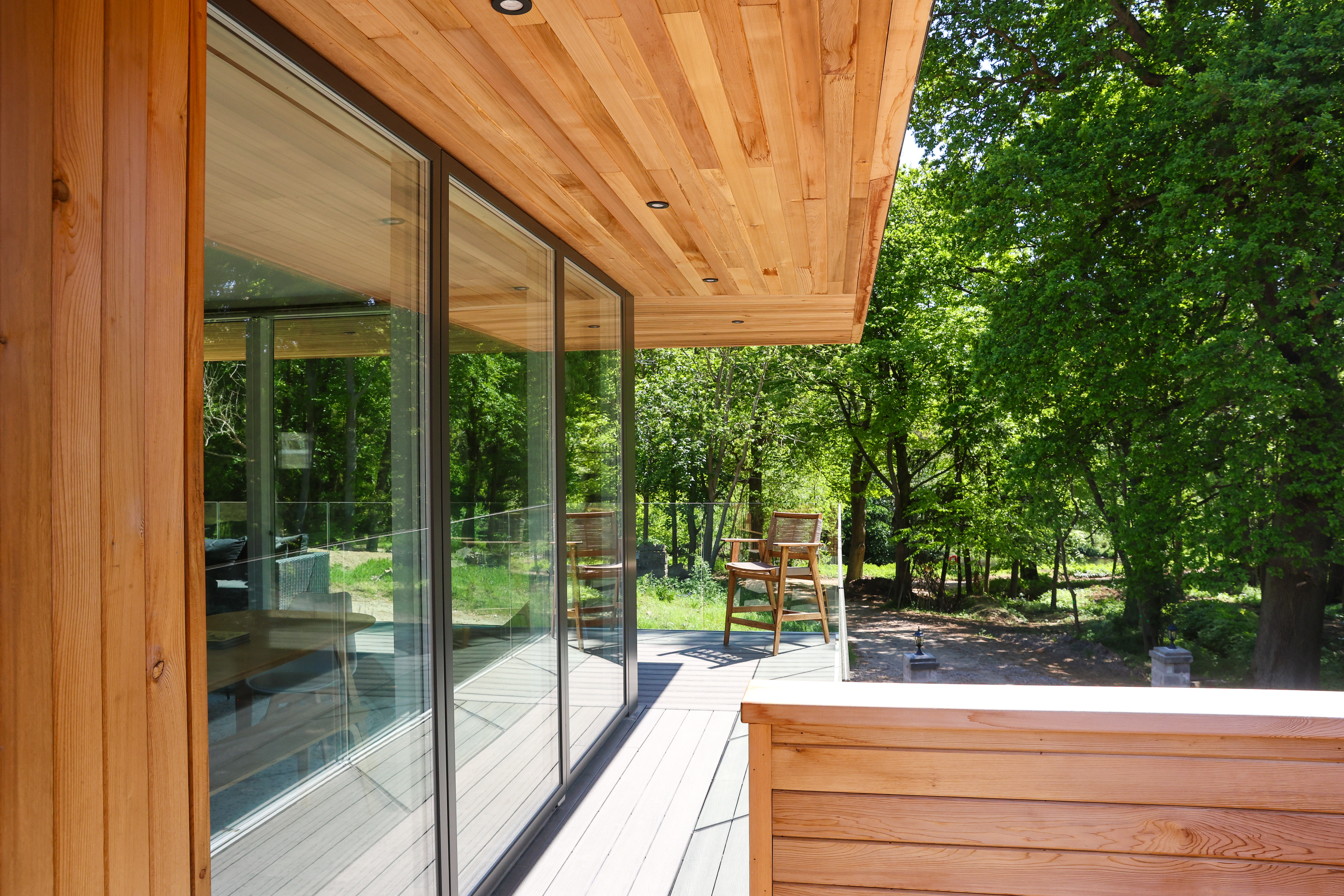
That rebuild has been strategic rather than cosmetic. More than a dozen holiday cottages have been refurbished or extended, modernised, and finished to boutique standards. A flexible events space hosts more than 50 weddings a year. The biomass plant is now supplied entirely from the estate's own woodlands and heats Harewood House and many surrounding buildings.
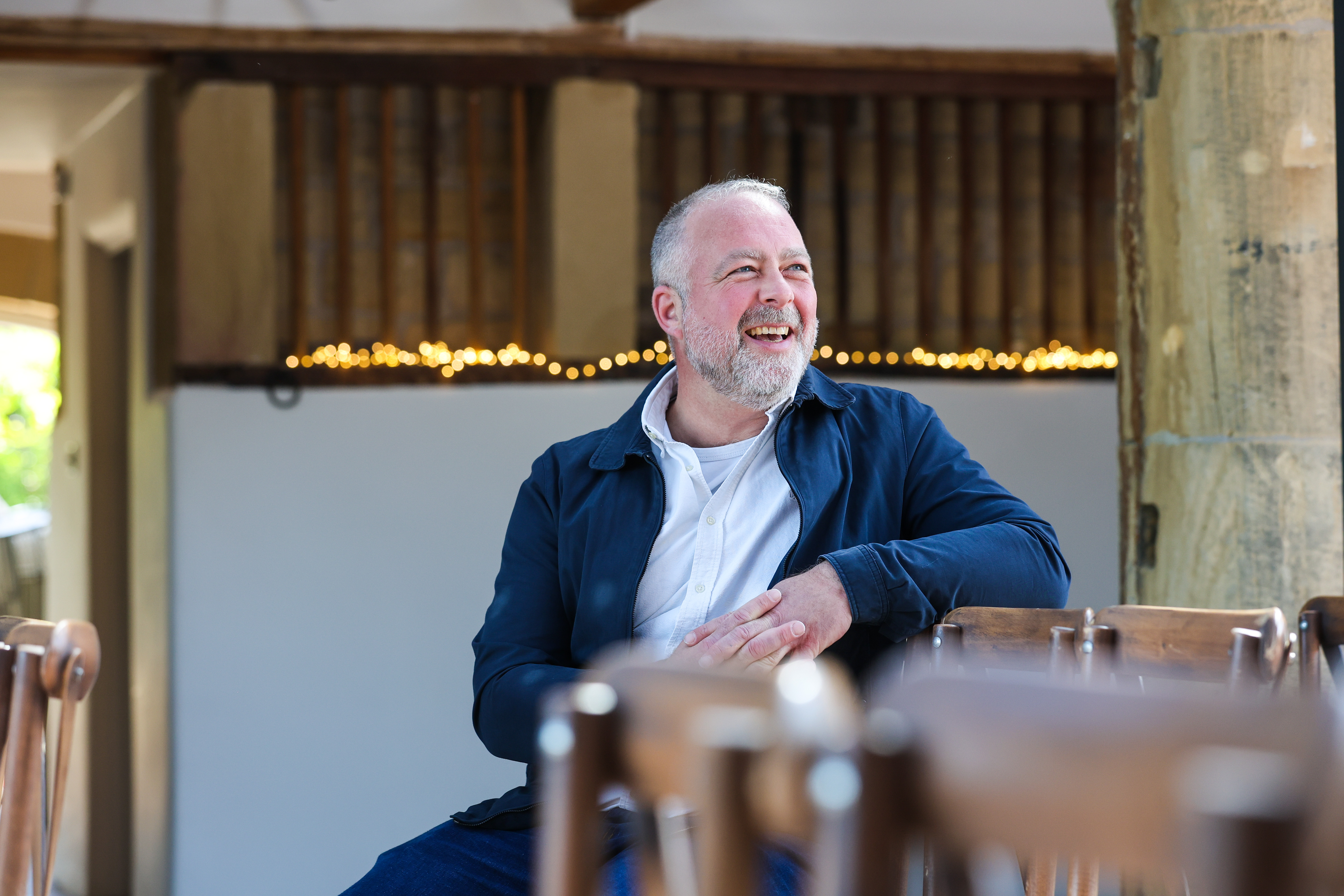
“Everything has to reinforce something else,” says Ben. �“That's how you build a long-�term sustainable model.”
Ben Lascelles
Next level diversification
The Hidden Harewood al fresco fine dining experience offered each summer to a limited number of guests epitomises how every element of the estate can contribute to the bigger picture. Featuring a tasting menu of estate produce, and set in the natural environment Ben’s team strives to protect, it’s a showcase of food and nature, providing a true taste of Harewood.
It sells out and has become so popular that guests keep it secret from friends until they have secured their tickets for the next event.
“When you say the word ‘rewilding’ you can see some people bristle,” says Ben as he pulls up next to a meadow that’s been drilled with native species of wildflowers as part of a countryside stewardship agreement. �
“There is this stigma that you lock up the farm and walk away to let the brambles take over. It’s not. It’s structured, informed change. And it has to work economically as well as ecologically."
Countryside stewardship and nature recovery
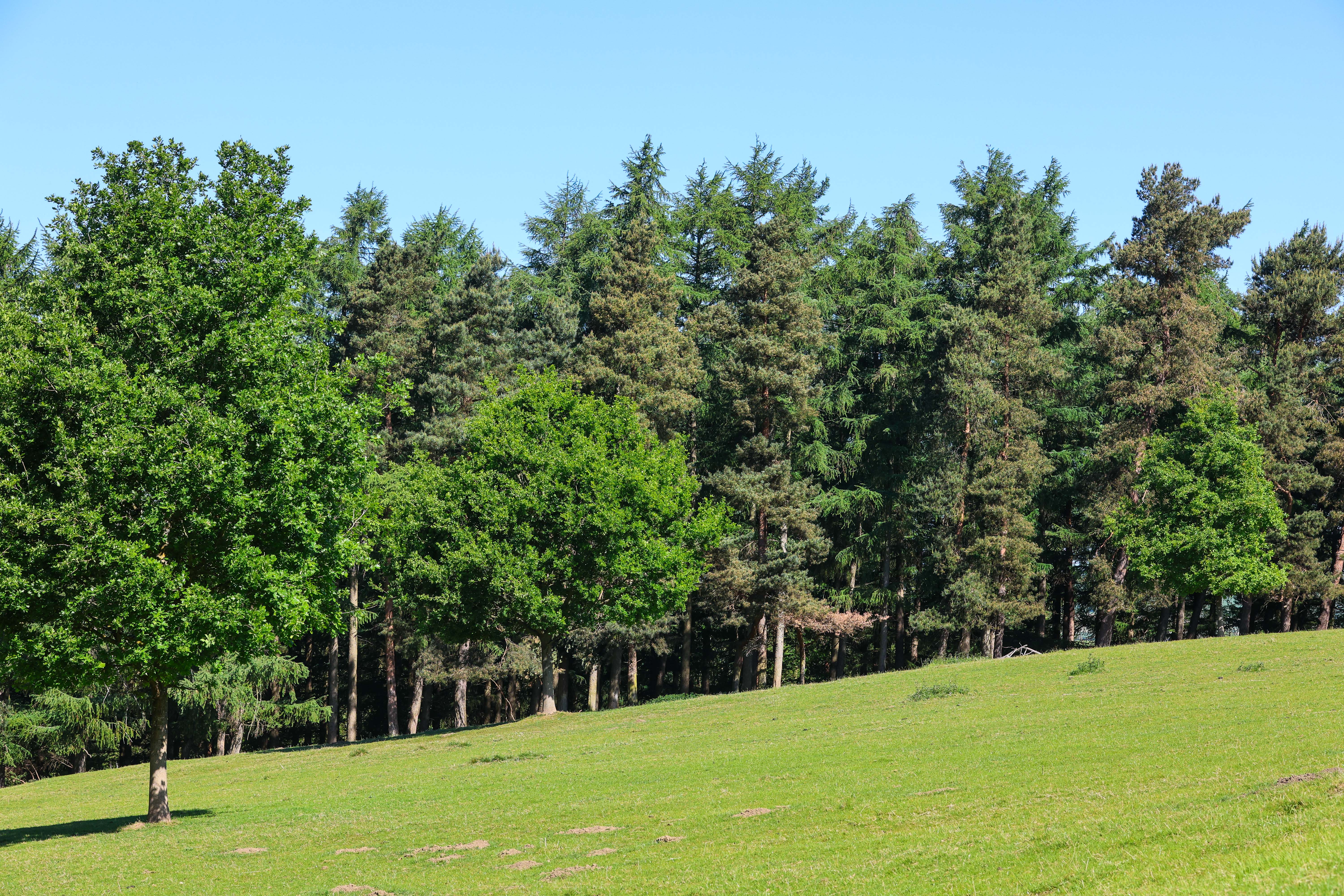
Ben has planted over 250 acres of wildflower meadows, and woodland areas are being returned to wood pasture, drawing on historical landscape evidence. Soil structure across 700 acres of arable land is being improved through regenerative farming methods. There's a renewed emphasis on rare species, habitat restoration, and circular systems of land management. �
The team has started a programme of baseline ecological surveys and species audits, aiming to document both progress and future potential. Ben says this is key to demonstrating accountability to funders and partners. "You need to show evidence, not just intention. That’s the only way nature recovery will be taken seriously across the board."
Despite the estate's growing capacity to deliver complex projects, Ben remains hampered by red tape. Planning rules for listed buildings, of which there are more than 100 on the estate, remain a major frustration. "You want to replace a derelict barn with a slightly better one, and suddenly you're stuck in a six-month hold-up because a flue is the wrong shade of grey," he says. The funding landscape isn't much easier. "We spent three years trying to get one block of woodland included in a high-tier stewardship scheme because someone couldn’t get their head around the idea of reverting it to wood pasture. We had historic maps, even Turner paintings showing it. Still didn’t matter."
The challenge of planning
The implication is clear: current systems are not designed for agile, ambitious delivery. They’re designed to minimise risk. "If you’re just trying to protect what you’ve already got, maybe that’s fine. But if you’re trying to regenerate and adapt, the system can get in your way."
To overcome these external constraints, Ben has focused inward, building a �workforce capable of handling increasingly complex work in-house. The estate now manages most of its own maintenance, housekeeping, energy systems and �livestock operations.
�Expertise is brought in or retained when and where it is needed.
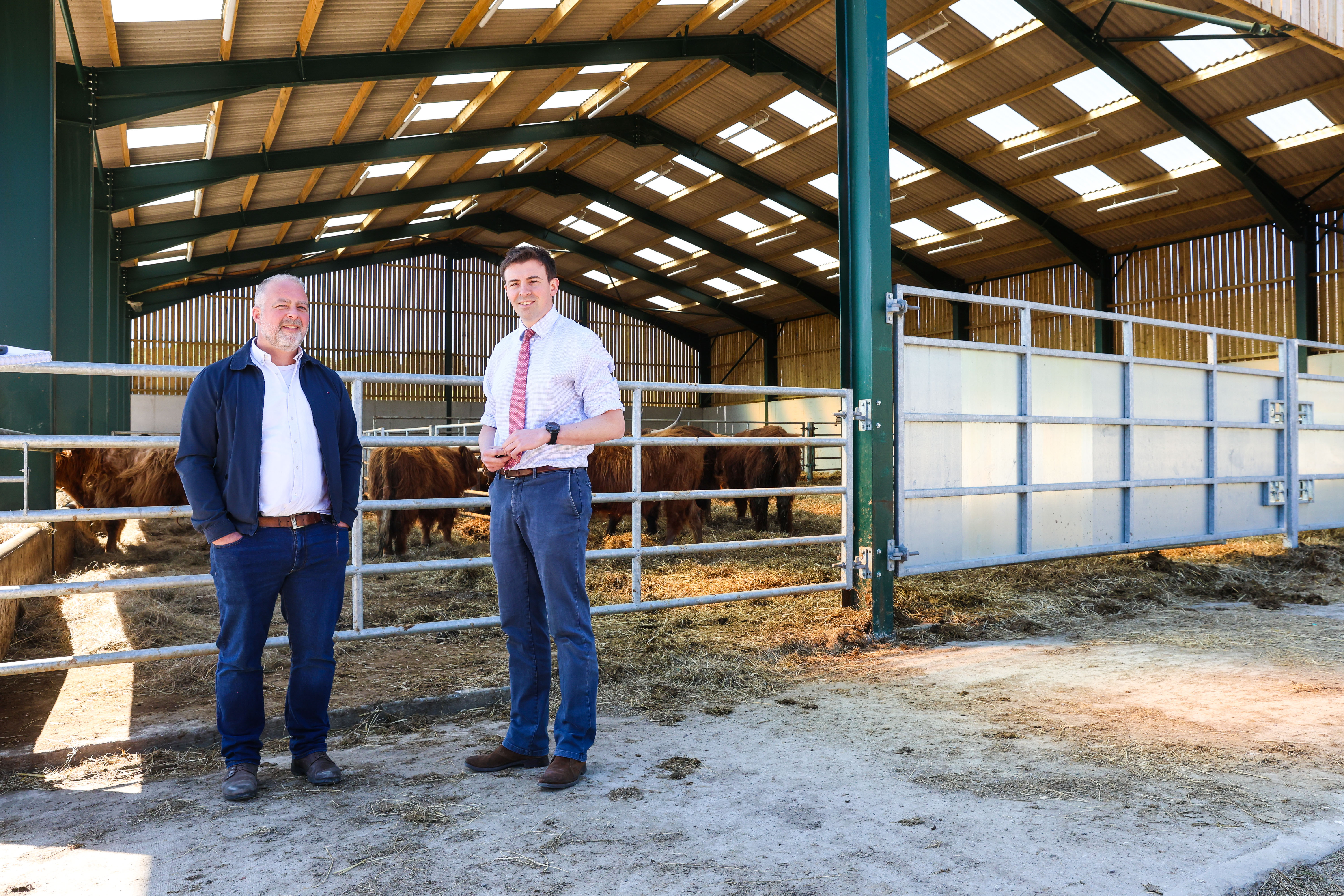
Carter Jonas is retained to provide property consultancy advice, and support Ben and the estate team where required. This consultancy work is wide-ranging and delivered by Charlie Jolleys, Associate Partner and Tom Fawcett, Consultant, both based at the Harrogate office. Charlie and Tom have spent many years working closely with the family to understand Harewood, the family’s ambitions and objectives, and the estate’s direction of travel. Charlie and Tom look to provide positive estate management advice and add value wherever possible.
“We often act as a sounding board for Ben and provide ad hoc advice on a range of estate matters - diversification, property issues, landlord and tenant negotiations, managing a contract farming agreement and strategic estate disposals are just some examples,” says Charlie.
Apprenticeships and staff development schemes are a key part of the ethos.
The estate is also working to improve diversity within its team and offer clearer pathways into the rural sector. "We’ve got a duty to help more young people see this as a career path," says Ben. "That means mentorship, training, and actually being accessible as an employer."
He’s also pragmatic about the financial realities of estate management in the 2020s. Government funding cuts, fluctuating meat prices and seasonal tourism mean there is little room for sentiment. "You can’t just preserve a place like this. You have to make it relevant and viable," he says.
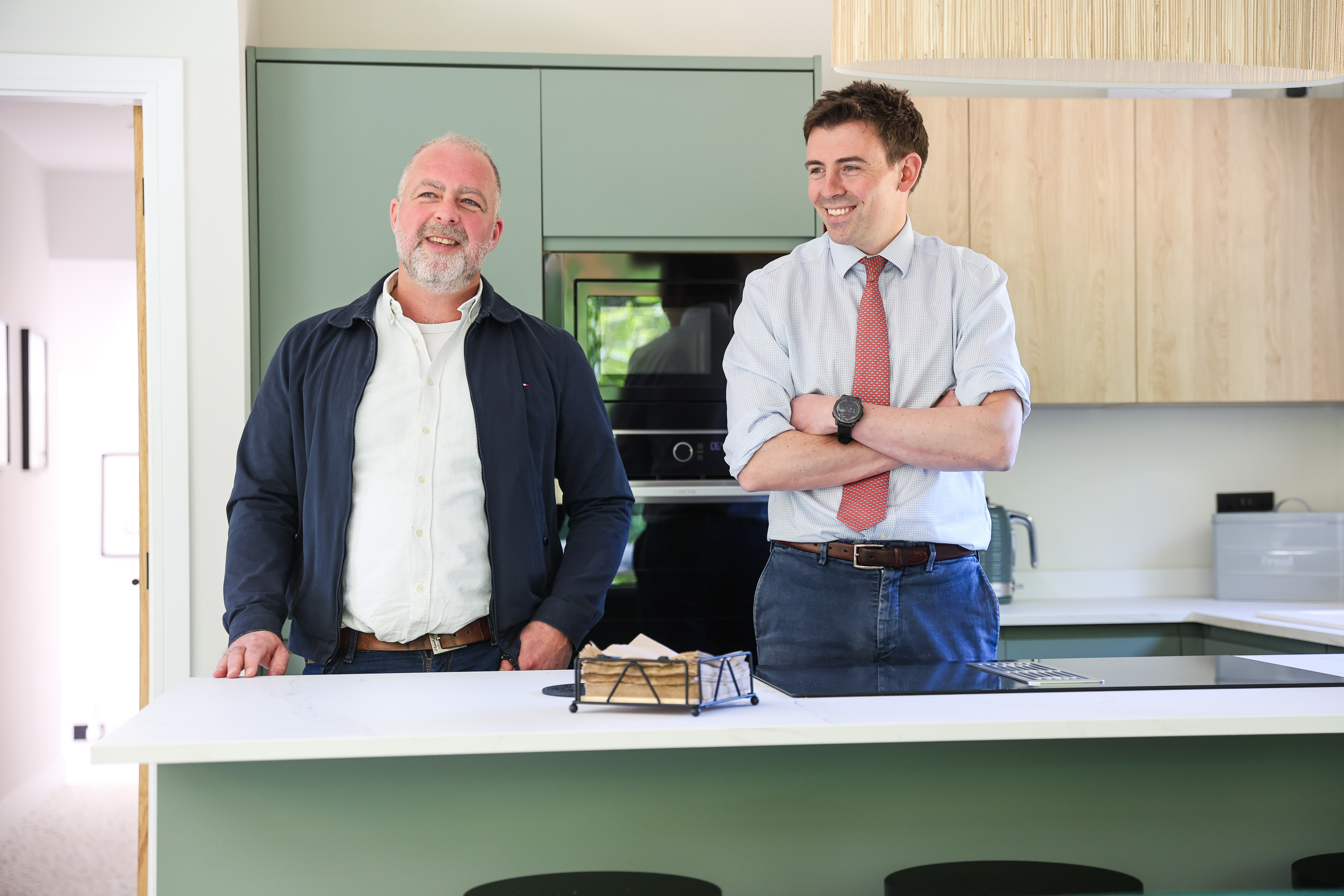
Charlie Jolleys
That doesn’t mean chasing profit at all costs. But it does mean understanding where every pound is going—and what it supports. "We invest where it reinforces the bigger picture: energy self-sufficiency, food resilience, ecological recovery. That’s where the returns are—not just financial, but social and environmental too."�
Perhaps the most powerful thread running through Ben’s approach is a quiet sense of stewardship. He talks about the ancient trees of the parkland with genuine reverence, and about the need to respect the estate’s heritage while making it accessible to modern visitors. "We’ve got 150,000 people walking through on public rights of way each year. A lot of them don’t even realise there’s a working estate here. But they’re part of the picture too. If we can get them buying local meat or joining one of our safari tours, that’s a win for everyone."
That openness isn’t without risk. It requires careful visitor management, clear signage, and constant communication. But Ben sees it as essential. "The more people understand what we’re doing here, the more likely they are to value it—and support our work."�
The estate is also developing new partnerships with schools and universities, inviting students to study land management and biodiversity in action. "If we want more land to be treated like this, we’ve got to bring more people into the fold."
For other estate owners facing similar pressures – heritage upkeep, environmental targets, shifting business models – Ben’s example is both sobering and inspiring. The work is complex and never-ending. But it can be done. And when it is, the result isn’t just a functioning estate, but a living, breathing landscape that supports its community, its wildlife, and its future.
A model that can be copied?
"I don’t pretend to have all the answers," he says. "But we’ve built a team, a strategy, and a structure that gives us a fighting chance. That’s all you can ask for."