Things that only the locals know

Cencora has team members deeply engaged in countless communities around the world, which helps us shape our solutions and the way we work with our partners to deliver better experiences in each unique location.
Our people are spread around the globe to extend our reach as far as possible, but it’s more than their mere presence that makes a difference. It’s also the local insight they’ve gained by working closely with health systems, pharmacies, and providers in those communities that enable us to capitalize on unique opportunities to create efficiencies and accelerate positive outcomes.
We have more than
1,300
And over






Uncover anecdotes that highlight how our team members are using their knowledge of the communities they serve to benefit our customers and their patients below.
warehouse, storage, and office locations worldwide
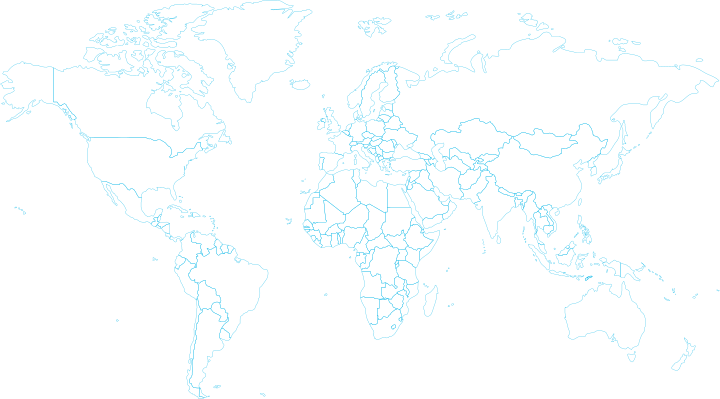
Click the circles on the map for stories from our team members
Every day, our team members are leveraging their local insight to improve the lives of people and animals around the world.
1 Pharmacist and Pharmacy Technician Vaccination Authority. (2025, March 26). NASPA. https://naspa.us/blog/resource/2024-pharmacist-immunization-authority
2 This example is for informational purposes only. It does not constitute a guarantee, promise, or assurance of any particular outcome.
team members working hard every day to �create healthier futures
46,000
See how we’re making an impact in the communities we serve
Enabling specialty practices to offer specialty medications
By leveraging Elevate Provider Network and IntegratedRx® from Prime Therapeutics, we’re now enabling oncology and urology practices in select states to fill commercial prescriptions. Although this can only be done under the proper circumstances, it creates significant opportunities for practices in the right locations to transform access to cancer medications. Less than one-third of the states in the U.S. participate — with stipulations varying by geography—but our payer and pharmacy support teams have enabled many of our customers to gain access to the program.
Jacqueline Le
Senior Strategic Business Analyst

By leveraging Elevate Provider Network and IntegratedRx® from Prime Therapeutics, we’re now enabling oncology and urology practices in select states to fill commercial prescriptions. Although this can only be done under the proper circumstances, it creates significant opportunities for practices in the right locations to transform access to cancer medications. Less than one-third of the states in the U.S. participate — with stipulations varying by geography — but our payer and pharmacy support teams have enabled many of our customers to gain access to the program.

Scroll down





Learn more



We’ve seen a trend across the dairy and beef industries where producers are hiring more people from Mexico and South America. In response, we’ve brought on more bilingual technicians to eliminate any potential language barriers for our customers. Additionally, our customizable Pro-Control® Plus Feed Batching System can be easily switched to Spanish at the click of a button, so everyone on the team can contribute to more efficient cattle feeding.
Overcoming language barriers in cattle feeding
Steve Kempke
Supervisor, Pro Control Automation
More locally, we’ve seen a growing need for bilingual training in the Texas panhandle. At one of our biggest dairy customers in this area, we now have bilingual team members conducting monthly trainings with their feeders and feed managers on all aspects of the batching software. This way, we can help everyone at that dairy operation is get the hands-on support they need.


Community pharmacy continues to evolve rapidly, expanding from a sole focus on dispensing medications to playing a pivotal role in holistic patient care. As both patients and payors increasingly rely on community pharmacies to bridge gaps in healthcare delivery through clinical services, it’s essential for pharmacists to understand their specific scope of practice set by their state’s law. To support this need, we developed the Scope of Practice and Reimbursement Snapshot tool, designed to provide clear guidance on state-specific regulations and requirements.
Helping pharmacists understand state authorizations
Gold Eneyo, PharmD
Director, Clinical Pharmacy Services



One example of how state-specific regulations impact clinical services is the variation in vaccine administration laws. For instance, in Michigan, pharmacists can administer ACIP-recommended vaccines to individuals aged 3 and older, provided they have a collaborative practice agreement with a physician. In contrast, Idaho grants pharmacists direct prescriptive authority to vaccinate individuals aged 6 and older without needing such agreements.1 These regulatory nuances affect many other clinical care areas, including HIV PEP and PrEP, health screenings, and disease treatment, varying widely across states. We’re committed to not only helping our members navigate these complexities but also providing them with the tools and support needed to implement and expand these services within their pharmacies.

One example of how state-specific regulations impact clinical services is the variation in vaccine administration laws. For instance, in Michigan, pharmacists can administer ACIP-recommended vaccines to individuals aged 3 and older, provided they have a collaborative practice agreement with a physician. In contrast, Idaho grants pharmacists direct prescriptive authority to vaccinate individuals aged 6 and older without needing such agreements.1 These regulatory nuances affect many other clinical care areas, including HIV PEP and PrEP, health screenings, and disease treatment, varying widely across states. We’re committed to not only helping our members navigate these complexities but also providing them with the tools and support needed to implement and expand these services within their pharmacies.
In the province of Alberta, we’ve been able to develop a customized process to support a pilot project between Canadian Blood Services (CBS) and an external provider to deliver a plasma-derived blood product directly to patients, as opposed to other provinces where the product needs to be picked up from the blood bank by the patient. Our team works closely with the drug provider, the physician, our InnomarClinics nurses, and the patient in each case to deliver a better patient experience and help the process run smoothly for everyone involved.
Saving patients an unecessary trip to the blood bank
Kareena Rego
Senior Director, Customer Experience



A notable success story from Alabama highlights this impact, where we helped a local urology practice tap into this opportunity, resulting in remarkable growth. The MID orals segment, influenced by dedicated efforts, has achieved a staggering 94.45% increase in revenue in just 12 months and 132.42% year-over-year growth.2 By breaking down barriers imposed by traditional payer and reimbursement models, this program empowers providers to manage patient care holistically, improving therapy management and patient experiences.

By leveraging Elevate Provider Network and IntegratedRx® from Prime Therapeutics, we’re now enabling oncology and urology practices in select states to fill commercial prescriptions. Although this can only be done under the proper circumstances, it creates significant opportunities for practices in the right locations to transform access to cancer medications. We're working hard to make these therapies available to patients throughout the United States — with stipulations varying by geography — and our payer and pharmacy support teams have enabled many of our customers to gain access to the program.
Enabling specialty practices to offer specialty medications
Jacqueline Le
Senior Strategic Business Analyst





Our Louisville complex is strategically located 10 minutes from an international airport, which enables us to ship medications next day to anywhere in the U.S. That includes even the most time- and temperature-sensitive therapies. Our unique location also enables us to focus on specific capabilities at different buildings within the same area. For example, one facility is an ambient site equipped to handle a high volume of small-parcel shipments, while another serves as our cold chain center of excellence.
Leveraging location for more efficient specialty 3PL
Grant O'Rodrick
Project Manager, Business Developmentt

From Nanaimo in BC to Rimouski in Quebec to Happy Valley Goose Bay in Newfoundland, we have clinics strategically located around Canada to provide access to quality care to as many patients as we possibly can, especially when their options are limited because of where they live.
Throughout Canada, we have 24 integrated business units that comprise more than 160 Innomar clinics, with each one forming �close relationships in their local community. This equates to roughly 750 nurses administering biologic infusions, injections, and associated nursing services for various immunotherapies across the country. That includes many clinics in remote communities, which make up about 35% of our patient appointments nationally.
Reaching remote communities with quality nursing care
Amar Pabla
Vice President�Nursing, Clinics & Scheduling Operations


And with our specialty distribution center residing next door, we’re able to collaborate efficiently, offer round-the-clock service, and deliver life-saving medications within hours when needed.
It helps community pharmacists navigate the complexities of their practice environment, so they can seize revenue-generating opportunities while enhancing the level of care they provide to their communities.

We’ve also partnered with a local logistics company to help us complete the last mile of deliveries, whether it takes a chartered shuttle boat, a snow plough, or even a snow mobile.
In winter, the average temperature in Norway is -7°C, transforming it into a snow-clad landscape outlined by rugged coastlines and huge fjords. This makes it very difficult to distribute vaccines throughout the country. Between the low temperatures and treacherous terrain, there is a significant risk of the product freezing and being rendered useless. We have used a combination of replenishable global thermal containers and active containers to sustain required temperature ranges.
Delivering vaccines through harsh terrain and temperatures
Remo Hanselmann
Director, Commercial Supply Chain



We’ve also partnered with a local logistics company to help us complete the last mile of deliveries, whether it takes a chartered shuttle boat, a snow plough, or even a snow mobile.
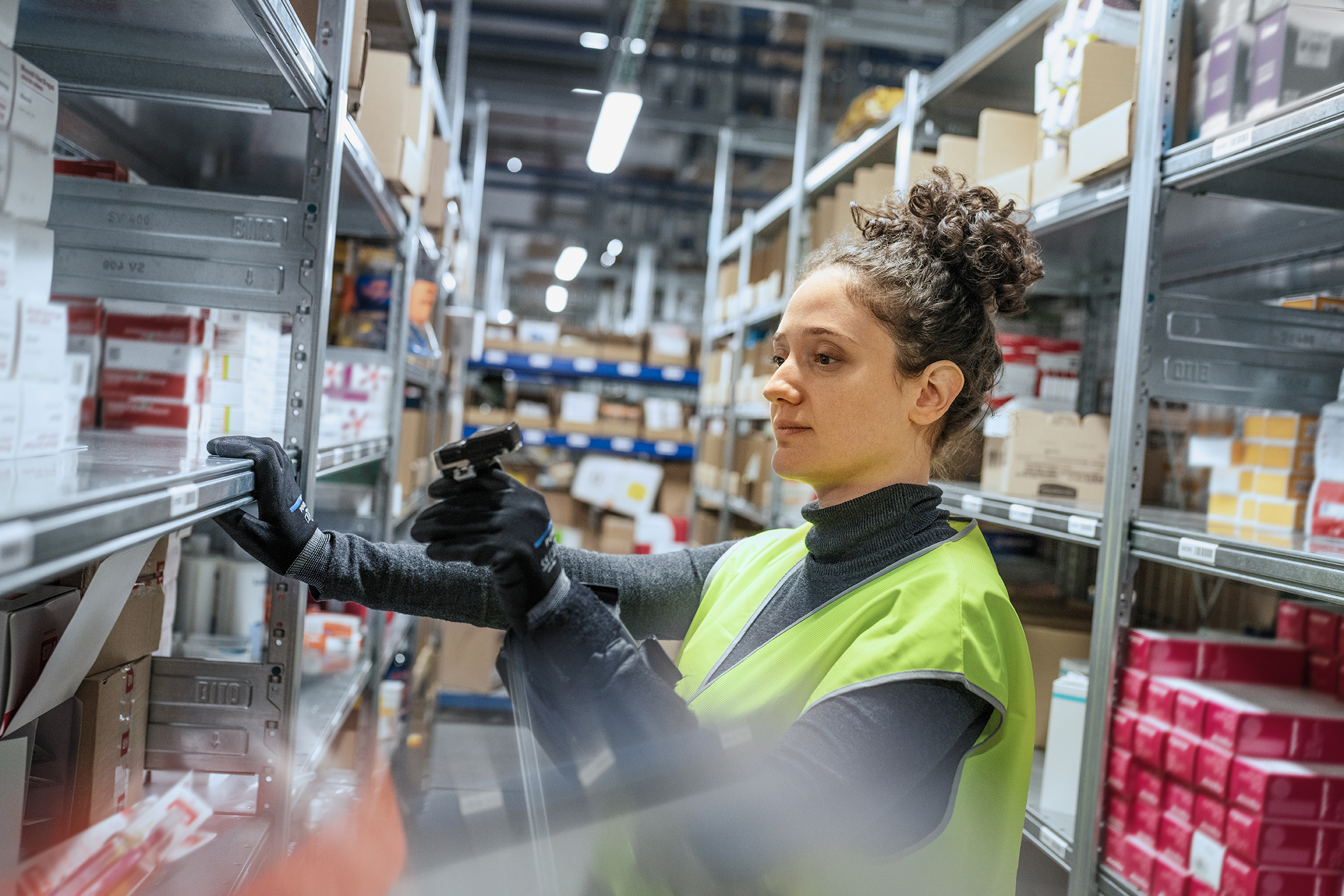
The international airport in Sofia, Bulgaria, is too small to handle large cargo shipments like the specialized, insulated containers that Cencora uses for therapies requiring strict temperature control. Since we can’t have those flown in directly, we developed a sophisticated process, routing our temperature-controlled shipments to Frankfurt, Germany, and then using World Courier’s ground network to make the final leg. This has reinforced the continuous cold chain so patients in Bulgaria have uninterrupted access to life-changing therapies.
Transporting large cargo when the airport can’t accommodate
Mads Skovvang
Europe Product Manager, �Commercial Supply Chain

To make this complex situation more difficult, a public holiday and overbooked flights caused massive traffic delays on the day when this patient was scheduled to have their cells drawn and shipped. We overcame this daunting challenge by taking advantage of the Green Corridor. This special provision in India closes traffic from the port to the hospital so ambulances can transport vital therapies and organs for transplant unhindered by congestion. We obtained a letter from the traffic police department explaining the urgency of the shipment, and with all traffic lights set to green for us, we were able to complete the delivery in time so this patient could receive their life-saving treatment.
We had a young cancer patient in India who had the opportunity to receive a groundbreaking autologous T-cell-based immunotherapy. This treatment involved drawing the patient’s cells in Bengaluru, shipping them to Kuala Lumpur, Malaysia, for processing, then returning the treated cells for reinfusion. It was roughly a 3,000-mile journey in full, and it had to be completed within a relatively short time window at a sustained temperature of 2°C – 8°C.
Using the Green Corridor for urgent shipments
Andrea Zobel
Senior Director, Personalized Supply Chain



To make this complex situation more difficult, a public holiday and overbooked flights caused massive traffic delays on the day when this patient was scheduled to have their cells drawn and shipped. We overcame this daunting challenge by taking advantage of the Green Corridor. This special provision in India closes traffic from the port to the hospital so ambulances can transport vital therapies and organs for transplant unhindered by congestion. We obtained a letter from the traffic police department explaining the urgency of the shipment, and with all traffic lights set to green for us, we were able to complete the delivery in time so this patient could receive their life-saving treatment.

We had a young cancer patient in India who had the opportunity to receive a groundbreaking autologous T-cell-based immunotherapy. This treatment involved drawing the patient’s cells in Bengaluru, shipping them to Kuala Lumpur, Malaysia, for processing, then returning the treated cells for reinfusion. It was roughly a 3,000-mile journey in full, and it had to be completed within a relatively short time window at a sustained temperature of 2°C – 8°C.
Using the Green Corridor for urgent shipments
Andrea Zobel
Senior Director, Personalized Supply Chain


This has reinforced the continuous cold chain so patients in Bulgaria have uninterrupted access to life-changing therapies.
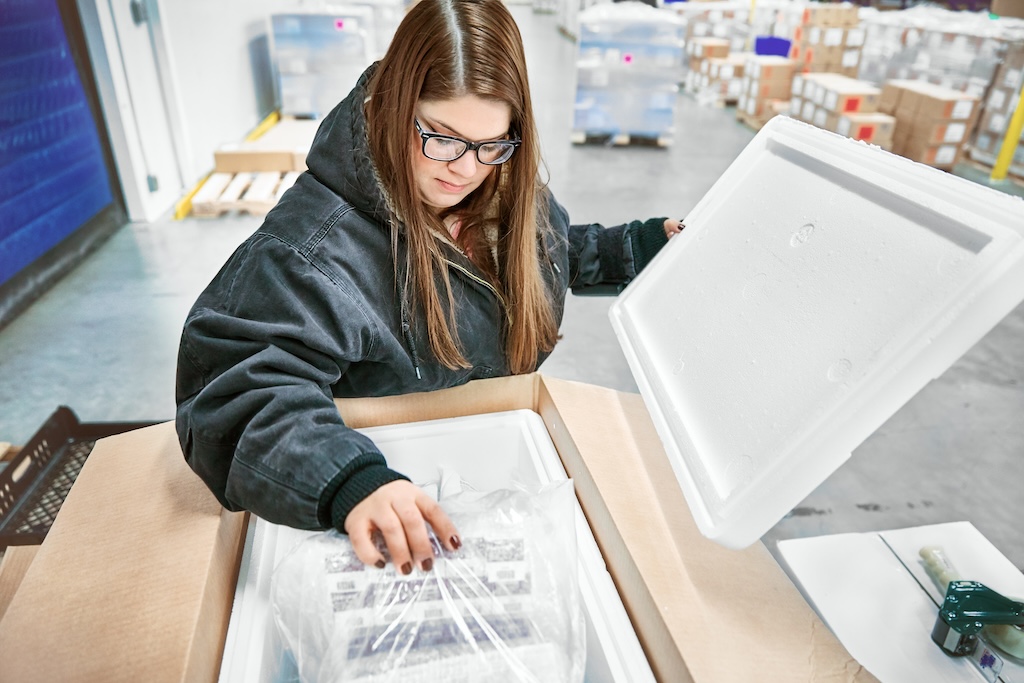
The international airport in Sofia, Bulgaria, is too small to handle large cargo shipments like the specialized, insulated containers that Cencora uses for therapies requiring strict temperature control. Since we can’t have those flown in directly, we developed a sophisticated process, routing our temperature-controlled shipments to Frankfurt, Germany, and then using World Courier’s ground network to make the final leg.
Transporting large cargo when the airport can’t accommodate
Mads Skovvang
Europe Product Manager, �Commercial Supply Chain

We’ve also partnered with a local logistics company to help us complete the last mile of deliveries, whether it takes a chartered shuttle boat, a snow plough, or even a snow mobile.

In winter, the average temperature in Norway is -7°C, transforming it into a snow-clad landscape outlined by rugged coastlines and huge fjords. This makes it very difficult to distribute vaccines throughout the country. Between the low temperatures and treacherous terrain, there is a significant risk of the product freezing and being rendered useless. We have used a combination of replenishable global thermal containers and active containers to sustain required temperature ranges.
Delivering vaccines through harsh terrain and temperatures
Remo Hanselmann
Director, Commercial Supply Chain
From Nanaimo in BC to Rimouski in Quebec to Happy Valley Goose Bay in Newfoundland, we have clinics strategically located around Canada to provide access to quality care to as many patients as we possibly can, especially when their options are limited because of where they live.

Throughout Canada, we have 24 integrated business units that comprise more than 160 Innomar clinics, with each one forming �close relationships in their local community. This equates to roughly 750 nurses administering biologic infusions, injections, and associated nursing services for various immunotherapies across the country. That includes many clinics in remote communities, which make up about 35% of our patient appointments nationally.
Reaching remote communities with quality nursing care
Amar Pabla
Vice President�Nursing, Clinics & Scheduling Operations
And with our specialty distribution center residing next door, we’re able to collaborate efficiently, offer round-the-clock service, and deliver life-saving medications within hours when needed.
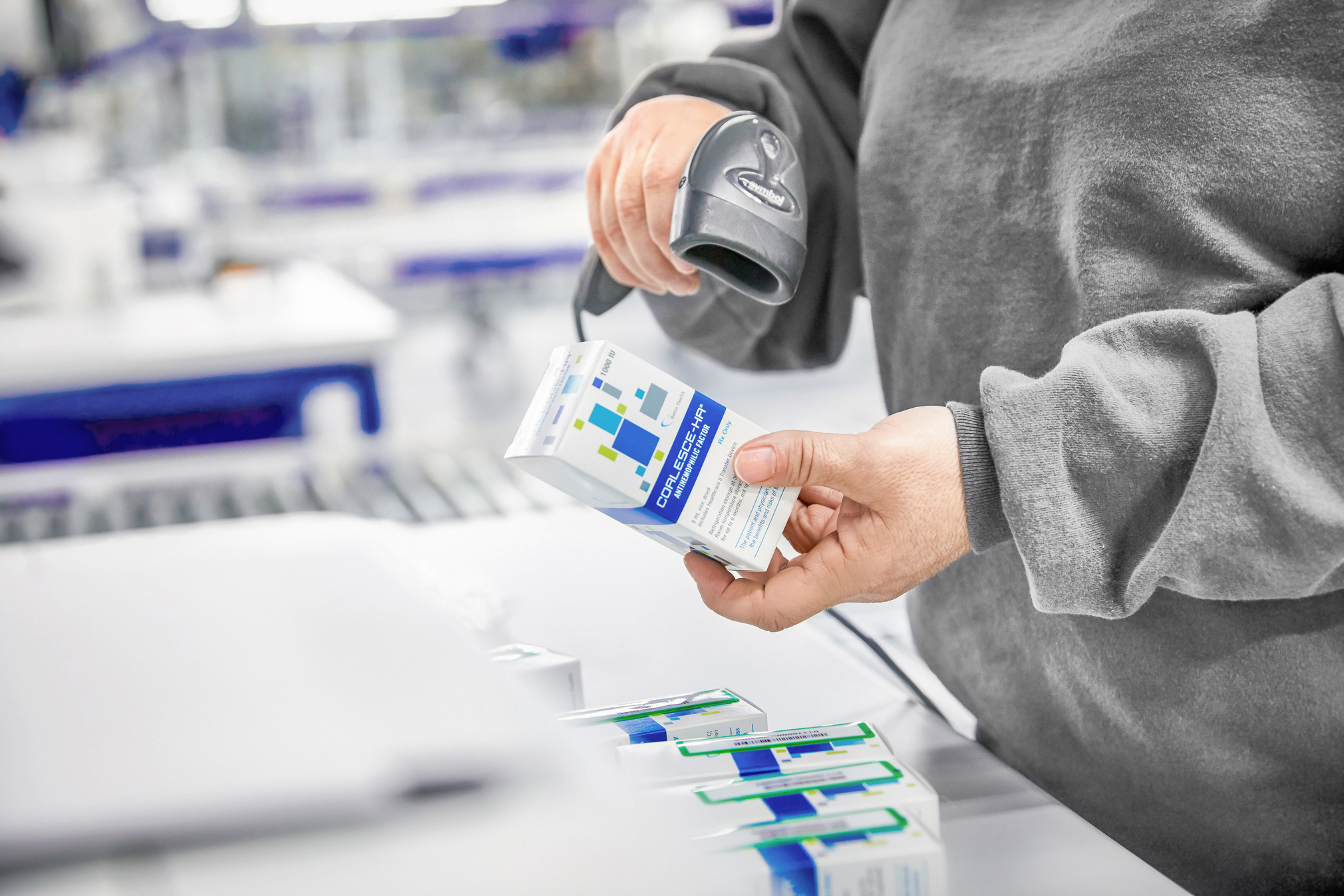
Our Louisville complex is strategically located 10 minutes from an international airport, which enables us to ship medications next day to anywhere in the U.S. That includes even the most time- and temperature-sensitive therapies. Our unique location also enables us to focus on specific capabilities at different buildings within the same area. For example, one facility is an ambient site equipped to handle a high volume of small-parcel shipments, while another serves as our cold chain center of excellence.
Leveraging location for more efficient specialty 3PL
Grant O'Rodrick
Project Manager, Business Developmentt

Our team works closely with the drug provider, the physician,�our InnomarClinics nurses, and the patient in each case to deliver a better patient experience and help the process run smoothly for everyone involved.

In the province of Alberta, we’ve been able to develop a customized process to support a pilot project between Canadian Blood Services (CBS) and an external provider to deliver a plasma-derived blood product directly to patients, as opposed to other provinces where the product needs to be picked up from the blood bank by the patient.
Saving patients an unecessary trip to the blood bank
Kareena Rego
Senior Director, Customer Experience

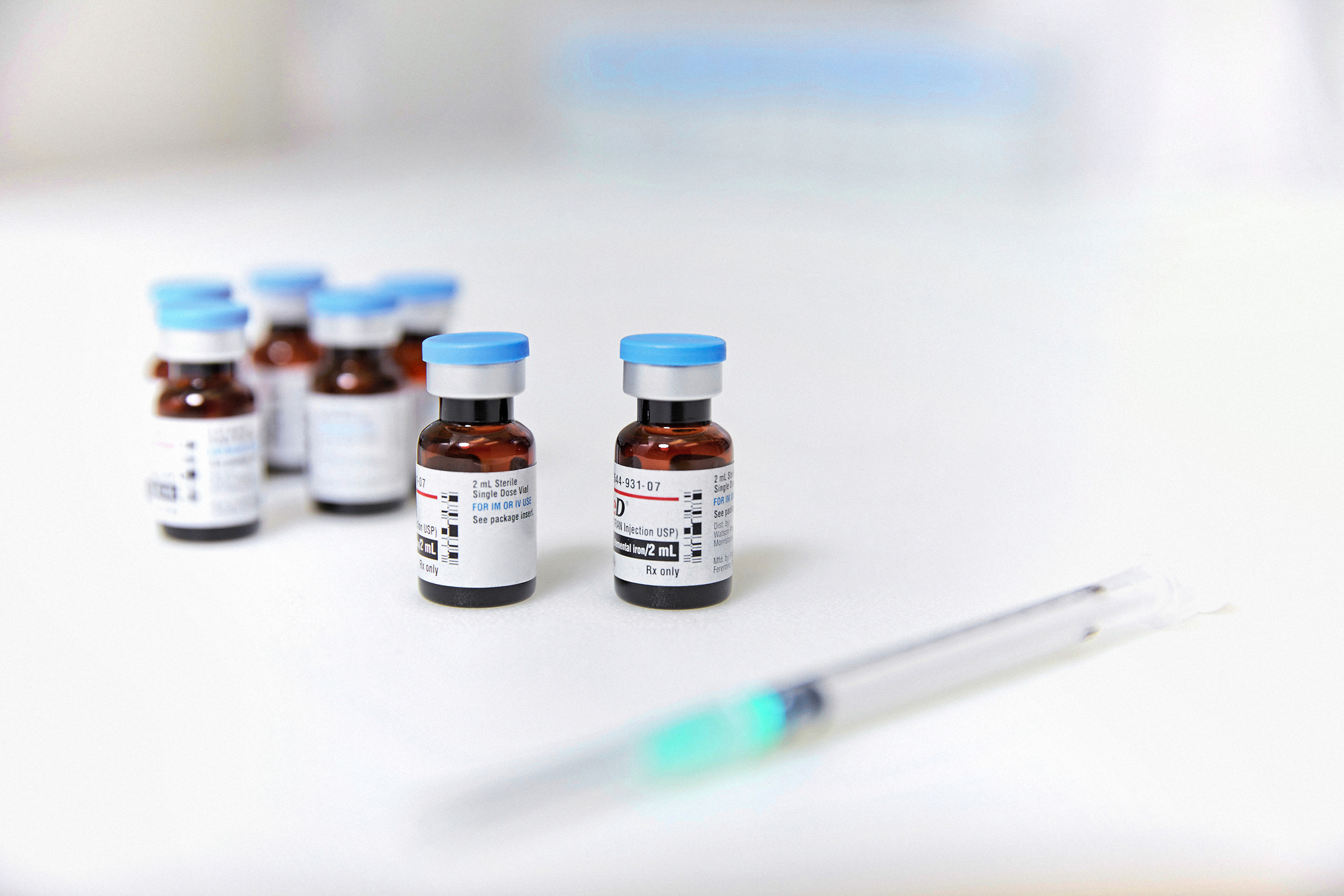
One example of how state-specific regulations impact clinical services is the variation in vaccine administration laws. For instance, in Michigan, pharmacists can administer ACIP-recommended vaccines to individuals aged 3 and older, provided they have a collaborative practice agreement with a physician. In contrast, Idaho grants pharmacists direct prescriptive authority to vaccinate individuals aged 6 and older without needing such agreements.1 These regulatory nuances affect many other clinical care areas, including HIV PEP and PrEP, health screenings, and disease treatment, varying widely across states. We’re committed to not only helping our members navigate these complexities but also providing them with the tools and support needed to implement and expand these services within their pharmacies.
It helps community pharmacists navigate the complexities of their practice environment, so they can seize revenue-generating opportunities while enhancing the level of care they provide to their communities.
Community pharmacy continues to evolve rapidly, expanding from a sole focus on dispensing medications to playing a pivotal role in holistic patient care. As both patients and payors increasingly rely on community pharmacies to bridge gaps in healthcare delivery through clinical services, it’s essential for pharmacists to understand their specific scope of practice set by their state’s law. To support this need, we developed the Scope of Practice and Reimbursement Snapshot tool, designed to provide clear guidance on state-specific regulations and requirements.
Helping pharmacists understand state authorizations
Gold Eneyo, PharmD
Director, Clinical Pharmacy Services


More locally, we’ve seen a growing need for bilingual training in the Texas panhandle. At one of our biggest dairy customers in this area, we now have bilingual team members conducting monthly trainings with their feeders and feed managers on all aspects of the batching software. This way, we can help everyone at that dairy operation is get the hands-on support they need.
We’ve seen a trend across the dairy and beef industries where producers are hiring more people from Mexico and South America. In response, we’ve brought on more bilingual technicians to eliminate any potential language barriers for our customers. Additionally, our customizable Pro-Control® Plus Feed Batching System can be easily switched to Spanish at the click of a button, so everyone on the team can contribute to more efficient cattle feeding.
Overcoming language barriers in cattle feeding
Steve Kempke
Supervisor, Pro Control Automation

A notable success story from Alabama highlights this impact,�where we helped a local urology practice tap into this opportunity, resulting in remarkable growth. The MID orals segment, influenced by dedicated efforts, has achieved a staggering 94.45% increase in revenue in just 12 months and 132.42% year-over-year growth.2 By breaking down barriers imposed by traditional payer and reimbursement models, this program empowers providers to manage patient care holistically, improving therapy management and patient experiences.
By leveraging Elevate Provider Network and IntegratedRx® from Prime Therapeutics, we’re now enabling oncology and urology practices in select states to fill commercial prescriptions. Although this can only be done under the proper circumstances, it creates significant opportunities for practices in the right locations to transform access to cancer medications. Less than one-third of the states in the U.S. participate — with stipulations varying by geography — but our payer and pharmacy support teams have enabled many of our customers to gain access to the program.
Enabling specialty practices to offer specialty medications
Jacqueline Le
Senior Strategic Business Analyst
Click the circles on the map for stories from our team members