Tomorrow’s Journey: �Smarter, Faster, Connected
01
DIGITAL TRANSFORMATION UNLOCKS �THE AIRPORTS OF TOMORROW
The airport is no longer just a transit hub; �it’s fast becoming a digital ecosystem.
From Singapore and Dubai to Atlanta and Amsterdam, �travellers are spending less time navigating queues and more time relaxing, dining, shopping, and engaging with premium services. They’re looking for a uniform, intelligent journey �that feels intuitive from check-in to boarding. The digital transformation of airports is beginning to deliver on this expectation, combining automation, connectivity, and data-driven services to redefine what a modern travel experience looks like.
As technology continues to transform the airport journey, travellers are increasingly open to automation if it doesn’t come at the expense of service, trust, or personal connection. From AI-assisted check-in to biometric security clearance, the tools of efficiency are now familiar, but travellers want �a combined approach of machine speed and human interaction. �For airports, it's about finding that balance.

Technology to Enhance �the Human Touch

01
Research commissioned by Priority Pass, and independently conducted by Vitreous World among a sample of 12,067 travellers from 21 countries and territories including: Australia (502), Brazil (504), Colombia (502), Denmark (506), Germany (503), Hong Kong (504), India (1001), Indonesia (501), Italy (503), Mexico (505), Norway (506), Peru (505), Saudi Arabia (504), Singapore (502), South Korea (500), Sweden (503), Thailand (502), Turkey (500), UAE (505), UK (1004) and USA (1005). Survey conducted April-May 2025.
Airports are no longer just transit points — they’re becoming intelligent ecosystems designed to transform the traveller experience. Across the globe, major travel hubs are undergoing ambitious redevelopment, not just to expand, but to evolve. The future of travel is being built around smarter, more seamless journeys.
The momentum is clear: the global airport automation market is projected to surge from USD 55.05bn in 2025 to USD 85.12bn by 2033, driven by rising passenger expectations and accelerated investment in digital infrastructure.¹ From biometric ID and real-time updates to fully automated check-in and baggage systems, airports are fast becoming testbeds for cutting-edge innovation. But as technology reshapes the physical journey, it’s also redefining what travellers value most.
Against this backdrop of rapid transformation, Priority Pass surveyed over 12,000 global travellers to uncover how digital innovation is influencing their airport experience. The findings reveal a growing appetite for technology that not only enhances efficiency but also delivers comfort, choice, and emotional well-being. With automation freeing up time and reducing stress, travellers are more inclined to relax, explore — and spend.
Digital Transformation Unlocks the Airports �of Tomorrow
From transit to transformation
Yet perceptions around progress remain mixed, and there is much more still to be done beyond the world’s most advanced hubs. More than half of travellers globally (59%) believe airports are adopting AI and technology at the right pace to meet their expectations. But this sentiment varies significantly by region, traveller profile and income level, suggesting a fragmented transformation.
Travellers in Asia-Pacific (APAC) are notably more optimistic, with 69% believing airports are keeping pace, and confidence surging in emerging hubs like Thailand (85%) and India (83%). Markets with mature infrastructure in the region, such as South Korea and Singapore, are setting the global benchmark for automation. South Korea’s Incheon International Airport and Singapore’s Changi Airport lead the way with self-check-in kiosks, biometric immigration, automated baggage handling and even elements of automated security screening. Reflecting this, 44% of travellers in South Korea and 39% in Singapore say they would prefer a mostly automated airport experience, well above the global average of 30%.
A patchwork of progress
Looking ahead, traveller expectations are becoming more sophisticated. �The airport of tomorrow will be frictionless, intuitive, and deeply connected. �Among the top five technologies travellers expect to see in the next 5 to 10 years are:
Future expectations, today’s opportunities
40%
Fully biometric travel journeys, removing the need for a physical passport
These expectations signal a growing appetite for hyper-personalised, high-tech experiences �that anticipate needs and remove uncertainty.
Yet the speed of adoption must be matched by transparency and trust-building. �Among those who believe airports are adopting AI at the right pace, 85% are comfortable sharing biometric data. This confidence falls to 69% among those who perceive progress as too slow, underscoring the critical link between perceived technological readiness and traveller willingness to engage with new innovations.
39%
Smart baggage tracking
37%
Globally consistent, streamlined security procedures
33%
Signage that automatically translates into native languages
31%
Predictive security checks based on AI risk assessments
65%
Customer service and problem resolution
These are moments that carry emotional weight and when uncertainty, confusion, or frustration can appear. A human presence is a source of calm and clarity and more than just a functional resource. The implication for the industry is that digital transformation is not about eliminating people, but elevating their role, moving staff �away from routine tasks and into high-value, high-empathy touchpoints.
54%
Security and border control
48%
Lost and found services
As automation becomes embedded in the travel journey, its impact stretches well beyond operational efficiency.
For businesses, automation is emerging as a powerful driver of both experience and revenue.
Efficiency isn’t just about speed, it can shape the emotional tone of a journey, influencing how calm, confident or stressed travellers feel along the way. Almost half of global travellers (49%) say fast check-in and baggage drop is a key factor in how quickly they begin to feel relaxed at the airport. When technology does its job well, it fades into the background �and quietly removes hassle to give travellers something far more valuable: time.
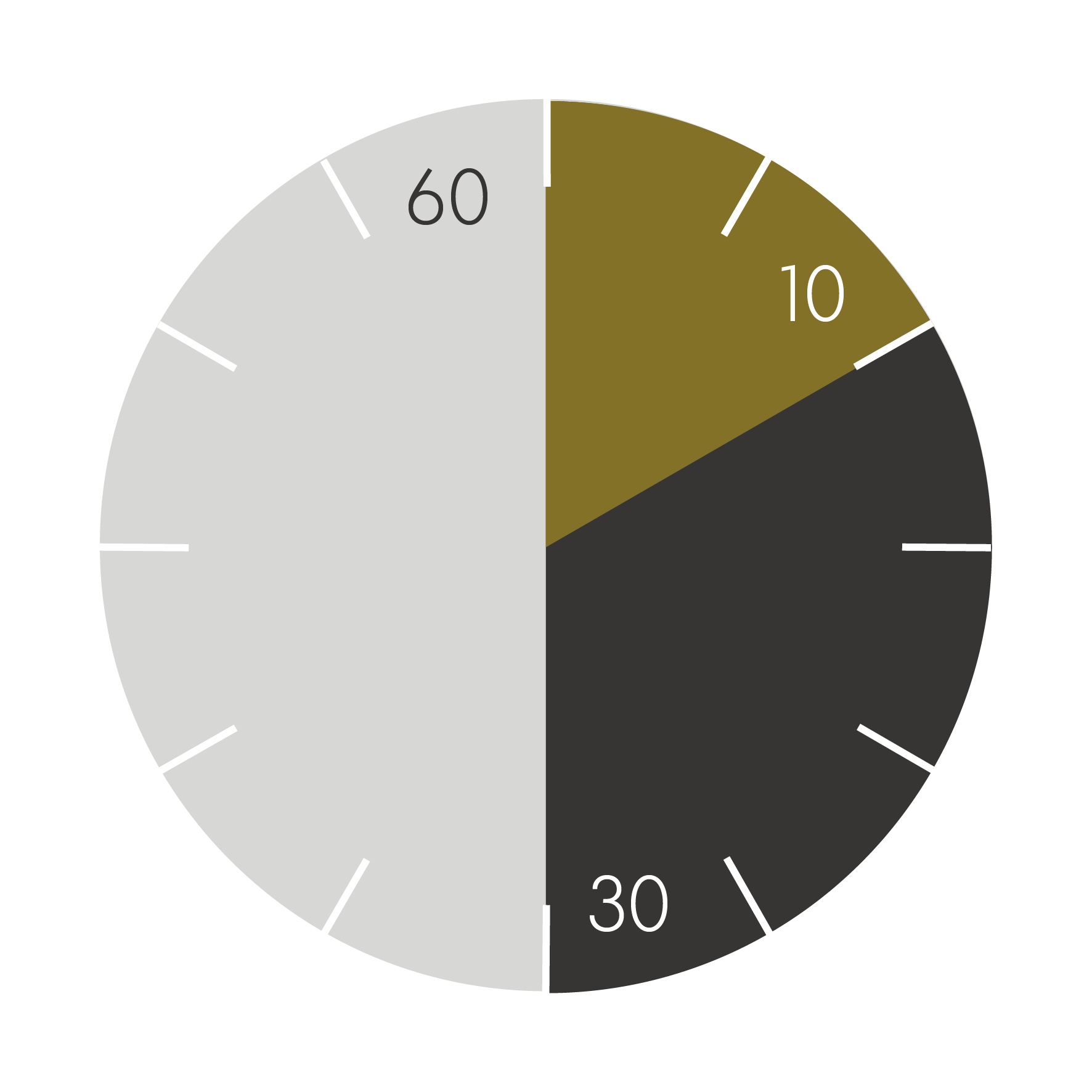
Nearly half (45%) of global travellers say airport tech gives them an extra 10–30 minutes in their journey, while 1 in 5 (20%) gain up to an hour. Reclaimed time is more than a convenience; it gives travellers control over their journey, transforming idle moments into meaningful experiences.
Automation to support relaxation
WHY AIRPORT AUTOMATION MATTERS FOR BUSINESSES
Lounge users are especially responsive to improved airport conditions and are significantly more valuable as commercial customers.
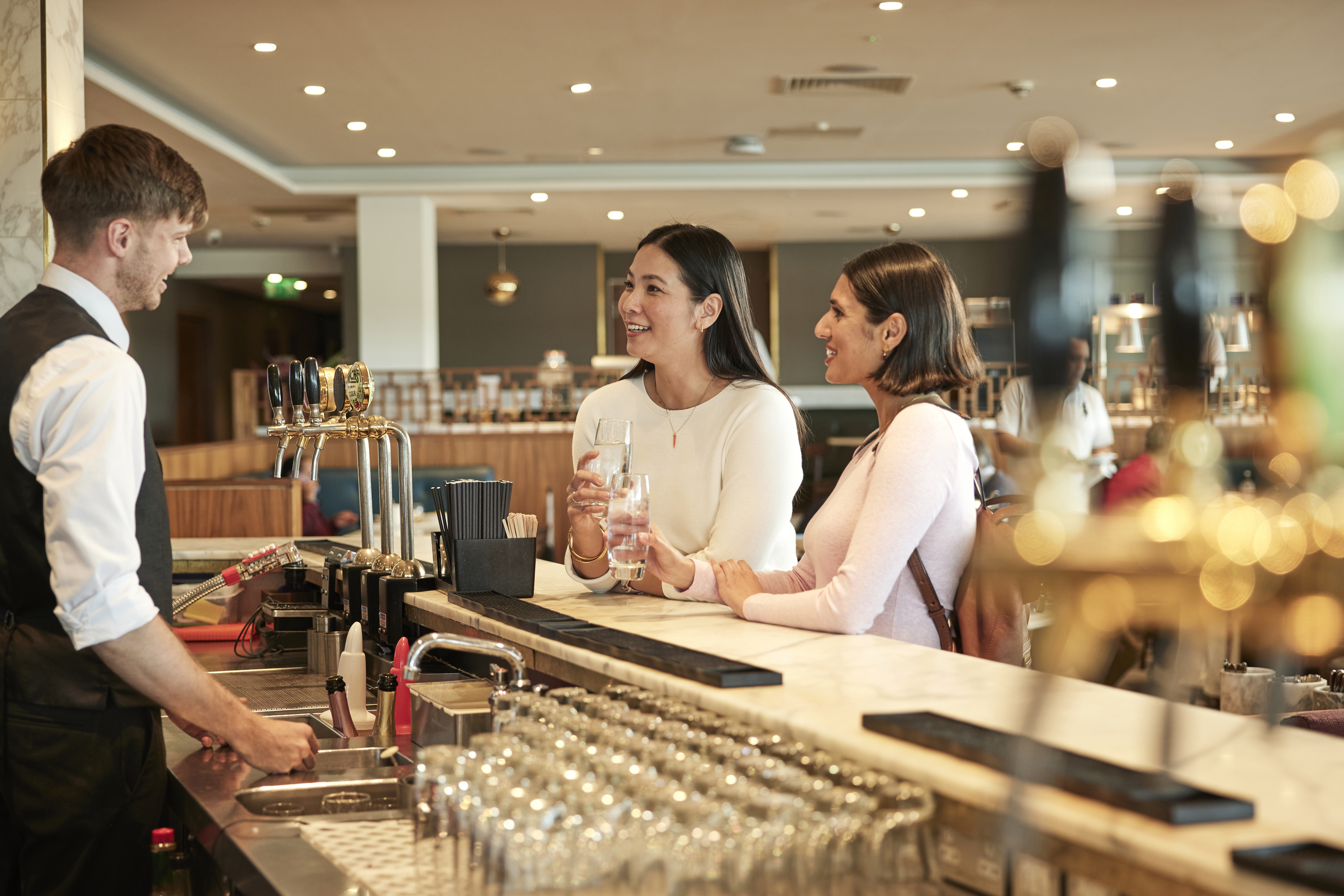
67% of lounge users say automation makes them more likely to spend at the airport compared to just 40% of non-lounge users. For 22%, this is driven by the way automation impacts their experience, making the airport feel like part of their trip and not just a means to an end.
Lounge and other premium services are central to today’s airport experience, with 73% of travellers having visited at least once.
Younger travellers are embracing lounges early: 78% of Millennials and 73% of Gen Z have already used one, with many (50% and 49% respectively) visiting 2-3 times in the past year. As these groups grow into the travellers of tomorrow, their habits will shape the future of premium airport experiences. For brands, offering lounge access as a travel benefit provides a prime opportunity to build early loyalty and long-term relevance.
Younger, high-value travellers at the forefront of lounge demand
The New Era �of Airport Lounges
As airport automation enhances the speed and ease of travel, travellers are increasingly looking for ways to turn time saved into time well spent. Airport experiences – such as lounges, spas and sleep pods – are central to this shift, offering places of comfort, calm and connection – and in today’s landscape, that experience is becoming more personal, tech-enabled and commercially valuable than ever.
Travellers are becoming more intentional with their airport time. Almost a third (31%) say they start to relax immediately after clearing security, with lounge access cited as a key contributor. Nearly a quarter (24%) of global travellers say that simply having access to a lounge helps them unwind faster. For business travellers, frequent flyers and digitally connected consumers, a lounge can be a productivity and wellness space, as well as a luxury.
Digital experiences drive relaxation and revenue
Younger generations and high-income travellers want more from their lounge experience. The top three features travellers would like to see in future lounges are smarter, tech-enabled environments with personalised food, entertainment and workspace (38%), seamless experience booking through apps (37%), and a greater variety of local, independent food options (36%).
The demand for premium services extends beyond the lounge walls. With extra time at the airport, lounge users are significantly more likely than non-users to spend on spas (21% vs. 10%), and even booking excursions for their vacation (16% vs. 9%).
Premium expectations are reshaping airport experiences
Digital transformation isn’t a choice — it’s the backbone of tomorrow’s airport experience. Automation is freeing up valuable time and reducing stress, making travellers more open to engaging with premium services. By blending speed with service, brands can improve every stage of the traveller journey.
The Tech-Led Take off
As airports evolve into smarter, more connected spaces, the opportunity to engage travellers through meaningful experiences has never been greater.
Priority Pass is at the forefront of this shift, helping its customers to deliver standout moments for their cardholders and driving deeper customer engagement.
Methodology
Priority Pass is the world’s original and market-leading airport experiences programme. We provide travellers with access to over 1,700 airport lounges and travel experiences in 725 airports in 145 countries. Members can access an ever-growing range of premium experiences – from spas to sleeping pods to dining – that help elevate every journey into something special. By building partnerships with other leading brands, we help to bring a better travel experience to the world.
Priority Pass is part of The Collinson Group, a family-owned business. Formed over 35 years ago, it now has five distinct operating companies that generate a combined annual revenue of £1.9bn, employing more than 2,300 people across 14 countries.
About Priority Pass
02
TECHNOLOGY TO ENHANCE �THE HUMAN TOUCH
03
WHY AIRPORT AUTOMATION �MATTERS FOR BUSINESSES
04
THE NEW ERA �OF AIRPORT LOUNGES
05
THE TECH-LED �TAKE OFF
02
03
THE LOUNGE EFFECT: �A HIGH-VALUE MOMENT
04
05
“With travel volumes continuing to rise, airports are looking to technology to help enhance the curb-to-gate journey whilst also increasing traveller spend. Automation is freeing up valuable time, lowering stress levels and providing better information, in real time to the traveller.
When the experience delivers, travellers are more inclined to explore places to relax, sample dining options or retail stores. By integrating digital access to lounges and new airport experiences into the Priority Pass app, we’re creating more choice and opportunities for enhanced moments throughout the journey.”
Christopher Evans, �CEO of Collinson International




55%
Dine or have a drink
46%
Go shopping
37%
Visit a lounge



These innovations aren’t just operational upgrades, they’re experience enhancers. For many travellers, they’ve reduced stress (45%) and made journeys more seamless (46%), allowing travellers more time to enjoy airport experiences, such as lounges, wellness, retail, and dining.
45%
Reduce stress
46%
Made journeys more seamless


Globally, nearly three-quarters of travellers (73%) say they’re either very or somewhat comfortable sharing biometric data to speed up their journey through the airport. Comfort with this technology is significantly higher among frequent lounge users (90%) and younger generations, with 77% of Millennials expressing comfort compared to 62% of Baby Boomers. This suggests a clear generational and behavioural divide: those who travel often and experience the benefits of efficiency first-hand are more willing to exchange data for convenience.
However, even among tech-forward travellers, there are boundaries. While 50% of respondents say they are happy with a mostly or fully automated airport experience, a third (34%) still value having human support available when they need assistance.
The top three areas where a human presence is still considered vital are:
With spare time at the airport, travellers choose to:
Almost two-thirds (60%) of travellers say automation has led them to spend more at the airport, with Gen Z (71%) and Millennials (67%) leading that change.
For a quarter of travellers (26%), this is because automation frees them to browse, dine or explore. Another 25% say they �feel more relaxed and therefore more inclined to treat themselves.
The impact of this mindset shift is evident: 49% of global travellers say they spend more when relaxed, rising to 57% in APAC compared to 51% in Americas and 43% in EMEA. Additionally, travellers in Thailand (77%), India (72%) and Brazil (65%) are particularly likely to indulge in dining, shopping or premium services when they feel at ease.
Many travellers say they would use reclaimed time to seek out a lounge experience. Globally, 37% of travellers say they would visit a lounge if they had extra time at the airport, rising to 46% among APAC travellers, compared to 34% in EMEA and 31% in the Americas. �
At a market level, lounge interest is highest in Indonesia (59%), India (56%) and the UAE (47%), suggesting strong demand in regions where airports are already evolving into premium leisure and lifestyle spaces.
As automation continues to reshape the airport journey, lounge users represent a key audience: affluent, engaged and ready to spend. For brands and operators, this demonstrates a clear opportunity to design compeling new experiences and tailored offers.
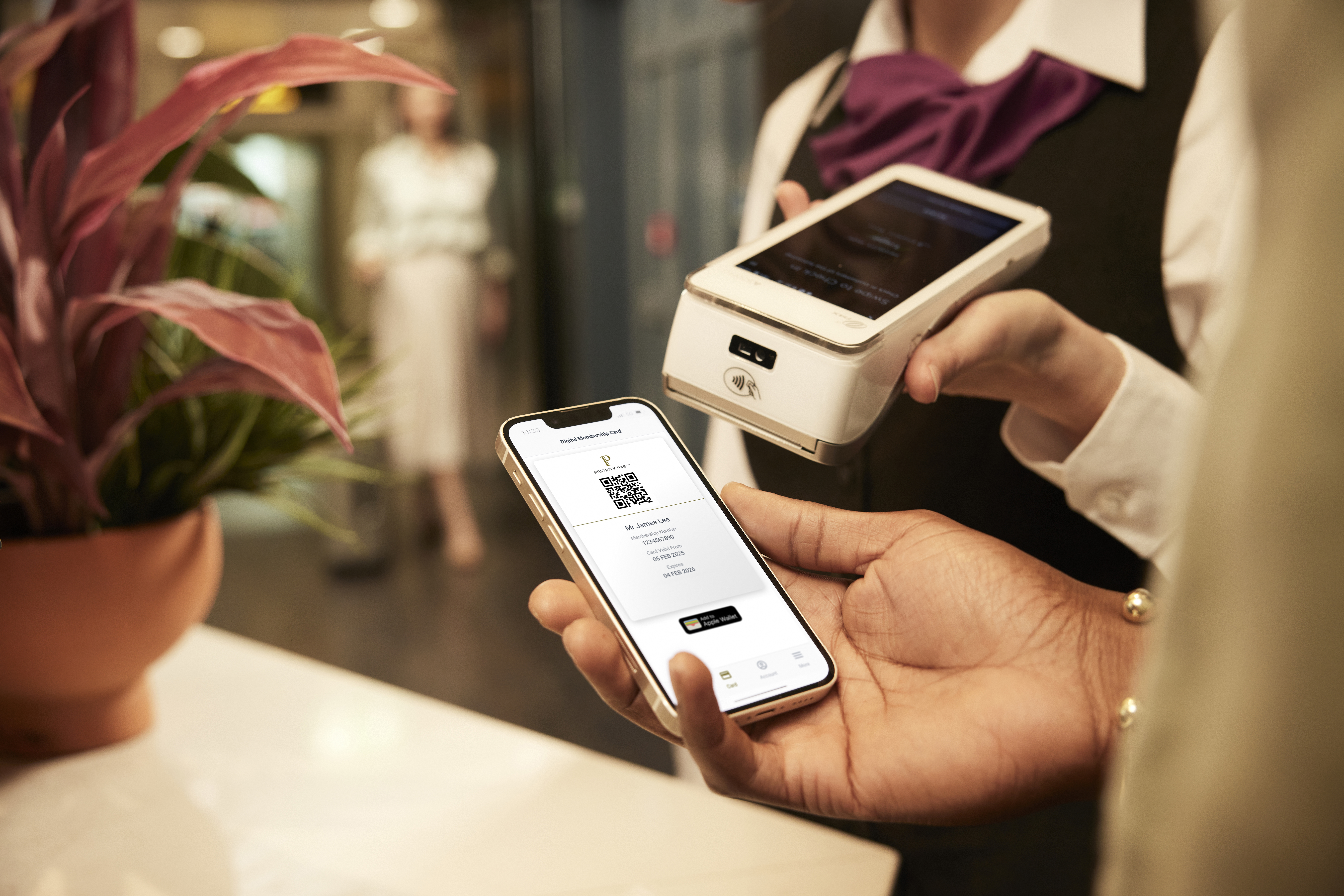
From mobile access and pre-booking to app-based food and beverage ordering, technology is enhancing the airport experience for many. 60% of global travellers agree that digital membership access to lounges and travel experiences (via mobile app) has improved their journey. Similarly, 61% say payment card access to lounges has made their airport journey better, a sentiment that’s even stronger among APAC travellers (67% vs 55% in EMEA) and younger generations �(67% vs 50% of older travellers).
The data underscores the link between relaxation and revenue. Nearly half of global travellers (49%) say they spend more when relaxed. This number is even higher amongst lounge users �(67% vs 40% of non-lounge users).
of travellers say they start to relax immediately after clearing security
with lounge access cited as a key contributor.
31%
Millennials
78%
Gen z
73%


67%
40%
of lounge users say automation makes them more likely to spend at the airport compared to just 40% of non-lounge users.
In addition, 68% of travellers in the Middle East (ME) feel airports are meeting expectations for AI and tech adoption, reflecting hubs such as Doha and Dubai in the region. In contrast, just 57% of travellers in the Americas and less than half (46%) in Europe believe airports are keeping pace. Many airports in APAC and ME benefit from new or upgraded infrastructure, making tech rollouts easier, while Europe and the Americas face the challenge of modernising older facilities, contributing to a widening perception gap.
Access to premium services appears to influence how modern travellers view the airport environment: 65% of lounge users �see airports as tech-forward compared to just 42% of non-users. Higher-income travellers are similarly more satisfied with �the pace of innovation than those in middle-income brackets (63% vs 56%).

Priority Pass research underscores the depth �of this shift. The top technologies materially improving traveller's airport experience are:

of travellers globally �believe airports are adopting AI and technology at the right pace to meet their expectations.
59%

Fast track through security
73%
73%
Digital boarding passes within airline apps
68%
Automated baggage drops and advanced security scanners

of global travellers say airport tech gives them an extra 10–30 minutes in their journey
45%
while 1 in 5 (20%) gain up to an hour.
67%
Chetan Patil, "Airport Automation Market Size, Share & Trends Report by 2033." Straits Research. https://straitsresearch.com/report/airport-automation-market. Accessed 1 July 2025.


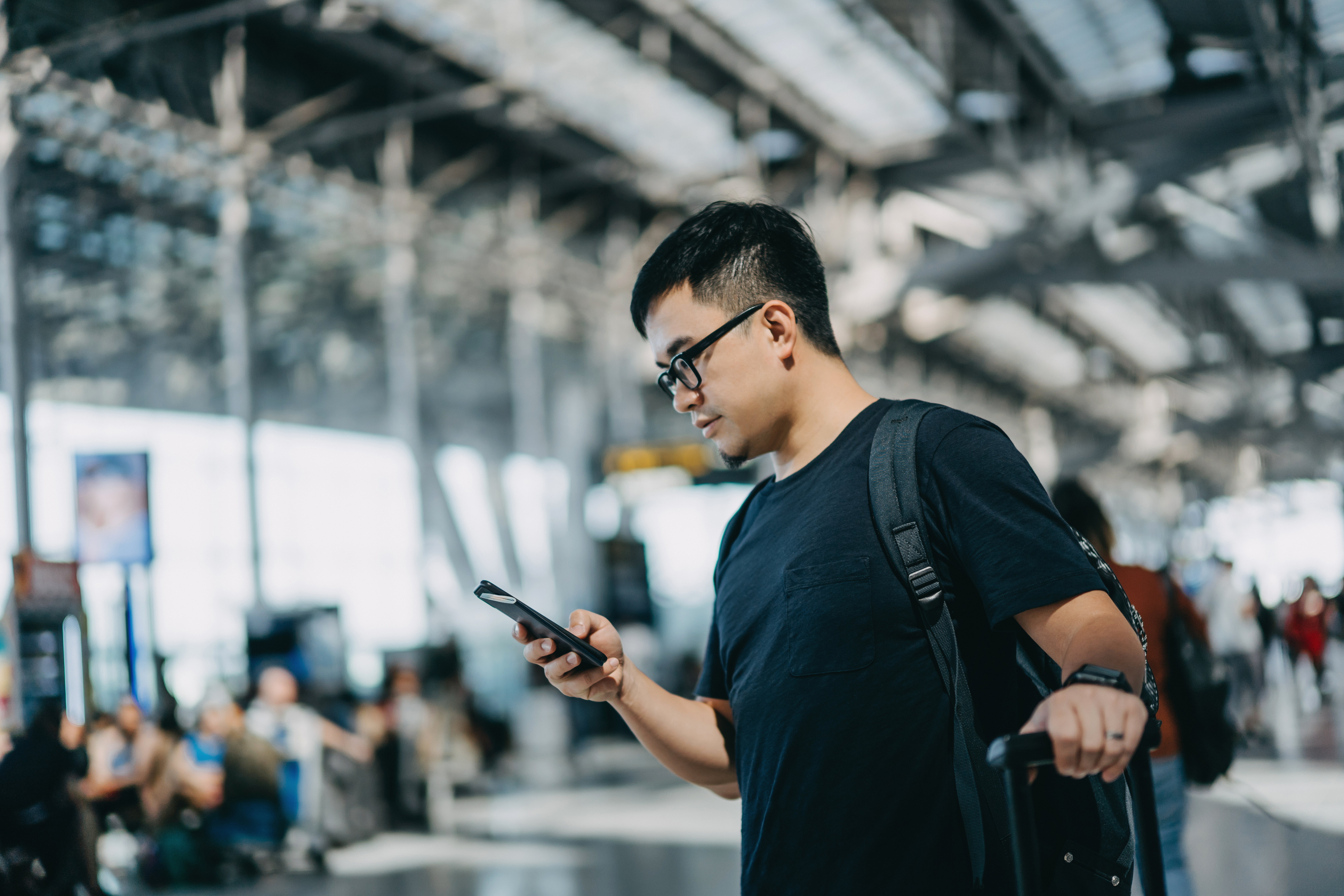




These numbers reflect a growing appetite to engage fully with the airport environment when the journey feels smooth and stress-free.