1907
1920
1940
1955
1961
1963
1967
1976
1977
1993
2001
2004
2008
2016
2018
2022
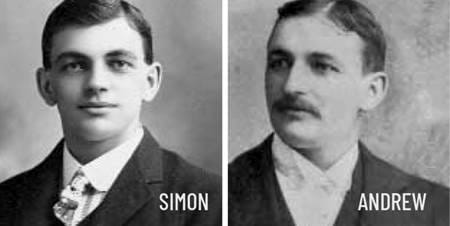
It all began over 110 years ago. In 1907, brothers Simon and Andrew Strachota began buying White Dutch clover seed from local farmers near their country store in St. Kilian, Wisconsin, and selling to major seed firms in Milwaukee. The seed was popular at the time as a standard part of grass mixes for seeding lawns.
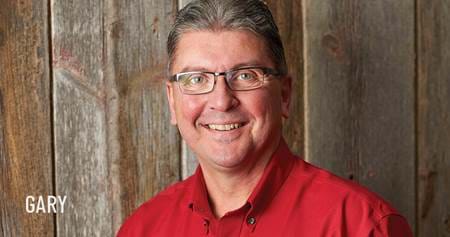
After 13 years in the Dairyland Seed family and guided by the principle of "farmers first", Gary Leeper joins the ranks of historic Dairyland Seed leaders as General Manager.
In the early 1920's, Andrew retired and Simon took over leading the family business, building it to great success.
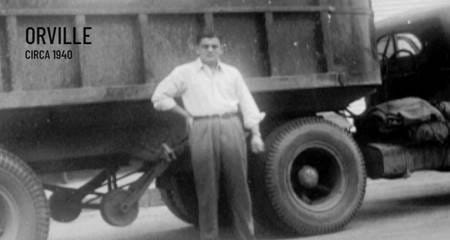
In 1940, Simon's seventh child and only son, Orville, just 20 years old, left Marquette University to run the family business after Simon's unexpected death. Despite his mother's pleas to give up the seed side of the business, Orville insisted they could continueand strengthen their resolve to purchase and distribute only the highest quality product.
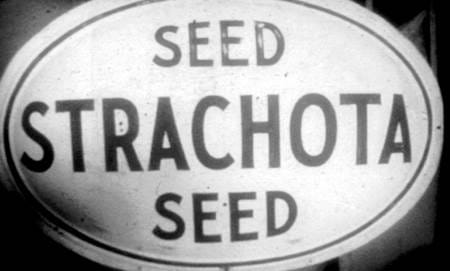
When the times get harder, it's time to work smarter. Just as Orville sold the country store, the bottom fell out of the market for White Dutch seed. But, as with all visionaries, Orville saw opportunity amid challenge. He noticed that farmers who had cash-cropped clover were now invested in dairying. So to fulfill a now rising need for forage to feed the catle, insightful Orville put his chips on alfalfa. And the newly named Stratachota Seed established Bakersfield Seed Service in California, giving the company access to the finest alfalfa in the country.
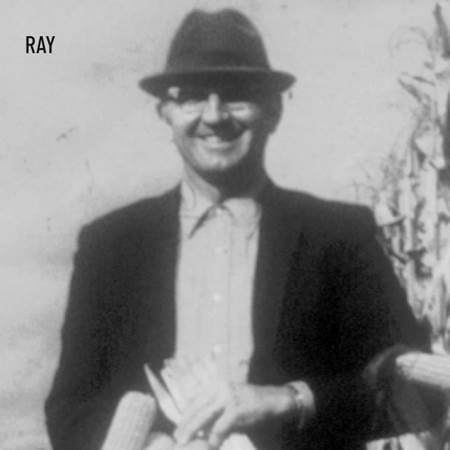
With business booming, newly hired salws manager Ray Kubly went searching for a new network to help distribute Stratachota Seed's premium products, and the company became the first to offer farmer-dealers a full lineup of forage seed and hybridcorn seed. Kubly set up 50 farmer-dealers by the end of 1962, and by 1966, the network had grown to 500.
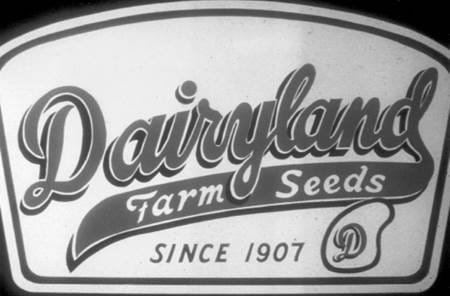
An agriculture icon is born. To unify the corporate name with the name of their successful alfalfa seed Orville changed the name of the company to Dairyland Seed. Plus, as Orville put it, "It was a lot easier to spell."
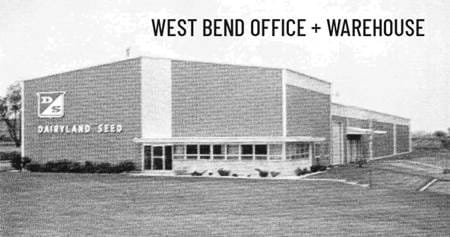
The business had outgrown the home out of which Orville and his wife Marie were running it. So Dairyland Seed packed up and moved to its present location near West Bend, Wisconsin, building a modern 21,000 square foot warehouse, processing plant and office complex.
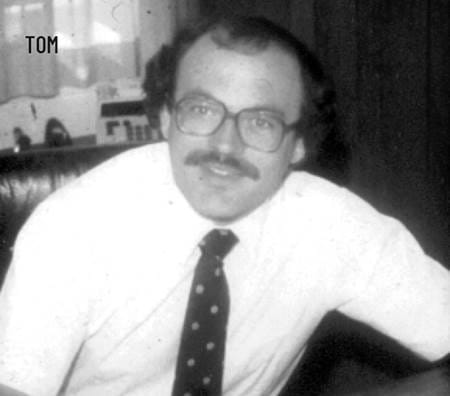
Realizing the limitless potential of the business their father had built, Orville's sons Tom and Steve officially become part of the Dairyland Seed family.
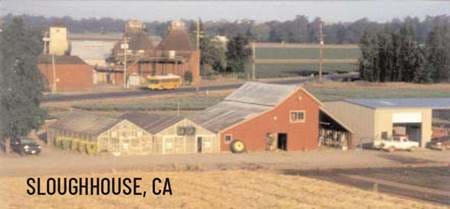
Dairyland Seed enters a new era of growth by purchasing the 160-acre Tewles Seed research facility in Clinton, Wisconsin, and the 80-acre research facility in Sloughhouse, California, signifying their place at the table with other seed inductry titans.
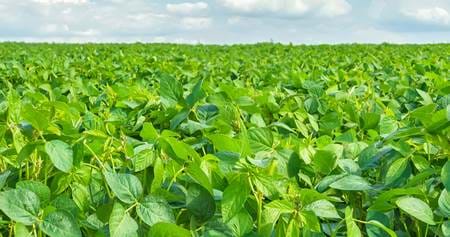
Dairyland Seed builds on its reputation for innovation by introducing the world's first herbicide tolerant soybeans, helpig to triple soybean sales over the previous year.
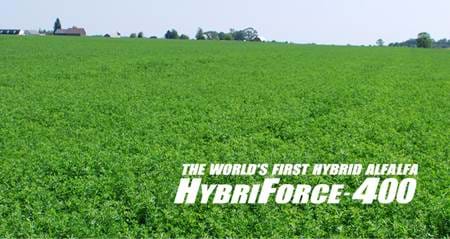
Another millennium, another groundbreaking product. Following the purchace, expansion and modernization of an alfalfa conditioning facility in the heart of Idaho's Treasure Valley, Dairyland Seed introduced the world's first hybrid alfalfa- HybriForce-400.
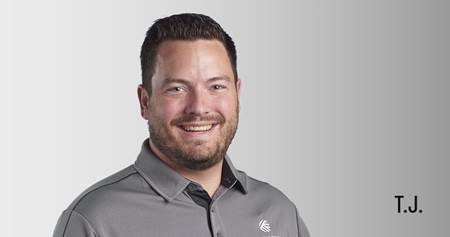
The fourth generation of Strachotas enters the business as Tom's son T.J. joins the marketing staff. Today, T.J. continues to pursue his passion for seed as Dairyland Seed's Sales Effectiveness and Marketing Leader.
Dairyland Seed turns the page as it begins its new relationship with parent company Dow Agrosciences, and Tom Strachota continues his leadership transitions from CEO to General Manager.
As part of Corteva Agriscience, Dairyland Seed joins forces with team members from Brodbeck, Prairie Brand, NuTech and Seed Consultants to become their North Central Corn Belt regional seed brand.
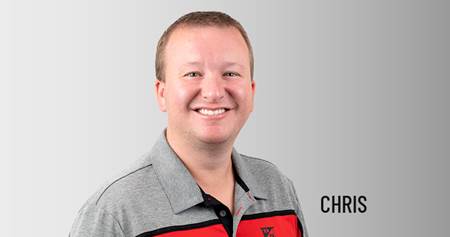
Gary Leeper enters his well-deserved retirement, and Chris Pritchett brings strong leadership skills and fresh perspective to Dairyland Seed, etching his name in the history books as out next General Manager.