MADE FOR YOU BY CEROS
The Story of Retail
A note from the voices of Main Streets
When we released Main Streets Across the World for the first time back in 1988, none of us could have imagined how much the retail landscape, and this report, would evolve. What began as a data-dense snapshot of a handful of shopping destinations has grown into a living chronicle of 140+ streets globally. Some of us still recall those early days—the team used to painstakingly compile rent data by fax and phone calls, long before global connectivity was a given. Today, from London to Brisbane to New York, we reflect on the truly global nature of our team and clients. We’ve witnessed retail reinvent itself time and time again. From the rise of globalization and e-commerce to the transformative role of technology and shifting consumer values, through economic downturns, pandemics, and new sustainability imperatives, the sector's resilience endures. We see another wave of change on the horizon—AI-driven experiences, sustainable innovation, and a renewed focus on the human connection that defines main streets everywhere. As we celebrate this legacy edition, we hope this report continues to serve as both a guide and an inspiration for those shaping the next era of retail. The best chapters, we believe, are still to come.
Celebrating 35 years of Main Streets Across the World & the legacy of global retail
First major e-commerce platform created
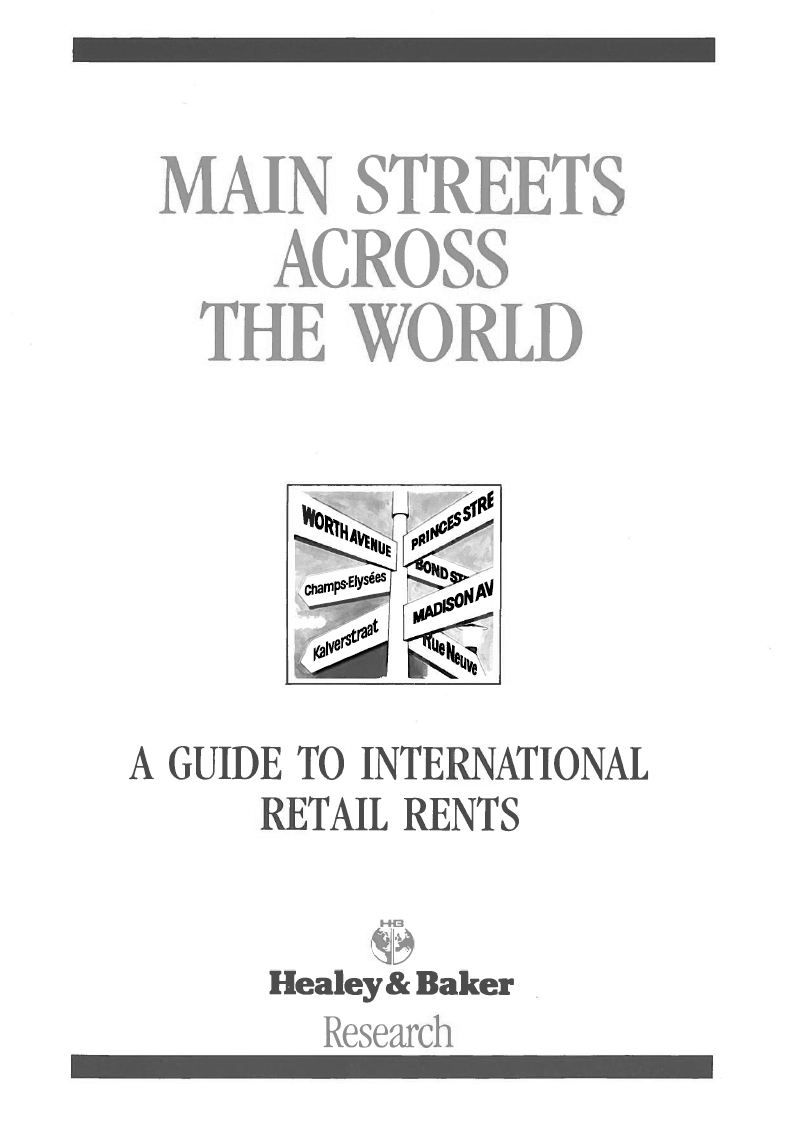
First Main Streets report released
1989
1988
Cushman & Wakefield’s Main Streets Across the World report begins benchmarking retail landscapes globally, providing data-driven insights that shaped investor and retailer decisions for decades to come.
Though primitive, Compumarket marks the birth of digital commerce, paving the way for global disruption of traditional brick-and-mortar retail models.
Alibaba pioneers a marketplace model that enables millions of small businesses to sell globally, laying the groundwork for today’s platform-driven retail economy.
Dot-com bubble burst
1999
2000
E-commerce’s resilience is tested at the turn of the century. The crash eliminates weaker players but proves online retail isn't a fad, forcing survivors to innovate and strengthen consumer trust.
Alibaba founded
2003-2004
Apple’s international retail debut showcases stores as brand experiences, inspiring other retailers to prioritize design, service, and lifestyle storytelling in physical spaces.
First Apple stores outside the U.S open in Europe and Asia
Fast fashion gains traction due to financial crisis
2007-2008
As consumers trade down during economic uncertainty, fast fashion retailers like Zara take off, accelerating cycles of disposable clothing, igniting questions about sustainability in retail, and shaping the industry's pace for decades to come.
Chinese tourists take their wallets on the road
The Chinese government relaxes outbound tourism regulations in 2008, and PRC tourists started traveling and spending abroad. Retailers begin to target the affluent tourists with demand for luxury goods. By 2012, China becomes the top spender in international tourism–and has since led the global outbound travel. (UNWTO)
2008
2007
Saks created the 10022-SHOE zip code to treat its massive eighth-floor shoe emporium as a standalone destination (first floor ever to get its own code).
Saks New York City gets zip code for shoe department
Fandom meets high streets
Amazon's first experiment with physical stores
2015-2016
2014
Blending digital and physical was futuristic in 2014. These experiments foreshadowed retail’s future convergence, where omnichannel strategies became essential for meeting evolving consumer expectations.
Asia’s collectible lifestyle brands—think Miniso, Pop Mart, and Line Friends—turned cuteness into a global retail movement. Equal parts novelty and nostalgia, the craze proved irresistible. Their influence continues to shape how retailers merge culture, emotion, and community to drive foot traffic.
Zara’s digital rollout starts to match its rapid global expansion, setting the standard for seamless integration of online and offline and redefining global fast fashion accessibility.
2010
Zara.com launches
Ikea concept stores debut
COVID-19 pandemic propels e-commerce acceleration and contactless payment
2022
2020
E-commerce adoption jumps 3–5 years ahead of trendlines. U.S. online penetration accelerates from ~16% in 2019 to ~27% in 2020. The pandemic mainstreams contactless, curb side pickup, and hybrid shopping journeys, permanently shifting retail’s operational playbook.
The birth of concept stores signalled shift to smaller, city-centric formats in London and Vienna, underscoring the growing importance of urban convenience and experiential showrooms over massive suburban big-box footprints.
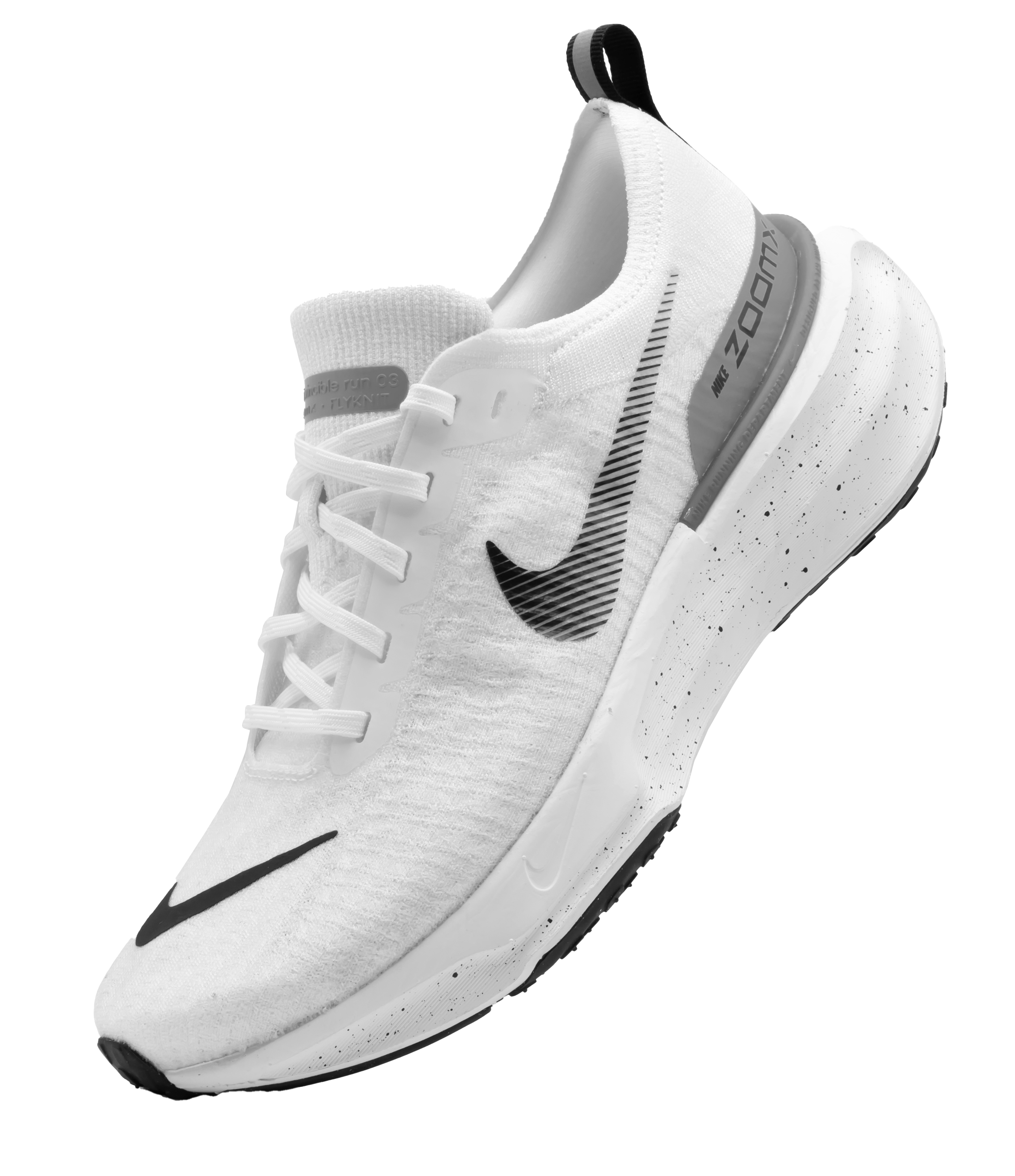
Nike’s House of Innovation opens first in Shanghai, later in NYC and Paris. The next-gen experiential retail sets the stage for future consumer expectations for in-store brand activations.
2018
First Nike House of Innovation
Retail embraces AI & automation
2023
Retailers begin experimenting with AI-driven personalization, cashier-less stores, and automated supply chains, previewing the sector’s next frontier in efficiency and consumer experience.
2025
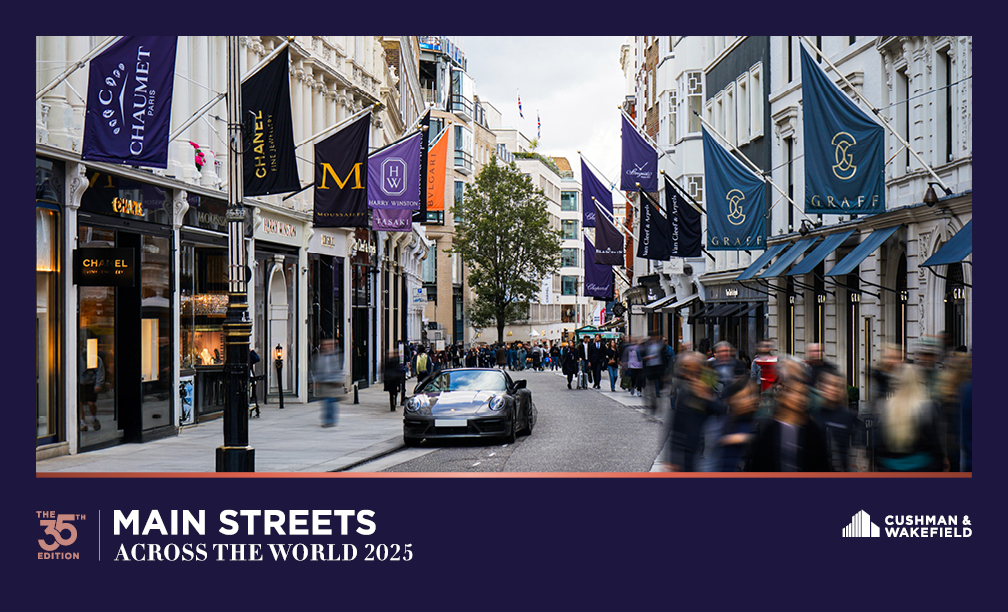
Our authors put modern retail in perspective, tracing historic trends while analyzing the key forces shaping the sector this year. Explore the report for fresh insights on the world’s most in-demand Main Streets—including our exclusive global and regional rankings of the priciest shopping streets.
35th edition of Main Streets Across the World launches
GET YOUR COPY