Photographer: XX
Description: XXX
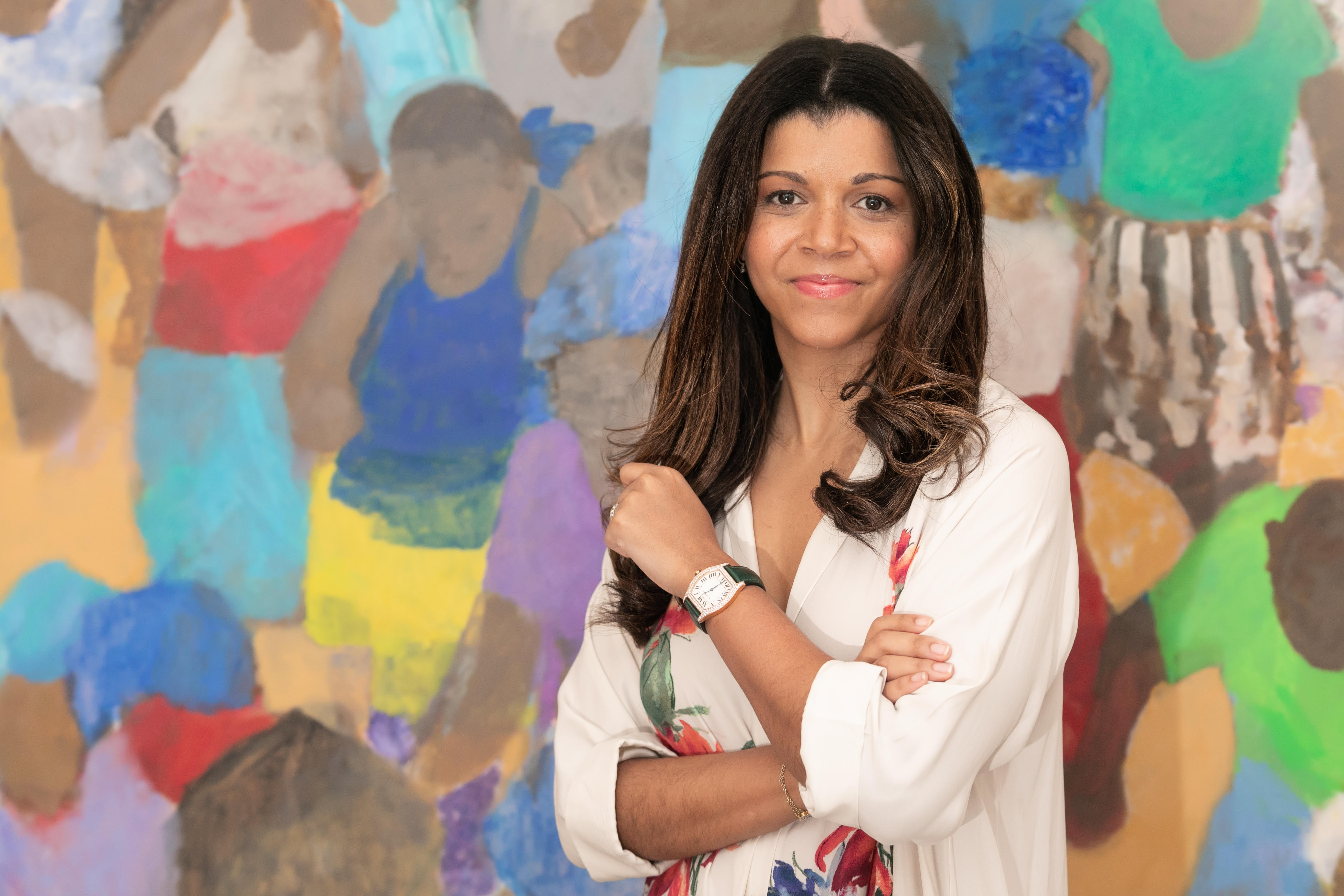
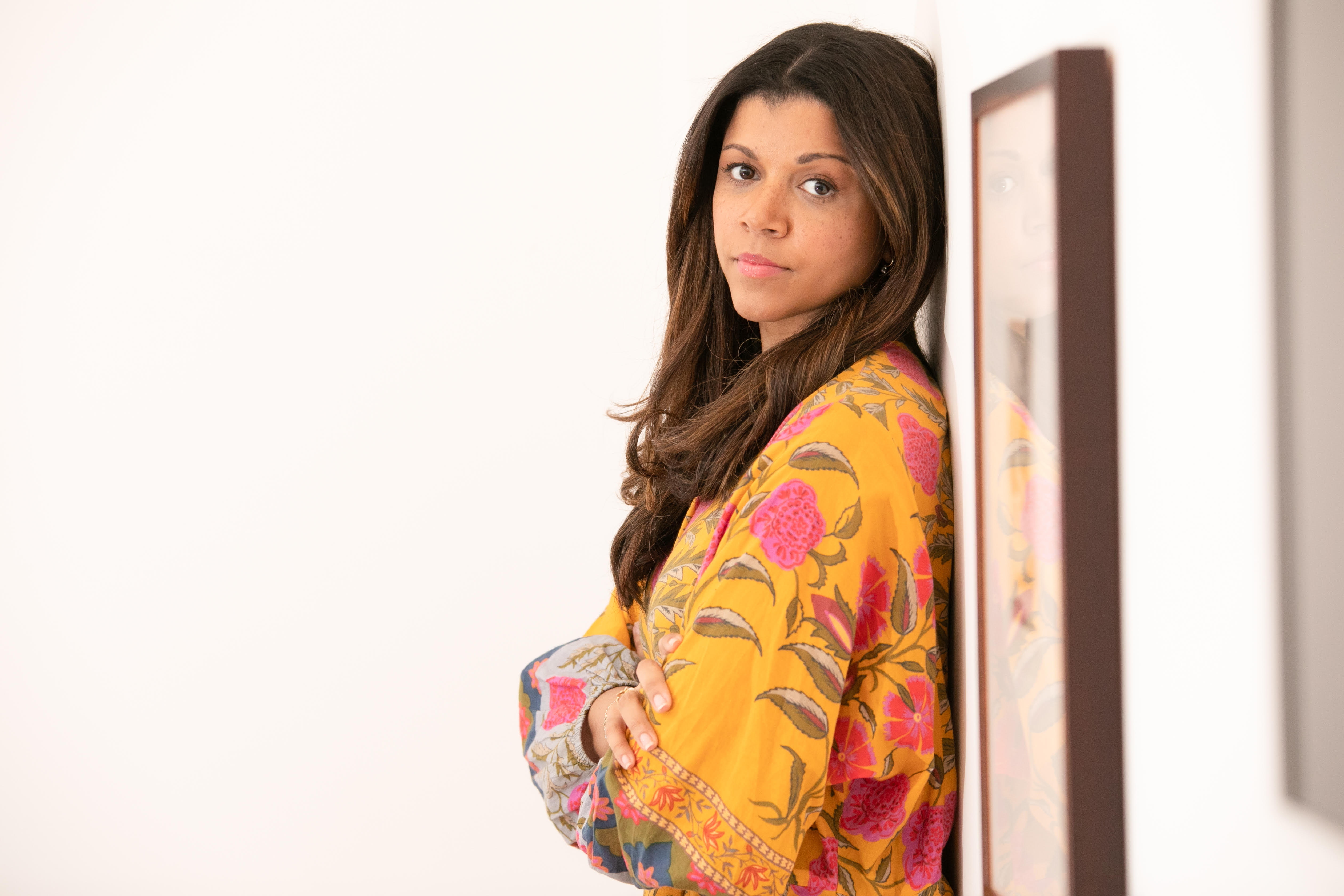
In the first of a new series showcasing inspiring women shaping the arts, culture and wider creative industries, we meet Madeleine Haddon, the one of the people behind the vision of the V&As new East London outpost. She reveals what it takes to build a career in the arts, the value in staying curious – and the ways in which technology and AI are rapidly reshaping the way we interact with art today.
Art isn’t something distant or exclusive – it’s a way of expanding your perspective, connecting, and understanding the world”
Description: XXX
Description: XXX


SHARE THIS STORY
“I felt there was a need for a modern everyday uniform – call it workwear if you wish, but with a twist. Clothes that make you feel confident, empowered and special. The brand was born with the intention of serving women like me; a woman for whom looking good means looking like herself, as opposed to trying to please someone else. We started as a small business in the Lower East Side. The curation was mostly independent designers with a strong point of view and not a crazy price point. The name alone was chosen to avoid assigning a gender to the clothes: Frankie can be a woman or a man – the bottom line is that she is who she wants to be and borrows codes from both menswear and womenswear, which makes her unique.”
My professional journey has been about hard work, intuition and mentorship. The first institution I ever worked in was the Studio Museum in Harlem, New York. I interned in director Thelma Golden’s office, and one of my tasks was to organise press clippings charting her career. I remember reading them and feeling such awe for how she broke barriers, took risks and transformed the art world. I learned that to create meaningful change, you have to be brave enough to take risks and to do the things that might not be popular.
I made it to where I am now through hard work, trusting my intuition and taking those risks, but also through a great deal of watching and listening. When I first decided I wanted to work in museums, I spoke with as many people in the field as I could to learn about their paths and experiences. We’re of a generation that has exciting opportunities to do things differently and create much-needed substantial change, but key to that is learning from those who have come before us.
I’ve been very lucky to have had extraordinary mentors, including Thelma, whose examples have shaped the way I lead and think. I believe deeply in the power of mentorship – our field depends on cultivating the next generation of leaders; and true leadership means preparing others to step into your role one day, with generosity and intention.
My childhood memories of African-American art have shaped my career and passions. My earliest memory of art is from home. My parents collected the work of African-American artists, so I grew up surrounded by images of Black life and creativity. I remember realising how rare that was when I went on school trips to museums and didn’t see those same faces or stories represented. My parents hosted gatherings at home, where artists would present their work and friends came to view, discuss and collect. I remember being so excited and fascinated by this environment filled with conversation, discovery and connection.
Those early experiences instilled in me the belief that art isn’t something distant or exclusive – it’s a way of expanding your perspective, connecting, and understanding the world.
“Of course, I’m very grateful for the successes we have achieved, and yes, we can celebrate these milestones. But I’m always cautious – I never believe I have ‘arrived’. To me, one day you’re in and the next you could be out. You can’t rest on your laurels.”
How do you celebrate success?
“I have made a lot of mistakes but, frankly, thank God for mistakes – how else are you supposed to learn? It’s OK to start over and figure out what you did wrong, you can only grow better from there.”
Tell us about the biggest mistake you’ve ever made…
“My mum always used to say that hard work pays off. No matter what you do, if you work hard you will succeed, it will be useful in one way or another. But I would say take risks – don’t think about failure, just give it a shot. At the very least you’ll wake up knowing you tried.”
What is the best piece of advice you’ve ever received?
“Seeing someone wearing Frankie. It’s my proudest moment, all day, every day. I almost want to start a conversation with the person every time I see someone [in the label]; to thank them but also to hear them out.”
Your proudest moment so far?
“I say ‘work in progress’ a lot or ‘this too shall pass’. Also: ‘don’t forget to have fun’.”
What is your mantra?
“Right now it’s the new silk trench we just designed for a special pop-up happening in April. You can dress it up and down; it’s super-versatile, and the perfect mix of comfort and allure.”
Do you have a favourite piece in the current collection?
“Looking back, I guess you can say that it would be starting a business by saving money from my paycheck and moving to another country without having family there. I have a lot of respect for people who step out of their comfort zone.”
What’s the bravest thing you’ve ever done?
What would you want to change for women?
“I still haven’t figured that out! I’m always in awe of women who say they have it all seamlessly under control. My favourite phrase is: ‘Something’s gotta give’ and every day I ask myself what it’ll be – my child, my partner, my business, the gym? It’s always a trade-off. The key is accepting that it will never be perfect and allowing yourself to rest without too much guilt.”
How can you achieve the perfect work/life balance?
“A very old Hermès trench, which I got when I worked at the [brand’s] sample sale in the ’90s, plus a McQueen embroidered cape.”
What is your most treasured fashion item?
“There are so many. I like the classics, like Indochine and Balthazar, but I also love Nine Orchard hotel in the Lower East Side, which is a home away from home.”
Any favourite spots in New York?
Take us back to the beginning of your business…
WORDS: Bakul Patki
frame
Madeleine Haddon
in
the
Senior Curator, V&A East
in the
with
adeleine Haddon lives and breathes art. An art historian and curator, it is her firm belief that museums and galleries of all kinds can do much to inspire the next generation of artists, creatives and thinkers – and she is committed to doing all she can to playing her part in that. In her role, Haddon leads curatorial projects across V&A East, including Storehouse, which invites visitors to go behind the scenes of the leading London museum’s vast collection of art and artifacts. Before moving to the V&A, she worked at some of the US’s leading art museums, including MoMA and the Frick Collection, with a special focus on exhibitions and scholarship that explore transhistorical and cross-cultural dialogues. Here, Madeleine shares the personal and professional journey that has brought her to where she is today.
M
“Art isn’t something distant or exclusive – it’s a way of expanding your perspective, connecting, and understanding the world ”
Some of my greatest inspirations have come from travelling the world. I’m always most inspired by art and artists who demonstrate how visual culture has shaped our understanding of ourselves and the world around us. Art has the power to defy societal conventions, offer solace during personal challenges, expand boundaries and pave the way for future generations. What could be more inspiring?
Travel has profoundly shaped me. Living and working between New York, London and Madrid has shown me how ideas and feelings translate across borders and how art serves as a universal language for expression and exchange. I try to travel to at least one new place every year.
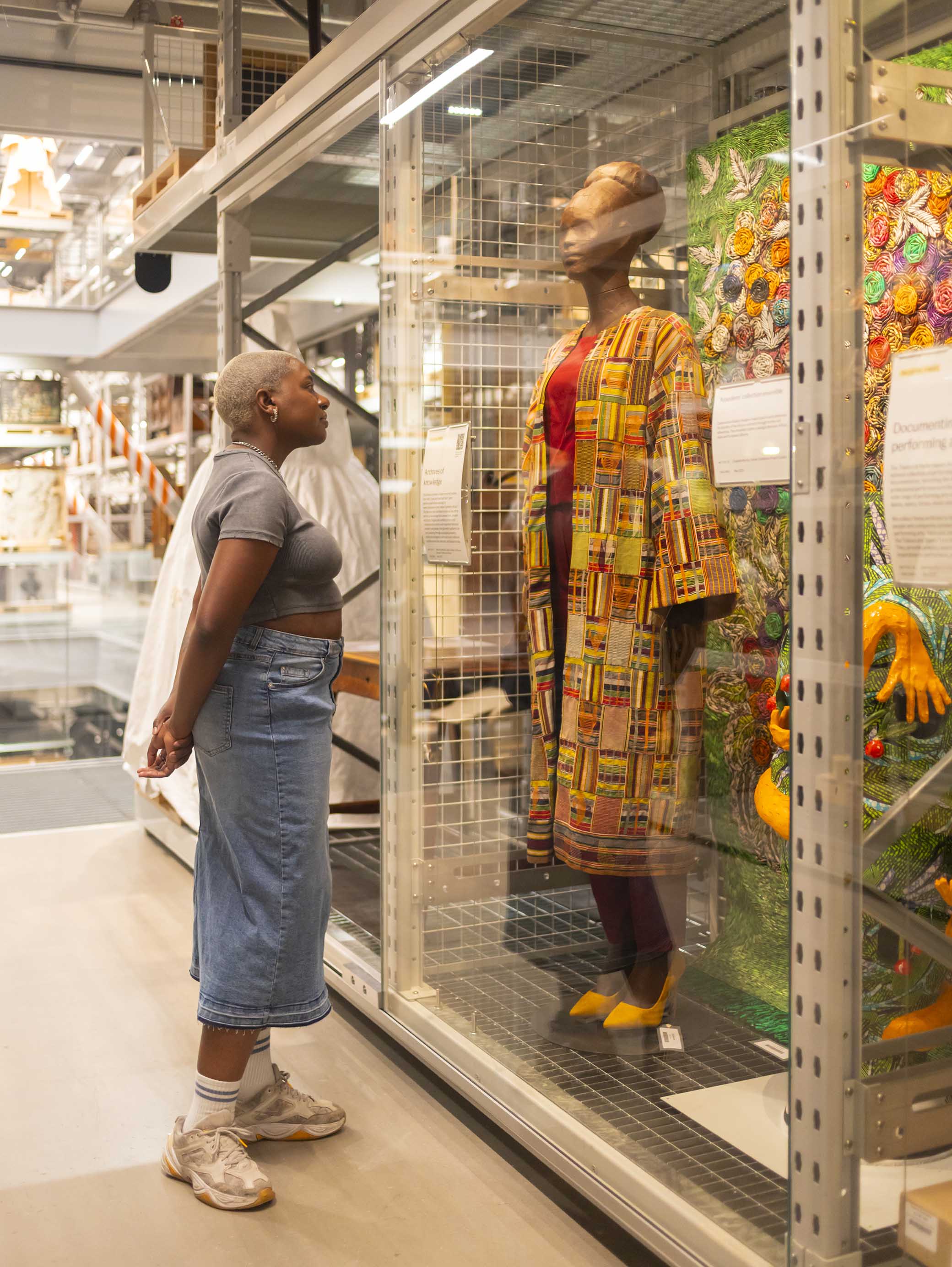
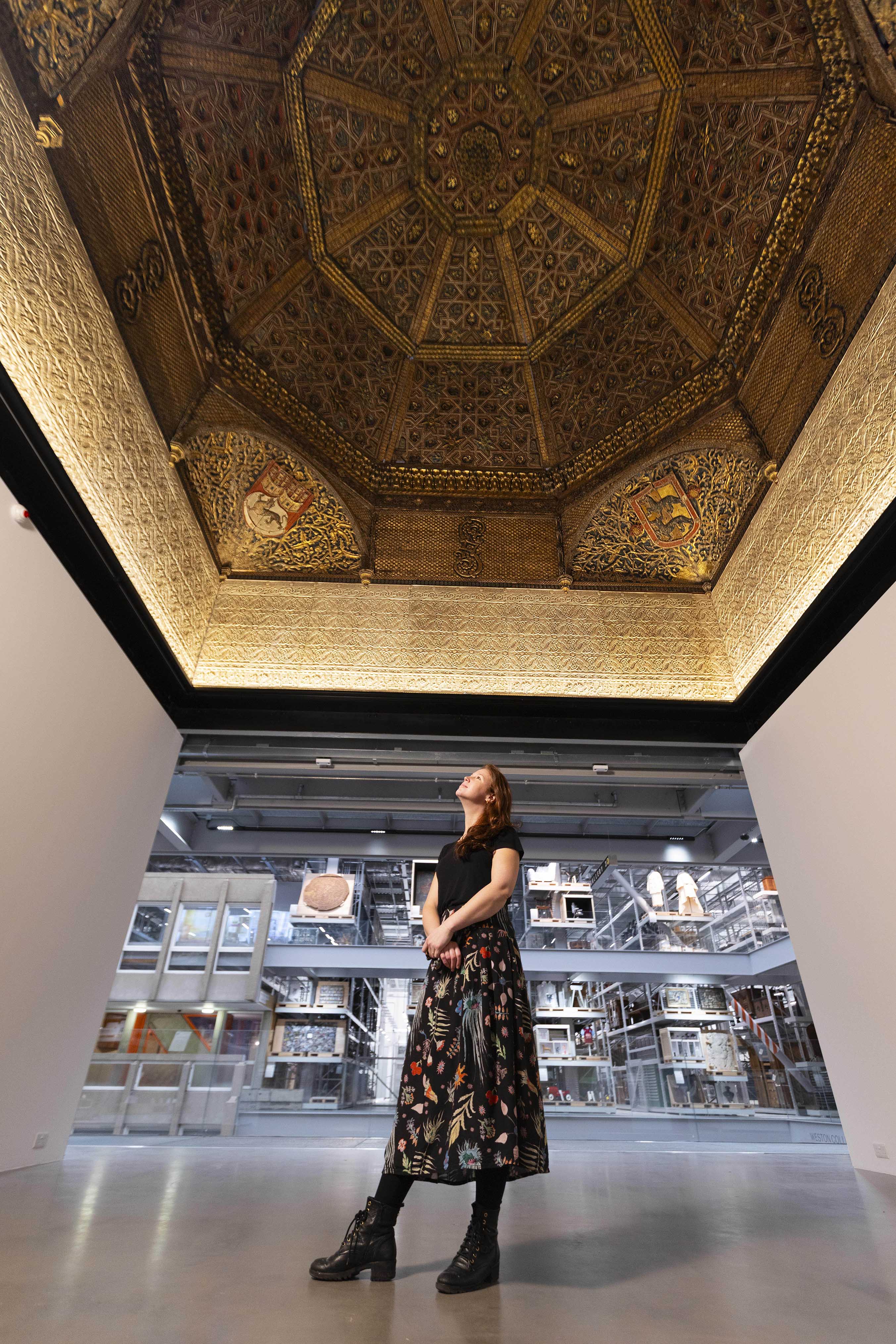
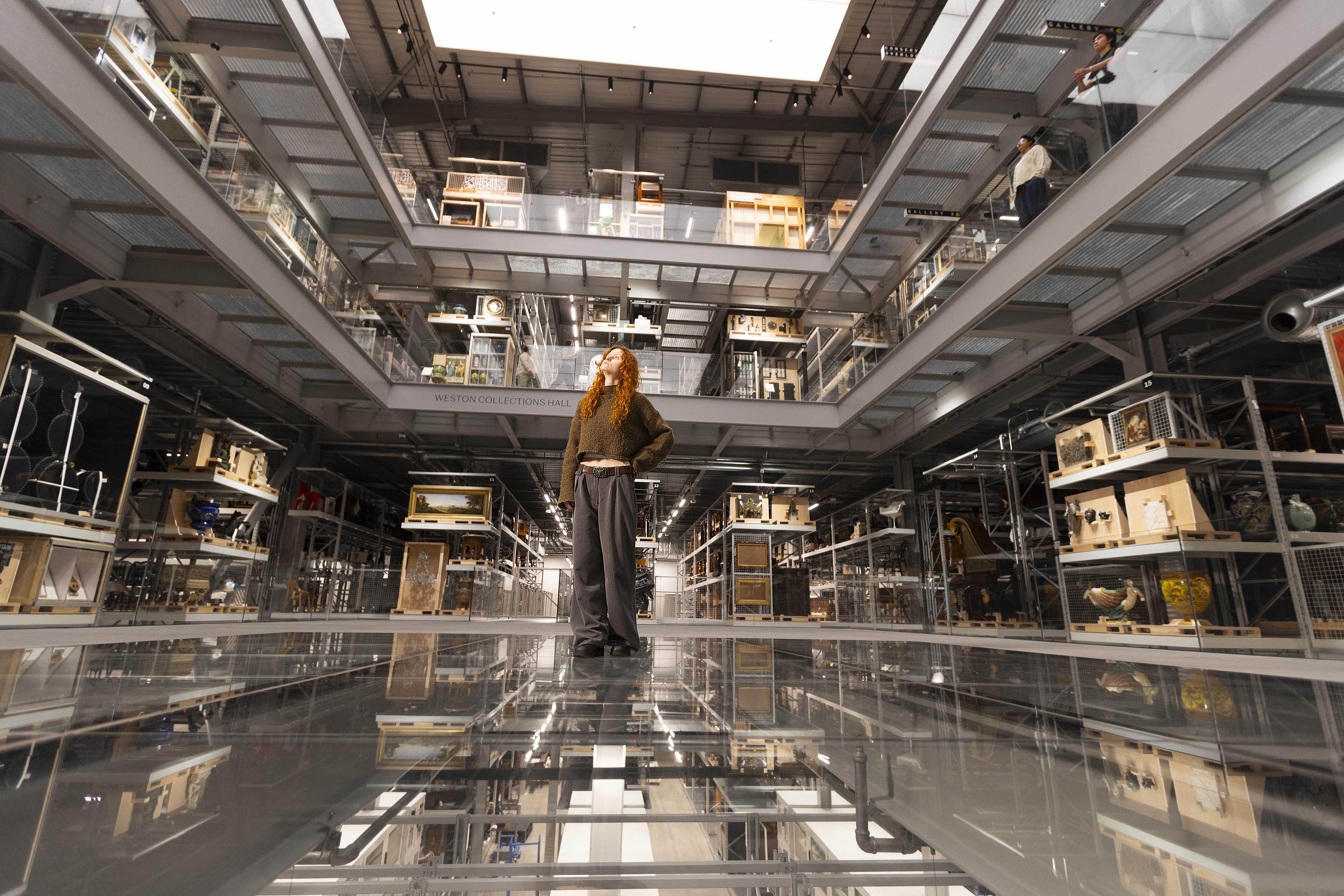
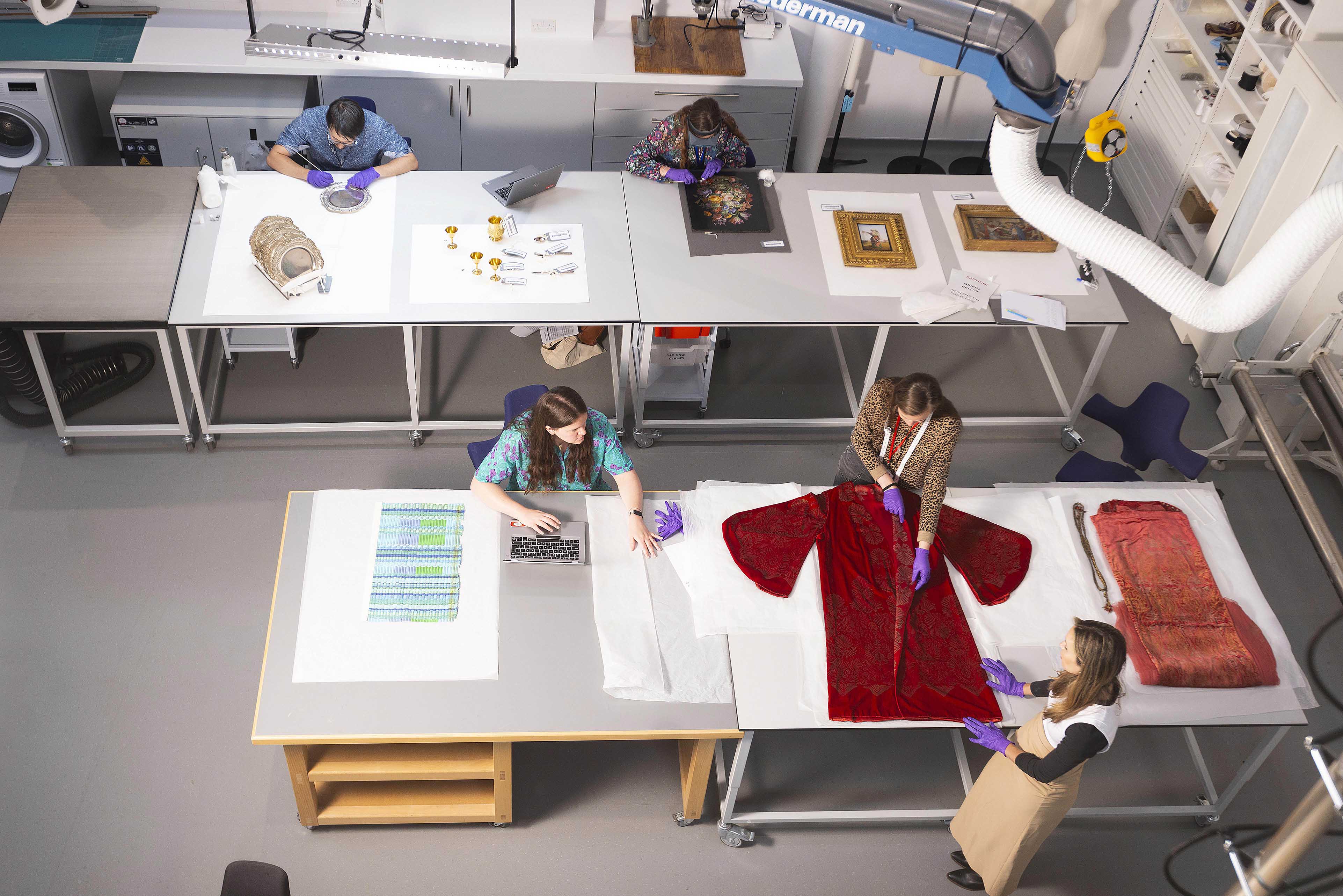
View of the exquisite 15th century carved and gilded wooden ceiling, the Torrijos Ceiling, from the now lost Torrijos Palace in Spain, at V&A East Storehouse
View of the Weston Collections Hall at V&A East Storehouse
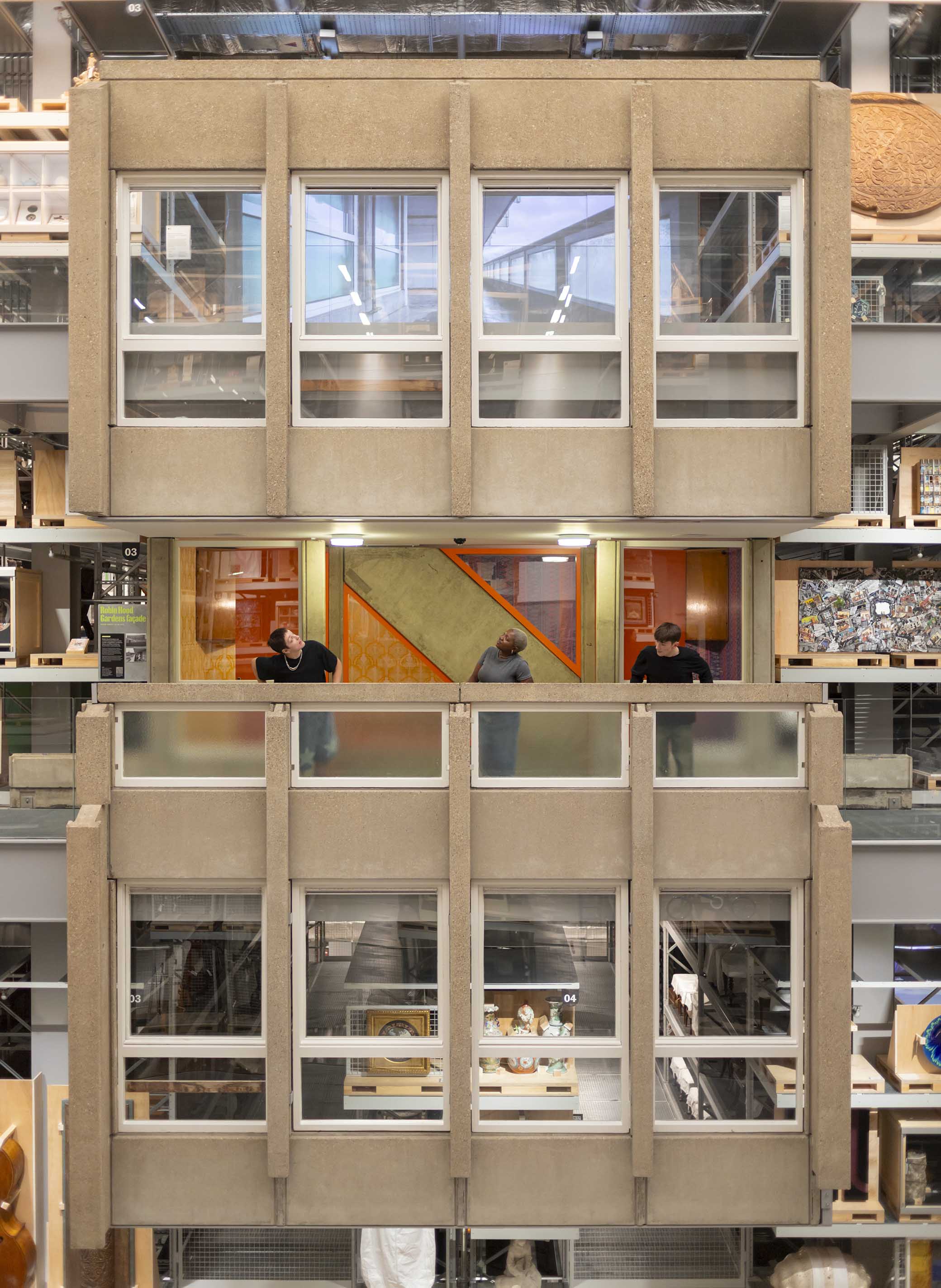
View of a section of Robin Hood Gardens,
a former residential estate in Poplar,
east London, at V&A East Storehouse
View of Weston Collections Hall, which features over 100 mini curated displays, at V&A East Storehouse.
Multi-purpose conservation studio, visible by the Conservation Overlook, at V&A East Storehouse.
“
Transformation doesn’t come overnight and challenges shape who you are. One of my greatest challenges has been in navigating the balance between innovation and tradition, especially within major institutions. Pushing for new narratives or more inclusive approaches requires questioning – and often revolutionising – systems that have existed for centuries.
The most valuable lesson I’ve learned is that real change demands both courage and patience. Transformation doesn’t happen overnight. It’s built through persistence, empathy and collaboration. It also requires recognising that museums are living organisms – their evolution depends on the people who dig deep, care enough to keep questioning how and why they exist, and continue to push them forward.
My proudest moments have been passing on the baton to the next generation. Mentoring the next generation of curators – watching them find their voices and flourish – is one of the most fulfilling and hopeful parts of what I do.
I am also very proud of my PhD dissertation, which explored the significance of race and gender – and their representations – within 19th- and 20th-century European, American, Caribbean and Latin American art. It took years of research and writing and was one of the most challenging and rewarding experiences of my life.
Throughout that period, I worked at US institutions including the Frick Collection, MoMA and the Princeton University Art Museum. Each place reminded me why I had undertaken this research in the first place: to illuminate the power of art to shape, question and redefine who we are.
My best advice is to stay curious and keep asking questions. Curiosity is at the heart of what we do as curators and museum professionals. It’s how we uncover new stories, challenge assumptions, and ensure our institutions continue to evolve. Never stop interrogating why things are the way they are – it’s the first step toward imagining how they might be transformed for the future.
As advice goes, the reminder to ask questions is deceptively simple but endlessly powerful – and it applies to everything, from the small, everyday moments, such as asking for clarity in a meeting, to the much larger work of questioning traditions, systems and hierarchies that have gone unchallenged for too long. Asking questions doesn’t just signal engagement, it reflects courage, empathy and a genuine willingness to learn; and it invites others to share and expand upon their own perspectives.
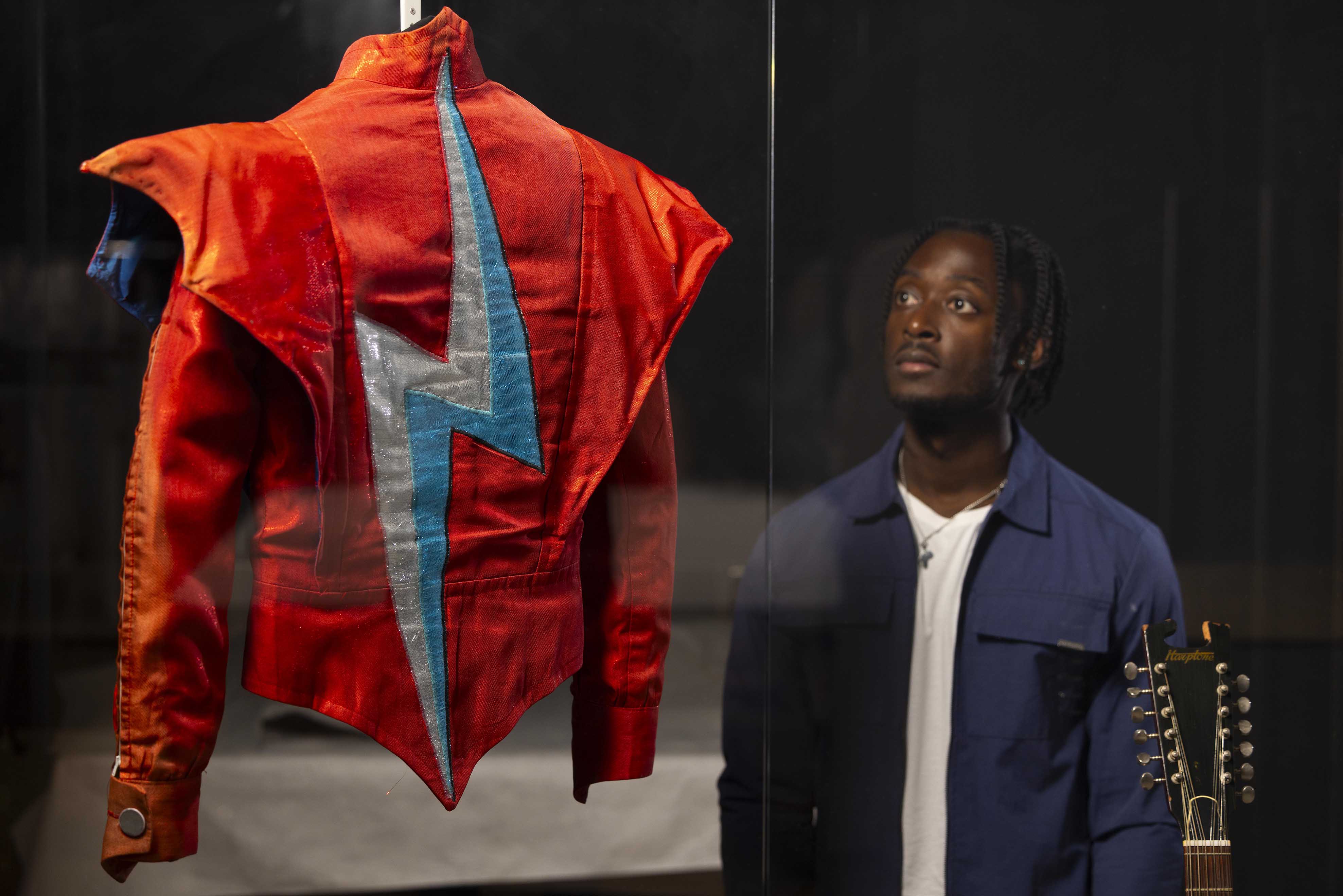
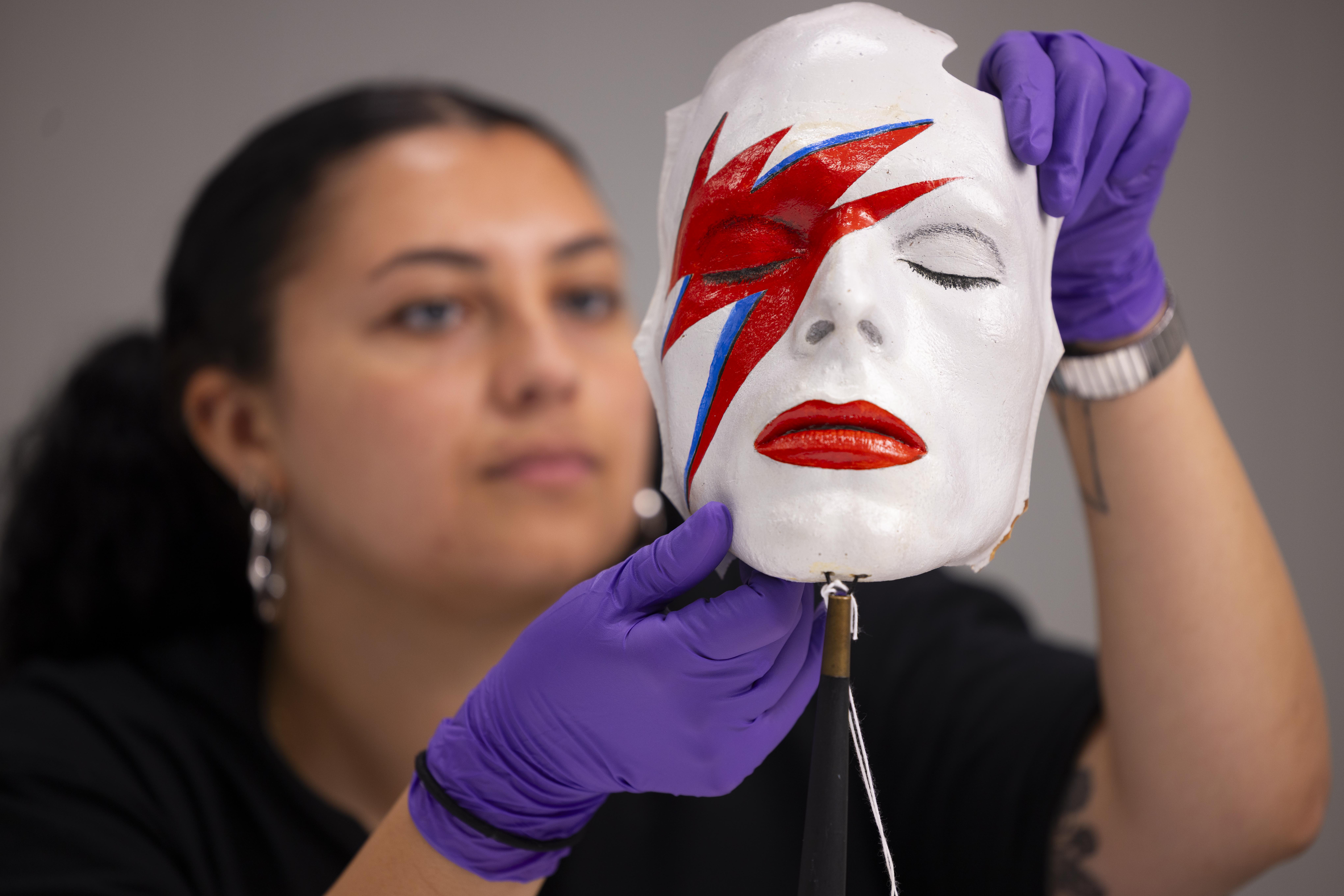
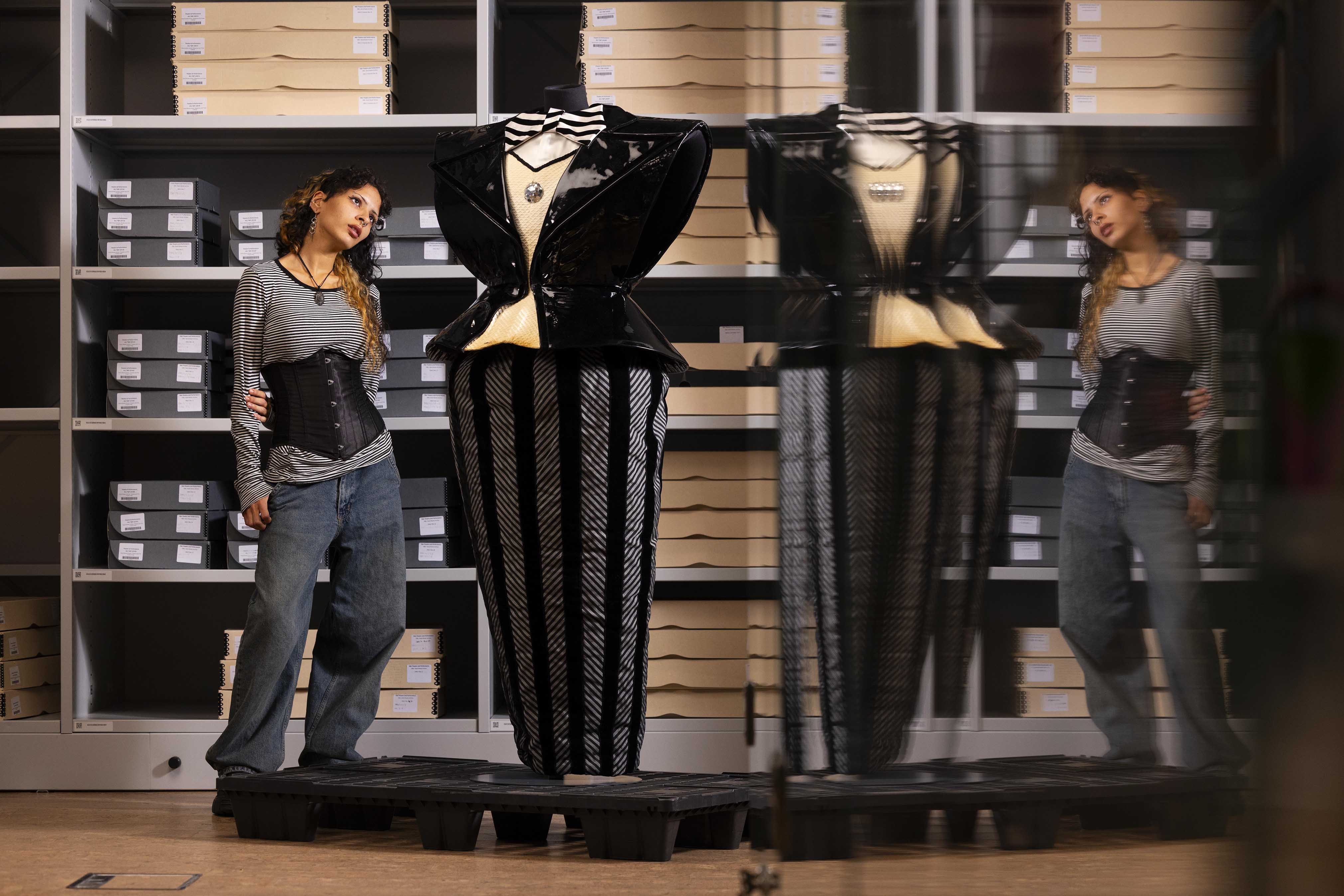
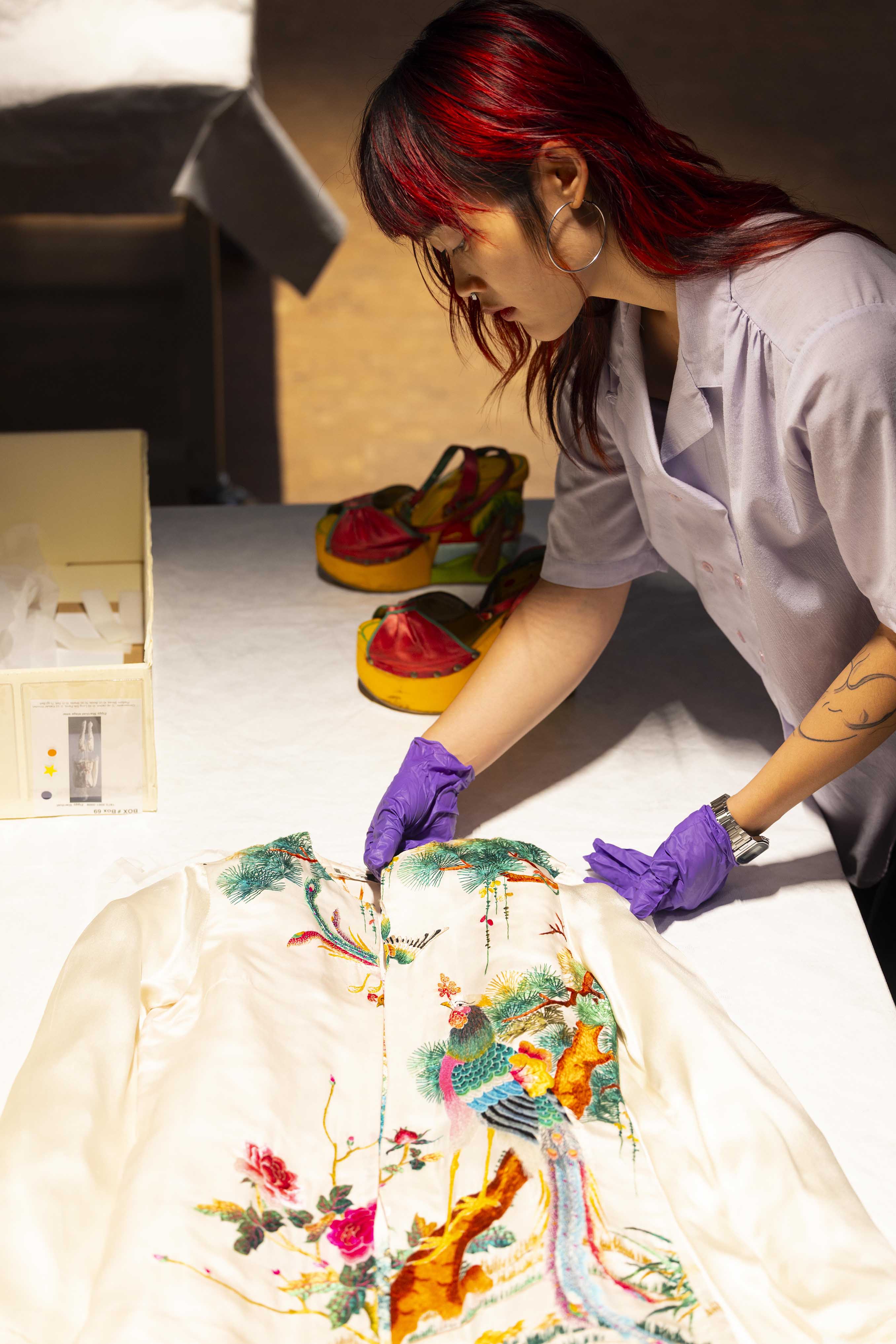
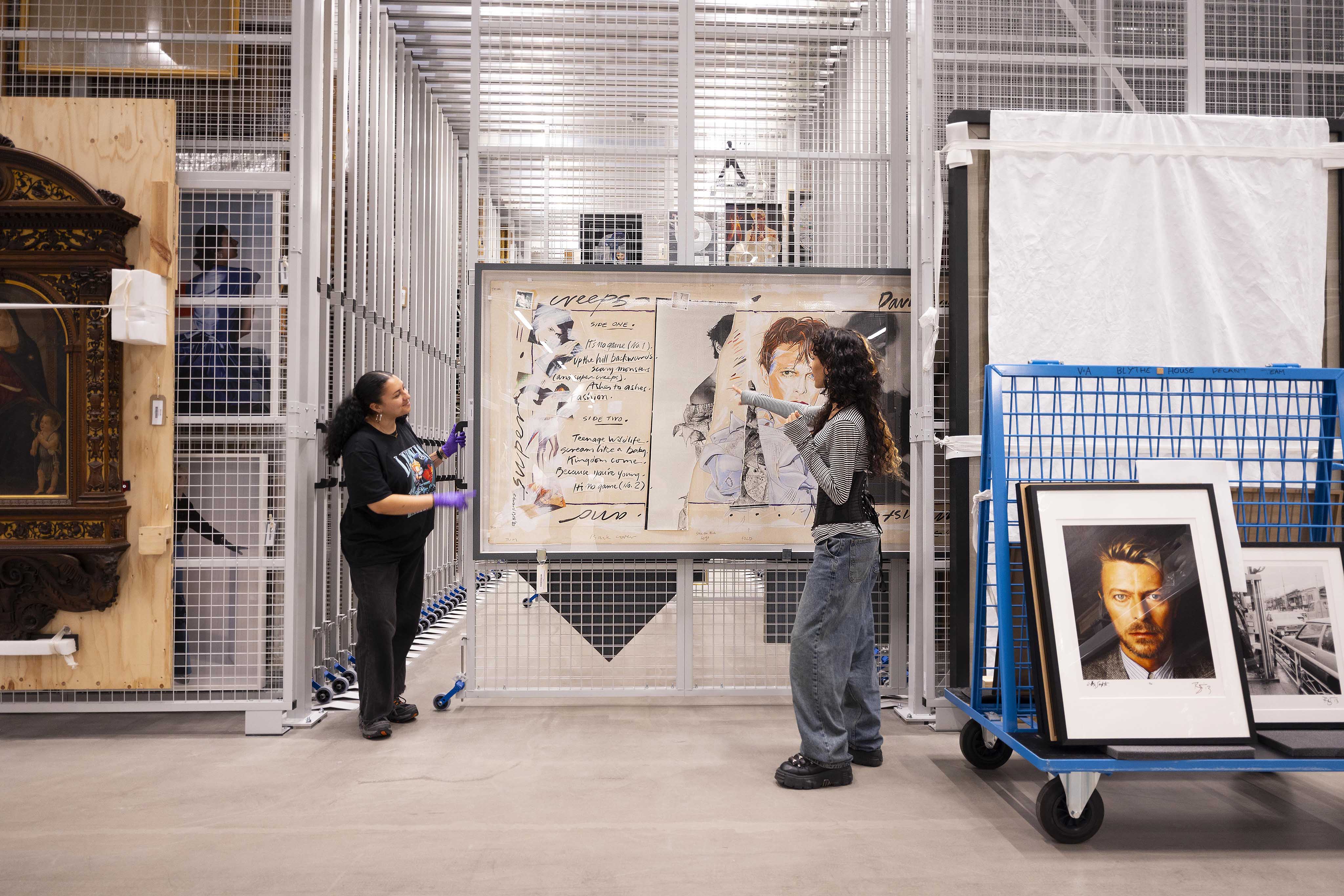

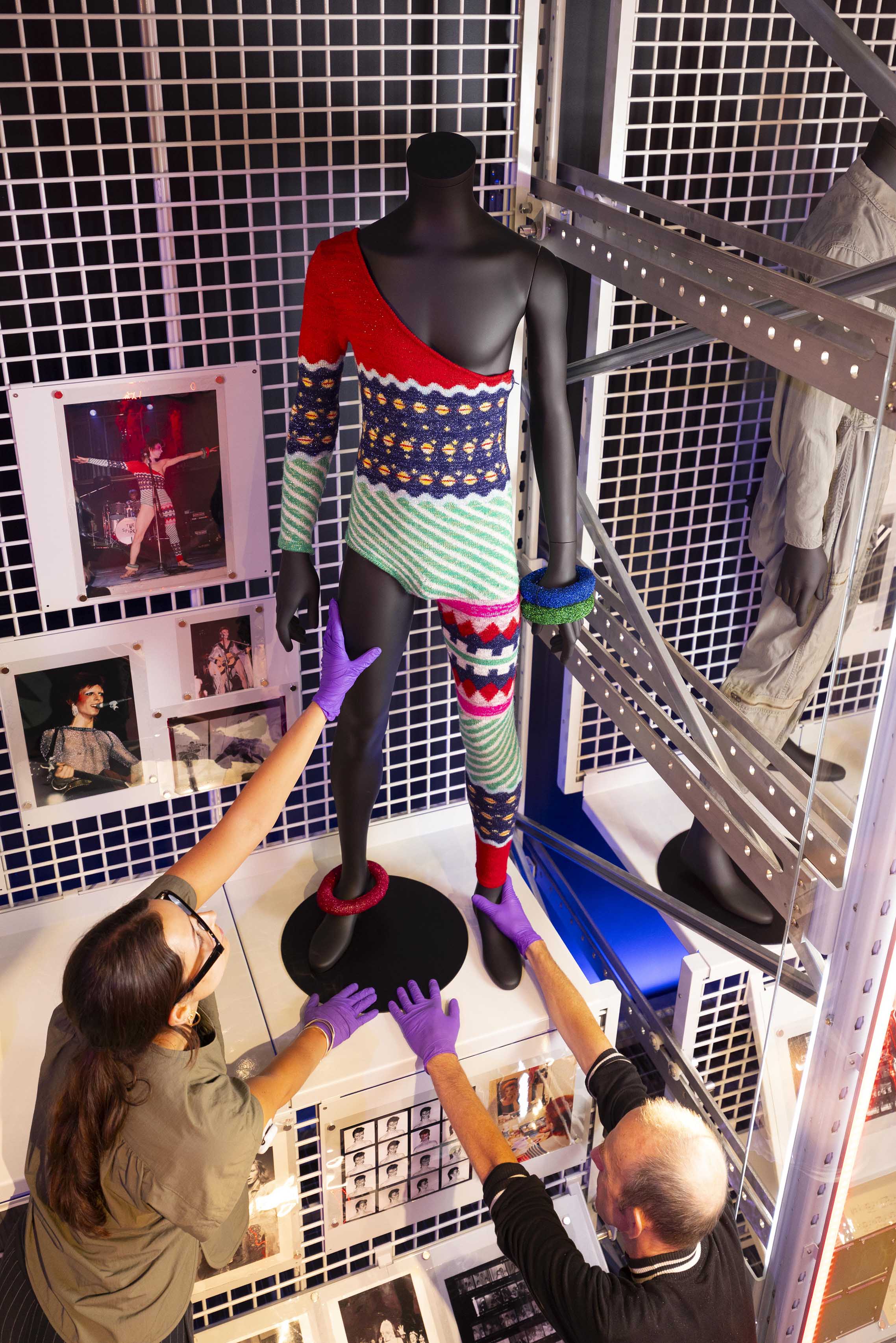
Items and displays from the newly opened David Bowie Centre
There is something irreplaceable about standing before a work of art… Technology can enrich that encounter, but it should not supplant it”
“
Women are the engines of arts and culture, and leading with empathy as well as authority is vital. Women are now leading some of the world’s foremost cultural institutions, which is inspiring and transformative to witness. It is so often the women behind the scenes who are quietly pushing museums forward today. Their impact extends far beyond the exhibitions and programmes they create — it lies, too, in the new models of leadership and collaboration they embody.
What feels distinctive about the sector is that, from senior leadership to the countless people whose work often takes place out of sight, women are shaping how museums operate and evolve. Their contributions sustain and propel our institutions.
For me, being a woman in this field has meant carving out a model of leadership that balances authority with empathy and ambition with integrity. It’s about fostering a culture rooted in care, collaboration, and mutual respect — recognising that everything we do in a museum is the result of collective effort. The most meaningful change, I’ve learned, comes from leading in ways that value both excellence and generosity.
I aspire to create a place at V&A East that is representative of society and where people feel their voices are heard. V&A East is dedicated to creativity and its power to bring change. Working directly with the voices shaping contemporary culture internationally, we aim to reimagine the V&A’s collection and archive, celebrating art and design in all its forms and opening up new possibilities for everyone.
Our mission is to platform diverse, global narratives that address the urgent issues of our time and to champion radical visionaries of the past and present. I want our visitors to feel that the museum is a living and responsive place where their voices are heard and opinions matter.
Young people are at the heart of our vision and I want them to have a sense of agency. Many future changemakers lack easy access to museums and may not feel represented and welcome within their walls. It is our mission to change this. We are committed to providing greater access – particularly for those based in east London, a long-standing centre of artistic innovation – and offer a platform for underrepresented voices and practices. We believe museums can inspire the next generation of artists and thinkers, showing how creativity can offer solutions, shape futures, and foster connection in a fractured world.
Technology can enrich but should always serve, not supplant. I’m genuinely excited by the potential of digital tools and AI to create more immersive and individualised experiences for museum visitors. In the not-too-distant future, I imagine visitors scanning a QR code beside an object and being transported into a digital simulation – perhaps seeing how that object was once used in its original context, or stepping virtually into the artist’s studio at the moment of its creation. Experiences like that could completely transform how we understand and connect with collections, deepening our appreciation of the humanity at their core.
That said, I don’t believe digital innovation should ever replace the transformative power of encountering art in person. There is something irreplaceable about standing before a work of art – the intimacy of looking closely; the stillness, the physical presence. Technology can enrich that encounter, but it should always serve it, not supplant it.
There is so much to be excited about in the art world right now. Among the projects I’m currently working on, I’m especially looking forward to the opening of V&A East Museum next spring, following the launch of Storehouse earlier this year.
Internationally, I’m excited to travel to Ghana for Accra Cultural Week and to Nigeria for the opening of the Museum of West African Art in Lagos – and I’m eagerly anticipating the long-awaited reopening of the Studio Museum in Harlem – somewhere that is beloved to me.
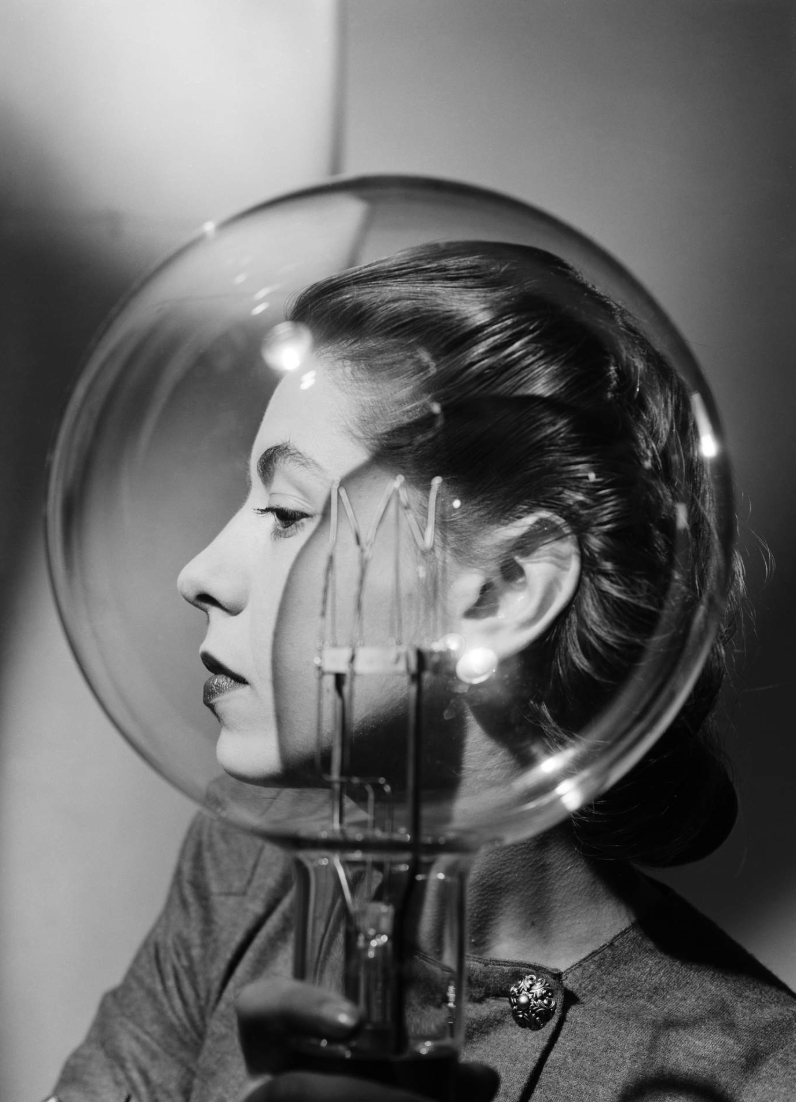
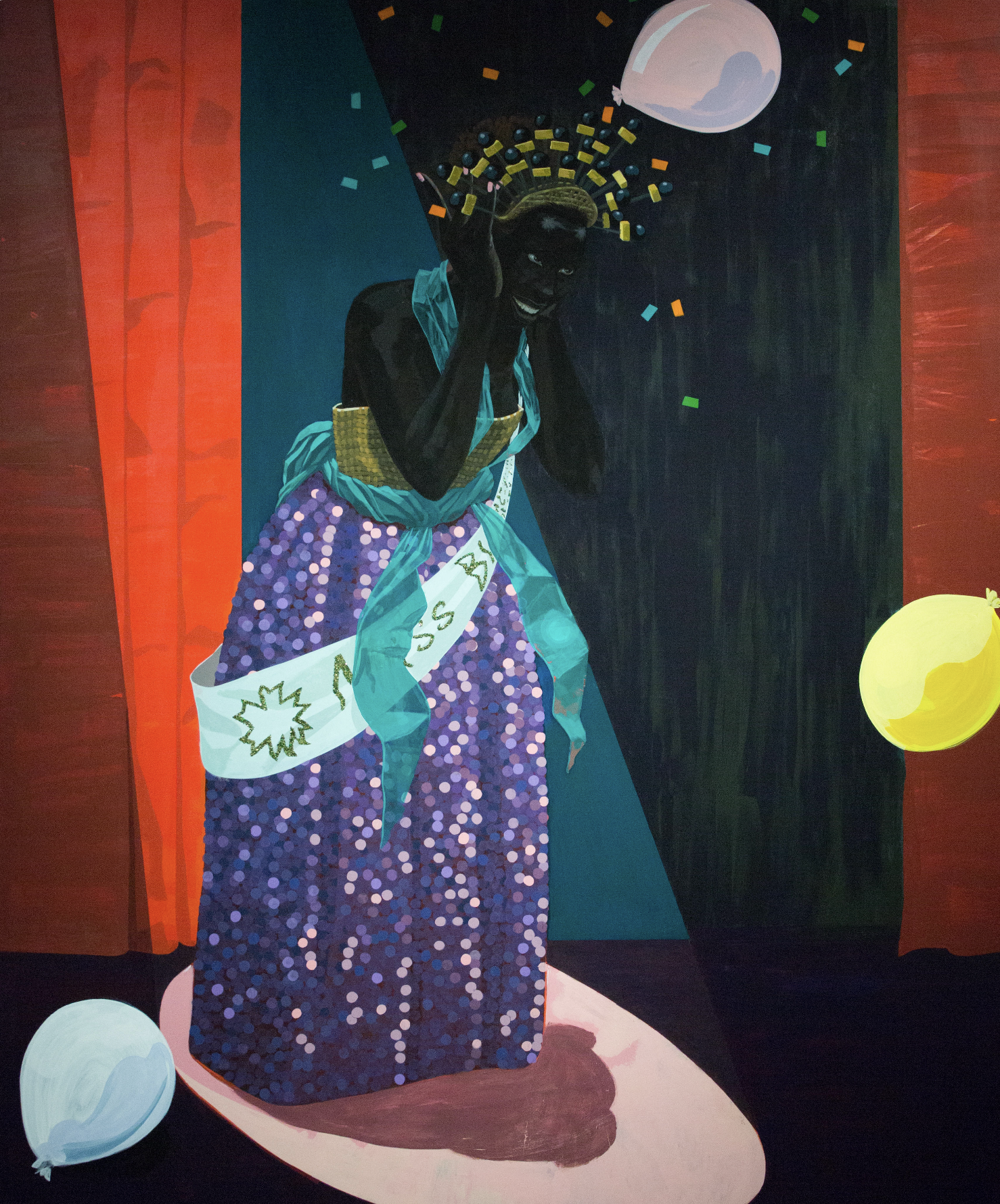
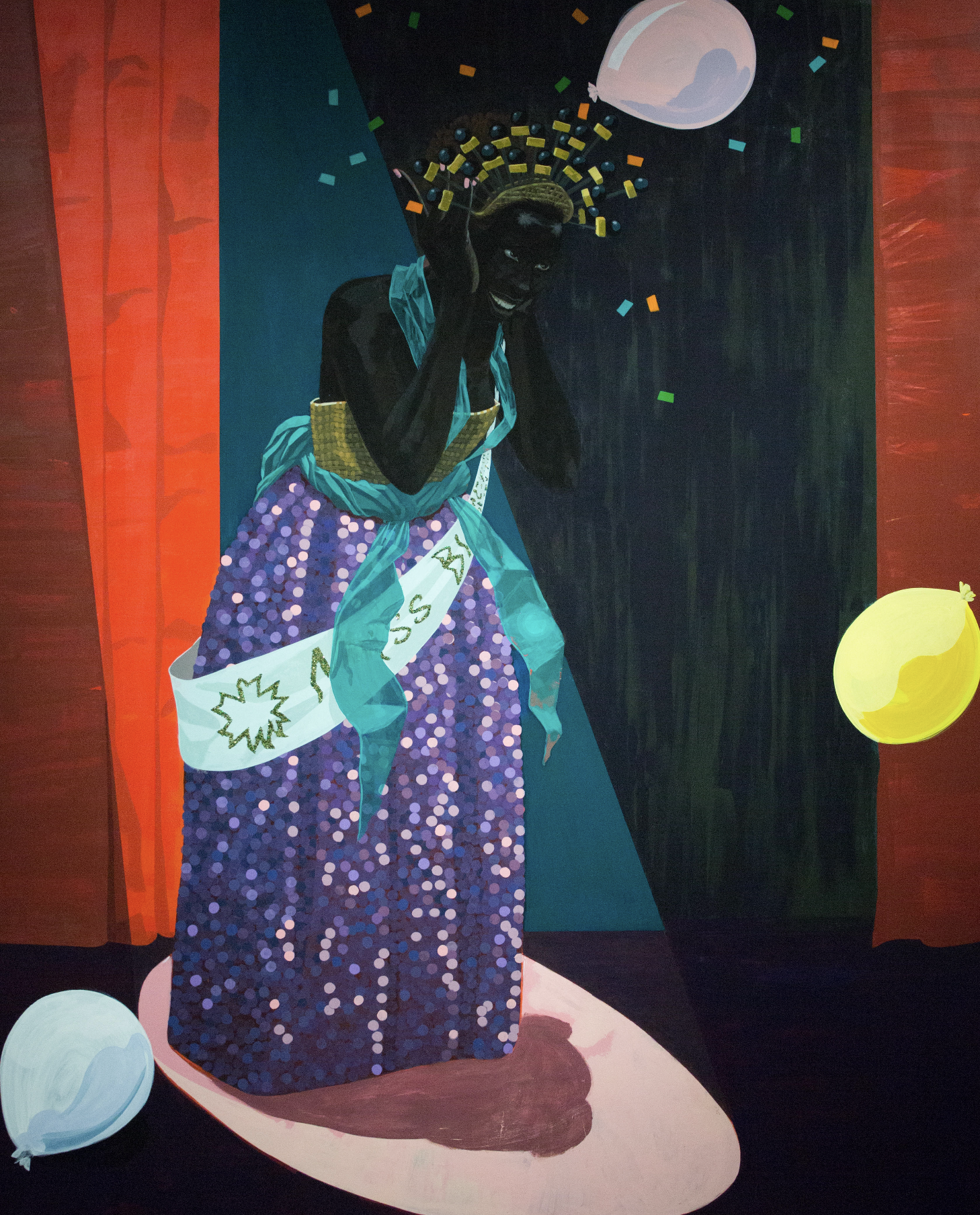
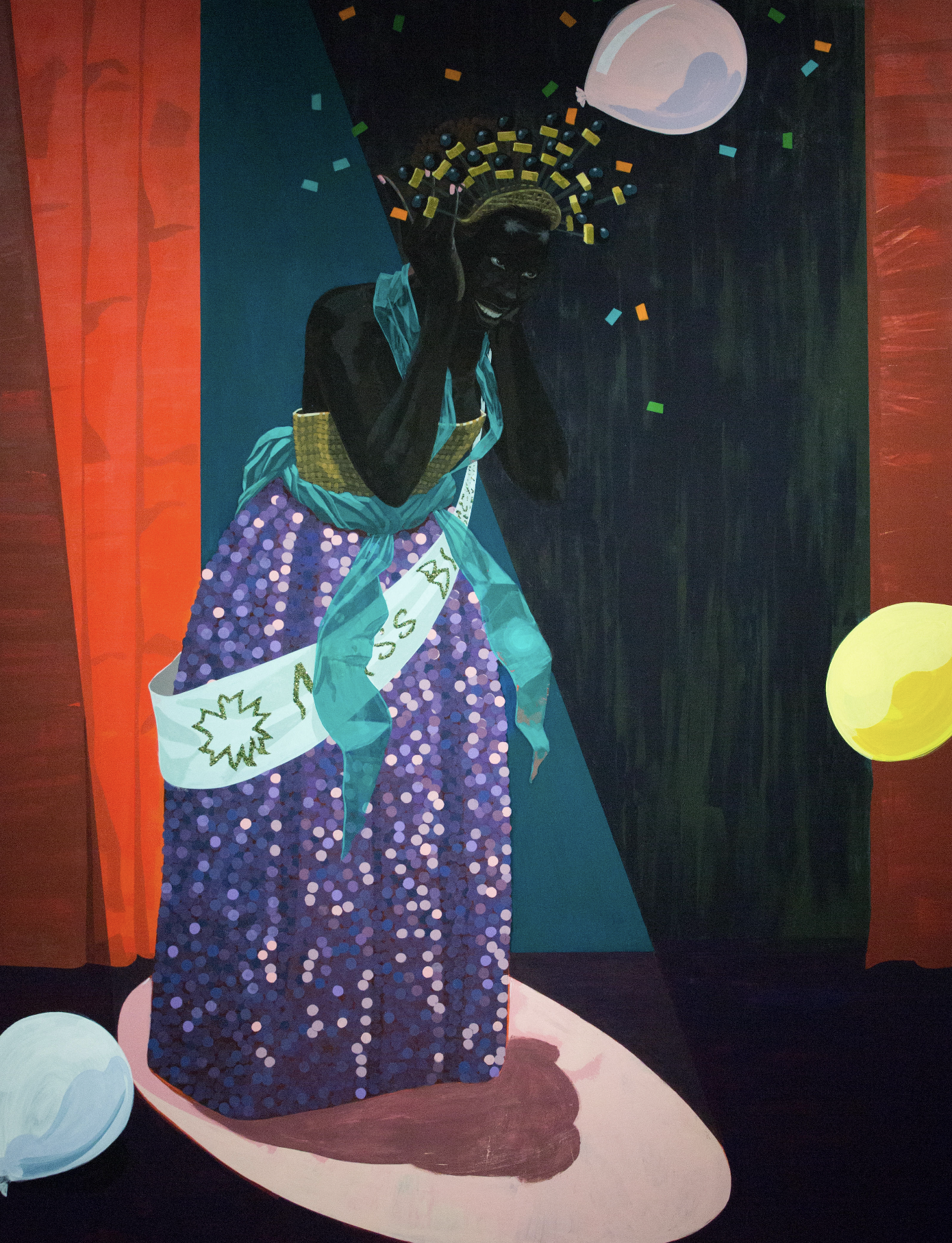
In London, I’m most excited about Kerry James Marshall exhibition currently on at the Royal Academy (I’ve already been twice and can’t wait to go again), as well as Nigerian Modernism at Tate Modern – a landmark exhibition re-examining art the mid-20th century from a global perspective. I’m also looking forward to seeing Lee Miller at Tate Britain, which offers a rare, deeply introspective portrait of a photographer who captured the world with both courage and poetry.
Find out more about V&A East Storehouse and its current exhibitions here
SHARE THIS STORY
Madeleine top 3 exhibitions headline
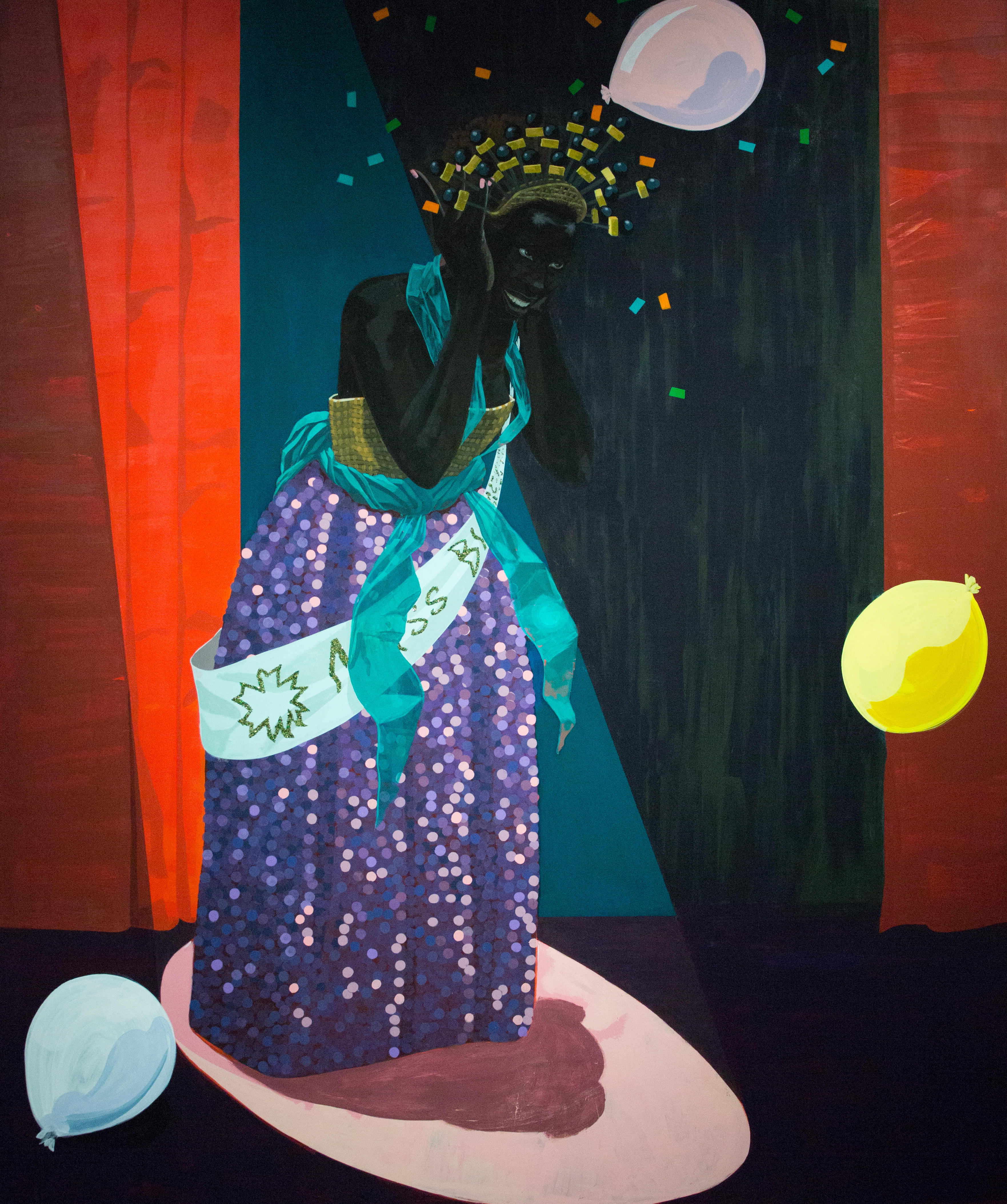
Kerry James Marshall exhibition currently on at the Royal Academy of Arts.
Until 18 January 2026
Burlington House
1
2
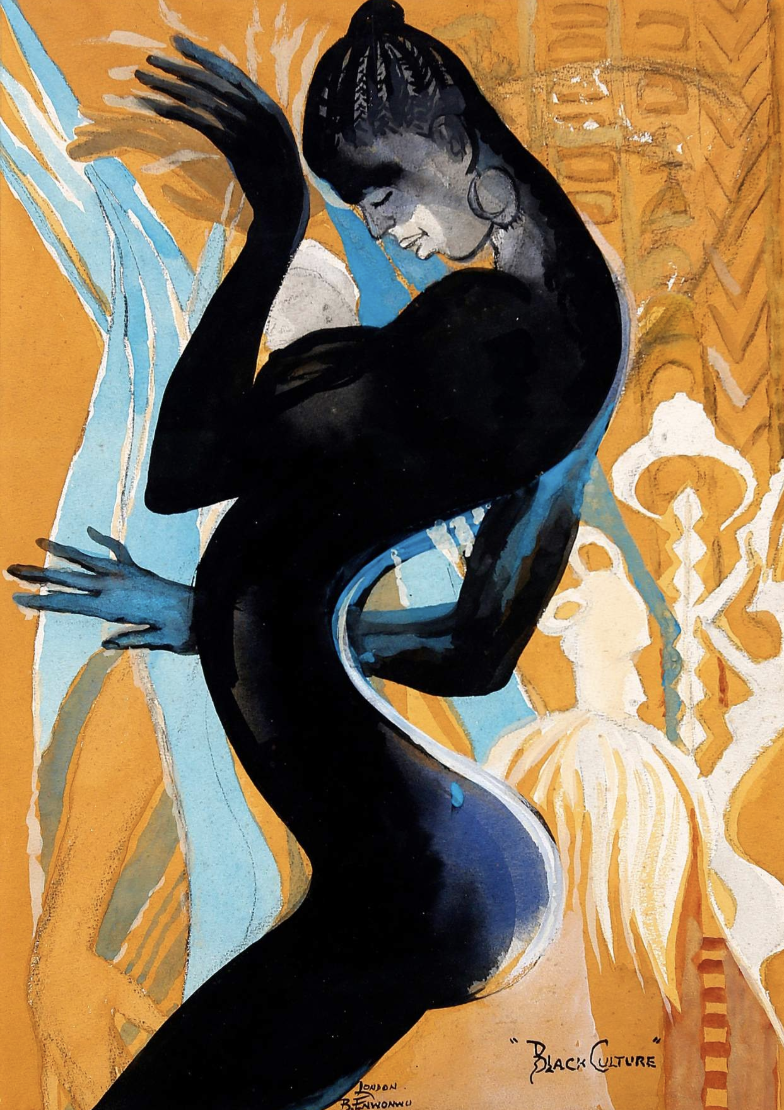
Nigerian Modernism
at Tate Modern
Until 10 May 2026
Lee Miller
at Tate Britain
Until 15 February 2026
3
MUST SEE
EXHIBITIONS
Kerry James Marshall: The Histories
Royal academy of arts
until 18 January 2026
Lee Miller
TATE BRITAIN
until 15 february 2026
Nigerian Modernism
TATE MODERN
until 10 MAY 2026
1
2
3
Lee Miller
TATE BRITAIN
until 15 february 2026
Lee Miller
TATE BRITAIN
until 15 february 2026
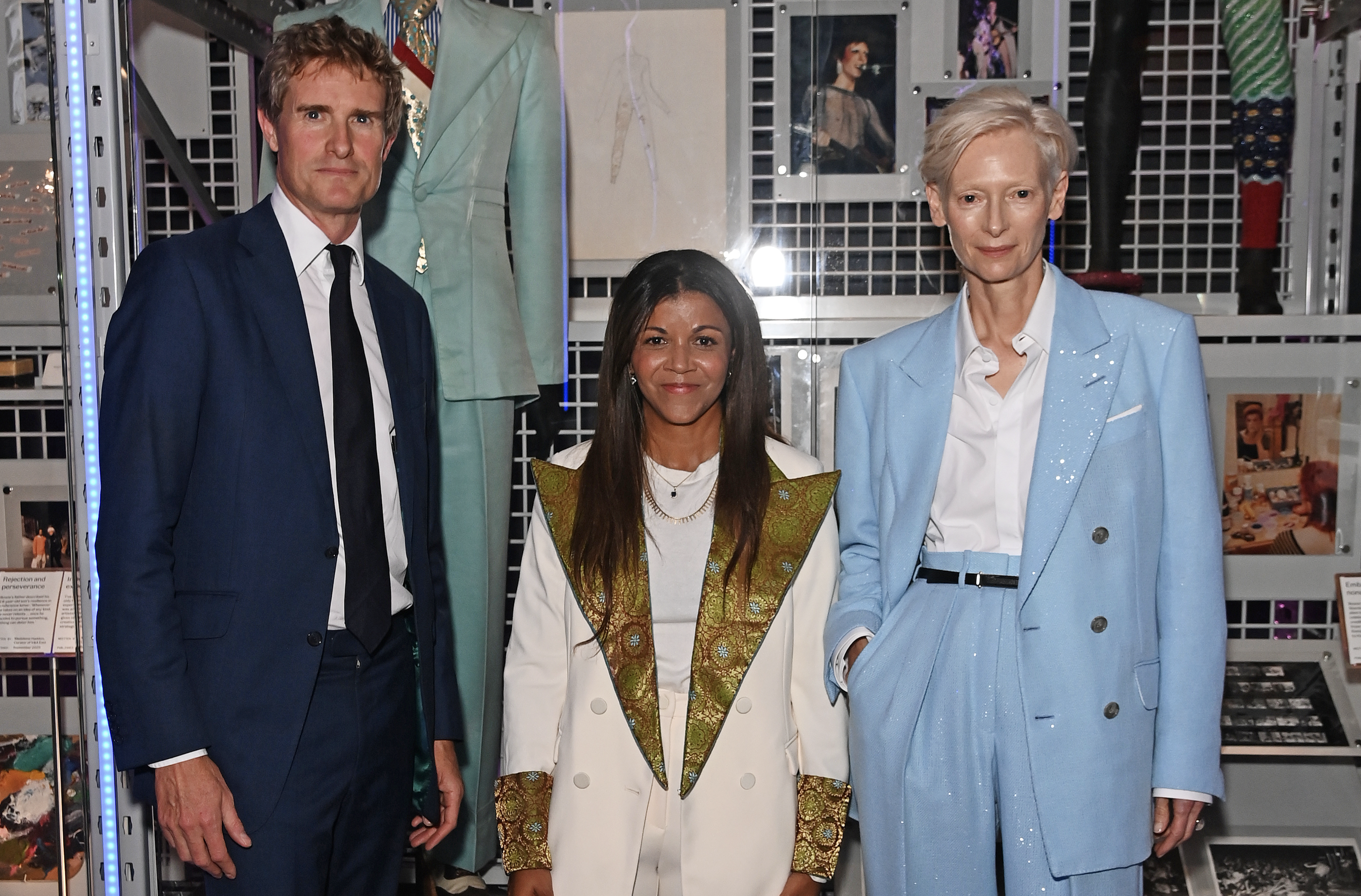
Tristram Hunt, Director of the V&A, Madeleine Haddon and Tilda Swinton attend the VIP Opening of the David Bowie Centre, V&A East Storehouse, on September 10, 2025
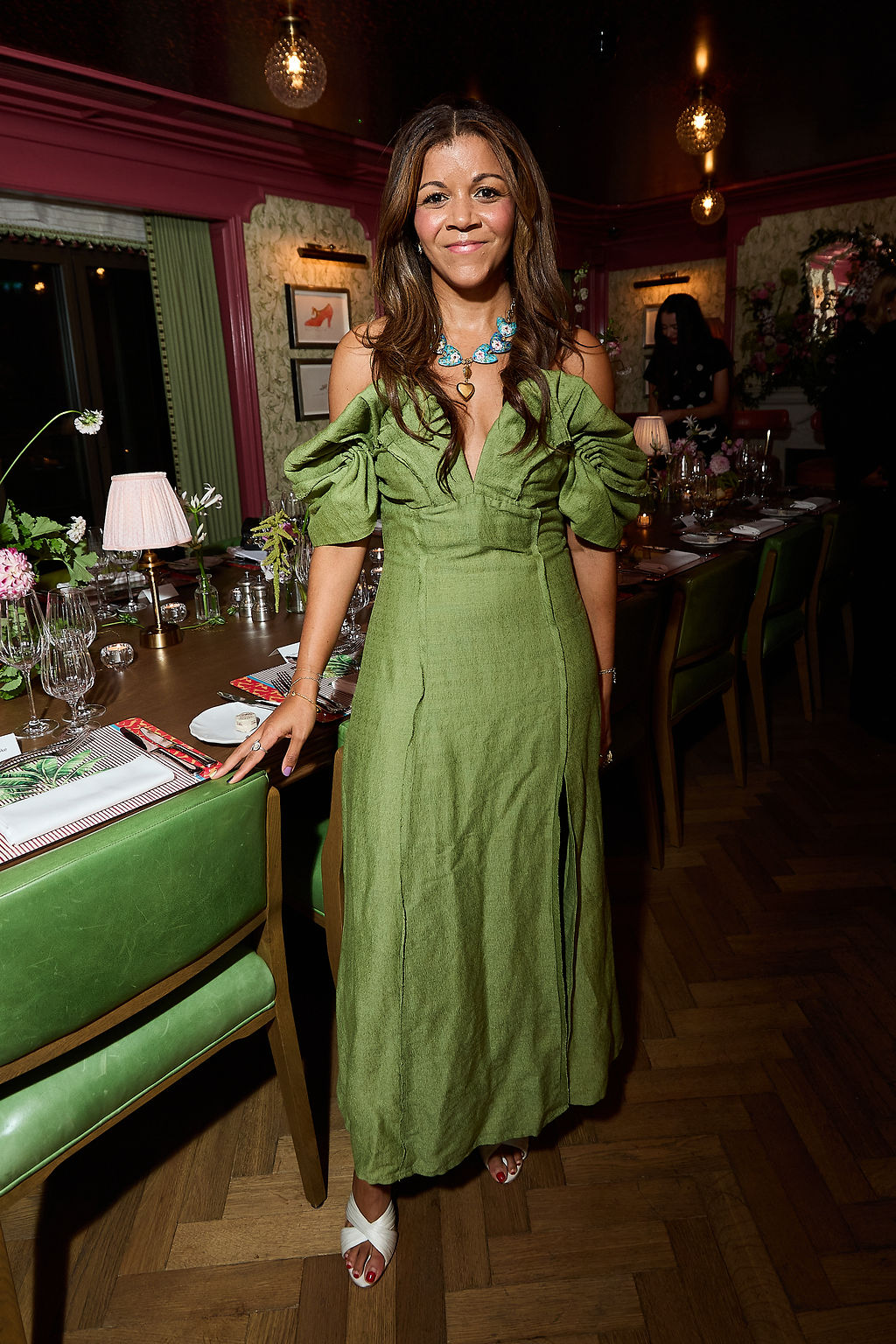
Madeleine Haddon at the Marie Claire Frieze dinner