
I just started seeing it everywhere, and I was like, 'That’s the glue to the movie.' I announced the film about six months before it would be completed and we sold $75,000 worth of t-shirts and posters, so that helped. And it helped market it. I never sent out a press release about Helvetica. I just put the website up and word spread. Again, there was a pent up demand, an untapped audience for that film. And they just took it in. People were lining up in the streets to see the font movie.
Gary Hustwit wanted to watch movies about design—fonts, urban planning, the heroes of graphic design—so he started making them. It’s really that simple. Helvetica, Urbanized, Objectify, and two new ones—Design Canada, which he produced, and Rams, which explores the career and contributions of industrial designer Dieter Rams. Here the director/producer talks about his punk rock training, the value of independence, and why the world needed a movie about a font.
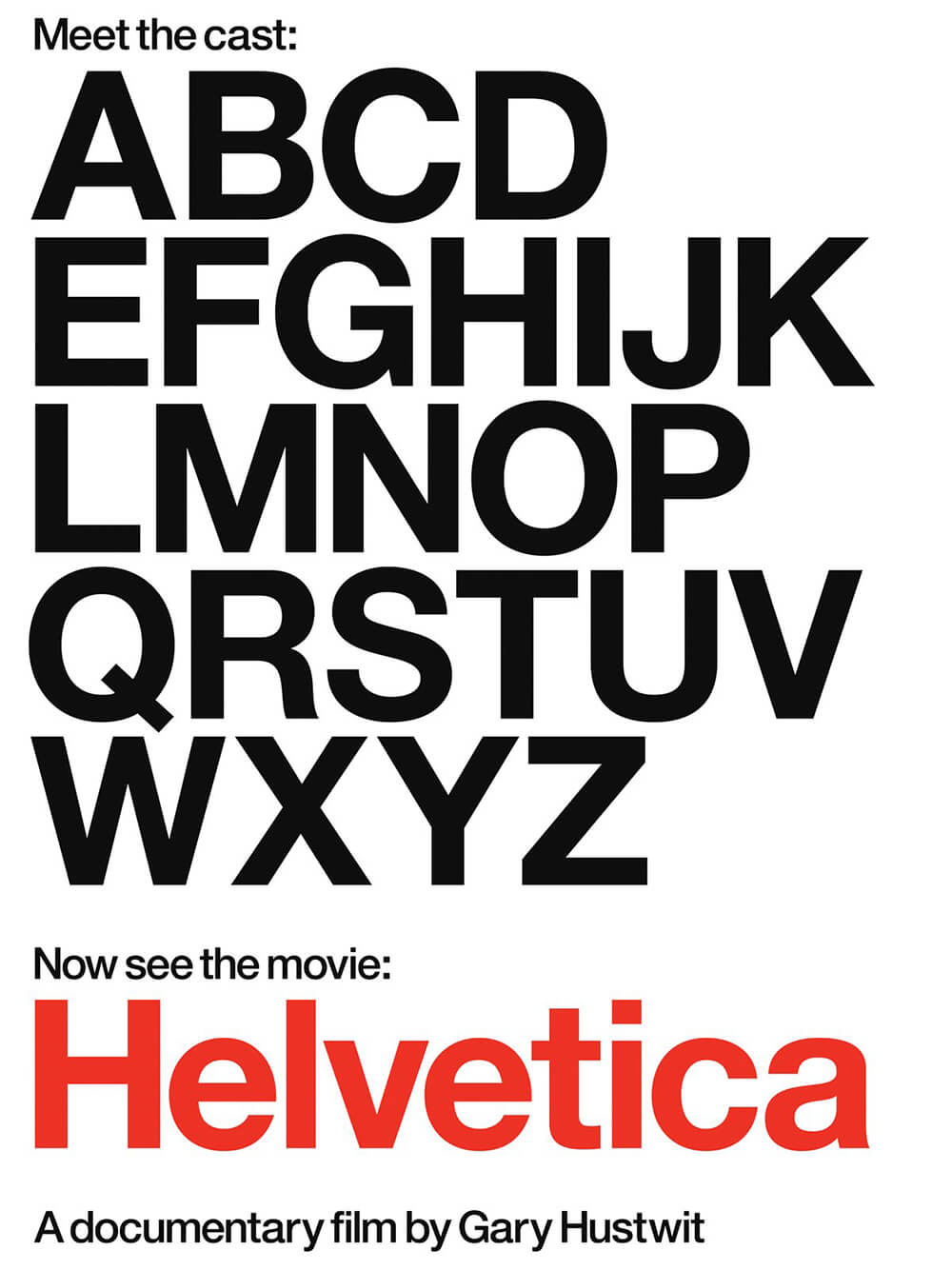
Helvetica (2007)
The first of Hustwit’s design docs has been screened all over the world and seen by a many millions of people. “It was the second documentary Netflix included when they started their streaming service,” he says. And it is still regularly screened around the world, from Tehran to Toronto.
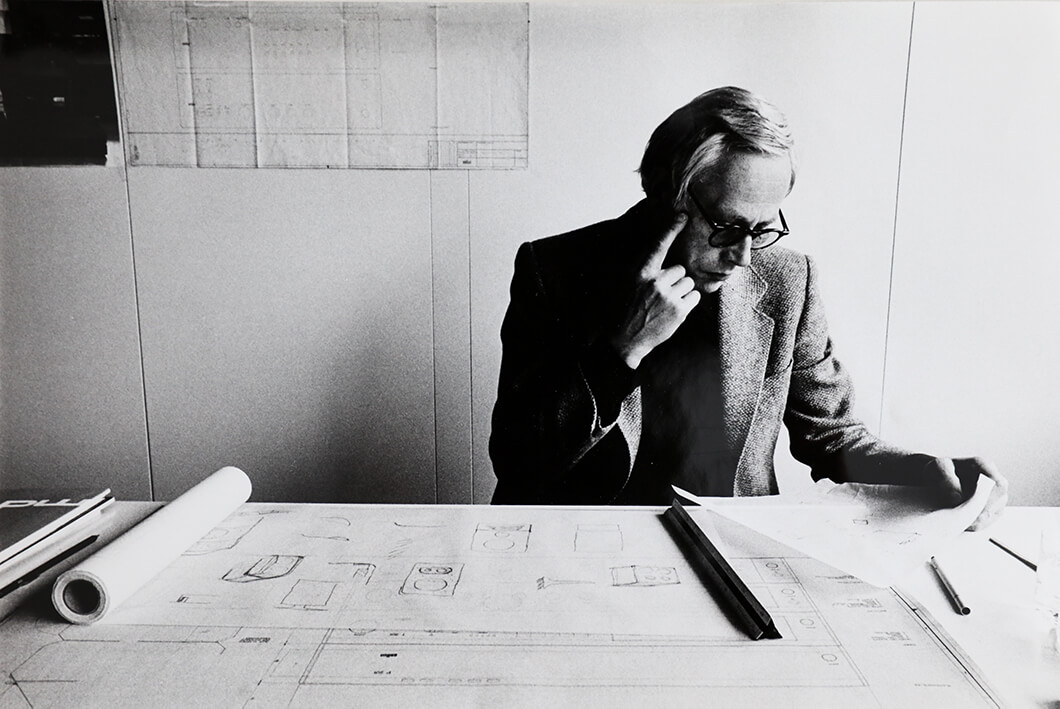
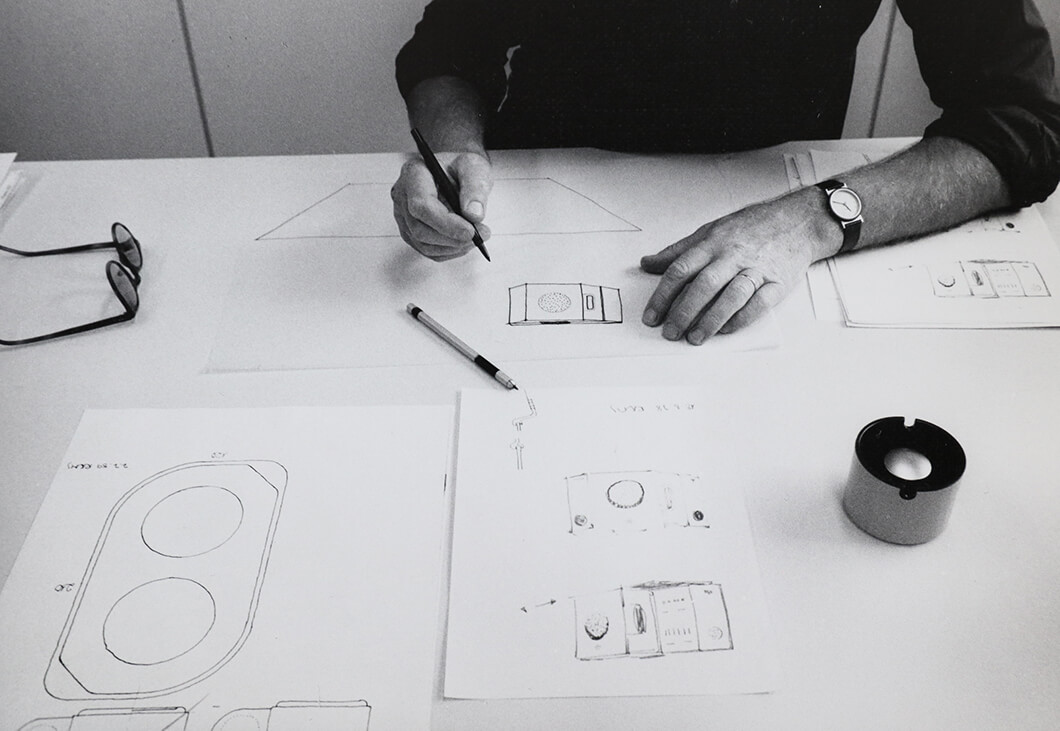
I couldn’t believe no one had done a film about him, which was mainly because he didn’t want anyone to do a film about him. And I knew that if I didn’t do a film about him, then no one would. I interviewed him in Objectified. I’d spent an afternoon with him ten years ago. Dieter is in it and so is Jony Ive. It was the first time they let anybody film inside the Apple Design Lab, which was a big deal.
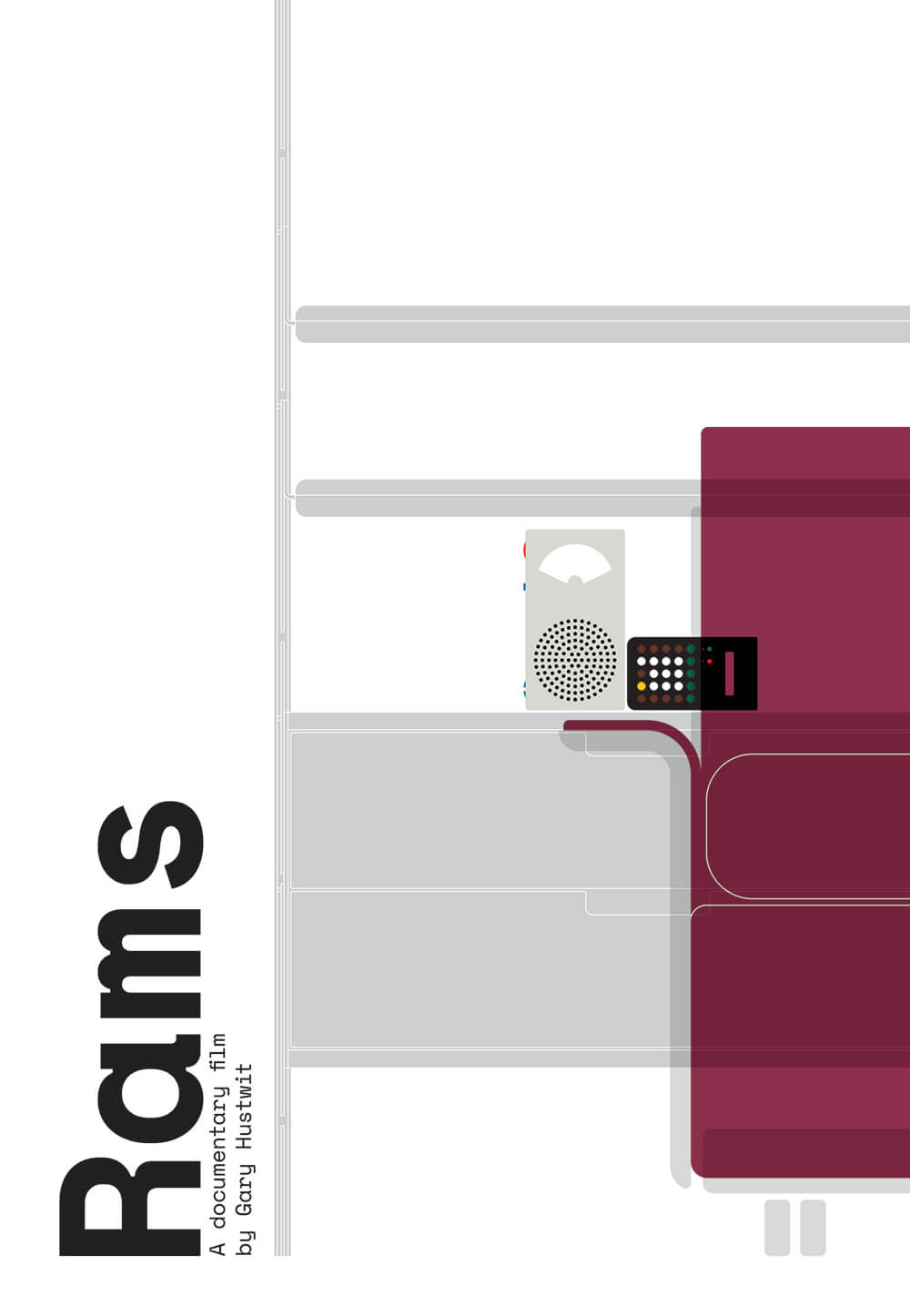
Rams (2019)
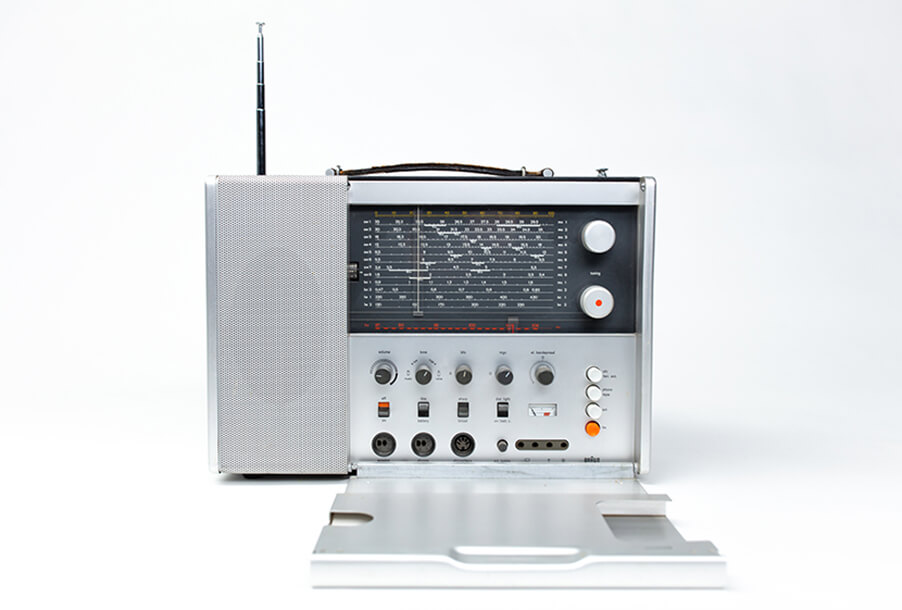
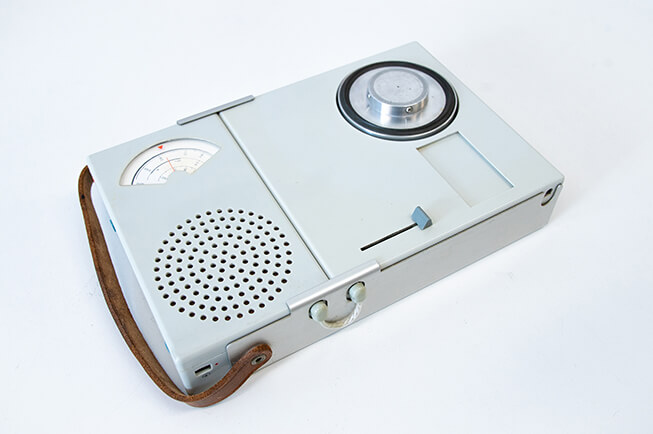
A deep appreciation of the consumer product genius, whose work for Braun stands as a paradigm of good design and a great inspiration for Apple and other consumer designers around the world.
Just me. I was the only audience for that film as far as I knew. It was that simple. I wanted to see a movie about these designers and their processes and to learn about them. And in 2005, when I started working on Helvetica, there was nothing available.
Who did you think would want to watch a movie about a font?
Were you trained as a graphic designer?
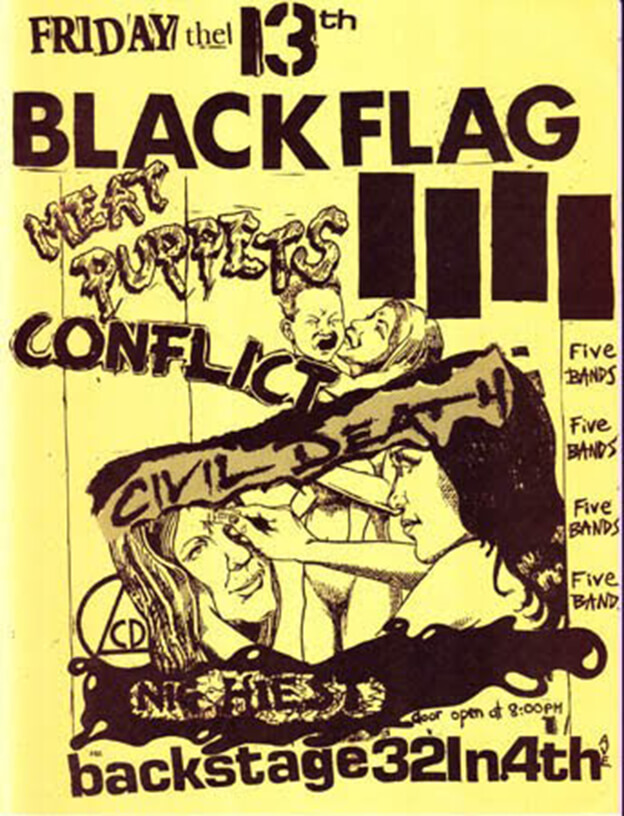
No. I had just always been a design geek and into fonts. I got a Macintosh in the late ‘80s and used it to design my friend’s band’s record. In college, my friends were in bands and when I got kicked out of college, I worked with them, releasing records and booking tours. I ended up working at this legendary punk rock label SST—Black Flag, Hüsker Dü and all these amazing bands. To me, punk rock is making things happen that you want to see happen and not letting anyone tell you you can’t.
Why Helvetica?
I wanted to make a film about graphic design and typography because I followed these designers. These are the legends of graphic design, people like Massimo Vignelli, people who’d been working for 50 years and had a huge influence on our lives. Vignelli did the subway graphics and the American Airlines logo and all these things we take for granted, and yet nobody had ever asked him to be in a documentary before. That just seemed insane to me. So Helvetic was a structure where I could do that. There’d been a revival of Helvetica in the late ‘90s and there was a lot of debate about it in the design world: Some people liked its simplicity and cleanliness, some people thought it was sterile. And through that conflict we could tell the story of typography and graphic design and how it affects people’s daily lives. Massimo Vignelli was the first person I emailed and he wrote me write back, saying, ‘Of course I’d like to be interviewed about Helvetica, the most beautiful typeface….” And then I just built on that until I got 15 of the world’s best designers.
What made you say, 'It’s got to be Helvetica'?
Dieter Rams had never agreed
to be the subject of a film until you asked. How did you convince him to participate in Rams?
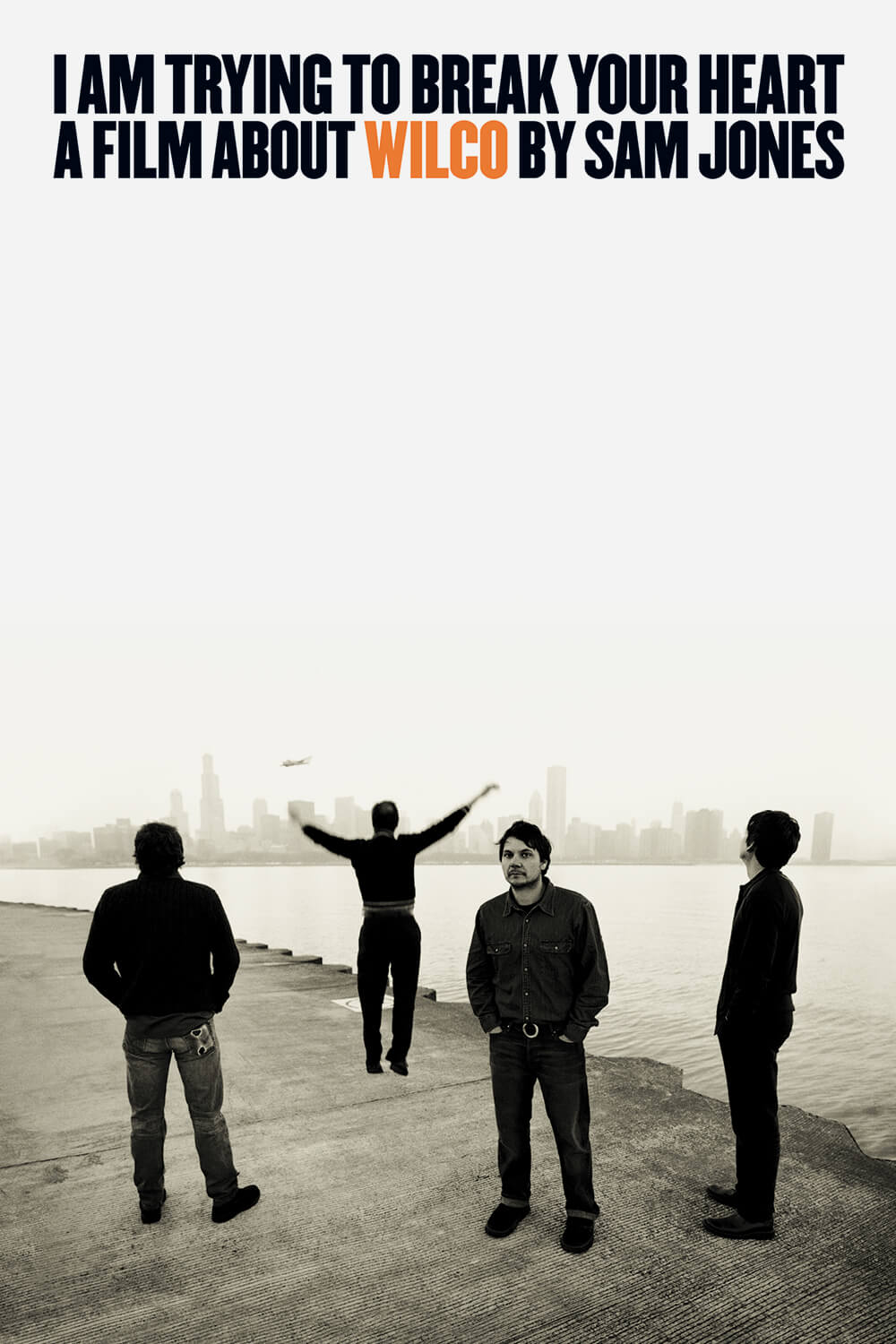
I Am Trying to Break Your Heart (2002)
What started as a straightforward 3-week document of the band’s recording of Yankee Hotel Foxtrot, became an epic, wrenching 18-month shoot when the band was dropped by their label. Hustwig helped finance the expanded shoot and was executive producer. The result is a classic of the music doc genre.
What have you learned about designers as people?

this guy
G

SST Records
An independent record company formed in Long Beach, California in 1978 by Black Flag guitarist Greg Ginn. It grew to become a seminal hard core label and released records by Hüsker Dü, the Minutemen, Sonic Youth, Soundgarden and others.
DESIGN
Who thought it
was a Good idea
to start making
?
documentaries
about

To me, punk rock is
just making things happen that you want to see
happen and not let anyone tell you you can’t.


You cannot understand good design, if you do not understand people.
Dieter Rams, from Rams
who is
dieter
rams?
click here
Want more deep dives on design? Enter your email below—you won't regret it.
photographs and posters courtesy of FILM first
photographs and posters courtesy of FiRST FILM
FLYERS courtesy of SST RECORDS
watch RAMS
click here to
There’s generally this personality trait they share of being unsatisfied with the status quo and always questioning why something is like it is and wouldn’t it better if we just tweaked this little thing. It’s a trait I’ve seen in every designer I’ve interviewed—constantly looking at the world and observing and thinking about why things aren't working as well as they should. That constant dissatisfaction with how things are and maybe this idealism of wanting to improve things, wanting to make the world better, or wanting to make the experience better or people’s lives better. I think that’s at the heart of it and it expresses itself in different ways but almost every designer I’ve talked to is a little bit like that. There’s this thing where if the window is open in a restaurant and you’re cold, half the people will ask, ‘Can I close the window?’ The other half will just get up and close the fucking window. And I’m in that second camp. And a lot of designers are, too. Maybe it’s vanity. At least they recognize the constant need for things to change and improve, whether it’s a car door or a building or a city or a font. Trying to improve people’s experience.
By Mark Healy
Design by Lucy Quintanilla
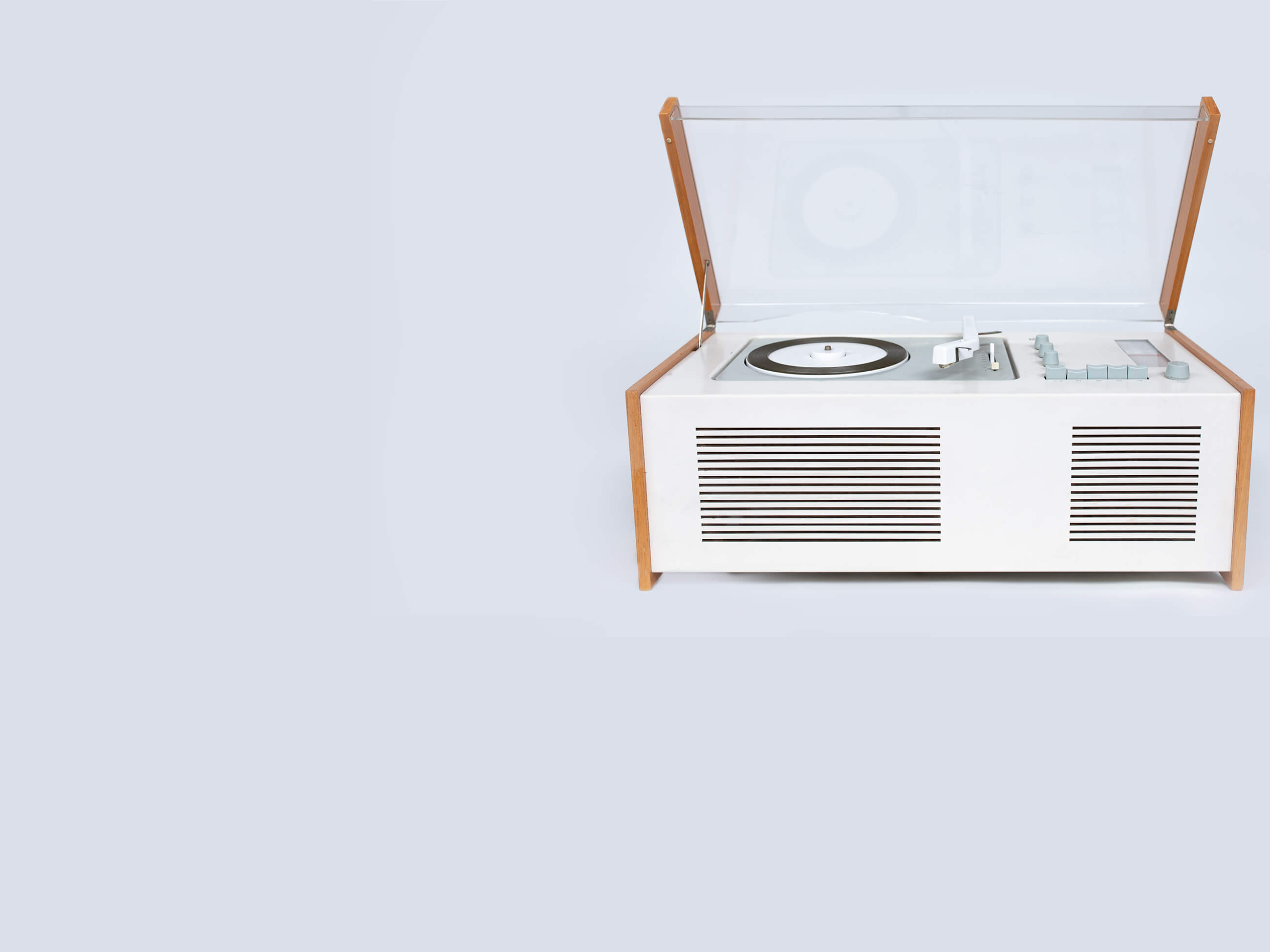
Among the many smart, admirable, just plain useful products Dieter Rams and his Braun design team created are kitchen appliances and consumer electronics, including what many say is the precursor to Apple's iPod.

Get more
stunning visual stories every week.
1
1
2
2
3
3
4
4
5
5
Click each number to see more images
TAP THE FLYERS for MORE
TAP EACH POSTER for MORE
tweet

share

Share

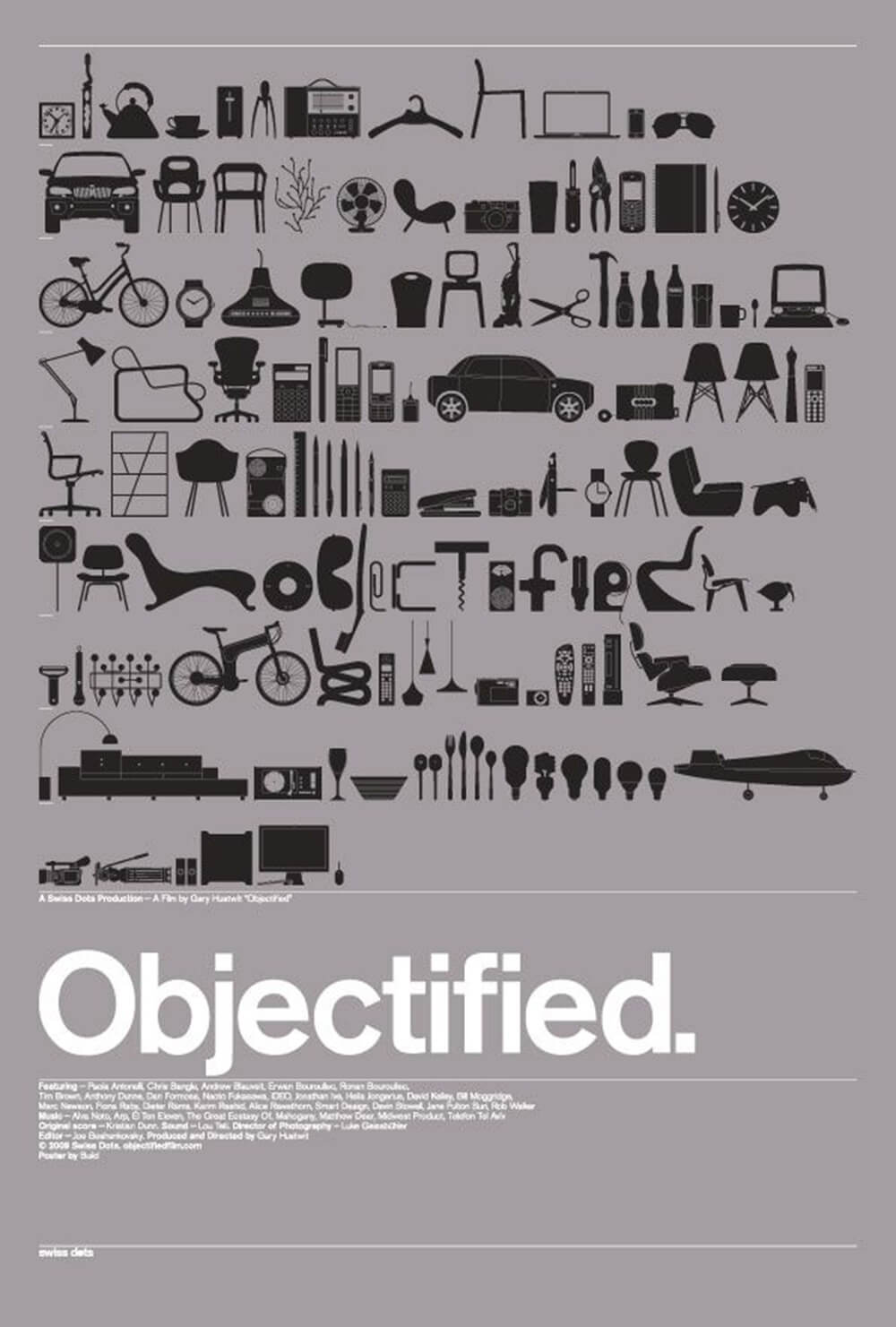
Objectified (2009)
Hustwit’s second feature documentary explores our relationship to the inanimate objects we rely on and interact with in our everyday lives. He interviewed dozens of design legends including Dieter Rams, Chris Bangle, Karim Rashid, Jonathan Ives, and others. Hustwit interviewed Ives at the Apple Design Lab, the first time anyone was permitted to film there.
Then You'll Love our Homage to Dieter Rams.
Click here to check it out.
Love Design?