Get more stunning visual stories every week.
tweet
share
Share
20 ALBUM COVERS THAT DESERVE TO BE SEEN
AT A RECORD STORE
20 BREAKTHROUGH PRODUCTS
Of The Last 20 Years
20 BOOKS WE JUDGED
BY THE COVER
20 BUILDINGS THAT MATTER
IN THE LAST 20 YEARS
20 Everyday Hassles That Died
in the 21st Century
in the 21st Century...so far
20 Most Visually Influential People
2ofor20
Explore the list
what we see and how we see it? Sure, it’s a battalion of advertisers, media makers, and app designers whose content we spend our waking hours with, but who are the creative geniuses and mass market savants that they take their cues from? Let us introduce you to a few of them. Here are the designers, artists, and visionaries that shape the world as we see it.
Who decides
of the Last 20 Years
Most Visually Influential people
20
The
Text By
David Keeps Howie Kahn
Design by
Jeffrey Kurtz
Graphic Designer, Happiness Advocate
Stefan
SAGMEISTER
Back to opener
See Who's Next
by Jessica Walsh & Timothy Goodman, 2013
40 Days of Dating
2014
Sagmeister and Walsh’s branding identity for New York’s Jewish Museum
2018
Sagmeister & Walsh: Beauty
Sagmeister and Walsh’s branding identity for startup adventure brand Baboon
2019
&Walsh’s branding identity for Zooba, an Egyptian street food restaurant
n 2012, 25-year-old Jessica Walsh became a partner in Stefan Sagmeister’s design firm, Sagmeister Inc. Announcements were sent, mirroring the style her partner had used to his announce his firm 19 years earlier, a full-body nude self-portrait. In the updated shot, Walsh stands naked on a pile of magazines next to Sagmeister, also naked. It reads: “We are renaming the company to Sagmeister & Walsh.” Earlier this year, they removed the “Sagmeister” from the equation as Walsh formed her own eponymous branding and advertising firm, &Walsh. Walsh has been called an “It Girl,” a “young gun,” and a “new star of design,” and her work ranges from establishment fashion brands like Kenzo, to tech for Meetup and Wix, and lots of conceptual editorial illustrations to brighten a Sunday morning news cycle. But what will be more enduring than the labels celebrating her youthful “it-ness” are the ways she orients herself toward creating an emotional public service campaign, like her 2016 public quest to explore 12 Kinds of Kindness. She’s also focused on changing ideas about leadership and inclusion in an industry where women-founded firms like hers make up a stunning minority. “Only .1 percent of creative agencies are women-owned,” Walsh writes. “How does this make any sense?”
I
Dezeen
Graphic Designer, Public Servant
Jessica
Walsh
2004
“Punctuation”
2003
Poster promoting Sagmeister design exhibitions in Osaka and Tokyo
2012
Work for Aizone, a luxury department store in the Middle East
by Stefan Sagmeister, 2013
Things I Have Learned in My Life So Far, Updated Edition
1997
Bridges to Babylon by The Rolling Stones
See Jessica Walsh
he graphic designer began the 21st century by taking the year off, just as his design business was booming. He returned, focusing on furniture initially, then won Grammys for album covers for David Byrne and Brian Eno. Jay-Z and The Rolling Stones called soon thereafter, but that’s just a sliver of what he got his hands on. The client work Sagmeister has done—for cultural institutions like New York’s Guggenheim Museum or iconic brands like Levi’s—blanketed pop culture throughout the aughts. Designer Jessica Helfand told The New York Times, "The only constant in Stefan's work, other than its superior quality, is that there's nothing constant about it." Sagmeister, who partnered with Jessica Walsh (see next) in 2012, must have learned that time off only enhances his practice. Earlier this year, he announced he’d be walking away from commercial work to focus solely on “self-generated design projects.”
T
Barneys
Industrial Designer, OG/MVP
Dieter
Rams
1998
Apple iMac G3
2002
Apple iPod Classic (2nd Generation) and Charging Cable
2015
Apple Watch
Apple iPhone 11
2013
Leica Digital Rangefinder
"There is beauty when something works and it works intuitively."
he British design obsessive’s nearly- 30-year reign at Apple, which ended this year, defined an era with his iconic range of iProducts: Mac, Phone, Pod, and Pad. Following Rams’ lead, Ive’s reductive round-cornered aesthetic and intuitive UX revolutionized the digital landscape. Now, as the founder of Lovefrom—partnering with the equally innovative Marc Newson—Ive is poised to transform design for the rest of the century.
Pinterest
Industrial Designer, iMaster
Jony
IvE
1956
Radio-Phonograph (Model SK 4/10)
1987
Braun ET-66 Calculator
1972
Braun KF 20 Coffee Maker
1959
Vitsoe 606 Universal Shelving System
1962
Vitsoe 620 Chair Programme
See Jony ive
o call Dieter Rams a minimalist is to minimize his absolute mastery of industrial design. Nearly 50 years ago, the architect and engineer, who made the German company Braun a timeless, global brand, proposed a must-read 10 principles of good design that embrace purity, functionality, innovation, and sustainability. “My aim is to omit everything superfluous,” Rams has said, “so that the essential is shown to the best possible advantage.” Rams himself anointed Apple’s Sir Jonathan “Jony” Ive a kindred spirit.
Kickstarter
Graphic Designer, Text Master
Barbara
Kruger
October 2016
New York magazine cover
“Untitled (I shop therefore I am)”
1989
“Untitled (Your body is a battleground)”
1986
“Untitled (We don’t need another hero)”
“Untitled (Not cruel enough)”
"Give your brain as much attention as you do your hair and you'll be a thousand times better off."
work with pictures and words because they have the ability to determine who we are and who we aren't,” says Kruger, 74, who has done more to elevate advertising and magazine design to the level of fine art than 10,000 Warhol soup cans. The pioneering feminist and postmodernist, who studied with photographer Diane Arbus and worked as a designer at Conde Nast, gained acclaim in the ’80s for her confrontational collages. Using an extremely precise palette—black and white photography violated by provocative text bars in white-on-red Futura Bold Oblique or Helvetica Ultra Condensed—Kruger’s large-scale works, murals, and museum installations epitomize disruptive design. Her approach continues to resonate across the worlds of art and commerce, influencing a generation of artists. Often copied, Kruger only weighed in on the issue of appropriation when the skatewear company Supreme (who inescapably derived their logo from Kruger’s work) sued another company for trying to trademark a parody logo that read “Supreme Bitch.” “What a ridiculous clusterfuck of totally uncool jokers,” Kruger remarked. “I make my work about this kind of sadly foolish farce.”
Galerie
Architect, Shape Shifter
Frank
Gehry
Architectural Digest
2007
IAC Building
Vitra Design Museum
Guggenheim Museum Bilbao
Walt Disney Concert Hall
Vitra Wiggle Side Chair
ailed as “the most important architect of our age” by Vanity Fair, the feisty iconoclast Frank Gehry is famed for buildings that defy gravity and reason. His signature works look like they have been pinched and pulled (the 1996 Dancing House in Prague) or constructed from crumpled tin foil (the 2003 Walt Disney Concert Hall in Los Angeles). After graduating from the University of Southern California with an architecture degree, Gehry honed his aesthetic, working for the legendary Victor Gruen, the architect who pioneered shopping mall design in the ‘50s and designing his highly collectible Easy Edges furniture made of corrugated cardboard. He hit his stride with his own Santa Monica residence (where he still lives) and Southern California public projects. In 1989, when he won the Pritzker Architecture Prize, the jury noted that he has “a sureness and maturity that resists, in the same way that Picasso did, being bound either by critical acceptance or his successes.” Throughout the 20th century, Gehry continued to experiment and evolve. In 1997, his titanium-clad Guggenheim Museum in Bilbao, Spain, set a new standard for contemporary futurist design, stirring public interest in other groundbreaking architects including Rem Koolhaus and Zaha Hadid. The media dubbed the phenomenon “starchitecture,” a term Gehry has dismissed. “Every now and then, a small number of people do something special,” he has said. “They’re very few. But—my God!—leave us in peace! We dedicate ourselves to our work.”
H
Photographer, Naked Hipster
Ryan
McGinley
“Falling (Light Leak)”
“Dakota Hair”
2017
“White Sands (Brad Pitt)”
“Susanna (Tall Grass)”
“Anne Marie (Iguana)”
n 2003, then-25-year-old Ryan McGinley became one of the youngest artists to have a solo show at New York’s Whitney Museum. His early photographs, many of them featuring friends, would ultimately set a commercial and aspirational visual standard for what youths of this century look like when they’re having fun. Brands like Marc Jacobs and Levi’s have hired him; he’s influenced everything from how Jay-Z makes a music videos (see: Forever Young) to how kids made themselves look on Instagram. One of McGinley’s serial subjects, the 26-year-old Canadian-born artist Petra Collins, has established a huge following with her own photographs, mainly young women set against backgrounds that are dreamy, dizzying, and fierce. She’s also modeled for Gucci and directed videos for Cardi B and Selena Gomez. “It’s her turn to interpret what it means to be a young artist in downtown New York City,” McGinley told The New Yorker, “to create a community and photograph that community.”
L'Oeil de la Photographie
Artist, Infinite Jester
Yayoi
Kusama
Infinity Mirror Room – Brilliance of the Souls
debuted in 1965
Infinity Mirror Room – Phalli’s Field
The Obliteration Room
2016
Yayoi Kusama: All the Eternal Love I Have for the Pumpkins
LOVE IS CALLING
he top-selling living female artist in the world should be famous for more than her polka-dotted pumpkins and mirrored “Infinity” rooms. Her life, work, and career are a reminder of the transformative and therapeutic power of art and the sexist elitism of the art world. As Heather Lenz’s 2018 documentary Kusama: Infinity attests, Kusama, 90, developed her hypnotic signature style of repetitive nets and dots to document hallucinations that began in her childhood, leading to neurosis and suicide attempts. Kusama moved from Japan to New York in the late ‘50s and participated in the Pop Art movement, where she was blatantly ripped off by Andy Warhol and Claes Oldenburg. One of her protest pieces was an open letter to Richard Nixon, offering him sex in exchange for ending the Vietnam War. Kusama crashed the 1966 Venice Biennale with Narcissus Garden, a field of 1,500 reflective balls, she sold for $2 a pop, “like hot dogs or ice cream cones,” until the Biennale officials intervened. In 1993, after decades of marginalization, during which she wrote poetry and novels and made films, Kusama returned to the Venice Biennale triumphantly with her polka-dot pumpkins. Since then, the artist, who lives voluntarily in a hospital for the mentally ill, has produced mammoth outdoor sculptures of brightly colored plants and flowers and collaborated with Marc Jacobs on a capsule collection for Louis Vuitton. She has also, for better or worse, made museums into Instagram opportunities. At a recent exhibition in Los Angeles, the Broad Museum sold 90,000 $25 tickets in a single afternoon. “I, Kusama, am the modern Alice in Wonderland,” she has said. “I will keep painting until I die.”
Sotheby's
Artist, Equalizer
Kehinde
Wiley
Portrait of Barack Obama
2005
“Three Graces”
“Shantavia Beele II”
“Officer of the Hussars”
“Rumors of War”
"Art is about changing what we see in our everyday lives and representing it in such a way that it gives us hope."
sing Old World portraiture to illuminate contemporary identity politics, the Los Angeles-born painter rewrites the past and made history as Barack Obama’s official portraitist. Wiley’s monument-sized interpretations of establishment museum fare vibrate with intricate patterns, dazzling colors, and luscious skin tones that seduce and subvert—placing people of color that he scouts on the streets within traditionally white historical tableaux of power and prestige. Wiley documents and elevates contemporary style, and as a gay African-American, his art defies marginalization. “My work is about reconciling myriad cultural influences and bringing them into one picture,” the 42-year-old said. “My interest is in completing an image that is spectacular beyond belief.”
U
Mental Floss
Fashion Designer, Alchemist
Virgil
Abloh
Off-White Long Sleeve Stencil Diagonals Tee
Nike Air Force One Low Off-White
Yeezus, by Kanye West
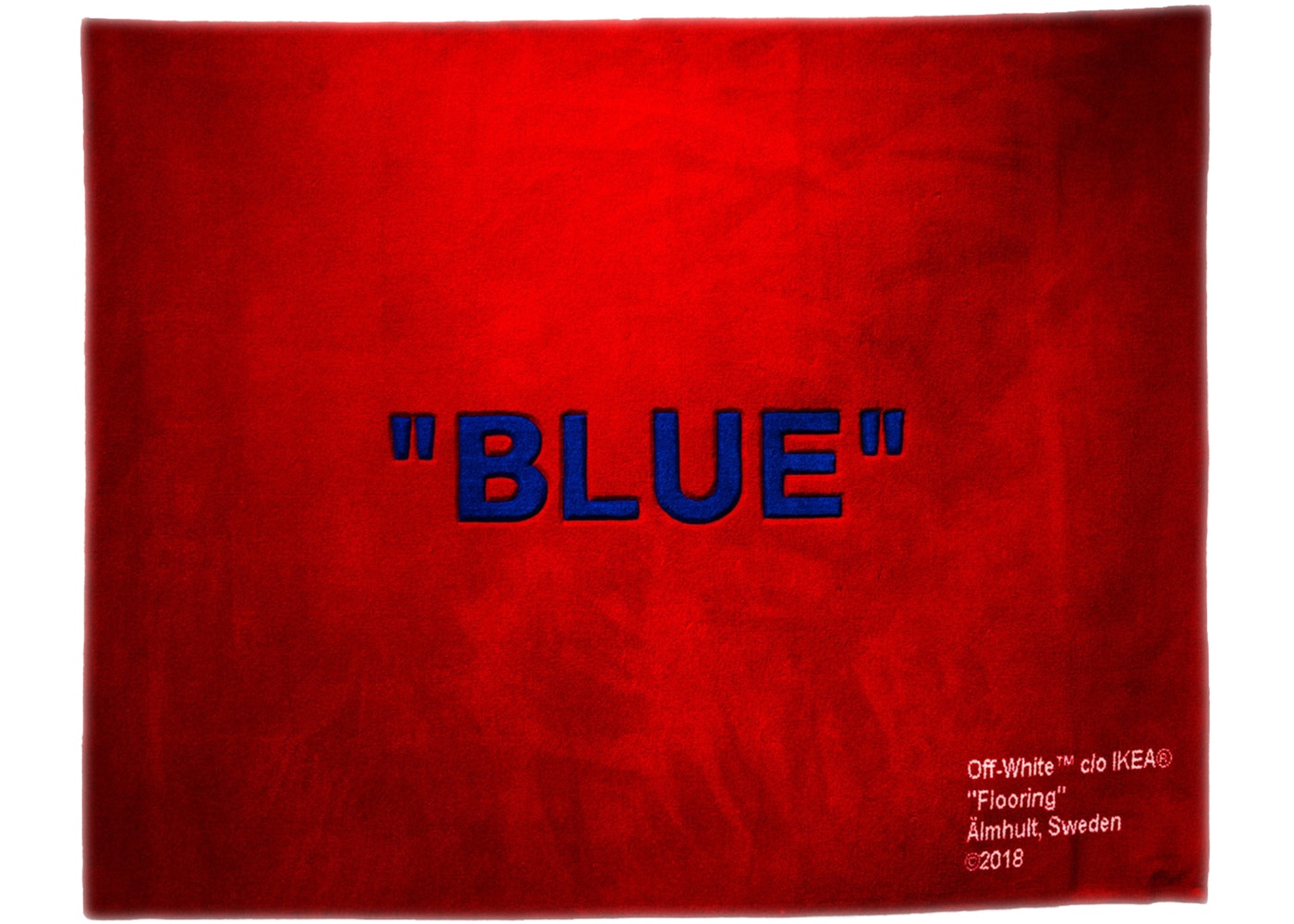
Virgil Abloh x IKEA “Blue” Rug
Louis Vuitton bags designed by Virgil Abloh
s artistic director for Louis Vuitton’s menswear collections, the founder and creative director of Off-White and Nike’s most collectible collaborator, Virgil Abloh’s designs have achieved cultural ubiquity while remaining objects of desire. He has popularized the aesthetic appeal of quotation marks, made zip-ties a luxury item, and spread his own hype far and wide, to places as different as IKEA and the Museum of Contemporary Art Chicago, where a mid-career retrospective of Abloh’s work was held this year. (The show, “Figures of Speech,” subsequently traveled to Atlanta’s High Museum of Art). Trained as an architect and tempered as creative director for Kanye West, there seem to be few mediums Abloh won’t eventually touch.
A
Numero
Graphic Designer, Type Caster
Louise
Fili
Medium Type, Year
Fili’s branding identity for Irving Farm Coffee Company
Fili’s branding identity for The Mermaid Inn
by Louise Fili, 2014
Grafica della Strada: The Signs of Italy
Fili’s branding identity for Txikito
Fili’s branding identity for chef Jean-Georges Vongerichten’s California Grapeseed Oil
f a font makes you hungry, it’s probably because Lousie Fili designed it. Often taking her cues from different periods in Italian culture, Fili’s lettering can range from seductive romanticism to assertive futurism. Her designs have elevated cookie packaging and wine labels and have given some of New York’s best places to eat, like Via Carota and Bar Pisellino, a graphic identity as timeless as what’s on the menu. Fili’s protégé Jessica Hische speaks about a deep and detailed love of lettering, evident in her own influential designs, from whimsically updated covers of classic books (The Odyssey, Heart of Darkness) to refined brand logos for businesses like Mailchimp and publications like The California Sunday Magazine.
Behane
Prop Stylist, Time Machine
Annie
Atkins
The Grand Budapest Hotel graphics
A passport movie prop
A bakery box prop from The Grand Budapest Hotel
A graphic from Annie Atkins’ upcoming book, Fake Love Letter, Forged Telegrams, & Prison Escape Maps: Designing Graphic Props for Filmmaking
Passport stamps created by Atkins
eed a forged passport or a royal proclamation written with a quill on a scroll? Drop Annie Atkins a line. As a graphic designer for props and sets in film and television, the 39-year-old Dubliner creates painstakingly period-correct materials—from newspapers to carpet patterns to ancient tombstones—that often get less screen time than the extras in a crowd scene. Atkins, who specializes in analog printing techniques and hand lettering, began her career in 2008 with historical TV series including The Tudors, Vikings and Penny Dreadful. She transitioned to film magnificently, creating the fictional world of Zubrowka in Wes Anderson’s 2014 confection The Grand Budapest Hotel. “It’s tricky designing something that doesn’t look like it was made by an art department,” Atkins has said. “You really have to shake off your digital instincts and step into the shoes of the character or the time or place.” Atkins recently wrote a book due in February 2020 about her profession and experiences called Fake Love Letters, Forged Telegrams, and Prison Escape Maps: Designing Graphic Props for Filmmaking. After working on Joker and the forthcoming West Side Story on Broadway, Atkins will reunite with Wes Anderson for his next feature.
N
Film Ireland
Graphic Designer, All - American Beauty
Aaron
Draplin
2008
Primary symbol for Barack Obama’s presidential campaign
by Aaron James Draplin, 2016
Draplin Design Co.: Pretty Much Everything
Star Ribbon Forever USPS postal stamp
Draplin’s branding identity for Cobra Dogs hot dog cart
Draplin’s branding identity for Patagonia
or the last two decades, few have filtered American culture into a cohesive, expansive visual language like Aaron Draplin. He draws cues from a universe of things like bygone NASA mission badges or a logo he saw on the bottom of a ’70s era Holiday Inn ashtray. Whether he’s making logos for Nike or Patagonia, posters for the Raconteurs, Marc Maron, or Bernie Sanders, or creating his own galaxy of merch, the devotional quality of a fan’s love is always present. Match that with Draplin’s refined skills, and everything he makes looks equally compelling, whether it’s a patch on your jean jacket or a billboard 100-feet high. Canada’s Globe and Mail calls him “the poster boy for timeless design.”
F
Design Boom
Graphic Designer, Cover Boy
Rodrigo
Corral
The Brief Wondrous Life of Oscar Wao, by Junot Diaz
Home is Burning, by Dan Marshall
The Fault in Our Stars, by John Green
2010
DVD packaging for Breathless
December 2008
he artist and designer’s genius is best explained via first-person account. Authors will write books purely for the chance to work with designer and artist Rodrigo Corral. I know. When Penguin Random House asked if I wanted to write a book about sneakers that would be designed by Rodrigo (who is also the creative director at Farrar, Straus & Giroux) I knew he’d given Jay-Z’s book, Decoded, the look of an illuminated manuscript with street cred. I also knew that he’d been Gary Shteyngart’s serial collaborator, and that he’d made so many iconic covers for authors like Chuck Palahniuk, James Frey and Jeff Vandermeer. Finally, I knew that I was essentially being asked to have magic design dust sprinkled all over whatever I’d create with my reporting partner, Alex French. The result, SNEAKERS, ended up on the New York Times Best Seller list. It’s really because Rodrigo put together a design package that proved irresistible to sneakerheads, the most extreme design critics of them all. SNEAKERS has 54 chapters and Rodrigo gave each one its own look and feel. It’s been two years since the book’s publication and I still find Rodrigo’s Easter eggs. Rodrigo makes books that are exciting in real time and end up being timeless.
WSJ
Graphic Designer, Newsstand Provocateur
Richard
Turley
July 2013
Bloomberg Businessweek magazine cover
May 2012
Graphics for MTV
Turley’s branding identity for Formula 1 Racing
The 57th D&AD Annual
rom provocative, must-see magazine covers during his years at Bloomberg Businessweek, to returning MTV to its aesthetic roots and designing the relaunch of Interview and his agency work for Wieden + Kennedy (notably a rebrand of Formula 1), Richard Turley brings a reliable edge everywhere he goes. His work is cutting and always feels as relevant as front-page news. Amongst prominent designers, Turley’s engagement with humor, both light and dark, remains a signature. “I’d hope that there’s a bit of naughtiness and cheekiness,” he said in an interview with It’s Nice That. “I like work that just feels a bit wrong.”
It's Nice That
Public Figures, National Treasures
Mr. & Mrs.
Kimye
Yeezy Boost 350 V2 sneakers
The Kardashian-Jenner sisters pose for Calvin Klein
Kanye West’s The Life of Pablo merchandise
by Kim Kardashian, 2015
Selfish
West captured by paparazzi
A campaign image for KKW Beauty featuring Kim Kardashian
Kanye West at for his fashion show for Yeezy Season 2
Kim Kardashian on the cover of Vogue
Kanye West’s “Sunday Service” merchandise
Kim Kardashian poses for Calvin Klein
qually beloved and reviled, Kimye—and, by extension, all the Kardashians and Jenners—have reshaped the business of celebrity, leveraging talent (and in the absence of it, relentless branding) into pop cultural dominance. West used his fame as a musician to pivot toward fashion, launching his self-designed Yeezy line of clomper-stomper sneakers in neutrals and powdery neon colors to a $1.5 billion haul in 2019. His 2014 marriage to Kardashian, who has pneumatically altered female beauty standards around the world and helped spawn the mini-Kim success of billionaire Kylie Jenner, has been mutually beneficial. Swathed in monochrome threads and living in a stark, nearly all-white house, West has partnered with a muse and connected with her massive and rabid fanbase; she has gained his mentorship as a designer (he created the logo and packaging for her shapewear line). “He’s just taught me to never compromise and to really take ownership,” she told Forbes. “Before, I would throw my name on anything.”
E
Instagram
Graphic Designer, Artist, Girl Power Pioneer
Paula
Scher
Scher’s branding identity for Citigroup
New Jersey Performing Arts Center
1994
Scher’s branding identity for the Public Theater show Blade to the Heat
Scher’s branding identity for the Public Theater show The Diva is Dismissed
Edited by Tony Brook & Adrian Shaughnessy, 2017
Paula Scher: Works
n an episode of the Netflix series Abstract: The Art of Design, Ellen Lupton, a curator of contemporary design at New York’s Cooper-Hewitt, asserts: “Paula [Scher] is the most influential woman designer on the planet.” Scher herself begins the episode saying, “Typography is painting with words. It’s my biggest high. It’s my crack.” Through Scher’s euphoria, we’re all lifted. She created the graphic identity for Manhattan’s Public Theater, the logo for The High Line, and developed graphic identities for New York City’s beaches after 2012’s Hurricane Sandy in an effort to breathe life into devastated oceanfront communities. Scher, a partner at Pentagram and a prodigious painter whose work sells for six figures, has used type to galvanize the spirit of the city and the world. “I’m driven by the hope,” she says in Abstract’s closing moments, “that I haven’t made my best work yet.”
Artsy
Director, Actor, Kiwi
Taika
Waititi
Jojo Rabbit
Thor: Ragnarok
What We Do in the Shadows
Flight of the Conchords
don’t have to be a tortured artist to be interesting,” this filmmaker told The Independent. “I can just be a fucking weird New Zealander and that’s enough.” Over the past five years, Taika Waititi, the Kiwi triple-threat writer, director, and actor, has slyly endeared himself to both cult audiences (with the vampire mockumentary What We Do In the Shadows) and Marvel blockbuster throngs (with the genuinely comedic Thor: Ragnarok). His latest film, Jojo Rabbit, in which the Maori-Jewish Waititi plays Adolf Hitler, is an even more audacious auteur experience, richly detailed with period-precise art direction. From blood-soaked Goth decrepitude to superhero CGI, Waititi’s absurdist imagination and visual acuity creates immersive worlds that complement his unique storytelling. “Don’t listen to people,” the 44-year-old said about the creative process. “Just do your own thing. You’ll be happier.”
Il Bifrost
Product Designers, Sneakerheads
Hatfield &
Parker
Air Max 1 in Royal Black
Air Jordan 3 "Tinker"
Nike x Marine Serre Limited Edition
Air Jordan 3 Retro
Nature of Motion
Nike Air Max 90 Ultra Superfly T
Nike x MMW Collection
NikeID
Nike CruzrOne
ven after working together at Nike for almost 40 years, Tinker Hatfield, Nike’s most famous designer, and Mark Parker, one of the company’s first designers and its outgoing CEO (on January 13th, he’s scheduled to become Nike’s executive chairman) still send each other new design ideas at all hours. “Drawings in the middle of the night,” says Hatfield, “two in the morning, using our iPads, our phones, text, email.” It’s hard to think of a duo whose work has penetrated culture more than Hatfield and Parker. The Swoosh is mass (the second biggest apparel manufacturer in the world according to Forbes), and yet cool in a way other brands are always chasing and trying to emulate. Hatfield’s Air Jordan designs, from 1988 onward, set the company on this course by dropping new models, building buzz, and connecting a shoe to an athlete and his or her fans in a way that had never been done. Parker led a brand that remains on fire with creativity. Nike has forged a new digital-age product and marketing machine and a line of technical, functional fashion which got millions of women out of jeans and into tights. “Mark and I just click as collaborators,” says Hatfield. “The drawings could fill a book.”
Nice Kicks
League of Its Own
NBA
April 2018
James Harden poses in front of his GQ cover
LeBron James enters the arena before a game
Russell Westbrook at Paris Fashion Week
LeBron James spotted out in New York
edoras and furs on Walt Frazier, Pat Riley decked in Armani, Magic Johnson’s fur coat moments: the NBA has a long history of blazing a trail that’s followed all over the world (save for a short period of a mandatory dress code). Now, through social media, the league’s looks come through even more regularly and more powerfully than ever. LeBron James’ Instagram feed showcases his wardrobe to 54 million followers almost nightly; he’s also appeared on the cover of Vogue and walked in a 2017 show for the surging brand KITH. James Harden delivered one of the most memorable fashion stories of the last decade, if not ever, when he wore pink sequined basketball shorts and Gucci florals in GQ. A video Vogue made about Russell Westbrook getting ready for the Louis Vuitton men’s show in Paris this past summer has been watched nearly half a million times. This season, Harden and Westbrook’s Houston Rockets literally rolled out a red carpet and hired a DJ for its pregame arena walk-in routine. And that’s just three players. No sports organization anywhere has a more influential and more widely copied aesthetic.
Hollywood Reporter / Essence
Fashion Designer, Unsung Genius
Rick
Owens
2013-2017
Collaboration with Adidas
Drop Crotch Harem Pants
2009
Rick Owens x Eastpak collaboration in Japan
Rick Owens Quilted Parka Liner Coat
Rick Owens x Birkenstock Arizona
ick Owens is the high-priest of “fuck- you fashion,” delivering edgy-yet- elegant rock ‘n’ roll and athleisure-infused designs including washed leather motorcycle jackets, tunic-length T-shirts with plunging necklines, drop crotch pants and sneakers swathed in shoelaces. And that’s just his men’s collection—which also features dresses, skirts, and fuzzy cowhide Birkenstocks. Owens studied painting and sculpture in his native Los Angeles, before learning pattern-making and launching his ready-to-wear debut in 1994. “Aesthetically, there’s a gray brutalism and a brooding darkness that has always appealed to me,” the master of androgyny and asymmetry has said. “At the same time, there’s a giddiness… the camp side of me that knows that it’s indulgent and can’t help but make fun of it.” Now living and working in Paris, Owens continues to refine his singular vision while simultaneously designing his languid luxury apparel and a collection of Bauhaus-influenced monolithic sculptural furniture made from concrete, stone, metal, plywood and, of course, antlers.
R
Art Net
Graphic Designer, Funny Guy
Michael
Bierut
Primary symbol for Hillary Clinton’s presidential campaign
by Michael Bierut, 2015
How to use graphic design to sell things, explain things, make things look better, make people laugh, make people cry, and (every once in a while) change the world
Bierut’s branding identity for Slack
Bierut’s branding identity for Mastercard
2006
Bierut’s branding identity for Saks Fifth Avenue
n the 21st century, personal computing and social media made everyone their own publisher and brand, but for this award-winning designer, art director, commentator and Yale educator, the pen is mightier than the stylus. As a partner in the global firm Pentagram, where his clients include The New York Times, the New York Jets, and Mastercard, Bierut, 62, ideates with Pilot Precise V5 rolling ball black pens and black-and-white speckled 7 ½-by-9 3/4-inch composition notebooks. He spent the first decade of his career working with the legendary Massimo Vignelli, who designed New York’s iconic subway signage. Trained in the analog era, his work is rigorous yet friendly, and few designers other than Bierut would dream of cutting up the evergreen Saks Fifth Avenue logo and Frankenstein-ing it back together on a shopping bag. A sly humor suffuses all of this visionary’s work, which, crucially, includes shaping the thinking and practices of generations as co-founder of the Design Observer website, editor and writer of design essay compilations, and author of How to use graphic design to sell things, explain things, make things look better, make people laugh, make people cry, and (every once in a while) change the world. Bierut has offered this advice to his acolytes: “You will find more interesting graphic design in a flea market anywhere than in a museum. Stay curious. If you are curious about everything, you will do better work.”