

Myth or Fact?
QUESTION 1:
Answer Explained:
MYTH
1
2
3
4
5
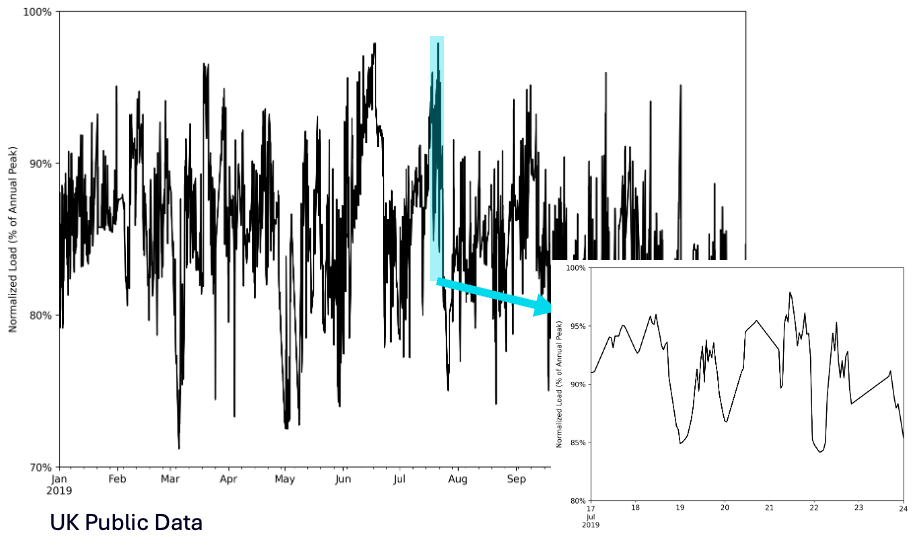
Data centers have a flat load.
Next Question
Partial Myth�
Partial
Fact
Fact
Load varies (and has always) due to things like (1) HVAC that results in increased load during hotter temperatures, e.g., during the summer and (2) workloads / usage by end-users that can vary by time of day, day of week, etc. Load shape has changed over time as new types of data center load expands.
MYTH
6
Myth or Fact?
QUESTION 2:
Answer Explained:
MYTH
1
2
3
4
5
Bringing your own generation will allow data centers to interconnect faster.
Next Question
Partial Myth�
Partial
Fact
Fact
It is being discussed at the state, utility and regional level, but few have set tariffs or processes.
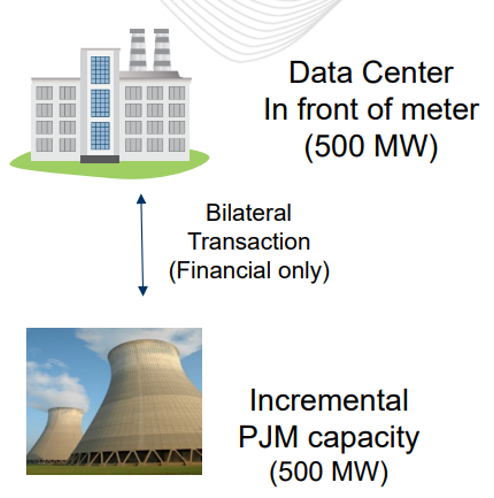
�E.g., In PJM, loads can bring additional generation that is obligated to participate in PJM capacity market. Generation can be directly owned or operate through a PPA Generation does not need to be co-located�Generation must be greater or equal to the load (when adjusted for forced outages)��
PARTIAL FACT
6
This is one of 8 options suggested at PJM’s Large Load Additions Workshop and preferred because it supports resource adequacy and has the potential for expedited interconnection (by 6-12 months). PJM might create a web portal to help pair generator developers with large loads.
Myth or Fact?
QUESTION 3:
Answer Explained:
MYTH
1
2
3
4
5
Data centers have their own custom customer classifications in tariffs.
Next Question
Partial Myth�
Partial
Fact
Fact
The Ohio PUC approved AEP's settlement agreement that establishes a new customer class for data centers. The new rate -- Schedule Data Center Tariff (DCT) -- applies to any data center customer with a new load (or expansion of existing load) greater than 25 MW.�
PARTIAL FACT
6
The tariff also defines other requirements including new collateral requirements, load ramp timelines, exit fees, and minimum demand charges, minimum demand charges. The tariff sets the minimum demand charge at either 85% of the highest monthly billing demand from the previous 11 months, or a scaled percentage of the customer's contract capacity. �

Myth or Fact?
QUESTION 4:
Answer Explained:
MYTH
1
2
3
4
5
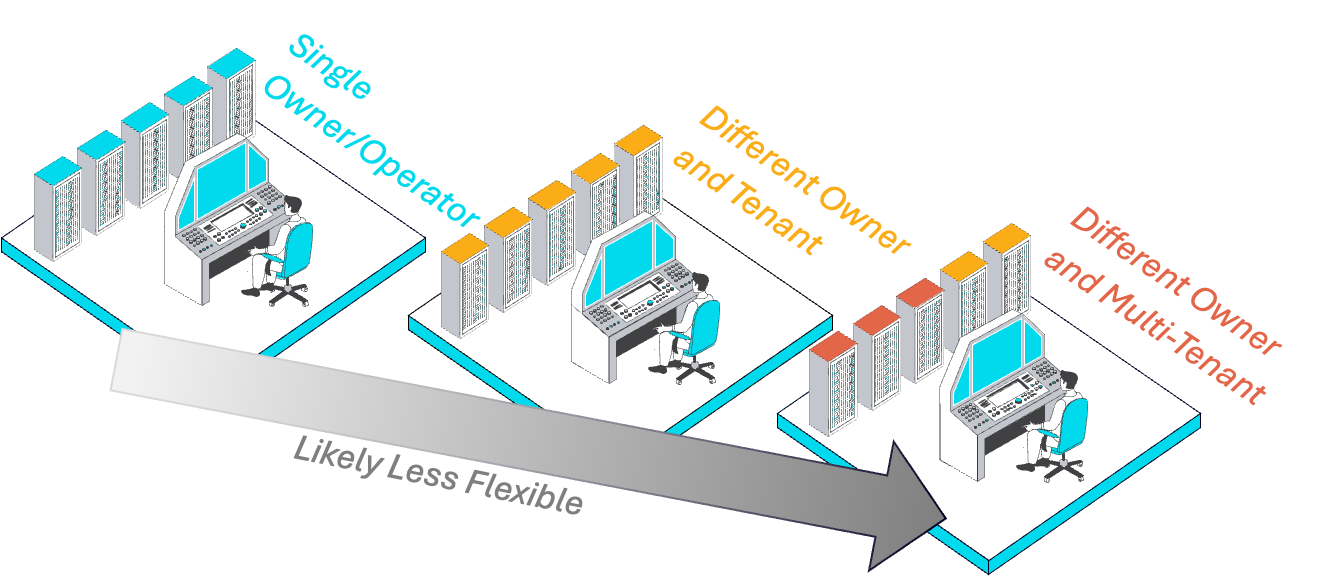
A data center with a single owner/ operator/ tenant will be more flexible than multiple tenants.
Next Question
Partial Myth�
Partial
Fact
Fact
Data center configurations vary enough that a single answer is difficult. The entity contracting with the utility will select rates and operations for the facility. There can be a single tenant that choose to change and modify operations based on system conditions, and others that choose less flexible operations. It is often easier for single owner/operators to make broad changes to enable flexible rates compared to an owner with multiple tenants who have different priorities. �
Partial myth
6
Myth or Fact?
QUESTION 5:
Answer Explained:
MYTH
1
2
3
4
5
Data centers in Texas will need to install equipment for remote disconnection.
Next Question
Partial Myth�
Partial
Fact
Fact
After Texas Senate Bill 6 passed, utilities must develop protocols to install equipment before loads are interconnected for remote disconnection during firm load shed (EEA3) events starting in 2026
Fact
6
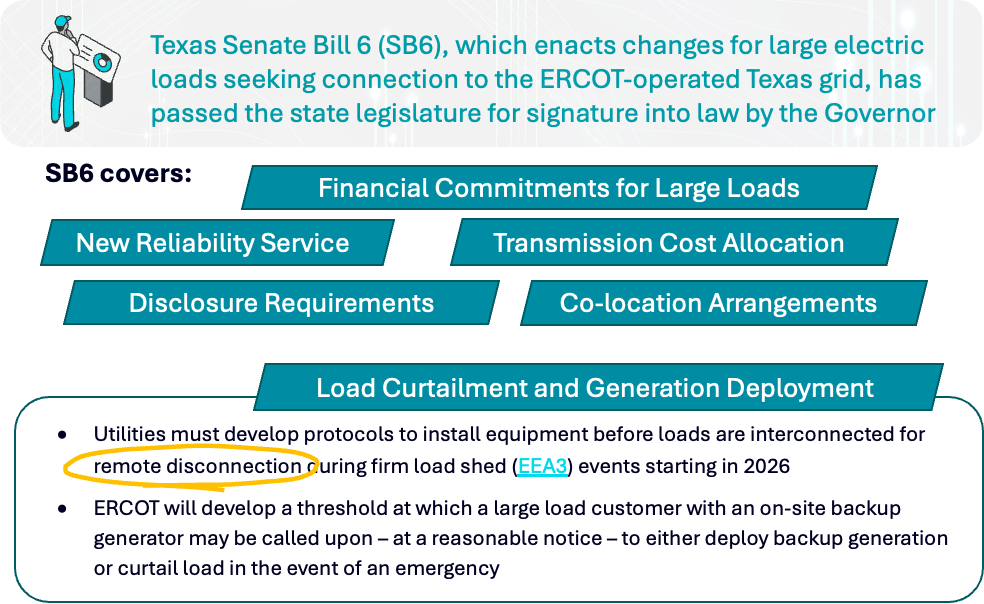
After Texas Senate Bill 6 passed, utilities must develop protocols to install equipment before loads are interconnected for remote disconnection during firm load shed (EEA3) events starting in 2026
Fact
Myth or Fact?
QUESTION 6:
Answer Explained:
Partial Fact
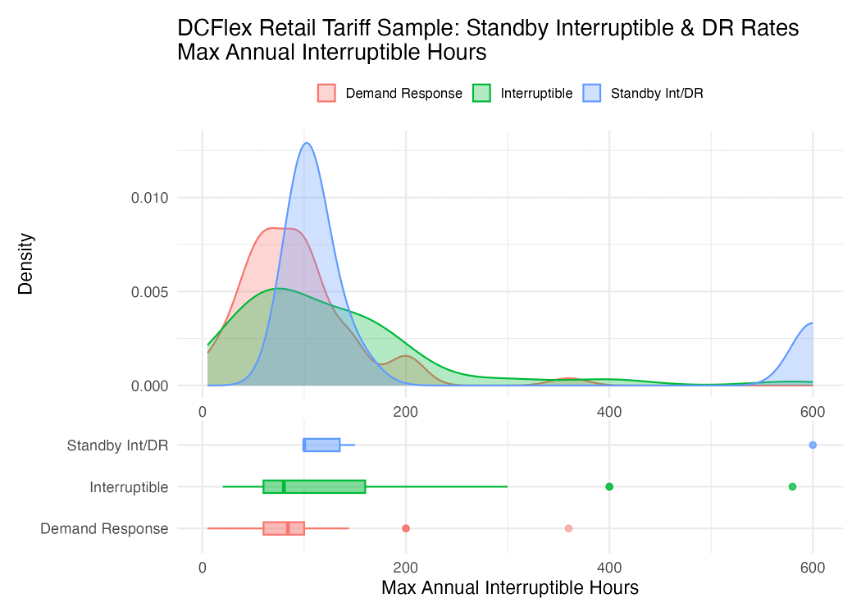
EPRI's flexible load tariff sample dataset shows that Interruptible rates have somewhat higher limits on annual interruptible hours than Demand Response programs. Maximums range from 180 hours to 720 hours or even unlimited interruptions.
Check out the DCFlex tariff database to learn more about the different tariff options for data centers. �
MYTH
Partial Myth�
Partial
Fact
Fact
HOME
1
2
3
4
5
6
Interruptible Rates authorize utilities to interrupt service to customers more than Demand Response programs.