

Finding the Right Balance:
Choosing an Inhaled Corticosteroid/ Inhaled Long-Acting β2-Agonist for Your Patients with Moderate Asthma


Promotional Article Funded by GSK
For Healthcare Professionals Only
Meeting Summary

Indications and prescribing information for the UK are available here for Relvar (fluticasone furoate/vilanterol), here for Seretide (fluticasone propionate/ salmeterol), here for Flixotide (fluticasone propionate), and here for Ventolin (salbutamol sulfate). Adverse event reporting information can be found at the end of the article. For non-UK HCPs, please refer to your country's label before prescribing.
INTRODUCTION
Asthma causes substantial morbidity and mortality worldwide.1 Steps 3 and 4 of the Global Initiative for Asthma (GINA) strategy recommend an ICS and inhaled LABA as maintenance therapy for moderate asthma.2 Inhaler devices with various ICS/LABA combinations are available.3 Choosing an ICS/LABA inhaler should consider efficacy, effectiveness, safety, patient characteristics/phenotype, patient views, and practical issues.2
WHY IS TIMELY ASSESSMENT CRITICAL FOR ICS/LABA INITIATION IN MODERATE ASTHMA?


Ashley Woodcock
Asthma is poorly controlled in the real world; in one study, 90% of patients experienced daytime symptoms more than twice weekly.4


ASTHMA TRIGGERS
of patients experienced daytime symptoms more than twice weekly.4
In one study,
90%
An accurate diagnosis requires timely, careful assessment,2 including evaluation of risk factors for asthma development/progression5-7 and exacerbations.8 Woodcock emphasised the importance of understanding each patient’s circumstances.
CHOOSING THE FIRST INHALED CORTICOSTEROID/INHALED LONG-ACTING β2-AGONIST FOR YOUR PATIENTS: FROM EVIDENCE TO PRACTICE





Adherence
Treatment Response
Patient Preferences�& Sustainability
Summary
Achieving optimum balance between patient characteristics, molecular properties, and device choice is key to successful�asthma management.
Woodcock concluded that once-daily dosing with FF/VI is a sustainable treatment approach that may promote adherence and help patients achieve good asthma control.



WHAT IS THE RIGHT BALANCE TO LOOK FOR WHILE SELECTING AN INHALED CORTICOSTEROID/INHALED LONG-ACTING β2-AGONIST?

Dave Singh
Differentiating Between ICS by Pharmacological Properties
Exacerbation Risk

Glucocorticoid receptor binding affinity and lung retention time with FF vs other ICSs.
A randomised, cross-over study found that FF reduced airway hyperresponsiveness in patients with asthma more effectively than FP or BUD while causing less cortisol suppression.28

Asthma control with FF/VI vs usual care (See Treatment Response section above for details on SLS study).16
In five retrospective cohort studies, FF/VI was associated with fewer relapses29 and greater FEV1 improvement30 than BDP/Form, and better adherence than BUD/Form,12,14,31 BDP/Form,12,31 or FP/salmeterol.14,31
Modelled Outcomes of Different ICS/LABAs


Bronchoprotective Effects
Furthering available RWE, clinical modelling and simulation scenarios predict that FF/VI might have a beneficial effect on exacerbation risk and symptom control, even in patients at high risk based on baseline characteristics, with stronger bronchoprotective effect and lower cortisol suppression vs. BUD/Form.34,35
Summary
In Singh’s opinion, both patient characteristics and drug molecular characteristics must be considered when selecting an ICS/LABA.
Singh suggested that FF/VI might be a suitable option for many patients with moderate asthma, given the evidence from real-world studies and simulations.

Christian Domingo
In the 2024 GINA strategy, the ‘preferred’ maintenance option (Track 1) for moderate asthma is low-dose (Step 3) or medium-dose (Step 4) ICS/Form, while the ‘alternative’ option (Track 2) is low-dose (Step 3) or medium/high-dose (Step 4) regular dosing with ICS/LABA.2
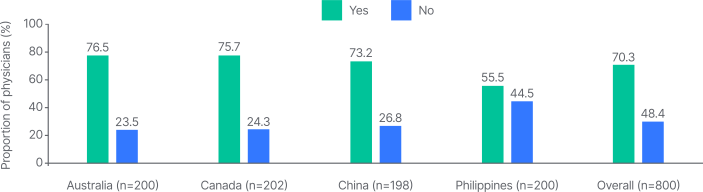
Many patients and physicians are unaware of MART,and its prescription in practice does not always followguidance.50 It is therefore critical to assess which track is the most beneficial for patients.
Domingo considered three real-world cases to explore whether FF/VI (Track 2) might be more appropriate than BUD/Form (Track 1) for such patients. The cases were presented with the permission of the patients, and patient identifiers were removed.



Case Studies



Case studies including patient information courtesy of Dr Domingo and Universitat Autònoma de Barcelona, with permission of the patient.
Summary
Domingo emphasised that ICS/LABA selection should aim for a balance between efficacy and practicality/convenience.
Taking into consideration drug efficacy, safety profile, patient behaviours, and adherence, FF/VI may be a more suitable option than GINA Track 1 for many patients with moderate asthma.

CONCLUSION
Timely assessment and partnering with patients are essential for early therapy initiation, good adherence, and effective asthma control.
Patient characteristics and drug molecular properties should be considered, as they can impact outcomes.
Given the data presented at the symposium, FF/VI may be a preferred choice for moderate asthma, depending on patient characteristics.

ADDITIONAL INFORMATION
Indications and prescribing information for the UK are available here for Relvar (fluticasone furoate/vilanterol), here for Seretide (fluticasone propionate/salmeterol), here for Flixotide (fluticasone propionate), and here for Ventolin (salbutamol sulfate).17,18,44-49 Adverse event reporting information can be found at the end of the article. For non-UK HCPs, please refer to your country's label before prescribing.
Adverse Events:
Relvar has a generally well-tolerated safety profile with adverse events consistent with the ICS/LABA class of medications. The most commonly reported adverse events with fluticasone furoate/vilanterol were headache and nasopharyngitis.17,18
Asthma-related adverse events and exacerbations may occur during treatment with fluticasone furoate/vilanterol. Patients should be asked to continue treatment but to seek medical advice if asthma symptoms remain uncontrolled or worsen after initiation of treatment.17,18
Adverse events should be reported. Reporting forms and information can be found at https://yellowcard.mhra.gov.uk or search for MHRA Yellowcard in the Google Play or Apple App Store. Adverse events should also be reported to GSK on 0800 221 441 or UKSafety@gsk.com.
References

Abbreviations

Job code: PM-GBL-FFV-ADVR-250001 | Date of preparation: June 2025
ICS/LABA AND DEVICE CHOICE
Prescribing Information for the UK for Relvar (fluticasone furoate/vilanterol), Seretide (fluticasone�propionate/ salmeterol), Flixotide (fluticasone propionate), and Ventolin (salbutamol sulfate), can be found�at the top and end of this article.
Adverse event reporting information can be found at the end of the article. For non-UK HCPs, please refer to your country's label before prescribing.
This promotional GSK-sponsored symposium intended for healthcare professionals took place on 9th September 2024 as part of the European Respiratory Society (ERS) Congress held in Vienna, Austria.
Chairperson: Ashley Woodcock1,2
Speakers: Ashley Woodcock,1,2 Dave Singh,3 Christian Domingo4-7
1. Respiratory Medicine, University of Manchester, UK
2. The North-West Lung Centre, Wythenshawe Hospital, Manchester, UK
3. Clinical Pharmacology and Respiratory Medicine, University of Manchester, UK
4. Medicine, Autonomous University of Barcelona, Spain
5. Pulmonary Medicine, Sabadell Hospital, Barcelona, Spain
6. Department of Anatomy and Physiology, International University of Catalonia, Barcelona, Spain
7. Health Economy, University of Malaga, Spain
Disclosure: Woodcock is Co-chair of the Montreal Protocol Technology and Economic Assessment Panel; member of the Medical Technical Options Committee; board member for the North-West Lung Centre Charity; co-chair of Moulton Charitable Trust; Chairman of the Medicines Evaluation Unit; Chairman/shareholder of Axalbion and Reacta Biotech; and has received consultant/travel support from GSK and Orion. Singh is the Medical Director of the Medicines Evaluation Unit; member of the Global Initiative for Chronic Obstructive Lung Disease (GOLD) Science Committee; former Chair of the European Respiratory Society (ERS) airway pharmacology group; Editor of the European Respiratory Journal and European Respiratory Review; fellow of the European Respiratory Society and British Pharmacological Society; and has received consultancy fees from Aerogen, AstraZeneca, Boehringer Ingelheim, Chiesi, Cipla, CSL Behring, EpiEndo, Genentech, GSK, Glenmark, Gossamer Bio, Kinaset Therapeutics, Menarini, Novartis, Orion, Pulmatrix, Sanofi, Teva, Theravance Biopharma, and Verona Pharma. Domingo has received consultancy fees from ALK-Abelló, Allergy Therapeutics, Almirall, AstraZeneca, Boehringer Ingelheim, Chiesi, Esteve, Ferrer, GSK, Hall Allergy, Immunotek, Menarini, Novartis, Pfizer, Sanofi, Stallergenes, Takeda, and Teva. All speakers received an honorarium from GSK for this symposium.
Acknowledgements: Writing assistance was provided by Stevan Rakovic, Witney, UK, and supported by Hannah Moir, EMJ, London, UK, and designed by Owen Silcox, EMJ, London, UK.
Disclaimer: The opinions expressed in this promotional article belong solely to the speakers. This article has been reviewed by GSK to ensure compliance with the UK industry code of practice. Registration conditions differ internationally. Please refer to the label in your country for local prescribing information. This article is intended for healthcare professionals only. The purpose of this interactive article is to help HCPs learn about the symposium summary in an interactive manner and that each section are interlinked and not mutually exclusive from the other.
Original Article Citation: EMJ Respir. 2024;12[Suppl 3]:2-8. https://doi.org/10.33590/emjrespir/WNVZ9040.
Keywords: Asthma, fluticasone furoate (FF), inhaled corticosteroid (ICS), inhaler, long-acting beta-agonist (LABA), vilanterol (VI).
Support: The publication of this symposium review article was funded by GSK.

Meeting Summary
A promotional GSK-sponsored symposium invited three experts to discuss their main considerations when selecting an inhaled corticosteroid (ICS)/inhaled long-acting β2-agonist (LABA) combination for patients with moderate asthma. Ashley Woodcock, Professor of Respiratory Medicine, University of Manchester; and Consultant Physician at The North-West Lung Centre, Wythenshawe Hospital, Manchester, UK, explained why timely assessment is critical for ICS/LABA initiation. Dave Singh, Professor of Clinical Pharmacology and Respiratory Medicine, University of Manchester, UK, described factors to consider when selecting an ICS/LABA. Christian Domingo, Professor of Medicine, Autonomous University of Barcelona; Consultant of Pulmonary Medicine, Sabadell Hospital, Barcelona; Professor of the Department of Anatomy and Physiology, International University of Catalonia, Barcelona; and Professor of the master’s degree programme in Health Economy, University of Malaga, Spain, presented real-world cases illustrating ICS/LABA selection in different patients. The experts agreed that once-daily (OD) dosing with fluticasone furoate/vilanterol (FF/VI) may be a suitable option for many patients with moderate asthma.

Respiratory Medicine, University of Manchester, UK; The North-West Lung Centre, Wythenshawe Hospital, Manchester, UK


Eating
Perfume
Temperature change
Air fresheners
Deodorants
Spray
Gastroesophageal reflux disease
Postnasal drip
Adherence
Better therapeutic adherence to ICS was associated with reduced asthma-related mortality in a retrospective cohort study.9 However, many patients have low adherence and suboptimal asthma control.10
Better adherence to combination ICS/LABA inhalers than to separate ICS and LABA inhalers11
Better adherence to FF/VI OD than to budesonide/ formoterol (BUD/Form) twice daily (BD)12-14
•
•
Retrospective, observational studies have reported:
Treatment Response
The Salford Lung Study (SLS)
A Phase III randomised controlled trial, compared FF/VI (100/25 or 200/25 µg OD) with usual care in patients aged ≥18 years with asthma.4
Usual care was ICS monotherapy (including beclomethasone dipropionate [BDP], BUD, ciclesonide, and fluticasone propionate [FP]) or ICS/LABA therapy (including BDP/Form, BUD/Form, FP/Form, and FP/salmeterol).15
The FF/VI group had higher odds of being a responder (Asthma Control Test [ACT] total score ≥20 and/or increase from baseline ≥3%) than the usual care group at 24 weeks (adjusted odds ratio: 1.91; 95% CI: 1.57–2.33; p<0.001).16
Note: no comparative studies of FF/VI versus BUD/Form and BDP/Form are included in the Relvar (fluticasone furoate/vilanterol) Summary of Product Characteristics.17,18

Treatment Response Cont...
In two studies, FF/VI was superior to FF or FP for the primary endpoint (FEV1), except FF/VI 92/22 μg OD versus FF 92 μg OD (not significant).19,20
In another study, severe asthma exacerbation risk was 20% lower in patients receiving FF/VI 92/22 μg compared with FF 92 μg alone (hazard ratio: 0.795; 95% CI: 0.642–0.985; p=0.036).21
A randomised controlled trial comparing FF/VI versus FP/salmeterol did not show a superior reduction in FEV1 (FF/VI n=403 versus FP/salmeterol n=403, least-squares mean change from baseline in serial [0–24 hours] FEV1 at Week 24, -37 mL; 95%CI: -88–15 mL; p=0.162).22

Patient Preferences & Sustainability
Dry powder inhalers (DPI) have a lower carbon footprint than pressurised metered dose inhalers.23 The carbon footprint of maintenance therapy was lower for FF/VI (i.e., DPI) than for usual care in the SLS.16 Most surveyed patients prefer a DPI for everyday use (approximately 80%)24 and would consider switching to a DPI for environmental reasons (approximately 60%).25
Figure 1: Adjusted annual carbon footprint following maintenance and rescue care in the usual care vs FF/VI groups1
Figure 1: Adjusted annual carbon footprint following maintenance and rescue care in the usual care vs FF/VI groups1
Adjusted geometric mean total
kg CO2 per patient/year
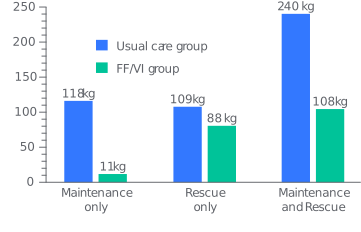
Reproduced from Woodcock et al., 202216�with permission from BMJ Publishing Group Ltd.
Clinical Pharmacology and Respiratory Medicine, University�of Manchester, UK

In vitro, FF has a higher glucocorticoid receptor binding affinity than mometasone furoate (MF), FP, BDP, ciclesonide, BUD, triamcinolone acetonide, flunisolide, or prednisolone, meaning a lower therapeutic daily inhaled dose is required for equivalent efficacy.26 FF also shows a longer retention time in human lung epithelial cells than MF, FP, or BUD.27
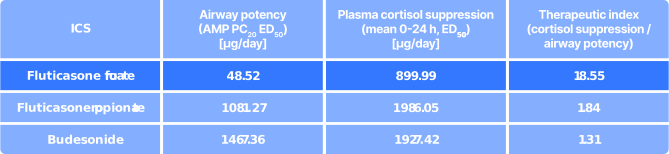
FF has a higher therapeutic index for airway potency vs cortisol suppression than FP and BUD.*28
Bronchoprotective Effects
A mathematical model comparing bronchoprotective effects between ICS regimens was developed based on pharmacokinetics/pharmacodynamics data, built using datasets from six real-world studies,4,12-14,31,32 and validated utilising data from four additional studies.33
The model’s real-world simulations predicted that FF/VI might exert a numerically stronger bronchoprotective effect and cause less cortisol suppression than BUD/Form.34



Study design
Disclaimer


Study limitations
Study Design
The modelling study evaluated the bronchoprotection and systemic activity (cortisol suppression) profiles of FF and BUD across a range of adherence scenarios and real-world studies.34 Simulations were performed using a previously validated PK/PD model using data from published studies.33 These findings may not directly correlate to clinical outcomes in daily practice.34
Disclaimer:
Note: the results were based on modelling data and cannot be extrapolated to clinical outcomes. The study evaluated the efficacy (bronchoprotection) and systemic activity (cortisol suppression) profiles of FF and BUD across a range of adherence scenarios. Simulations were performed using a previously published and validated pharmacokinetics/ pharmacodynamics model using data from six real-world studies.
Bronchoprotection was defined as the ability of an ICS to prevent a drop of >20% in FEV1 in an adenosine monophosphate challenge test.33,34
The study limitations include:
These results build on an earlier PK/PD modeling study, but assumptions on lung binding have not been directly validated by measurements in human lung tissue.
Bronchoprotective effects were only estimated through anti-inflammatory mechanisms.
Only widely available ICS and ICS-containing regimens were included; P-values were not calculated; and conclusions about statistical significance could not be made.33,34
Clinical studies are required to corroborate these findings.
Head-to-head exacerbation reduction studies do not currently exist.
Exacerbation Risk - Impact of Patient Characteristics
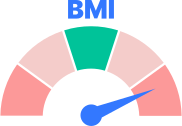
A modelling study reported that higher BMI, poorer symptom control (higher five-component Asthma Control Questionnaire score), current smoking (versus never smoked), and being female (versus male) increased asthma exacerbation risk.8



Exacerbation Risk - Treatment Choice
A modelling study, using data from 24,292 patients with moderate-to-severe asthma in ten Phase III/IV trials, ran simulations to evaluate the impact of baseline characteristics and treatment choices on outcomes.35

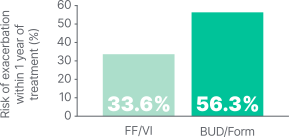
Regardless of exacerbation history, the risk of exacerbation within 1 year of treatment was predicted to be lower for FF/VI than for BUD/Form (33.6% versus 56.3% in patients with more than one exacerbation in the previous year; p<0.01).35
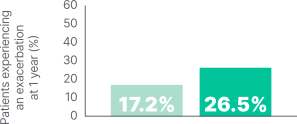
In patients with asthma uncontrolled by FP monotherapy, step-up at 3 months to FF/VI was predicted to result in fewer patients experiencing an exacerbation at 1 year than step-up to BUD/Form (17.2% versus 26.5% in patients with poorly controlled asthma; p<0.01).35
Study design
Study limitations
A time-to-event model was developed using pooled patient data (N=16,282) from nine clinical studies.
Impact of covariates on exacerbation hazard (based on validated model) was relative to a base hazard
on FP monotherapy.8
Clinical trials often exclude comorbidities, and are more frequently monitored, which may not reflect clinical practice. Only studies for which GSK has individual level patient data were were included in the analysis hence results cannot be generalised. Future work is required to corroborate the current findings based on these models in clinical studies.
Results were based on simulations rather than direct in vivo patient observations.
Only studies for which GSK had individual-level patient data were included, so the findings cannot�be generalised.
Clinical trials may not reflect clinical practice.
Simulations were based on specific scenarios/baseline characteristics, but the results might vary if these characteristics were weighted differently or other characteristics were considered.
And the effects of step-up to FF/VI and BUD/Form were assumed to be consistent over the 1-year period, which may not be the case in real-world settings.
Clinical studies are needed to corroborate this model’s findings.
The study limitations include:
•
•
•
•
•
•
Medicine, Autonomous University of Barcelona, Spain; Pulmonary Medicine, Sabadell Hospital, Barcelona, Spain; Department of Anatomy and Physiology, International University of Catalonia, Barcelona, Spain; Health Economy, University of Malaga, Spain

Patients
Physicians
Patients: Are you aware of this approach (MART) for treating asthma?
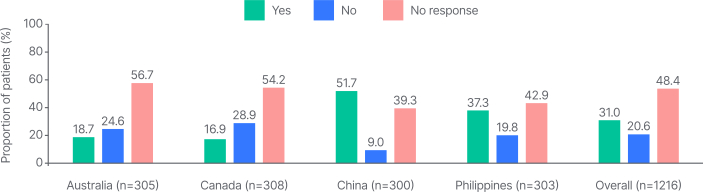
n= number of patients who responded to the question; MART, maintenance and reliever therapy.
Reproduced from Chapman KR et al. 202150 under a Creative Commons license (CC BY 4.0. Available at: https://creativecommons.org/licenses/by/4.0/).
Patients
Physicians: Are you aware of the MART dosing approach for asthma?
n= number of patients who responded to the question; MART, maintenance and reliever therapy.
Reproduced from Chapman KR et al. 202150 under a Creative Commons license (CC BY 4.0. Available at: https://creativecommons.org/licenses/by/4.0/).
Physicians
Case Study 1: 35 years old


Had uncontrolled moderate asthma despite good therapeutic adherence (BUD 400 µg/day plus as-needed salbutamol).
Domingo considered whether FF/VI (Track 2) might be a more suitable option than ICS/Form (Track 1).
Higher asthma control rate (71% versus 56% for usual care; see Treatment Response section above for SLS details)4
Higher exacerbation-free rate at 12 months (86.5% versus 84.7% for BUD/Form; based on a cohort retrospective study)36
Lower exacerbation rate following step-up from ICS monotherapy (17.2% versus 26.5% for BUD/Form; based on a modelling study)35
Lower cortisol suppression rate (7–14% for FF versus 13–44% for BUD; based on a randomised cross-over study)28
Higher Asthma Quality of Life questionnaire score improvement rate (56% versus 44% for other ICS/LABA; see above section on Treatment Response for SLS study design and limitations)37
Lower reliever canister use by patients with poorly controlled asthma (1.47/year versus 1.64/year for BUD/Form; based on a retrospective cohort study)36
When compared with some other types of ICS/LABA, possible advantages of FF/VI include:
According to Domingo, FF/VI could be an appropriate option for this patient, given that asthma management should aim for symptom control, exacerbation reduction, risk minimisation, and better quality of life.
Case Study 2: 28 years old
Had moderate asthma uncontrolled on ICS monotherapy (BUD 800 µg/day plus as-needed salbutamol) and struggled using their inhaler.
Domingo discussed how several aspects of inhaler use can cause issues for patients, including preparation/timing of a second dose.38 This may not be an issue with FF/VI, which delivers the full dose in one inhalation.17,18,39
Two multicentre, randomised, cross-over studies found a lower critical error rate for FF/VI than for MF/indacaterol/glycopyrronium bromide (6% versus 26%; p<0.01)40 or BUD/Form (5% versus 33%; p<0.01).41

Domingo suggested that FF/VI delivered by Ellipta device might be a good option in this case.


Study 140
Study 241
Study 140
Randomised, open centre, 2x2 complete block
114 patients Ellipta- and Breezhaler-naïve
Primary endpoint: number of patients who made ≥1 critical error at Attempt 1 after reading the PIL
Proportion of patients with performing more than 1 critical errors:
Ellipta = 6% (n=7/114)
Breezhaler = 26% (n=30/114)
OR 0.11, 95% CI 0.01-0.40; p<0.001
Study 241
Randomised, multicentre, crossover study
Randomisation: Ellipta vs Diskus (n=70), Ellipta vs MDI (n=32), or Ellipta vs Turbuhaler (n=60)
Primary endpoint: percentage of patients making ≥1 critical error after reading the PIL only
Proportion of patients who made ≥1 critical errors (p<0.001):
• Ellipta = 5% (n=3/60)
• Turbuhaler = 33% (n=20/60)
Case Study 3: 74 years old
Had moderate asthma but poor adherence to ICS monotherapy (BUD 400 µg four times daily).
A prospective cohort study suggested that non-adherence to ICS-containing
therapy contributes to exacerbations.42
Aspects influencing adherence include dosing schedule, duration of action,
device ease-of-use, patient satisfaction, and patient preference.41,43
A retrospective cohort study reported that, compared with BUD/Form or BDP/Form, FF/VI was associated with higher rates of adherence (after propensity score matching: 58.1% versus 48.3% for BUD/Form and 45.8% for BDP/Form) and treatment persistence at 12 months (69% versus 53% for BUD/Form and 57% for BDP/Form).12
Domingo indicated that FF/VI may be a suitable choice in this case given its once-daily dosing and rates of adherence.
1. GBD Chronic Respiratory Disease Collaborators. Prevalence and attributable health burden of chronic respiratory diseases, 1990-2017: a systematic analysis for the Global Burden of Disease Study 2017. Lancet Respir Med. 2020;8(6):585-96.
2. Global Initiative for Asthma (GINA). Global strategy for asthma management and prevention, 2024. Updated May 2024. Available at: https://ginasthma.org/2024-report/. Last accessed: 4 August 2025.
3. Stein SW, Thiel CG. The history of therapeutic aerosols: a chronological review. J Aerosol Med Pulm Drug Deliv. 2017;30(1):20-41.
4. Woodcock A et al. Effectiveness of fluticasone furoate plus vilanterol on asthma control in clinical practice: an open-label, parallel group, randomised controlled trial. Lancet. 2017;390(10109):2247-55.
5. Gautier C, Charpin D. Environmental triggers and avoidance in the management of asthma. J Asthma Allergy. 2017;10:47-56.
6. James AL et al. Decline in lung function in the Busselton Health Study: the effects of asthma and cigarette smoking. Am J Respir Crit Care Med. 2005;171(2):109-14.
7. Miethe S et al. Obesity and asthma. J Allergy Clin Immunol. 2020;146(4):685-93.
8. Oosterholt S et al. Modelling ASthma TrEatment Responses (MASTER): effect of individual patient characteristics on the risk of exacerbation in moderate or severe asthma: a time-to-event analysis of randomized clinical trials. Br J Clin Pharmacol. 2023;89(11):3273-90.
9. Suissa S et al. Low-dose inhaled corticosteroids and the prevention of death from asthma. N Engl J Med. 2000;343(5):332-6.
10. Kerr PJ et al. Improving medication adherence in asthma. Semin Respir Crit Care Med. 2022;43(5):675-83.
11. Stoloff SW et al. Improved refill persistence with fluticasone propionate and salmeterol in a single inhaler compared with other controller therapies. J Allergy Clin Immunol. 2004;113(2):245-51.
12. Parimi M et al. Persistence and adherence to ICS/LABA drugs in UK patients with asthma: a retrospective new-user cohort study. Adv Ther. 2020;37(6):2916-31.
References


13. Stanford RH et al. Assessment of adherence and asthma medication ratio for a once-daily and twice-daily inhaled corticosteroid/long-acting β-agonist for asthma. J Allergy Clin Immunol Pract. 2019;7(5):1488-96.e7.
14. Averell CM et al. Medication adherence in patients with asthma using once-daily versus twice-daily ICS/LABAs. J Asthma. 2021;58(1):102-11.
15. GSK. An effectiveness study comparing fluticasone furoate (FF, GW685698)/vilanterol (VI, GW642444) with standard treatment in asthma. NCT01706198. https://clinicaltrials.gov/study/NCT01706198.
16. Woodcock A et al. Effects of switching from a metered dose inhaler to a dry powder inhaler on climate emissions and asthma control: post-hoc analysis. Thorax. 2022;77(12):1187-92.
17. Electronic Medicines Compendium. Relvar Ellipta 184 micrograms/22 micrograms inhalation powder, pre-dispensed summary of product characteristics. Available at: https://www.medicines.org.uk/emc/product/5225/smpc. Last accessed: 4 August 2025.
18. Electronic Medicines Compendium. Relvar Ellipta 92 micrograms/22 micrograms inhalation powder, pre-dispensed summary of product characteristics. Available at: https://www.medicines.org.uk/emc/product/5226/smpc. Last accessed: 4 August 2025.
19. GSK. Efficacy/safety study of fluticasone furoate/vilanterol (GW642444) in adult and adolescent asthmatics. NCT01165138. https://clinicaltrials.gov/study/NCT01165138.
20. GSK. Efficacy/safety study of fluticasone furoate/vilanterol (GW642444) in adult and adolescent asthmatics. NCT01134042. https://clinicaltrials.gov/study/NCT01134042.
21. GSK. Asthma exacerbation study. NCT01086384. https://clinicaltrials.gov/study/NCT01086384.
22. GSK. Efficacy and safety of fluticasone furoate/vilanterol (GW642444) in adults and adolescents. NCT01147848. https://clinicaltrials.gov/study/NCT01147848.
23. Wilkinson A, Woodcock A. The environmental impact of inhalers for asthma: a green challenge and a golden opportunity. Br J Clin Pharmacol. 2022;88(7):3016-22.
35. Paggiaro P et al. Baseline characteristics and maintenance therapy choice on symptom control, reliever use, exacerbation risk in moderate-severe asthma: a clinical modelling and simulation study. Adv Ther. 2024;DOI:10.1007/s12325-024-02962-2.
36. Averell CM et al. Symptom control in patients with asthma using inhaled corticosteroids/long-acting β2-agonists (fluticasone furoate/vilanterol or budesonide/formoterol) in the US: a retrospective matched cohort study. J Asthma. 2022;59(9):1805-18.
37. Svedsater H et al. Patient-reported outcomes with initiation of fluticasone furoate/vilanterol versus continuing usual care in the Asthma Salford Lung Study. Respir Med. 2018;141:198-206.
38. Gleeson PK et al. Controller inhalers: overview of devices, instructions for use, errors, and interventions to improve technique. J Allergy Clin Immunol Pract. 2020;8(7):2234-42.
39. Electronic Medicines Compendium. Relvar Ellipta Patient Information Leaflet. Last updated August 2021. Available at: https://www.medicines.org.uk/emc/files/pil.5226.pdf. Last accessed: 4 August 2025.
40. van der Palen J et al. A randomized, cross-over study comparing critical and overall errors, learning time, and preference of the ELLIPTA versus BREEZHALER dry powder inhalers in patients with asthma. Respir Med. 2022;205:107031.
41. van der Palen J et al. A randomised open-label cross-over study of inhaler errors, preference and time to achieve correct inhaler use in patients with COPD or asthma: comparison of ELLIPTA with other inhaler devices. NPJ Prim Care Respir Med. 2016;26:16079.
42. Williams LK et al. Quantifying the proportion of severe asthma exacerbations attributable to inhaled corticosteroid nonadherence. J Allergy Clin Immunol. 2011;128(6):1185-91.e2.
43. Svedsater H et al. Ease of use of the ELLIPTA dry powder inhaler: data from three randomised controlled trials in patients with asthma. NPJ Prim Care Respir Med. 2014;24:14019.
44. Electronic Medicines Compendium. Seretide Accuhaler summary of product characteristics. Available at: https://www.medicines.org.uk/emc/product/5504/smpc. Last accessed: 4 August 2025.
45. Electronic Medicines Compendium. Seretide Evohaler summary of product characteristics. Available at: https://www.medicines.org.uk/emc/product/7599/smpc. Last accessed: 4 August 2025.
46. Electronic Medicines Compendium. Flixotide Evohaler summary of product characteristics. Available at: https://www.medicines.org.uk/emc/product/7601/smpc. Last accessed: 4 August 2025.
47. Electronic Medicines Compendium. Flixotide Accuhaler summary of product characteristics. Available at: https://www.medicines.org.uk/emc/product/846/smpc. Last accessed: 4 August 2025.
48. Electronic Medicines Compendium. Ventolin Accuhaler 200 micrograms summary of product characteristics. Available at: https://www.medicines.org.uk/emc/product/849/smpc. Last accessed: 4 August 2025.
49. Electronic Medicines Compendium. Ventolin Evohaler 100 micrograms summary of product characteristics. Available at: https://www.medicines.org.uk/emc/product/850/smpc. Last accessed: 4 August 2025.
50. Chapman KR et al. Asthma patients' and physicians' perspectives on the burden and management of asthma. Respir Med. 2021;186:106524.
ACT: Asthma Control Test; AMP PC20: provocative concentration of adenosine-5’-monophosphate causing a ≥20% decline in forced expiratory volume in 1 second; BD: twice daily; BDP: beclomethasone dipropionate; BMI: body mass index; BUD: budesonide; CI: confidence interval; CIC: ciclesonide; DPI: dry powder inhaler; ERS: European Respiratory Society; FEV1: forced expiratory volume in one second; FF: fluticasone furoate; FLU: flunisolide: Form: formoterol; FP: fluticasone propionate; GOLD: Global Initiative for Chronic Obstructive Lung Disease; GINA: Global Initiative for Asthma; HCP: healthcare professional; ICS: inhaler corticosteroid; LABA: long-acting β2-agonist; MART: maintenance and reliever therapy; MDI: metered-dose inhaler; MF: mometasone furoate; OD: once daily; OR: odds ratio; PIL: patient information leaflet; PK/PD: pharmacokinetic/pharmacodynamic; RW: real-world; RWE: real-world evidence; Sal: salmeterol; SLS: Salford Lung Study; SmPC: Summary of Product Characteristics; TAA: triamcinolone acetonide; VI: vilanterol.
Abbreviations

24. Schreiber J et al. Inhaler devices in asthma and COPD patients - a prospective cross-sectional study on inhaler preferences and error rates. BMC Pulm Med. 2020;20(1):222.
25. d’Ancona et al. The sustainability agenda and inhaled therapy: what do patients want?. Abstract PA3399. ERS International Congress, 5-9 September, 2021.
26. Daley-Yates PT. Inhaled corticosteroids: potency, dose equivalence and therapeutic index. Br J Clin Pharmacol. 2015;80(3):372-80.
27. Salter M et al. Pharmacological properties of the enhanced-affinity glucocorticoid fluticasone furoate in vitro and in an in vivo model of respiratory inflammatory disease. Am J Physiol Lung Cell Mol Physiol. 2007;293(3):L660-7.
28. Daley-Yates P et al. Therapeutic index of inhaled corticosteroids in asthma: a dose-response comparison on airway hyperresponsiveness and adrenal axis suppression. Br J Clin Pharmacol. 2021;87(2):483-93.
29. Dal Negro RW et al. Fluticasone furoate/vilanterol 92/22 μg once-a-day vs beclomethasone dipropionate/formoterol 100/6 μg b.i.d.: a 12-week cost analysis in mild-to-moderate asthma. Multidiscip Respir Med. 2016;11:20.
30. Dal Negro RW et al. Fluticasone furoate/vilanterol 92/22 μg once-a-day vs beclomethasone dipropionate/formoterol 100/6 μg b.i.d.: a 12-month comparison of outcomes in mild-to-moderate asthma. Multidiscip Respir Med. 2018;13:18.
31. Sicras-Mainar A et al. Treatment persistence and exacerbations in patients with asthma initiating treatment with inhaled corticosteroids and beta-adrenergic agonists: retrospective cohort study. BMJ Open. 2022;12(4):e053964.
32. Dal Negro RW et al. Fluticasone furoate/vilanterol 92/22 µg once a day: a 12-month study on outcomes in mild to moderate asthma. Ther Adv Respir Dis. 2018;12:1753466618789894.
33. Daley-Yates P et al. Pharmacology versus convenience: a benefit/risk analysis of regular maintenance versus infrequent or as-needed inhaled corticosteroid use in mild asthma. Adv Ther. 2022;39(1):706-26.
34. Daley-Yates P et al. Assessing the effects of changing patterns of inhaled corticosteroid dosing and adherence with fluticasone furoate and budesonide on asthma management. Adv Ther. 2023;40(9):4042-59.


•�
•
•
•
•

Adapted from
Paggiaro P et al. 2024.35



Job code: PM-GBL-FFV-ADVR-250001 | Date of preparation: August 2025

Binding Affinity
AMP PC20, adenosine 5'-monophosphate provocative concentration causing a 20% fall in FEV1; ED50, dose at which 50% of the maximum effect is achieved.
*Results from an escalating-dose, placebo-controlled, cross-over study. Adults with asthma (N=54) were randomised to 1 or 2 treatment periods in which they received escalating doses of FF, FP, BUD or placebo. The primary endpoint was to characterise dose–response and relative potency in reducing airway hyperresponsiveness via AMP challenge.28
Cortisol Suppression
Study design
A time-to-event model was developed using pooled patient data (N=16,282) from nine clinical studies.
Impact of covariates on exacerbation hazard (based on validated model) was relative to a base hazard
on FP monotherapy.8
Clinical trials often exclude comorbidities, and are more frequently monitored, which may not reflect clinical practice. Only studies for which GSK has individual level patient data were were included in the analysis hence results cannot be generalised. Future work is required to corroborate the current findings based on these models in clinical studies.
Study limitations
Results were based on simulations rather than direct in vivo patient observations.
Only studies for which GSK had individual-level patient data were included, so the findings cannot�be generalised.
Clinical trials may not reflect clinical practice.
Simulations were based on specific scenarios/baseline characteristics, but the results might vary if these characteristics were weighted differently or other characteristics were considered.
And the effects of step-up to FF/VI and BUD/Form were assumed to be consistent over the 1-year period, which may not be the case in real-world settings.
Clinical studies are needed to corroborate this model’s findings.
•
•
•
•
•
•
The study limitations include:
CHOOSING THE FIRST INHALED CORTICOSTEROID/INHALED LONG-ACTING�β2-AGONIST FOR YOUR PATIENTS: FROM EVIDENCE TO PRACTICE
Summary
Domingo emphasised that ICS/LABA selection should aim for a balance between efficacy and practicality/convenience.
Taking into consideration drug efficacy, safety profile, patient behaviours, and adherence, FF/VI may be a more suitable option than GINA Track 1 for many patients with moderate asthma.
In the 2024 GINA strategy, the ‘preferred’ maintenance option (Track 1) for moderate asthma is low-dose (Step 3) or medium-dose (Step 4) ICS/Form, while the ‘alternative’ option (Track 2) is low-dose (Step 3) or medium/high-dose (Step 4) regular dosing with ICS/LABA.2
Many patients and physicians are unaware of MART,�and its prescription in practice does not always follow�guidance.50 It is therefore critical to assess which track�is the most beneficial for patients.
Domingo considered three real-world cases to explore whether FF/VI (Track 2) might be more appropriate than BUD/Form (Track 1) for such patients. The cases were presented with the permission of the patients, and patient identifiers were removed.
Case studies including patient information courtesy of Dr Domingo and Universitat Autònoma de Barcelona, with permission of the patient.
Case Studies




Medicine, Autonomous University of Barcelona, Spain; Pulmonary Medicine, Sabadell Hospital, Barcelona, Spain; Department of Anatomy and Physiology, International University of Catalonia, Barcelona, Spain; Health Economy, University of Malaga, Spain

Christian Domingo
Patients
Physicians: Are you aware of the MART dosing approach for asthma?
n= number of patients who responded to the question; MART, maintenance and reliever therapy.
Reproduced from Chapman KR et al. 202150 under a Creative Commons license (CC BY 4.0. Available at: https://creativecommons.org/licenses/by/4.0/).
Physicians
Patients
Patients: Are you aware of this approach (MART) for treating asthma?
n= number of patients who responded to the question; MART, maintenance and reliever therapy.
Reproduced from Chapman KR et al. 202150 under a Creative Commons license (CC BY 4.0. Available at: https://creativecommons.org/licenses/by/4.0/).
Physicians
Case Study 1: 35 years old
Had uncontrolled moderate asthma despite good therapeutic adherence (BUD 400 µg/day plus as-needed salbutamol).
Domingo considered whether FF/VI (Track 2) might be a more suitable option than ICS/Form (Track 1).
•
•
Higher asthma control rate (71% versus 56% for usual care; see Treatment Response section above for
SLS details)4
Higher exacerbation-free rate at 12 months (86.5% versus 84.7% for BUD/Form; based on a cohort
retrospective study)36
Lower exacerbation rate following step-up from ICS monotherapy (17.2% versus 26.5% for BUD/Form; based on a modelling study)35
Lower cortisol suppression rate (7–14% for FF versus 13–44% for BUD; based on a randomised
cross-over study)28
Higher Asthma Quality of Life questionnaire score improvement rate (56% versus 44% for other ICS/LABA; see above section on Treatment Response for SLS study design and limitations)37
Lower reliever canister use by patients with poorly controlled asthma (1.47/year versus 1.64/year for BUD/Form; based on a retrospective cohort study)36
•
•
•
•
•
•
According to Domingo, FF/VI could be an appropriate option for this patient, given that asthma management should aim for symptom control, exacerbation reduction, risk minimisation, and better quality of life.
•
When compared with some other types of ICS/LABA, possible advantages of FF/VI include:
Case Study 2: 28 years old
Had moderate asthma uncontrolled on ICS monotherapy (BUD 800 µg/day plus as-needed salbutamol) and struggled using their inhaler.
Domingo discussed how several aspects of inhaler use can cause issues for patients, including preparation/timing of a second dose.38 This may not be an issue with FF/VI, which delivers the full dose in one inhalation.17,18,39
•
•
Two multicentre, randomised, cross-over studies found a lower critical error rate for FF/VI than for MF/indacaterol/glycopyrronium bromide (6% versus 26%; p<0.01)40 or BUD/Form (5% versus 33%; p<0.01).41
•
Domingo suggested that FF/VI delivered by Ellipta device might be a good option in this case.
•
Study 140
Study 140
Randomised, open centre, 2x2 complete block
114 patients Ellipta- and Breezhaler-naïve
Primary endpoint: number of patients who made ≥1 critical error at Attempt 1 after reading the PIL
Proportion of patients with performing more than 1 critical errors:
•
•
•
OR 0.11, 95% CI 0.01-0.40; p<0.001
•
•
• Ellipta = 6% (n=7/114)
• Breezhaler = 26% (n=30/114)
Study 241
Study 241
Randomised, multicentre, crossover study
Randomisation: Ellipta vs Diskus (n=70), Ellipta vs MDI (n=32), or Ellipta vs Turbuhaler (n=60)
Primary endpoint: percentage of patients making ≥1 critical error after reading the PIL only
Proportion of patients who made ≥1 critical errors (p<0.001):
•
•
•
•
• Ellipta = 5% (n=3/60)
• Turbuhaler = 33% (n=20/60)
Case Study 3: 74 years old
Had moderate asthma but poor adherence to ICS monotherapy (BUD 400 µg four times daily).
•
A prospective cohort study suggested that non-adherence to ICS-containing
therapy contributes to exacerbations.42
Aspects influencing adherence include dosing schedule, duration of action,
device ease-of-use, patient satisfaction, and patient preference.41,43
A retrospective cohort study reported that, compared with BUD/Form or BDP/Form, FF/VI was associated with higher rates of adherence (after propensity score matching: 58.1% versus 48.3% for BUD/Form and 45.8% for BDP/Form) and treatment persistence at 12 months (69% versus 53% for BUD/Form and 57% for BDP/Form).12
•
•
•
Domingo indicated that FF/VI may be a suitable choice in this case given its once-daily dosing and rates
of adherence.
•