DAY TRADER
BECOME A
HOW TO
Stock market participants are often broadly divided into two categories: investors and traders.
While technically both are engaged in investing activity, it's the duration that tends to be the biggest dividing line. Investors often have longer time horizons, sometimes holding on to positions in stocks for years at a time. Toward the other end of the spectrum lie day traders.


8
Business
ownership

8
Business
ownership

9
Complex
investments
9
Complex
investments

WHAT IS A
DAY TRADER?
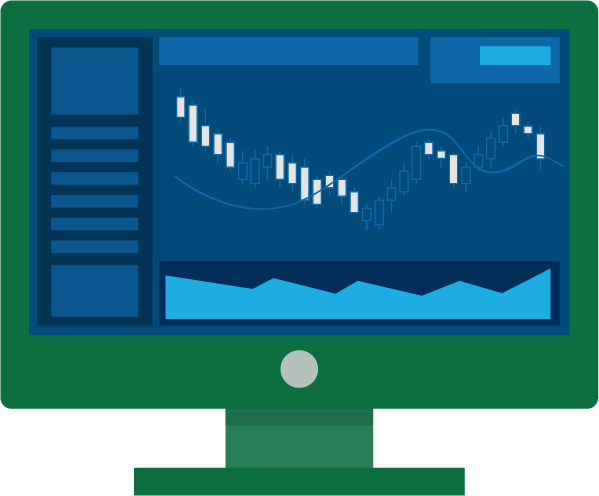
For example, a day trader might buy a position in a bankrupt company simply because there is an uptrend on a particular day, says Gust Kepler, CEO of trading software company BlackBoxStocks (BLBX).
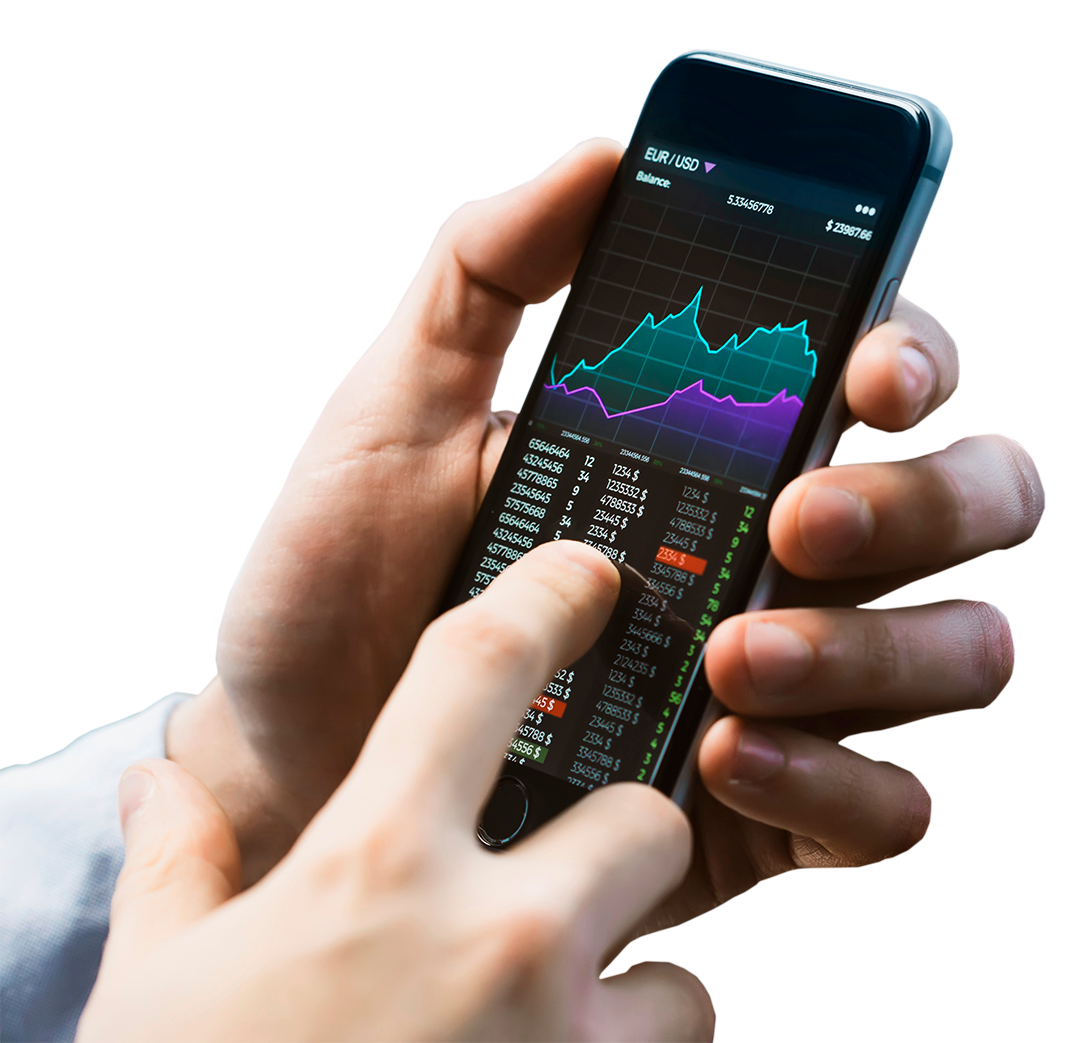
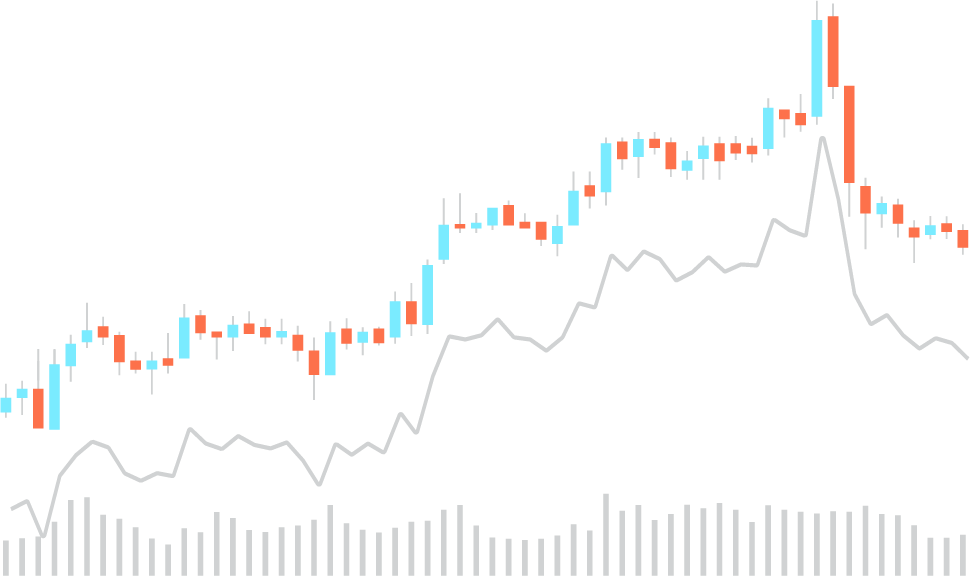
Rather than focusing on a company's fundamentals, day traders pay more attention to technical charts of what the stock price is doing right now and how the price has behaved historically given certain conditions.
In the strictest sense, a day trader is someone who opens and closes positions during the trading day instead of holding them for longer periods of time. Within a day, trade time spans can vary widely – including durations of a minute, an hour or several hours.
BECOME A DAY TRADER
WHY
YOU MIGHT WANT TO
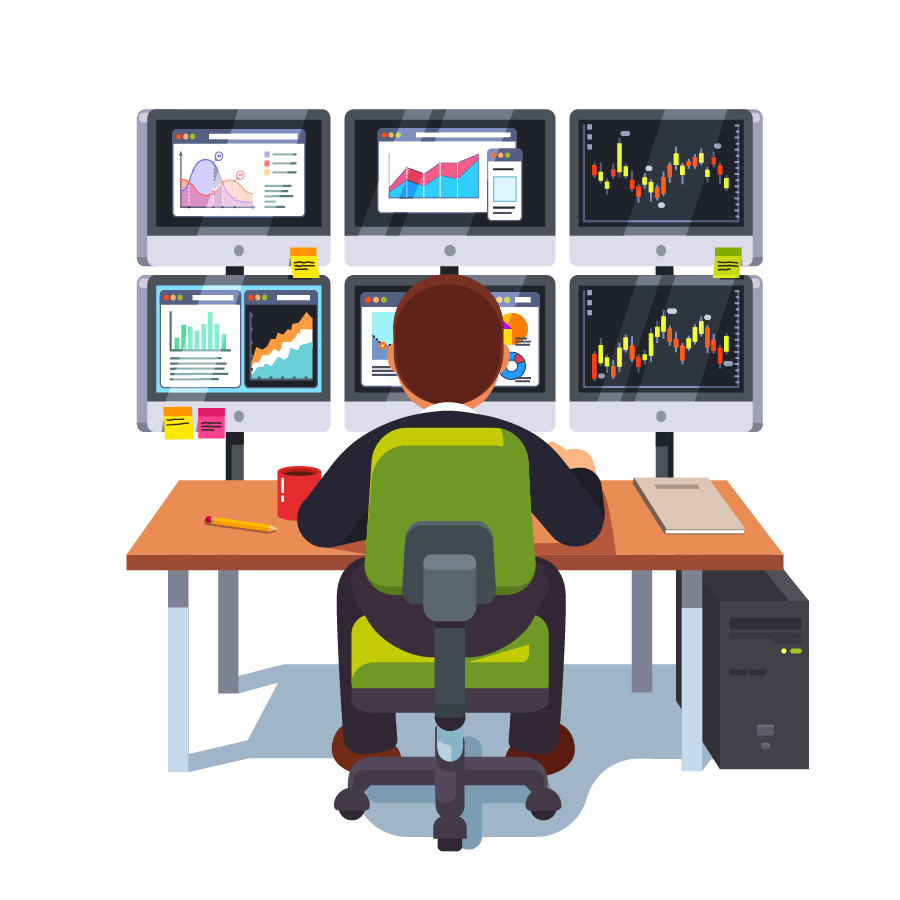
Those who are successful day traders can make more working a couple hours a day from their home on their laptop in the morning than they might at a 40-hour-per-week job, Kepler says.
People tend to get enticed by day trading because they see a friend making money, says Nigam Arora, CEO at The Arora Report.
"It can be very profitable for people who learn how to do it," he says.


WHAT ARE
THE RISKS
OF DAY TRADING?
Although there are day trading success stories, the reality is that most people fail at it.
Kepler estimates that only around
Arora puts the figure much lower, saying that perhaps 1% to 2% really become successful.
If you're day trading long positions in stocks, the risk is that "you lose all your money," Arora says. "If you're trying to short the market, you can lose even more; your downside risk is unlimited."
"Academic studies performed on day traders across the globe consistently find that the vast majority of day traders are unsuccessful," says Robert Johnson, finance professor at Creighton University. "The central message was that trading is hazardous to your wealth."
Both gambling and high-risk stock trading generate a rush of dopamine in some people. When the incentive becomes the dopamine-induced rush itself, investors become gamblers in the stock market.
"Day trading is no more likely to make you rich than a roulette wheel or a blackjack table," says Aaron Sherman, president with Odyssey Group Wealth Advisors. "And much like gambling, the more you do it, the more certain you are to lose."
and he thinks that figure is probably high because, as a trading software provider, he's in a position to see a lot of success stories.
15% of people who try day trading succeed,
Day traders face the risk that they won't make enough money to cover the extra transaction costs that come with making a higher volume of trades.
There can also be a psychological risk to day trading if it is coupled with a gambling mentality that can lead to addiction.

TRADING
FOR DAY
REQUIREMENTS
If you don't want to maintain a $25,000 balance, you'll have to make three or fewer stock trades in five days with the same broker, trade in an international market, join a day trading firm that requires a smaller deposit, open multiple accounts with different brokers or trade forex, futures or options.
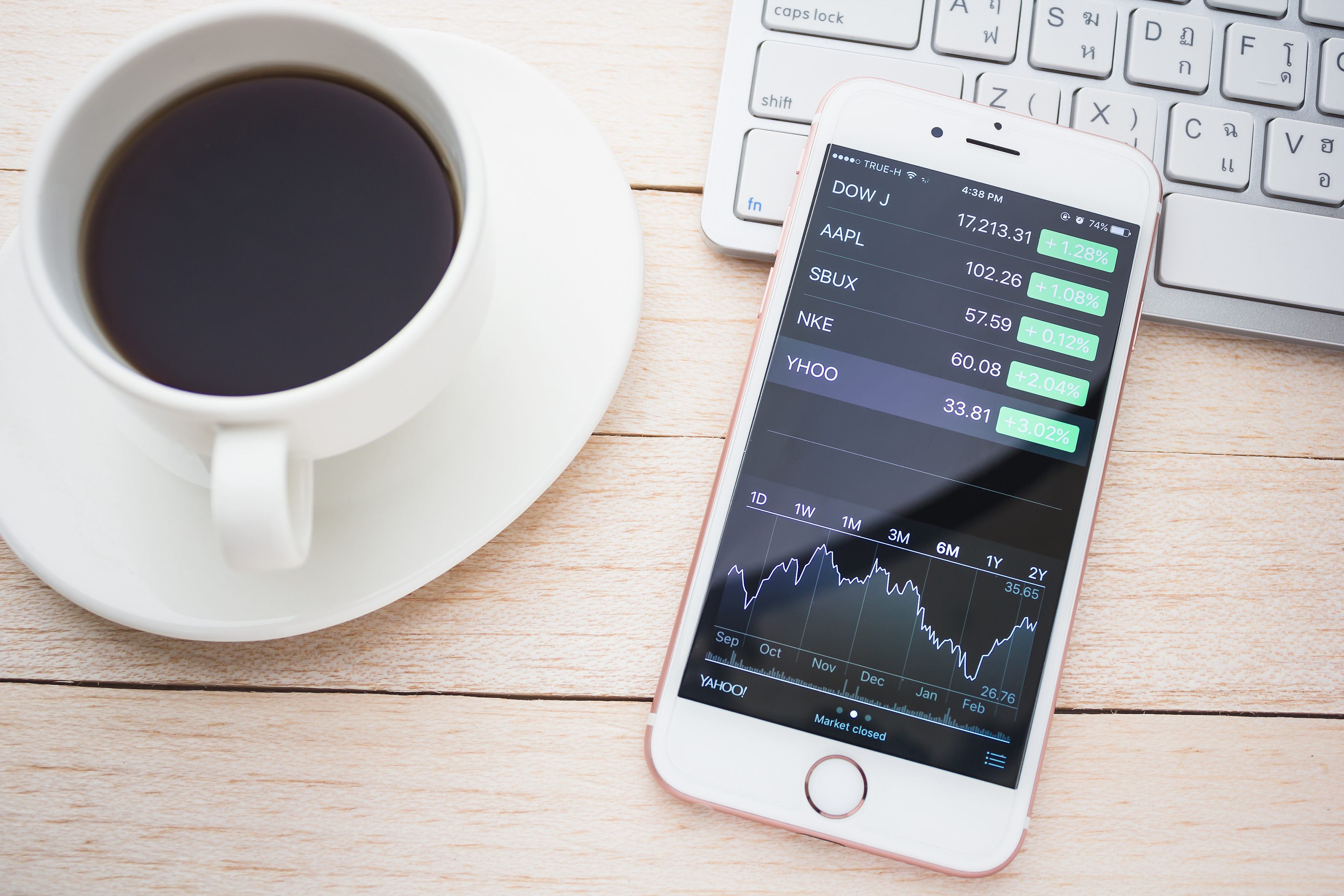
If you want to start day trading stocks, you'll need a brokerage account. Brokers are individuals or firms who charge for executing trades on behalf of their investors.
The brokerage may also offer a trading platform that displays real-time news, allows traders to look at technical charts and provides scanning that shows which stocks are making the biggest moves.
Some platforms allow investors to place online trades directly with a brokerage for a fraction of the traditional cost or nothing, depending on the asset being traded.
Discount or online brokerages for DIY investors include Charles Schwab Corp. (SCHW), Fidelity Investments, TD Ameritrade or E-Trade. Examples of full-service brokers include Raymond James Financial (RJF) and Edward Jones, to name a couple.
That hefty chunk of change can work to your advantage as a day trader, however. If you can afford to buy higher-priced stocks, or bigger chunks of lower priced equities, you can make more money and get more bang for your buck when it comes to transaction costs.
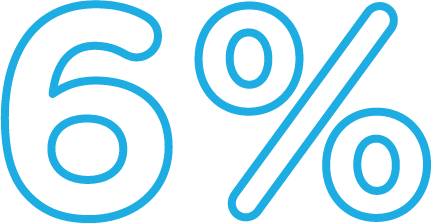
Once you've got a broker, to be considered a pattern day trader by the Financial Industry Regulatory Authority, or FINRA, you'll need to fund your account with $25,000 and make four or more open-and-closed stock trades within five business days – and those trades must represent more than 6% of your total trading activity for that period. That's regardless of the brokerage's account minimum, which might be zero dollars but only applies for customers trading less than pattern day traders. There are also special margin requirements for pattern day trading accounts to consider.
Day traders are probably going to choose the do-it-yourself (DIY) route and may prefer an online brokerage account or discount broker that enables investors to buy and sell investment securities through the broker's website or app.


Workplace benefits
HOW TO BE A
SUCCESSFUL
DAY TRADER
Successful day traders are level-headed, able to follow rules even when money is at stake and good at pattern recognition, Arora says. Day trading also takes a lot of discipline, Kepler adds, and even those who are well educated can find themselves overtrading instead of quitting while they're ahead.
If you feel like you have what it takes, then you'll want to educate yourself. There are plenty of free online trading resources, not to mention books at the library, so do your homework if you're thinking about paying money for trading courses.
Once you feel like you have the basics down, Arora recommends starting with short-term trading in which you hold positions for a week or maybe a couple months. Combine those more forgiving time frames with small amounts of money.
If you find that you're succeeding, then try shortening the time frames slowly until you're opening and closing trades the same day.
Once you're established as a true day trader, you'll spend time looking for promising technical patterns and stocks that are moving a lot, either up or down. You can scan headlines to see what's moving the market or individual stocks.
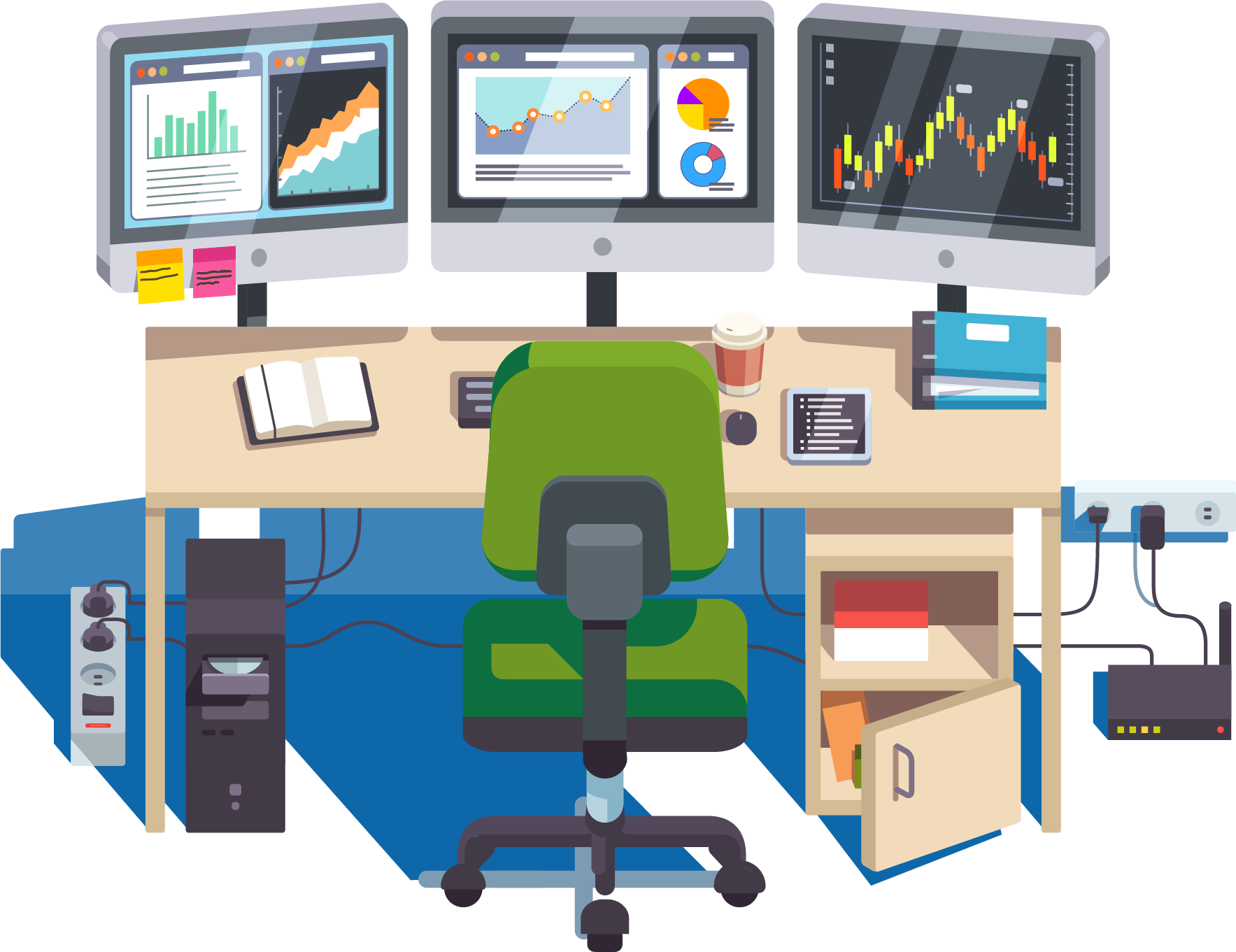
Because you may be looking at news and technical charts for multiple stocks, indices and other trades, you'll probably want to have a home office set up with multiple computer screens, not to mention reliable high-speed internet.
At the end of the day, though, remember that day trading is very risky, doesn't work out for most people in the long run and may be best considered a hobby for those who are already wealthy.
"Too often investors watch the 24/7 financial news networks and have a bias toward action – that is, trading," Johnson says. "Investment success is more easily achieved by making fewer decisions and practicing buy-and-hold investing."
Perhaps the most important skill set to have when day trading is the appropriate temperament.


Designed by Avalaunch Media