Florida’s largest city, population 912,000, in state’s northeastern corner on Atlantic Ocean.
PROS: Median home price $221,000, 33% below national median. Lots of doctors and parks. Less hurricane risk than in most coastal Florida cities. No state income or estate tax.
CON: Serious crime above average.
View Profile
Jacksonville,
Florida
John Coletti/Getty Images


Scenic college town (University of Tennessee) of 188,000 along Tennessee River.
PROS: Median home price $236,000, 28% below national average. Lots of doctors. No state income or estate tax. Low climate change and only moderate natural hazard risk.
CON: Serious crime rate in city above average.
Knoxville,
Tennessee
Richard Cummins/robertharding/Newscom
View Profile


College town (University of Kansas) of 100,000, 40 miles west of Kansas City.
PROS: Median home price $239,000, 27% below national median. Strong economy. Good air quality, very bikeable. Relatively low natural hazard risk.
CON: Serious crime above average. State income tax on Social Security.
View Profile
Lawrence,
Kansas
Nick Tre Smith/Icon Sportswire/Newscom
Pittsfield: Ken L Howard/Alamy


State capital and college town (University of Nebraska) of 283,000, 50 miles southwest of Omaha.
PROS: Median home price $225,000, 32% below national median. Good air quality, very bikeable. Good economy. Relatively low natural hazard risk.
CON: State income tax on Social Security earnings.
Lincoln,
Nebraska
Shannon Ramos/EyeEm/Getty Images
View Profile


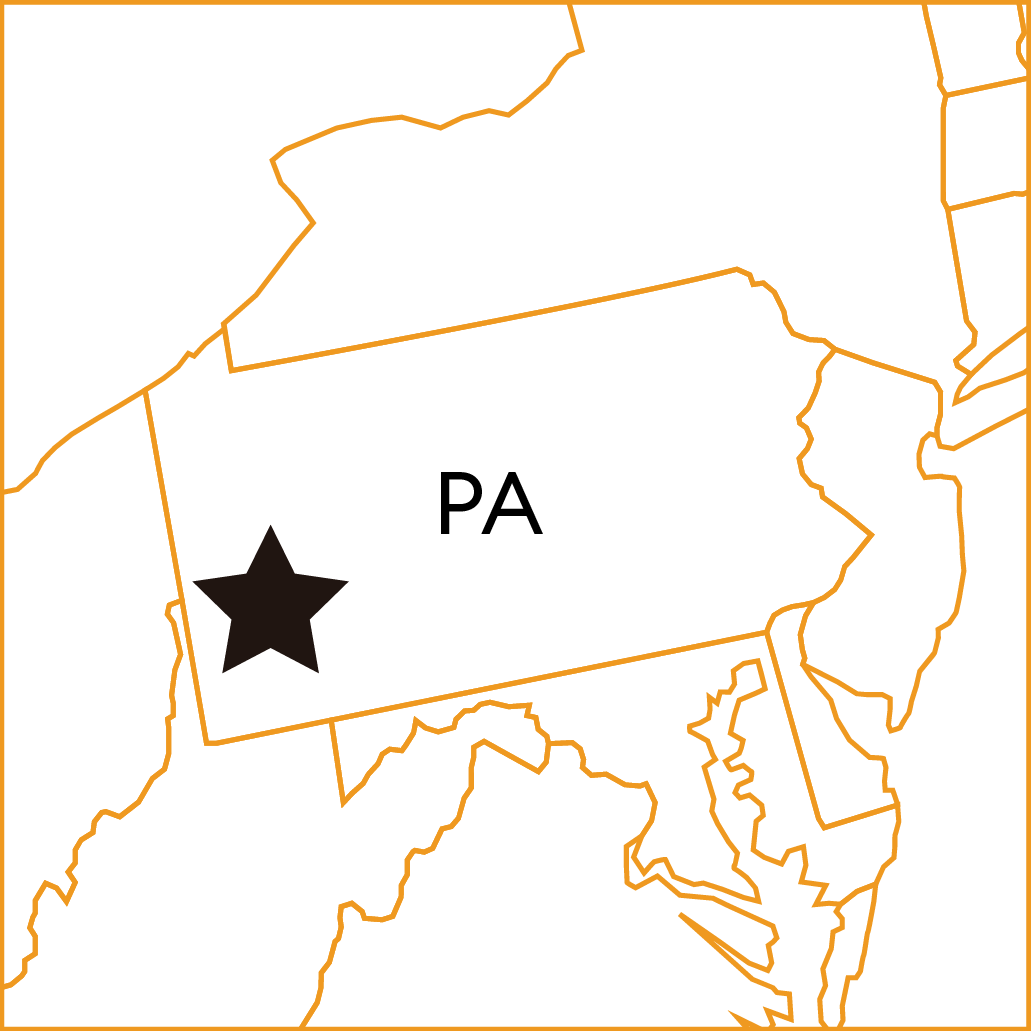
College city (Carnegie Mellon and University of Pittsburgh, among others) of 305,000, at intersection of three major rivers.
PROS: Median home price $204,000, 38% below national median. Lots of doctors. Very bikeable and walkable. No state income tax on most retirement income.
CON: Serious crime above average.
View Profile
Pittsburgh, Pennsylvania
J. Altdorfer Photography/Getty Images