Back to home







Meet the Ecopreneur:
Back to home
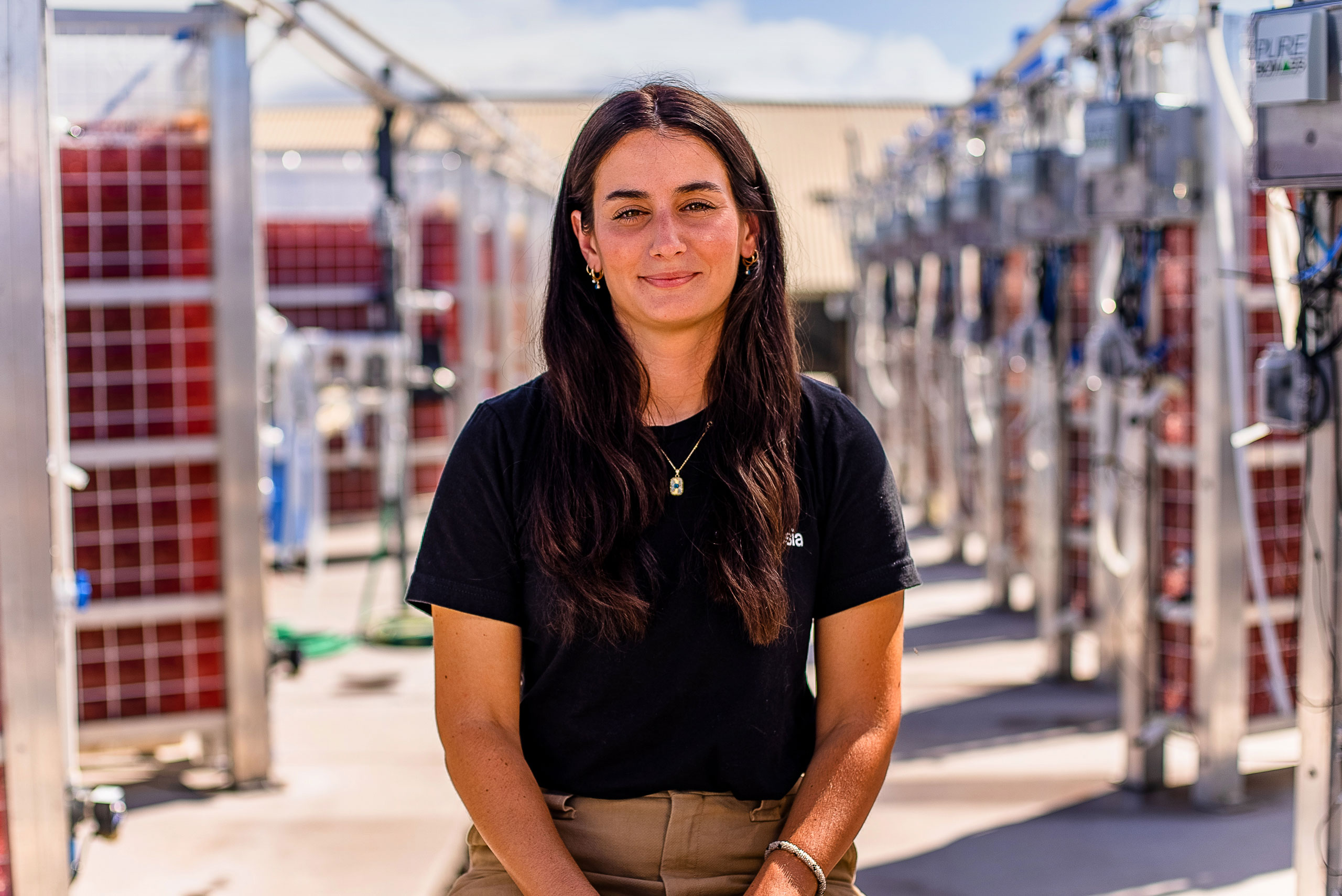
Akbay’s cleantech startup is using seaweed to significantly reduce livestock methane emissions.
In 2016, Alexia Akbay was studying to be a medical doctor when she discovered new scientific research on the red algae known as asparagopsis taxiformis. According to the James Cook University study, scientists in Australia had found that this specific species of marine plant was a powerful solution to reducing methane emissions when fed to livestock, which are responsible for nearly 15% of global greenhouse emissions. Yet, despite all its promise, Akbay couldn’t find anyone that was working to produce the red algae at scale. So, at just 22 years old, she set out to do it herself.
80%
LIVESTOCK Methane emissions reduced BY seagraze™

Eco•pre•neur: an environmentally minded entrepreneur who leads and drives climate action worldwide

©2023 Fortune Media IP Limited. All Rights Reserved. Use of this site constitutes acceptance of our Terms of Use and Privacy Policy (Your California Privacy Rights) | CCPA Do Not Sell My Information Fortune may receive compensation for some links to products and services on this website. Offers may be subject to change without notice. Quotes delayed at least 15 minutes. Market data provided by Interactive Data. ETF and Mutual Fund data provided by Morningstar, Inc. Dow Jones Terms & Conditions: S&P Index data is the property of Chicago Mercantile Exchange Inc. and its licensors. All rights reserved. Terms & Conditions. Powered and implemented by Interactive Data Managed Solutions. | EU Data Subject Requests
Explore More


Listen to Alexia Akbay on the mesmerizing qualities of red seaweed.

Alexia Akbay of Symbrosia


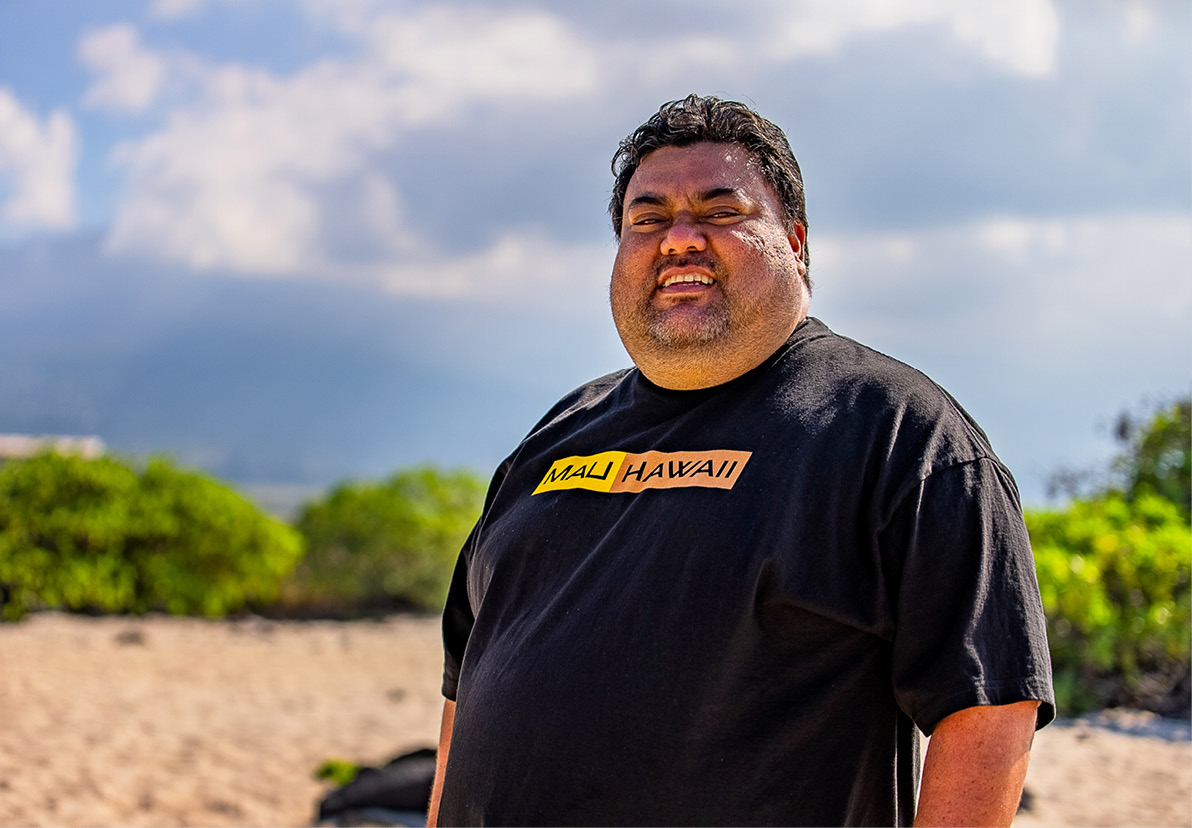
Listen to Pomai Freitas on creating a more sustainable Hawaii.
Read More
FEED OF THE FUTURE: How Symbrosia is curbing methane emissions through sustainably grown seaweed.
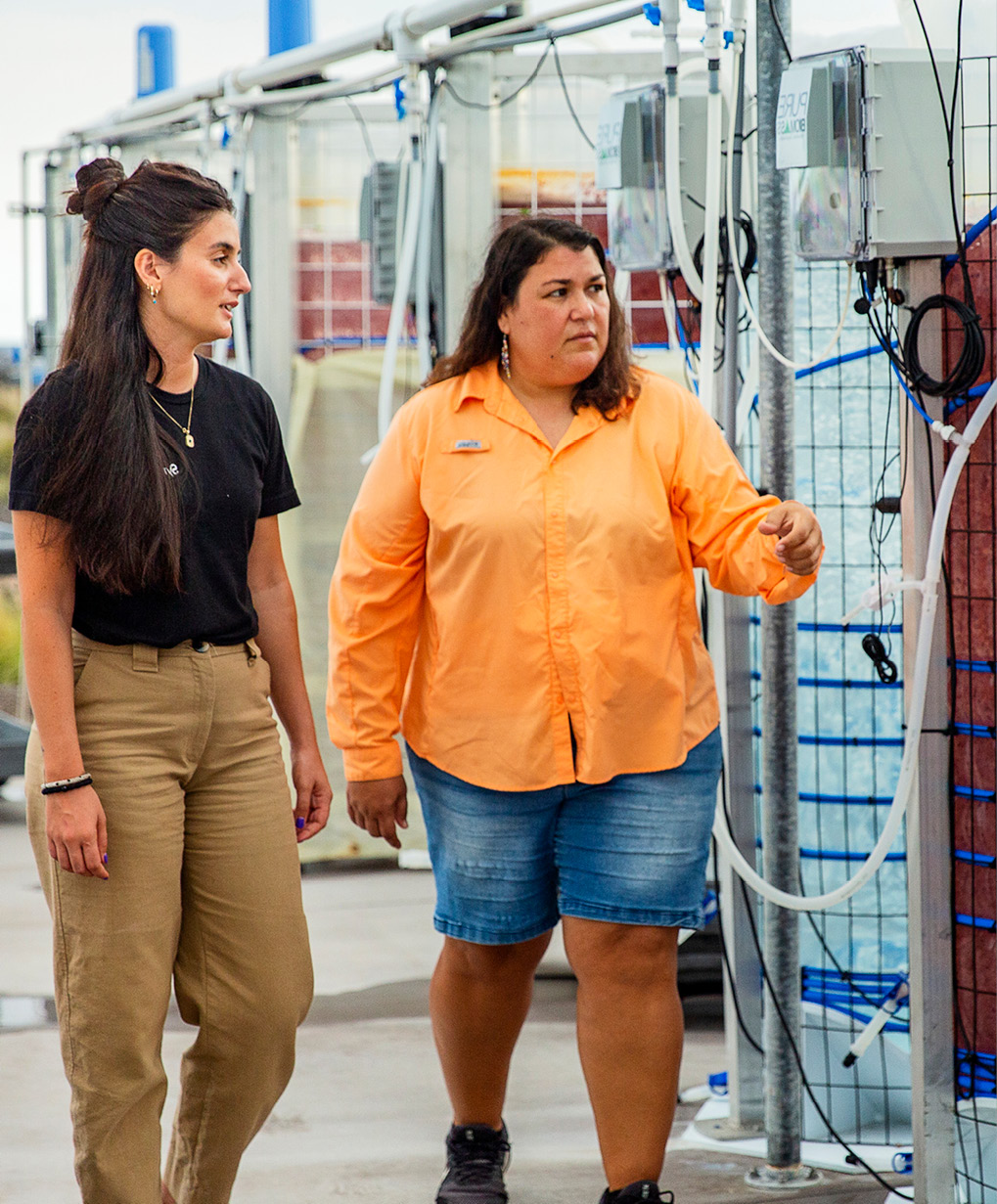
Backed by an initial grant from her university and a deep knowledge of green chemistry, Akbay and a group of her peers began their own exploration into asparagopsis taxiformis, which led to the 2019 founding of Symbrosia, a cleantech startup dedicated to reducing methane emissions with this “magical” seaweed.
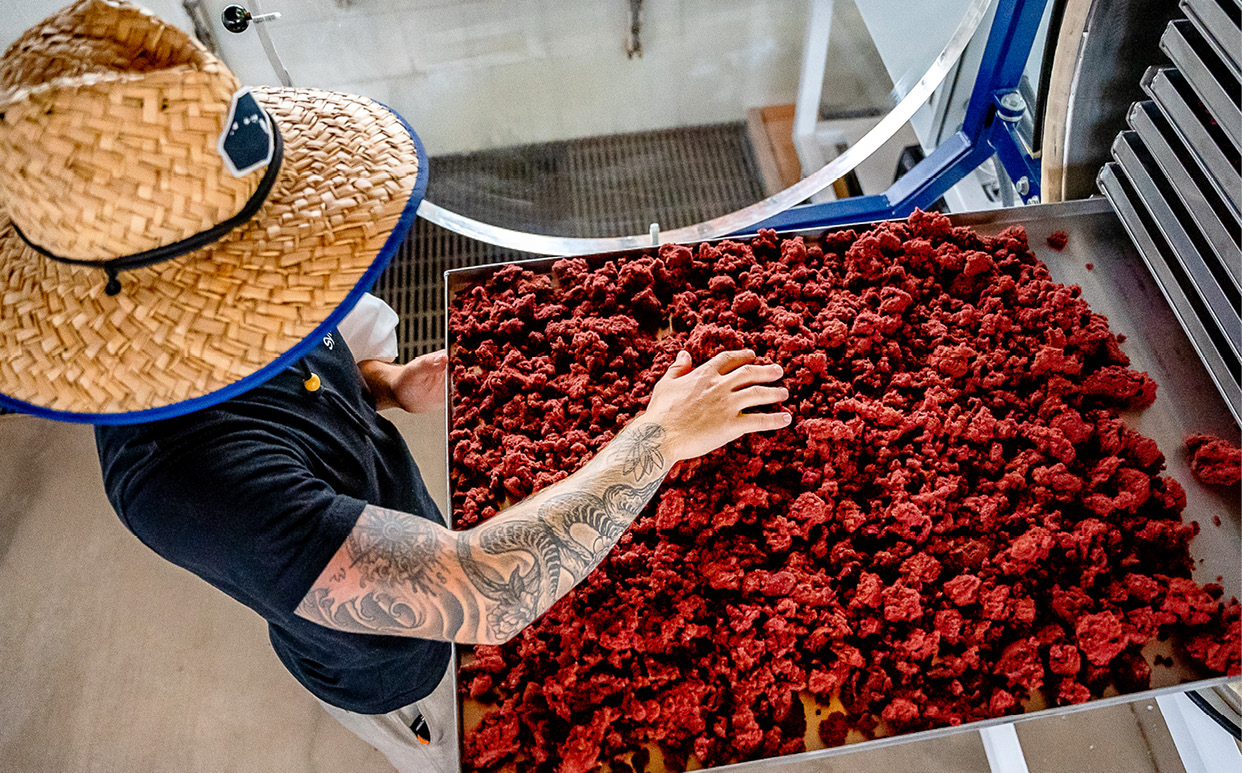
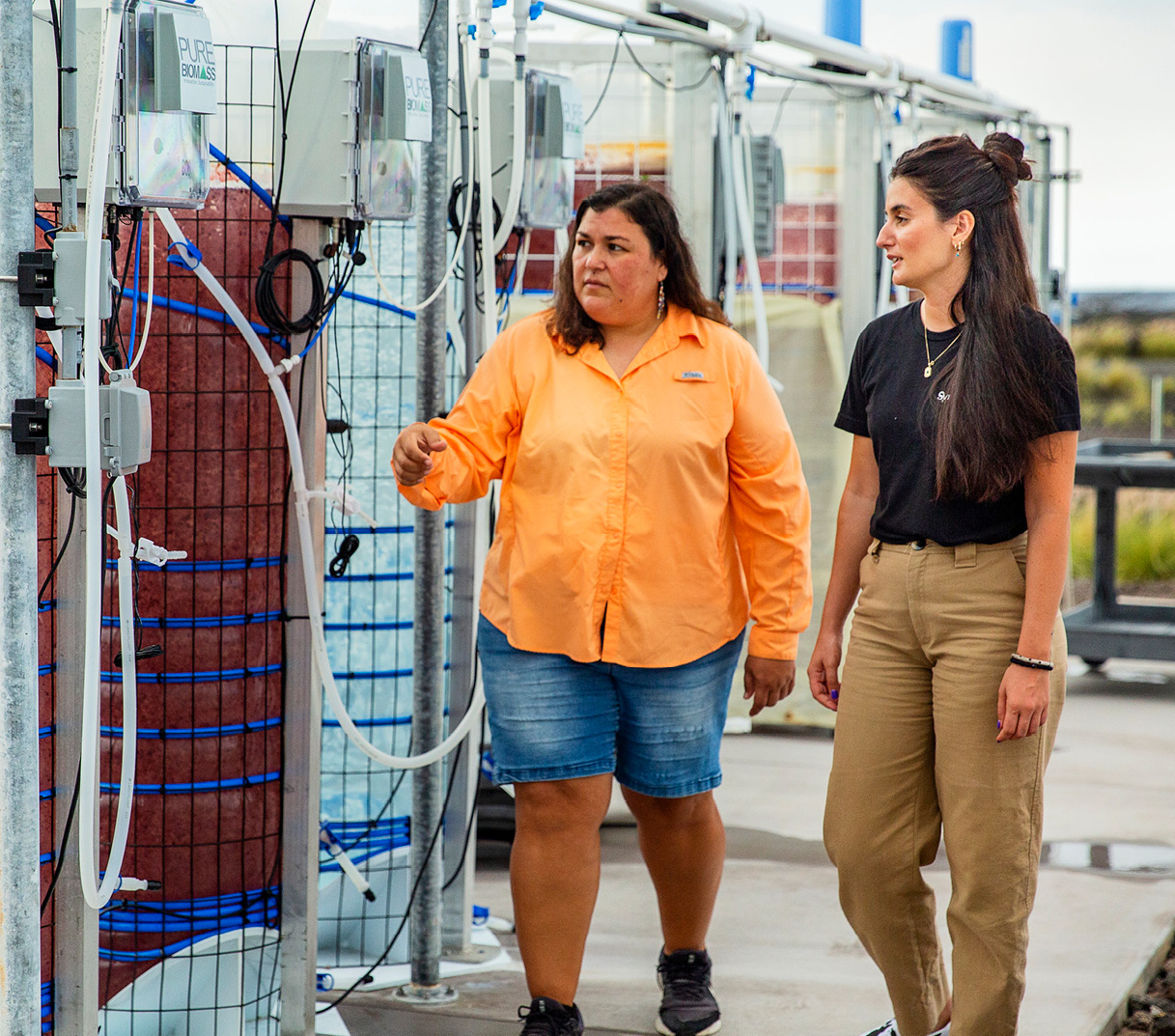
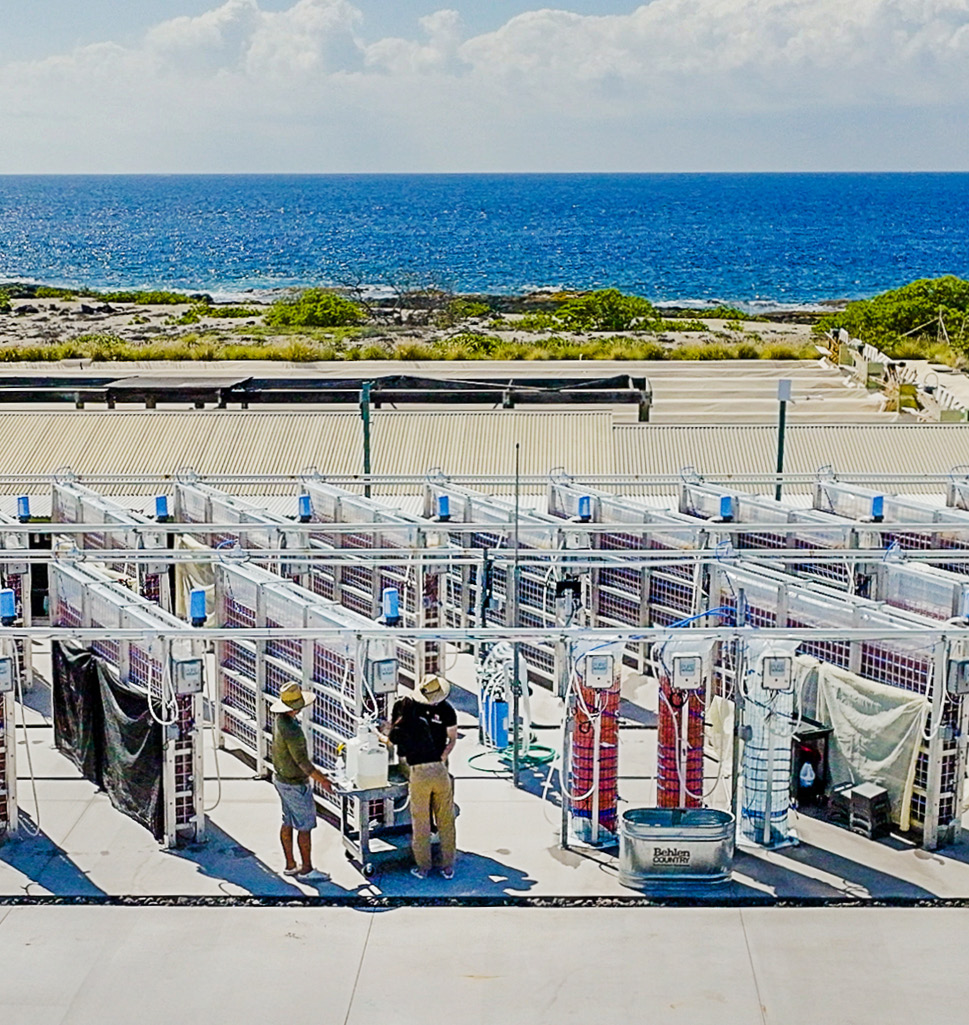
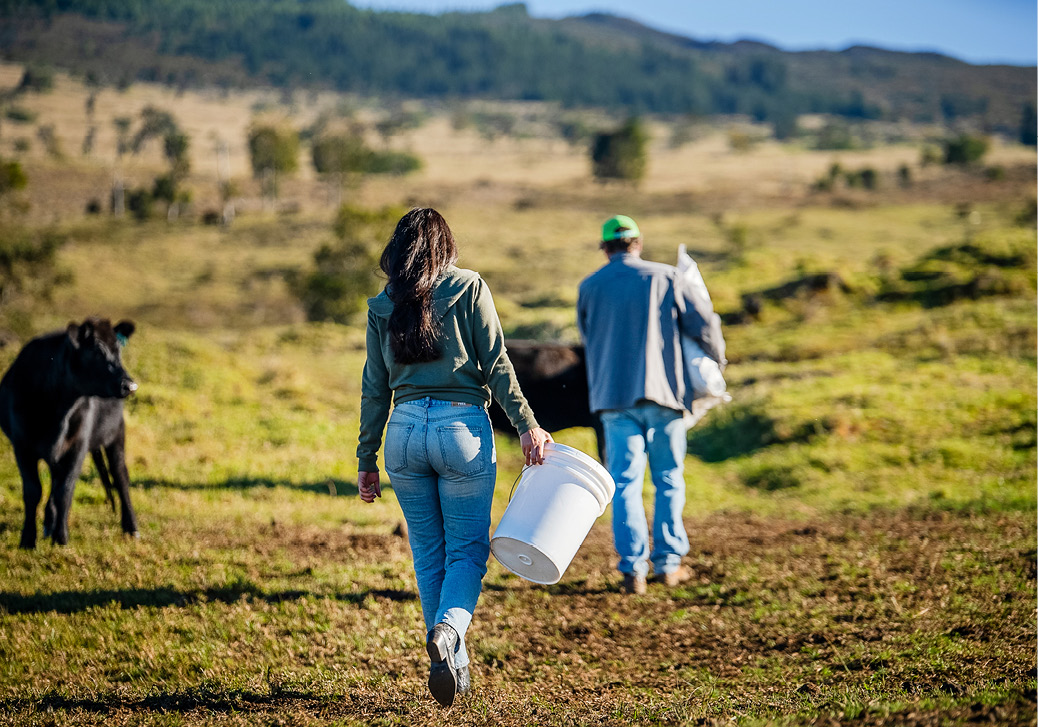
Through their research and the help of some strategic partnerships, the team developed an innovative and sustainable aquaponic system that could grow the seaweed on land. To foster the best conditions for optimal asparagopsis growth, Symbrosia relocated from Connecticut to a research facility at the Natural Energy Laboratory of Hawaii Authority in Kailua-Kona, where the seaweed grows natively in local ocean environments. After two years of research on seaweed breeding and cultivation technology, Symbrosia has developed strains that are significantly more productive, potent, and resilient than wild populations. When implemented into the diet of ruminant livestock—beef, dairy cows, sheep, and goats—Symbrosia’s seaweed, SeaGraze™, was found to reduce methane emissions by more than 80%.
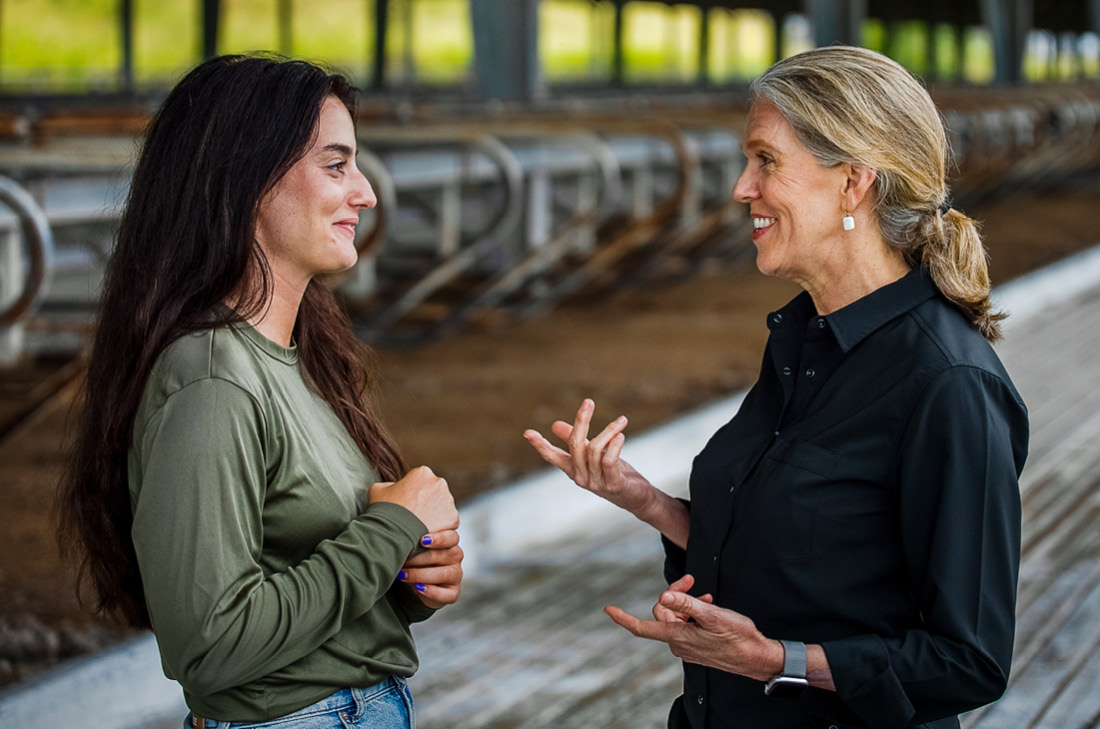
Now, Akbay is working to scale production to get SeaGraze in the mouths of the world’s livestock and help fight climate change. To learn more about her journey as an ecopreneur, we sat down with Akbay at Symbrosia headquarters in Kailua-Kona, Hawaii.
Q: Why are you personally motivated to fight the climate crisis?
A: I got interested in climate change through a public health perspective. I was studying in Turkey, which is where I’m originally from, and at that time, there was a big influx of Syrian refugees fleeing the civil war, which a lot of academics accredited to climate-caused drought. Then I saw the 2015 UN statistics about the predicted number of climate refugees by 2050, and I knew I wanted to do something to help.
Eventually, my interest in the impacts of climate change led me to the startup world, and that really gave me the cour-age and the perspectives that I needed to think about starting my own projects.
Q: What does Symbrosia do?
A: Symbrosia grows, processes, and distributes a red seaweed, called SeaGraze™, as a feed supplement for cattle.
Q: How does livestock contribute to the climate crisis?
A: When people talk about greenhouse gases, they mostly focus on carbon dioxide. But there are a number of other greenhouse gases that are actually more potent, including methane, which is what cows emit during their normal digestion process. An increased demand for beef and dairy has created a livestock industry that is so large, it’s responsible for almost 15% of total global greenhouse gas emissions.
Q: Why is this particular seaweed so magical?
A: Seaweeds are used pretty predominantly in organic livestock agriculture already—kelp seaweed supplements are used in about 50% of the organic dairy industry. But other products on the market typically have about 20% greenhouse gas reduction. When SeaGraze™ is implemented into the diet of ruminant livestock, which are beef, dairy cows, sheep, and goats, it can reduce their methane emissions by over 80%—that’s a big value proposition.
Q: What is the process of growing it like?
A: It is really difficult to grow commercially. In the wild, this seaweed has a notorious reproduction cycle which includes three different phases, instead of two like most species. So, when we bring the samples into the lab, we have to figure out all of the different conditions to help it thrive—things like light, pH, temperature, and the movement of the water. All of these conditions have been tested countless times
to figure out the perfect combination to allow the seaweed to flourish. We grow our seaweed on land using a process called aquaculture. This is a lot more sustainable than wild harvesting from the ocean, which can negatively affect the local ecosystems and livelihood of fishermen. It took us about two years to get to a point where approximately 90% of our algae survives, and there’s still room for improvement.
Q: Why did you choose to do your work in Hawaii?
A: We initially came out to Hawaii as part of an aquaculture business accelerator that was strategically positioned here because it is a great place to grow aquatic species due to its consistent climate and weather. Algae is a photosynthetic organism, so having consistency in weather conditions all year-round
means we can grow it all year-round, versus a seasonal growing period.
Q: How has the Hawaiian culture influenced your work?
A: I respect that I am a settler on this land. I’ve realized that, as a foreigner in Hawaii, I’m responsible for preserving the knowledge and culture here. So, I make sure that everything we do is discussed thoroughly with cultural practitioners.
Profiting off natural resources is not part of the traditional Hawaiian culture. There are a lot of elders and community groups that celebrate seaweed and perpetuate knowledge around seaweed. But their responsibility is not to produce it as a profitable product. When we were first starting our project here, although we had a desire to work with a lot of these organizations, it took a while for me to realize, okay, my responsibility is not the same as their responsibility. We can coexist and share knowledge and resources, but they’re not going to want to grow the species for profit. They’re doing it for the preservation of their traditional ways. After I let that sink in, it really helped our relationship with different groups.
Q: What challenges have you faced trying to grow this notoriously difficult seaweed?
A: When we first started farming seaweed here, we thought it was going to be a lot easier than it ended up being. We had all these models predicting how it was going to multiply over time, but we quickly found that developing a new crop from the ground up requires a lot of foundational work. Everything from building a seed bank—which required us to swim or snorkel along the coastline of four Hawaiian islands to select enough diverse species to start—to building a nursery,
and then figuring out all of the different parameters to grow this seaweed outdoors. We were then faced with competing organisms and pests.
So there has been a lot of work, trial, and tribulation, but I’m happy to say that we’re in a place now where we believe that it’s scalable, and we’re ready to move forward with commercialization.
Q: How do you measure impact?
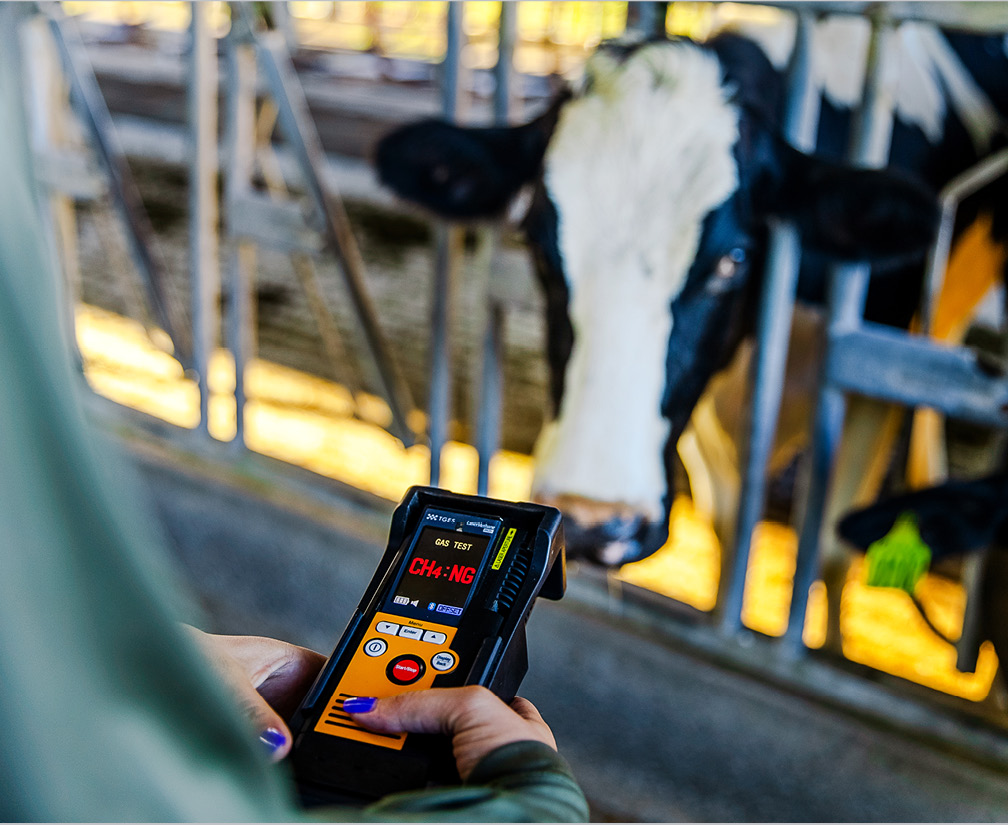
A: The cool thing about our solution is that we can directly measure our impact before and after feeding the seaweed to cattle. There’s a number of different tools we can use for direct measurement. The one that’s most feasible in the pasture setting is called a “methane laser,” and it’s an optical heat laser that measures heat coming out of the cow’s mouth, and so we can measure it before using the feed additive to get a precise number and then measure it after a farmer has been using it to see the percent reduction. It’s really rare for a nature-based reduction to have a direct measurement like that.
Q: What is your biggest achievement so far?
A: We’ve seen impact in many different domains surrounding our company. First, starting with production, in 2022 alone, we’ve increased our production capacity by 20 times. In our communities, we’ve seen commercial trials prove out 80% methane reduction in a real live setting and not just a laboratory. And as we continue to move into communities, we see a lot of enthusiasm around carbon-neutral or carbon-reduced consumer products, as well as an increase in interest from younger students in science and technology wanting to work on seaweed as a career.
Q: Where do you see Symbrosia in the next five years?
A: We have a goal to feed 1 million cows in five years, which we’re going to do. But what keeps me up at night sometimes is how do we become more collaborative instead of becoming some massive seaweed producing entity? We haven’t quite cracked the code yet, and we’re starting to engage in partnerships that would allow us to get closer to that.
Q: What partnerships have helped drive Symbrosia’s success?
A: We are building personal relationships with a lot of other business owners in the community that have really
paid off. I was inspired by my parents and the pizza shop that they owned in the town that we lived in—they knew all their customers. I think it’s really important to be inquisitive and get to know other people.
We also work with the legislature and with different nonprofit organizations, like Hui Ho’olako, to help increase feed sustainability across the islands. The local universities have also been an increasingly important resource to build our workforce. We really want to provide jobs for people that already live here.
Q: What does it take to lead an organization that’s fighting the climate crisis?
A: Dedication. Entrepreneurship is a long and tiring process, but it’s one of the most rewarding things that you can go through. You eventually learn that, at the end of the day, everything’s going to be all right as long as you’re surrounded by a great team and have a great product.
When things aren’t going perfectly, or we’re going through a tough time, I always remember the progress that we’ve made to date and how we used to think that things that are now possible were impossible. I know that we can get through anything with innovation and iteration.

Read More
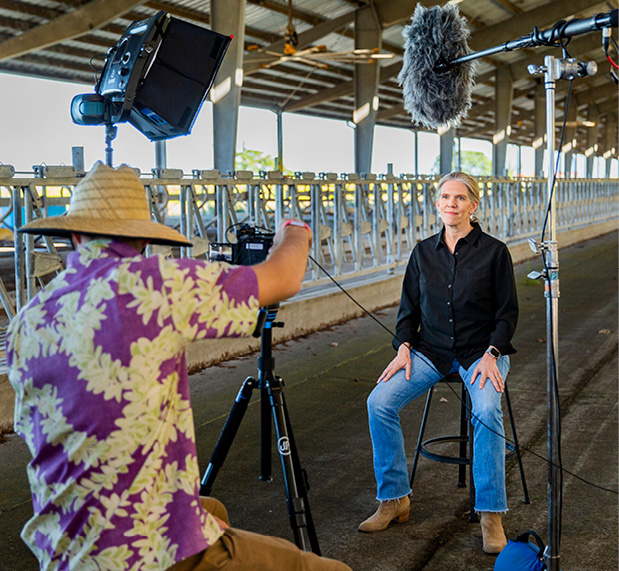
BEHIND THE SCENES: Episode 10
of The Ecopreneurs in Hawaii.
Read More
EXPLAINER: See how Symbrosia is bringing the animal agriculture industry closer to carbon neutral.
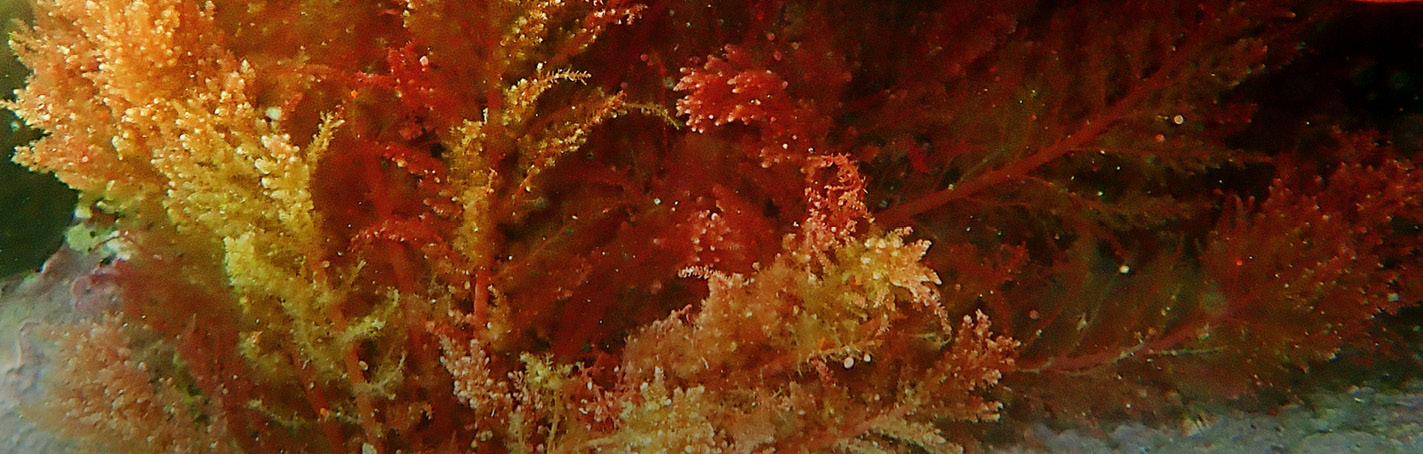
The “magic” seaweed transforming agriculture


[CUSTOM BANNER AD]