The Hidden Tech Behind Every Touchdown

By — Front Office Sports
Posted — December 19, 2025
Share —


Sponsored by

On Sundays, the spectacle looks effortless. Tens of thousands of fans pour into stadiums. Millions more watch on screens around the world. Replays flicker across the jumbotrons, mobile tickets scan without friction, and fan connectivity holds steady even as seventy thousand plus people simultaneously refresh their fantasy rosters. When it works, nobody notices.
But every one of those moments — every hand-held device pinging a tower, every camera angle delivered to a broadcast truck, every back-end system securing the league’s most sensitive data — is carried by an invisible ecosystem of technology. And in the NFL, more and more of that ecosystem relies on Cisco.
The company is hardly new to sports. For years, Cisco networking gear has lived quietly inside arenas, its logos tucked into the infrastructure rather than on scoreboards. What has changed is the role Cisco plays. No longer just the market leader in networking and network security, it has revolutionized how infrastructure and data connect and protect organizations like the NFL, becoming something closer to the league’s digital backbone and a strategic advantage for clubs.
The promise of Cisco is built on three pillars. It delivers AI-ready data centers that give organizations the ability to power AI workloads anywhere, ensuring stadium operations and analytics keep pace with the demands of the modern game. Its future-proofed workplaces modernize the way people and technology work anywhere and everywhere, whether that’s a coach breaking down film, a replay technician in a control room, or a front-office team managing game day logistics. And its commitment to digital resilience keeps clubs upright in the face of every disruption, preventing sudden outages as well as stopping cyber threats that shadow every global broadcast.
The NFL, with its escalating demands for speed, scale, and security, has become the proving ground for
that vision.
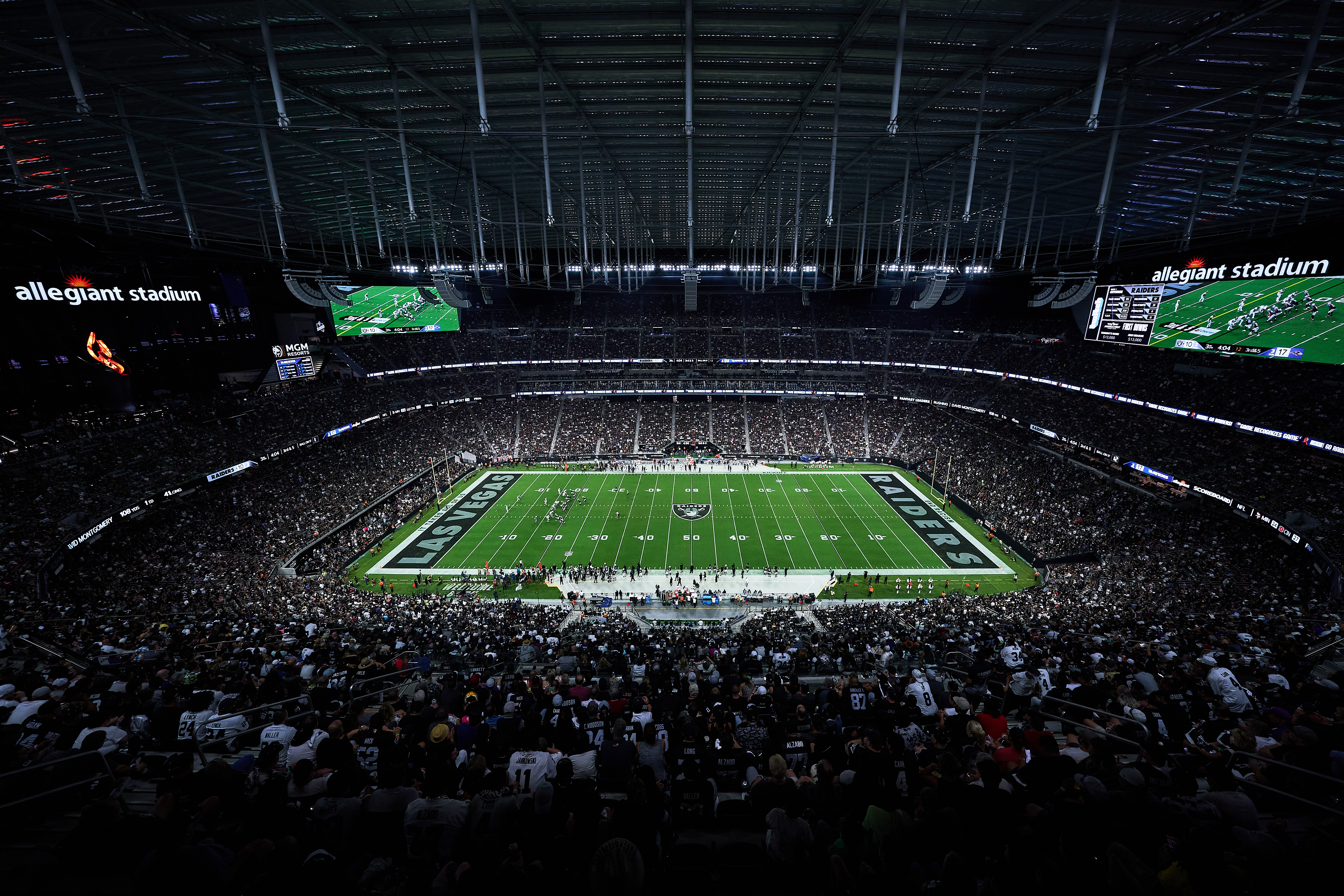
In Las Vegas, that expectation is magnified by neon. Allegiant Stadium is one of the most modern venues in the league, a building designed as much for concerts, residencies, and the global entertainment calendar as for football. Allegiant Stadium leverages Cisco for a single highly converged network supporting all facets of the building including an IP media fabric delivering 4K video streams that ripple from the control room to the concourse in milliseconds.
Learn More About Cisco
Go to Cisco
Back to Top

A look inside the NFL’s digital backbone, where Cisco turns technology into the league’s ultimate advantage.

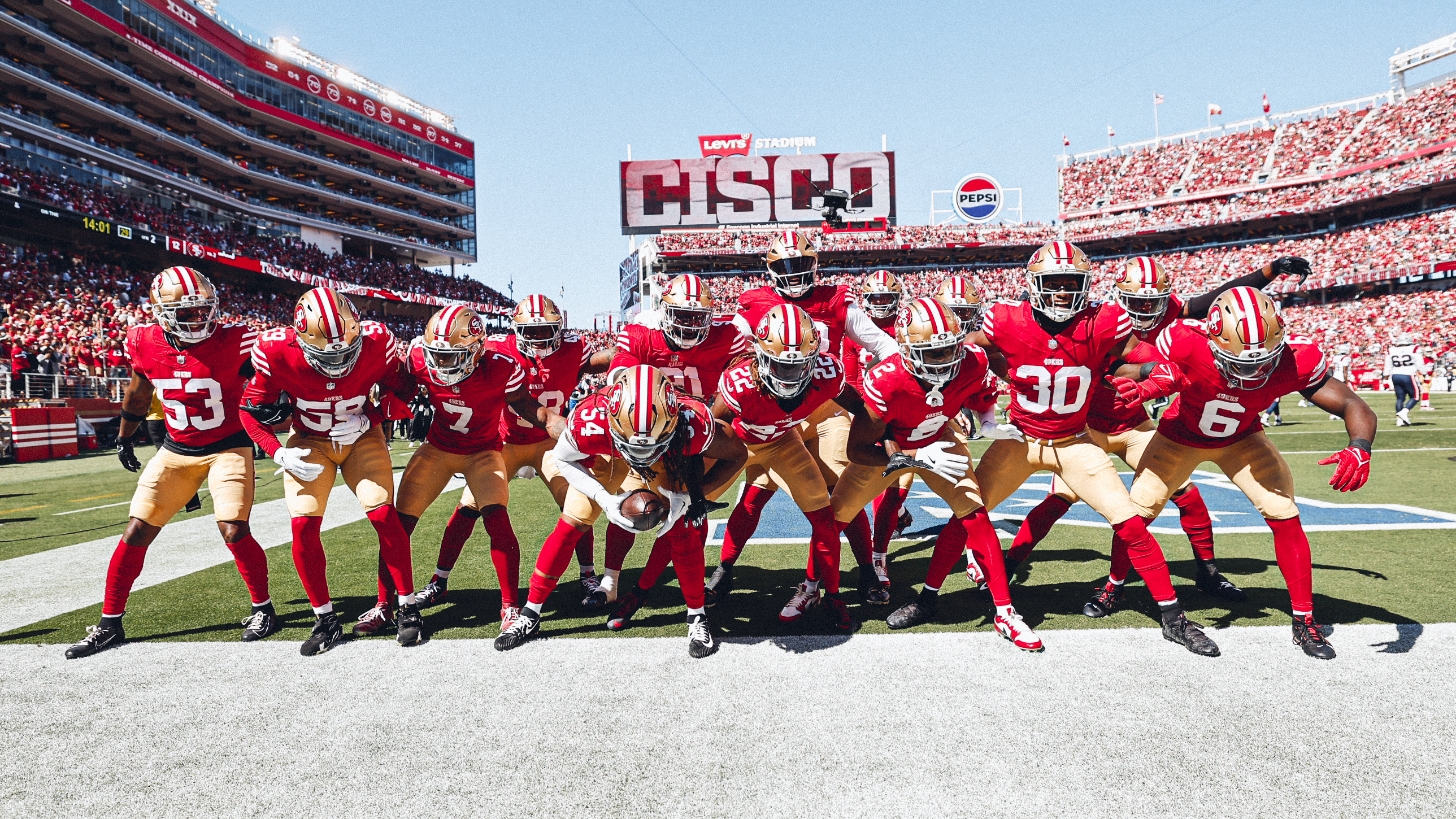
San Francisco presents a different narrative. Levi’s Stadium has been one of the NFL’s test labs since it opened in 2014. Next February it will host Super Bowl LX, and Cisco’s full suite of networking, security, observability and collaboration solutions will be in place to manage everything from security layers to operational workflows on the world’s biggest stage.
By demonstrating how an existing stadium can be re-engineered with next-generation systems, Cisco is offering the league something almost as valuable as a Lombardi Trophy: a roadmap for how to modernize without tearing everything down.
Thread these stories together and a larger pattern emerges. Every NFL replay control room is run on Cisco technology, piped back to the league’s Art McNally Gameday Central in New York. Nearly two-thirds of NFL stadiums already lean on Cisco’s networks. For global showcases like the Draft, the International Series, and the Super Bowl, the league and Cisco co-author a cybersecurity playbook designed to withstand not only the predictable strain of traffic but the unpredictable strikes of bad actors.
This is where the metaphor of football itself returns. Coaches often talk about “the hidden yards” or the small gains that don’t show up in highlight reels but decide outcomes. Technology is the NFL’s hidden yardage. Connectivity, security, and speed are no longer conveniences; they are competitive edges.
For Cisco, this is what it means to bring together 40 years of trust, expertise and innovation. It isn’t a product so much as a position: that the future of the NFL will be defined not only by the next quarterback drafted or the next playbook installed, but by the seamless, secure, intelligent ecosystem holding everything together.

Take Buffalo. The Bills are building a new stadium, but their technology agenda is aimed squarely at the era of artificial intelligence rather than 20th-century concrete. The franchise signed a multi-year partnership with Cisco this summer that stretches from practice facilities to Highmark Stadium itself. For fans, the translation is simple: faster connectivity, higher-quality video, and the kind of bandwidth that can survive the crush of a playoff crowd. For the organization, it means an infrastructure that is built to scale with and for AI workloads and protected against the kinds of cyber threats that have become a permanent part of the sports landscape.


As we prepare for the Super Bowl, innovation is at the core of everything we do—and Cisco is a key part of that. Their unified technology approach across AI-ready infrastructure and cybersecurity gives us the confidence and capability to host a world-class event at scale, knowing our operations can perform under the highest pressure.
Costa Kladianos
EVP of Technology, San Francisco 49ers