


share
Don’t be fooled. Step inside and you’re in the alt-rock Narnia of outdoor retail, a fantasy land of waterproof/breathable membranes, ski wax, and nose rings. I almost stumble into racks of discounted ski shells and flannels; customers are helping their kids carry armfuls of ski equipment around hand-drawn signs calling out sales. It feels more clearance sale than independent retailer making the jump to regional powerhouse. And I love it immediately.
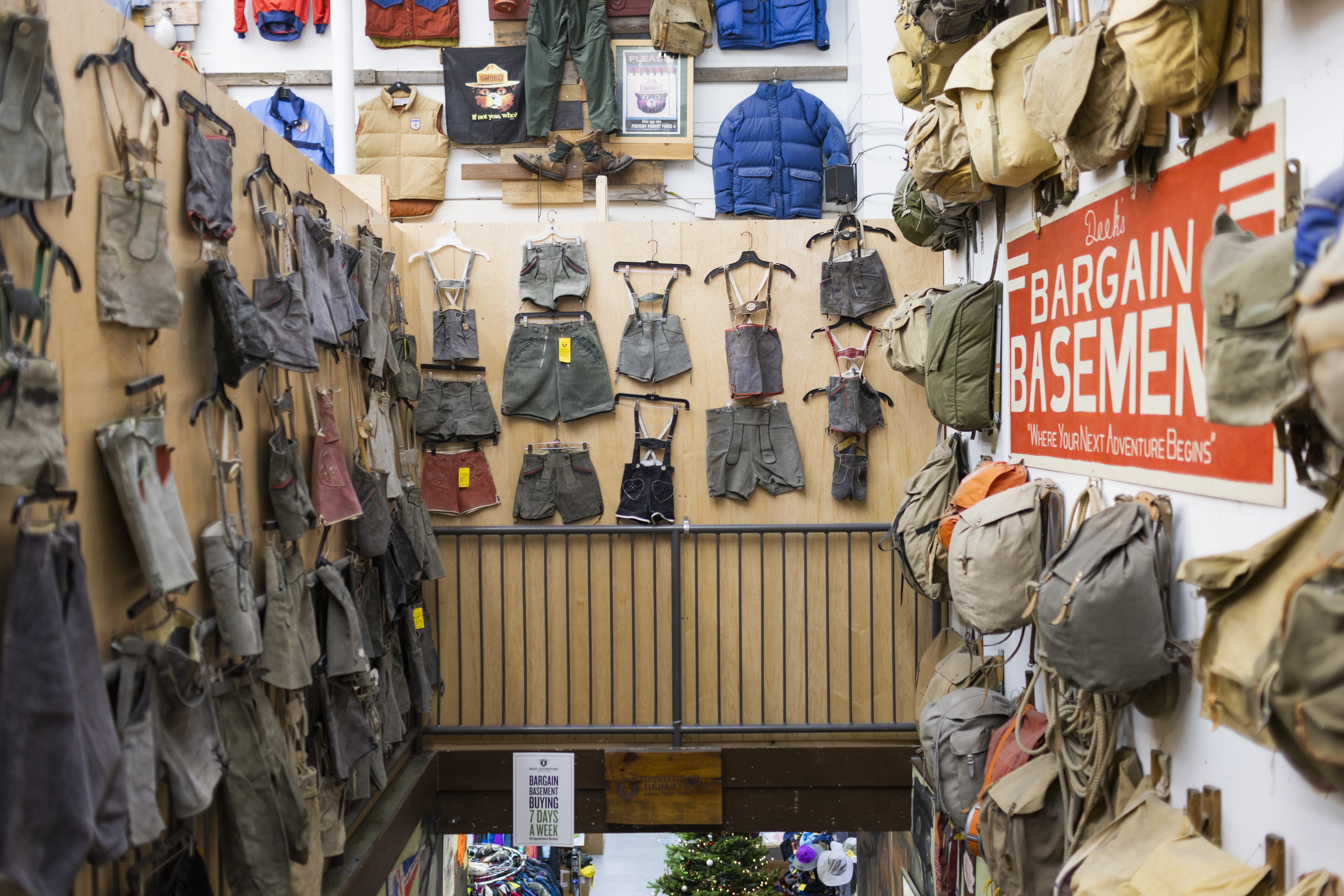
Just off a flight from Denver and rushing to make an appointment with Deek Heykamp and Bryan Knudsen (everyone calls them by their first names), the store’s co-founders and owners, I stand there in the entrance a bit stunned and disoriented—but it’s not long before a sales associate named Hannah, who looks as if she could just as easily be working in a record shop or hip thrift store, spots me and comes over to help. She becomes my guide through all the bustle, walking me past rows of alpine and AT skis and a high wall of seminal snowboards on display (I even spot my first ride, the square-tailed Burton Performer Elite 150, circa 1986). Deek, Bryan, and their management crew—including COO/CFO Erin Kuns, director of retail Brent Tossi, and director of product Ryan Slagle—are gathered near the stairway to the shop’s famed bargain basement (a collection of old climbing packs, dusty lederhosen, and—Narnia indeed—paintings of Deek as Gollum and Bryan as Sasquatch decorate the walls on the way down).
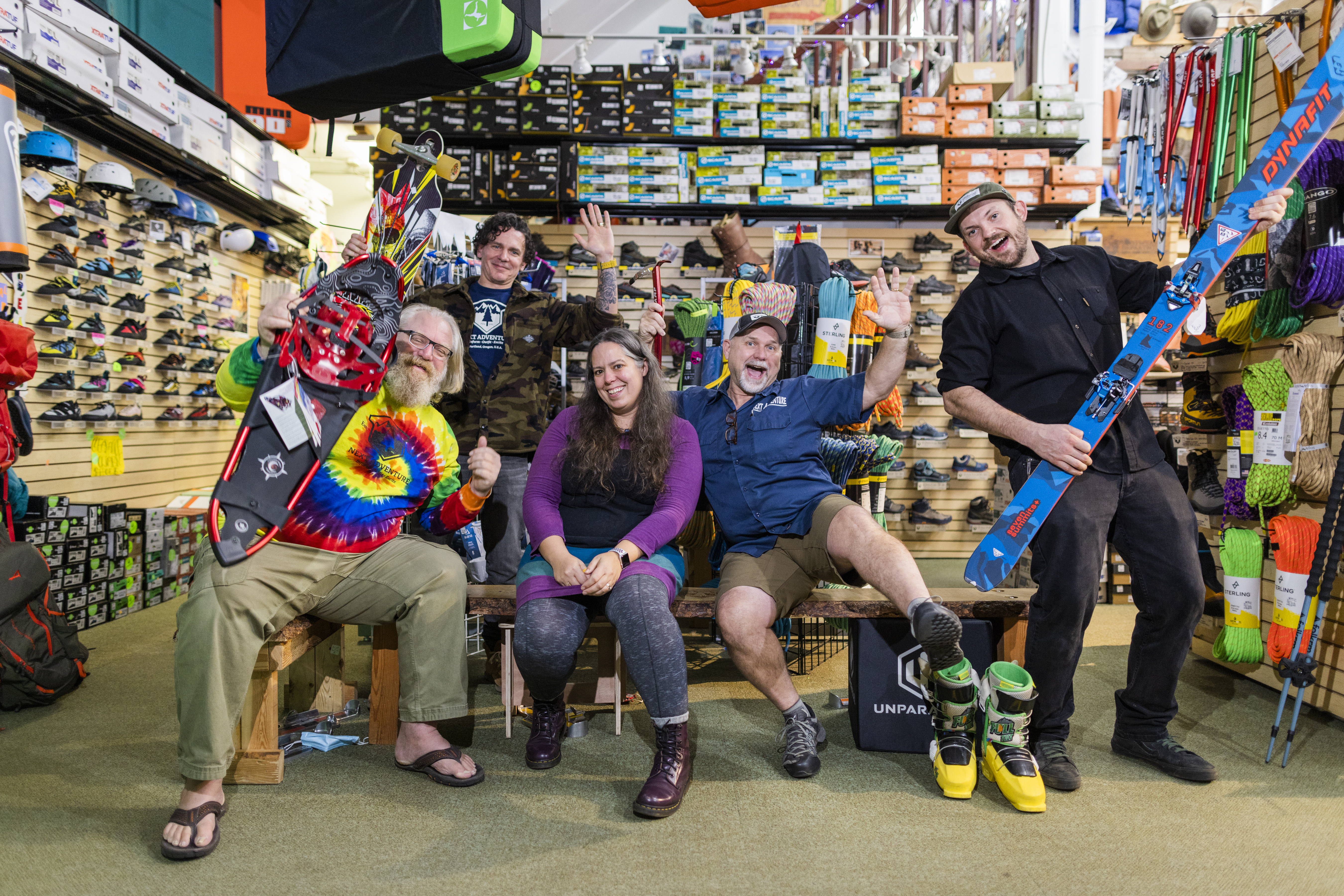
The team has a busy day, and we squeeze in a group photo as they strategize for an 11 a.m. meeting. The vibe is enviable: They are as loose as if they were about to head to see a band at the nearby Crystal Ballroom and also primed to get down to the business of moving Next Adventure into the rapidly morphing post-pandemic economy. As we chat, Slagel does something that typifies just how different Next Adventure is from, say, REI. He picks up seven or eight adjustable ski poles that are leaning in one spot and casually repositions them strewn out a bit along the side of one of the boot-fitting benches. It’s merchandising that makes you want to rummage through the place, discover gear deals and treasures, instead of having everything neatly packaged by someone else who wants to sell you something. The dirtbags are in charge.


back to outdoor retailer magazine
“We always talk about how we sell fun. We always talk about how getting people out is really making a difference in the world, but it's never been more necessary, especially in the last couple of years. If you're in business, you’ve had this big dose of reality.” —Deek Heykamp
Outdoor Retailer Magazine / Novemeber 2021
When President Biden reinstated the critical national monument in Utah, he reaffirmed the work conservation groups have been engaged in for decades to preserve the fragile ecosystem and empowered the Indigenous people for whom this is sacred ground.
THE PULSE
By Doug Schnitzspahn


Indie Rock
Outdoor Retailer Magazine / January 2022
From the outside, Next Adventure doesn’t look like anything all that special. Located in a light commercial neighborhood near Portland’s Lloyd District, the quiet storefront with a few outdoor brand signs on its street-level windows blends into the surrounding buildings.
Right away Deek, who is spry and cheery and sporting a Next Adventure cap, tells me that this place, filled with its lovely sort of comfortable chaos, has a very clear vision statement that holds it all together. “We are a real adventure company leading change in our community,” he says. “We labored over writing every one of those words. It was a very collaborative process with the leadership of the company at the time.'' He continues to explain as we head into the bargain basement. “It gets at the dichotomy of kind of where we're at. We always talk about how we sell fun. We always talk about how getting people out is really making a difference in the world, but it's never been more necessary, especially in the last couple of years. If you're in business, you’ve had this big dose of reality. It’s a fact that we are a real company and we have real challenges and we have real payroll that we have to cover. But we try to do that in an adventurous way. We want to be leaders, not just out in front saying ‘Hey, look at us,’ but actually leading change.”
Next Adventure certainly sports an impressive CV when it comes to focusing on community. It lays out a thoughtful set of values that champion diversity and inclusivity on its website. It partners with a wide range of nonprofits working for social and environmental good, from Black Lives Matter to the Mount Hood Ski Patrol. It supports events like SheJumps Ladies Night rock climbing, Venture Out Project, Unlikely Hikers' Backcountry Clinics, Queer Night, and PCT Days. But that is simply what most consumers in the outdoor industry expect a business to be doing these days. However, Next Adventure really does make the outdoors more accessible because it makes gear more accessible.
The store sells plenty of snazzy new standouts from top brands like Prana and Patagonia, but it’s rooted in used gear, the stuff a working class family of four or a barista struggling to pay rent can actually afford. Beyond that, it fills in the price range with Wilderness Technology, its proprietary brand, which covers the gamut from ski shells to helmets. It also caters to ski and snowboard rental customers, especially families—my friend Andy Nordhoff who works at Columbia Sportswear tells me that he rents from Next Adventure every season because the store has a program that lets growing kids trade in as they size out—but also visitors and locals who want to take up the sport or try backcountry touring in the Cascades. The result, no matter your budget, is that here, the cost of gear will not be a barrier to getting outside. The real lesson? That’s also a decent way to run a business.
“We started as a fun and funky used and closeout store," says Deek. "As we grew, we gained customers, people who were passionate about outdoor sports, and we helped them out. As the years went by, the same customer who as a 15-year-old bought a snowboard from the bargain basement is now saying, ‘Hey, I've got a real job. I want to buy the newest, the latest greatest.' And those were challenging times where you had to make sure that you kept your identity but were able to grow, and we're still able to hit all of those budgetary price points. There are people who just prefer to buy used gear, but we can also appeal to that person who wants the very latest and best.”
The 4,000-square-foot bargain basement is the real heart of the place. It’s filled with masked customers browsing through rack after rack of used gear. Honestly, it feels more like a 1990s vinyl shop than the modern, carefully curated outdoor gear store. The sound system is blasting The Stones “Miss You.” I keep expecting "Empire Records"-era Liv Tyler to bounce out from behind one of the displays or Jack Black’s "High Fidelity" character to air guitar behind one of the counters. The place is pure Portland—a city wth a reputation for alternative answers to American capitalism. As someone who grew up looking for cool finds in cramped Manhattan curiosity shops and scouring thrift stores in Seattle in the mid-90s, I feel comfortable here. As a lifelong ski bum who got into the outdoor industry because I never wanted to have to pay full price for a pair of skis, I want to start rummaging through the racks. This is the IRL answer to surfing the web. It’s tactile and excites whatever part of the primal brain that always seeks a deal. This is how brick-and-mortar retail can compete with the online marketplace.
Bryan—a thoughtful, towering presence at 6-foot-4 with a mountain-man beard and tie-dye shirt—has joined us. “We take the long view, and that has helped us immensely,” he says. “You get your teeth kicked in, but six months later, you're at another trade show and it's another opportunity. I think that's true about business in general—if you're in it to make a quick buck, you're really not adding value. We have customers who have been with us for 25 years. They started as teenagers and now they are pushing 40. That’s value.”

It has also worked. Next Adventure began in 1997 with nothing more than a truck full of used gear. Deek, who had been running a shoe repair business, and Bryan, who was working for local tire chain Les Schwab, made the jump, quit their jobs, and started selling the stuff in a 1,600-square-foot space. The two had known each other since childhood, and their demeanors and business acumen meshed well. That’s not to say it’s always been easy.
“If we knew then what we know now, I don't know if we would've done it,” says Deek. “Not because it hasn't been fun, but because we were pretty green at being retailers. We learned a lot along the way.”
Focusing on both what they had learned about positive customer service from their former careers and a willingness to hunt for used product and take on closeouts (Bryan once bought up a big stash of $300 Frye purses because he understood the value), they have thrived and continue to grow. The store’s 10,000-square-foot Portland headquarters now take up a block, and include the Next Adventure Paddle Sports Center just down the street. The company bought Scappoose Bay Kayaking in Warren, Oregon, to include an on-water location on the Columbia river in 2013, and opened a shop in Sandy, Oregon, on the way to Mount Hood in 2017. COVID-19 and the shutdown hit the store hard, but it’s rebounding with the pandemic’s outdoor recreation boom.
A big part of Deek and Bryan’s successful partnership also rests in the way it empowers its employees. When I was planning to visit, Deek made it absolutely clear that he did not want this story to be about him and Bryan. Though they started the ball rolling, they see Next Adventure as being more about the team they have in place, and that team is all in on the vision and possibilities of a retail store that is in the business of making sure customers find what they want no matter the price.
My plan was to fly into Portland and see how Next Adventure could outfit me from head to toe for a ski tour on Mount Hood. On the flight, I got a bird’s-eye view of the classic volcano, which rises to 11,249 feet above the City of Roses. While the mountain was stunning, the snowpack was not—unseasonably warm temperatures across the West in December meant there was very little snow up at Timberline Lodge. However, I had decided to hike up high, to Illumination Rock, and maybe make a few turns on glacial snow.
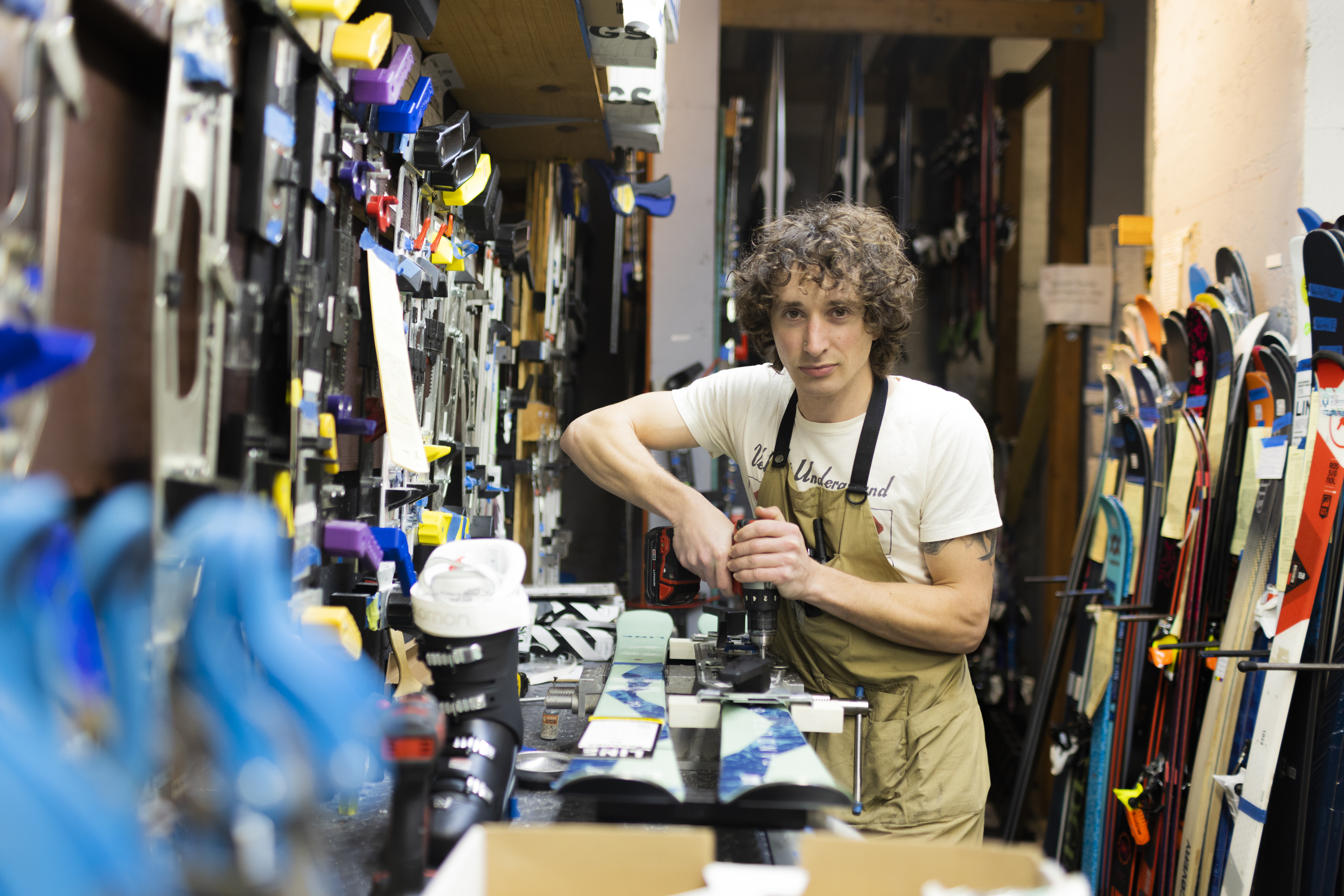
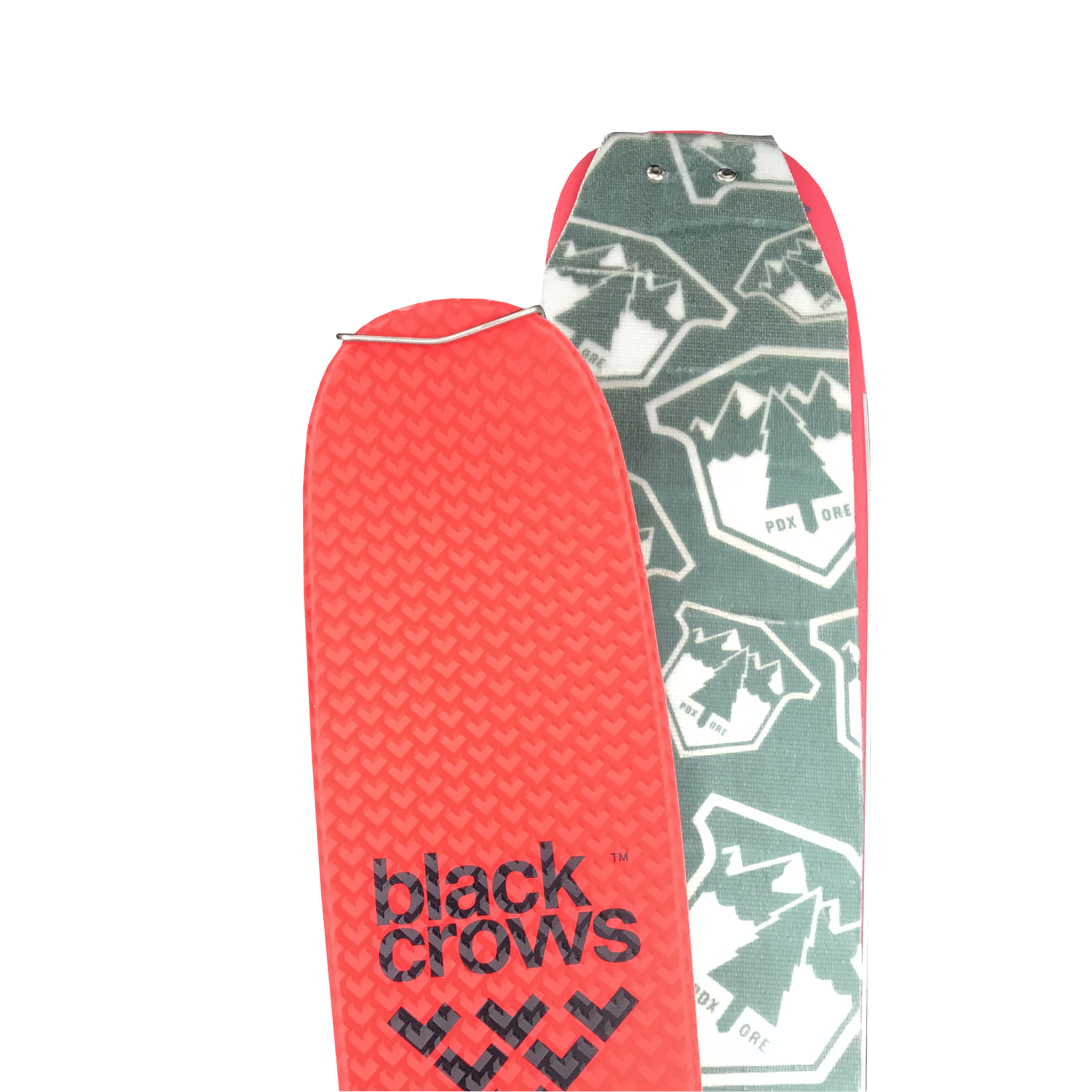
No matter—the staff at Next Adventure knew what they were doing. I normally like my own set-up, but Travis in the ski department paired me with a pair of Black Crows Atris, complete with the shop’s branded climbing skins and poles, and fitted me in Scott Cosmos III boots. It's a brand whose ski boots I had never tried before, but Travis nailed the fit; they felt perfect on my usually hard-to-please wide toes. I dressed in clothing—shell, mid-layer, ski pants, gloves, and pack —from the shop's custom Wildernes not available for rental but offered at a price well below big brands. Having flown in with just a change of clothes, I was now ready for adventure in the high reaches of the Cascades. And what a test it was.
A classic Cascade whiteout rolled in, and the visibility up at Timberline, which was an easy 90-minute drive from my downtown hotel, left me wondering if wandering up a glacier solo was a good idea. I checked in with my wife at home and decided to head up along the lifts to stay on track by following the towers, which came in and out of view like giant ghosts. For more than a mile, I slogged up in bare volcanic soil and rocks, trying to keep my head down as the wind pummeled me. When I finally reached the snow line and began to skin up, I stopped for a moment and asked myself why I was doing this. “Gear testing.” my inner adventurer replied. The turns I did get—in sideways rain—were skiing at least, and as I skied back down to the trail, I noticed a gully filled with hard, old, rippled snow and decided to follow it down. At least there was some shelter from the wind, and any skiing is better than a long walk in plastic boots and gale-force winds for nothing. And I got to test the gear. Next Adventure’s Wilderness Technology kit held up better than my trusty iPhone 7, which died when I got back to the car.


Next Adventure is always thinking about the customer of the future.

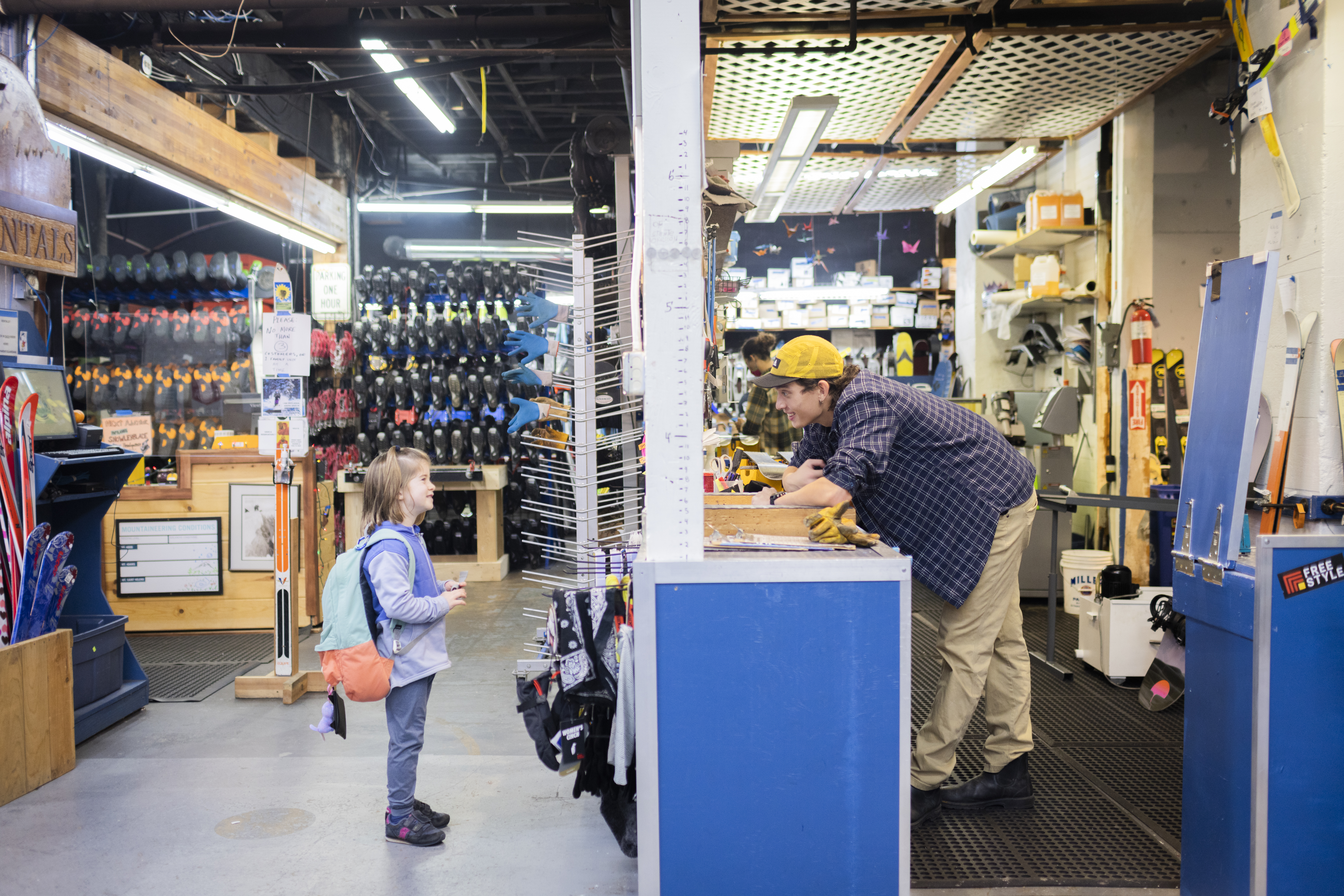
The shop makes the outdoors more inclusive by offering deals to families and kids.
Deek and Bryan make sure to always take care of their employees—that means employees care about customers.
Head down into the bargain basement to find the dirtbag heart and soul of the store.
Deek and Bryan offer employees the chance to take time off from work to find adventure.
Putting It to the Test
“We take the long view, and that has helped us immensely. You get your teeth kicked in, but six months later, you're at another trade show and it's another opportunity.” —Bryan Knudsen
Putting It to the Test
“We started as a fun and funky used and closeout store. As we grew, we gained customers, people who were passionate about outdoor sports, and we helped them out.” —Deek Heykamp
Photos and videos by David and Michael Hanson
Portland’s Next Adventure is on a mission to continue to grow as a business, drive change in its community, and keep it real in an industry that’s in danger of losing sight of its dirtbag roots.
By Doug Schnitzspahn


How Next Adventure set us up for success on a blower (not the good kind) day on Mount Hood.
Gotta Get the Gear
The line between reality and satire in Fred Armisen and Carrie Brownstein’s "Portlandia," which ran from 2011 to 2018 and served as an ironic love letter to the city, was always blurred. And while Next Adventure didn’t actually make the show, it did supply the gear for a skit in which Fred and Carrie played two aggressively outdoorsy urbanites who take on the wild by amassing the most toys. There was just one problem: when reps from the show came in to get the gear, Next Adventure didn’t have any branded bags to show off on TV. “We looked around and we were like, ‘oh no,’” says Ryan Slagel, Next Adventure’s director of product. "So we stuck some Next Adventure stickers on plain bags and sent them off. You can see the stickers on the bags in the show. After that, we got branded bags.”
Gotta Get the Gear
When Portlandia lived up to the rep.

“One thing that I know Deek and Bryan and I all share, and a big reason why I just joined the team, is that they really do believe firmly in putting the team's experience first and understanding that that translates into a great customer experience,” says retail director Tossi, who came to Next Adventure from Columbia and worked for Apple. “That's not new information, but I think they embody that ethos really well. It’s something we're highly invested in here, and I think it's really going to be the biggest part of our roadmap to success over the next five, ten years. We need to look at building these teams and everything from our web infrastructure to our DC, to our locations, and ask how do we do it in a way that’s culturally correct?”
The trap the team wants to avoid is losing its soul as it finds success. It’s the same dilemma any indie band faces, from REM to the Replacements to the Breeders. Next Adventure’s answer lies in encouraging independent thought while it expands. “Over the last five years, we built out the Sandy location and we've been growing our business at Scappoose Bay. Nothing has changed except for the company's ability to focus on Scappoose a little bit and start to put some energy into it to make it be a Next Adventure shop,” COO/CFO Kuns tells me over coffee across the street from the shop. “When it was opened, we wanted to be respectful of the local community and still have it have that same Scappoose-local feel. So over time we've been able to get a foothold in the community and build trust and relationships. Now, as a company, we're investing more in a broader assortment plan, even though it’s still primarily a paddling demo shop. Now, if you're a local kid, you can get your skateboard there; you can get camping gear there; you can find things for your kids; you can outfit your family in Wilderness Technology gear.”
It’s just another example of playing the long game, the strategy that has served Next Adventure so well.
"Deek and Bryan started this as a second-hand business,'' adds director of product Slagel, who has joined us. “It was focused on used gear closeouts. They were literally going to yard sales and filling their own personal vehicles with yard sale gear, bringing it into the store, pricing it, and selling it. Then it became bulk-buy surplus closeouts. Slowly, it evolved into a really strong mix of primarily closeouts and off-price opportunities, but also robust catalogs for inline product. And now, by virtue of how websites work, the website becomes a really polished, clean-looking display for all that inline full-price product. And that part was almost kind of easy. No stab at any other online retailers, but the hard part is making the Next Adventure in-store feel happen on the internet. So it's a huge opportunity for us.”
This is the next challenge for Next Adventure. Will digital—which is necessary during the ongoing pandemic and whatever lies after it—kill the analog vibe? The test lies in figuring out how the online experience can have the same authenticity and camaraderie of the brick-and-mortar store.
“We've done some good work with our graphic design department to make sure that the site feels and looks like Next Adventure,” says Tossi. “So it has that eclectic vibe to it. We have phone, email, and live chat support. So if people do want to talk to somebody and they have a product-knowledge question or just need the inspiration piece of talking about this trip that they’re going on and everything that they need, they have a means to do that. We’re here for our customers that way.”
Cut to that indie rock closing song that sends the audience out of the theater on a high but keeps the characters evolving past the credits. The internet was cool once. And if Next Adventure has any say in it, the dirtbags will retake it—and keep winning in the long term.
The Next Adventure directors team: (left to right) Bryan Knudsen, Brent Tossi, Erin Kuns, Deek Heykamp, Ryan Slagel