june 2025
Presented by LEGO® DUPLO®
Elena Grigorovich
page 7
page 3
page 9
page 2
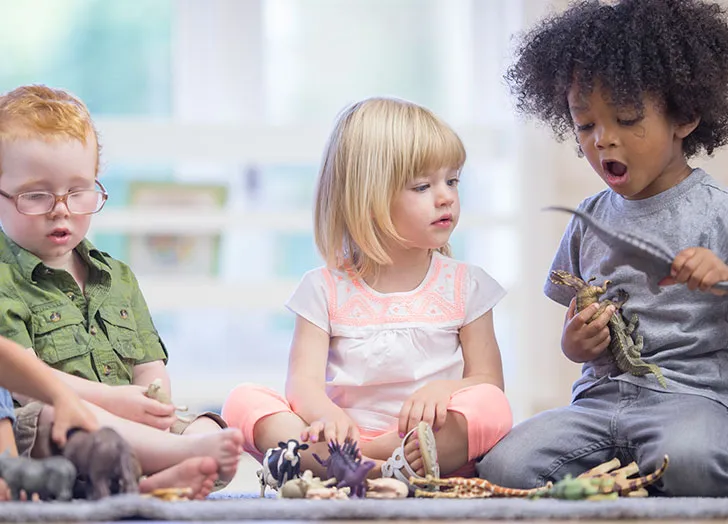
ight now, my 3-year-old is deep in a “baby” phase. Her daycare sends me photos of makeshift carriers that she’s fashioned out of scarves for toting around her dolls. She pats them on the back (a little too hard for my liking, but whatever) and shushes them to sleep. It’s adorable and also entirely fitting—she has a baby brother at home and I can see how she is processing her new reality by reenacting it with neckwear. Meanwhile, my kindergartener has fully entered his action figure era. I’ll overhear him in his room staging dramatic battles between good guys and bad guys and replaying incidents like a stolen ball or a tumble at the playground. And the baby? Well, his idea of fun mostly involves gumming the remote.
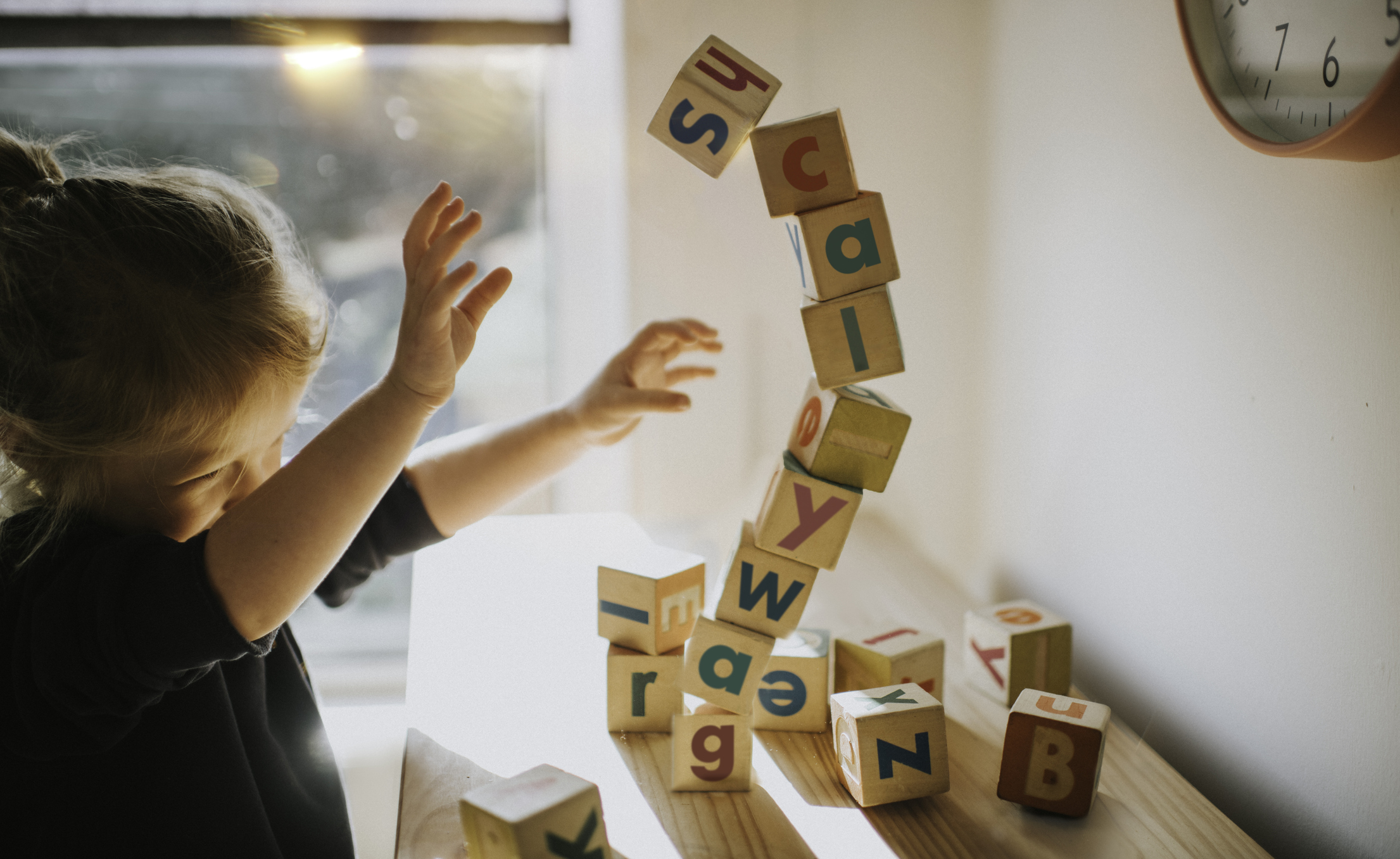
Different ages and different stages. But in their own way, they’re each creating their own little worlds to make sense of the bigger one they live in. Whether they’re role-playing, storytelling, city-building or simply taste-testing their toes, it’s not just play. It’s how they learn, how they cope and how they grow. That’s why we created The Play Issue—a celebration of childhood play and tips for how to do it with your own kids (without losing your mind in the process). We asked a neuropsychologist and a bioengineer what actually happens in a toddler’s brain when they knock down a tower. (Spoiler: It’s amazing.) We dove deep on parental burnout and playtime guilt and gave you the best suggestions for creating a play space that feels both fun and functional. Because parenting is hard enough as it is—this should be the fun part.
executive editor, family
Rachel Bowie, Alexia Dellner, Dana Dickey, Madeline Merinuk
editors
designer
writers
Jillian Quint, Kelsey Paine
Dasha Burobina
R
ight now, my 3-year-old is deep in a “baby” phase. Her daycare sends me photos of makeshift carriers that she’s fashioned out of scarves for toting around her dolls. She pats them on the back (a little too hard for my liking, but whatever) and shushes them to sleep. It’s adorable and
also entirely fitting—she has a baby brother at home and I can see how she is processing her new reality by reenacting it with neckwear. Meanwhile, my kindergartener has fully entered his action figure era. I’ll overhear him in his room staging dramatic battles between good guys and bad guys and replaying incidents like a stolen ball or a tumble at the playground. And the baby? Well, his idea of fun mostly involves gumming the remote.
Crystal Bolin Photography
That’s why we created The Play Issue—a celebration of childhood play and tips for how to do it with your own kids (without losing your mind in the process). We asked a neuropsychologist and a bioengineer what actually happens in a toddler’s brain when they knock down a tower. (Spoiler: It’s amazing.) We dove deep on parental burnout and playtime guilt and gave you the best suggestions for creating a play space that feels both fun and functional. Because parenting is hard enough as it is—this should be the fun part.
Catherine Falls Commercial
asked a neuropsychologist and a bioengineer what actually happens in a toddler’s brain when they knock down a tower. (Spoiler: It’s amazing.) We dove deep on parental burnout and playtime guilt and gave you the best suggestions for creating a play space that feels both fun and functional. Because parenting is hard enough as it is—this should be the fun part.
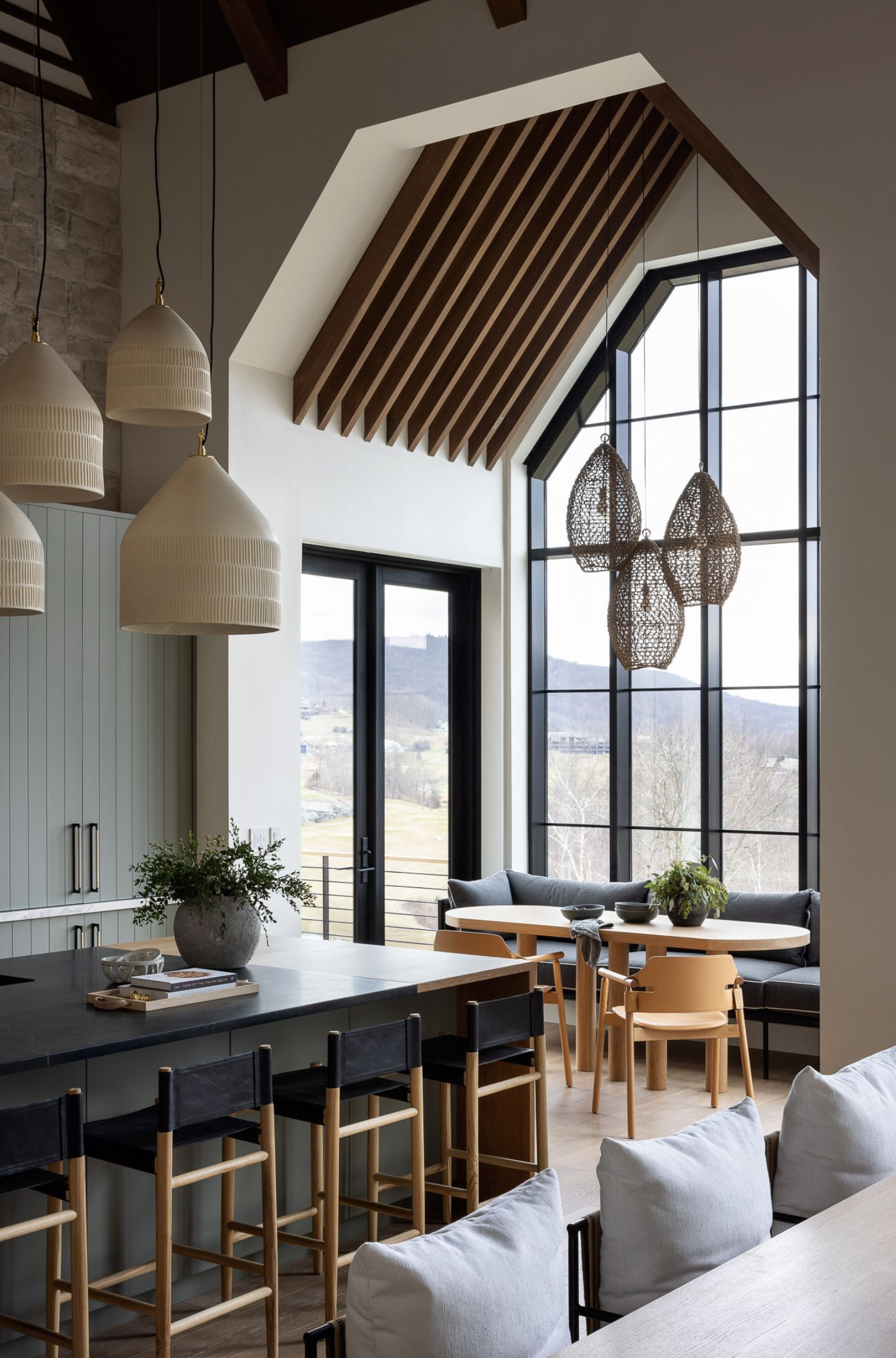
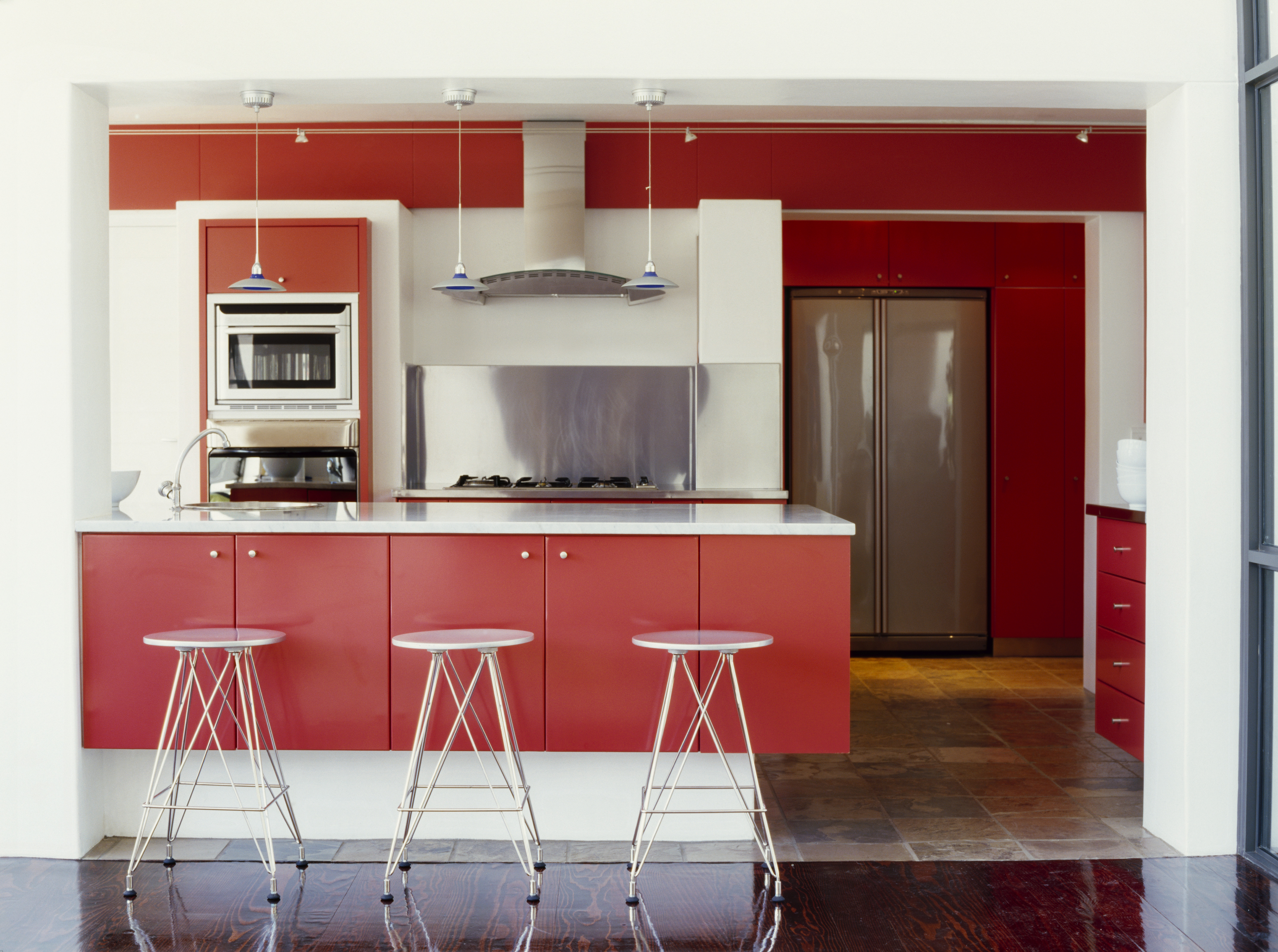
After years of universally pleasing, Instagram-generic kitchens, the pendulum has started to swing in the other direction. Suddenly, the folksy neutrals the modern farmhouse trend popularized feel dreary and sterile. No longer are we interested in a space that looks like it’s been plucked from a new-build brochure. Instead, we want color, pattern—personality—in our homes to remind us we’re alive. And thankfully, that’s what these three new kitchen trends are all about.
By: Sydney Meister
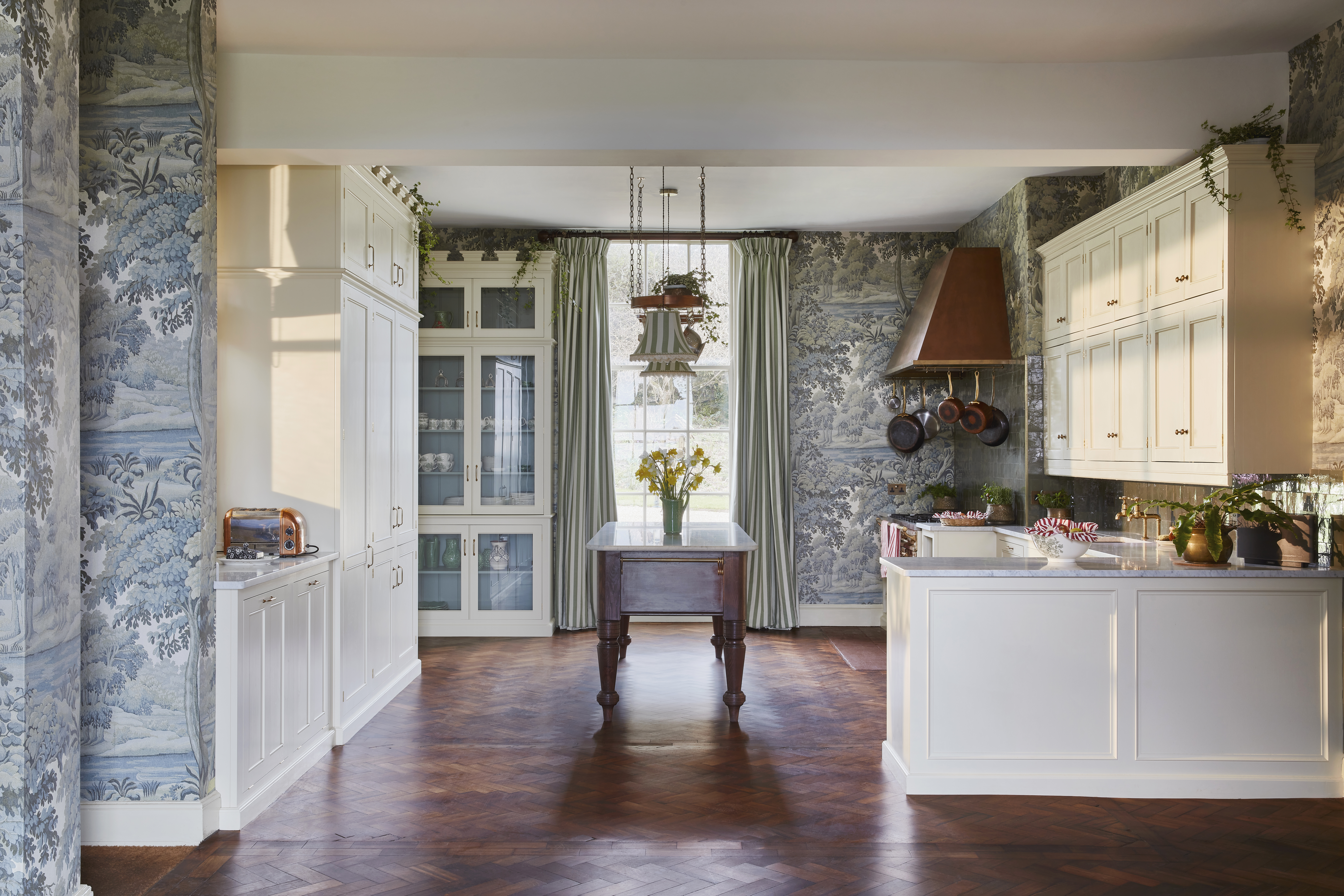
Around that time, we were introduced to the cottagecore trend: A cross between shabby chic and your favorite childhood fairy tale. It was an English cottage aesthetic that boasted everything from embroidered linens to antique frogs and floral teapots—all of which offered us an escape into pastoral-perfect living as we withered away in quarantine. In 2022, however, cottagecore’s kitsch seemed to lose its charm. What felt sentimental and nostalgic during lockdown became juvenile and tacky in the real world. So then, with the emergence of quiet luxury in 2023, the English cottage got a high-end makeover, paving the way for a more sophisticated take: English country kitchens. Instead of quaint ruffled valences and cluttered farmhouse tables, the look was elevated with timeless floral wallpaper, sprawling butcher block islands and glittering crystal chandeliers.
Naturally, Joanna Gaines’ farmhouse style mushroomed kitchen design for a reason. It not only mixed rustic wood with new materials—think quartzite and ceramic subway tile—but it felt inconspicuous enough to endure over time. However, as the HGTV star became a household name, so did the style she helped coin, becoming so ubiquitous that it started to feel stale.
Designer: Lindye Galloway / Photographer: Mike Van Tassell
House of Hackney/ deVOL Kitchens
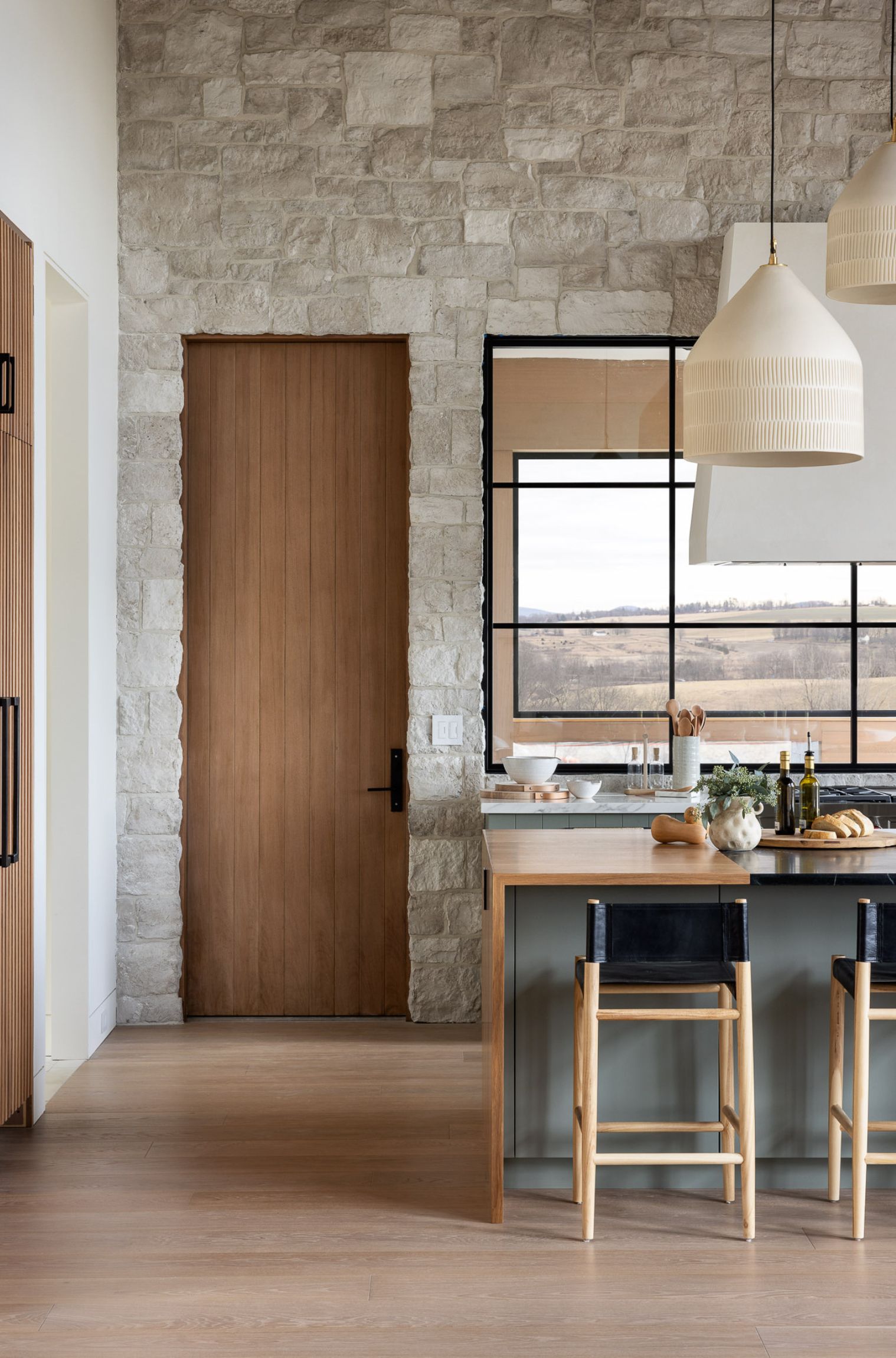
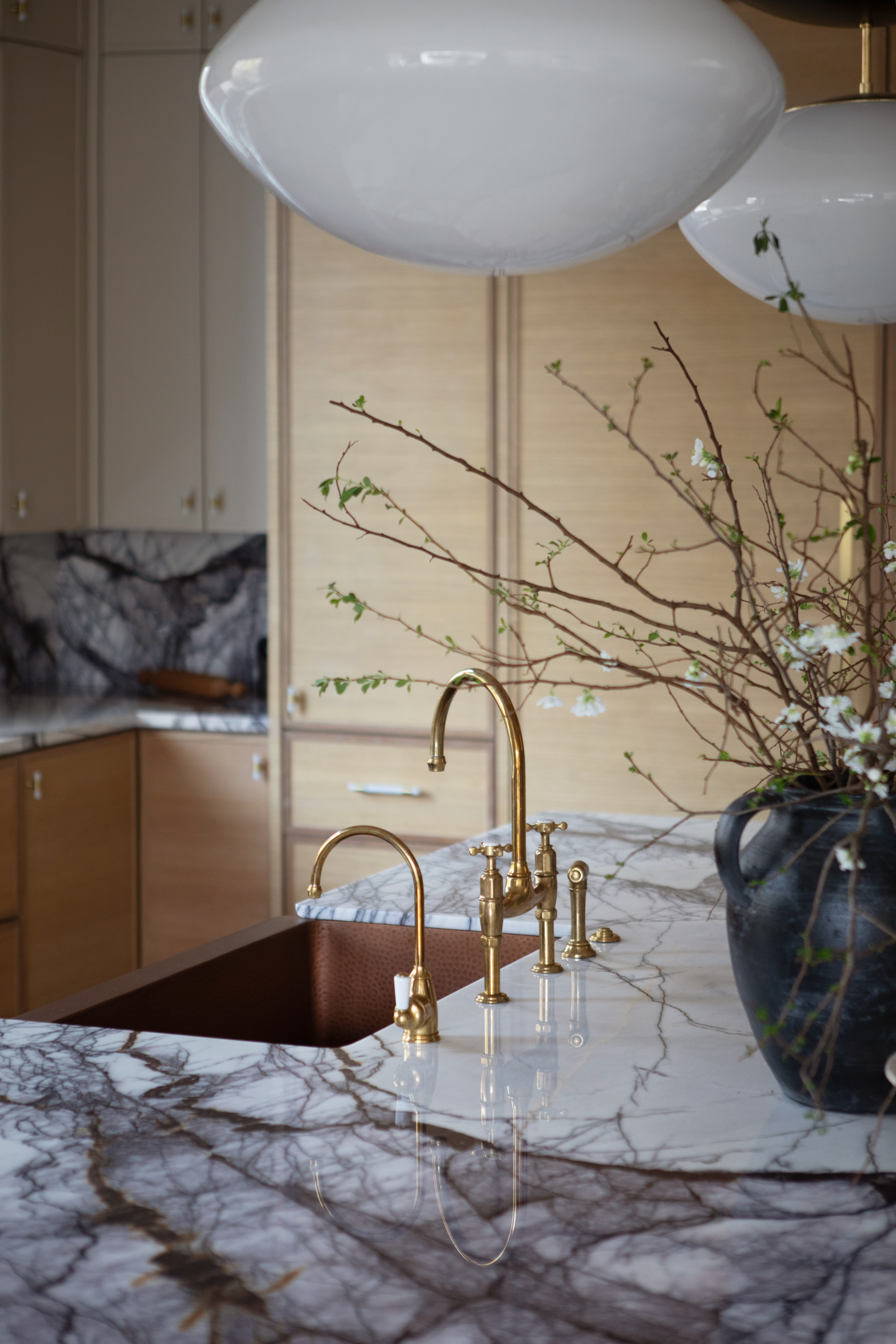
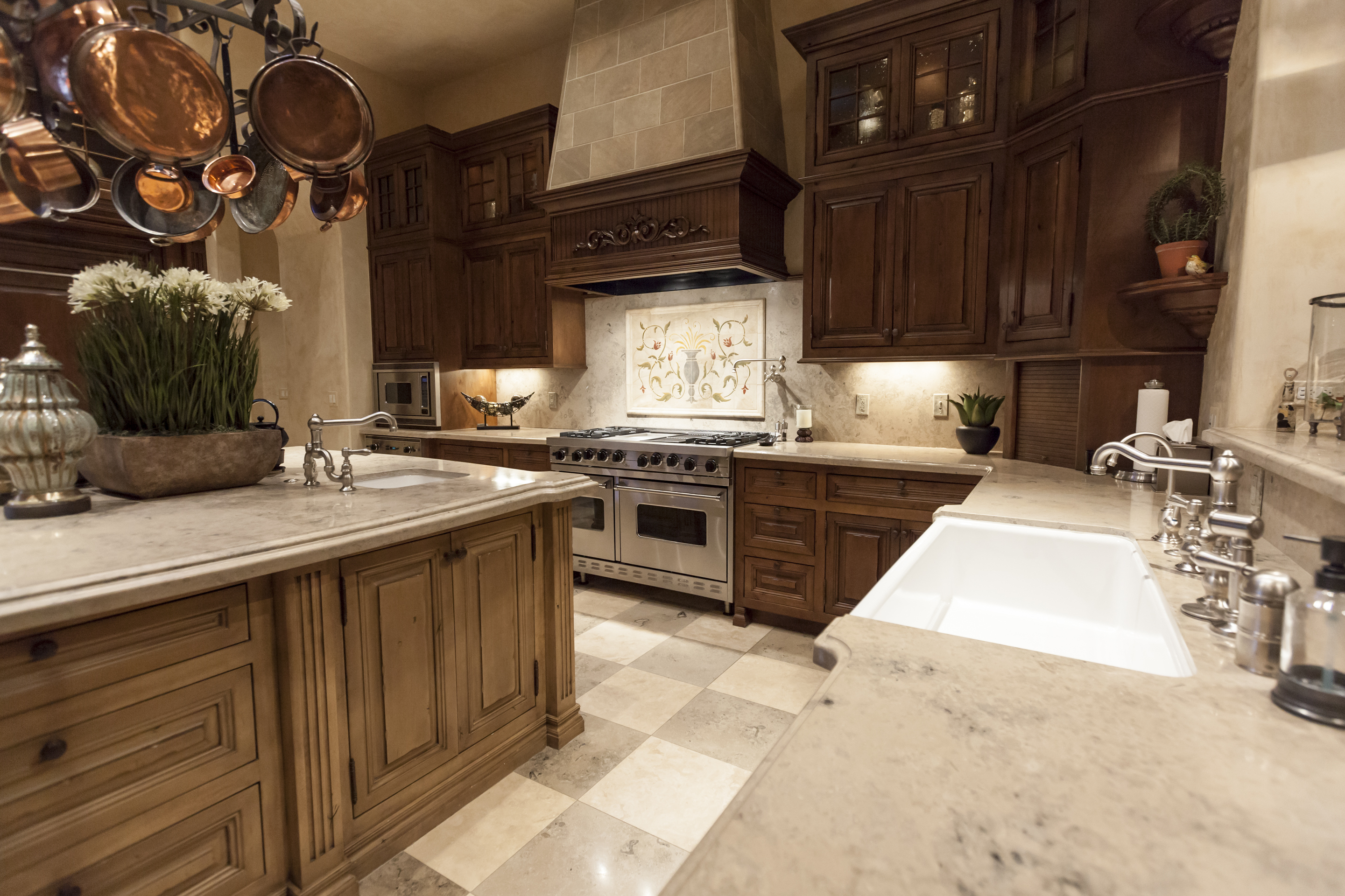
A more recent trend that you’ve no doubt seen all over TikTok is mob wife. The Sopranos-inspired aesthetic has mainly been covered in fashion, but as with all things in design, it’s also making its way into the kitchen. Specifically, in bringing back the early 2000s Tuscan style—which was huge with boomers of a certain suburban ilk—and giving it a modern Mediterranean makeover. A classically Tuscan kitchen has three elements that bring the look together: 1) brick, 2) dark wood and 3) granite. The color palette involves lots of brown and terracotta tones with honeyed/copper accents—mostly to replicate the sunshine and soil in Tuscan wineries. So now, we’re seeing a coastal version of Tuscan with an emphasis on the lighter, more airy Mediterranean Sea (as opposed to the deep and vibrant colors of the rolling hills). Instead of brick backsplashes and granite countertops, modern Med uses limestone on the walls and classic Calcutta marble or travertine on the surfaces. This makes it feel current without sacrificing rustic charm, perfectly in line with the updated farmhouse theme we’re seeing in interiors right now.
English Country
Modern Mediterranean
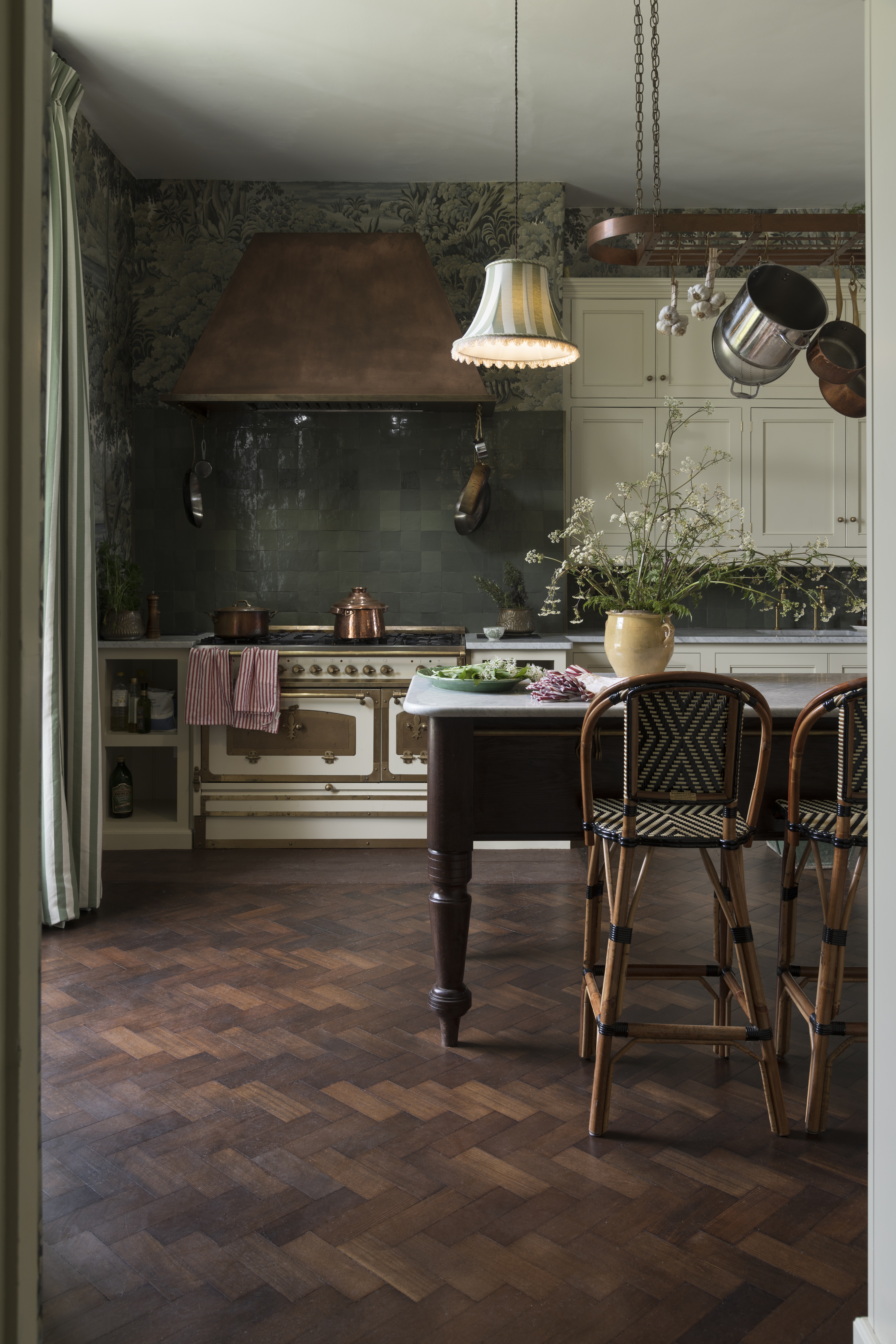
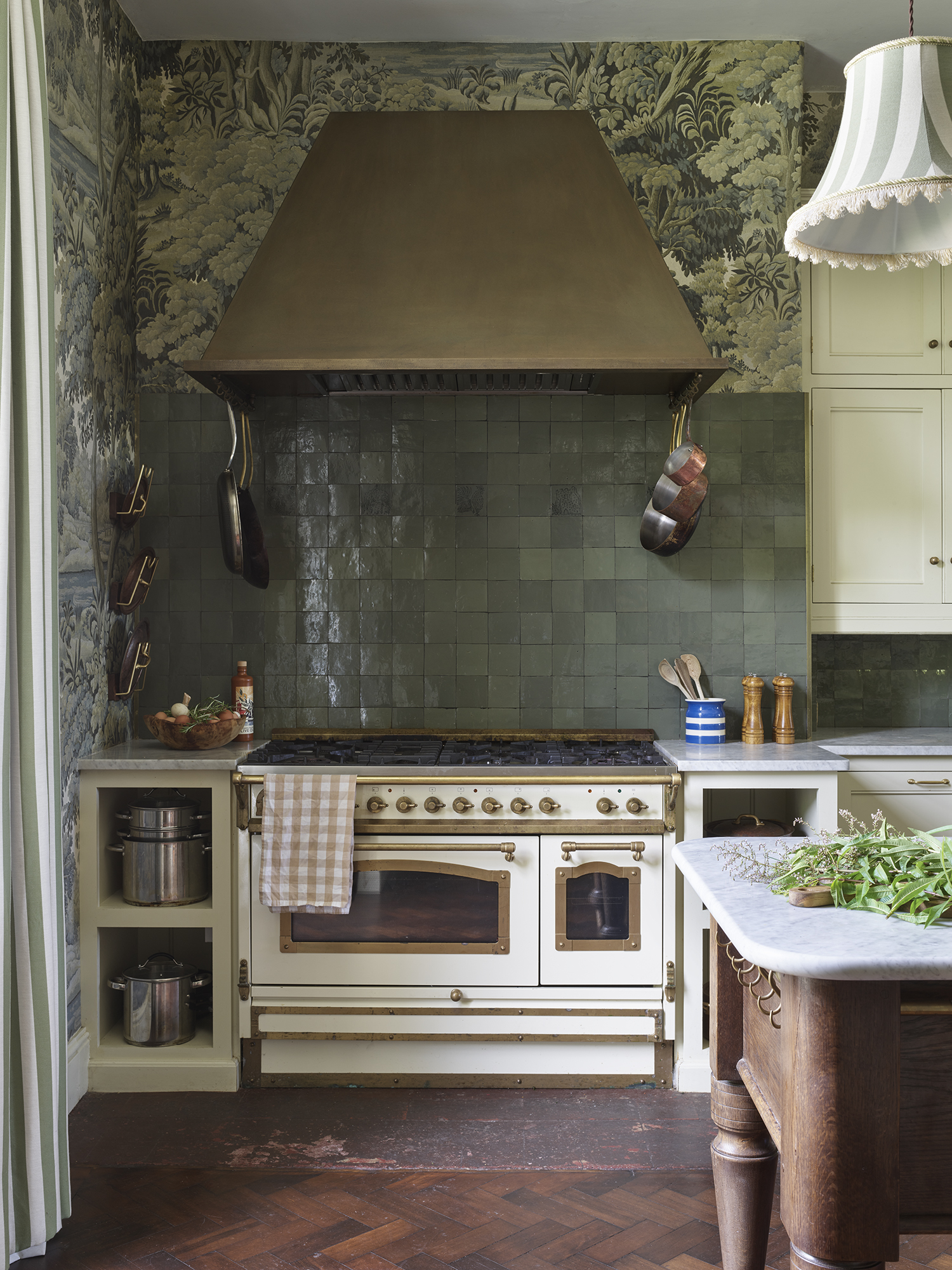
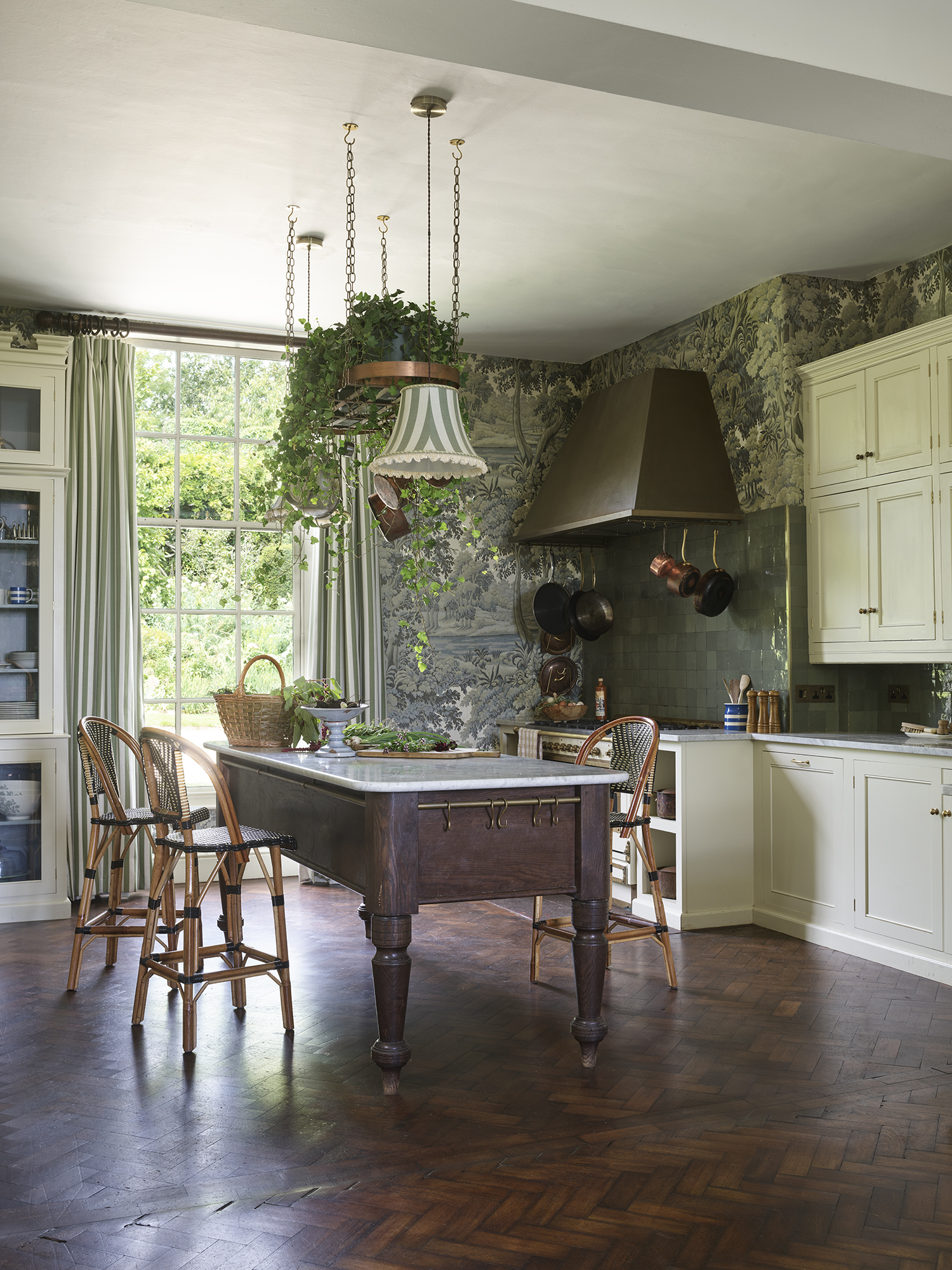
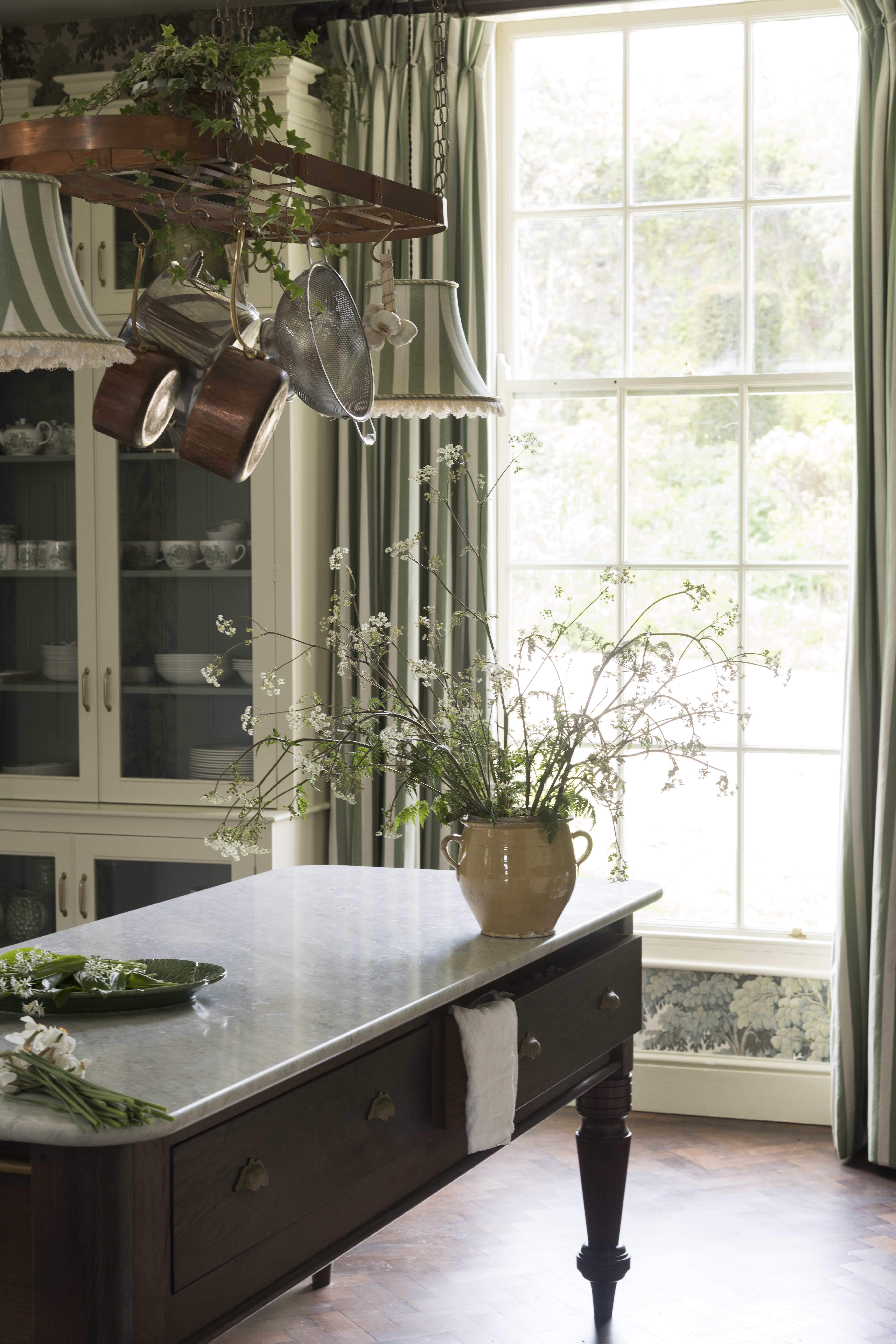
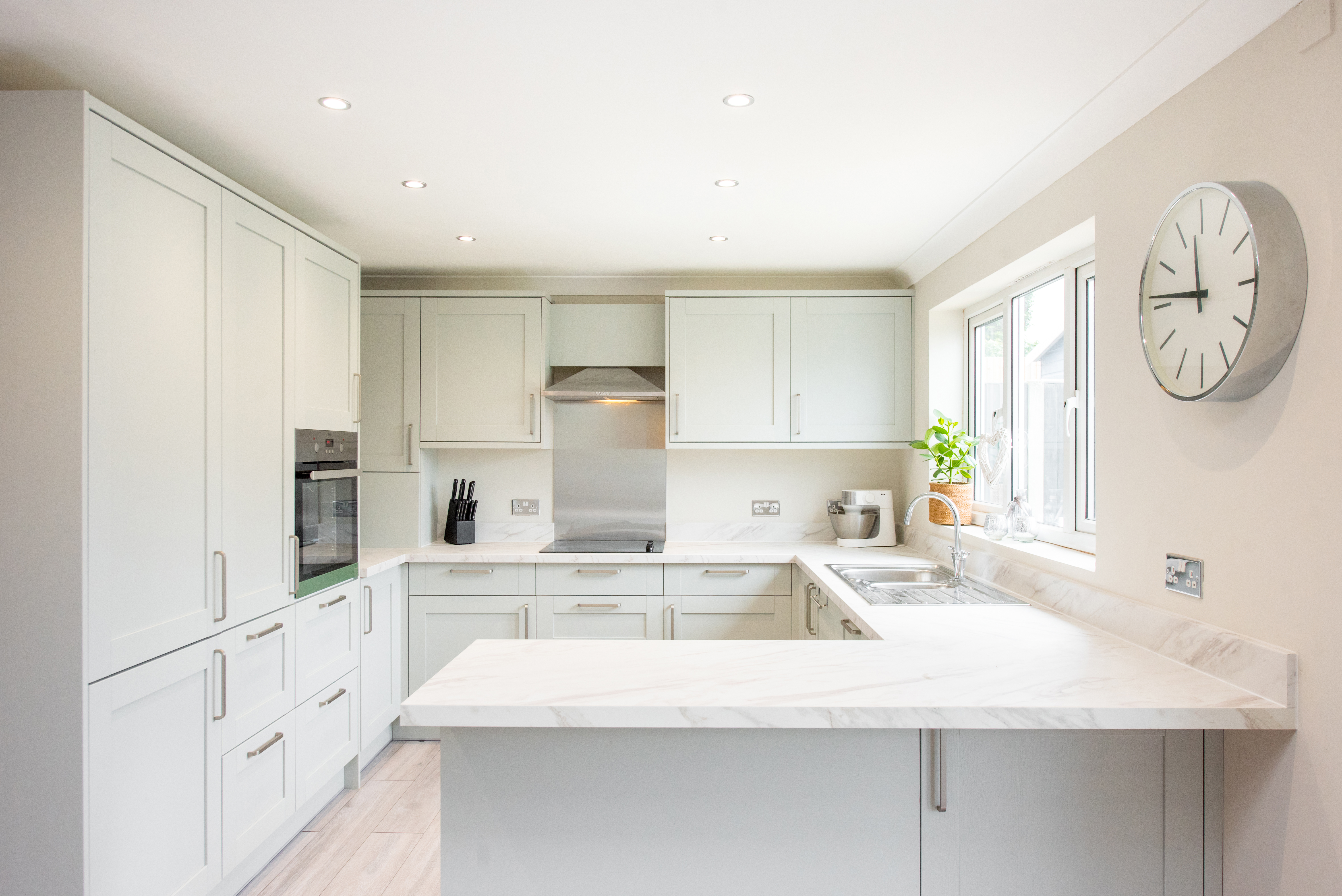
Still, while English country kitchens have been around for centuries, this year’s rendition takes a more contemporary approach to age-old European design. Think traditional details like ornate ceiling moldings and herringbone hardwood floors with upgraded materials like copper and zellige. Basically, it keeps the silhouettes clean-lined and classic and updates everything with finishes that make it feel current. It has the same classic-yet-cozy draw as farmhouse, but the design toes the line between royal Bridgerton and posh Victoria Beckham townhouse.
design Formula
Dark wood finishes
English country Design Formula
Classic green hues
Whimsical florals
Zellige tile
Copper cookware
A more recent trend that you’ve no doubt seen all over TikTok is mob wife. The Sopranos-inspired aesthetic has mainly been covered in fashion, but as with all things in design, it’s also making its way into the kitchen. Specifically, in bringing back the early 2000s Tuscan style—which was huge with boomers of a certain suburban ilk—and giving it a modern Mediterranean makeover.
Naturally, Joanna Gaines’ farmhouse style mushroomed kitchen design for a reason. It not only mixed rustic wood with new materials—think quartzite and ceramic subway tile—but it felt inconspicuous enough to endure over time. However, as the HGTV star became a household name, so did the style she helped coin, becoming so ubiquitous that it started to feel stale. Around that time, we were introduced to the cottagecore trend: A cross between shabby chic and your favorite childhood fairy tale. It was an English cottage aesthetic that boasted everything from embroidered linens to antique frogs and floral teapots—all of which offered us an escape into pastoral-perfect living as we withered away in quarantine. In 2022, however, cottagecore’s kitsch seemed to lose its charm. What felt sentimental and nostalgic during lockdown became juvenile and tacky in the real world. So then, with the emergence of quiet luxury in 2023, the English cottage got a high-end makeover, paving the way for a more sophisticated take: English country kitchens. Instead of quaint ruffled valences and cluttered farmhouse tables, the look was elevated with timeless floral wallpaper, sprawling butcher block islands and glittering crystal chandeliers.
And so we give our newborns black and white flashcards to boost their attention spans. We craft bean-filled sensory bottles to stimulate cognitive development. We buy STEM toys for 2-year-olds that promise to lay the foundation for coding. “Play must have some instrumental goal—it can’t be for its own enjoyment (or intrinsic value), but must be oriented around the development of skills whose value will be realized in the future,” notes Strohschein. But here’s the thing—toddler play doesn’t actually need to be optimized.
Tatiana Maksimova
FollowTheFlow
Ask any parent about child-rearing today and one word just about sums it up—intense. Starting in the ‘90s, economic anxiety coupled with advances in child development research and heightened safety concerns (remember the milk carton kids?) gave rise to what experts call “intensive parenting,” a style of parenting where caregivers were expected to invest all their time, money and energy into their offspring. Flash forward thirty years and add in social media’s curated portrayals of family life and you’ve got a perfect recipe for comparison, shame and guilt—even when it comes to something as frivolous as play. “Parents today feel pressure about how to best parent their children, and this extends to how they view playtime,” says Lisa Strohschein, a sociologist who focuses on the links between family dynamics and health and wellbeing. Unsurprisingly, the rise of AI and increasingly smart technology is only adding fuel to the parenting pressure cooker. “Many of the jobs that the current generation of children will step into as adults don’t even exist yet,” says Strohschein. “[Parents] cannot know what skills their children will need to launch as successful adults. It leads parents to view childhood as outcomes-based—to reflect continuously on what they are doing today to prepare their children for future success as adults.”
The Outcome-Based Childhood
I still remember my first (and only) attempt at crafting a sensory toy. I’d seen an Instagram reel where a mom filled an empty water bottle with a combination of beans, pom-poms and water, claiming it would boost her kid’s development and keep them entertained for hours. I was sold. And so I meticulously assembled it, wondering if I too could one day become Pinterest #inspo for other parents. My toddler? He shook it once, looked unimpressed and moved on. A week later, the beans had turned moldy. That may have been my last DIY sensory project, but it certainly wasn’t the last time I felt guilty about playtime. Scroll social media for five minutes and you’re bombarded with picture-perfect playrooms filled with handcrafted wooden toys, mini climbing gyms and rotating Montessori toy shelves, all captioned with “expert” takes on how to enhance your toddler’s development. (Don’t say “I love it!” when your kid draws you a picture, say “you worked so hard on that!”) No wonder millennial parents feel the pressure to curate playtime into a goal-oriented, aesthetically-pleasing endeavor. But what if toddlers actually need less than we think? And what if the real problem isn’t a lack of effort on our part, but a culture that’s made play yet another thing to optimize?
Alexia Dellner
Executive Editor
page 4
Oscar Wong
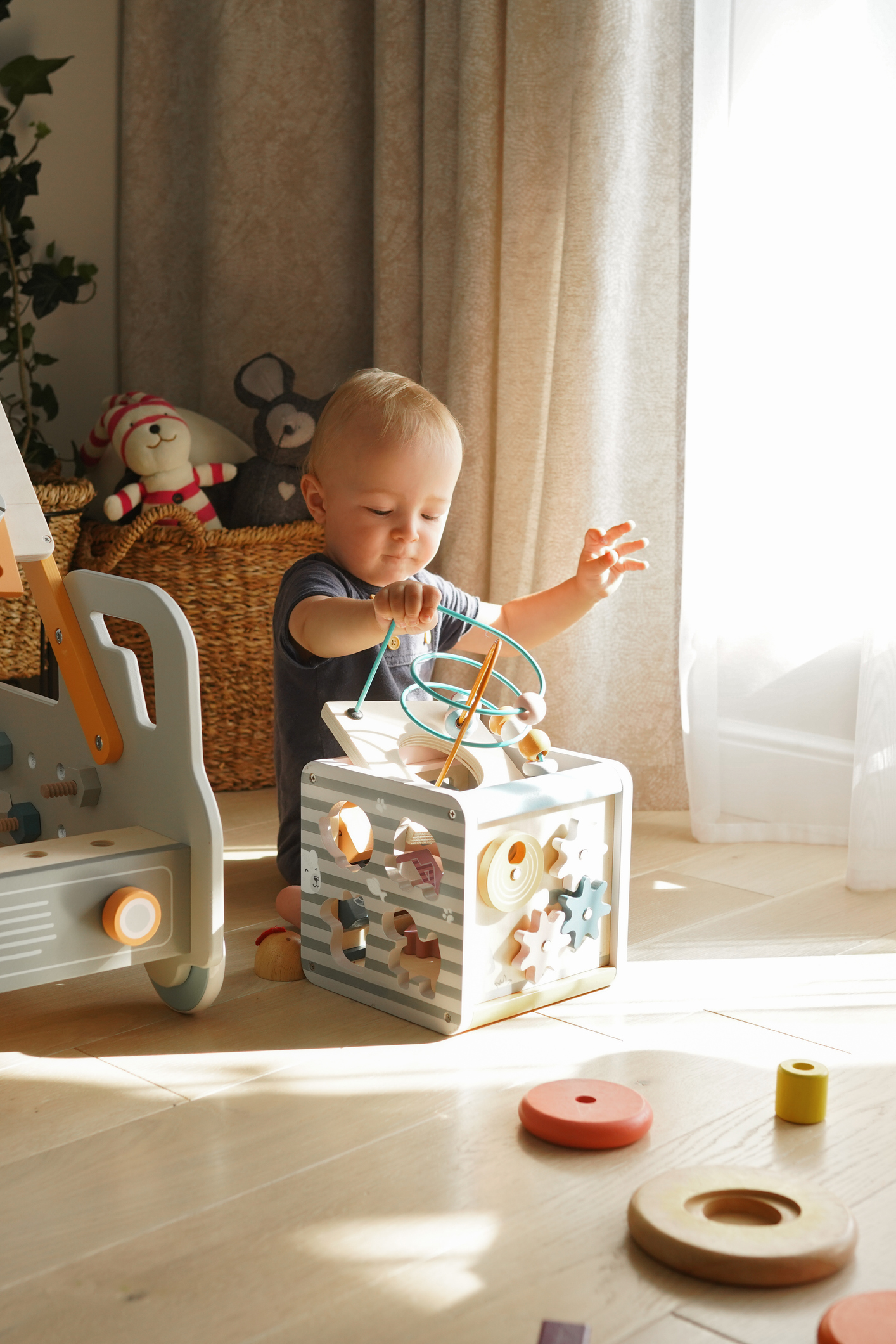
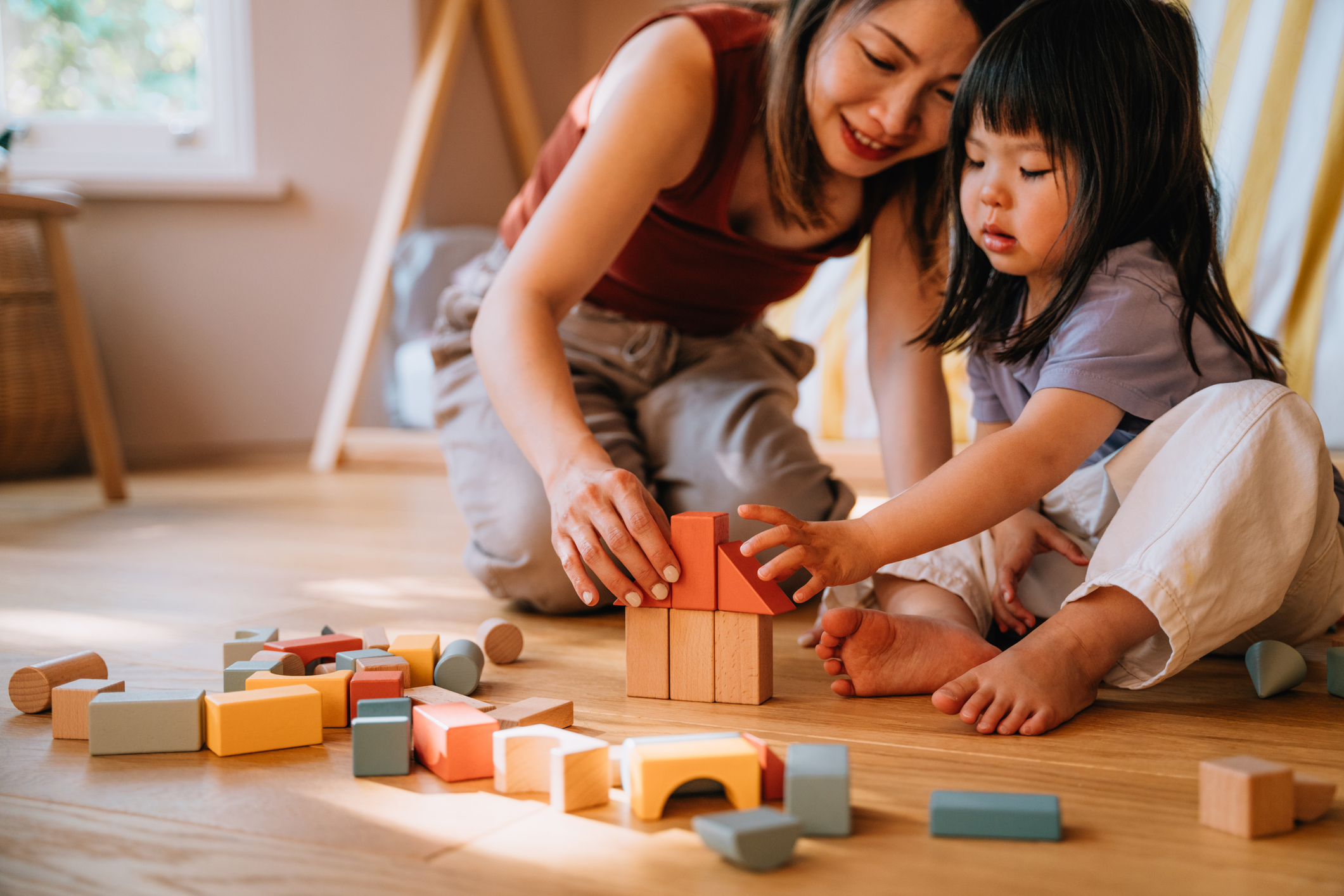
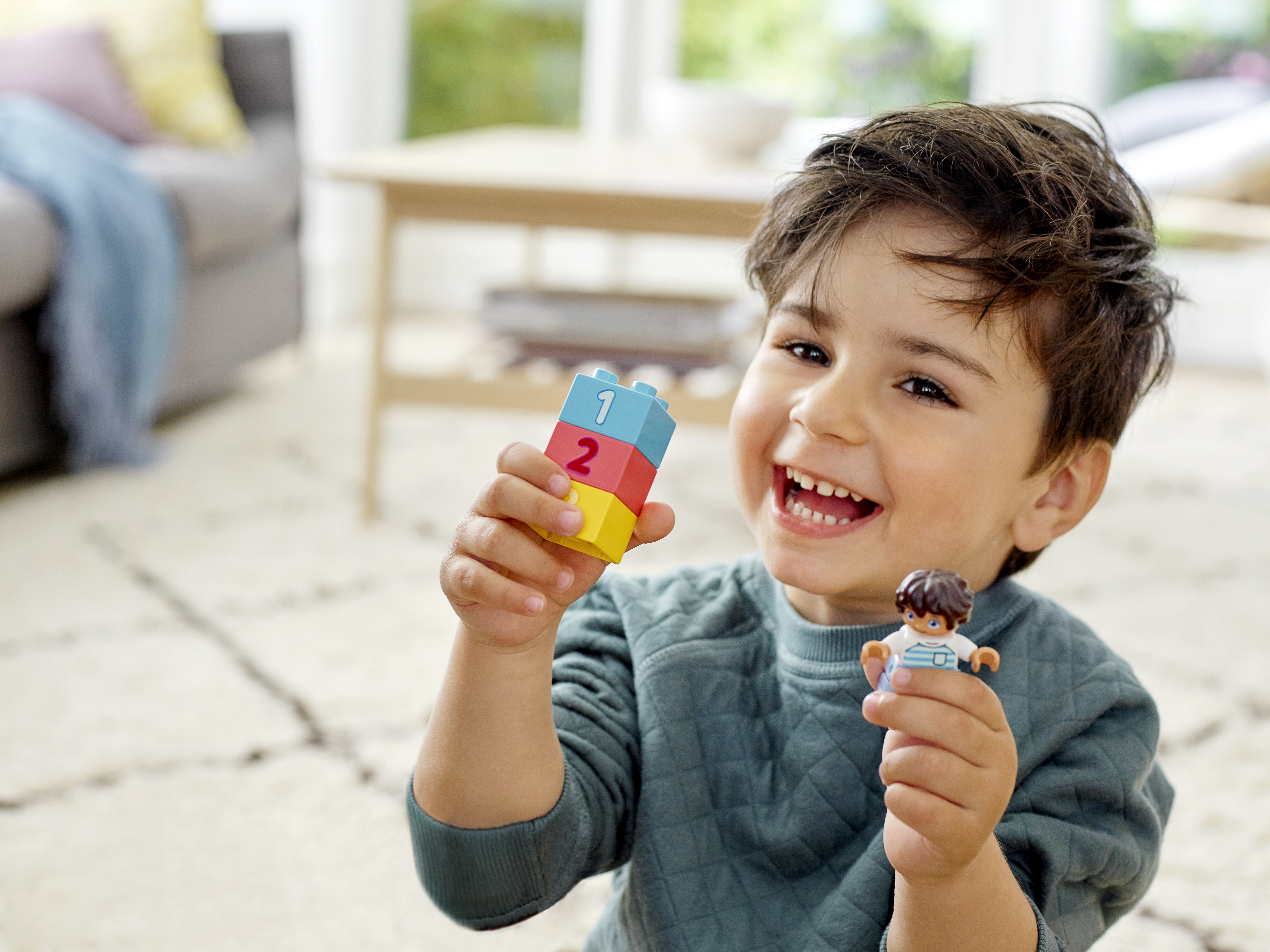
Research confirms that play is, in fact, essential for the toddler brain. “Play can be very beneficial for toddlers, helping them bond with parents and develop language, motor and social skills,” child development expert and psychologist Dr. Eileen Kennedy-Moore tells me.
Cavan Images
Jacob Wackerhausen
Dante Crisafulli
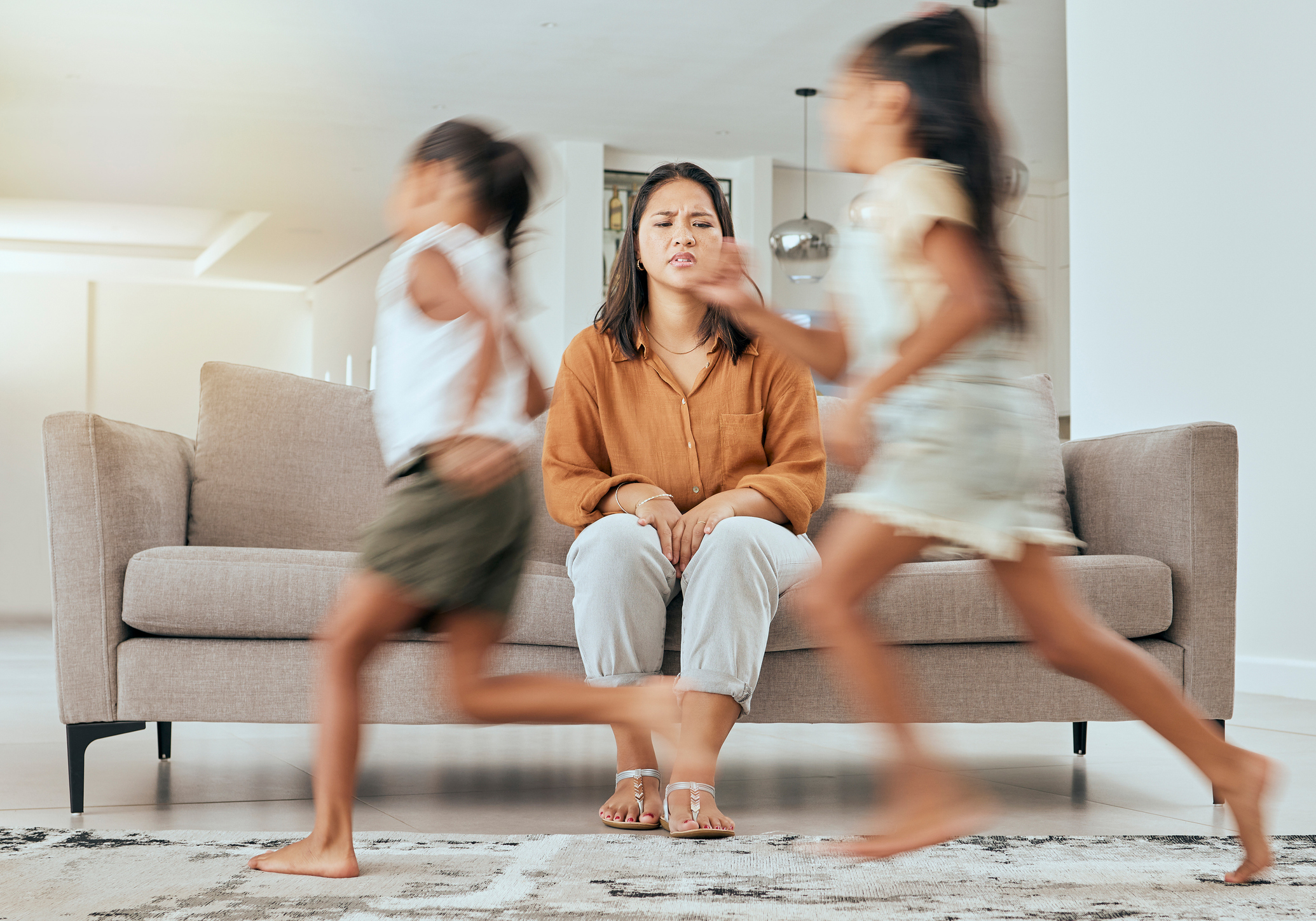
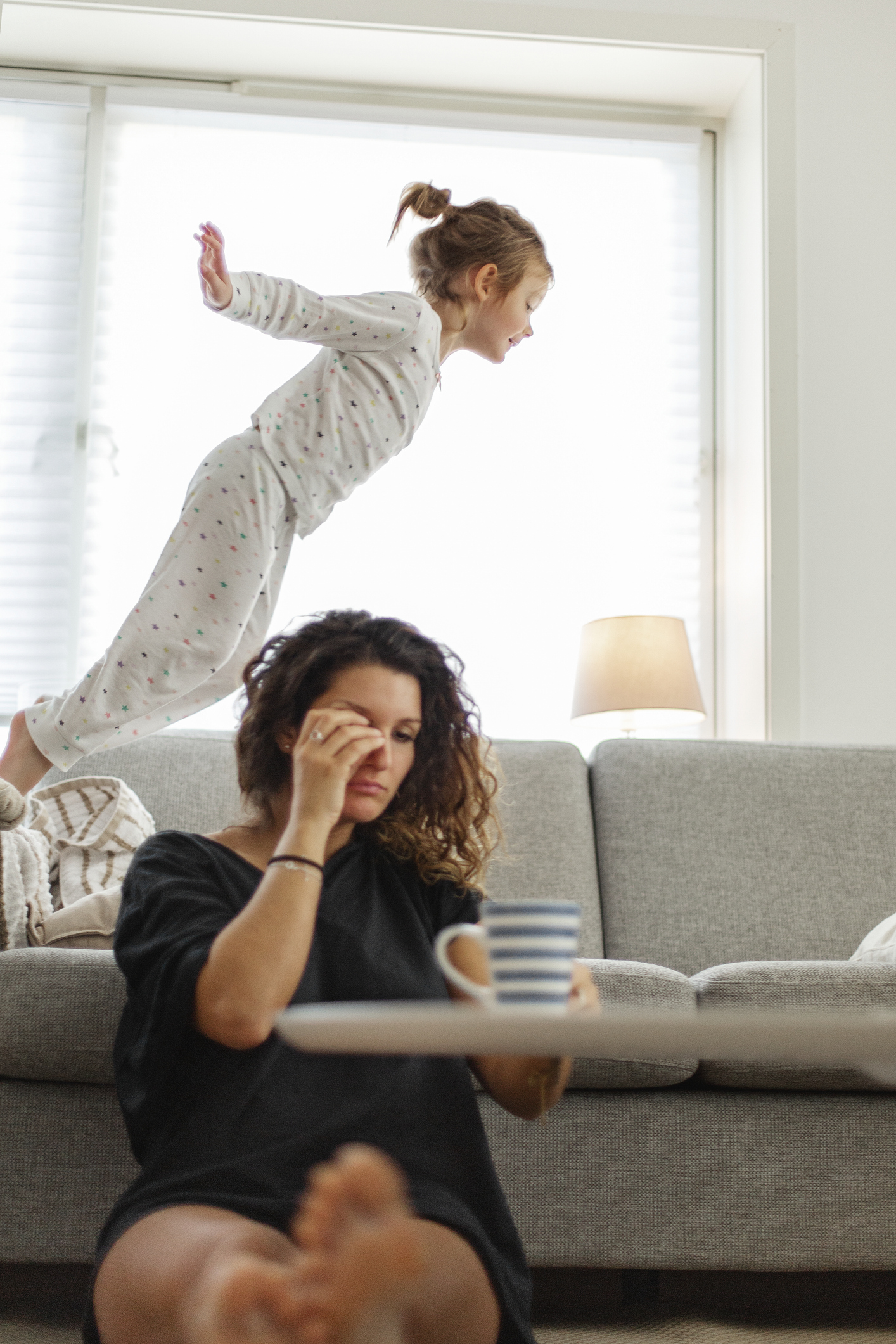
“On weekdays, I struggle to be in the right mindset for my son’s kind of play. After a workday, it's just a lot,” Angela from Massachusetts admits, adding that because her toddler is her only child, she feels extra “pressures to get in the mix.” Candace, a mother of two from New York can relate, saying that she sometimes feels guilty that she’s not enthusiastic about pulling out a puzzle or breaking out the crayons. “I often find myself distracted by what I’d like to be doing, or worse, what I feel like I should be doing,” she shares. This combination of guilt and harriedness means that when I finally do have a spare 15 minutes to sit down with one of my kids, I often feel pressured to turn the moment into a bonding or teaching opportunity. And when that special moment inevitably doesn’t happen (my toddler doesn’t want to go on a nature walk, she wants to play with the Band-Aid she found on the ground!), I become disappointed in us both. But this isn’t helpful. In fact, that guilt can make it even harder to be present during the few precious minutes you do have. Moore stresses that approaching playtime with the attitude of “I'm going to improve my child, now!” or “My kid will be 'behind' if I don't do this!” is particularly anxiety-inducing and gets in the way of actually having fun together.
More good news? Parents don’t need to respond to every single “will you play with me?” request from their child. “Kids also learn by exploring and playing on their own or with siblings or friends,” says Moore. Indeed, unstructured, open-ended play—especially independent or parallel play—is just as crucial for kids as getting down to their level and building a block tower together. As psychologist Peter Gray put in on the Harvard education podcast, “Not being protected and directed, supervised by adults, is where children learn how to take charge of their own lives. It’s where they learn how to solve problems. It’s where they learn how to make friends.”
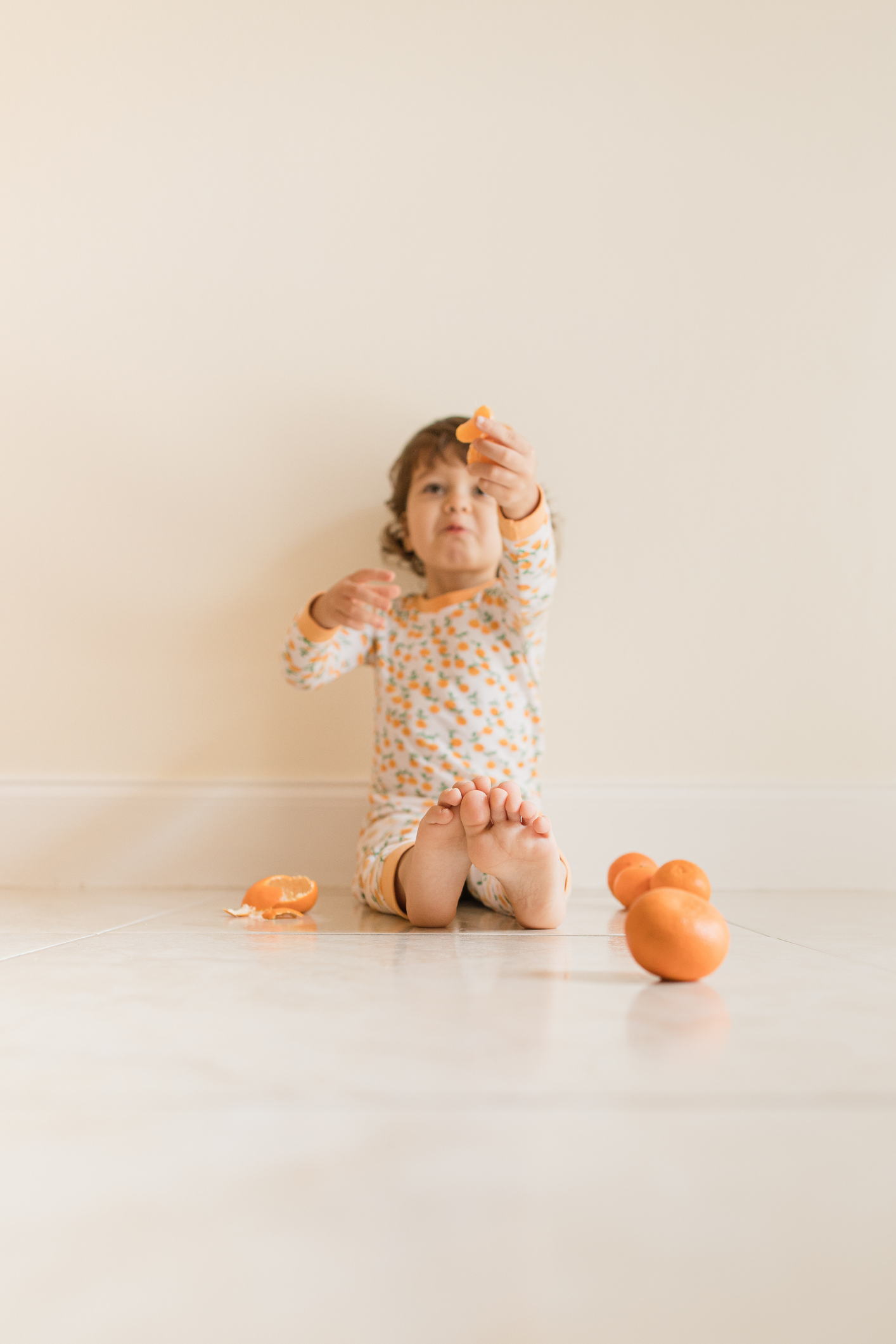
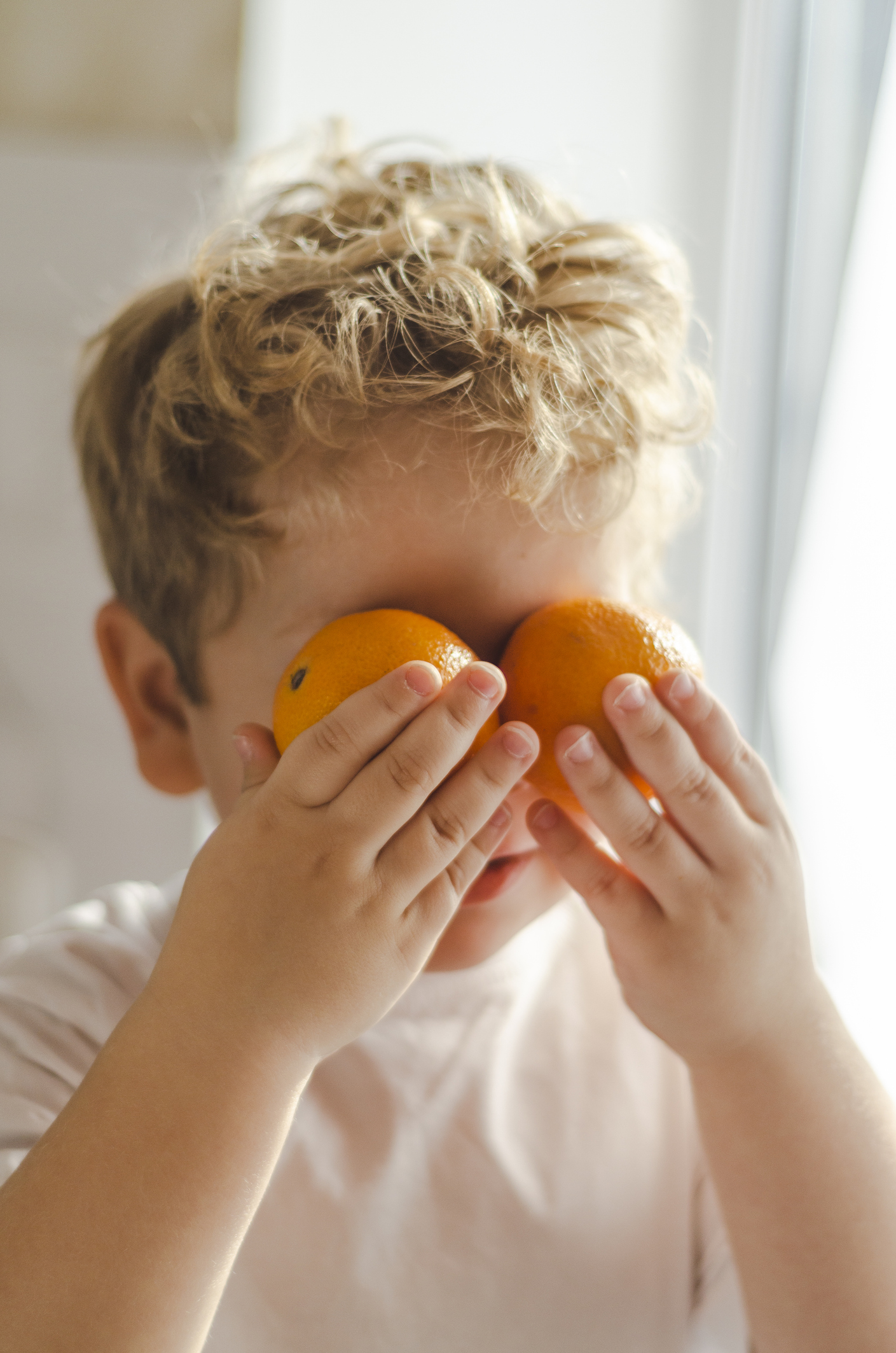
The expert adds that play doesn’t even have to involve games or toys at all. For this particular age group, the whole world is one big playground. “Play for a toddler might mean matching socks in the clean laundry, sorting and putting away the cutlery after you’ve run the dishwasher, choosing an orange at the grocery store, or chasing the Cheerios they spilled with a hand-held vacuum,” she adds.
Johner Images
Play Is Serious Business—But Not That Serious
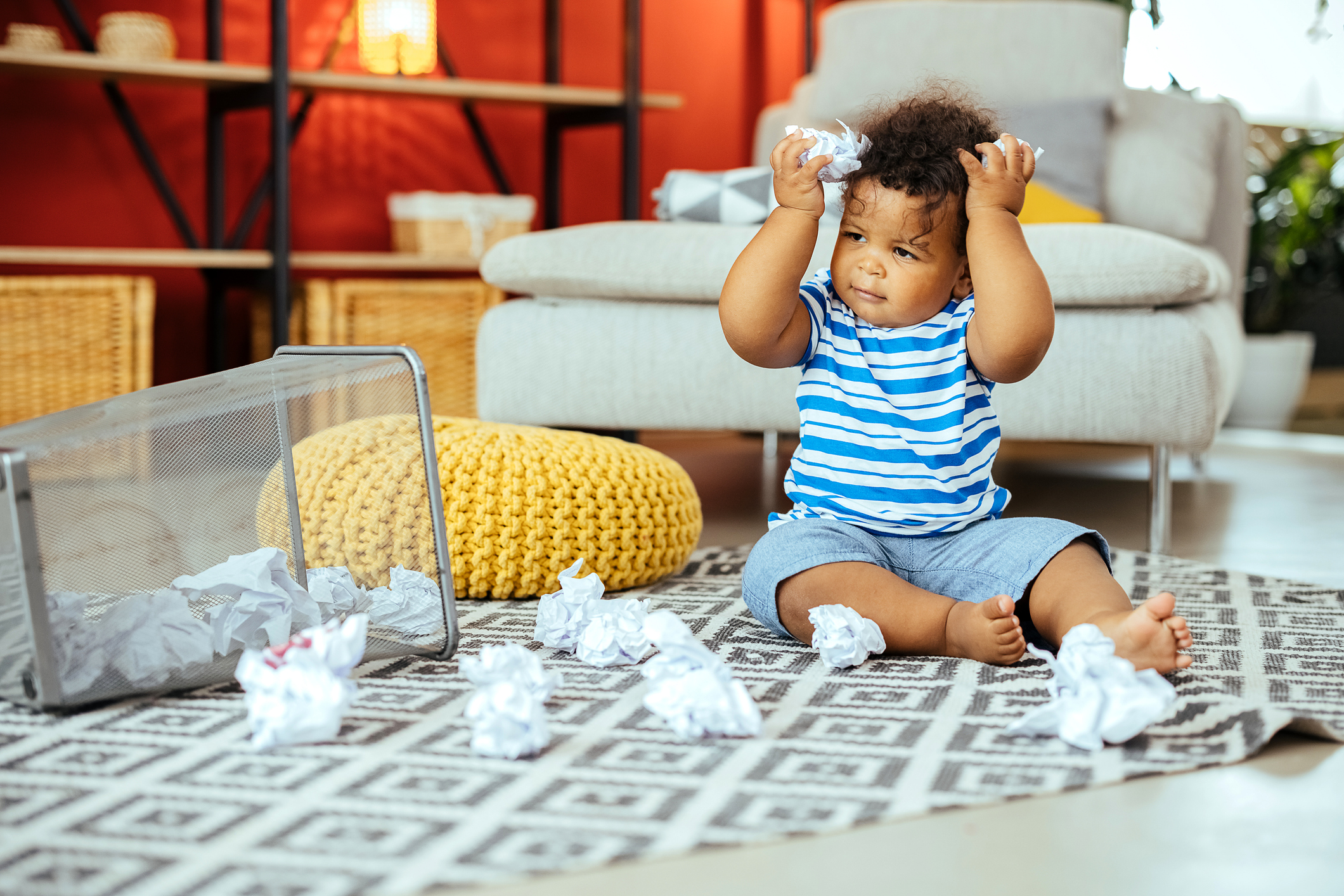
In other words, when every day feels like a marathon of work, snack time, extracurricular activities, more snacks, laundry, errands and so on, I shouldn’t feel bad about letting my toddler lay down on the floor with a stack of takeout containers playing…well I’m not really sure what she’s playing…while I try to make dinner. Because the truth is that as much as I would like to, I sometimes don’t have the time to sit down and engage in meaningful play with my kids. And I’m not alone.
Mom Guilt (Of Course)
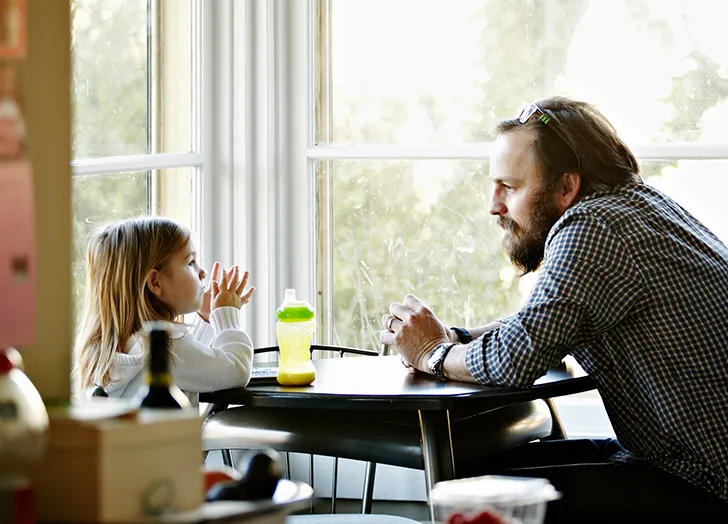
Where many millennial parents seem to have lost the plot, however, is in what kind of play really matters. Spoiler: It’s not your homemade sensory bin. “What toddlers need most is responsive, send-and-return interactions with their parents: they do something and you respond; you do something and they respond. There is no one type of play that parents must engage in with their toddlers,” Moore explains.
This combination of guilt and harriedness means that when I finally do have a spare 15 minutes to sit down with one of my kids, I often feel pressured to turn the moment into a bonding or teaching opportunity. And when that special moment inevitably doesn’t happen (my toddler doesn’t want to go on a nature walk, she wants to play with the Band-Aid she found on the ground!), I become disappointed in us both. But this isn’t helpful. In fact, that guilt can make it even harder to be present during the few precious minutes you do have. Moore stresses that approaching playtime with the attitude of “I'm going to improve my child, now!” or “My kid will be 'behind' if I don't do this!” is particularly anxiety-inducing and gets in the way of actually having fun together.
page 5
“Toddlers have short attention spans so little bits of brief, playful interaction throughout the day are a great option,” she says. “For instance, toddlers’ favorite word is no, so if you're putting shoes on, you could say, ‘Where do your shoes go? Do they go on your elbows? On your ears? On your knees? Oh, they go on your feet!’” That’s play and that’s enough.
Presence Over Performance
miniseries
Moroccan lighting
Coastal blue and camel
Light oak wood
Limestone backsplashes
Modern Mediterranean Design Formula
Designer: Urbanology Designs / Photographer: Matti Gresham Photography
From deeply veined marbles to whimsical florals and Mediterranean blues, one thing’s clear: There’s nothing bland about these spaces. They’re not only designed to enrich and inspire you, but they’re also there to make prepping a three-course meal exciting. At the end of the day, they bring the most important design factor to the table: you.
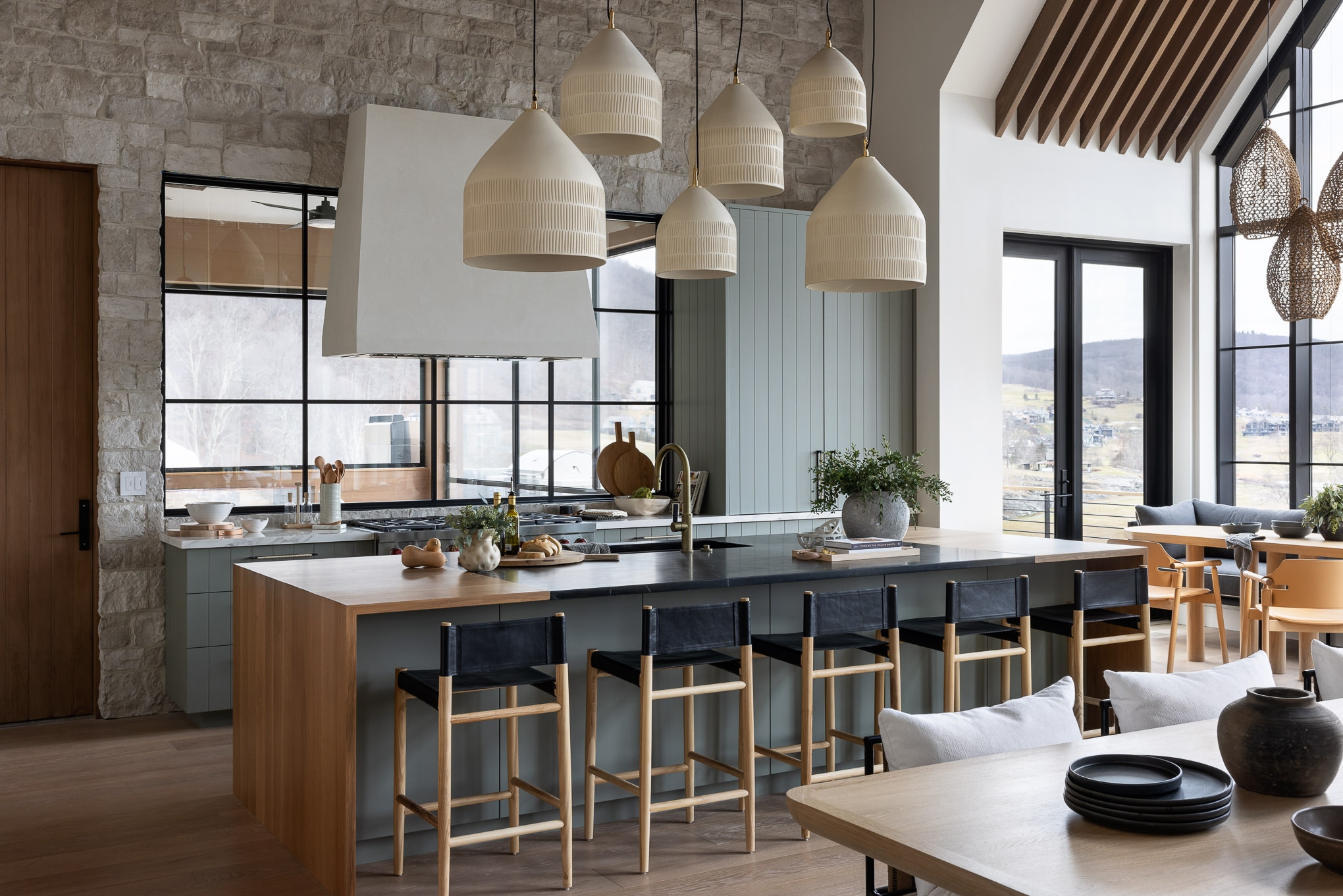
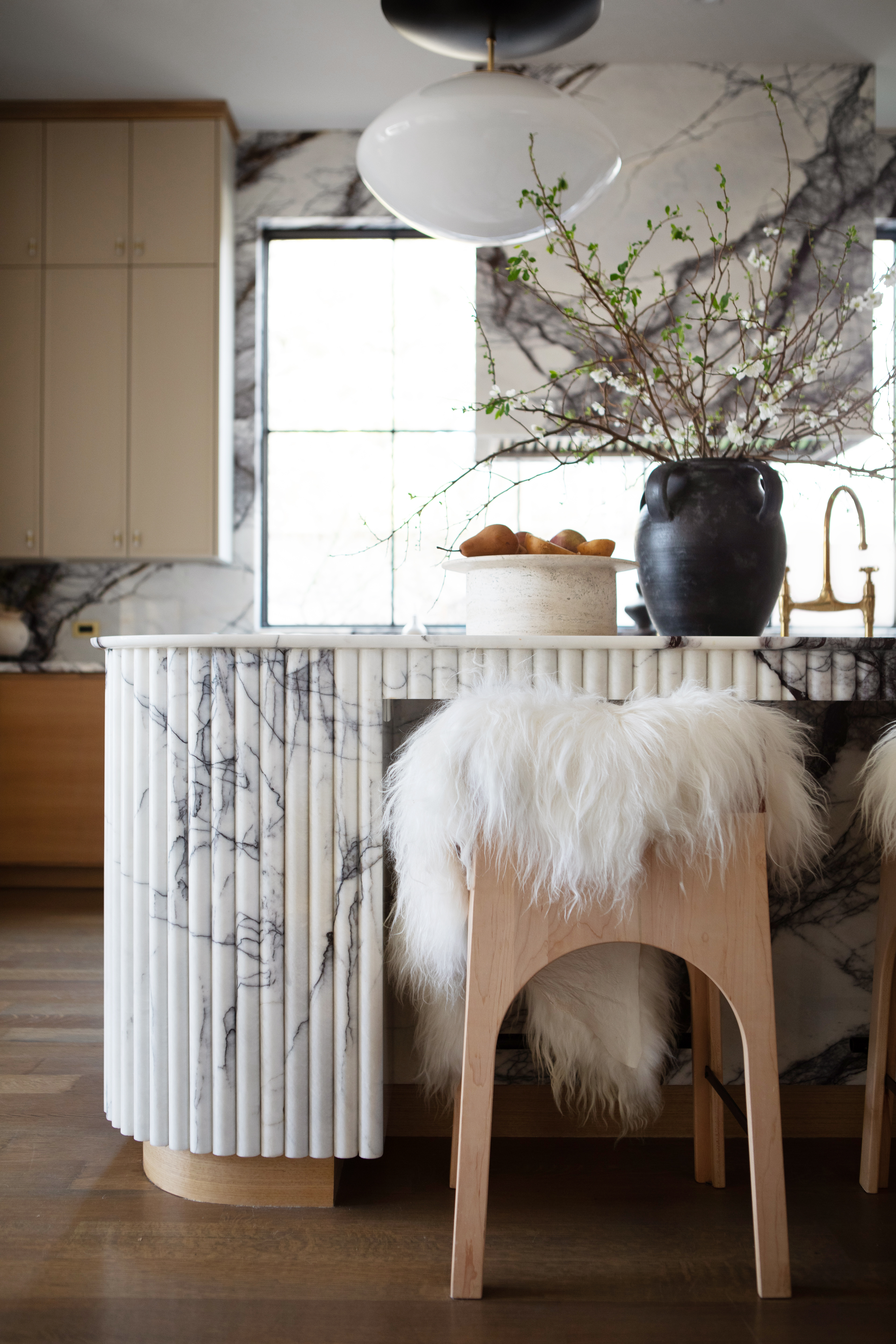
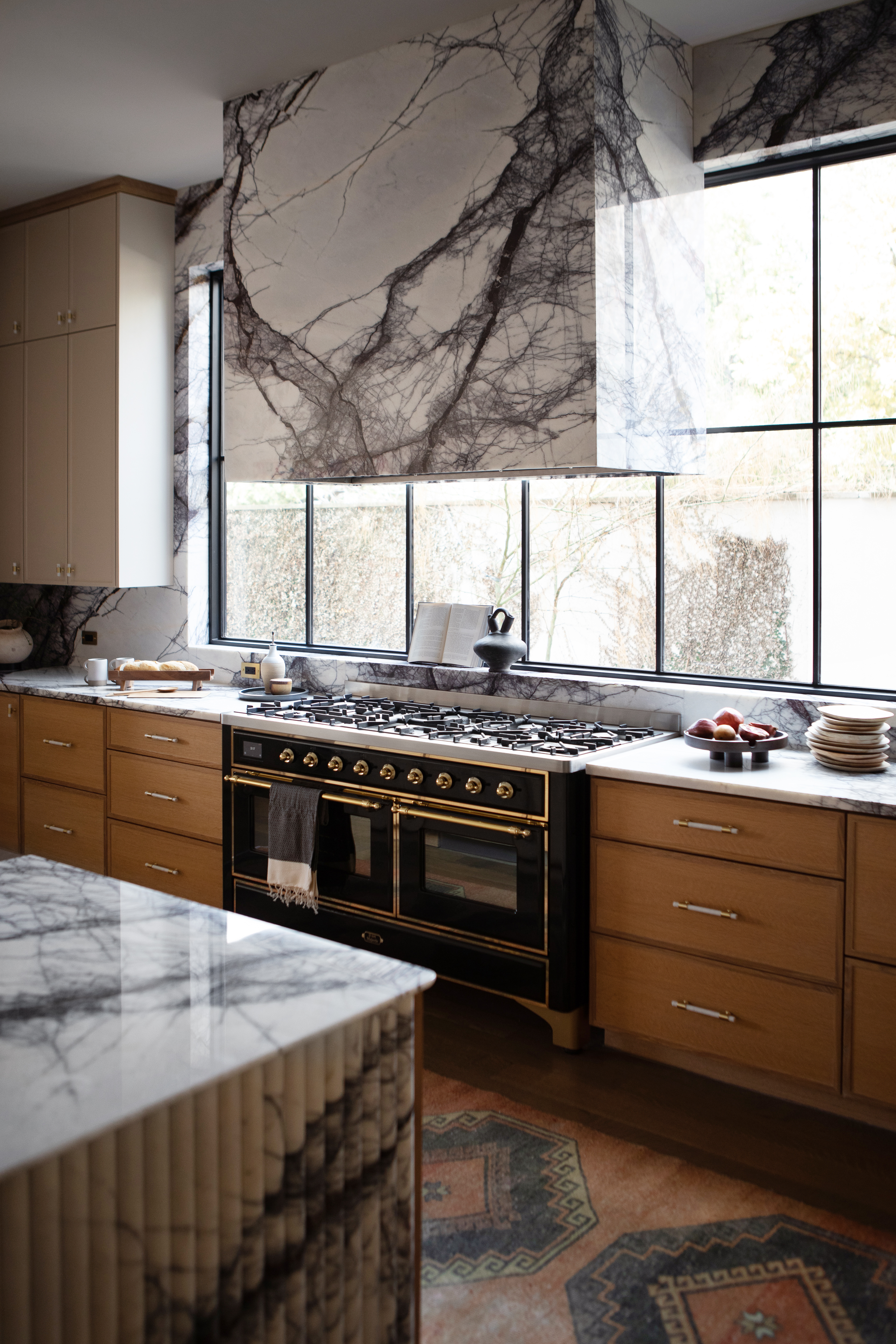
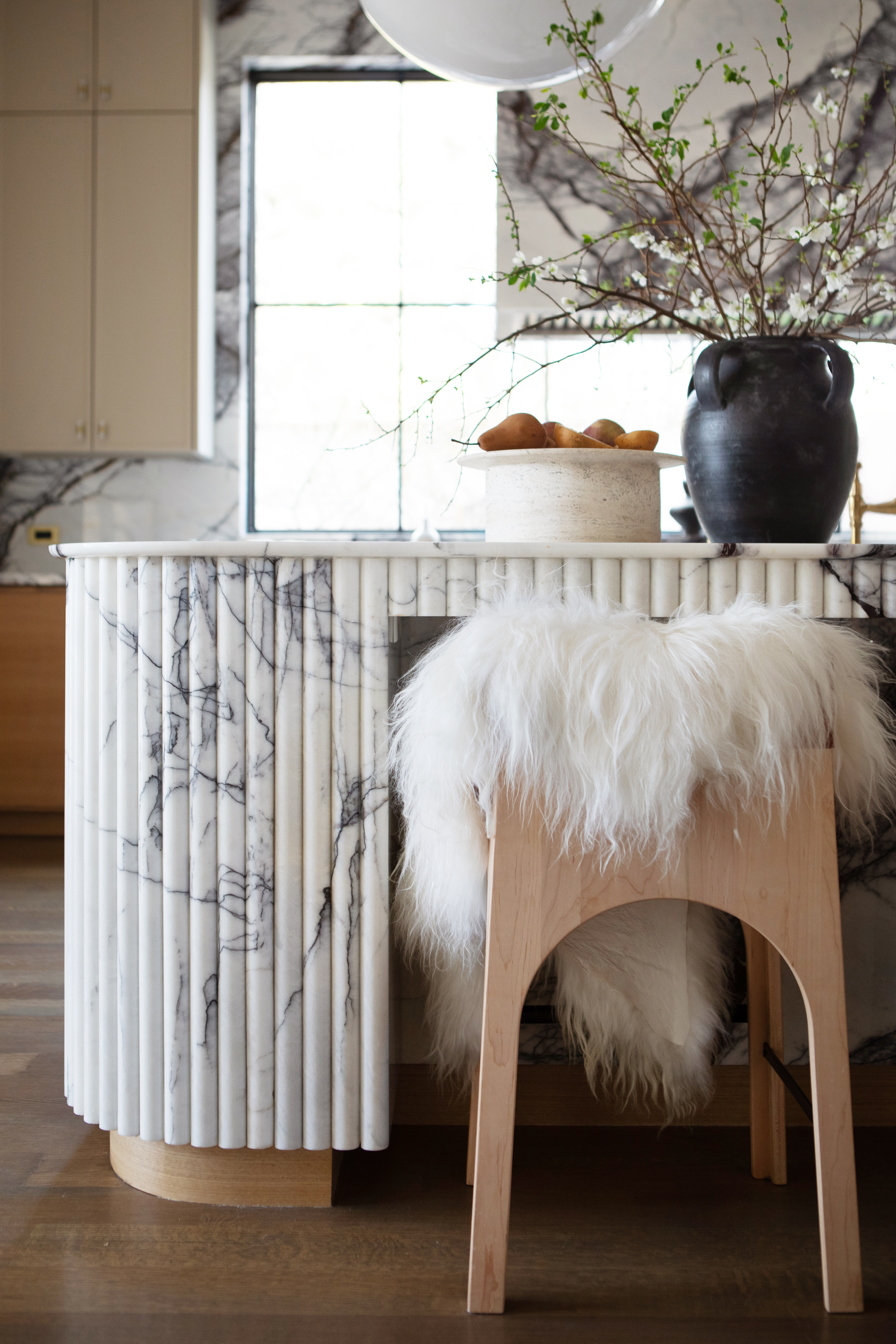
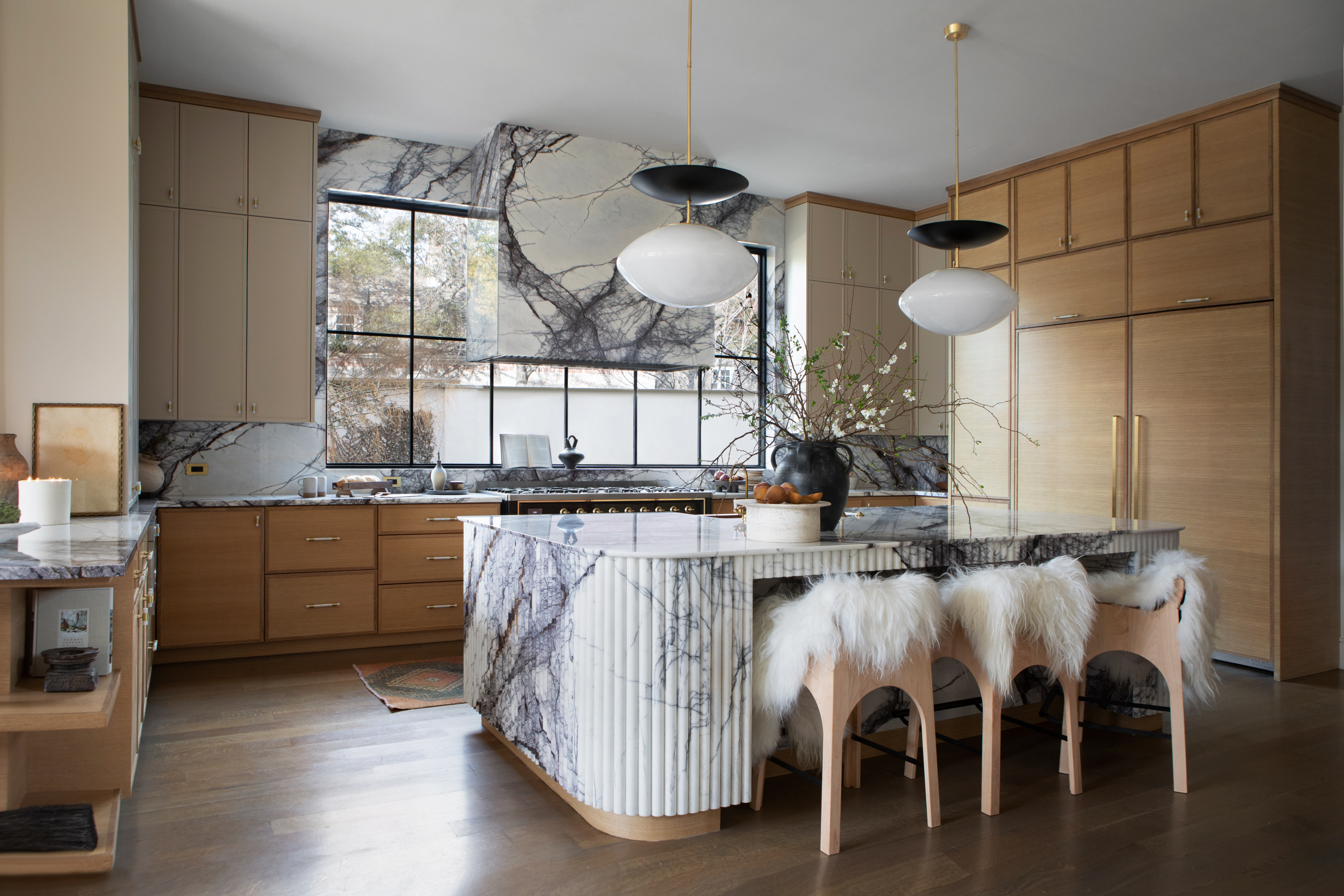
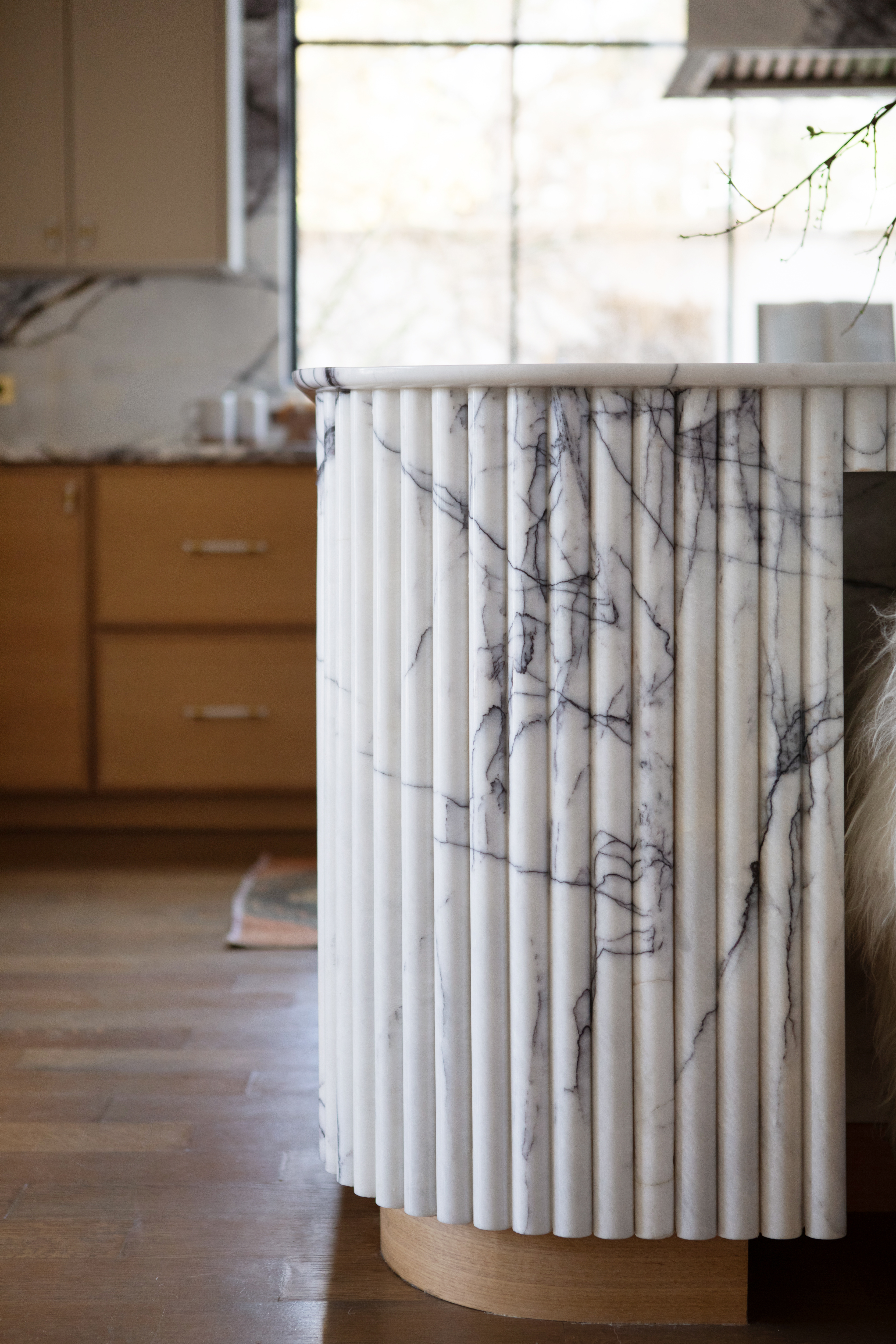
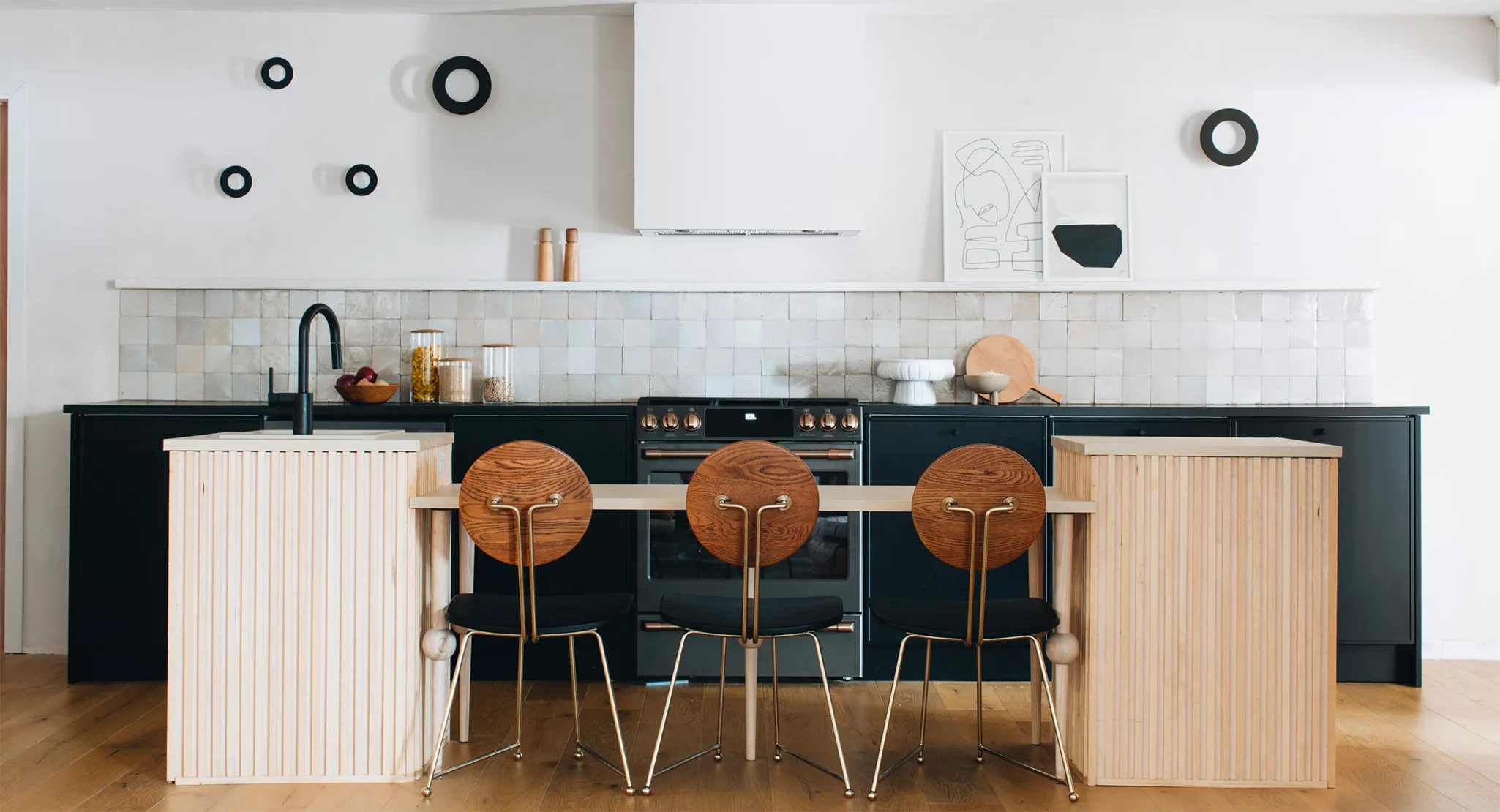
Despite its inflated title, loud luxury has nothing to do with boorish color or pattern. It favors materials in similar, understated tones with contrasting textures that add depth and drama. This is mainly showing up with dramatic marble veining and dark wood finishes. The sophistication comes from the foundation of the kitchen itself, where islands, cabinets and appliances act as statement pieces on their own (though many have some gorgeous lighting overhead that can double as artwork). As for fabrics, there are a few tried-and-true textures that make an impact without sacrificing a curated feel: linen, leather, tweed, velvet and shearling. While linen and leather offer more of an organic modern vibe, tonal tweed and rich velvet can skew midcentury modern. Not to mention that adding a pop of shearling to a dark leather chair is a one-way ticket to nailing an Aspen ski chalet aesthetic. When talking about loud luxury, it’s also worth mentioning fluted details, which are so subtle, that you could almost miss them, but manifest as a ribbed, accordion-like texture that’s achieved through rows of vertical grooves—and we’ve seen them popping up everywhere from cabinets to islands to backsplashes. Not only is it a perfect example of how loud luxury draws the eye without overpowering a space, but it also speaks to the custom, bespoke feel that makes the trend unique and personal.
Finally, quiet luxury was around long before TikTok—and it’ll still be around after the app is replaced by something techier. Yet, while luxury is always something you want from a contemporary kitchen, ‘quiet’ seems to be taking a backseat. Instead of sleek range hoods and boring white marble—aka staples of minimalist kitchens we’ve seen all over Instagram—this year’s designers seem to be playing around with high-end materials.
Loud Luxury
Sherpa and leather textiles
Geometric lighting
Fluted details
Dramatic marble veining
Loud Luxury Design Formula
A classically Tuscan kitchen has three elements that bring the look together: 1) brick, 2) dark wood and 3) granite. The color palette involves lots of brown and terracotta tones with honeyed/copper accents—mostly to replicate the sunshine and soil in Tuscan wineries. So now, we’re seeing a coastal version of Tuscan with an emphasis on the lighter, more airy Mediterranean Sea (as opposed to the deep and vibrant colors of the rolling hills). Instead of brick backsplashes and granite countertops, modern Med uses limestone on the walls and classic Calcutta marble or travertine on the surfaces. This makes it feel current without sacrificing rustic charm, perfectly in line with the updated farmhouse theme we’re seeing in interiors right now.
Still, it wouldn’t be Mediterranean-style if there weren’t a few coastal undertones. This is probably the main difference between Tuscan; modern Med features brass undertones instead of terracotta, camel instead of burnt orange and taupe or ecru instead of ocher. What’s more, if there’s one architectural detail that ties everything together here, it’s light oak wood. From beams to cabinets to arched doorways, a light wooden hue instantly gives this kitchen a warm and lived-in feel. It’s modern meets traditional without being too sleek—we predict it’ll be the new boho kitchen by 2025.
“There's no such thing as ‘doing it wrong’ if you and your child are having fun together,” says Moore. So yeah, if your toddler wants to bang a wooden spoon on a pot while you sip your cup of coffee then great. Let them play—while you let go of the guilt.
But it’s also OK if you don’t love every minute of playing with your kid and need to partially ignore them while they do something on their own. “If there's a play activity that you just don't enjoy doing with your child, then don't! Similarly, if your kid doesn't like a certain play activity, don't push it! There are many, many options,” she says.
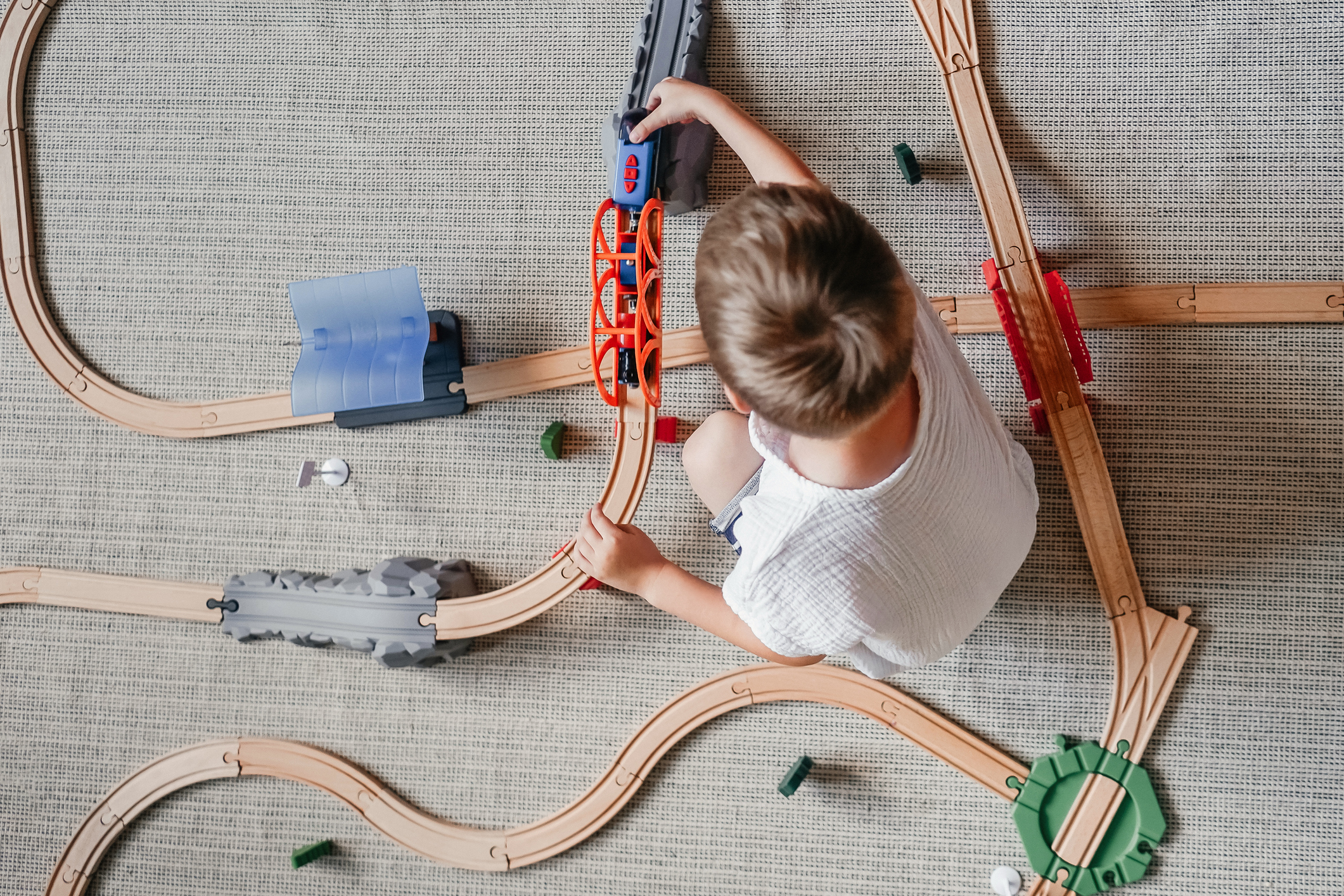
So what is an anxious millennial parent to do? Well, the good news is that playtime doesn’t have to be difficult. “Follow your child's lead,” Moore advises. “Narrate what your child is doing. ‘You put the cars all in a row!’ Imitate your child's actions or model an action your child might want to try. Do something silly to make your child laugh.”
As it turns out, toddlers don’t need a picture-perfect setup to thrive. And you don’t need to be hovering over them, ensuring that every moment or toy is furthering their development.
You’re Doing Better Than You Think
This combination of guilt and harriedness means that when I finally do have a spare 15 minutes to sit down with one of my kids, I often feel pressured to turn the moment into a bonding or teaching opportunity. And when that special moment inevitably doesn’t happen (my toddler doesn’t want to go on a nature walk, she wants to play with the Band-Aid she found on the ground!), I become disappointed in us both.
But this isn’t helpful. In fact, that guilt can make it even harder to be present during the few precious minutes you do have. Moore stresses that approaching playtime with the attitude of “I'm going to improve my child, now!” or “My kid will be 'behind' if I don't do this!” is particularly anxiety-inducing and gets in the way of actually having fun together.
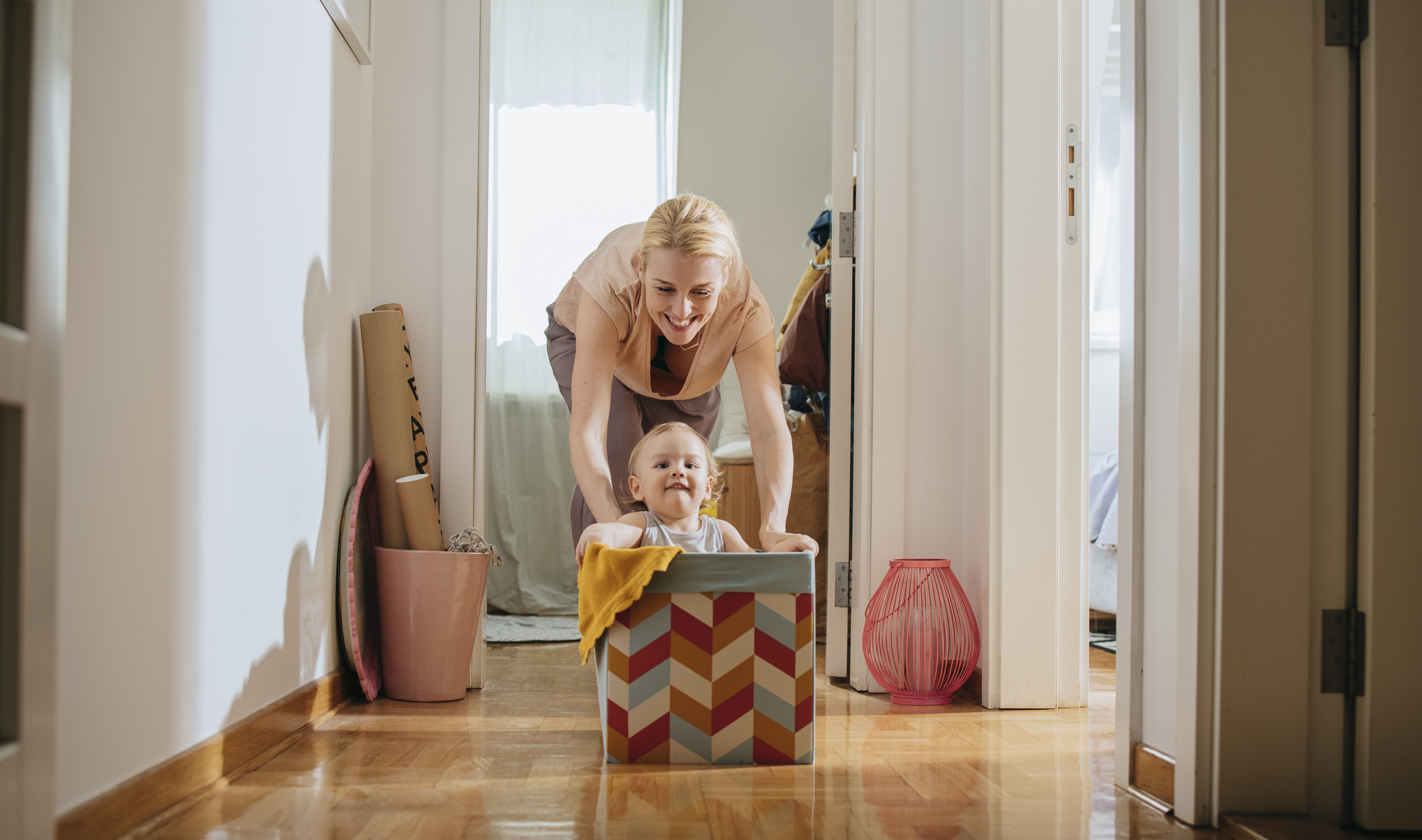
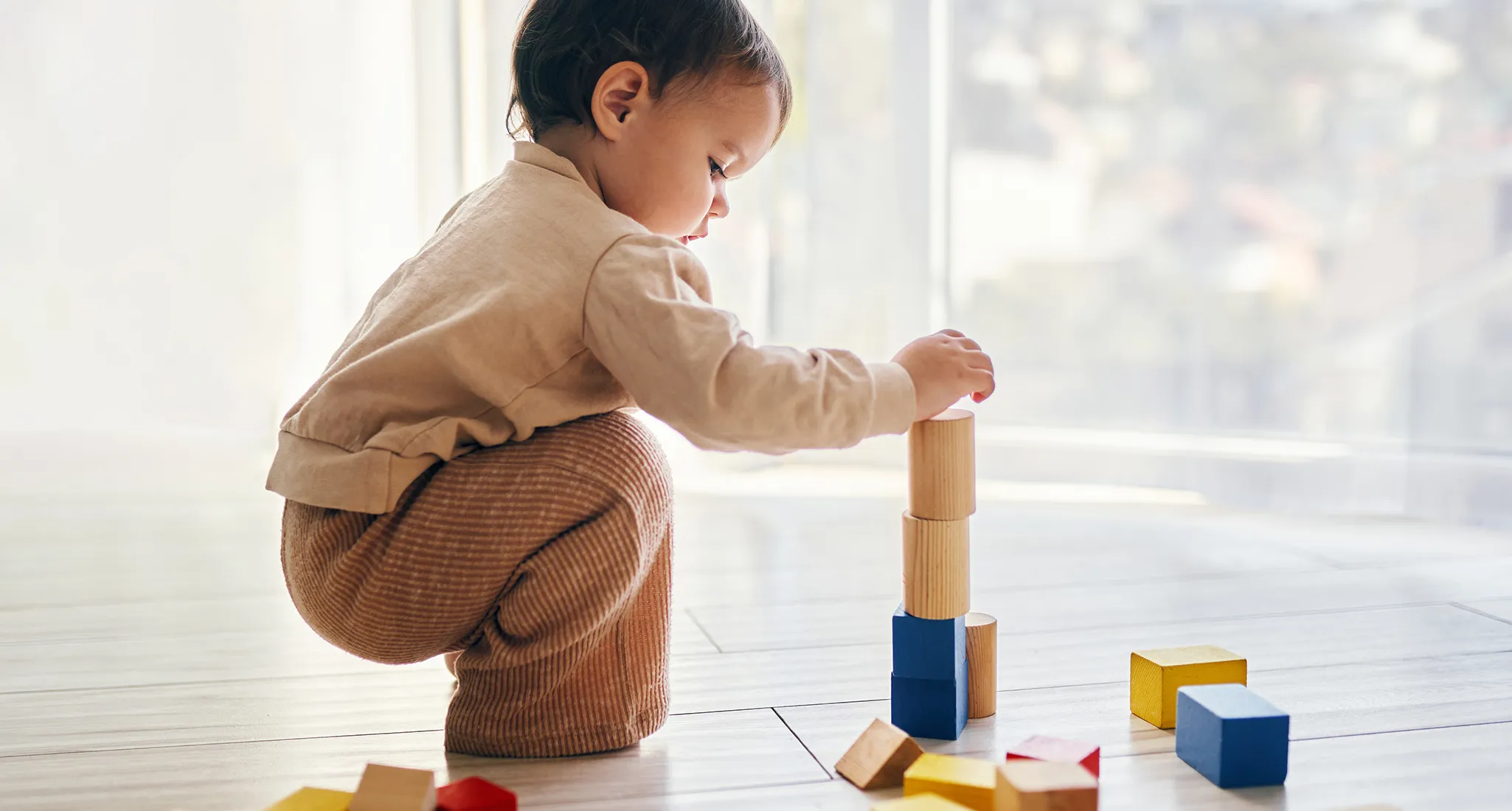
Translation: You don’t need special sensory bins or fancy toys to play with your toddler (remember that time your kid spent 30 minutes playing with the cardboard box his new firetruck came in?).
eclipse_images
AD PAGE
read more
And what hues to consider instead
The One Kitchen Color That Decreases Your Home’s Value
Getty Images / Stockbyte
Finally, the recipe for your perfect space
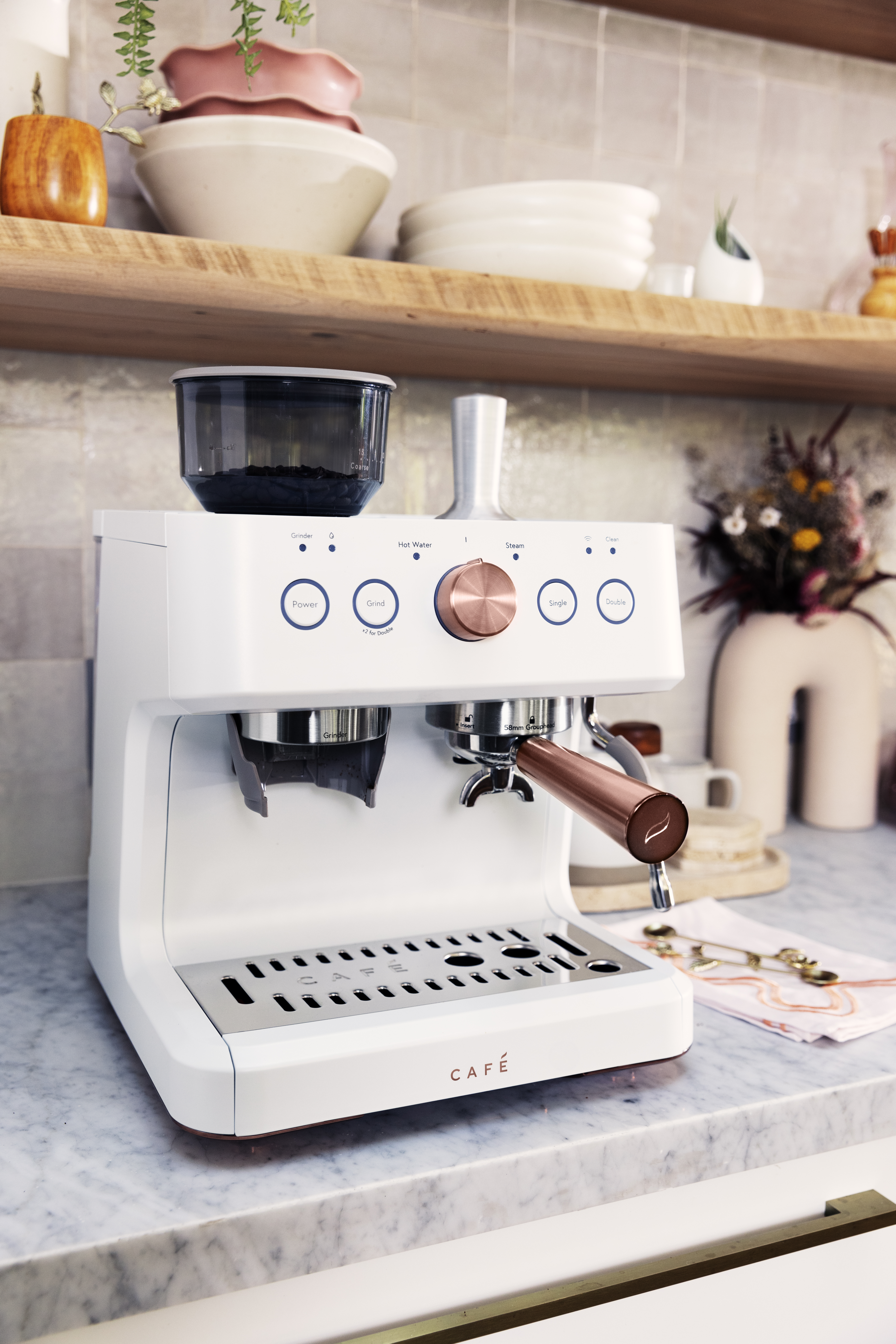
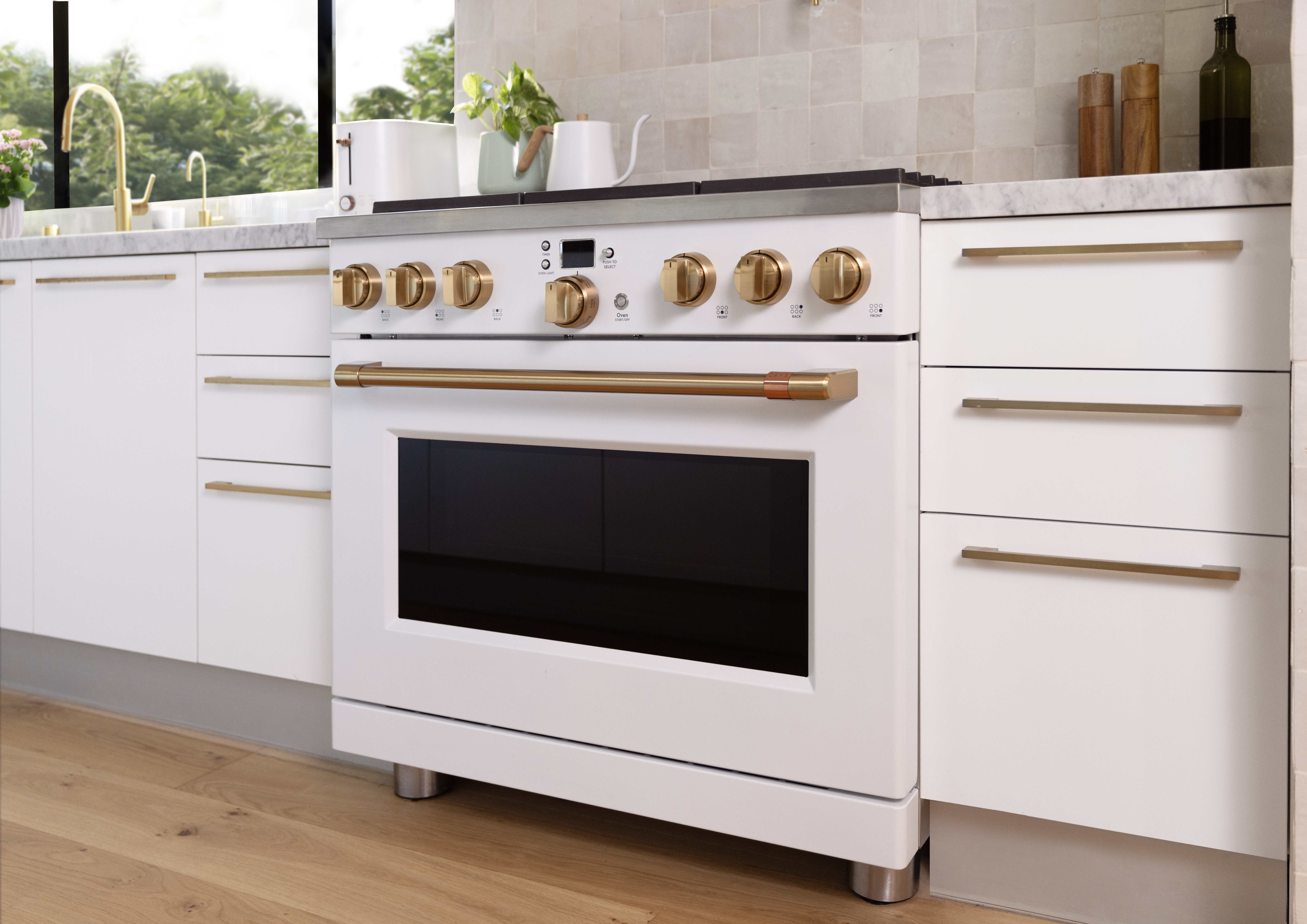
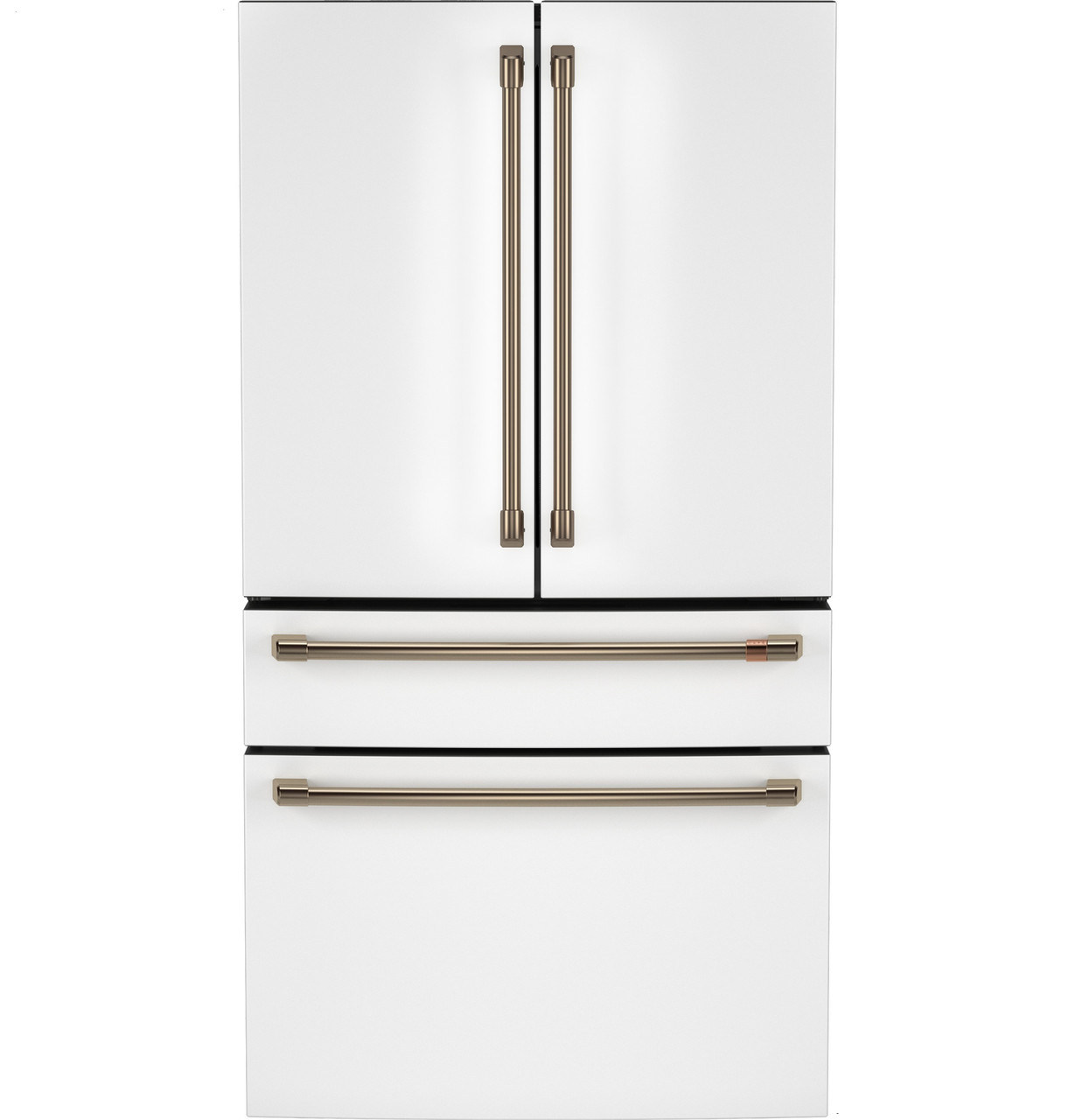
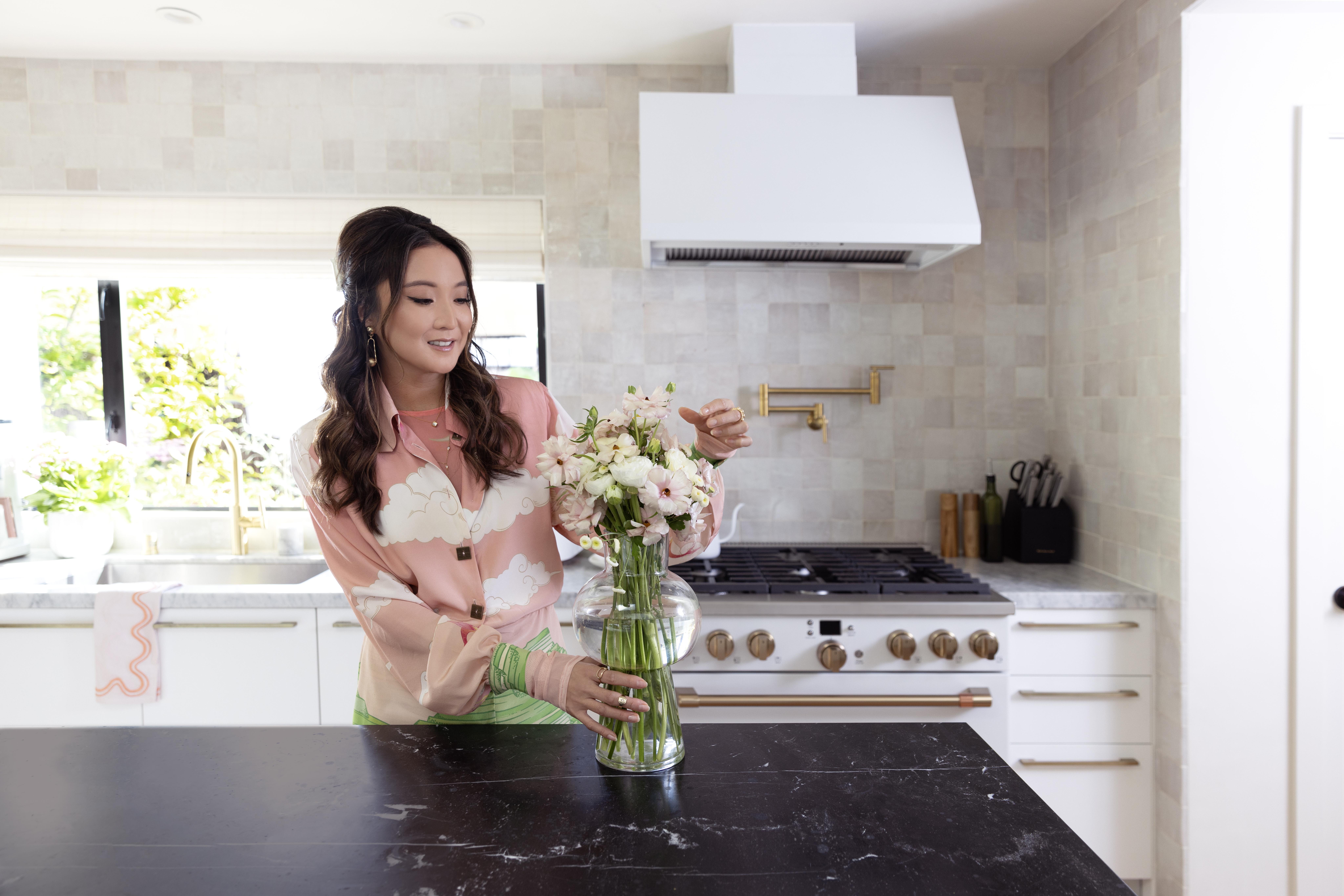
CAFÉ Appliances Are Changing What It Means to Have a Customizable Kitchen
Café Appliances
Don't throw money down the garbage disposal
8 Surprising Expenses That Always Come Up When Renovating
getty images / Johner Images
sponsored
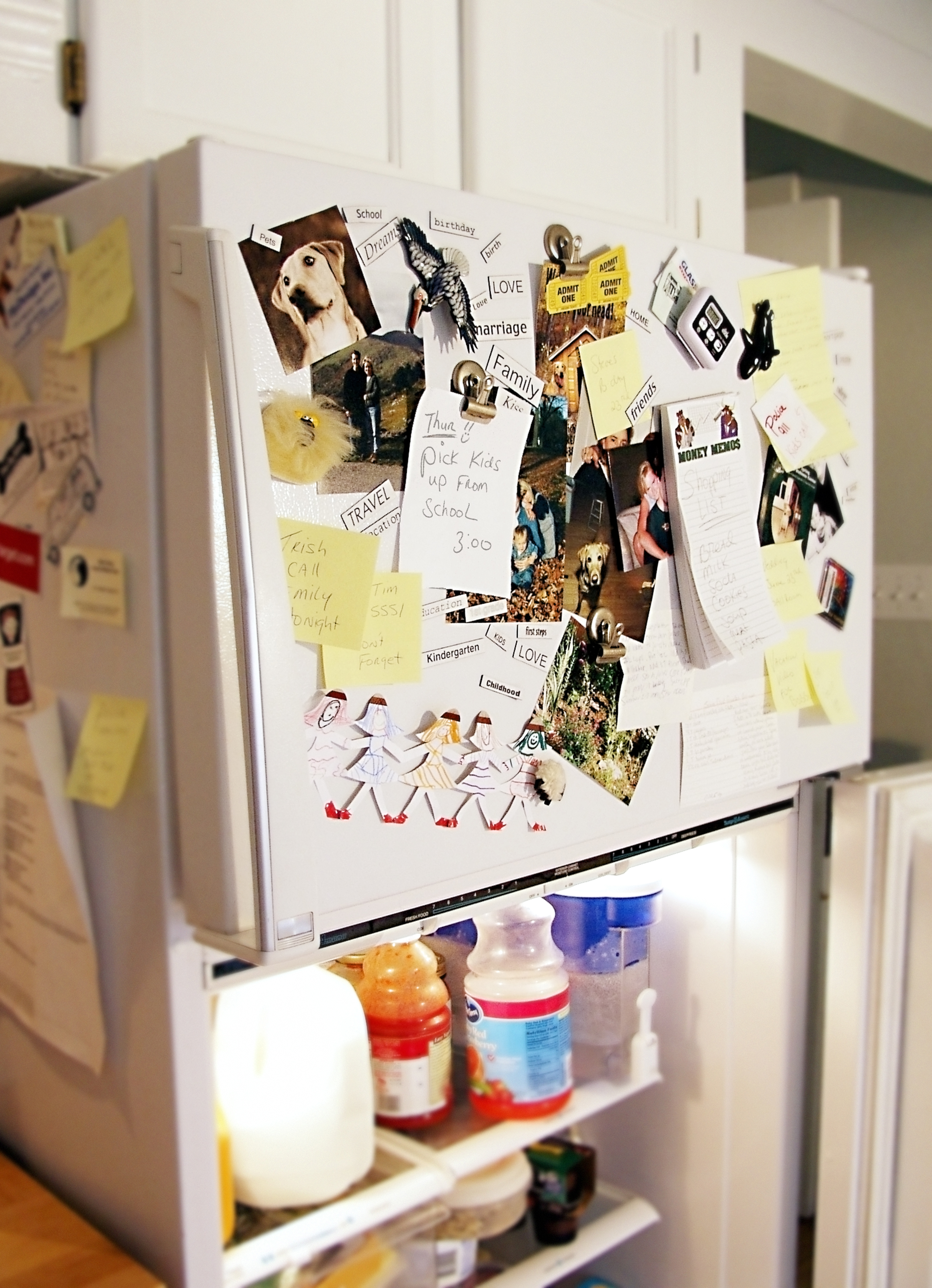
On her Fridge
3 Things an Interior Designer Would Never Have in Her Kitchen
Magnets, Photos, Bills & Notes
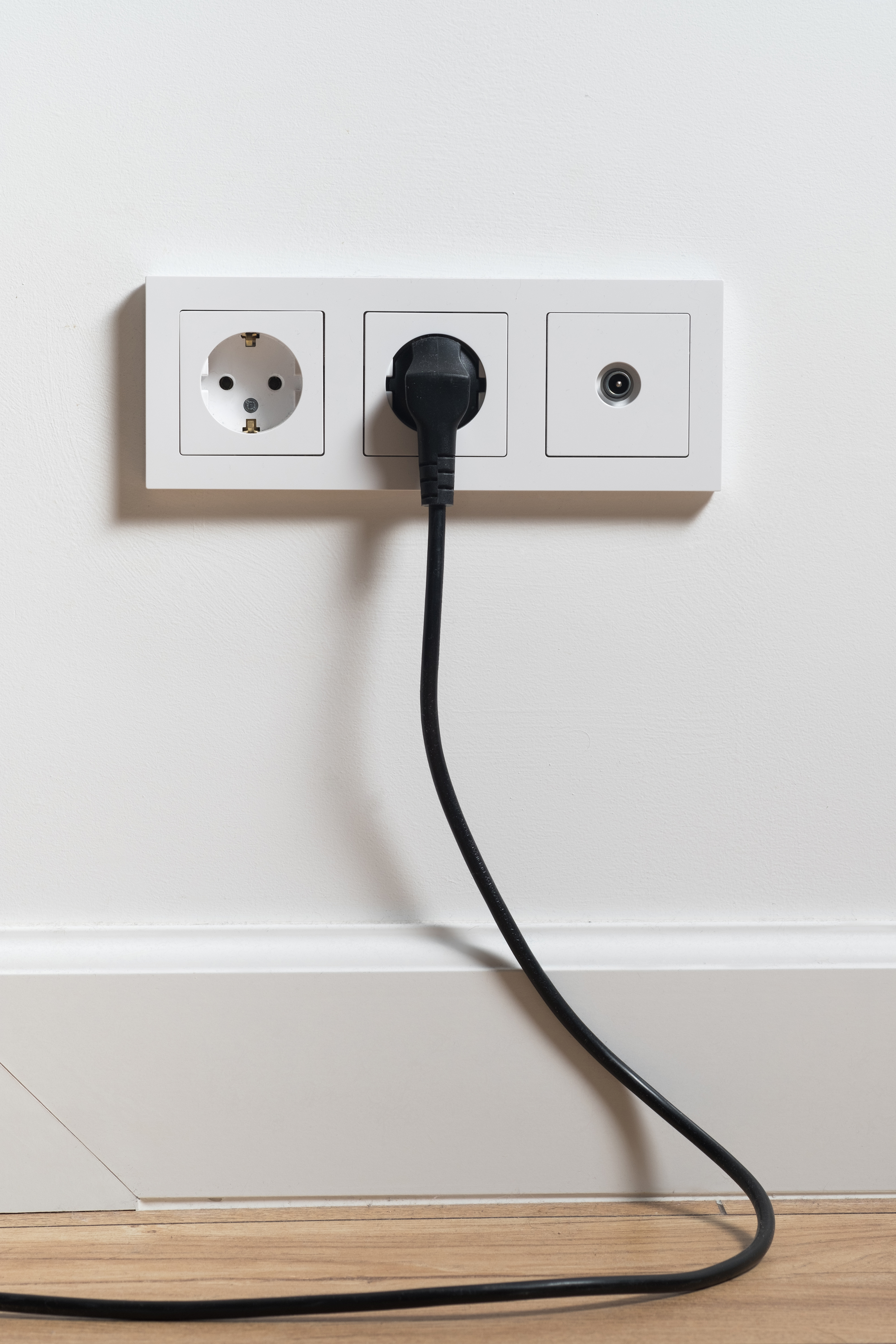
Exposed Outlets & Messy Cords (appliance garages can create a more streamlined look)
Artificial Plants & Fake Fruit
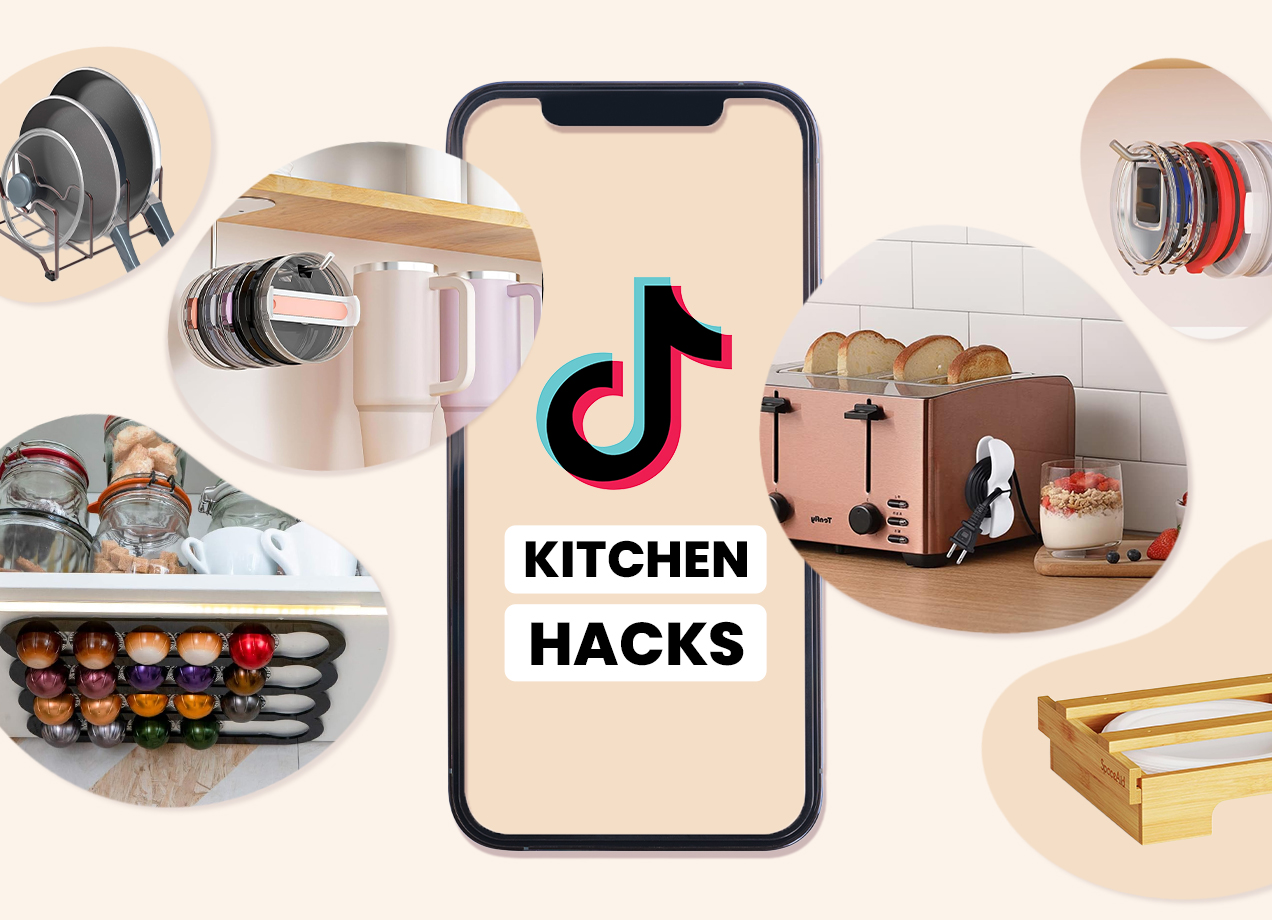
Finally, storage for our Stanley tumblers.
10 Organizing Hacks We Learned from TikTok
maskot/getty images
The next evolution? Meet Modern Mediterranean
Your Tuscan Kitchen Needs a Makeover
Getty Images / contrastaddict
Wrap-around islands are the new breakfast nooks
Designers Have Spoken: These Are 2024’s Top Trends
CLÉ TILE/SARAH SHERMAN SAMUEL/STOFFER PHOTOGRAPHY
(cheesy—and becomes one more thing to dust!)
(appliance garages can create a more streamlined look)
(they create visual clutter!)
On her Counters
On the Walls
Here’s What’s Really Going On in Your Child’s Brain When You Play with Them
family / dana dickey
According to science.
Each one offers an opportunity to learn valuable lessons about themselves and the world.
There Are 6 Types of Childhood Play—How Many Does Your Kid Engage In?
family / alexia dellner
Learning and playing go hand in hand with LEGO® DUPLO®.
Have a Little Engineer on Your Hands? These Are Our Favorite Toys to Help Spark Their Creativity
family / Madeline Merinuk
Like what to do when there’s a line for the swings.
6 Rules of Playground Etiquette That Every Mom Needs to Know
family / rachel bowie
From bird feeders to box forts.
19 Easy & Fun Craft Ideas for Toddlers
family / Candace Davison
'Cus Mama needs a break!!!
How Much Independent Play Should My Baby Have? I Asked the Experts
family / Katherine Gillen
Anyone else feel like they’re being quizzed?
The Exact Phrase to Say When Your Child Keeps Asking ‘Why’
Sprinkles the Unicorn is nothing to be afraid of.
5 Benefits of Imaginary Friends for Your Kid
family / Alexia dellner
Psst: You need an exit strategy.
Our Kids Have Had 16,907 Playdates. Here Are Our 5 Rules for Hosting a Successful One
page 8
The Historian
Can't play because she's busy recounting the Great Boo Boo incident of 2024.
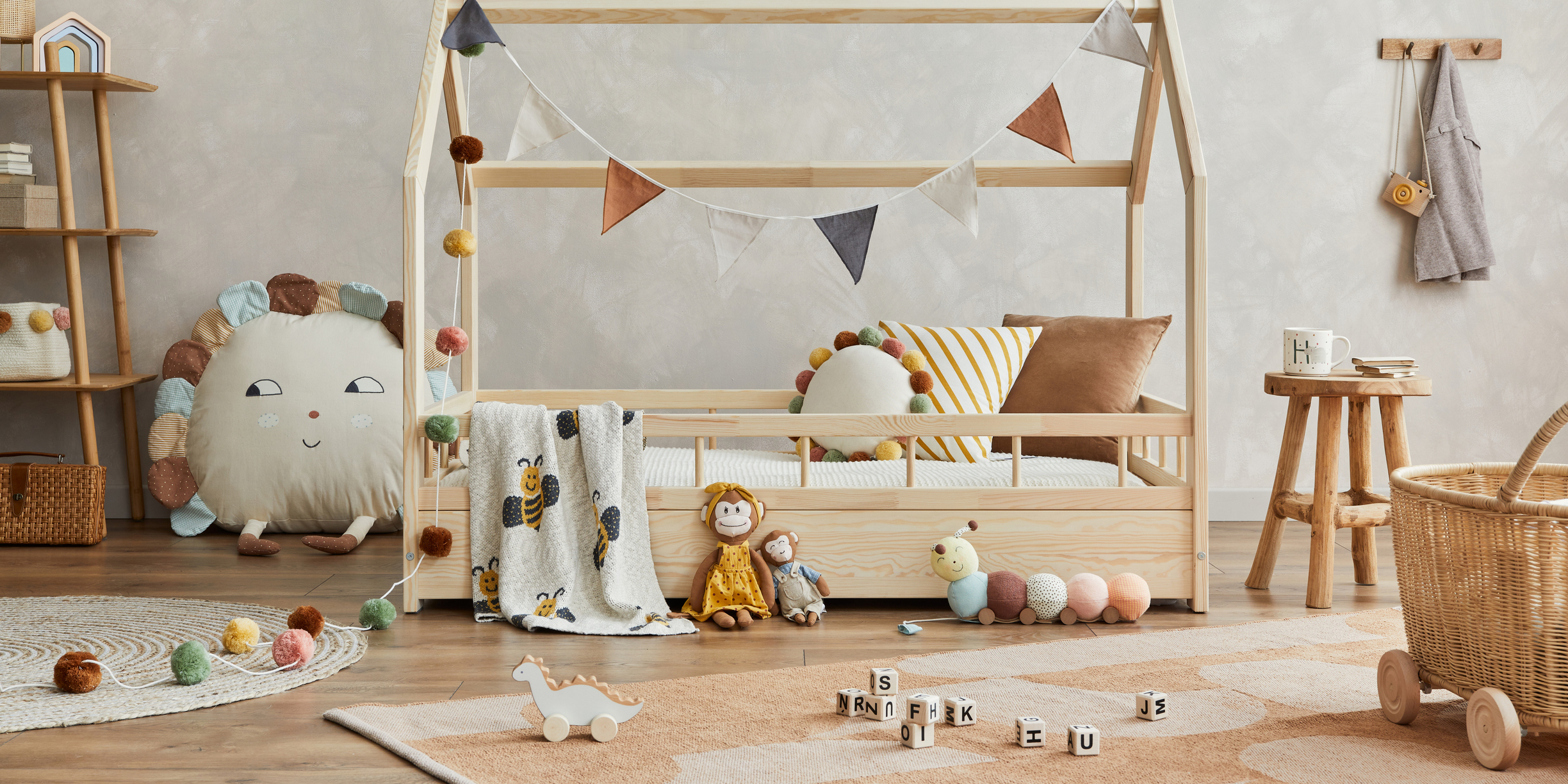
Of course we want our kids to have all the books and toys—but we’d prefer not to sprain an ankle on them. These clever, parent-approved picks make it easy to enjoy a play space that’s both fun and functional (and actually cute, too).
Different Types of Toddlers During Play
Role-plays 'we're running late' and 'what can we make with the rest of this wilting spinach?'
The Pragmatist
Hides all his "good" toys before anyone comes over.
The Miser
Has approx. 1,329 toys. Plays with the paper clip under the couch.
The Minimalist
Don't even think about putting away her block tower after bedtime.
The Conservationist
"No! That's not how you play restaurant, the food goes on this plate!"
The Manager
How to Calm the Clutter
buy now
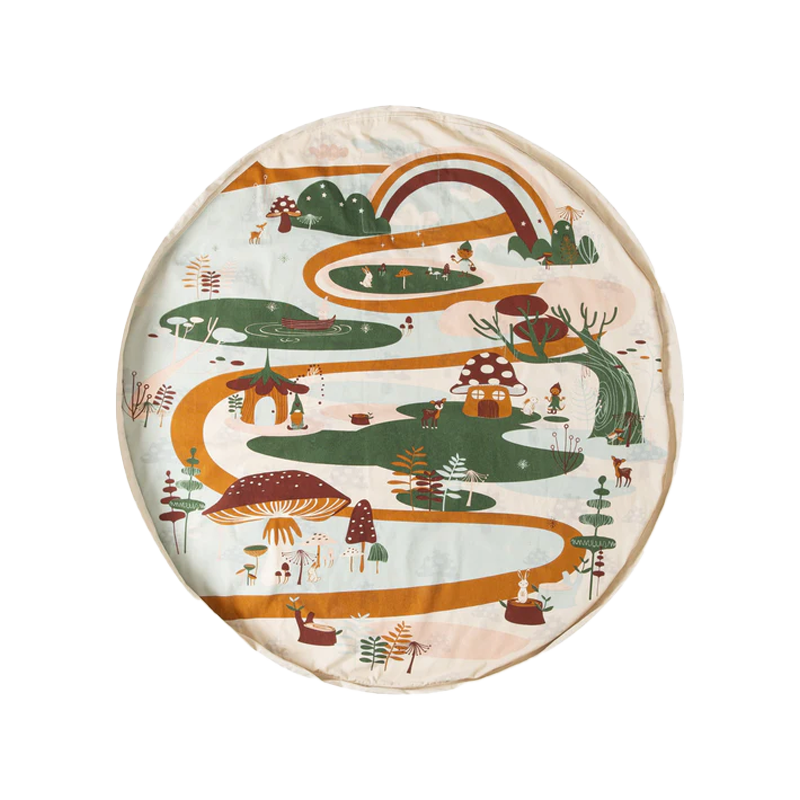
These canvas drawstring bags double as adorable play mats. Store toys inside, then lay them flat for instant imaginative playtime.
Woodfolk Wonderland Interactive Play Pouch
Our editors regularly speak to designers, contractors and real estate agents, as well as keep an eye on major trade shows—such as the Kitchen and Bath Industry Show (KBIS) and Maison&Objet—to stay ahead of the latest home trends. When vetting products for our awards, we looked at the buzziest items hitting the market, as well as products editors have tested (and swear by in their own homes) while working on our PureWow100 review series. Any product chosen had to combine form with function, earning the label of being worthy of a dream kitchen in terms of its quality, value, aesthetics and how it streamlines our time (and elevates our experience being) in the heart of the home.
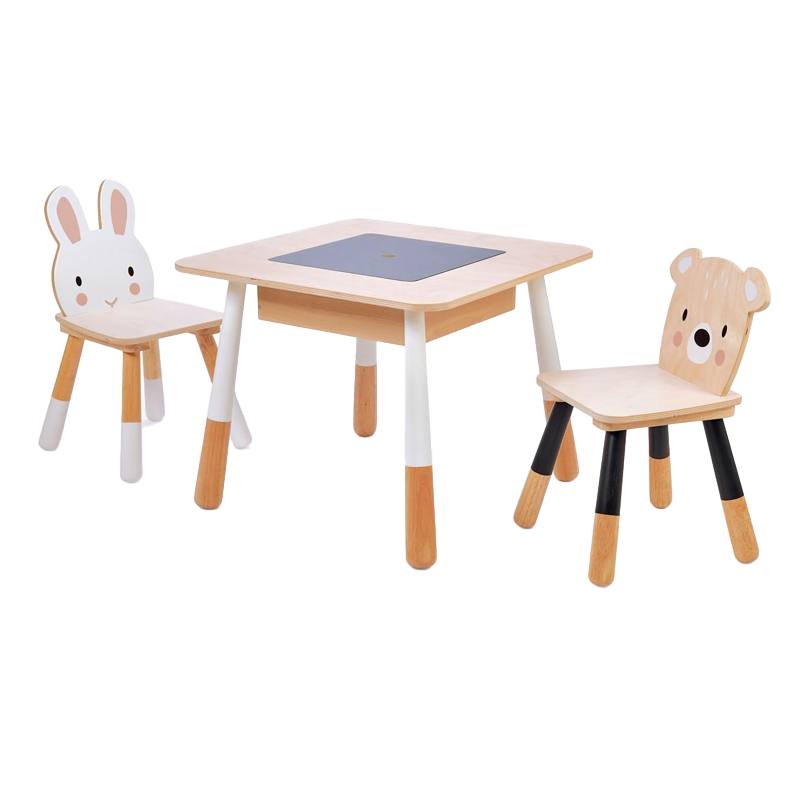
This charming table-and-chair set features hidden storage, making it ideal for everything from snack time to craft time.
Tender Leaf Toys Forest Table and Chairs
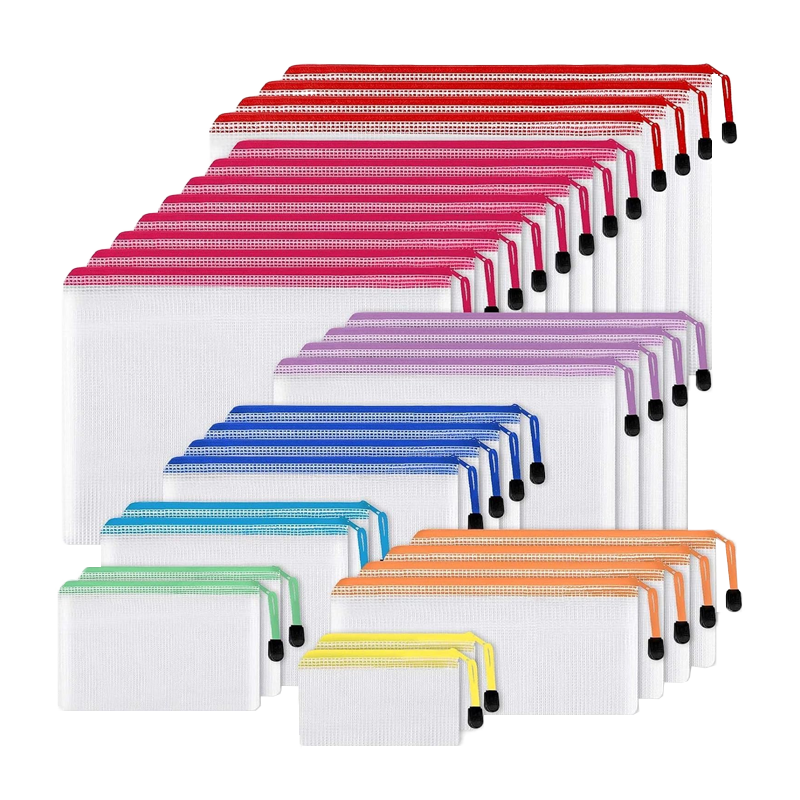
For board game and puzzle lovers, these color-coded bags keep every piece in place, making storage, transport and cleanup a breeze.
Mesh Zipper Pouch Bags
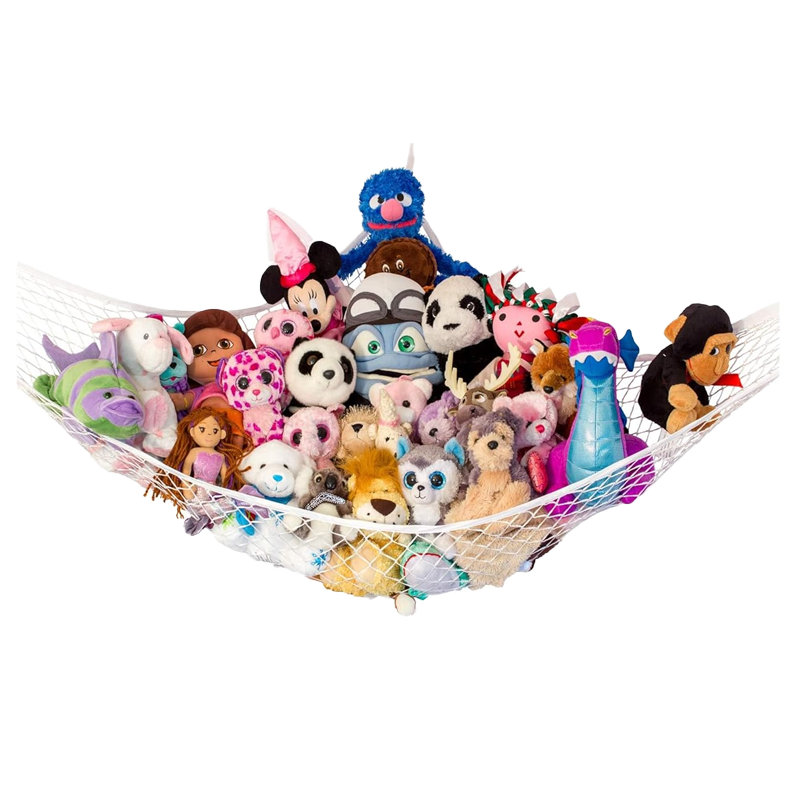
The solution to your stuffed animal avalanche? This corner hammock that keeps the plush pile off the floor (but still accessible).
Stuffed Animal Hammock
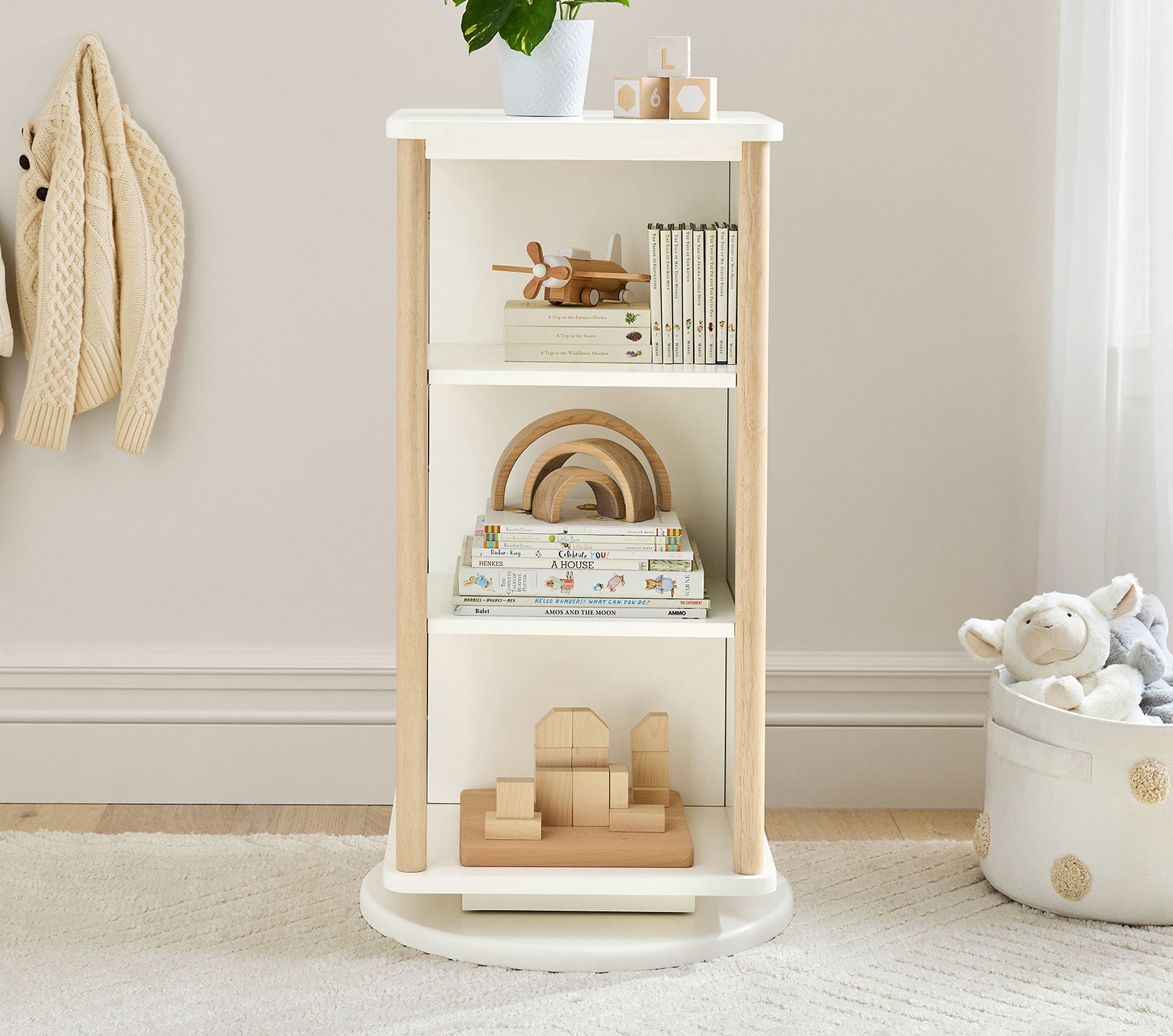
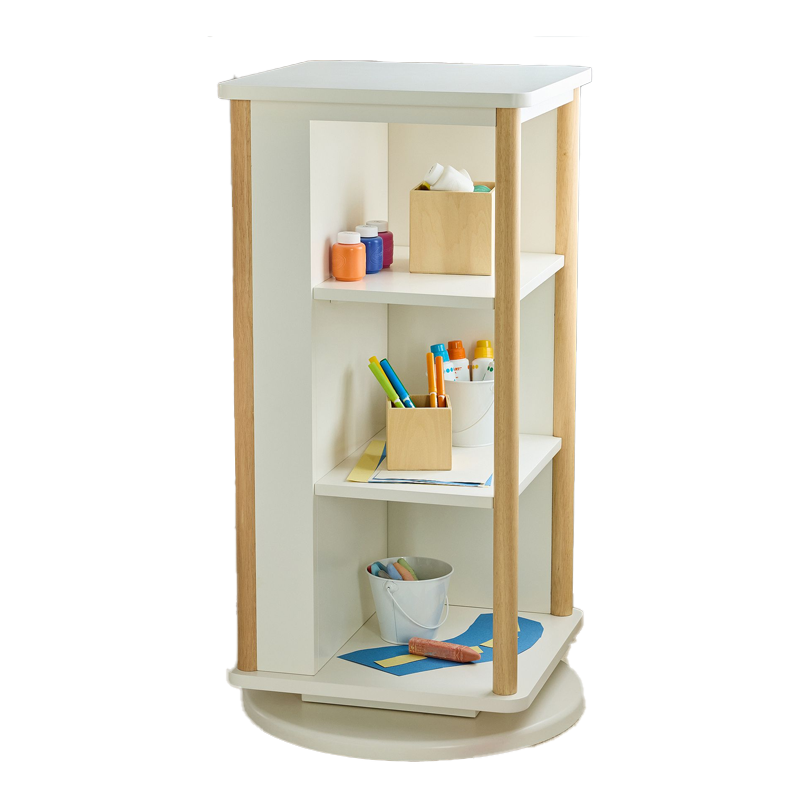
This three-tier, Montessori-inspired bookshelf is designed with small readers—and small spaces—in mind.
Avery Swivel Bookcase
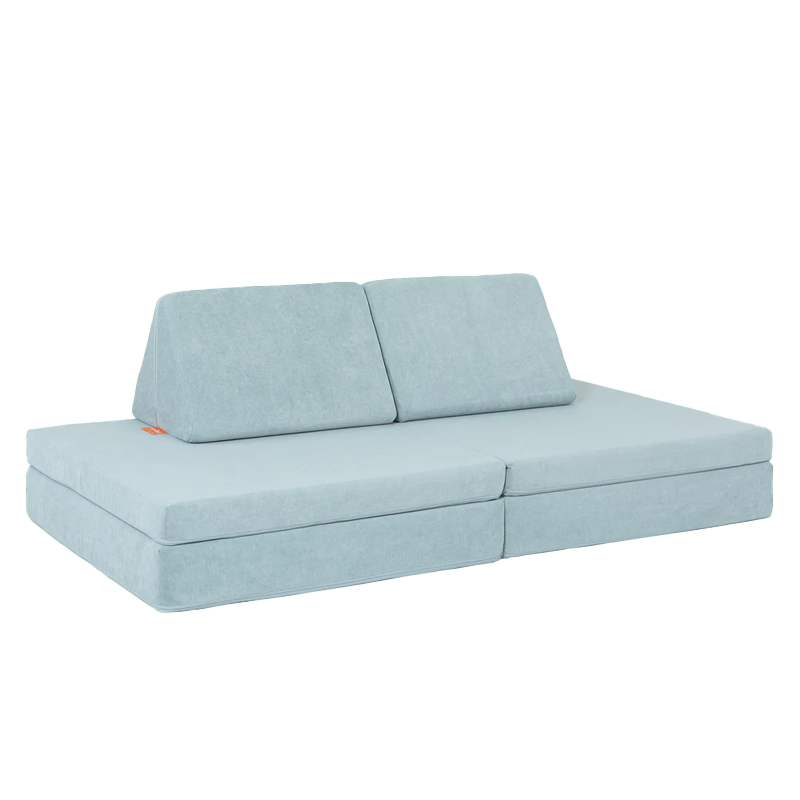
It’s a tent, a reading nook, a rocket ship, a couch—this soft play furniture transforms into whatever your kid dreams up (and yes, it works as a bed, too).
The Nugget
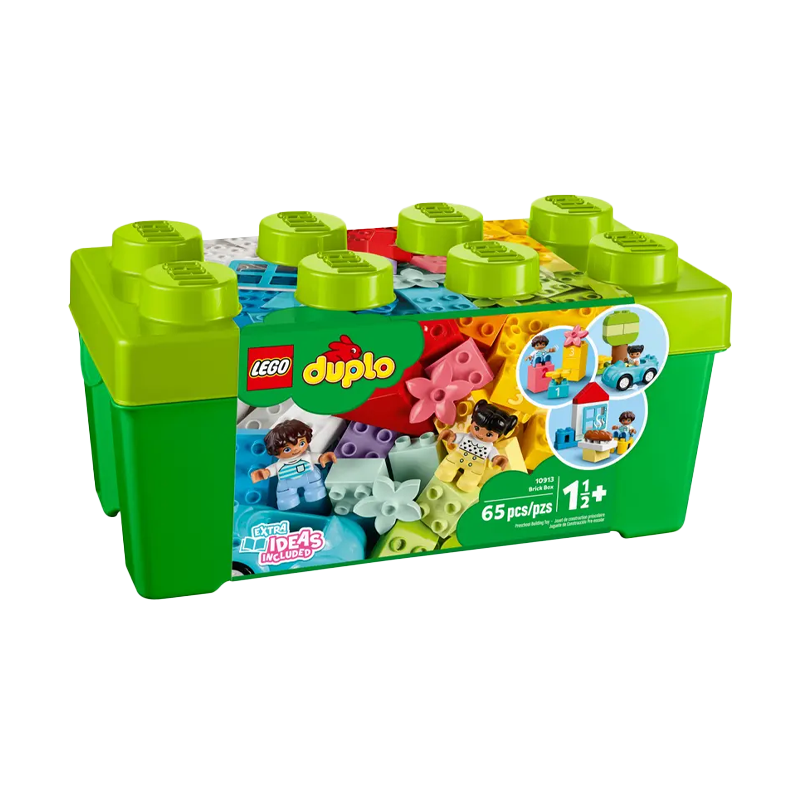
Packed with bricks and pieces to inspire creative play. Bonus: It includes a box for clutter-free storage.
LEGO® DUPLO® Brick Box
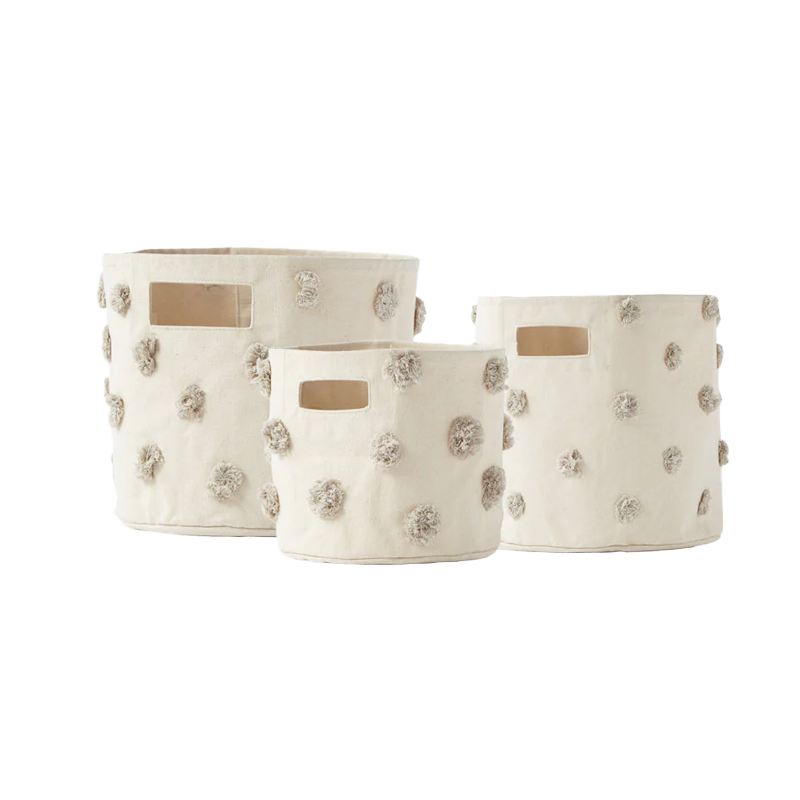
Three adorable storage bins perfect for toys, laundry, hide-and-seek and more.
Pom Pom Storage Set
Play is really the work of childhood.
Fred Rogers