Falling For a Scam
This interactive infographic breaks down the scam process, why we’re vulnerable to them, and offers practical tips to help you avoid becoming a victim.
Scams have been around since the beginning of time.
Why Do We Fall For Scams?
Anyone can fall for a scam.
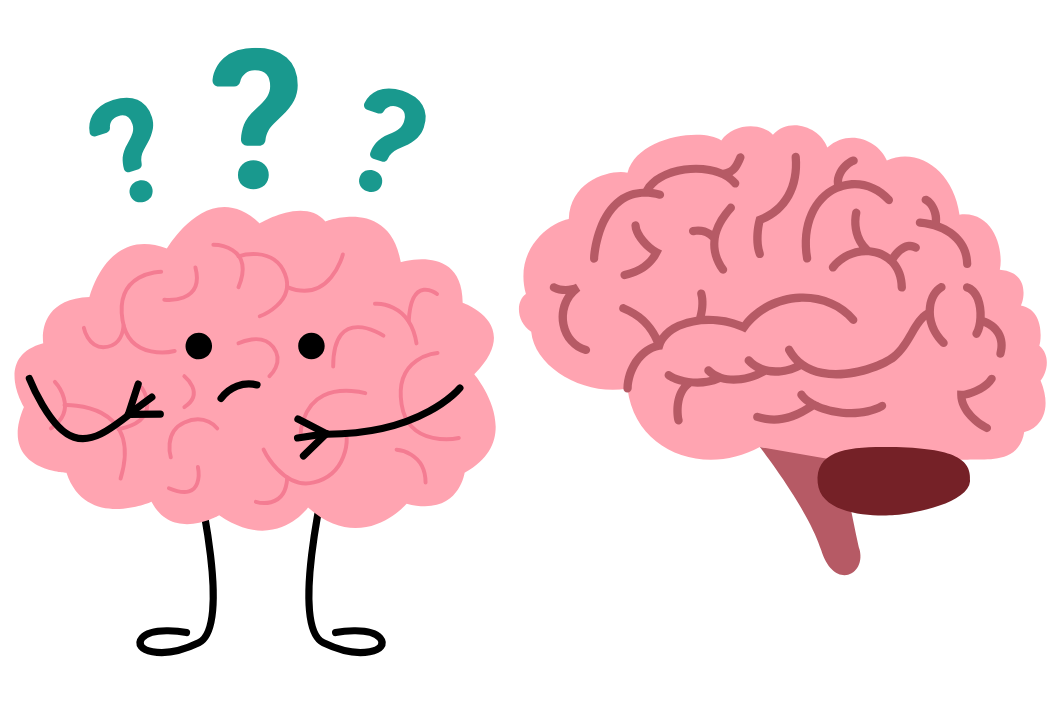
In fact, we’re wired to be more susceptible to falling for scams because they appeal to the part of the brain that regulates survival instincts, called
the reptilian brain.
The reptilian brain plays a critical role in behavior and decision making, particularly as it relates to emotional responses – and scammers are adept at appealing to those responses to manipulate their victims.
Here’s how:
Scammers are skilled at manipulating human emotions and desires to trick us into falling for their schemes.
The
Tips to Prevent Scams
Many people continue to get tricked by scammers because... their schemes still work.
The foundation of various scams remain the same – the scammer just changes their tactics.
Imposter Scams
Phishing Scams
Online Shopping Scams
Investment Scams
Job Scams
The number of job scams found on LinkedIn has increased dramatically.
Scammers use the name of legitimate companies that are hiring, and approach victims through direct messaging. They redirect job seekers to counterfeit websites and ask for personal information as part of the hiring process before an interview.
Cryptocurrency scams lead the way as many rush to invest with little knowledge.
The fascination with AI has opened the doors for scammers to promote fake programs promising massive returns in the stock market or through AI-powered investments.
Scammers, aided by AI, are able to create fake shopping websites, posing as legitimate online retailers.
These phony websites may appear high in search results because savvy scammers either purchase a position or manipulate the algorithms used by search engines.
Scammers often pose as established businesses or government agencies.
One of the most common scams involves the IRS or FBI – or when targeting seniors, the Social Security Administration – with scammers leveraging various pretenses to demand immediate payment via gift cards, credit card, or wired funds.
Phishing is the primary way that malware is delivered, data breaches are accomplished, and many scams originate.
The most common phishing emails appear to come from popular consumer services (e.g., Instagram, Facebook, Netflix, Amazon, banks, or email carriers).
Proactivity & Best Practices
Online Shopping Scams
Phishing Scams
How Do Scammers Trick Us?
Learn more
Encouraging and exploiting the tendency to act impulsively without taking time to rationally consider what's going on.
Creating a sense of urgency, convincing people to provide information to "prevent" dire consequences.
Posing as a trusted entity (people, companies or government agencies), exploiting the tendency to trust authority figures.
Luring people into an investment opportunity via a common bond, such as family, religion, or other group affiliation.

Age can �increase our likelihood of falling for a scam.
Learn more
Social media habits can leave anyone vulnerable to schemes.
Learn more
Older people may be more susceptible to scams due to behaviors associated with the deterioration of the brain.
A study at Cornell University saw naturally occurring changes in the brains of older people that alerts you in risky situations, and another part of the brain that controls the ability to read social cues, making them vulnerable to exploitation.
A study conducted at the University of Iowa also found naturally occurring changes in the prefrontal cortex of the elderly that makes people less skeptical, and therefore more likely to be victimized by a scam.
According to the FBI’s 2023 Internet Crime Report the most highly scammed group both by number of victims and amount lost last year were people 60 years of age or older, losing $3.4 billion to scams.
Extensive social media use can make us a target for scams.
Millennials lost $2.7 billion to scams originating on social media.
This is the primary origination point for scams targeting millennials, while seniors are largely contacted by phone.
According to the FTC, during the first six months of 2023, social media was the point of contact for over 38% of fraud losses for people ages 20- 29.
For those aged 18 or 19, the figure was even higher at 47%.
Learn more
Greed will always be a scammer's ally. The promise of quick, easy money can cloud judgement – even for those who know better. And for individuals in financially desperate situations, these scams can feel less like a risk and more like a lifeline, making them especially vulnerable.
Scammers use fear to target their victims. They create phony emergencies that prompt them to act immediately without taking the time to think critically.
Urgency is another powerful tool. Scammers will claim an exclusive deal, investment, or reward is only available for a limited time – pressuring vistims to "act now" or they'll miss out forever.
Scammers also exploit our compassion and sympathy. By posing as charitable organizations or individuals in crisis, scammers tug at our heartstrings, exploiting generosity to solicit donations that never reach the people or causes they claim to support.
No matter how complex the scam, it always comes back to money.
Check for vague salutations, generic information, and misspellings in emails and texts.
Don’t click on links in emails or text messages unless it's been confirmed they are legitimate.
Check the URL.
Make sure the URL is preceded by https, not just http.
Use a credit card instead of a debit card.
Freeze your credit to prevent others from accessing your report and opening accounts in your name.
Monitor your credit reports at least monthly. Regular checks help you identify inaccuracies or fraudulent activity.
Create unique passwords for all accounts or use a password manager.
Limit the personal information you post on social media.
Don’t share personal information until you have confirmed the source.
Install and update security software on all of your devices.
Get a PIN from the IRS to help prevent the misuse of your SSN on federal tax returns.
Anatomy
The
of

T
Y




Five Common Scams

Goal
Scam
of a


Phishing Scams
Online Shopping Scams
Best Practices


Scammers are also masters of social engineering, manipulating and deceiving people into providing personal information.
Social engineering is often used in email and text messages to lure victims into clicking links or downloading attachments loaded with malware, which enables the scammer to gain access to important data, including passwords and bank account information.


Learn more

A
They adapt their tactics to paint whatever picture they believe will make us vulnerable.


?


[INSERT CUSTOMIZED CTA HERE]
Please contact your Partner Marketing Manager to add your CTA.
A scammer's goal is to trick people into giving them their money (or info to get to it).

Check the BBB's website for reviews before making a purchase.