Integration with Play
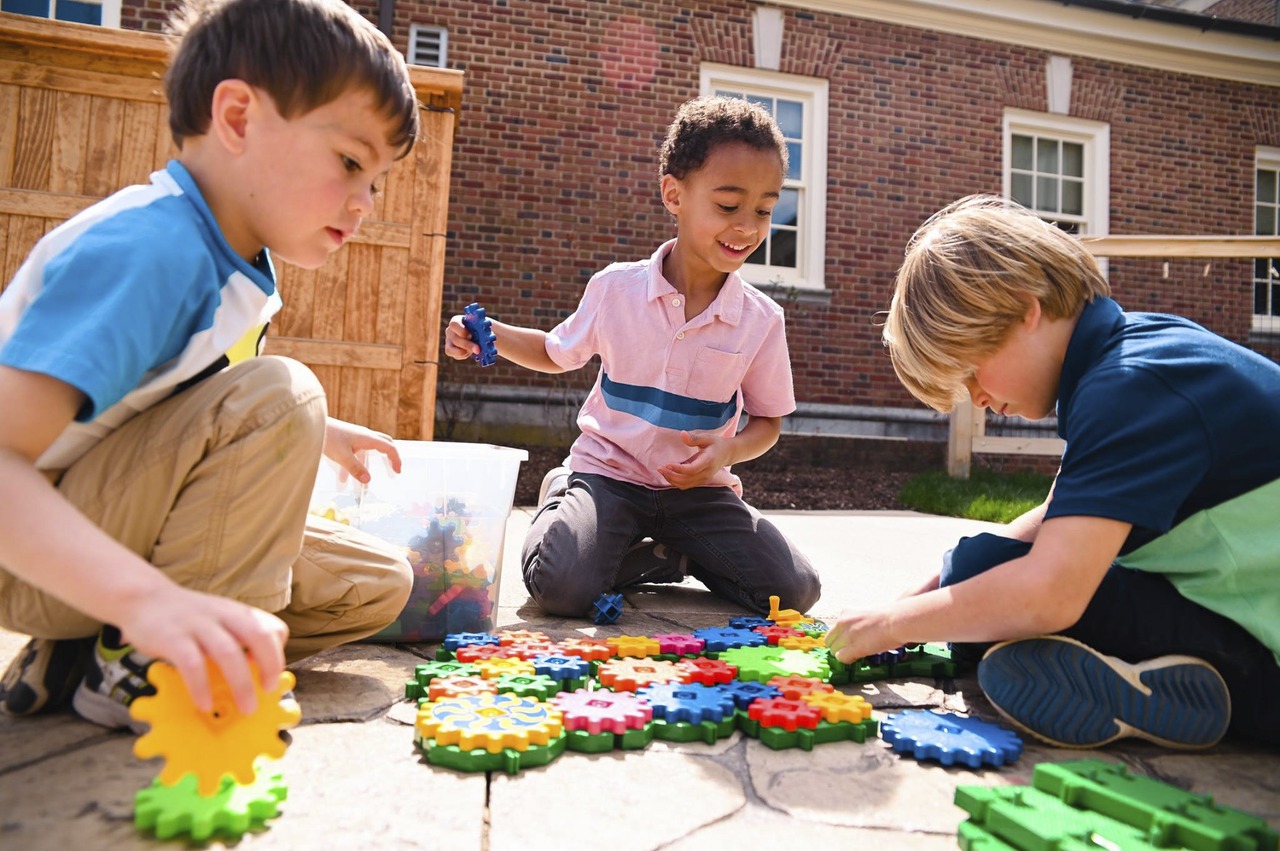
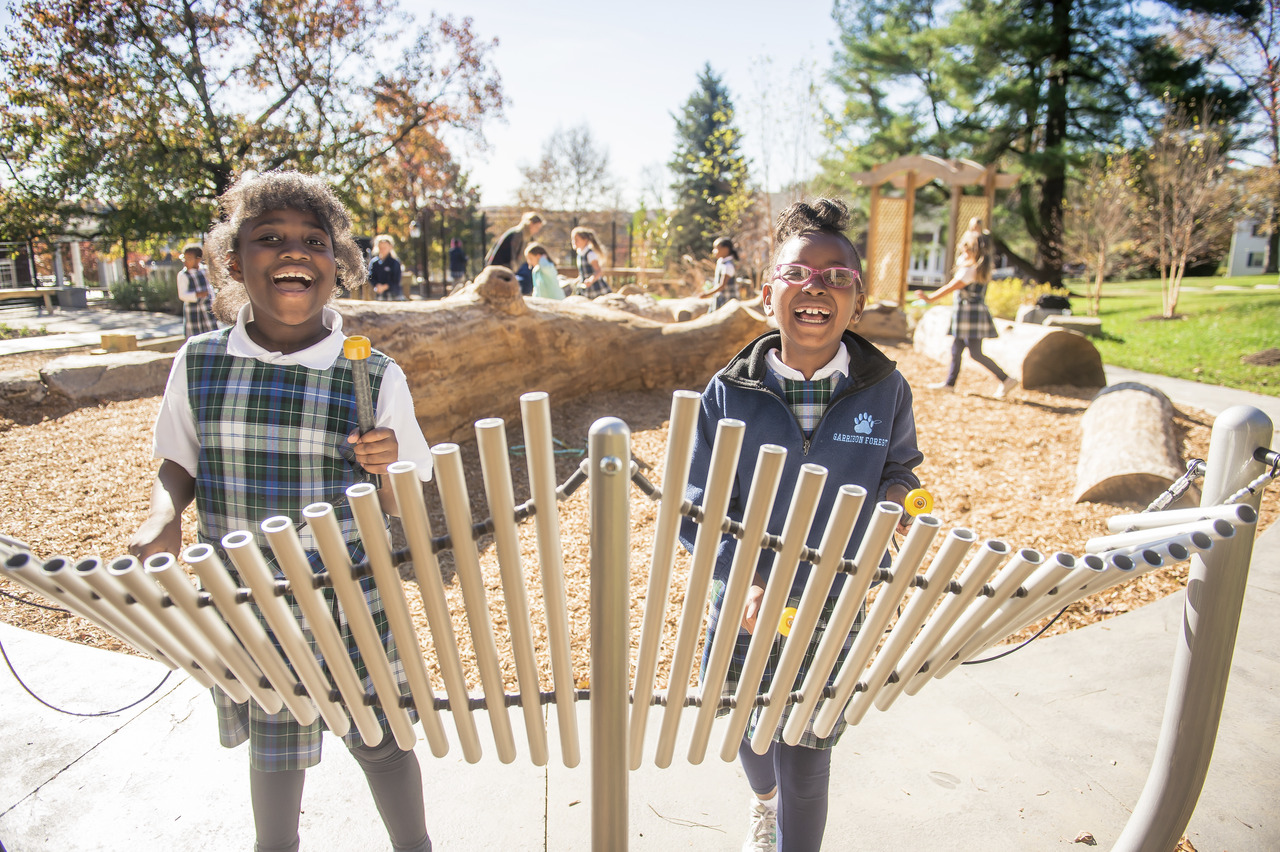
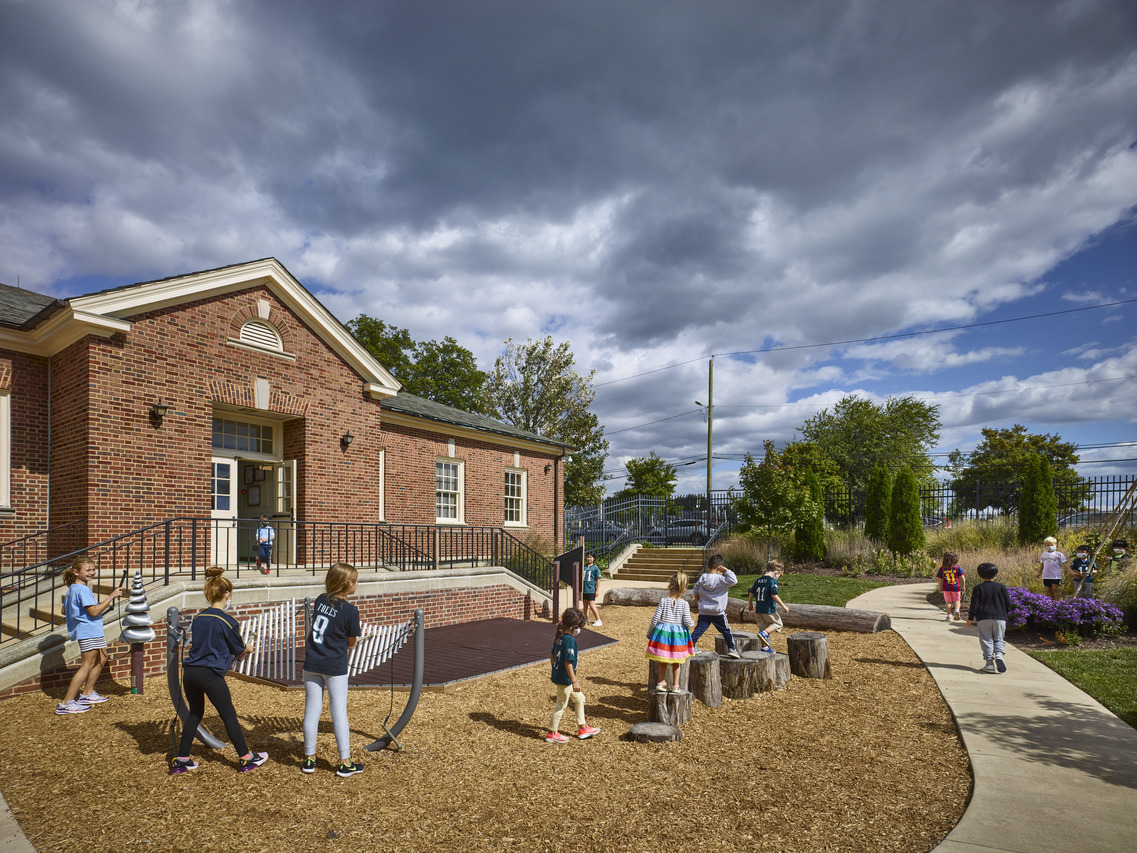
Children learn through play and exploration. Incorporate outdoor learning opportunities within play environments.
Flexible and Inclusive
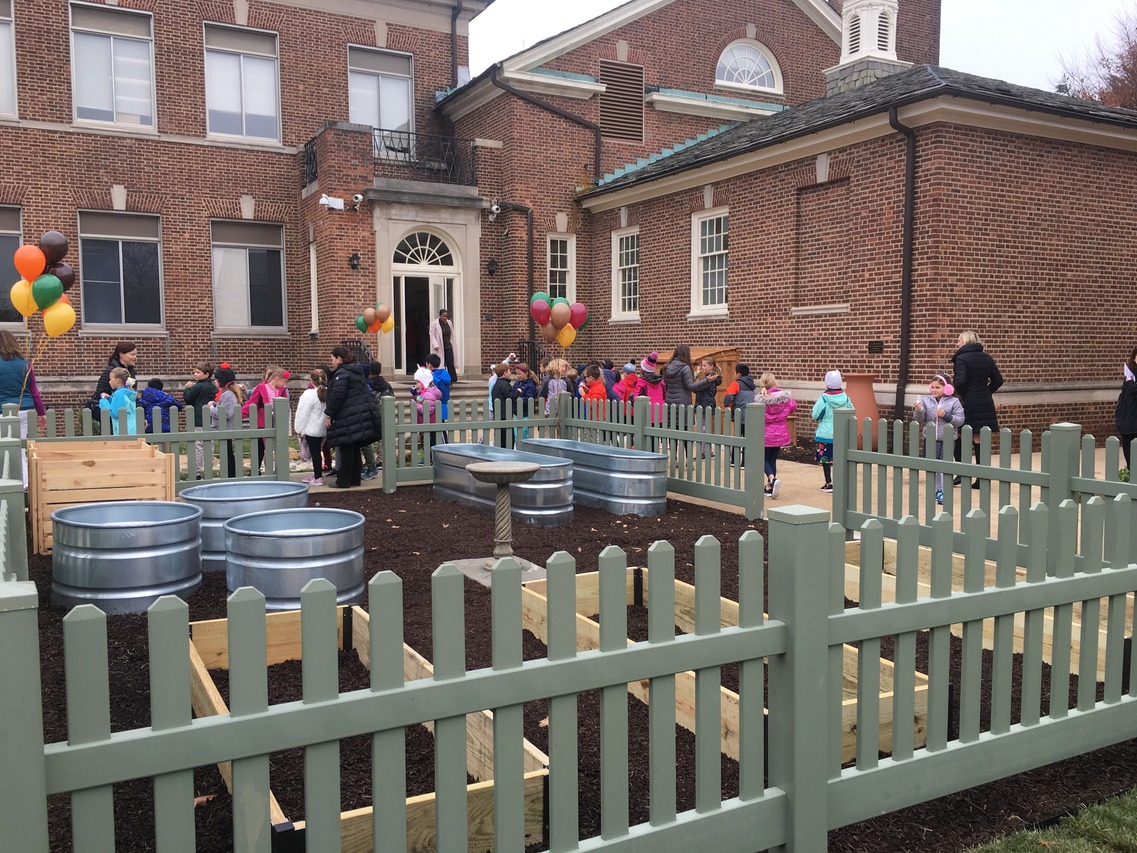
Provide spaces that are flexible and can be used for social gathering, outdoor classes, small groups, large groups and a be used for a variety of teaching, learning and social opportunities. Make sure all outdoor learning spaces are designed to be accommodating in such a way that all abilities are able to be immersed with their peers in these learning environments.

Exposure, Access and Safety
Provide protection from the elements (sun, wind, rain and snow). Make sure the spaces are sited in close proximity to building access points and are visible from the building and the community for safety and security.
Collaboration during Design
Work with educators, administrators, facilities and operations staff, special education staff and therapists during design to make sure all considerations are included in the design of the outdoor learning spaces.
Indoor/Outdoor Connections
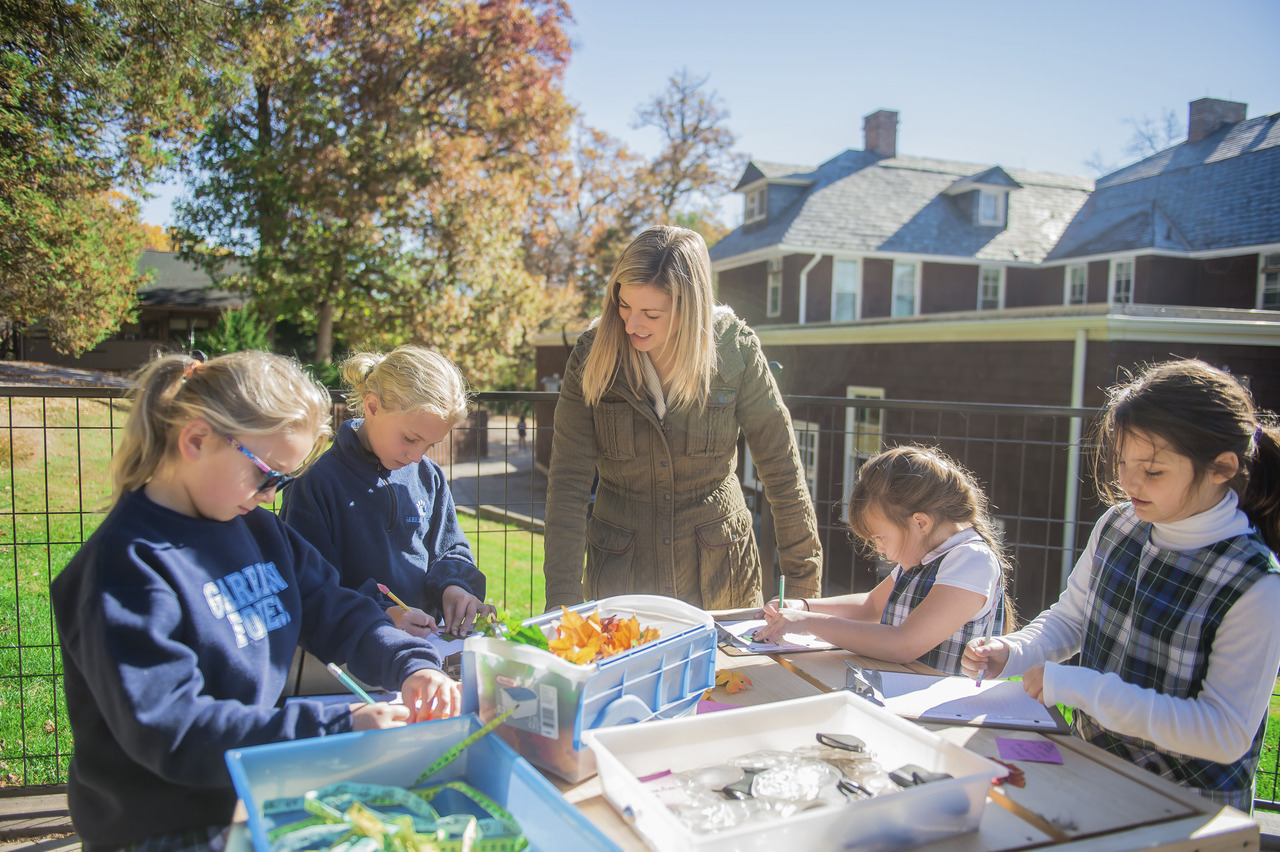
Create indoor/outdoor connections between the building and site amenities to provide a connection to nature, opportunity for fresh air and increased ability for learning to extend outdoors









flexible & Inclusive
Integration with Play





Exposure, Access, & Safety








COllaboration During Design












Indoor/Outdoor Connections