

Therapeutic exercise
Relaxation techniques
Biofeedback
Acupuncture



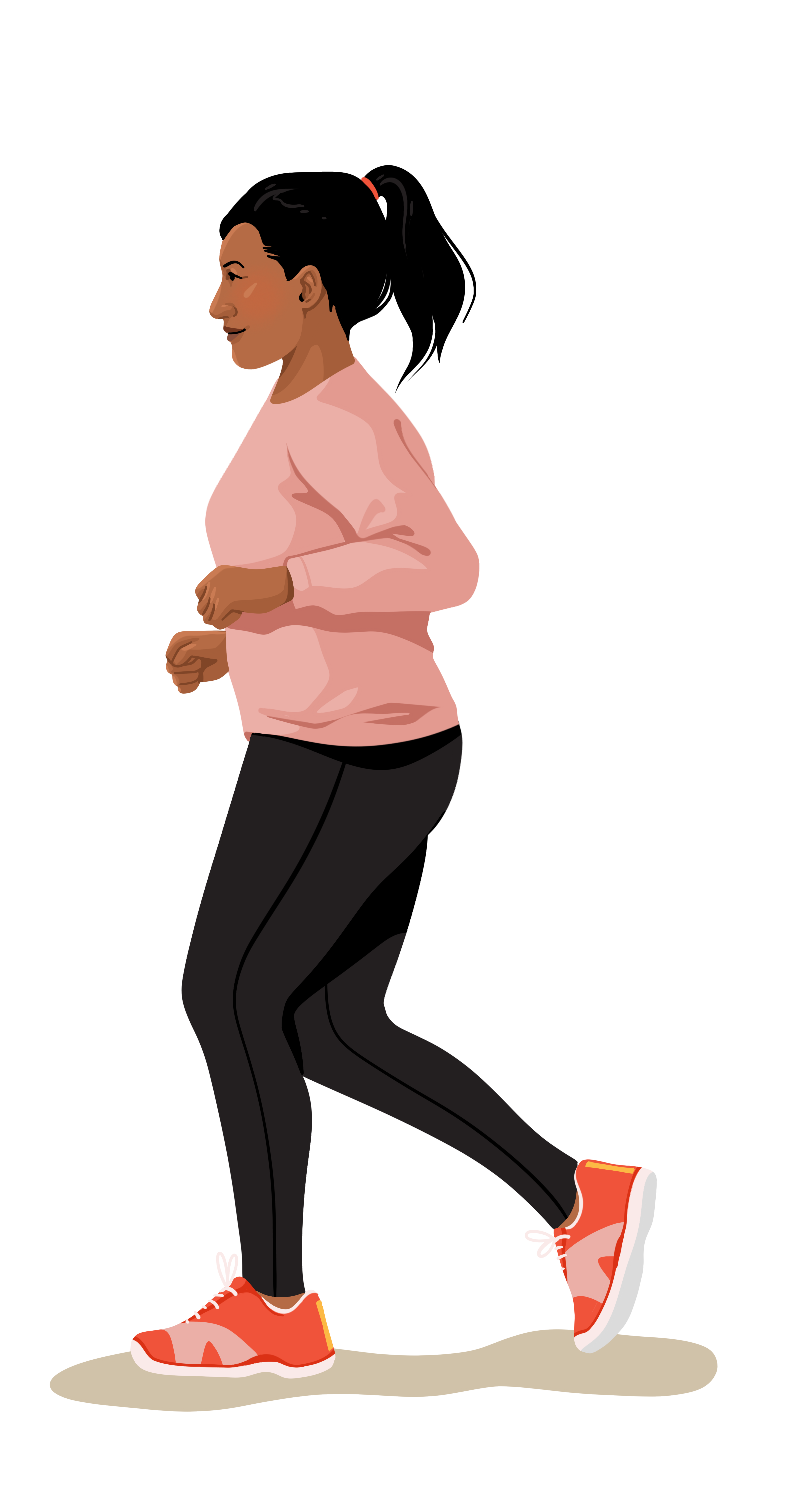
Several studies have shown that various forms of exercise can reduce migraine pain frequency, duration, and intensity. However, it’s important to note that many of the recommendations from these studies are of low certainty and quality.
Examples include brisk walking, cycling, and swimming. Other types of exercise, such as yoga, tai chi, or resistance training, may also help manage symptoms or improve quality of life.
Although research findings have been mixed, it’s possible that relaxation training or techniques may help reduce the frequency, duration, or intensity of migraine symptoms.
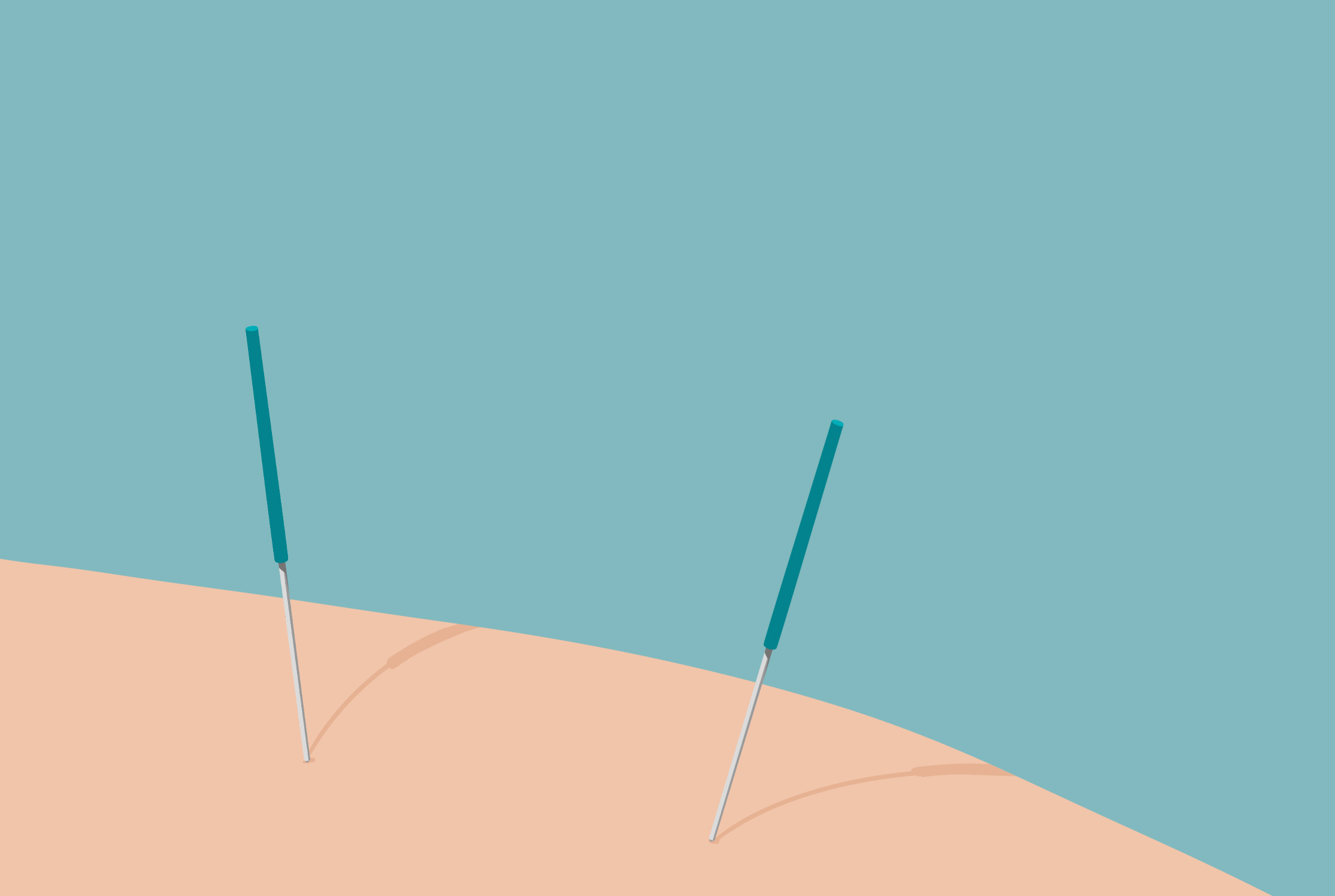
According to a 2022 research review, acupuncture may help reduce the frequency and severity of migraine symptoms. More high quality research is needed to confirm these findings.
A 2024 randomized clinical trial found that people with episodic migraine who underwent biofeedback reported lower “migraine-related disability” (defined as migraine-specific quality of life, anxiety, and depression) and significant increases in quality of life.
During biofeedback, a practitioner applies sensors to your body to monitor your temperature, heart rate, breathing, or muscle movements. The feedback from the sensors can help you understand your body’s reactions and learn how to adjust them.
Complementary Health Toolkit
Migraine
For example, you might find self-hypnosis, guided imagery meditation, or paced breathing exercises helpful.
If you decide to try acupuncture, look for an experienced practitioner who uses sterile needles.
Butterbur is another herb that may help reduce the frequency of migraine attacks.
Some research suggests that feverfew extract may slightly reduce migraine frequency. It’s important to note these findings need to be confirmed in larger, more rigorous trials.
Herbal products









A diet high in omega-3 fatty acids may also help limit migraine frequency. Omega-3 supplements don’t appear to have the same benefits, although some research suggests they may shorten migraine attacks.
Some evidence suggests that coenzyme Q10, riboflavin (vitamin B2), and magnesium supplements may help reduce the frequency of migraine attacks.
Dietary Supplements
However, the plant contains pyrrolizidine alkaloids (PAs), which can damage your liver and lungs. If you decide to try butterbur, look for butterbur products that have been processed to remove PAs.