Wake up rested
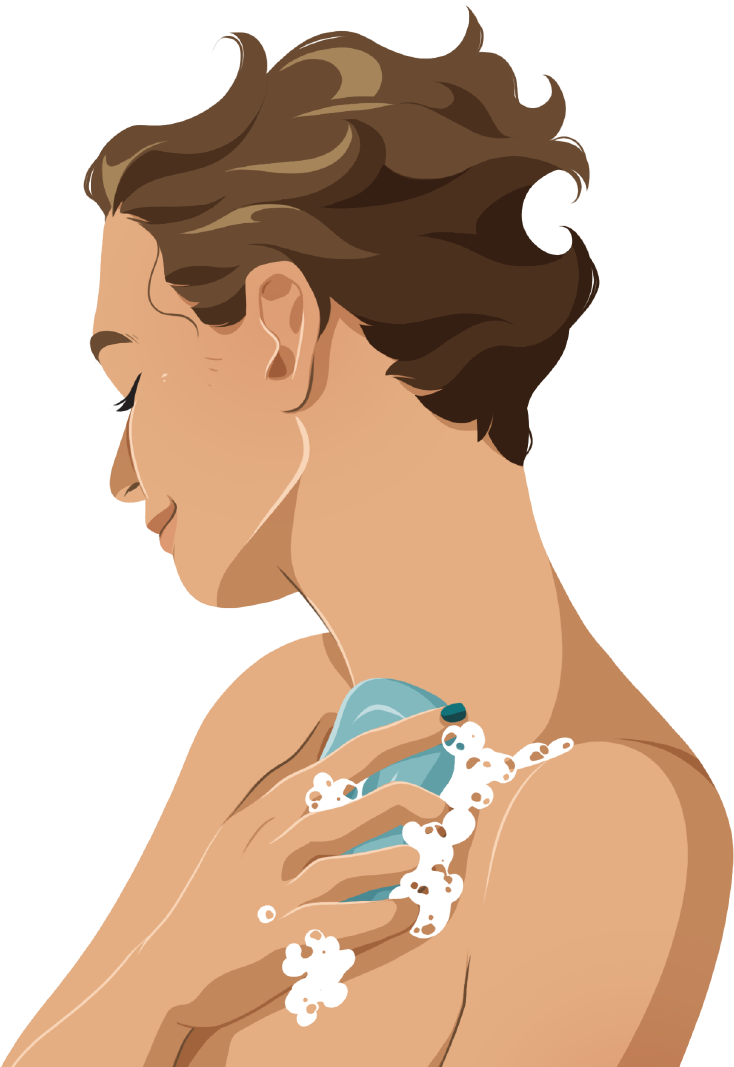
Bathing or showering every day helps keep your skin clean, which is important to prevent infections during cancer treatment. Be gentle when you're cleaning skin that's been affected by radiation or other cancer treatments. Follow your care team’s instructions when caring for any surgical incisions.
Keep your skin clean
It’s not clear whether certain eating patterns affect
breast cancer treatment outcomes or the chances of breast cancer recurrence. However, eating a nutrient-
rich diet promotes overall health. Try to include a wide variety of fruits, vegetables, whole grains, and lean proteins in your snacks and meals.
Meet your nutritional needs
Staying active can help lower stress, improve sleep, reduce fatigue, and boost quality of life when you have breast cancer. It may also promote fluid drainage if you have lymphedema, or a buildup of lymph fluid that can cause swelling and reduce flexibility in areas such as your chest and arm.
Stay active
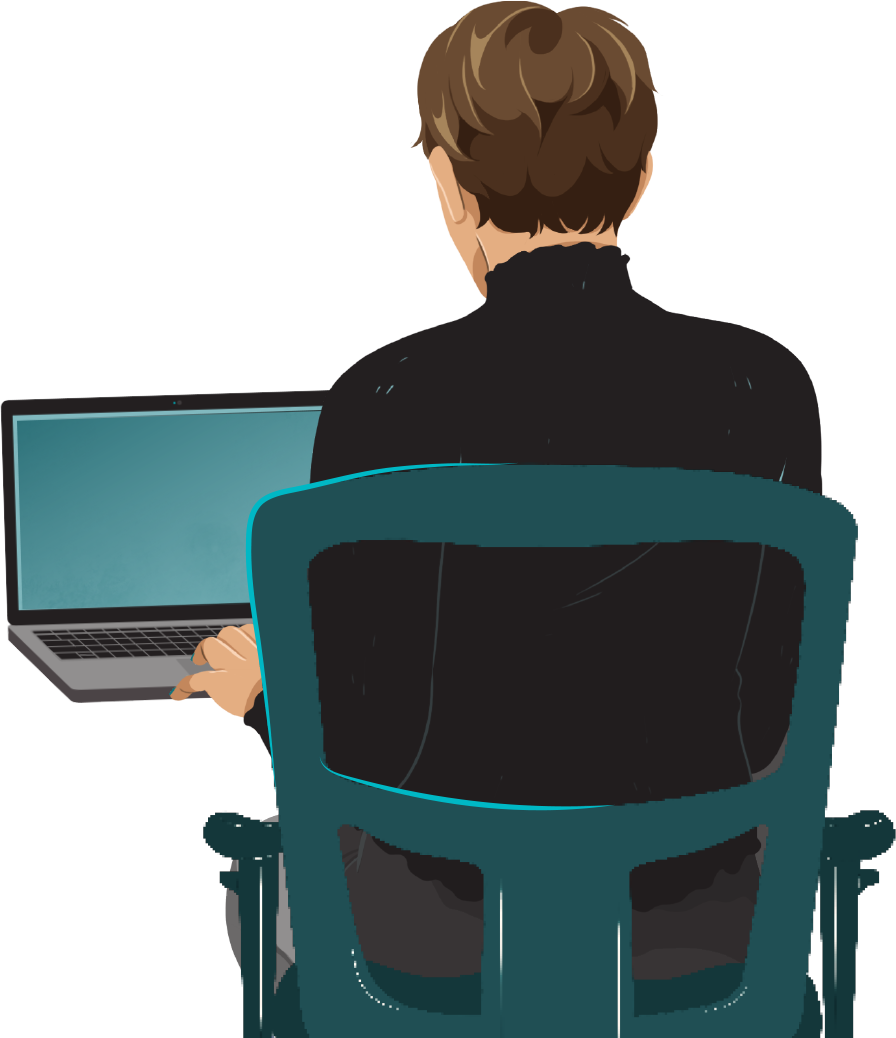
Consider work accommodations
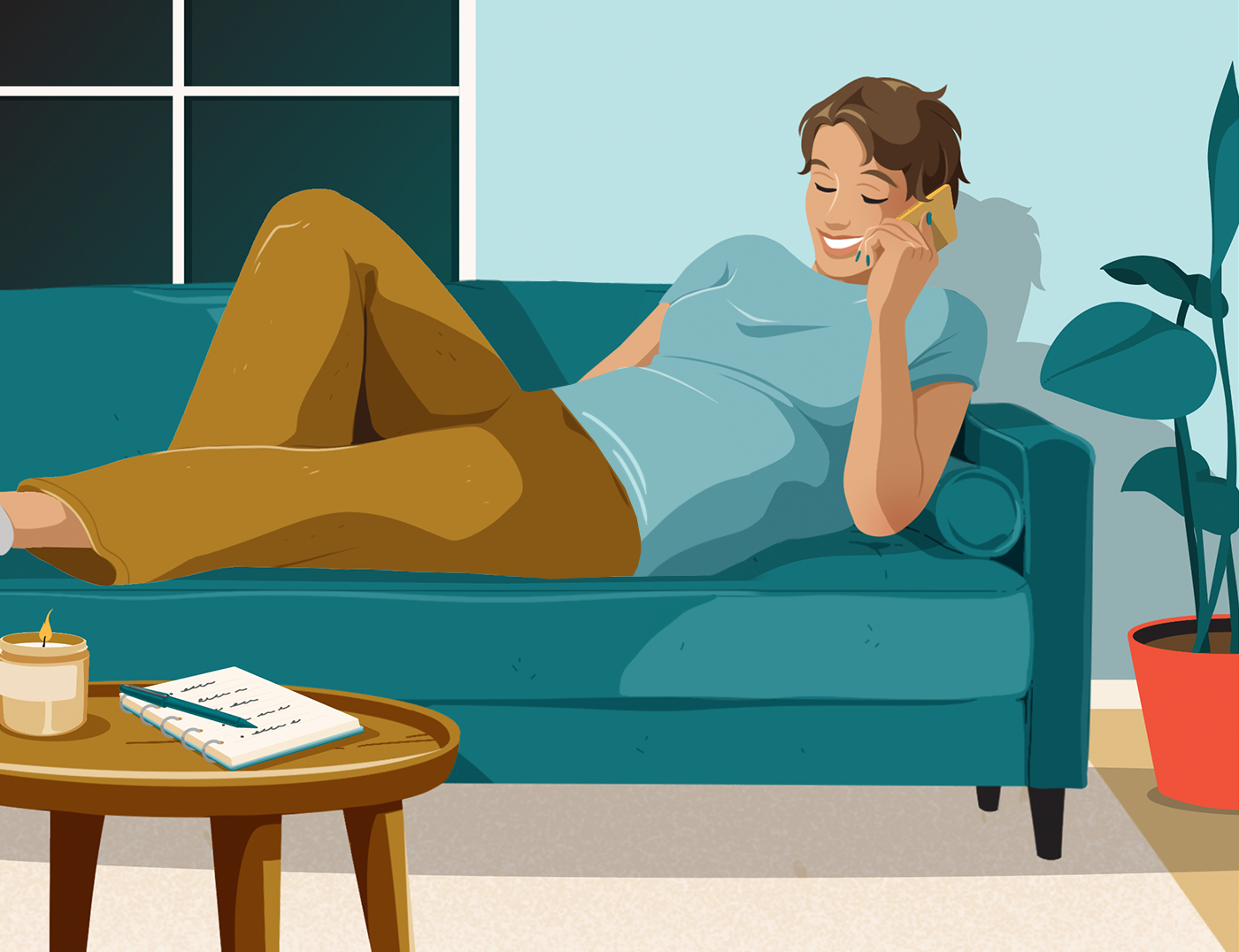
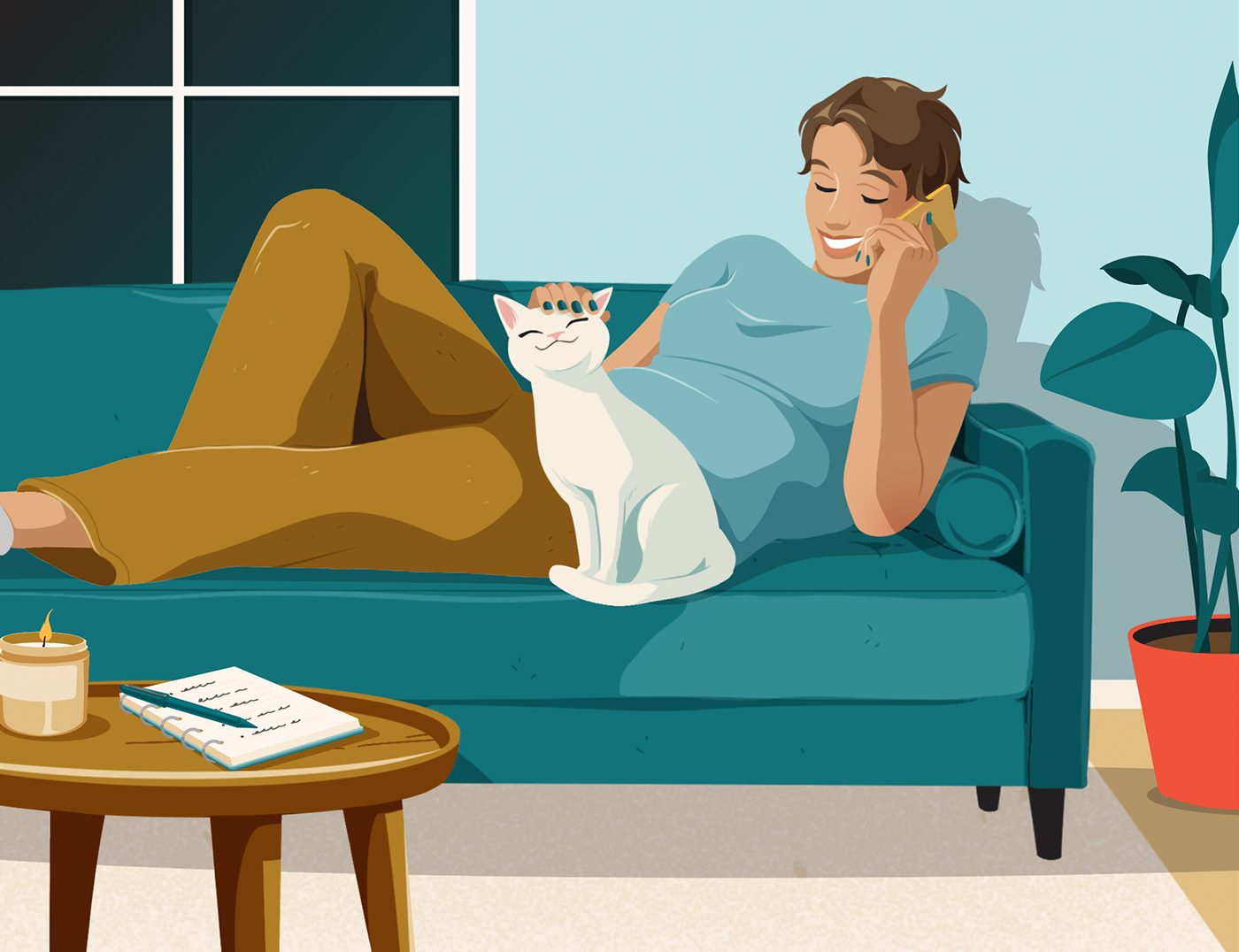
Managing a breast cancer diagnosis and treatment can be stressful. Relaxation techniques such as meditation, deep breathing, or gentle yoga may help ease stress, improve your mood, and support your mental well-being.
Unwind after a long day
Early Breast Cancer:
A Day in the Life
est. read time: 8 min

Take precautions while bathing


Use a mild, unscented soap or body wash on
skin that’s been affected by radiation or other cancer treatments. Avoid products that contain fragrances or other irritating ingredients, which can make skin dryness and irritation worse.
Use the right products



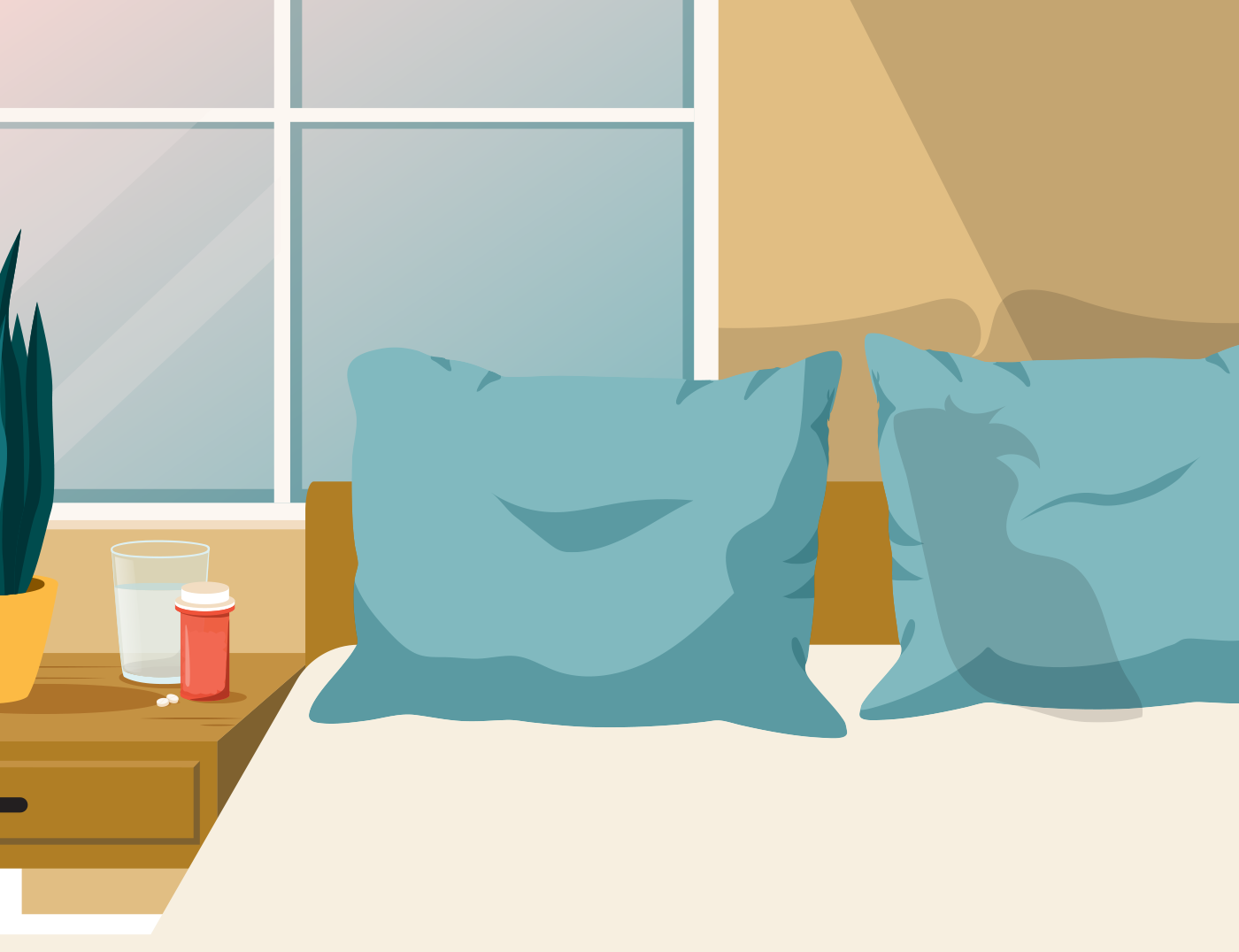
Take sleep medication as-needed

Prepare for hot flashes
and night sweats

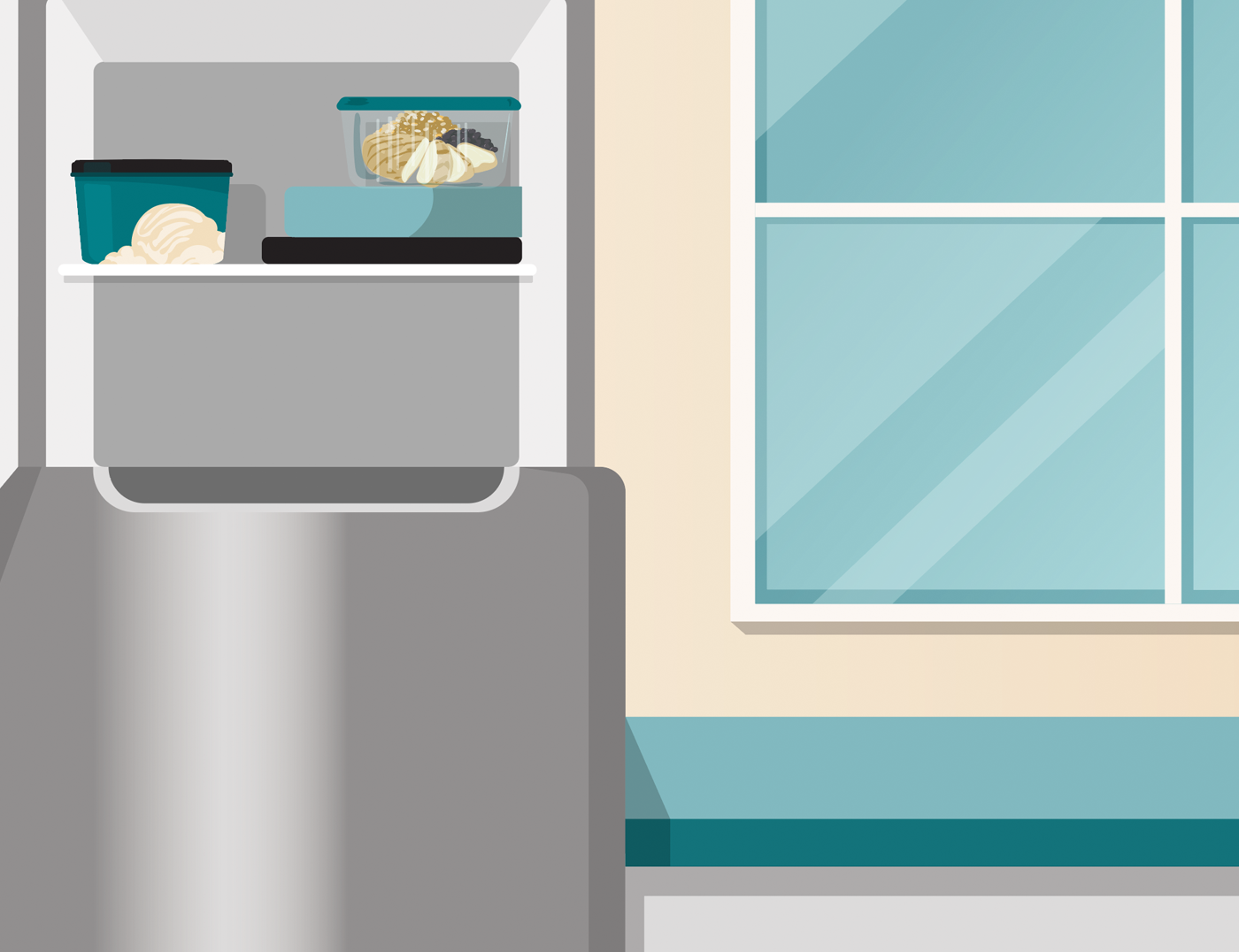
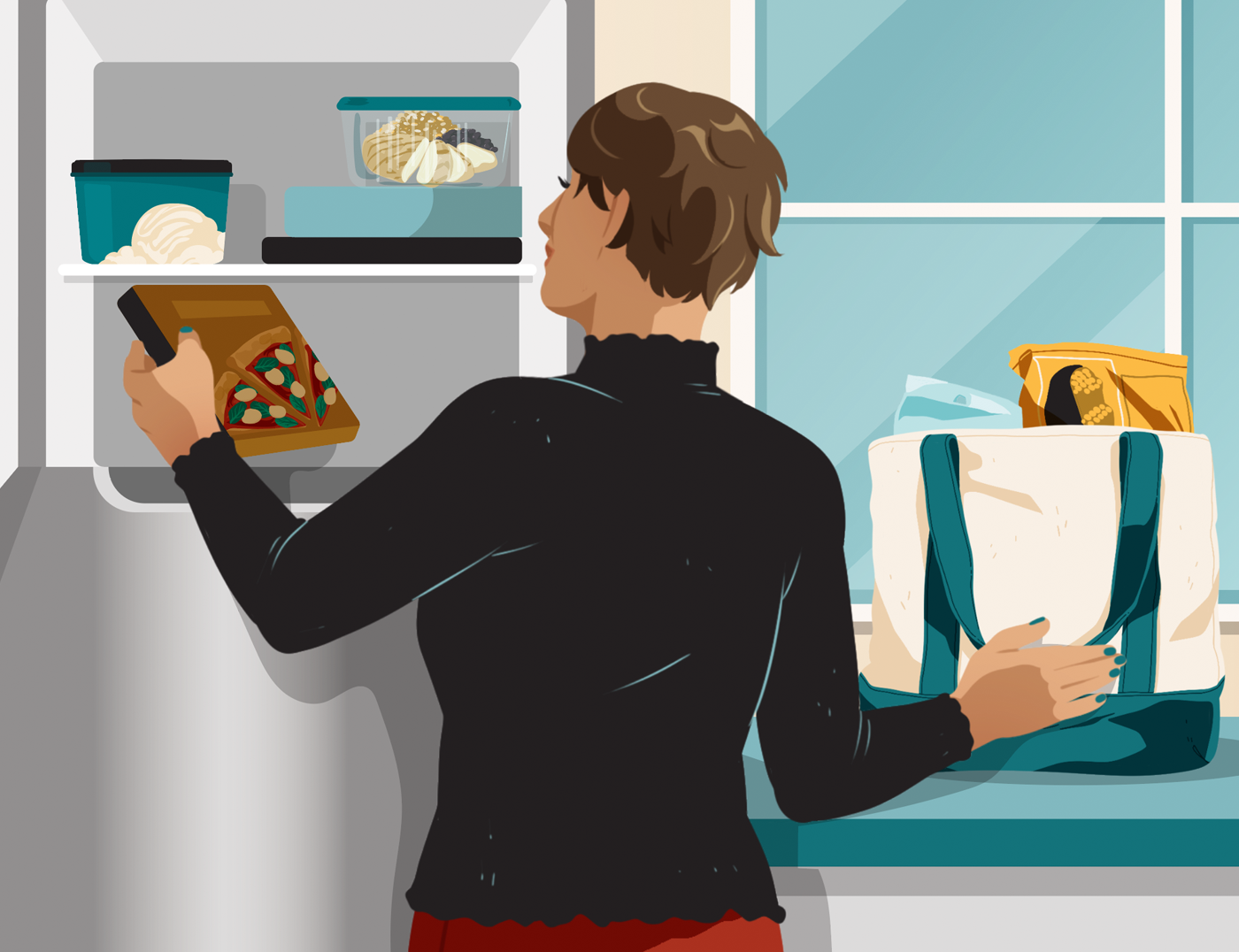
Stock up on your favorite foods


If you experience appetite loss or other symptoms or side effects that make it hard to eat, certain foods may be recommended. For example, ice cream is high in calories and protein. It's also
thick and cool, which makes it easier to swallow
if you have sores in your mouth or throat from treatment.
Plan for changes in appetite




Sun exposure can worsen skin changes from radiation treatment. Cover exposed skin with loose-fitting, tightly woven clothing and a broad-brimmed hat. Opt for sun-protective clothing
with an ultraviolet protection factor (UPF) listed on the label. Ask your care team if it’s safe to apply sunscreen.
Practice sun safety

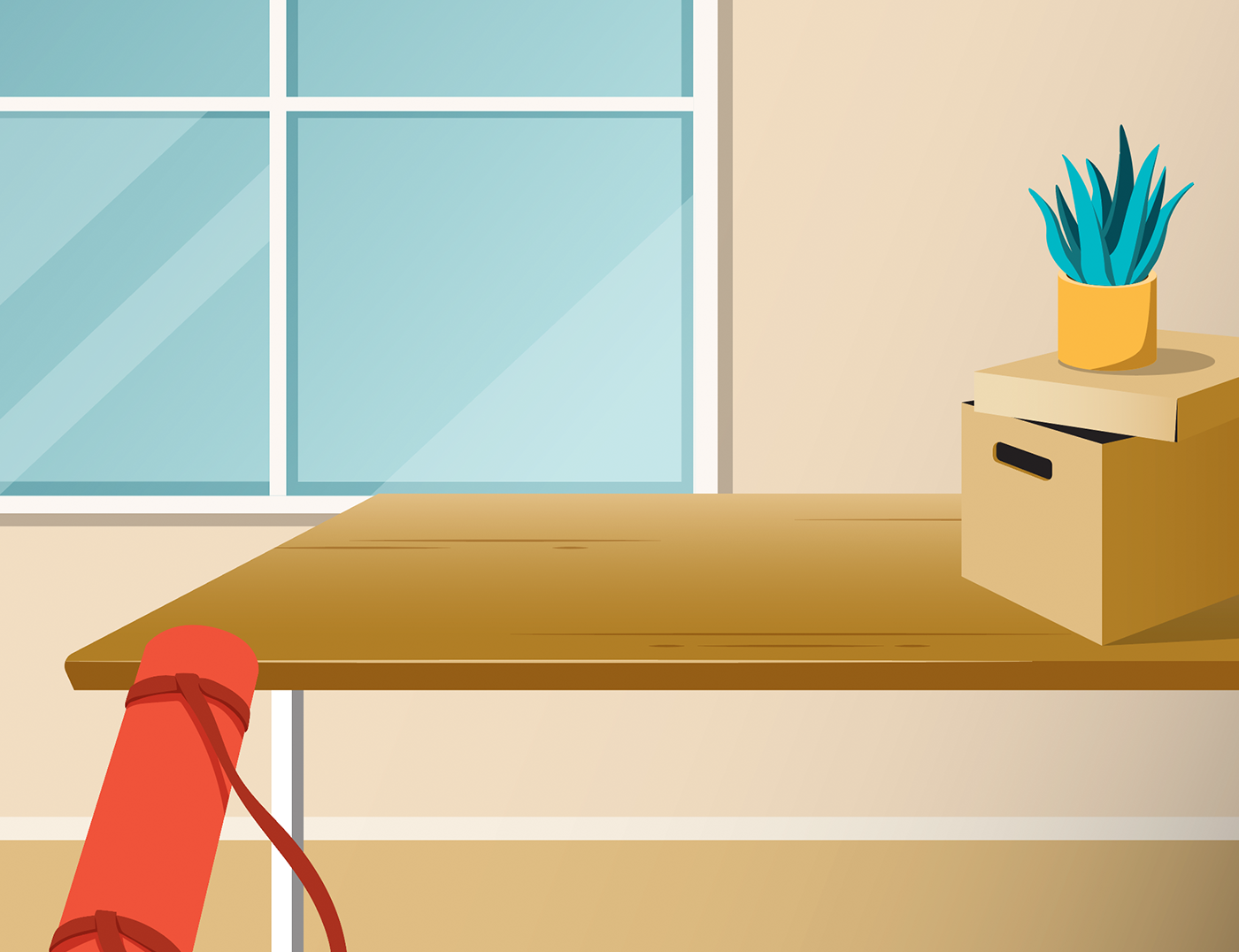
Make a fitness plan



Take breaks

Ask your care team if you should avoid physical labor during treatment and recovery. For example, lifting heavy objects may open surgical incisions or cause damage to healing tissues. Symptoms or side effects such as fatigue, shortness of breath, or muscle weakness may also limit your abilities.
Consider your limitations



Sharing your experiences with others can help you cope with the emotional challenges you're facing. Lean on friends and family. Join an in-person or online support group for people with breast cancer. Or connect with a mental health specialist who has experience supporting people with breast cancer.
Stay socially connected

Journaling about your thoughts and feelings
may help you process your experiences with breast cancer. You might also find it helpful to make art, compose or listen to music, or take part in other creative activities to express or
work through your emotions.
Keep a journal



If cancer-related challenges make it hard to manage
your routine or responsibilities at work, talk with your manager. Your job may offer accommodations, such as changing your assigned tasks, adjusting your schedule, or allowing you to work from home. Or they might offer paid or unpaid medical leave.
Use warm water on skin that’s been affected by radiation or other cancer treatments. Very hot or very cold water may damage your skin or make symptoms like dryness and irritation worse. Try to avoid rubbing or scrubbing any affected skin. Gently pat wet skin with a soft towel to dry.
Consider stocking your refrigerator and freezer with homemade or preprepared store-bought foods and meals that you find easy to prepare and eat when you’re tired or sick. It might be helpful to use a grocery or meal delivery service if fatigue or other challenges are making it hard to shop or cook.
Most adults need at least 7 hours of sleep per night.
You might require more sleep than usual while managing breast cancer. Listen to your body, and let your care team know if you're finding it hard to get enough sleep.
Hormone therapy for breast cancer can cause sleep-disrupting symptoms like hot flashes or night sweats. Consider layering your bedding
so you can easily remove a layer when you’re
too hot or add one on when you’re too cold. Keeping a fan near your bed is another easy
way to adjust the temperature.
If you're having trouble sleeping, your care team may prescribe sleep medication. If pain is keeping you up, they may offer pain relief medication. If side effects from cancer medication are affecting your sleep, they might adjust your regimen or recommend other strategies to manage side effects.


You may need to adjust your usual exercise routine. Your care team can recommend which activities are best for you. Start slowly and gradually build up your fitness level each week. Don't overdo it — take breaks to rest when needed. And bring a water bottle with you to
stay hydrated while exercising.
Try to take regular breaks throughout your
work day to rest, stretch, or move around. This may help you manage certain symptoms or
side effects, such as fatigue, brain fog, pain,
or stiffness.