Protects and
regulates the skin
Absorbed slowly
over time
A shot just under the skin
A shot just
under the skin
one
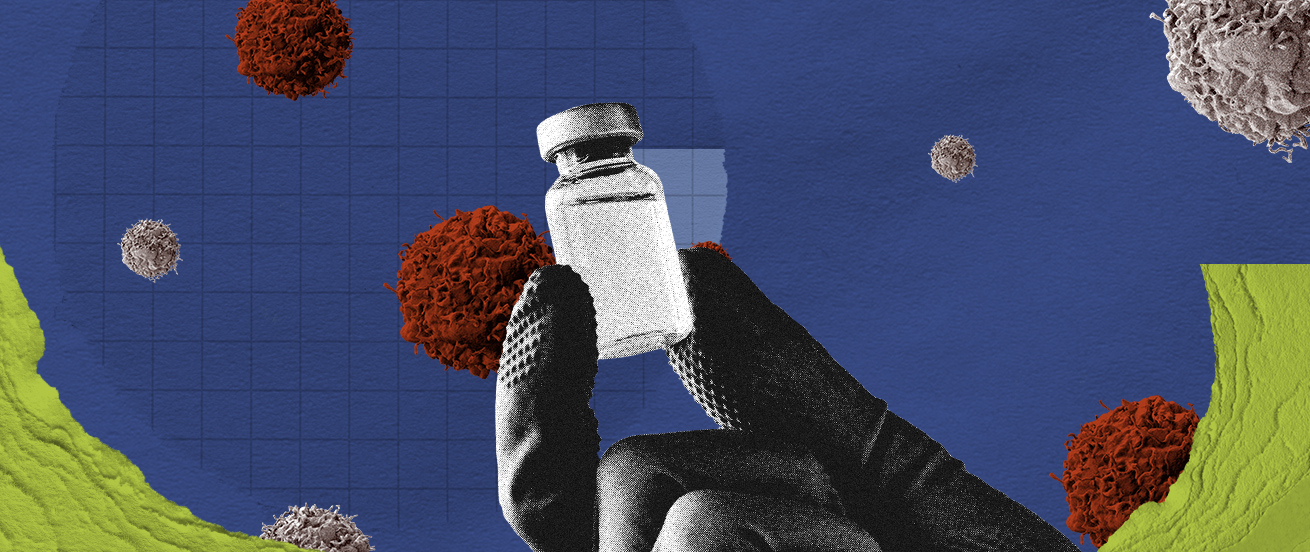
How many subcutaneous immunotherapy injections are approved to treat cancer?
Available treatments for cancer
We’ve partnered with Olly® to
bring you this guide on everyday
feel-good habits.
two
correct!
Subcutaneous injections deliver medication, including certain cancer treatments, into a person’s body. These injections are shallower than those injected into muscle tissue and do not require as much force, which means they’re often less painful. It also takes less time to receive a subcutaneous injection than an intravenous infusion. This can improve a person’s quality of life, especially when their treatments are ongoing.
Subcutaneous injections are often less painful because the needles are smaller. The amount of pain a person feels depends on factors like where the injection is administered, their pain tolerance, and skin sensitivity.
“I’m good” is a phrase Black women bravely proclaim, often even when they’re not. With Black women being 3x as likely
to die in childbirth and half as likely to seek mental health help than their white counterparts, the state of Black women’s health needs a major overhaul.
We've partnered with She's Good For Real to empower you with the resources
you need to advocate for yourself,
support your friends and family, and help change outcomes.
INcorrect
Answer - Three
atezolizumab and hyaluronidase-tqjs (Tecentriq Hybreza)
nivolumab and hyaluronidase-nvhy (Opdivo Qvantig)
cosibelimab-ipdl (Unloxcyt)
Unlike muscle tissue, subcutaneous tissue has few blood vessels. The presence of fewer blood cells allows the body
to absorb the medication slowly over a period of time.
Absorbed slowly over time
Evidence llorem ipsum dolor sit amet consectetur adipisicing elit seddo eiusmod tempor incididunt ut labore et dolore magna aliqua. Ut enim ad minim veniam, quis nostrud exercitation ullamco laboris nisiut aliquip.
Title 1 Here
Available treatments for cancer
three
Answer - Three
atezolizumab and hyaluronidase-tqjs (Tecentriq Hybreza)
nivolumab and hyaluronidase-nvhy (Opdivo Qvantig)
cosibelimab-ipdl (Unloxcyt)
false
true
True or False: The subcutaneous layer is just under the skin’s outermost layer, the epidermis.
Protects and regulates the skin
Answer - False
The subcutaneous layer is the deepest skin layer and consists mainly of fat. It helps insulate the body from cold, helps absorb shock, prevents damage to the internal organs, and provides structural support for the skin. It can reach up to 3 centimeters in depth.
correct!
INcorrect
Answer - False
The subcutaneous layer is the deepest skin layer and consists mainly of fat. It helps insulate the body from cold, helps absorb shock, prevents damage to the internal organs, and provides structural support for the skin. It can reach up to 3 centimeters in depth.
True or False:
Llorem ipsum dolor sit amet consectetur adipisicing elit seddo eiusmod tempor incididunt ut labore.
Title 2 Here
FALSE
True
Answer - True:
While it’s great to stay active through the week, research shows weekend warriors enjoy similar health benefits to those who spend more days exercising, unlike those who are inactive. These benefits include
a lower risk of neurological conditions
like stroke and Parkinson’s disease and mental health conditions such as depression and anxiety.
Correct!
True or False:
Llorem ipsum dolor sit amet consectetur adipisicing elit seddo eiusmod tempor incididunt ut labore.
Title 2 Here
FALSE
True
Correct!
Answer - True:
While it’s great to stay active through the week, research shows weekend warriors enjoy similar health benefits to those who spend more days exercising, unlike those who are inactive. These benefits include
a lower risk of neurological conditions
like stroke and Parkinson’s disease and mental health conditions such as depression and anxiety.
Incorrect
two
Answer - Three:
atezolizumaband hyaluronidase-tqjs (Tecentriq Hybreza)
nivolumab and hyaluronidase-nvhy (Opdivo Qvantig)
cosibelimab-ipdl (Unloxcyt)
Answer - False:
The subcutaneous layer is the deepest skin layer and consists mainly of fat. It helps insulate the body from cold, helps absorb shock, prevents damage to the internal organs, and provides structural support for the skin. It can reach up to 3 centimeters in depth.
Correct!