Start Tour
14 Ways to Improve Air Quality in Your Home
Living with COPD:
End Tour
14 Ways to Improve Air
Quality in Your Home



Attic / basement
Kitchen
Bedroom
Bedroom
Use an air purifier.
An air purifier with a HEPA filter can remove about 99.97% of most small airborne particles, like dust and bacteria, that may be harming air quality. You might consider having an air purifier in other parts of your home as well.

Allergens like pet dander and dust mites are commonly found in bedding.
Wash your bedding regularly.
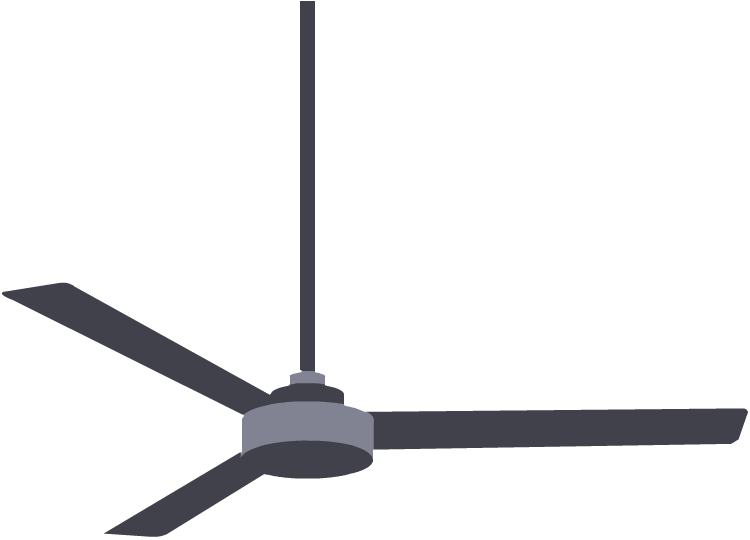
If you don’t have a ceiling fan, consider getting a standing fan. Having a fan on will help circulate the
air in your bedroom.
Turn on a fan.


Bedroom
The rest of the home
Living room
Bathroom
Bathroom
Bathroom
Kitchen
Living room
Living room
Attic / basement
Attic / basement
The rest of the home
The rest of the home
Kitchen








Perfumes, scented candles, and some cleaning supplies can linger in the air and trigger symptoms.
Limit use of scented products.
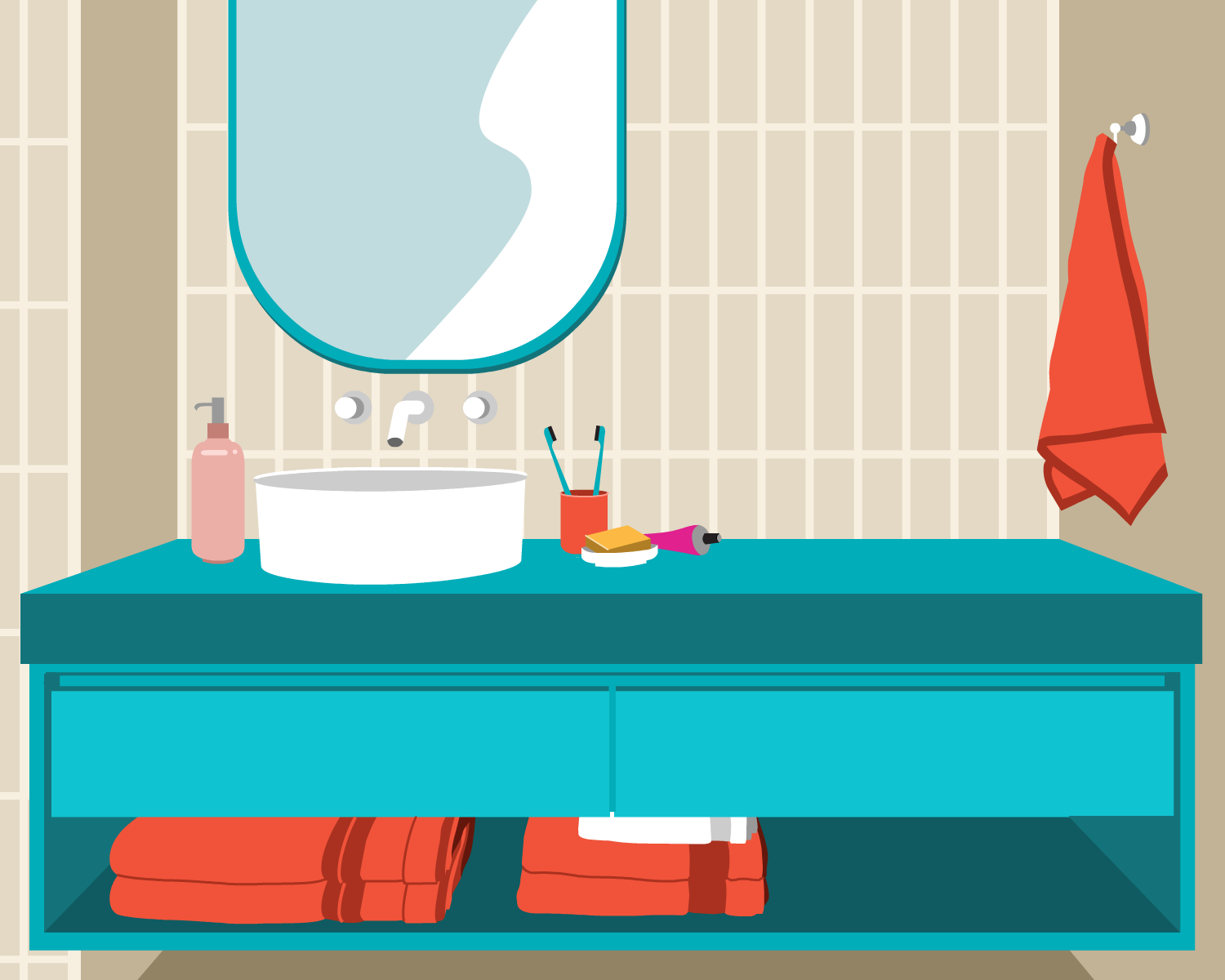
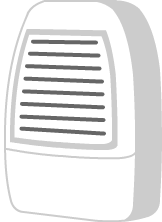
Moisture can attract pests and mold, and a dehumidifier removes moisture from the air. Indoor humidity levels should be under 50%.
Use a dehumidifier.
This will help keep pests away from your home. Particles from pest debris and fecal matter can pollute the air.
Cover your trash.
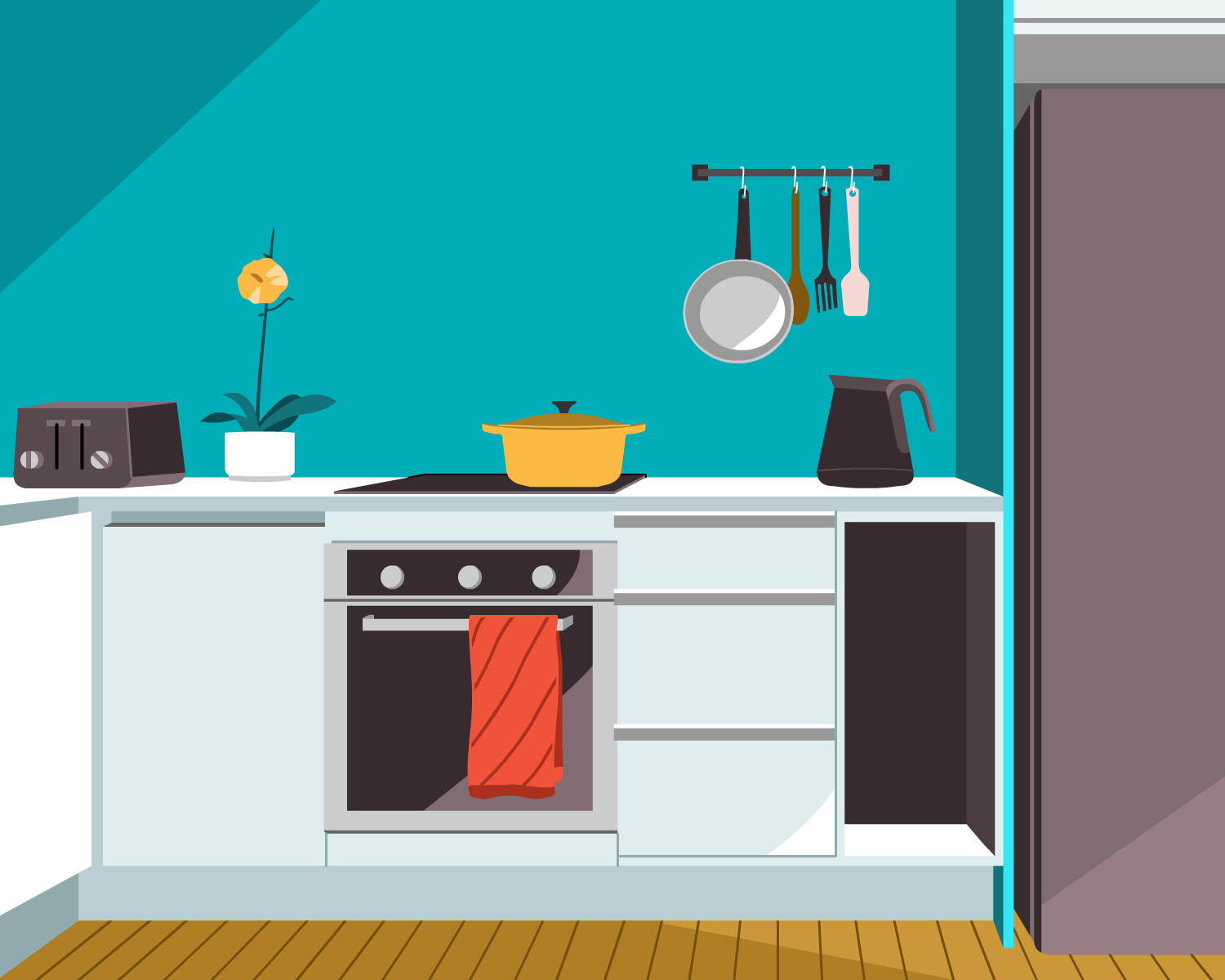
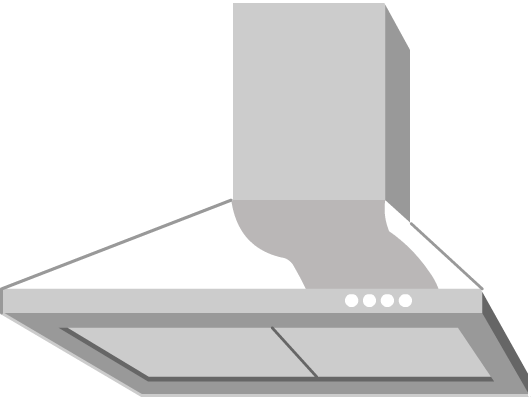
According to the World Health Organization (WHO), indoor smoke can be 100 times above healthy levels in homes with poor ventilation. Consider installing
an exhaust fan to remove smoke, humidity, and other contaminants.
Make sure your kitchen is well-ventilated.
Carpets can easily collect dust, dirt, and
other contaminants. Be sure to vacuum
them two to three times per week.
Clean carpets.
Make sure your fireplace is fully cleaned and vented. A fireplace that isn't fully vented can cause smoke buildup and worsen your home’s air quality.
Clean your fireplace.
Clutter, like old files and clothing, can collect dust that pollutes the air.
Clear clutter from the attic.
Keeping your home clean will help keep the air in your home clean. But it's important to read labels to make sure the cleaning supplies you use don’t contain chemicals that could harm your lung health.
Clean regularly.
Opening windows is an easy way to help
circulate and bring in fresh air.
Crack open windows.











Solid fuels include wood, charcoal, coal, and more. These cooking methods produce more smoke and add to air pollution.
Avoid cooking with kerosene and solid fuels.


Leaks and standing water can bring in pollutants from the outdoors and lead to mold formation.
Look for leaks in your basement.



est. read time: 8 min