Caring for incision sites and drains


est. read time: 6 min


Lung cancer surgery
Recovery guide:
Subcutaneous injections
for cancer treatment
Treatment guide:
After surgery, the care team will cover the incision with a dressing to keep it clean and help prevent infection. They may also place one or more drain tubes to drain fluid.
Before going home, the care team will teach the person or a caregiver how to clean the incision site, change the dressing, and empty and care for the drain. Contact the care team right away if there are any signs of infection, such as redness, drainage, or fever.
Getting up and moving around
Practicing breathing
and coughing exercises
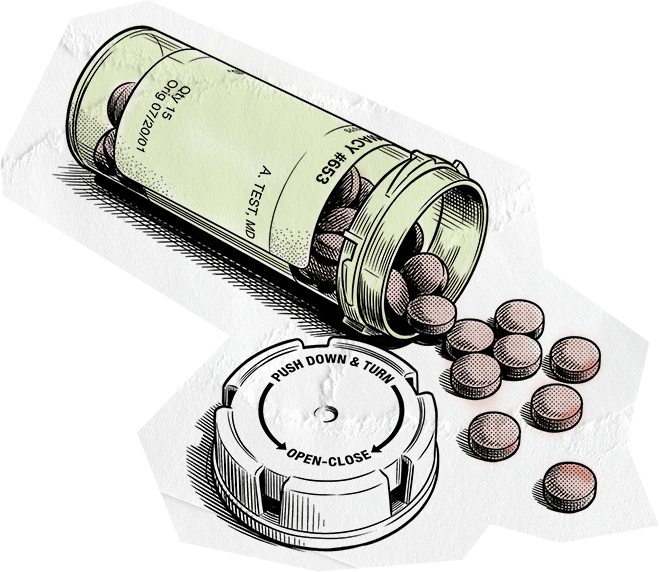
Before the person leaves the hospital, the care team will provide a prescription for pain medication. The person should ask when and how to take the medication, what side effects to watch for, and what activities to avoid while using it.
It is important to contact the care team if any pain is getting worse or is not improving with medication.
Managing pain
During recovery, the care team will ask the person to do deep breathing and coughing exercises. While these can be uncomfortable or painful, they are important for improving lung capacity and function.
The care team may also provide an incentive spirometer, which is a handheld tool that helps the person practice deep breathing. They will show the person how to use this tool.
The care team will encourage the person to get out of bed and walk soon after surgery. Early movement helps support digestion, boost circulation, and lower the risk of complications like blood clots and pneumonia.
They will usually recommend walking regularly, doing gentle stretching, and gradually increasing activity over time. Any heavy lifting and high-intensity physical activity should be avoided for several weeks after surgery.