The Image of Health:


Struggling with fibroid pain?
You may benefit from uterine fibroid embolization.
TAKE SURVEY
Fibroids in the uterus can make menstruation painful, distressful, and embarrassing for women. This nonsurgical treatment is a proven, safe, and effective way to eliminate fibroids while limiting the chance of complications while letting you keep your uterus.
Keep moving with GAE.
Genicular artery embolization could help.
We often take our knees for granted — until arthritic pain keeps us from moving around and doing the things we love. Instead of replacing the joint, this leading-edge procedure reduces pain and swelling, helping patients get back to walking, running, and living the lives they want.
Stay in the game with PAE.
Take a survey to see your prostate health score.
By age 50, about half of all men have what is considered an enlarged prostate. This often causes pain, a constant need to urinate, and waking up frequently overnight. But a leading-edge, minimally invasive procedure helps patients eliminate those sleepless nights and get back to an active life.

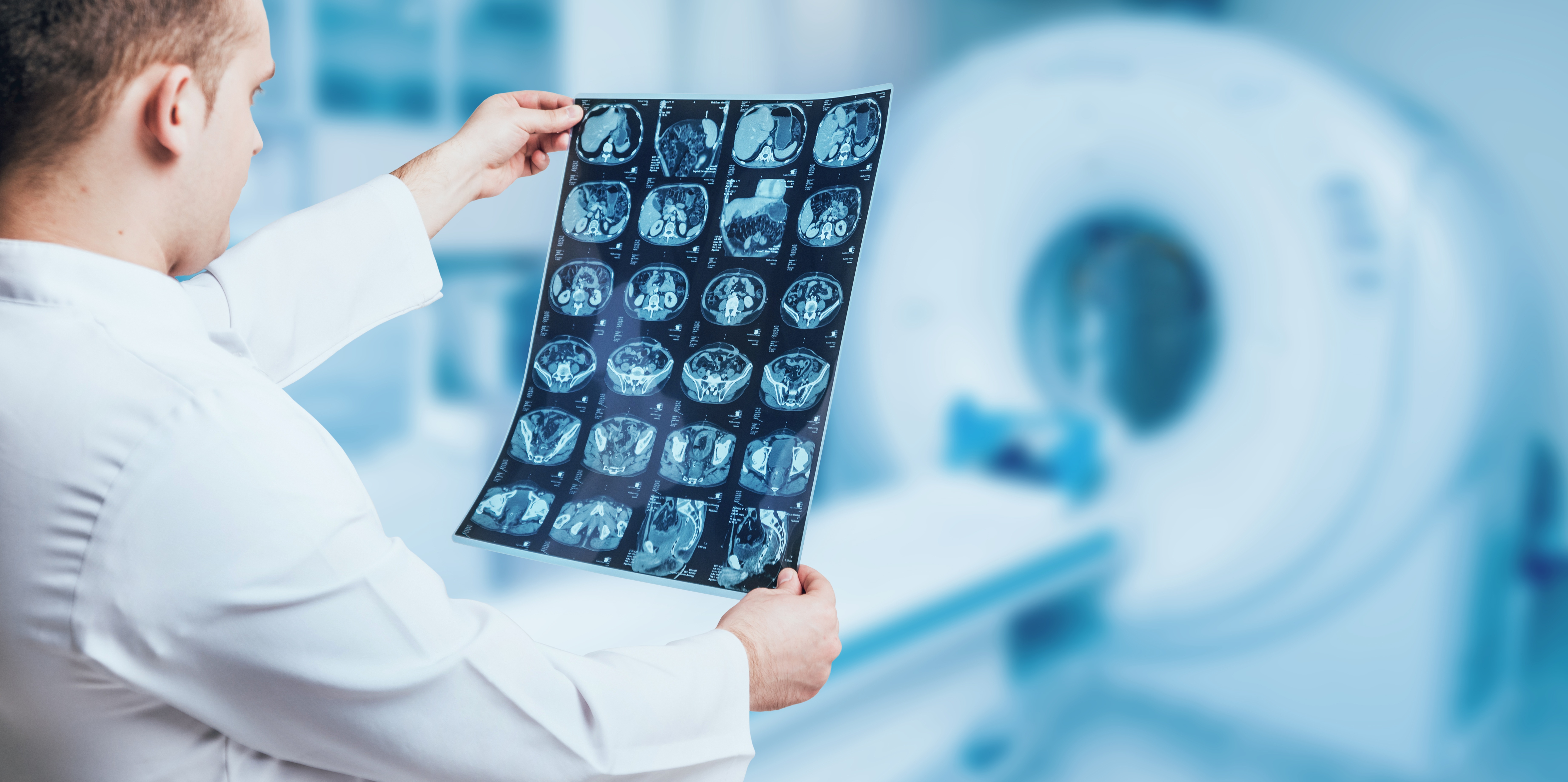
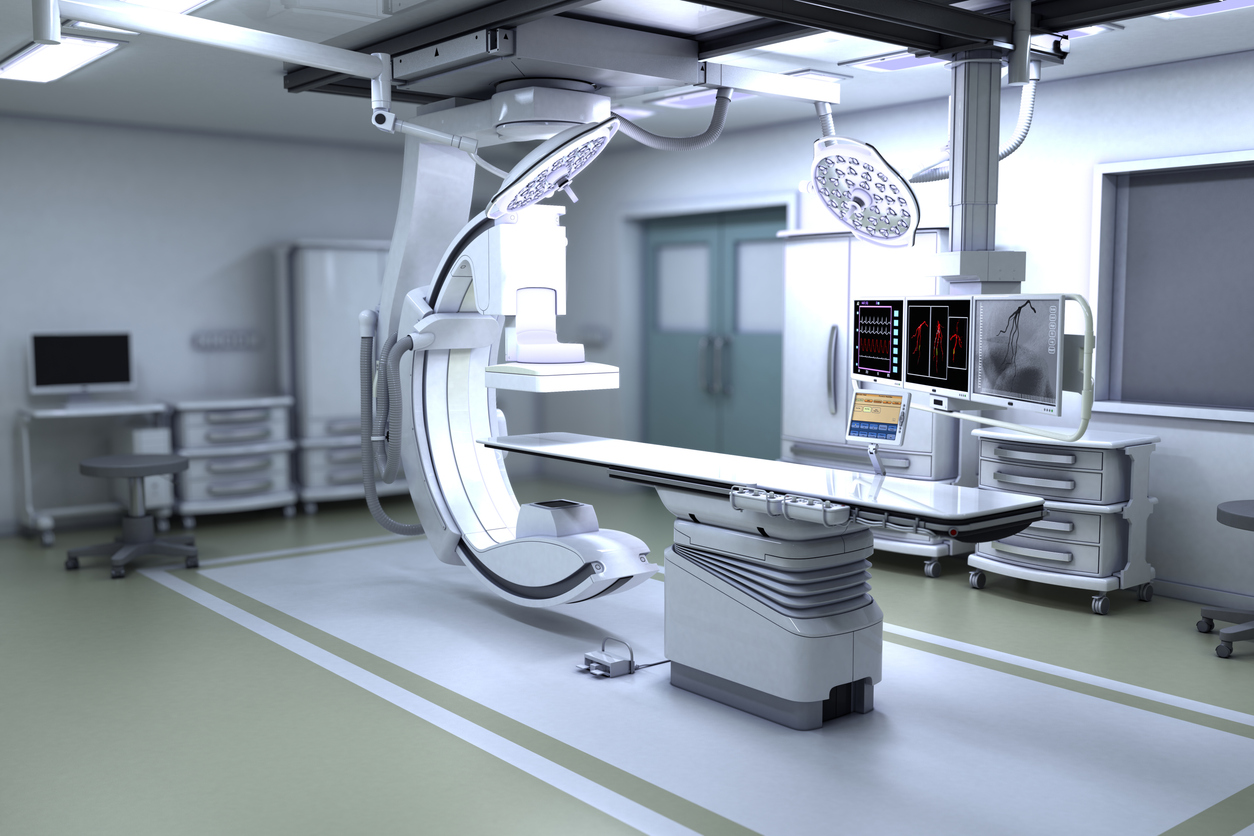
Interventional radiology (IR) is a specialty that uses imaging techniques—such as X-rays, CT scans, ultrasound, or MRI—to guide minimally invasive procedures for diagnosing and treating various conditions. Interventional radiologists use catheters and other tiny instruments to move through the patient’s circulatory system, which acts as a pathway to nearly all parts of the body. With IR, patients can avoid open surgery, getting treatment delivered through tiny incisions, often resulting in less pain, shorter recovery times, and reduced risk.

How would you describe interventional radiology to someone hearing about it for the first time?
Interventional radiology uses imaging like X-rays, ultrasound, and CT scans to guide tiny tools inside the body to treat problems without major surgery.
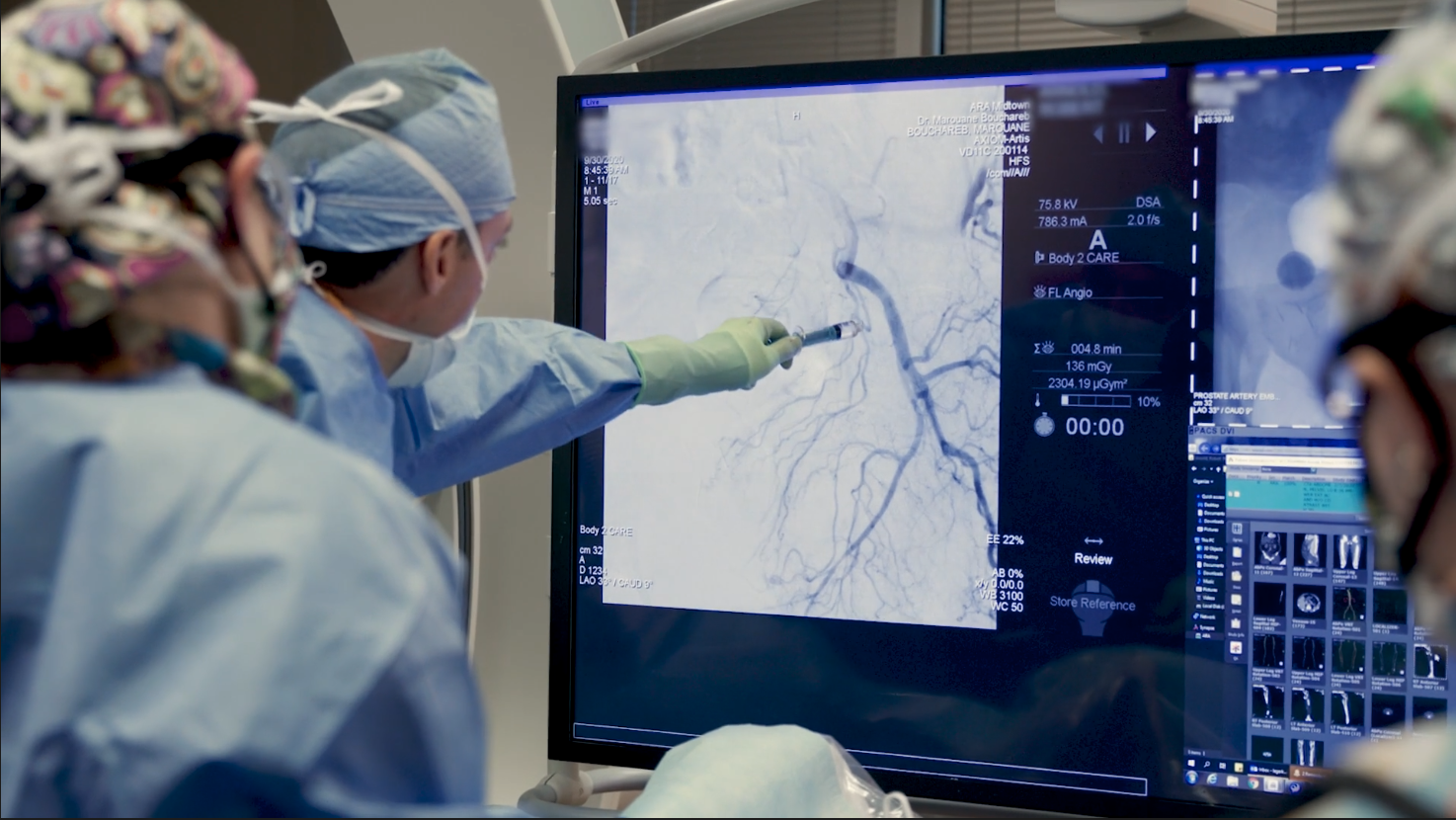
Imaging (the use of exams like X-rays, MRI, CT, and ultrasound for diagnostics) is vital to any branch of medicine. A window into the depths of the human body enables radiologists to accurately diagnose injuries and illnesses and better plan for treatment. But at ARA Diagnostic Imaging, advanced imaging technology goes beyond diagnostics and into the realm of therapy.
Through interventional radiology, ARA physicians can use real-time imaging guidance to perform minimally invasive interventions that are safe, effective, and done with minimal pain, trauma, and risk of complications. And at ARA, the staff pairs cutting-edge tech and expertise with compassion and professionalism — seeing into the patients’ lives and helping them picture a happy and healthy tomorrow.
Want to know more about interventional radiology and how it might improve your life? ARA’s Midtown location has interventional coordinators ready to help as soon as you complete your survey.
Your IR Questions, Answered
Dr. Lazaga, Interventional Radiologist at ARA, explains how interventional radiology can make a difference in your care.


Our focus is to compassionately serve the patients and physicians of Central Texas by providing the best possible healthcare outcomes for the patients we diagnose and treat.
ARA's mission
Using interventional radiology to solve patient problems
Continue learning about IR
From the Interventional Radiology team at ARA.
Learn from the experts
Hear from Dr. Marouane Bouchareb about the benefits of treating an enlarged prostate using Prostate Artery Embolization (PAE).
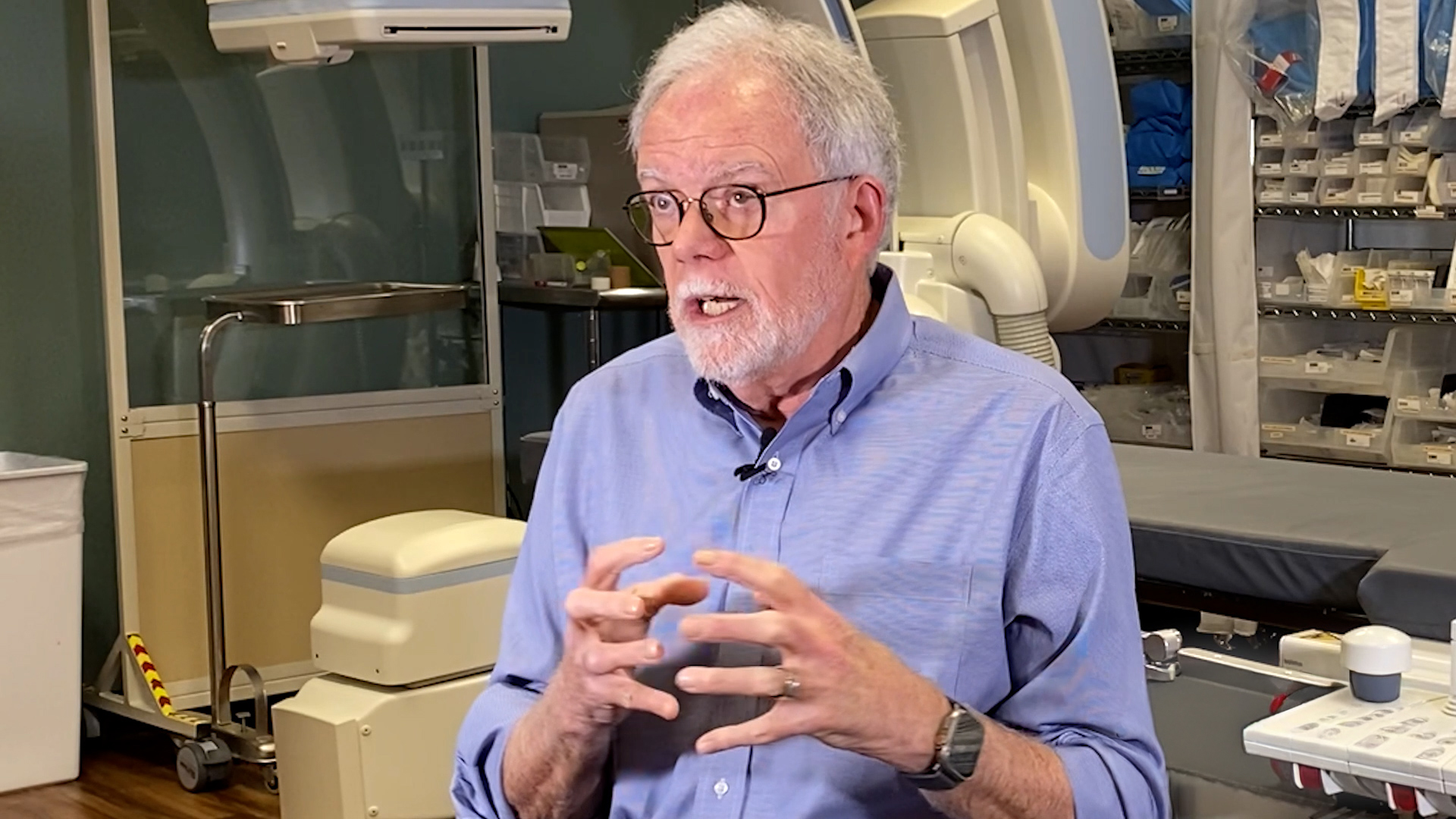
CLIENT SPOTLIGHT
Randy, 73
"[It was] very efficient... everybody was on time, good coordination between the person that took us back and the rest of the nursing care, and Dr. Bouchareb. It was a very comfortable procedure. I mean, I felt something but there was no pain, no discomfort. I was aware there was something happening. Post-op, you know, he came in and he sat down, as always, and kind of explained what went on, what to expect next, when he'll see me again, who to call if there are any problems. You know, I just felt taken care of, is the simplest way to put it."
A leader in diagnostic imaging.
Want to know more about interventional radiology and how it might improve your life? ARA’s Midtown location has interventional coordinators ready to help as soon as you complete your survey.
LEARN MORE
LEARN MORE
Innovative knee pain relief
Genicular Artery Embolization (GAE) may be the solution you’ve been searching for to help relieve chronic knee pain.
LEARN MORE
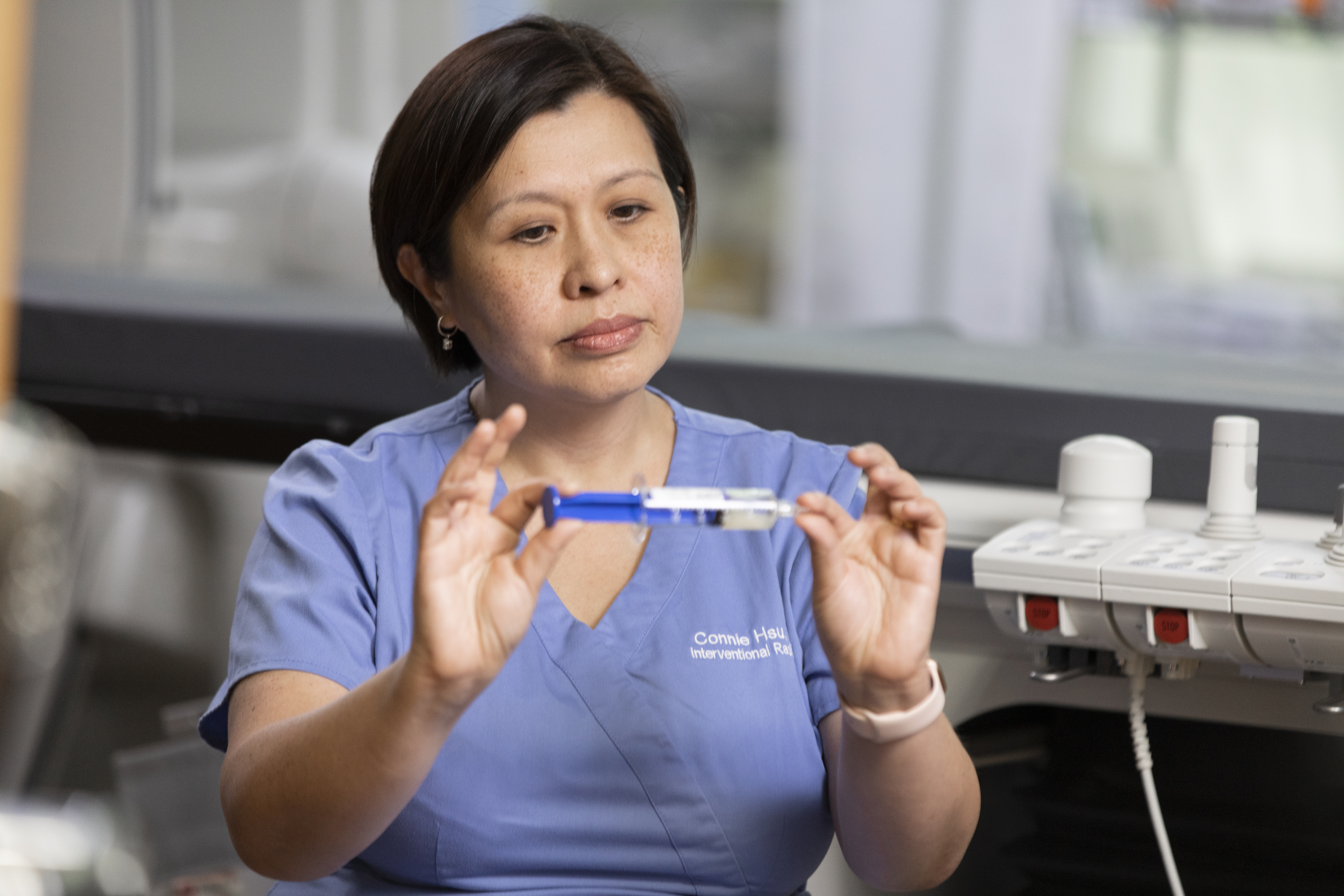
Hear from Dr. Hsu
Discover how Uterine Fibroid Embolization (UFE)—a minimally invasive procedure—has transformed the lives of women suffering from uterine fibroids.
PAE SURVEY




TAKE SURVEY
TAKE SURVEY
LEARN MORE
Nonsurgical treatment can eliminate fibroids and help ease the pain for women during menstruation.
LEARN MORE
Knee pain? There’s a way to get you back on your feet without a joint replacement.
LEARN MORE
Leading-edge solution for enlarged prostate brings restful nights and the freedom to do what you love, or what makes you happy.
Interventional is more than just seeing what's going on inside your body - it's about looking forward to feeling better. Conditions such as enlarged prostate, uterine fibroids, or arthritic knee pain may be holding you back and continuing to worsen. But with the technology and techniques available at ARA, there’s no reason you should have to live with the stress, discomfort, or inconvenience. Here are a few examples of simple procedures that have changed patients’ lives.


Interventional
Radiology
Treatments

Interventional
Radiology
Treatments
UFE SURVEY
GAE SURVEY

What kind of training or expertise does an interventional radiologist bring to patient care?
Interventional radiologists are doctors with specialized training in anatomy, imaging interpretation, and performing precise, minimally invasive procedures.

Where are
IR procedures done?
Many IR procedures are done in a convenient outpatient setting, such as a specialized clinic suite, allowing patients to go home the same day.

What are some of the biggest advantages of a minimally invasive approach for patients?
Minimally invasive procedures use tiny openings and imaging guidance, helping patients avoid major surgery with less pain, lower risk, and faster recovery.

What kinds of conditions or patients benefit most from interventional radiology?
Interventional radiology is a good option for patients who can’t have surgery, aren’t candidates for other treatments, or want to avoid surgery.

What should patients look for when choosing where to get an interventional radiology procedure?
Patients should look for doctors with specialized training, advanced imaging technology, and a team that provides coordinated care and follow-up.




PAE SURVEY
UFE SURVEY
GAE SURVEY
Keep moving with GAE.
Genicular artery embolization could help.
We often take our knees for granted — until arthritic pain keeps us from moving around and doing the things we love. Instead of replacing the joint, this leading-edge procedure reduces pain and swelling, helping patients get back to walking, running, and living the lives they want.
LEARN MORE
Knee pain? There’s a way to get you back on your feet without a joint replacement.
TAKE SURVEY
Stay in the game with PAE.
Take a survey to see your prostate health score.
By age 50, about half of all men have what is considered an enlarged prostate. This often causes pain, a constant need to urinate, and waking up frequently overnight. But a leading-edge, minimally invasive procedure helps patients eliminate those sleepless nights and get back to an active life.
TAKE SURVEY
LEARN MORE
Leading-edge solution for enlarged prostate brings restful nights and the freedom to do what you love, or what makes you happy.
Struggling with fibroid pain?
You may benefit from uterine fibroid embolization.
Fibroids in the uterus can make menstruation painful, distressful, and embarrassing for women. This nonsurgical treatment is a proven, safe, and effective way to eliminate fibroids while limiting the chance of complications while letting you keep your uterus.
TAKE SURVEY
LEARN MORE
Nonsurgical treatment can eliminate fibroids and help ease the pain for women during menstruation.
PAE SURVEY
UFE SURVEY
GAE SURVEY