Cardiology 101:
A Guide to Heart Care

By StoryStudio on February 2, 2026
An estimated 60 percent of American adults will live with some form of cardiovascular disease by 2030, according to the American Heart Association, yet navigating heart health care can feel like learning a new language. Who exactly should you see when your heart skips a beat? Have high blood pressure or chest pain? What's the difference between all those specialists?
“Despite cardiovascular disease being on the rise, there’s plenty we can do to keep the heart healthy,” said Ryan Brandt, MD, Cardiologist at Dominican Hospital. “Knowing the basics of heart health and understanding cardiology care offers us a better chance of living a more fulfilling life.”
Let's review the different types of heart specialists and how we can utilize their expertise to improve our health.
27%
Lorem ipsum dolor sitamet
100,000
Lorem ipsum dolor sitamet ipsum dolor sitamet

Lorem ipsum dolor sitamet
For 1 Photo
SPONSORED BY DIGNITY HEALTH
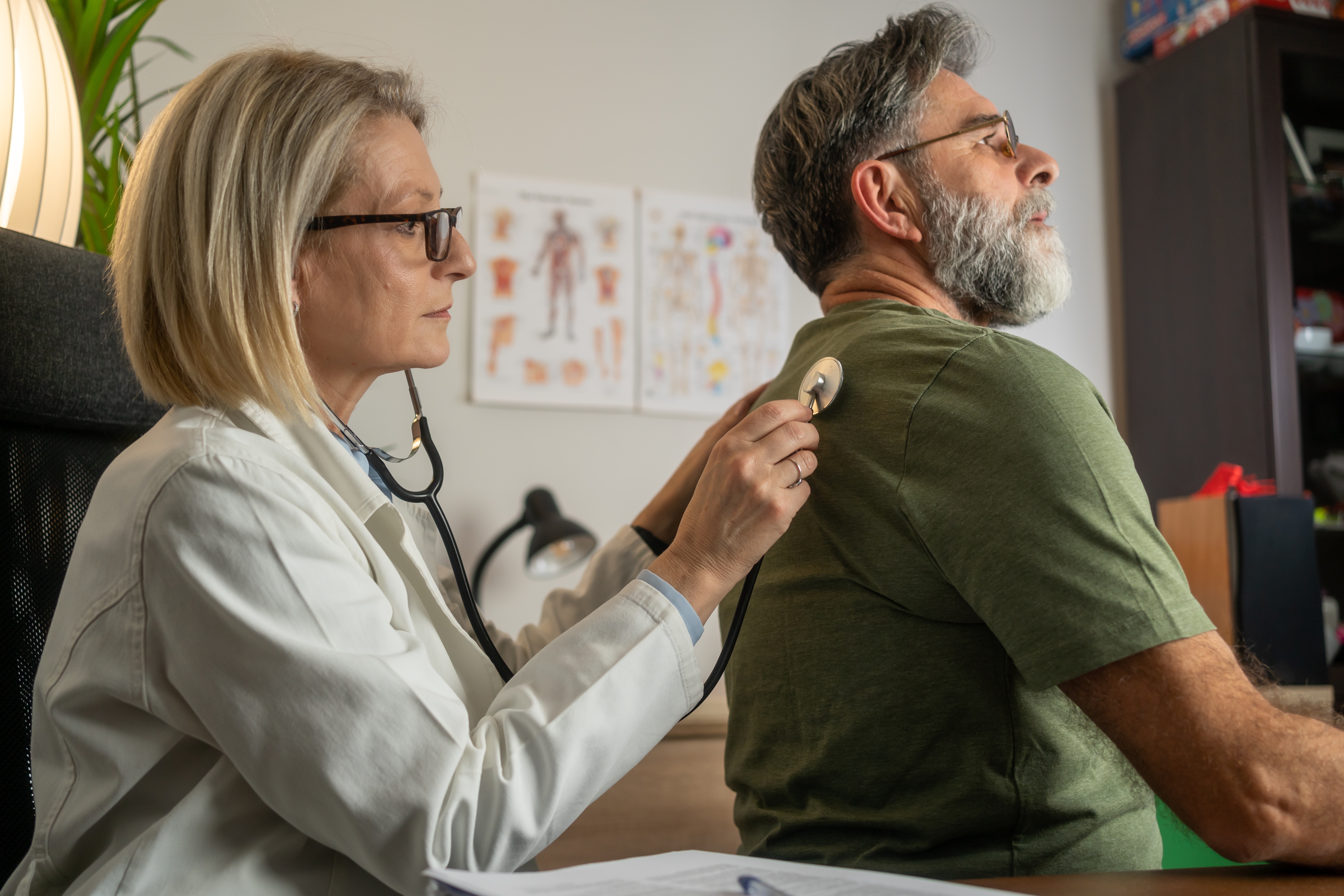
It’s important to note that not everyone needs a cardiologist, but everyone needs a primary care physician who can help determine if specialist care is needed. Your primary care doctor can help monitor risk factors like blood pressure, cholesterol, and weight while evaluating any concerning symptoms. They're also familiar with the local healthcare system, making them best positioned to guide your care journey.
Seeing a cardiologist doesn’t always mean something is wrong.


Take our Heart Health Risk Assessment
Learn More

Heart Health Starts With Your Primary Care Doctor
Contrary to common belief, seeing a cardiologist doesn't always mean something is wrong. For some patients seeing a cardiologist is purely for preventive care, especially those with family histories of heart disease or strong risk factors.
Symptoms that should prompt a cardiology evaluation through your primary care doctor include:
When to See a Cardiologist and When to Go to the Emergency Room
The best time to think about heart health? Before problems arise. Beyond traditional risk factors like smoking and high blood pressure, Dr. Brandt emphasizes monitoring:
Prevention is Key
Chest pain or pressure
Unexplained shortness of breath
Irregular heartbeats
Dizziness or fainting
Unusual fatigue
Jaw, neck, or arm pain
•
•
•
•
•
•
Modern cardiology involves several types of specialists, each with distinct roles. Who you see depends on a variety of factors, but awareness of how the system works provides valuable insight for patients.
General Cardiologists complete three years of specialized training after their internal medicine residency. They diagnose and treat various heart conditions and often coordinate your overall cardiac care.
Interventional Cardiologists undergo two additional years of training to perform catheter-based procedures like stenting blocked arteries. They can treat serious blockages without surgery by going through an artery in the wrist or groin.
Electrophysiologists specialize in the heart's electrical system, treating conditions like atrial fibrillation that affect more than 10 million Americans. They complete two to three additional years of training after general cardiology.
Cardiothoracic Surgeons follow a different path entirely, training in general surgery before specializing in heart operations. While interventional cardiologists work through blood vessels, surgeons directly operate on the heart. Often, interventional cardiologists work together with surgeons to determine the best approach for each patient.
Imaging Specialists focus on tests like echocardiograms, CT scans, and cardiac MRIs. These non-invasive tools are essential for diagnosis, as they provide a detailed view of the heart and arteries.
Seeing multiple cardiology specialists is common. Together, they make up your cardiac care team dedicated to treating your individual and unique needs.
Sleep apnea
Stress levels
Depression
Exercise habits
Diet quality
•
•
•
•
•

Sometimes, symptoms are severe enough to warrant a visit to the Emergency Room. While there’s no blanket advice on when to seek emergency care, a good rule of thumb is if you appear physically unwell or are suffering from intense chest or jaw pain, seek care immediately.
Symptoms are your body’s early warning system. Identifying and treating cardiovascular issues early not only saves lives but vastly improves quality of life, too.
Understanding Your Cardiac Care Team
"While you can't change your genetics, you can control many risk factors," he notes. "Work with your primary care doctor to identify and address these early."
Heart disease doesn't always announce itself with dramatic symptoms. That occasional heartburn might not be just heartburn. If something feels wrong, don't wait to get it checked out. Talk to your doctor about your risk factors and any symptoms you may be experiencing. Make heart health a priority. Your heart will thank you for it.
Visit DignityHealth.org/DominicanHearts to learn more.