Cardiology 101:
A Guide to Heart Care

By StoryStudio on January 24, 2025
An estimated 60 percent of American adults will live with some form of cardiovascular disease by 2030, according to the American Heart Association, yet navigating heart health care can feel like learning a new language. Who exactly should you see when your heart skips a beat? Have high blood pressure or chest pain? What's the difference between all those specialists?
Dr. David Lao, head of cardiology at Dignity Health Heart and Vascular Institute of Greater Sacramento and director of the cardiac catheterization laboratory at Mercy General Hospital in Sacramento, has spent his career answering these questions. For Dr. Lao, cardiology combines two passions: the precision of engineering and the reward of helping others.
"I've always been oriented towards engineering and math," he explains, "and the heart, to me, was a fascinating organ that organized those principles." A defining moment in medical school cemented his path when he watched an interventional cardiologist save a cardiac arrest patient who walked out of the hospital two days later. "That was singularly powerful," he recalls. "Taking someone who's critically ill and bringing them back to health—that's why I chose this field."
This experience and his years studying the heart and helping patients be heart-healthy taught Dr. Lao that despite cardiovascular disease being the number one killer in the US, there’s plenty we can do to keep the heart healthy. Knowing the basics of heart health offers us a better chance of living a happy, fulfilling life. Here's your straightforward guide to understanding cardiology care according to heart experts like Dr. Lao.
Lorem ipsum dolor sitamet
Lorem ipsum dolor sitamet
Lorem ipsum dolor sit amet, consectetur adipiscing elit, sed do eiusmod tempor incididunt ut labore et dolore magna aliqua.
Lorem ipsum dolor sitamet
Lorem ipsum dolor sit amet, consectetur adipiscing elit, sed do eiusmod tempor incididunt ut labore et dolore magna aliqua. Ut enim ad minim veniam, quis nostrud exercitation ullamco laboris nisi ut aliquip ex ea commodo consequat.
27%
Lorem ipsum dolor sitamet
100,000
Lorem ipsum dolor sitamet ipsum dolor sitamet
Lorem ipsum dolor sit amet, consectetur adipiscing elit, sed do eiusmod tempor incididunt ut labore et dolore magna aliqua.
Lorem ipsum dolor sit amet, consectetur adipiscing elit, sed do eiusmod tempor incididunt ut labore et dolore magna aliqua.
Lorem ipsum dolor sit amet, consectetur adipiscing elit, sed do eiusmod tempor incididunt ut labore et dolore magna aliqua.




Lorem ipsum dolor sitamet
Lorem ipsum dolor sitamet ipsum dolor sitamet consectetur adipiscing elit.
Lorem ipsum dolor sitamet ipsum dolor sitamet
Make sure to update the clien't name and click-thru URL
Headline Count:
60 Characters (including spaces)
Update the date and time published
There is a transparency layer above the image - don't lose track of this layer.
Cover Image
Width: 1328
Height: 409
Body Font: Helvetica Neue LT STD
Body Font Weight: Lt
Body Font Size: 14
Body Font Line: 25
Alignment: Left
For 1 Photo
SPACING
1) Between paragraphs
2) Between any other elements
Lorem ipsum dolor sitamet consectetur adipiscing elit sed dolor.
SPONSORED BY DIGNITY HEALTH

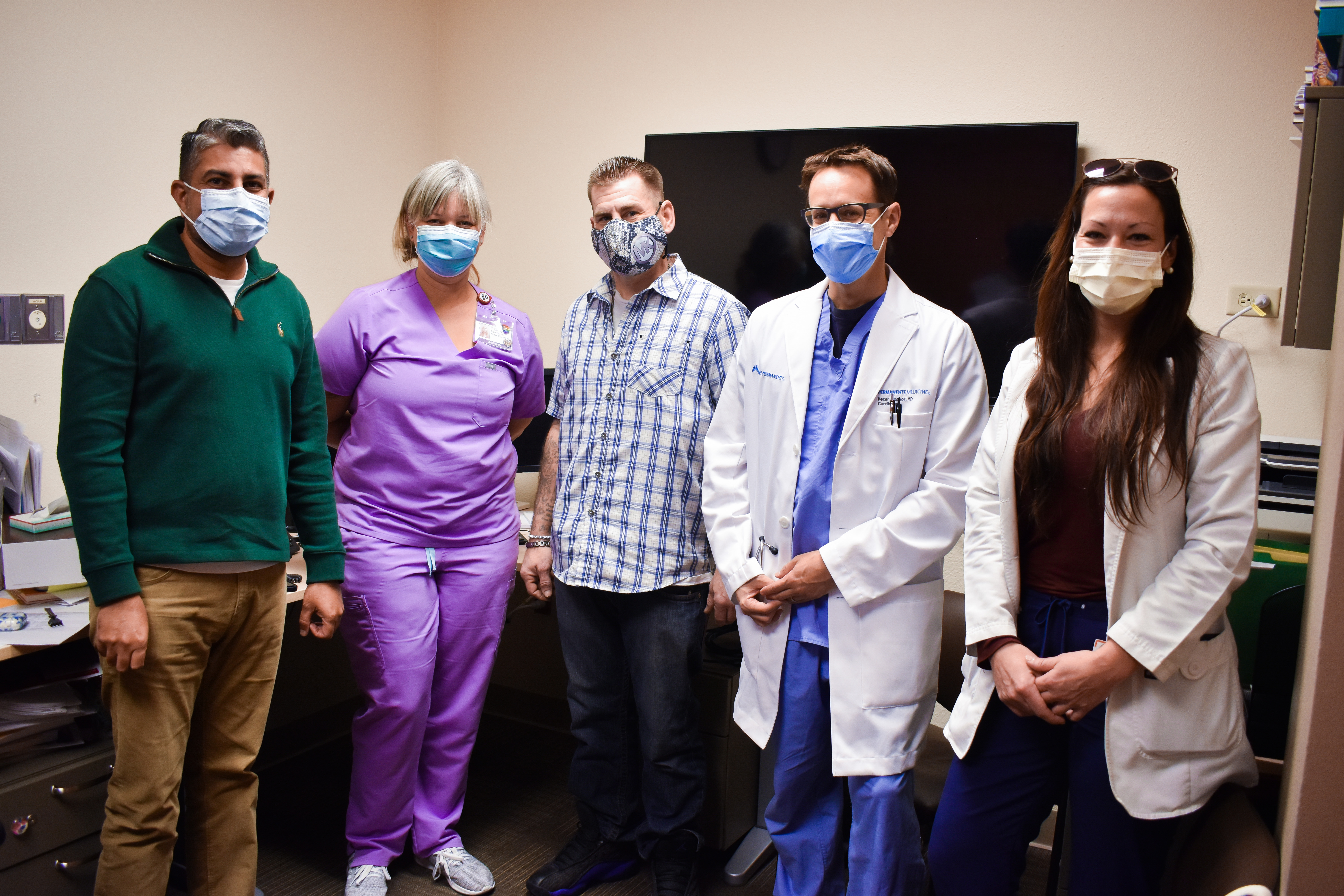
After fourteen years of practice, Dr. Lao's most emphatic advice is surprisingly simple: "Everyone needs to be in close touch with their primary care doctor," he insists. "Not everyone needs a cardiologist, but everyone needs a primary care physician who can help determine if specialist care is needed."
Your primary care doctor serves as your first line of defense, helping monitor risk factors like blood pressure, cholesterol, and weight while evaluating any concerning symptoms. They're also familiar with the local healthcare system, making them best positioned to guide your care journey.
I'd rather see fifty people who test negative than miss one person who delayed care too long.


Take our Heart Health Risk Assessment
Learn More

Heart Health Starts With Your Primary Care Doctor
Contrary to common belief, seeing a cardiologist doesn't always mean something is terribly wrong. "Many people think a cardiology referral means they're going to die," Dr. Lao notes. "But sometimes we see patients purely for preventive care, especially those with strong family histories of heart disease or challenging risk factors."
Dr. Lao recalls a recent patient in his early 40s who exemplifies why taking symptoms seriously matters: "He was doing everything right—eating well, exercising regularly. But he started having trouble with his weekend bike rides, spending more time on the couch popping antacids for what he thought was heartburn."
What was assumed to be heartburn was actually the warning signs of a heart attack. After diagnosis and treatment, the patient returned to cycling and playing with his kids. "These are the relationships that make this field so rewarding," Dr. Lao shares. "Not just doing procedures, but seeing patients return to the lives they love."
When to See a Cardiologist and When to Go to the Emergency Room
Symptoms that should prompt a cardiology evaluation through your primary care doctor include:
The best time to think about heart health? Before problems arise. Beyond traditional risk factors like smoking and high blood pressure, Dr. Lao emphasizes monitoring:
Prevention is Key
Chest pain or pressure
Unexplained shortness of breath
Irregular heartbeats
Dizziness or fainting
Unusual fatigue
Jaw, neck, or arm pain
•
•
•
•
•
•
Modern cardiology involves several types of specialists, each with distinct roles. Who you see depends on a variety of factors, but awareness of how the system works provides valuable insight for patients.
General Cardiologists complete three years of specialized training after their internal medicine residency. They diagnose and treat various heart conditions and often coordinate your overall cardiac care.
Interventional Cardiologists, like Dr. Lao, undergo two additional years of training to perform catheter-based procedures like stenting blocked arteries. "We can often treat serious blockages without surgery by going through an artery in the wrist or groin," he explains.
Electrophysiologists specialize in the heart's electrical system, treating conditions like atrial fibrillation that affect nearly 10 million Americans. They complete two to three additional years of training after general cardiology.
Cardiothoracic Surgeons follow a different path entirely, training in general surgery before specializing in heart operations. "While we interventional cardiologists work through blood vessels, surgeons directly operate on the heart through the chest," Dr. Lao explains. "Often, we work together to determine the best approach for each patient."
Imaging Specialists focus on tests like echocardiograms, CT scans, and cardiac MRIs. "These non-invasive tools are incredibly valuable for diagnosis," says Dr. Lao. "Almost every cardiology patient gets at least an echocardiogram, which is basically an ultrasound of the heart." CT scans and cardiac MRIs are often ordered when a clearer picture is needed, but not always. Keep in mind diagnostic tools like echocardiograms are extremely valuable and non-invasive, meaning there’s no need to fear or avoid them.
Seeing multiple cardiology specialists is common. For example, if you have chest pain, you may be referred to a general cardiologist who then, depending on diagnosis, might refer you to a sub-specialist like Dr. Lao, an interventional cardiologist who handles procedures like an angiogram. If the diagnostic test reveals blockage, Dr. Lao may recommend stents, which he handles, or may recommend surgery if there are severe blockages, which is performed by a cardiothoracic surgeon. A good rule of thumb to remember is that any doctor with “surgeon” in their title treats conditions with surgery, while specialists without that distinction use procedural interventions to treat conditions.
Sleep apnea
Stress levels
Depression
Exercise habits
Diet quality
•
•
•
•
•

Sometimes, symptoms are severe enough to warrant a visit to the Emergency Room. While Dr. Lao stresses there’s no blanket advice on when to seek emergency care, a good rule of thumb is if you appear physically unwell, are suffering from intense chest or jaw pain, or have the thought you might not make it until morning, seek care immediately.
Remember: symptoms are your body’s early warning system. Identifying and treating cardiovascular issues early not only saves lives but vastly improves quality of life, too. No matter what, Dr. Lao says, listen to your body and provide your doctor with a full list of symptoms. "Don't minimize your symptoms," he emphasizes. "I'd rather see fifty people who test negative than miss one person who delayed care too long."
Understanding Your Cardiac Care Team
"While you can't change your genetics, you can control many risk factors," he notes. "Work with your primary care doctor to identify and address these early."
Remember: Heart disease doesn't always announce itself with dramatic symptoms. That occasional heartburn might not be just heartburn. When in doubt, speak up. "You know yourself best," Dr. Lao reminds us. "If something feels wrong, don't wait to get it checked out. Having these conversations early could save your life."
Make heart health a priority in 2025. Talk to your doctor about your risk factors and any symptoms you may be experiencing. If it’s recommended that you see a cardiologist, ask for a referral to Dignity Health Heart and Vascular Institute of Greater Sacramento.
Visit DignityHealth.org/HeartandVascular to learn more.