Or that food manufacturers, retailers, and producers in the U.S. spend an estimated $218 billion disposing of unsold food annually? What if there was a way to recover a significant portion of this loss while simultaneously addressing environmental concerns and food insecurity?
The farm-to-table movement has shed light on where our food comes from, but a critical question remains: Where does it all go when it's not consumed? The answer reveals a sobering reality about wasted food and its impact on our economy, society, and planet.

Where Does Wasted Food Go? Divert Helps Retailers and Producers
Curtail Loss
Today, every sector is facing challenges in order to measure impact accurately. Food—a global industry with 8 billion customers—is one of the most complicated.
"

Waste Not, Want Not: The Future of Food Management

Divert is using data and technology to scale and strengthen food donation programs with our customers so that they can meet their ESG goals and support their communities.
"
Did you know that more than one billion meals are wasted across the globe every day?
As the wasted food crisis gains attention, governments are taking action. California, leading the charge, enacted Senate Bill 1383 (SB 1383) in 2022. This landmark legislation aims to reduce organic waste disposal by 75% by 2025. It mandates that grocery stores, food service providers, distributors, and wholesalers in the state reduce wasted food. As of January 1, 2024, this requirement extends to restaurants, hotels, event venues, schools, and state-agency cafeterias.
At the federal level, the Environmental Protection Agency (EPA) has established guidelines prioritizing food recovery methods. These guidelines emphasize source reduction, feeding hungry people, and converting wasted food to energy through processes like anaerobic digestion.
For food manufacturers, retailers, and distributors, these regulations present both a challenge and an opportunity. Compliance is now crucial, but it also opens doors to improved efficiency, cost savings, and enhanced corporate social responsibility.
As businesses grapple with these new regulatory demands, many are turning to innovative solutions that not only ensure compliance but also transform their approach to food management. One company has emerged as a leader in this space, offering a comprehensive strategy that goes beyond mere regulatory adherence.
Compliance Countdown: A New Regulatory Framework
For 17 years, Divert has been tackling the wasted food crisis head-on. The impact technology company has developed a comprehensive approach to a problem many thought unsolvable. Their mission to "Protect the Value of Food™" drives every aspect of their innovative solutions.
Divert's solution is built on three pillars: Prevent, Provide, and Power. The holistic strategy helps businesses reduce waste at the source, redirect edible food to feed those in need, and convert inedible wasted food into renewable energy.
By leveraging cutting-edge technology and sustainable infrastructure, Divert is helping businesses across the food industry not just comply with new regulations, but thrive in a more sustainable future.
Introducing Divert: A Comprehensive Solution
Where does your food go?
Learn more

By StoryStudio on July 12, 2024
Lore magna aliqua.
enim ad minim veniam, quis nostrud exercitation ullamco laboris.
- Jess Parker, Food Recovery Program Manager, Divert
Sponsored by Divert
In the United States alone, an estimated 63 million tons of food go to waste each year—that’s nearly 40% of all food produced. This staggering figure represents not just wasted food, but also squandered resources, missed economic opportunities, and a significant environmental threat. Most wasted food winds up in landfills, and as it decomposes it releases methane, a greenhouse gas more potent than carbon dioxide. In total, wasted food contributes up to 15% of U.S. greenhouse gas emissions.
Economically, the impact is just as severe. Retailers alone stand to recover up to $18 billion by reducing fruit and vegetable waste, according to Barclays. This represents just a fraction of the potential savings across the entire food supply chain.
Meanwhile, nearly 800 million people worldwide face food insecurity, unsure of where their next meal will come from. This stark contrast between abundance and scarcity underscores the urgent need for better management of our food resources.
As awareness grows, so does the pressure on businesses to address this issue. Forward-thinking companies are now seeking innovative solutions to reduce wasted food, comply with emerging regulations, and contribute to a more sustainable future.
The Wasted Food Crisis


Divert's approach to waste prevention hinges on data and technology. Their proprietary Radio-Frequency Identification (RFID) tracking system provides visibility into store-specific wasted food data. This granular insight allows businesses to identify inefficiencies and optimize purchasing and inventory management.
The system doesn't just track waste; it can predict it. By analyzing patterns in sales and seasonality, Divert's technology helps businesses anticipate demand more accurately. This reduces overordering and food spoilage.
For businesses, this tech-driven approach translates to tangible benefits: reduced waste, lower costs, and improved sustainability metrics.
Prevention: Technology-Driven Waste Reduction

The wasted food crisis demands innovative solutions. Divert's data-driven, three-pronged approach offers businesses a way to turn this challenge into an opportunity. By preventing waste, feeding the hungry, and generating renewable energy, companies can comply with regulations, improve their bottom line, and contribute to a more sustainable future. That’s a win-win-win! To find out how you can help, visit Divert.com
As shown above, Divert facilities deploy almost all of these pathways. And they do so for more than 6,683 retail locations across all 50 states, consistently creating value for their clients — and serving the community and environment in the process.
So if you are a food manufacturer, retail grocery store or chain, or a wholesale distributor, especially one facing the oncoming California and EPA mandates, maybe it’s time to ask yourself:
- Ryan Begin, CEO, Divert
Divert recognizes that not all unsold food is waste—much of it is still perfectly edible. Their "Provide" pillar focuses on redirecting this food to communities in need, bridging the gap between excess and scarcity.
In collaboration with organizations like Feeding America, Divert helps retailers identify donation opportunities within their unsold inventory.
Divert works with their partners to optimize donations to feed the hungry and also help businesses meet their environmental, social, and governance (ESG) goals.
The numbers speak volumes: since 2018, Divert has facilitated the donation of over 14 million pounds of food—equivalent to 11.7 million meals. It's a powerful demonstration of how technology and strategic partnerships can transform potential waste into nourishment for those who need it most.
Provide: Feeding Those in Need
When food can't be prevented from becoming waste or isn’t donateable, Divert turns to a surprising solution: energy production. Their method of choice? Anaerobic digestion. This process, which occurs naturally in marshes and wetlands, involves microorganisms breaking down organic matter in the absence of oxygen. The result is Biogas—a mixture of methane, carbon dioxide, and trace gasses—that is refined into renewable natural gas that can be piped into local infrastructure.
Divert's anaerobic digestion facilities transform what would have been landfill-bound waste into a valuable resource. It's a double win: reducing methane emissions from decomposing food in landfills while simultaneously creating renewable energy.
To date, Divert's facilities have processed a staggering 2.6 billion pounds of wasted food. Each pound diverted from landfills and converted to energy represents a step towards a more sustainable future—and a more robust bottom line for businesses embracing this technology.
Power: Converting Wasted Food to Renewable Energy

Divert's impact is growing far beyond concept—it's being built into the very infrastructure of waste management across the United States. The company currently serves 6,683 retail locations across all 50 states, consistently delivering value while serving communities and the environment.
A prime example of Divert's expanding reach is their new Integrated Diversion & Energy Facility in Turlock, California, slated to open this fall. This state-of-the-art facility will help food businesses across Northern California transform their wasted food into carbon-negative renewable energy, supporting the state's goal of reaching net-zero pollution by 2045.
Once fully operational, the Turlock facility will:
• Process 100,000 tons of wasted food annually
• Generate enough renewable energy to power nearly 3,000 homes
• Offset nearly 23,000 metric tons of carbon dioxide annually
This facility represents just one part of Divert's ambitious expansion. Backed by a $1 billion infrastructure agreement with Enbridge Inc., Divert is poised to dramatically scale its impact nationwide. The company is on track to establish 30 facilities nationwide and a footprint within 100 miles of 80% of the U.S. population by 2031.
Infrastructure for Change: Divert's Nationwide Network
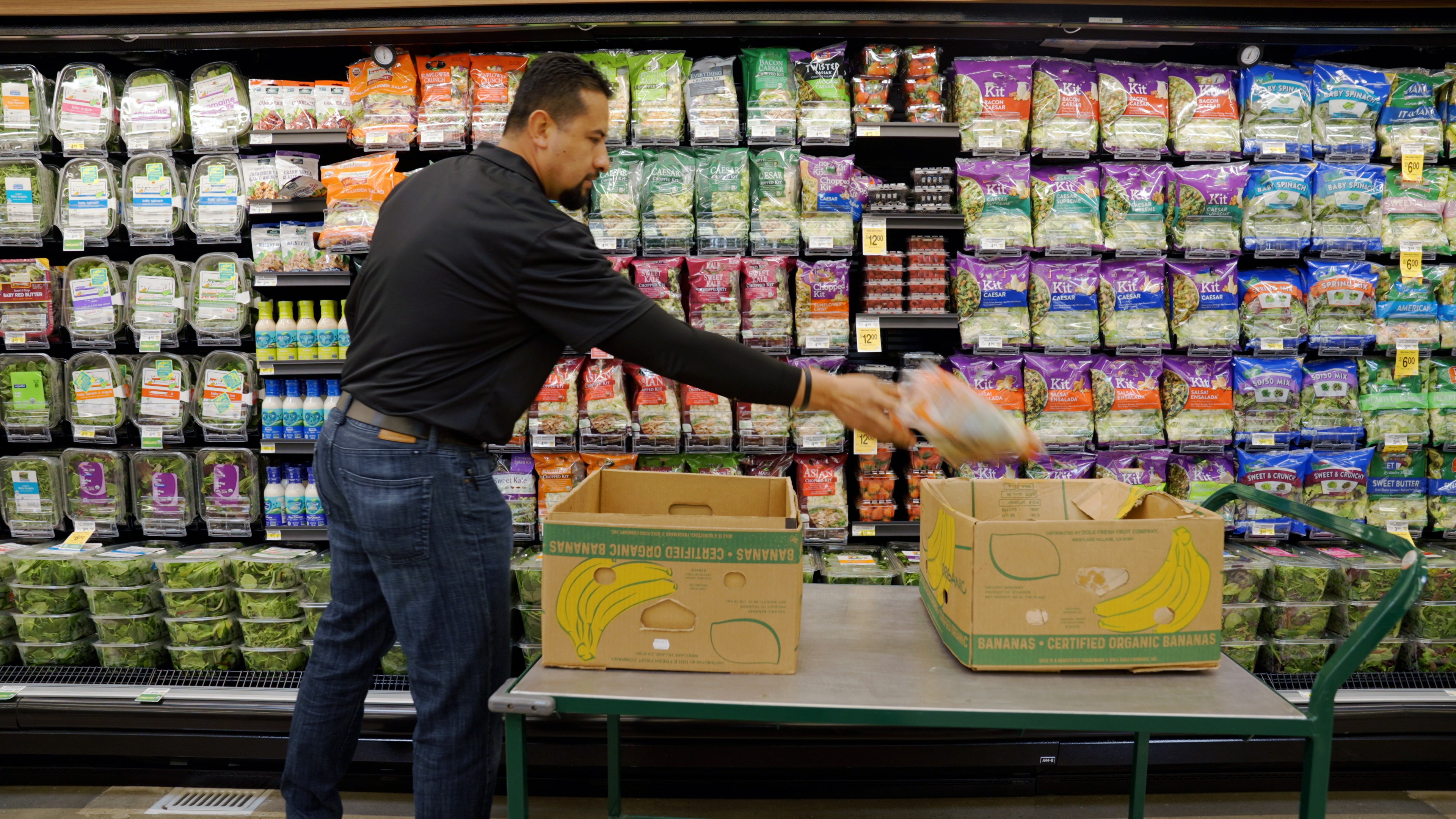
Safeway, a major grocery retailer, was looking for a solution to reduce food waste and optimize its food recovery efforts. Divert's optimization solution provided the answer. Within just three months of implementation, Safeway increased its food donations by 20% at participating pilot stores.
The key lies in Divert's data-driven approach. Safeway gained visibility into its waste streams. This newfound insight allowed for more accurate ordering, reduced waste, and streamlined donation processes.
This success story exemplifies how Divert's comprehensive approach can transform regulatory challenges into opportunities for operational improvement and community impact.
Case Study: Safeway's Success Story
Learn more
63 million tons of food wasted annually in the U.S.
Wasted food contributes up to 15% of U.S. greenhouse gas emissions
Retailers could recover up to $18 billion by reducing food waste
Divert has facilitated donation of 14 million pounds of food since 2018
Divert's facilities have processed 2.6 billion pounds of wasted food
Quick Facts: