Tired of Daily Heartburn Medication? Surgery Might Be Your Answer
By Ryann Swift on June 26, 2025
“Antacids work for many, but not all. When antacids don’t work, many people will opt for surgery.”
Leland Soto, III, MD, a board-certified general surgeon at Griffin Hospital
The Risks of Longterm GERD
“Studies suggest that heartburn medications may impact bone health too,” says Dr. Soto. “Your body absorbs calcium better with acid. When you take an antacid, that shuts down some acidity and makes it more difficult for your body to absorb calcium.”
This is where GERD surgery comes in. Several surgical options are available, including a robotic option.
SCROLL


Who Is a Good Candidate?
While there are lifestyle modifications that can lessen the intensity of GERD—quitting smoking, losing weight, decreasing alcohol intake, eating less and eating more slowly can all improve symptoms—there are some who still require surgery to find relief.
The ideal candidate for GERD surgery is otherwise healthy except for their acid reflux issues. Often, these patients have been dealing with GERD for an extended period and have become increasingly unsatisfied with their treatment. Many of these patients have tried lifestyle changes to ease their suffering.
“In general, if patients are not satisfied with their current approach to treatment, then surgery can be a good option,” says Dr. Jain.
Dr. Jain and Dr. Soto encourage patients to talk to their primary care physician if persistent acid reflux symptoms are hampering their quality of life. A primary care physician at Griffin Faculty Physicians can refer you to a gastrointestinal doctor who can then test you for GERD.

Griffin Hospital Offers Award-Winning Patient-Centered Care

Tired of Daily Heartburn Medication? Surgery Might Be Your Answer
SCROLL
Losing sleep, persistent discomfort, avoiding food you used to love, taking daily antacids—living with chronic heartburn can severely affect your quality of life. The stress of the next flare-up keeps those who suffer from chronic heartburn in a perpetual state of anxiety.
While occasional bouts of heartburn are normal, persistent heartburn could be gastroesophageal reflux disease (GERD), a serious condition that taking antacids or medication won’t solve. Fortunately, minimally invasive surgical procedures are available. Griffin Health specializes in providing its patients life-changing relief to the daily suffering GERD can cause. As part of Griffin Health’s comprehensive suite of general surgery services, acid reflux surgery is the safe, effective to treat GERD.
Dr. Soto notes that many patients are unaware that there is a surgical solution to their acid reflux problem. Now that many otherwise healthy people are reporting taking medication to deal with their acid reflux symptoms for periods up to 20 years or more, this well-established minimally invasive surgical option is growing in popularity as individuals look to permanently douse their GERD.
“The vast majority of my patients have great outcomes,” says Dr. Soto. “Patients as well as caregivers don’t realize that it’s a safe, great option.”
By Ryann Swift on June 26, 2025

“Antacids work for many, but not all. When antacids don’t work, many people will opt for surgery.”
Leland Soto, III, MD, a board-certified general surgeon at Griffin Hospital

The Risks of Longterm GERD
Many people are hesitant to choose surgery to address their GERD, especially those who have seen some success treating it with medication. However, poorly managed GERD comes with serious risks, says Dr. Deepali Jain, a surgical specialist in treating digestive diseases and abdominal wall reconstruction.
“Long-term poorly controlled reflux can damage the esophagus, scarring and narrowing, ulceration and bleeding,” Dr. Jain explains. “Eventually, those cells give up and become new cells to deal with acid, and that’s an increased risk of esophageal cancer.”
“Studies suggest that heartburn medications may impact bone health too,” says Dr. Soto. “Your body absorbs calcium better with acid. When you take an antacid, that shuts down some acidity and makes it more difficult for your body to absorb calcium.”
This is where GERD surgery comes in. Several surgical options are available, including a robotic option.

“When antacids stop working, that’s when you should talk to us.”
Dr. Deepali Jain, surgical specialist in treating digestive diseases and abdominal wall reconstruction
Who Is a Good Candidate?
While there are lifestyle modifications that can lessen the intensity of GERD—quitting smoking, losing weight, decreasing alcohol intake, eating less and eating more slowly can all improve symptoms—there are some who still require surgery to find relief.
The ideal candidate for GERD surgery is otherwise healthy except for their acid reflux issues. Often, these patients have been dealing with GERD for an extended period and have become increasingly unsatisfied with their treatment. Many of these patients have tried lifestyle changes to ease their suffering.
“In general, if patients are not satisfied with their current approach to treatment, then surgery can be a good option,” says Dr. Jain.
Dr. Jain and Dr. Soto encourage patients to talk to their primary care physician if persistent acid reflux symptoms are hampering their quality of life. A primary care physician at Griffin Faculty Physicians can refer you to a gastrointestinal doctor who can then test you for GERD.
Dr. Soto agrees, adding, “For many people, the thought of surgery can feel overwhelming. We understand. Whenever surgery is being considered, we always perform a comprehensive review of your symptoms to make sure surgery is necessary to bring you healing and relief.
“If you do require surgery, we take the time to talk to you and explain what is involved, what you can expect with recovery and outcome.”
Griffin Hospital Offers Award-Winning Patient-Centered Care
Surgical intervention is never taken lightly. Griffin Hospital’s highly trained surgical experts have years of experience in all types of surgery services, combining exceptional patient-centered care, state-of-the-art technology, and groundbreaking treatments to provide unparalleled surgical experiences.
From GERD surgery to hernia repair and diagnostic procedures, Griffin’s patient-centered surgical approach provides quick appointments for assessment and develops individualized care plans that value patient goals, helping them heal faster and enjoy an improved quality of life sooner.
If you’re suffering from long-term GERD, Dr. Soto and Dr. Jain invite you to meet with the surgical team at Griffin Hospital.
“It’s very rewarding to meet my patients after surgery and hear how much better they feel and that they are enjoying life again,” Dr. Soto said.
Learn more at griffinhealth.org/care/surgical-services/
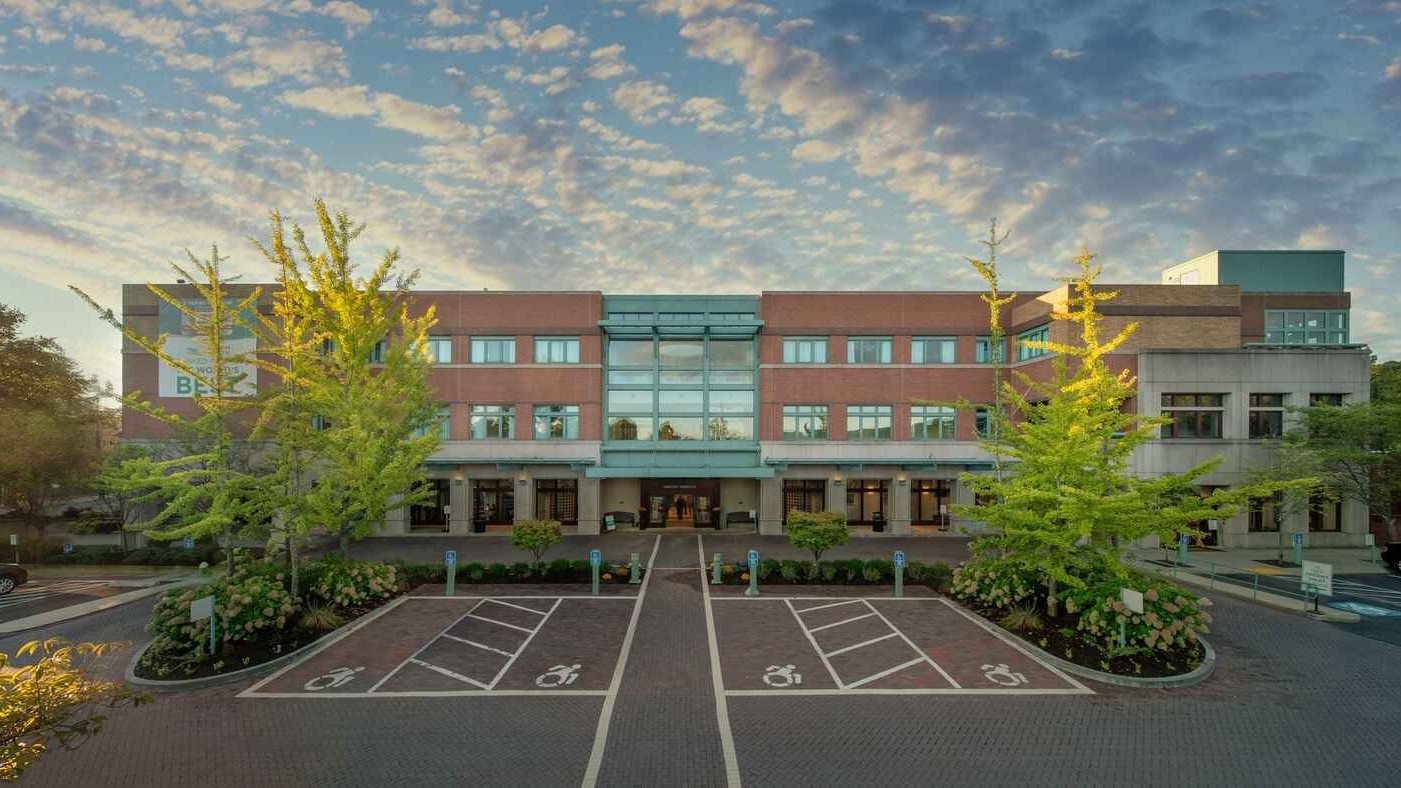

sponsored by
Many people are hesitant to choose surgery to address their GERD, especially those who have seen some success treating it with medication. However, poorly managed GERD comes with serious risks, says Dr. Deepali Jain, a surgical specialist in treating digestive diseases and abdominal wall reconstruction.
“Long-term poorly controlled reflux can damage the esophagus, scarring and narrowing, ulceration and bleeding,” Dr. Jain explains. “Eventually, those cells give up and become new cells to deal with acid, and that’s an increased risk of esophageal cancer.”
“When antacids stop working, that’s when you should talk to us.”
Dr. Deepali Jain, surgical specialist in treating digestive diseases and abdominal wall reconstruction
Dr. Soto agrees, adding, “For many people, the thought of surgery can feel overwhelming. We understand. Whenever surgery is being considered, we always perform a comprehensive review of your symptoms to make sure surgery is necessary to bring you healing and relief.
“If you do require surgery, we take the time to talk to you and explain what is involved, what you can expect with recovery and outcome.”