The source of pain can be counterintuitive. If your ankle hurts, you might not have a problem with your ankle—you might have a problem in your brain. On some level, yes, a broken ankle is an ankle problem. But what happens when the ankle heals and you’re still in pain? The real culprit is your neurologic perception of pain, not the injury.
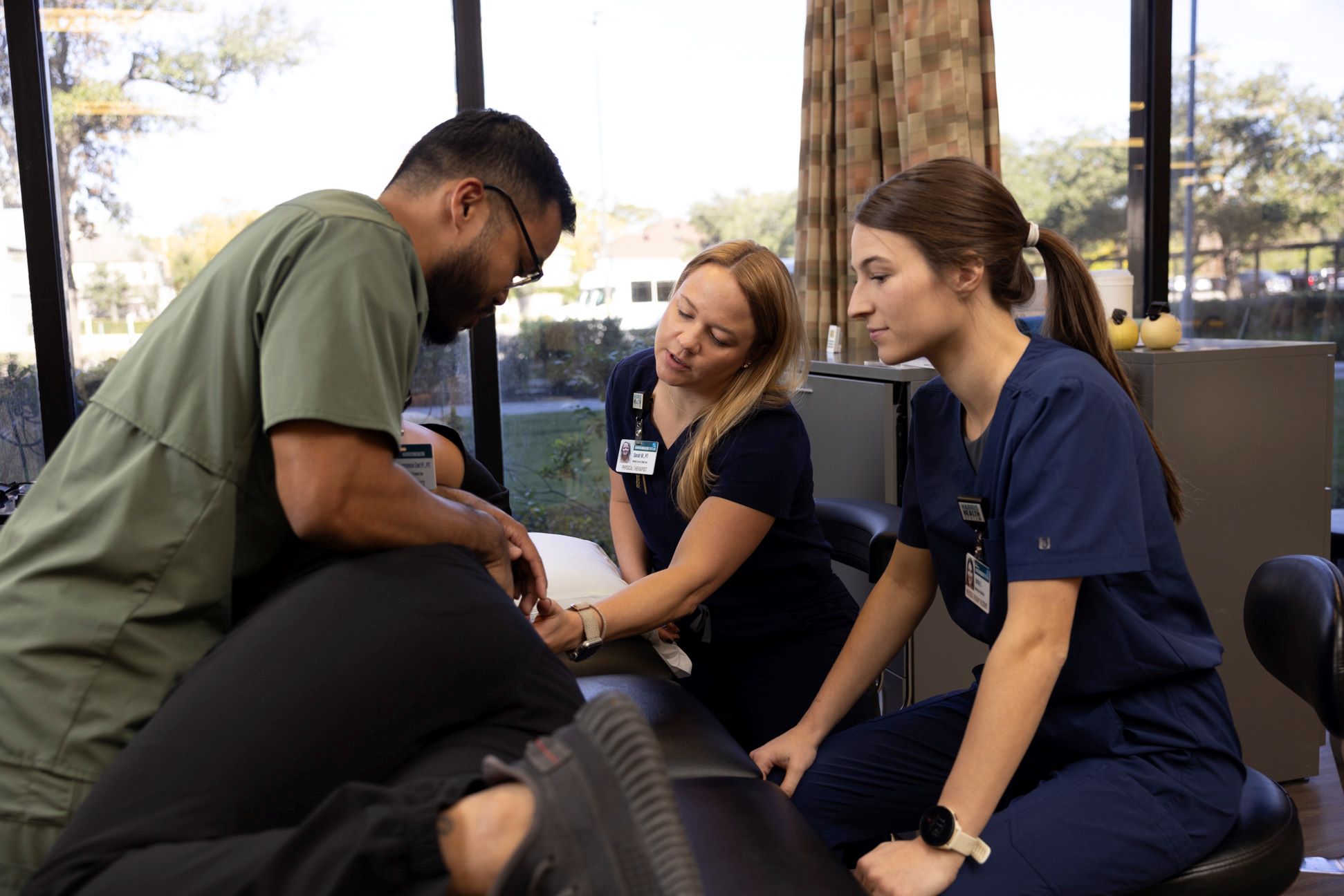
The physical therapists at Harris Health Fournace Place understand that effective outpatient rehabilitation depends on acknowledging the close connection between a patient’s body and mind, and formulating a holistic treatment plan in response. That’s why combining orthopedic (ortho) and neurologic (neuro) physical therapy (PT) under one roof makes so much sense and is improving patient outcomes across the board.
Harris Health’s Holistic Approach to Rehabilitation Reflects the Mind-Body Connection
By Ryann Swift on April 16, 2025
SPONSORED BY Harris Health
The goal for neuro PT patients—regaining basic life movements—may sound small, but it is, in fact, life-changing. Learning to walk again, even for 50 steps, feeding oneself, going to the bathroom unassisted, things many of us take for granted, reteaching the body to perform these functions vastly improves a patient’s quality of life.
Each patient’s therapy regimen is holistically designed and implemented during 45-minute personal sessions. While neuro PT reteaches physical autonomy, for patients in orthopedic rehabilitation down the hall, physical therapy can mean the difference between working and playing with grandkids or suffering from a long-term debilitating condition.
“In ortho PT, our goal is to restore function, mobility, and independence,” explains Sarah Worth, PT, DPT, coordinator, Rehabilitation Services, Harris Health, who oversees the orthopedic physical therapy residency program at Fournace Place. In application, this can take many forms. “Sometimes it’s through helping manage their pain, but a lot of times it's just empowering them, getting them stronger and teaching them better ways to accomplish their daily activities.”
"Currently less than 50% of those suffering cardiac arrest receive bystander CPR. Training more bystanders in CPR could double the survival rate."
“Everyone deserves the opportunity to access great healthcare,” says Stephanie Hessel, PT, DPT, manager, Rehabilitation Services, Harris Health, who specializes in neurologic physical therapy. “Bringing together all rehabilitation specialists in one area improves collaboration between clinicians and elevates access for patients, both of which lead to better care.”
Hessel, who also directs Harris Health’s Neurologic Physical Therapy Residency Program, describes the breadth and high quality of Harris Health’s rehabilitation services as a “huge advantage for patients.” Her specialty focuses on any injury involving the central nervous system like stroke, traumatic brain injury, spinal cord injury, multiple-sclerosis, Parkinson's disease, amyotrophic lateral sclerosis (ALS) disease and more.
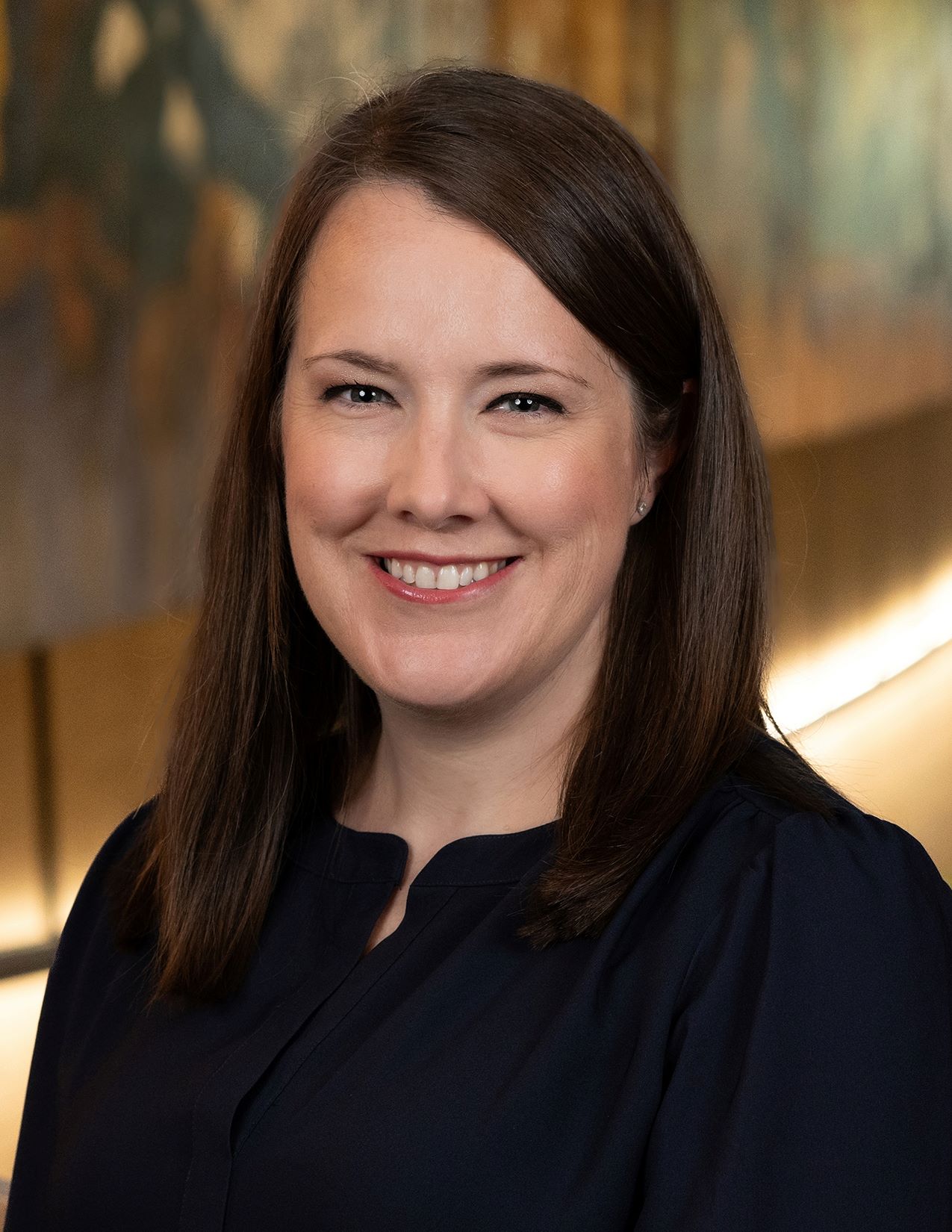
Michael DeArman, senior physical therapist, Rehabilitation Services, Harris Health
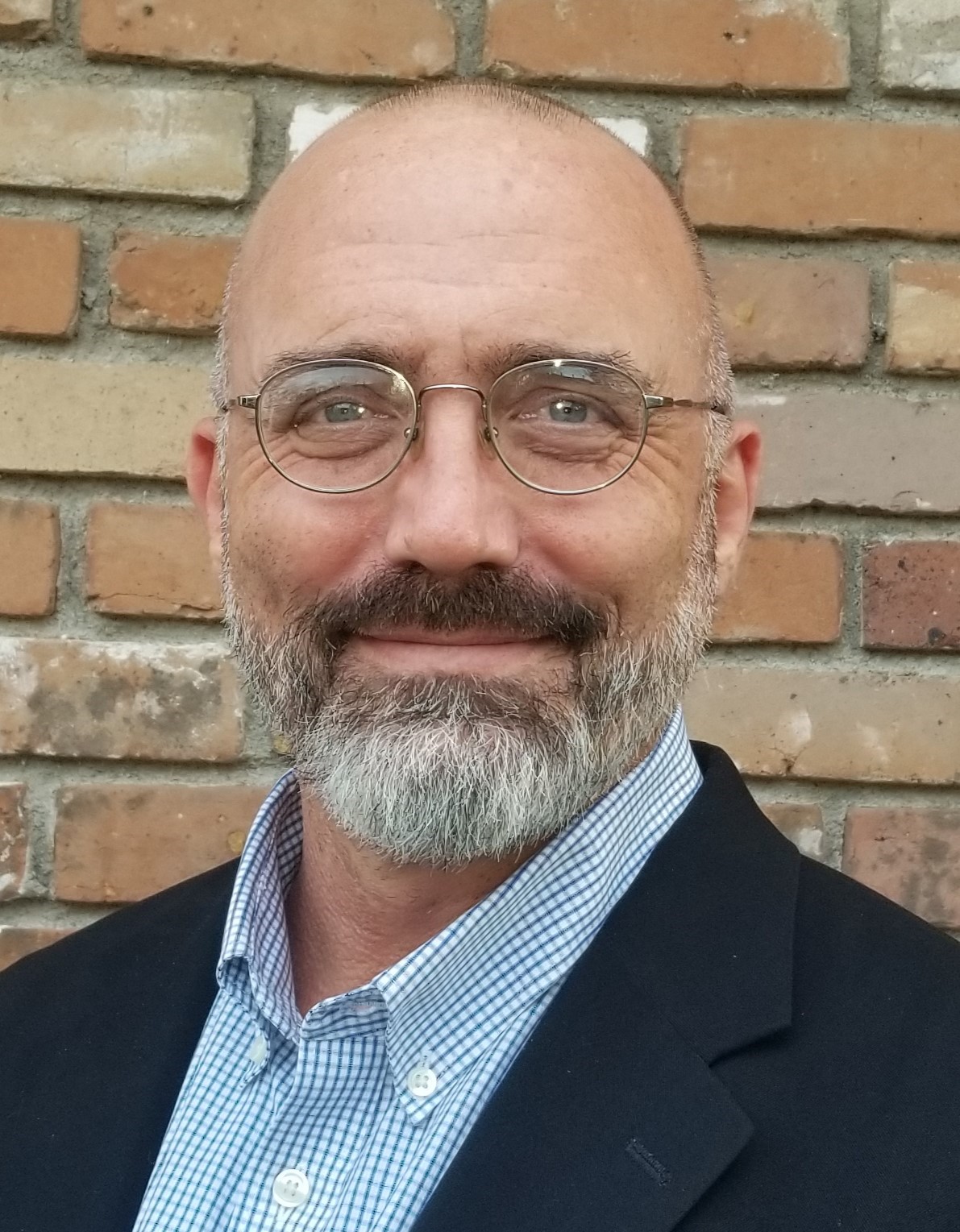
Stephanie Hessel, manager, Rehabilitation Services,
Harris Health
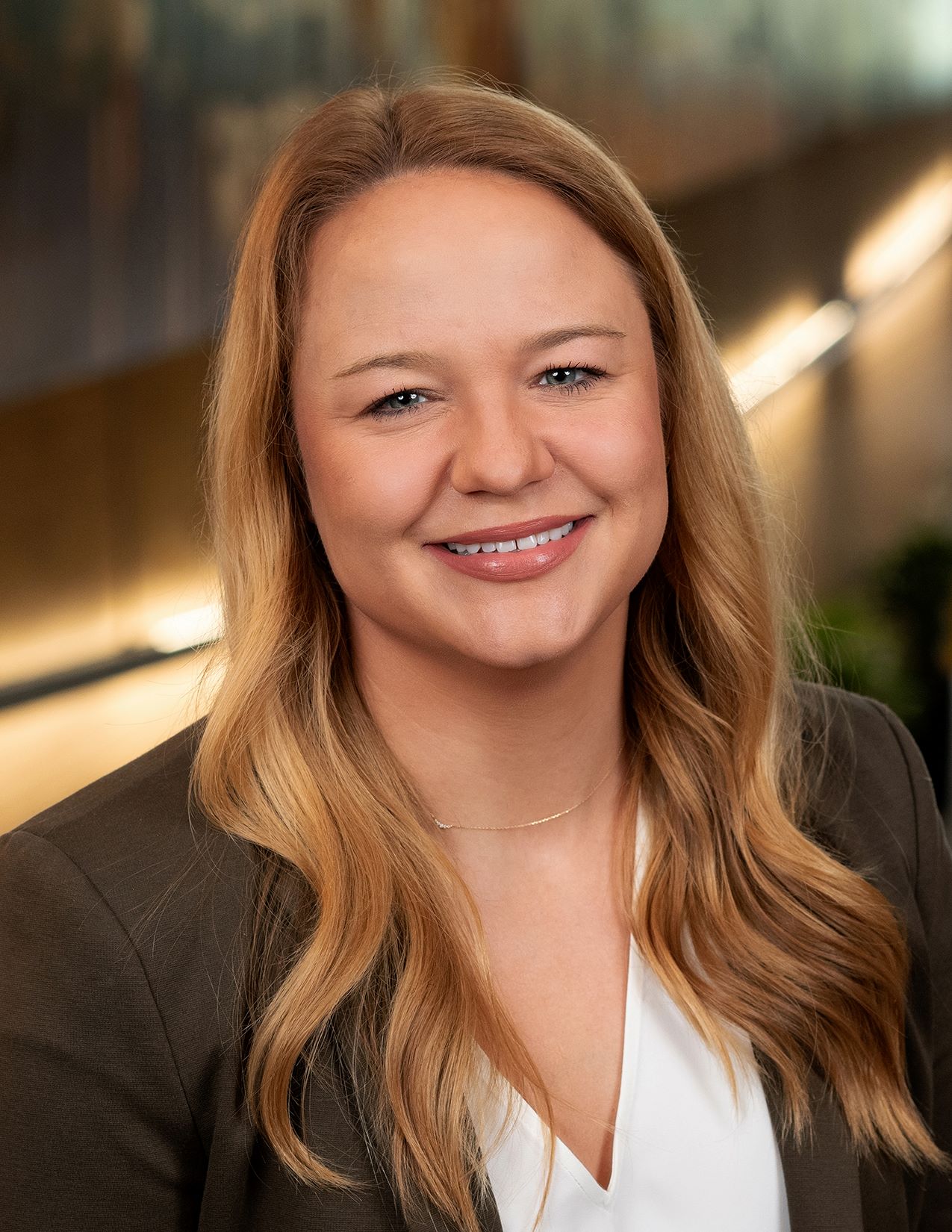
Sarah Worth, coordinator, Rehabilitation Services, Harris Health
Worth experienced the benefits of physical therapy firsthand. After a sports injury threatened to derail her collegiate field hockey career, her time in orthopedic PT inspired not only a return to the field, but her career path. Ortho PT’s blend of physical training and mental coaching appealed to the athlete. Today, she uses the same lessons she learned on the other side of the training table to help Harris Health patients regain function of their limbs after sports injuries, car accidents and musculoskeletal injuries.
“What makes Fournace Place unique is our ability to treat polytrauma patients,” Worth adds. “At Harris Health, you have an entire clinic of specialists operating at the very top of their expertise and licensing. It demonstrates that Harris Health stands by its mission to provide high-quality care to our patients.”
DeArman tells a story of a colleague who went hiking in the Australian outback, felt a small scratch on his ankle, but ignored it and continued to hike. He soon blacked out and woke up in the hospital. What his brain perceived as an insignificant injury was, in fact the bite of a poisonous snake. The pain level didn’t match the injury’s severity. Similarly, now anytime his colleague feels a scratch when hiking, the pain is immense.
“We don’t like to say pain is all in your head, because we don’t want patients to feel like their pain isn’t real—because it very much is,” DeArman says, “but at the same time, chronic pain management is about talking people out of their pain while encouraging them to engage in normal activity.”
In conjunction with physical therapy, chronic pain patients must overcome the fear that physical activity, which can trigger a pain response from misfiring neurons, is causing harm. Instead, DeArman and his team help people overcome chronic pain by teaching them that their pain, while real, isn’t signaling they should cease activities that are painful. Like his hiker colleague, whose brain now has difficulty discerning between a light touch and a snake bite, chronic pain management is as much a mental reconditioning as it is physical, he adds.
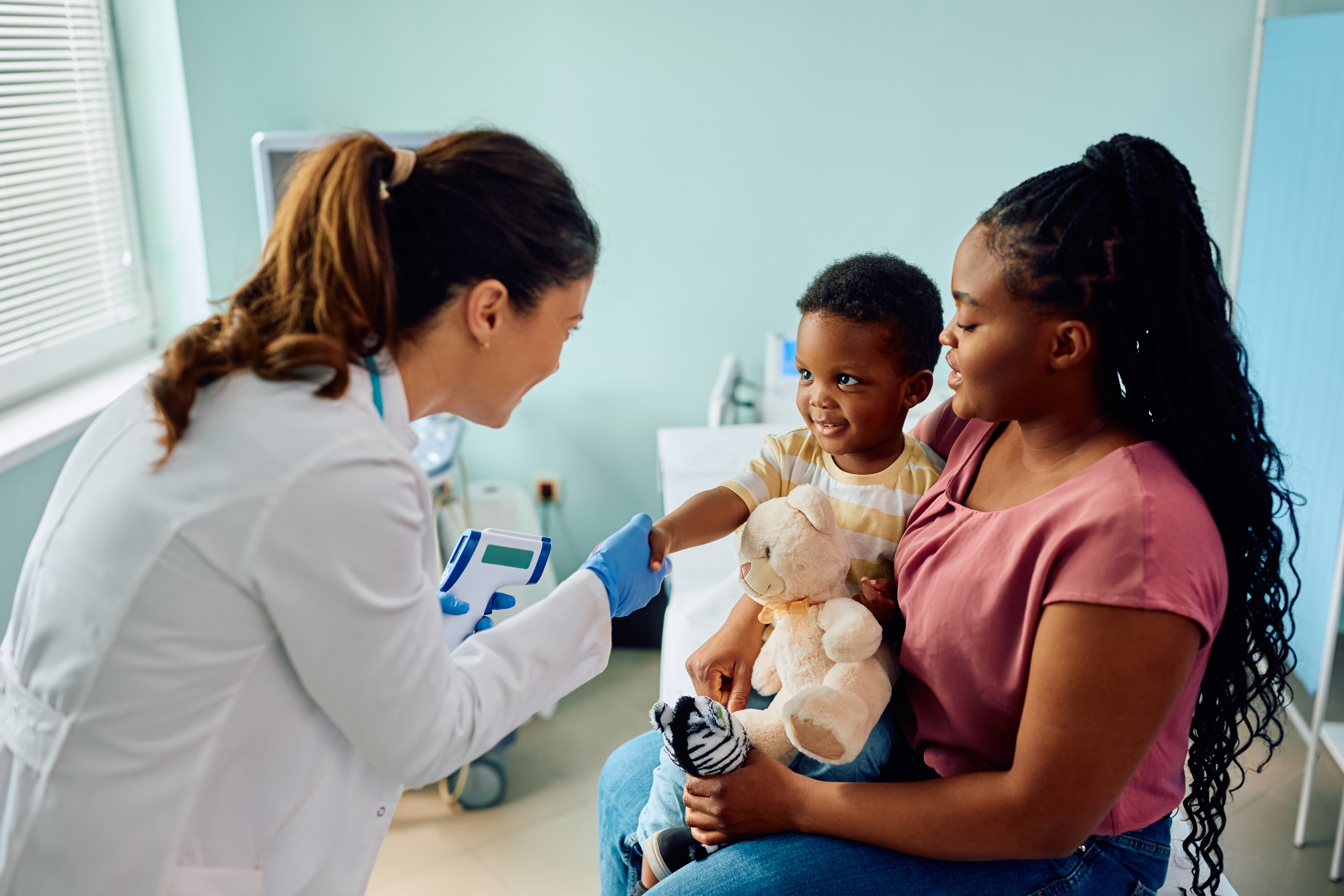
Having ortho and neuro physical therapy in the same facility reflects a nuanced understanding of pain. As Worth says, not all neuro PT patients are ortho patients, but all ortho PT patients are, in some respects, neuro PT patients—meaning when it comes to pain, the link between mind and body cannot be ignored.
Nowhere is this truer than with chronic pain patients. Chronic pain—a condition where pain remains long after an injury has physically healed—afflicts a high percentage of patients. Michael DeArman, PT, DPT, senior physical therapist, Thomas Street at Quentin Mease Health Center, and Fellow of the American Academy of Orthopedic Physical Therapists, with experience in all aspects of rehabilitation services, has spent his career exploring the treatment of chronic pain. For years, he’s specialized in treating the challenging condition in HIV patients—80% of whom experience chronic pain.
"Currently less than 50% of those suffering cardiac arrest receive bystander CPR. Training more bystanders in CPR could double the survival rate."
Chronic Pain and HIV Patients
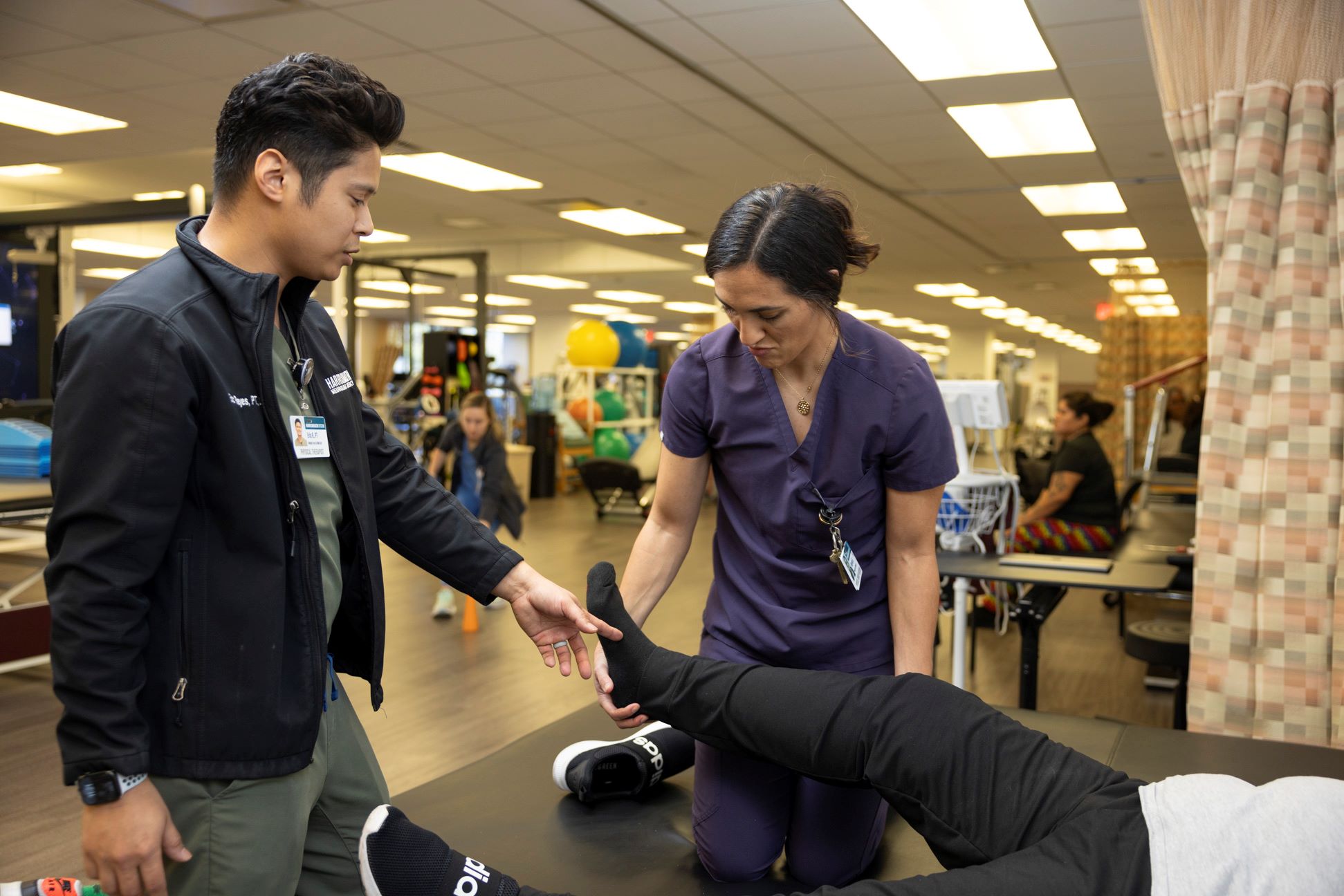
The complexities of pain, injury and rehabilitation require the expertise of specialists. Harris Health is not only recognized as a leader in rehabilitation services, but as a teaching healthcare system training the next generation of neurologic, orthopedic and chronic pain physical therapists in its residency training programs. Worth, who directs Harris Health’s orthopedic PT residency training program—the state’s first accredited orthopedic PT residency—and Hessel, director of the neurologic PT residency training program, oversee the one-year intensive training programs that elevate physical therapists to a new level of understanding and pain treatment capability.
Residency is an optional year of post-professional training designed to help PTs specialize in specific areas of physical therapy. The residency programs follow the complete continuum of care for a neuro or ortho patient, combining more than 200 hours of one-on-one mentoring with specialized lectures, labs, capstone projects and on-site training that helps residents apply their knowledge in real time.
Residency Programs
Graduates of the program come away as one of the top practitioners in their respective field as well as close-knit relationships with fellow colleagues. DeArman was Worth’s mentor during her time in Harris Health’s ortho PT residency, the program she now oversees. To her, a native Houstonian, the residency programs are symbolic of an important aspect of Harris Health that often gets overlooked. While most know Harris Health as a medical healthcare system, not enough recognize Harris Health as a top teaching and training facility, partnered with four of the most prestigious medical schools in the country—Baylor College of Medicine, McGovern Medical School at UTHealth Houston, MD Anderson Cancer Center and the Tilman Fertitta Family Medical School at the University of Houston. Acknowledging this distinction means understanding Harris Health’s deep commitment to providing the highest quality care to the residents of Harris County.
“I’m extremely proud of the work we do here,” Worth says. “We're providing excellent, top-tier care in all departments, and we're training more physicians, nurses and PTs to do the same.”
Harris Health outpatient rehabilitation services are available at seven locations including Danny Jackson Health Center, Fournace Place, Martin Luther King Jr. Health Center, Monroe Same Day Clinic, Lyndon B. Johnson Hospital, Sareen Same Day Clinic and Thomas Street at Quentin Mease Health Center. For more information on rehabilitation services or Harris Health, visit harrishealth.org
“There are several intersections between chronic pain and the needs of patients living with HIV,” DeArman explains, noting that HIV patients share many of the risk factors associated with chronic pain, like psychological and behavioral health conditions. “Now that those living with HIV are experiencing normal, longer lives, they’re confronting the same physical challenges as any aging population.”
A deeply compassionate therapist equally adept at discussing the intricacies of his multi-disciplinary field as he is at making the treatment of chronic pain relatable to his patients, DeArman likens chronic pain to a misread signal.
“Pain neuroscience education is the best tool we have to treat people who have pain but probably don’t deserve to have pain anymore,” he says. “We think maybe part of that problem is what we call central sensitization—input that shouldn't be painful, input that is not signaling harm, which is actually being perceived as pain.”