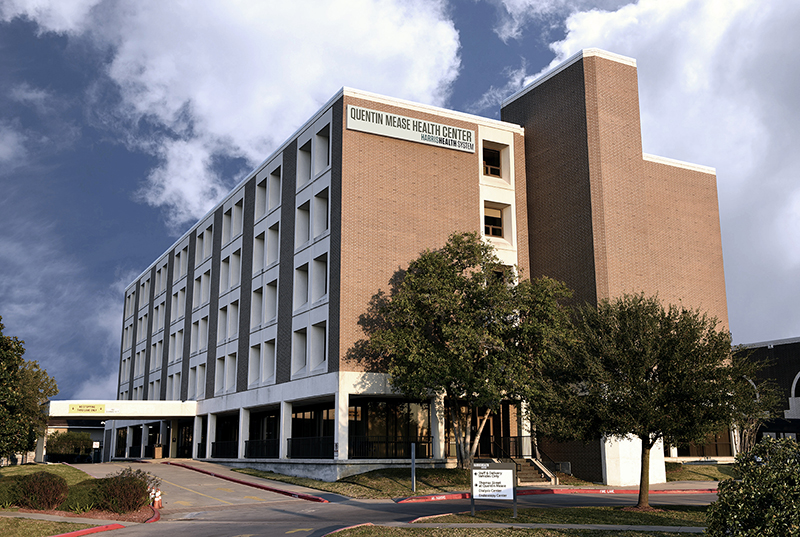
Harris Health Thomas Street at Quentin Mease Health Center has been providing high-quality care for patients living with HIV for nearly forty years at its current location and at its prior site in Houston’s Near Northside. It began in 1989 as the nation’s first freestanding HIV clinic, quickly becoming a haven for thousands of Harris County residents diagnosed with HIV.
Thomas Street's success in treating HIV patients has been so remarkable that it's created an unexpected—but welcome challenge: caring for aging patients with the virus. In response, Harris Health is expanding its wraparound care services to include social services and care coordination specifically designed for older patients.
“The reality is that HIV has become a chronic condition rather than a death sentence,” says Melanie Goebel, MD, interim medical director, Thomas Street at Quentin Mease, and assistant professor, Baylor College of Medicine. “We’re seeing many patients whose HIV is better managed than, for example, their hypertension or their diabetes.”
Harris Health Is Meeting the Needs of Patients Growing Older with HIV
By Ryann Swift on june 18, 2025
SPONSORED BY Harris Health
Goebel notes that Thomas Street cares for more than 600 patients over age 60, with some patients known as long-term survivors who were diagnosed before viral suppression therapies, having been with the system for more than 30 years. In the future, the number of older patients is only expected to grow as the efficacy of HIV care continues to progress.
This represents a dramatic transformation from the early days of the HIV epidemic. The advent of one-pill regimens and injectable treatments means people who once could only expect to live another five or 10 years after an HIV diagnosis can now live long normal lives. When HIV is properly managed, patients can enjoy intimate relationships and have children without fear of transmission.

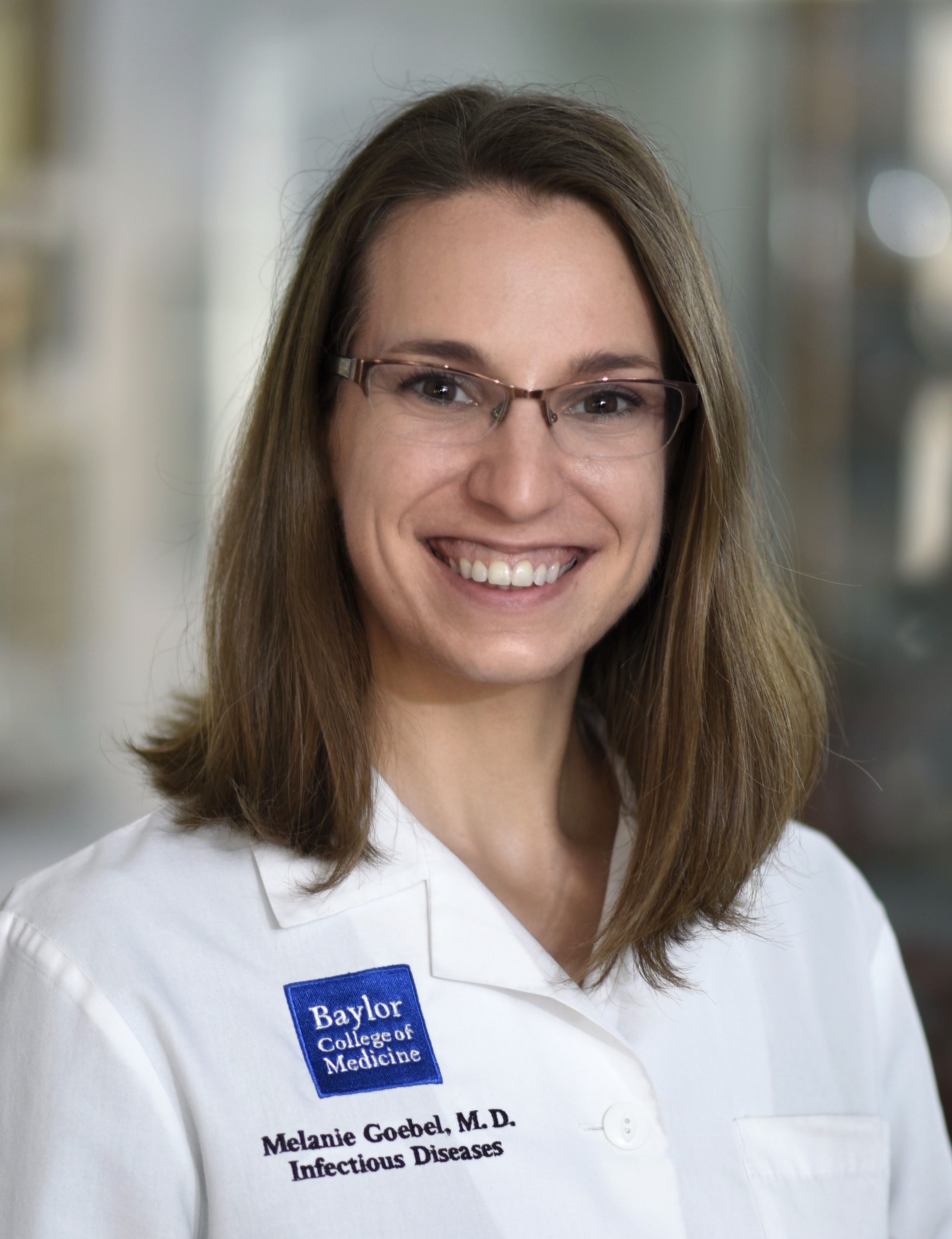
Melanie Goebel, MD, interim medical director, Thomas Street at Quentin Mease, and assistant professor, Baylor College of Medicine
"The reality is that HIV has become a chronic condition rather than a death sentence."
Aging with HIV presents unique medical challenges, creating the need for new specialties in geriatric care for patients living with HIV. “With multiple medications and drug interactions, HIV adds an additional layer of complexity on top of typical aging issues,” Goebel explains.
But it’s more than managing multiple medications.
“Just like with any aging population, care isn’t limited to simply physical needs,” says Rita Remison-Sodeke, care management manager, Thomas Street at Quentin Mease. “Our patients have psychological needs too—loneliness, depression and isolation. Our social case managers work with them to make sure they're connected to places where they feel supported."
This comprehensive approach to treating aging HIV patients is made possible through funds from the Health Resources and Services Administration (HRSA) Ryan White HIV/AIDS Program.
“Ryan White funding is critical,” says Carin Martin, grant project manager, Harris Health, who focuses on helping Thomas Street secure federal funding to address the county’s HIV community’s evolving needs. “We have lots of patients here who are working, but who do not have access to health insurance. Without that access, they cannot see the doctor, they cannot get their labs and they cannot get their medication.”
Yet for all these medical advances, Thomas Street's work is far from over. Significant challenges persist both in treating current patients and preventing new infections. A report released by Harris County Public Health found that Houston and Harris County have a higher rate of HIV and other sexually transmitted infections compared to the Texas average. “We're still seeing a lot of new diagnoses,” Remison-Sodeke confirms. “Education is the first line of defense.”
While the societal memory of the HIV/AIDS epidemic of the 1980s and 1990s remains strong, there is an ongoing effort to replace it with today’s reality: HIV is a treatable chronic condition not confined to a single demographic. Anyone, regardless of gender, age, race, or sexual identity, can acquire HIV. Furthermore, advances in treatment continue to emerge, making the goal of zero transmission, a possible vaccine and even an eventual cure for the virus within reach.
Rita Remison-Sodeke, care management manager, Thomas Street at Quentin Mease
"We really are a one-stop shop for our patients," Goebel says. "With the continued support of our community, we can remain so."
To learn more about Harris Health, visit harrishealth.org

"Our hope, is to develop a geriatric-focused clinic within Thomas Street that will provide geriatric-specific services focused on the special needs of people aging with HIV."


The need for geriatric care for HIV patients was identified by the Ryan White Planning Council, a bottom-up approach to health planning. The council, comprised of patients living with HIV and medical professionals, makes recommendations on how to best allocate funds to better serve the community. Martin then works to secure grant funding. The system works incredibly well, she explains.
“Thomas Street’s geriatric social services and geriatric care coordination are examples of care innovations that came specifically from the council,” Martin adds.
These programs are still in their early stages.
“Our hope,” Goebel says, “is to develop a geriatric-focused clinic within Thomas Street that will provide geriatric-specific services focused on the special needs of people aging with HIV."
“This is good news not only for the HIV community but for public health at large. As the health of our patients living with HIV goes, so goes the health of our community,” Martin says. “But none of this progress is set in stone. There is continued need for funding, at a minimum, at our current levels. Expanding care at Thomas Street as our patient population ages is of utmost importance.”
HIV care's greatest triumph—transforming a fatal diagnosis into a manageable chronic condition—has opened an entirely new chapter in patient care. As Thomas Street continues its pioneering of HIV treatment and care, it now faces the welcome challenge of helping its patients age gracefully with dignity and comprehensive support. The facility that once fought to keep people alive is now dedicated to helping them thrive well into their golden years.

Carin Martin, grant project manager, Harris Health
Harris Health Thomas Street at Quentin Mease Health Center has been providing high-quality care for patients living with HIV for nearly forty years at its current location and at its prior site in Houston’s Near Northside. It began in 1989 as the nation’s first freestanding HIV clinic, quickly becoming a haven for thousands of Harris County residents diagnosed with HIV.
Thomas Street's success in treating HIV patients has been so remarkable that it's created an unexpected—but welcome challenge: caring for aging patients with the virus. In response, Harris Health is expanding its wraparound care services to include social services and care coordination specifically designed for older patients.
“The reality is that HIV has become a chronic condition rather than a death sentence,” says Melanie Goebel, MD, interim medical director, Thomas Street at Quentin Mease, and assistant professor, Baylor College of Medicine. “We’re seeing many patients whose HIV is better managed than, for example, their hypertension or their diabetes.”
Melanie Goebel, MD, interim medical director, Thomas Street at Quentin Mease, and assistant professor, Baylor College of Medicine