Five years ago, a quiet revolution began: Harris Health opened its first Food Farmacy, a partnership between the state’s largest public health system and the Houston Food Bank that set out to care for chronic health conditions like diabetes and hypertension in a new way. Building off the concept that food is medicine, the Food Farmacy at Harris Health Strawberry Health Center offers residents in Pasadena healthy food in a grocery-like environment along with access to cooking classes, nutritionists and social workers. Harris Health’s program has been a rousing success and demonstrates an innovative take on outpatient care.
Harris Health: An Integrated Healthcare System for All of Harris County
By StoryStudio on October 22, 2024
SPONSORED BY Harris Health
244,898
“People experiencing homelessness are often shunned by other providers, meaning there’s a real need to do what we’re doing,” Gonzalez says. “Providing direct primary care at street sites and in shelters allows us to administer preventive care for both chronic and acute illness, as well as medications so those experiencing homelessness don’t need to go to hospital emergency centers.”
Healthcare for the Homeless doesn’t only provide healthcare, it offers patients a pathway out of what homelessness advocates view as a chronic health condition rather than an indication of moral failure. The program has been recognized with multiple Community Health Quality Recognition awards by the Health Resources and Services Administration (HRSA), including distinctions for access, quality and equity of care, as well as health information technology.
“I’m proud of the care we provide,” Gonzalez adds. “It feels great that we’re able to support people through healthcare and get people back on their feet and back into the community,”
1,488,884
529,096
“Ambulatory care at Harris Health means having a broad footprint,” says Jennifer LaHue, director, Strategic Initiatives for Clinical Informatics, and Office Based Addiction Treatment (OBAT) Program, Harris Health. “It’s full-spectrum care that covers health centers, wraparound services, primary care physicians, specialists, chronic diseases, specialty care, neurologists, pharmacy, radiology—you name it, we provide it.”
This level of personal connection to patient care is evident across Harris Health’s vast network of ACS locations. Numbering nearly 40 brick-and-mortar primary, specialty facilities and mobile facilities strategically located throughout Harris County, Harris Health outpatient services provide residents with everything from primary care to specialty care to dialysis to outpatient surgery and dental services.
"Currently less than 50% of those suffering cardiac arrest receive bystander CPR. Training more bystanders in CPR could double the survival rate."


Since the OBAT Program began, clinicians like Zare have tracked how interconnected the social determinants of health are with patients experiencing substance use disorders. Harris Health was one of the few health systems chosen to participate in a national research effort headed by the National Institutes of Health. The years-long study, known as PRimary Care Opioid Use Disorder (PROUD), tested the efficacy of ambulatory and outpatient care on patients with substance issues. The study solidified the theory that using a collaborative care model with a nurse care manager to support medication treatment of opioid use disorder in primary care settings increases treatment access and improves outcomes.
“The goal of the program is to overcome the stigma of substance use disorder,” Zare explains. “We don’t view people with a chronic condition like hypertension as ‘bad.’ People with substance use disorder need to be treated the same way.”


LaHue notes that the OBAT Program has achieved high success rates with 93% of patients reportedly opioid-free after six months, and very low mortality among the more than 283 patients involved in the program.
"We look at patients with eyes of love, not judgment. Our success and retention rates prove that when we treat with love and compassion, patients do better.
"We believe everyone deserves access to high-quality healthcare. You shouldn’t be denied care based on where you live or where you are from. It’s about meeting people where they are."
To learn more about the robust network of ambulatory and outpatient services offered by Harris Health’s Ambulatory Care Services, visit harrishealth.org.
“The Food Farmacy is changing people’s lives,” says Matasha Russell, MD, chief medical officer, Ambulatory Care Services (ACS), Harris Health. “Residents near some of our clinics and centers lack access to grocery stores, and that tends to exacerbate chronic conditions like diabetes. Without the program’s offerings of fresh fruits, vegetables and proteins at no cost to patients, a patient’s unmanaged diabetes could likely worsen. But with locations at Strawberry and two other sites, Harris Health offers preventive care that helps people live healthier lives.
“Our ambulatory care keeps inspiring me,” Russell says. “It actually means something to us that because of the Food Farmacy program, there’s one less person who is going to go blind or lose kidney function because of uncontrolled diabetes.”
Mohammad Zare, MD, medical director, OBAT Program, Harris Health, and vice chair, Community Medicine, UTHealth-Houston
Matasha Russell, MD, chief medical officer, Ambulatory Care Services, Harris Health

Jennifer LaHue, director, Strategic Initiatives for Clinical Informatics, and Office Based Addiction Treatment (OBAT) Program, Harris Health
The OBAT Program is a great example of Harris Health’s reach by taking an outpatient approach to substance use disorder and putting it under its ambulatory and outpatient care umbrella.
“Substance use disorder needs to be treated like the chronic disease it is,” says Mohammad Zare, MD, medical director, OBAT Program, Harris Health, and vice chair, Community Medicine, UTHealth-Houston. “Using education and leveraging a multi-disciplinary team allows the OBAT Program to address both the physical and psychological aspects of dependency, as well as the patient’s social and mental needs, all within one program.”



Jennifer Small, AuD, executive vice president and administrator, Ambulatory Care Services, Harris Health
The key to Harris Health’s success in ambulatory care is its values, says Jennifer Small, AuD, executive vice president and administrator, Ambulatory Care Services, Harris Health.
“We believe everyone deserves access to high-quality healthcare,” she adds. “You shouldn’t be denied care based on where you live or where you are from. It’s about meeting people where they are.”
Harris Health’s ACS locations are identified by the needs of the communities surrounding them. Each site offers specific services and the resources of the entire system while providing individualized and specialized care.
For Small, the mission is personal. “I grew up here in Houston. My family depended on free clinics and services. At Harris Health, we take our mission personally. Ensuring there’s a level playing field and that we’re providing the best care to everyone by raising awareness of the entire suite of services we provide our patients is our goal. That’s what I love about this job. That’s what I love about going out into the community and sharing the work that we do.”
Harris Health’s network of outpatient centers offers access, not only to primary care, but also to specialty care, pediatrics, outpatient surgery, dialysis, prenatal care, HIV/AIDS care, mammograms, mental health, social services and much more to residents of Harris County.
Thanks to Harris County voters passing a bond package in November 2023, the future of ambulatory care at Harris Health is bright. The bond includes funding for three new large health centers, as well as renovation and expansion for existing ambulatory sites.
“We are proud of the trust and the love that residents of Harris County have expressed about Harris Health by passing this bond proposal,” says Esmaeil Porsa, MD, president and CEO, Harris Health. “We are equally delighted to see that voters agree with the value and the need for investing in the future health of our community.”
Ambulatory Care Services (ACS)
Specialty Clinic Visits
Primary Care Clinic Visits
Total Outpatient Visits


Five years ago, a quiet revolution began: Harris Health opened its first Food Farmacy, a partnership between the state’s largest public health system and the Houston Food Bank that set out to care for chronic health conditions like diabetes and hypertension in a new way. Building off the concept that food is medicine, the Food Farmacy at Harris Health Strawberry Health Center offers residents in Pasadena healthy food in a grocery-like environment along with access to cooking classes, nutritionists and social workers. Harris Health’s program has been a rousing success and demonstrates an innovative take on outpatient care.
Since the OBAT Program began, clinicians like Zare have tracked how interconnected the social determinants of health are with patients experiencing substance use disorders. Harris Health was one of the few health systems chosen to participate in a national research effort headed by the National Institutes of Health. The years-long study, known as PRimary Care Opioid Use Disorder (PROUD), tested the efficacy of ambulatory and outpatient care on patients with substance issues. The study solidified the theory that using a collaborative care model with a nurse care manager to support medication treatment of opioid use disorder in primary care settings increases treatment access and improves outcomes.
“The goal of the program is to overcome the stigma of substance use disorder,” Zare explains. “We don’t view people with a chronic condition like hypertension as ‘bad.’ People with substance use disorder need to be treated the same way.”

Mohammad Zare, MD, medical director, OBAT Program, Harris Health, and vice chair, Community Medicine, UTHealth-Houston
Jennifer LaHue, director, Strategic Initiatives for Clinical Informatics, and Office Based Addiction Treatment (OBAT) Program, Harris Health
Matasha Russell, MD, chief medical officer, Ambulatory Care Services, Harris Health
“We look at patients with eyes of love, not judgment,” LaHue adds. “Our success and retention rates prove that when we treat with love and compassion, patients do better.”
Many who experience substance use disorder also experience other social and medical co-morbidities, like polysubstance use disorder, mental health disorders and homelessness. Nelson Gonzalez, DHA, project manager, Grants, Healthcare for the Homeless, Harris Health, sees many of these co-morbidities firsthand. The homeless program provides primary medical care, dental services and mental health care, plus a variety of support services to persons experiencing homelessness. The program pairs ambulatory care sites and mobile units with housing, medical care and social services to reach a population that traditionally lacks access.
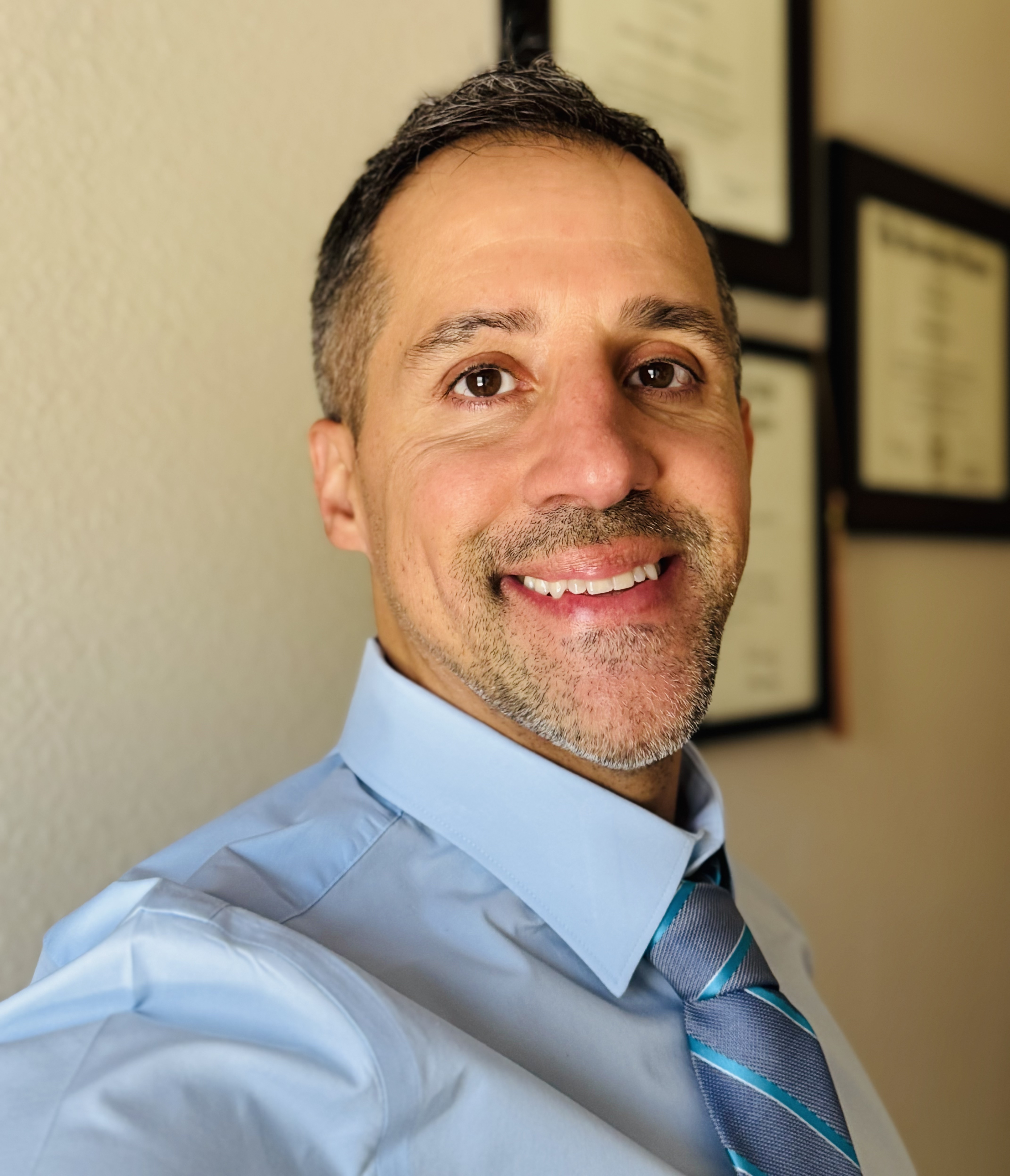
Nelson Gonzalez, DHA, project manager, Grants, Healthcare for the Homeless, Harris Health