In September 2017, Harris Health quietly made history when it admitted its first patient into its new peritoneal dialysis program. Until then, it was rare for a safety-net healthcare system like Harris Health to offer peritoneal dialysis (PD), an innovative treatment for kidney failure that patients undergo at home.
Harris Health Expands Peritoneal Dialysis, Home Treatment for Kidney Failure
By Monica vanover on SEPTEMBER 26, 2025
SPONSORED BY Harris Health
The program reflects Harris Health’s commitment to offering quality, innovative care and underscores the importance of dialysis treatment for patients experiencing kidney failure. Before Harris Health’s dialysis program, residents in Harris County—many of whom face barriers to accessing care like lack of transportation, food or housing insecurity—often only received dialysis at hospital emergency centers as a last resort.
“Peritoneal dialysis is a life-changing treatment,” says Jose Perez, MD, chief, Nephrology, Harris Health Ben Taub Hospital and associate professor, Baylor College of Medicine. “Because Harris Health prioritizes this program, it gives our dialysis patients a second chance at life.”

Lori Timmons, director, Harris Health Dialysis Center at Quentin Mease Health Center
“The population we serve is underfunded and wouldn’t typically have access to this continuum of care. As a true safety-net institution, we’re thrilled to offer peritoneal dialysis to our patients.”
Perez and Timmons credit Harris Health senior leadership for its support of the quality-of-life-enhancing treatment. The program is reaching new heights thanks to the dedication of staff and resources. The hurdle now is awareness.
“Educating the public is key to expanding the program,” says Yaoju Chou, nurse clinician, Harris Health Dialysis Center at Quentin Mease. As a nurse who has specialized in dialysis care for more than 15 years, Chou has seen firsthand the incredible benefits transitioning to peritoneal dialysis can offer patients.
“We’re also checking to see if the housing situation is stable,” Rojas notes, “and if the person is organized,” noting that peritoneal dialysis must be administered every night while the patient sleeps—meaning good organizational skills and discipline are crucial to a patient’s success. Rojas also emphasizes the importance of good mental health. “We’ve seen tons of examples of life getting in the way, illness or eviction, that can lead to depression, which then affects a person’s ability to administer the daily treatment.”
Administering the treatment is easy, Chou says. Every peritoneal dialysis candidate is comprehensively trained on how to operate their PD machine and painlessly complete the nightly treatment before they’re ever expected to do it on their own. Once a patient has been screened and approved, they receive the dialysis catheter placement via a short outpatient surgery and then training begins.
“We’re the patients’ go-to.We’re here to assist the patient with anything they need—food, transportation, counseling—anything to make sure their treatment is safe and successful.”


Since the program’s inception, Harris Health has pushed to expand its PD program. Currently, the program has 57 patients enrolled with the goal of having 100 patients on peritoneal dialysis at any given time. Reaching this goal is well underway for the team.

Jose Perez, MD, chief, Nephrology, Harris Health Ben Taub Hospital, and associate professor, Baylor College of Medicine
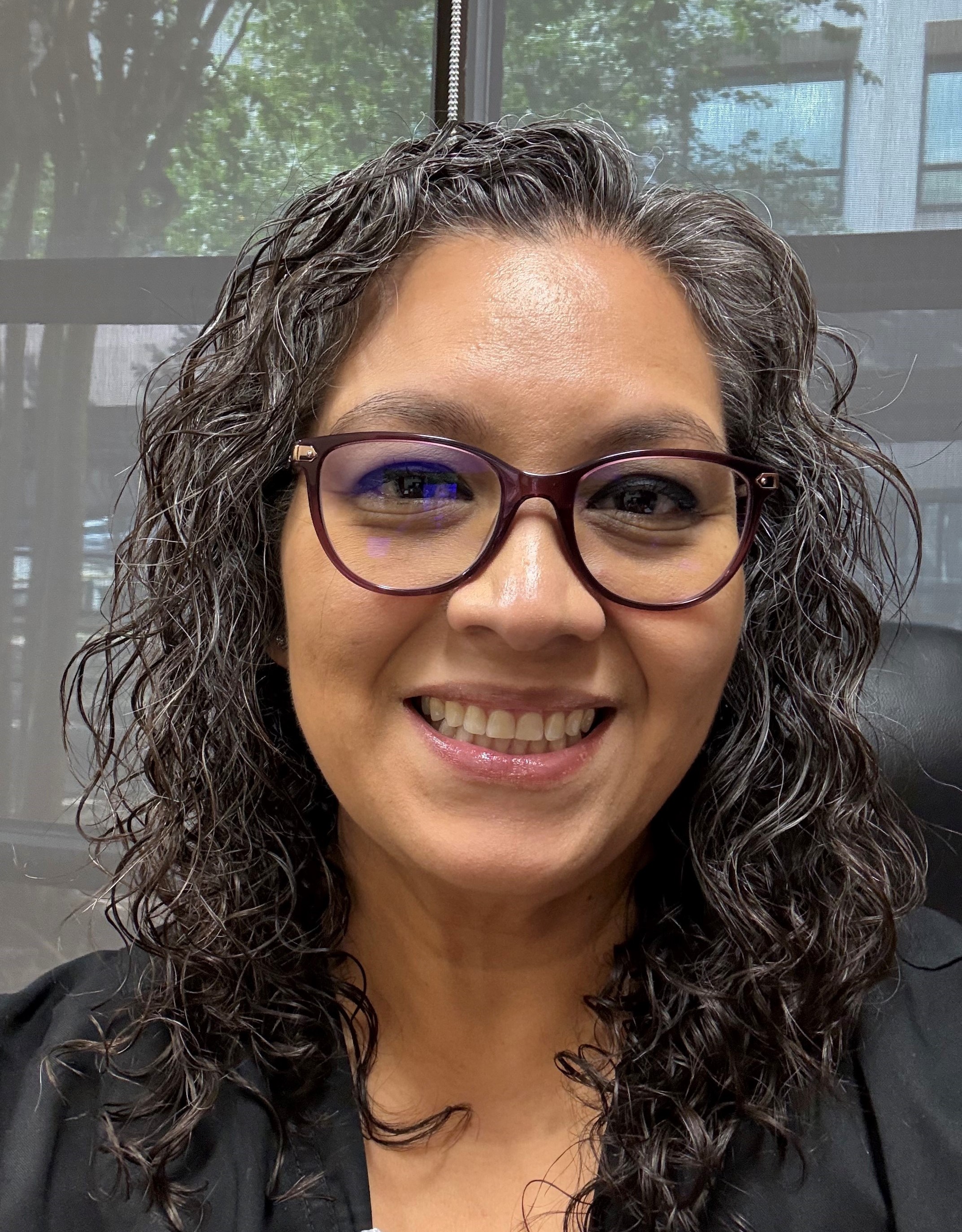
Virginia Rojas, case manager, Ambulatory Care Services, Harris Health
Here’s how the program works. Patients are referred to the program by renal specialists at Harris Health hospitals or its specialty facilities. Patients interested in peritoneal dialysis then undergo a comprehensive screening. The best candidate needs to know how to take their own blood pressure, operate medicine bottles, read and understand instructions, have no clear mobility issues and ideally have friends or family nearby.
After the screening, a care manager like Rojas and a nurse like Chou perform a home visit to ensure the patient has a suitable environment to facilitate at-home treatment successfully. During their home visit, they look for a clean house with a roof, power, and good lighting.

While the peritoneal dialysis requires effort on the patient’s part to qualify, once a patient is on peritoneal dialysis, they overwhelmingly report that the benefits outweigh the initial preparation.
All four clinicians encourage patients who qualify to consider peritoneal dialysis as a superior option to traditional hemodialysis.
“Peritoneal dialysis is not just about maintaining life, but improving the quality of life you have,” Perez says, noting he has PD patients who have been in the program for years and still enjoy a high quality of life.
“You’re going to feel better,” Chou explains, “while having more freedom to do the things you love.”
“And if you have questions, we’re here every step of the way,” Rojas adds. “This is not the end of the story.”
To learn more about Harris Health, visit harrishealth.org.
“We’re the patients’ go-to,” explains Virginia Rojas, case manager, Ambulatory Care Services, Harris Health, who supports patients in the PD program. “We’re here to assist the patient with anything they need—food, transportation, counseling—anything to make sure their treatment is safe and successful.”
“It was an exciting day,” recalls Lori Timmons, director, Harris Health Dialysis Center at Quentin Mease Health Center, who was there when the system’s first patient began at-home treatment. “To be part of bringing the program to fruition was special for all involved.”
The convenience of peritoneal dialysis stands in stark contrast to traditional hemodialysis, which requires patients to travel to a dialysis location three times a week and spend hours having the life-saving treatment administered. Peritoneal dialysis patients can work, spend time with family, enjoy an expanded diet and do more of what they love compared to traditional hemodialysis patients.
Harris Health launched its peritoneal dialysis program for patients in 2017. This YouTube video provides information about the in-home procedure performed by patients. The video mentions and depicts Riverside Dialysis Center (now Harris Health Dialysis Center at Quentin Mease Health Center).

Yaoju Chou, nurse clinician, Harris Health Dialysis Center at Quentin Mease Health Center
“With traditional dialysis, your life revolves around it. You have a fixed time in the chair at the center and you must be there. Dialysis patients can’t live without dialysis.”
Peritoneal dialysis, on the other hand, happens at night, at home, where the patients themselves administer the life-saving treatment, allowing much greater freedom to live life. To facilitate this, the peritoneal dialysis program pairs nurses like Chou with social workers who help prepare patients for peritoneal dialysis and then partner with them throughout their care to ensure the patient has every need met and question answered.
In September 2017, Harris Health quietly made history when it admitted its first patient into its new peritoneal dialysis program. Until then, it was rare for a safety-net healthcare system like Harris Health to offer peritoneal dialysis (PD), an innovative treatment for kidney failure that patients undergo at home.
“It was an exciting day,” recalls Lori Timmons, director, Harris Health Dialysis Center at Quentin Mease Health Center, who was there when the system’s first patient began at-home treatment. “To be part of bringing the program to fruition was special for all involved.”
The convenience of peritoneal dialysis stands in stark contrast to traditional hemodialysis, which requires patients to travel to a dialysis location three times a week and spend hours having the life-saving treatment administered. Peritoneal dialysis patients can work, spend time with family, enjoy an expanded diet and do more of what they love compared to traditional hemodialysis patients.
Yaoju Chou, nurse clinician, Harris Health Dialysis Center at Quentin Mease Health Center