Don’t Mess With Texas Snakes: Snakebite 101 with Toxicologist Dr. Spencer Greene
By Monica Vanover on July 25, 2025
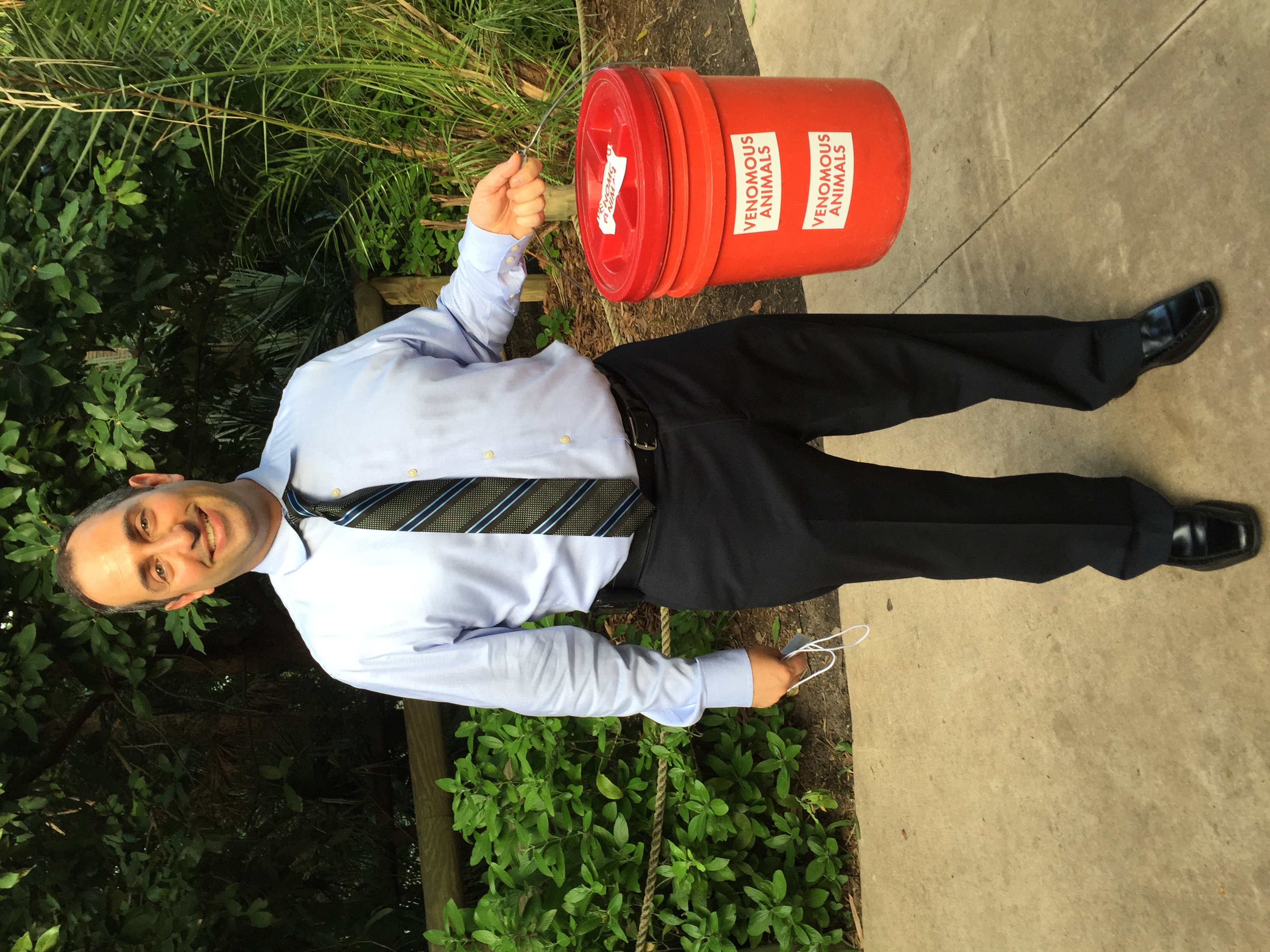
Summer in Southeast Texas is snakebite season. Speaking with snakebite expert Dr. Spencer Greene, Director of Toxicology at HCA Houston Healthcare Kingwood, reveals two divergent factors that are complicating the treatment of snakebites: Snakes are becoming more prevalent in our daily lives and most snakebite treatment knowledge is incorrect.
It’s not always easy to avoid snakes, Dr. Greene explains, especially here in Texas, where the weather is hot and construction is booming. “It’s estimated that for every one-degree Celsius increase in temperature, snakebites increase by 3%," he says. “Beyond that, because of ongoing construction, there's displacement of the snakes. Fewer places for snakes to hide means more interaction with humans."
At HCA Houston Healthcare Kingwood, Dr. Greene is a snakebite expert. Snakebites are not only his specialty, they’re his passion. Here’s everything you need to know to avoid snakebites, and what you need to know if you are bitten.

"It’s not always easy to avoid snakes, especially here in Texas, where the weather is hot and construction is booming."
Dr. Spencer Greene,
Director of Toxicology at HCA Houston Healthcare Kingwood
SCROLL
Bites Happen. Here’s What NOT to Do
There are a lot of misconceptions around the treatment of snakebites. Here’s what not to do.







sponsored by: HCA Health
The Big Four
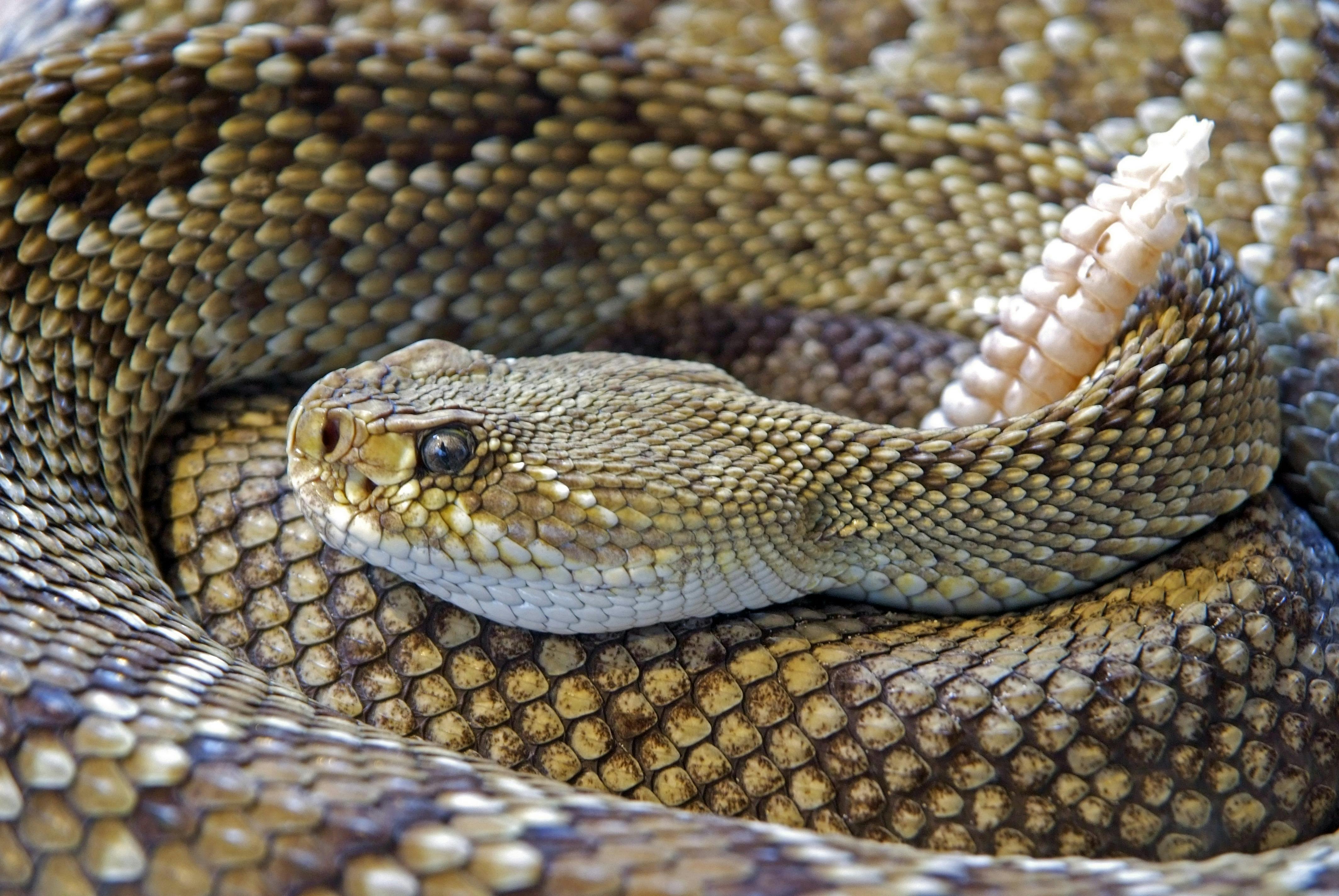
First things first: snakes are not your enemy. They’re important, majestic members of our natural ecosystem. That said, venomous snakes require caution. In Southeast Texas, the Big Four native venomous snakes are rattlesnakes, copperheads, cottonmouths and coral snakes.
“Copperheads have those classic Hershey Kiss patterns on their back while cottonmouths have a very pixelated sort of pattern with a little black mask behind their eyes, like a bandit with the mask of Zorro,” Dr. Greene says. Rattlesnakes, of course, have the rattle. All three are pit vipers, which generally are more dangerous than the coral snake, distinctive for their colorful red, black, and yellow bands.
“There’s been no documented human fatalities from a Texas coral snake bite ever,” Dr. Greene points out, noting that coral snake bites are still “very painful.”
Don't cut and suck. “That is just adding insult to injury. You won't remove any venom. All you're doing is introducing mouth flora and maybe more trauma to a bite site."
Don't apply a tourniquet. “It’s one of the worst things you can do,” Dr. Greene says.
Don't use electrical therapy. This can cause serious injury, and even death. “I know it's cool in a Tarantino sort of way, to hook your friends up to a car battery, but don't do it."
Snake Bite Is Preventable
It’s a common misconception that most snakebites occur when people are handling snakes. Only a small percentage—fewer than 20%—of bites are the result of intentionally messing with the snake.
“The overwhelming majority of bites happen when someone is unaware of the snake,” explains Dr. Greene. “They step on or near the snake, or they reach into a bush, they reach under a rock, or they reach somewhere that they shouldn't.”
The good news is snakebites are preventable. Here’s three things you can do to decrease your risk of snakebites.
If you are bitten by a snake, take a deep breath. Death by snakebite is exceedingly rare. Follow these steps for your safety.
Watch where you’re stepping, especially at night.
Wear appropriate footwear. "Don't go around barefoot, don't wear flip flops, don't wear crocs.”
Don't stick your hands in places you can't see. Use a device if you need to flip rocks or move wood.
Bites Happen. Here’s What to Do
Remove any tight clothing.
Elevate the affected limb to minimize swelling and tissue damage. Dr. Greene notes that this differs from common medical advice but “it’s absolutely the right thing to do.”
If it’s a venomous snakebite, go to the correct hospital.
Dr. Greene and his team have snakebite care response down to a science. Snakebite victims are identified and treated quickly, which almost always includes administering antivenom.
"There's this attitude like antivenom is the last resort,” Dr, Greene says. “That's not true. Antivenom is the first resort."
Always Seek Treatment
While death from a snakebite is rare—on average, fewer than four people die from snakebites in the U.S. each year—snakebite damage extends far beyond the initial bite, potentially causing lifelong disabilities that affect victims' physical, psychological, and socioeconomic well-being. Survivors may experience a range of complications such as tissue damage, nerve injury, and loss of mobility. This makes seeking treatment for a venomous snakebite an absolute must. If you don’t know whether the snake that bit you is venomous, err on the side of caution and go to the hospital.
When seeking treatment, always advocate for yourself. “Antivenom is ALMOST ALWAYS indicated,” says Dr. Greene, “and if someone is having progressive swelling or any systemic toxicity they should get it.
Learn more about expert healthcare at HCAhoustonhealthcare.com.
“The overwhelming majority of bites happen when someone is unaware of the snake. They step on or near the snake, or they reach into a bush, they reach under a rock, or they reach somewhere that they shouldn't.”
Dr. Spencer Greene,
Director of Toxicology at HCA Houston Healthcare Kingwood
Fewer than four people die from snakebites in the U.S. each year, but snakebite damage extends far beyond the initial bite, potentially causing lifelong disabilities.
Summer in Southeast Texas is snakebite season. Speaking with snakebite expert Dr. Spencer Greene, Director of Toxicology at HCA Houston Healthcare Kingwood, reveals two divergent factors that are complicating the treatment of snakebites: Snakes are becoming more prevalent in our daily lives and most snakebite treatment knowledge is incorrect.
It’s not always easy to avoid snakes, Dr. Greene explains, especially here in Texas, where the weather is hot and construction is booming. “It’s estimated that for every one-degree Celsius increase in temperature, snakebites increase by 3%," he says. “Beyond that, because of ongoing construction, there's displacement of the snakes. Fewer places for snakes to hide means more interaction with humans."
At HCA Houston Healthcare Kingwood, Dr. Greene is a snakebite expert. Snakebites are not only his specialty, they’re his passion. Here’s everything you need to know to avoid snakebites, and what you need to know if you are bitten.
Bites Happen. Here’s What NOT to Do



There are a lot of misconceptions around treatment of snakebites. Here’s what not to do.