Colorectal Cancer Rates Are Rising in Young Adults. Here’s How to Protect Yourself.
The Basics
By Ryann Swift on March 13, 2025
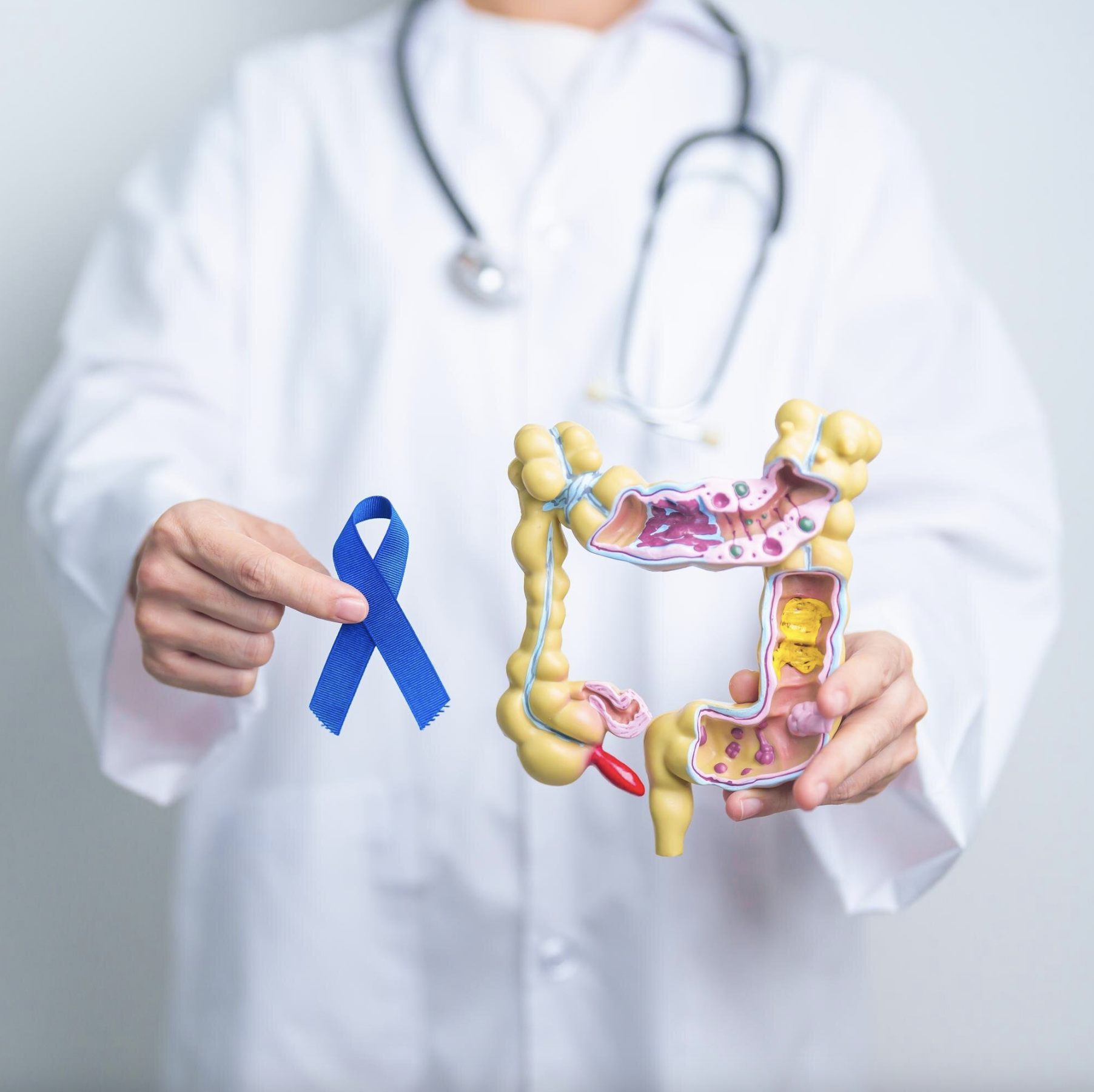
Colorectal cancer begins in the lower gastrointestinal tract—specifically the colon and rectum. It typically starts as a growth called a polyp on the inner lining of the bowel. While not all polyps become cancerous, some transform into malignant tumors over time.
"Colorectal cancer is one of the most common cancers worldwide," Dr. Voloyiannis explains. "One in 24 people will be diagnosed with colorectal cancer in their lifetime. "
Risk factors for colorectal cancer include age, family history, sedentary lifestyle, a diet high in red meat and processed foods, comorbidities like type 2 diabetes, ulcerative colitis or Crohn's, being obese and certain ethnicities, such as African American.
The good news? When detected early, colorectal cancer has approximately a 90% five-year survival rate. The reason it’s so often deadly is because many of its symptoms—blood in stool, changes in frequency or consistency—can be confused with other illnesses. It’s also due to where the cancer typically spreads—liver, lungs and lymph nodes—when metastasized.

"The greatest tragedy is seeing patients with advanced colorectal cancer who could have been diagnosed years earlier through routine screening."
Dr. Theodoros Voloyiannis, founder and Chairman, National Accredited Program for Rectal Cancer at HCA Houston Healthcare Clear Lake, a Sarah Cannon Cancer Network affiliate
The Shifting Timeline: Young Adults at Risk
Perhaps the most significant shift in colorectal cancer trends is the increasing diagnosis rate among younger adults. What was once considered primarily a disease affecting people over 50 is now appearing with alarming frequency in those under 45.
This change prompted medical organizations to lower the recommended screening age from 50 to 45 for average-risk individuals—a fact many people still don't know.
"A lot of patients think it's a disease of an older person. 'It's not for me. I'm too young to have that,'" Dr. Voloyiannis says. "That's one of the most dangerous misconceptions."
The COVID pandemic exacerbated the problem as many people delayed routine screenings. "What we're noticing is an uptick in new diagnoses at more advanced stages several years after the pandemic ended," he notes.
SCROLL


The Screening Gap
One concerning trend Dr. Voloyiannis identifies is the disconnect between younger adults and primary care physicians.
"I've noticed through all these years of my practice that a lot of the younger generation—Gen Zs—don't have a primary care physician," he explains. "They feel symptom-free, believe they don't have risk factors, eat healthy, and go to the gym, so they don't think they need medical attention."
Instead, when symptoms develop, they often turn to social media and online self-diagnosis rather than seeking professional medical advice—potentially delaying critical early detection.
This problem is easily solved. HCA Houston Healthcare offers many convenient locations across Greater Houston for primary care, urgent and emergency care. Regularly seeing a primary care physician not only helps identify, and possibly prevent diseases like colorectal cancer but drastically improves overall health outcomes.
What was once considered primarily a disease affecting people over 50 is now appearing with alarming frequency in those under 45.
Beyond age, Dr. Voloyiannis identifies several dangerous myths about colorectal cancer:
"No symptoms means I'm not at risk."
In early stages, colorectal cancer often causes no noticeable symptoms or only vague ones easily attributed to hemorrhoids, constipation, or diarrhea.
"I have no family history, so I'm not at risk."
Many cases are unrelated to genetics.
"Screening tests are painful or dangerous."
Modern screening methods have improved dramatically. The preparation process is easier than ever, with better-tasting solutions in smaller volumes. Colonoscopies are quick, painless and typically performed under sedation—you'll feel nothing and remember nothing.
"My healthy lifestyle eliminates my risk."
While a healthy lifestyle helps, it doesn't guarantee immunity. Regular screening remains essential for catching polyps before they develop into cancer.
The Final Word
Dr. Voloyiannis leaves us with a straightforward message: "Our goal is first to prevent rather than treat. Go get checked, even if you're symptom-free and feel risk-free. Prevention saves lives."
The path to prevention starts with knowing your risk factors, scheduling regular screenings beginning at age 45 (or earlier for high-risk individuals), and maintaining awareness of your body's signals. With early detection, colorectal cancer isn't just treatable—it's often preventable. “Our hope is that you never have to see me,” Dr. Voloyiannis smiles.
Go see your HCA Houston Healthcare provider and get screened! Learn more here.
sponsored by: HCA HOUSTON HEALTHCARE
Tackling the Common Misconceptions
When it comes to cancer prevention, colorectal cancer stands out for a simple reason: with proper screening and early detection, it's not just highly treatable—it's often preventable. Despite this, it remains the third most commonly diagnosed cancer and the second leading cause of cancer deaths in the United States. The disconnect between preventability and mortality rates points to a critical awareness gap.
"The greatest tragedy is seeing patients with advanced colorectal cancer who could have been diagnosed years earlier through routine screening," says Dr. Theodoros Voloyiannis, founder and Chairman of the National Accredited Program for Rectal Cancer at HCA Houston Healthcare Clear Lake, a Sarah Cannon Cancer Network affiliate.
Understanding the basics of this disease could literally save your life—or the life of someone you love. With colorectal cancer awareness month in full swing, here’s what you need to know.
Why Are Younger People Getting Colorectal Cancer?
While no one knows for certain, the rising incidence in younger adults likely stems from several factors:
Dietary changes: Increased consumption of red meat, processed foods, ultra-processed foods, high-sugar beverages, and refined grains can alter gut bacteria and increase inflammation
Sedentary lifestyle and obesity
Increasing antibiotic use, particularly in childhood and young adulthood
Rising diabetes rates
Environmental factors: Pollutants, chemicals in processed foods, plastics, pesticides,
and industrial contaminants
Alcohol Consumption
The Screening Options You Should Know
Colonoscopy remains the gold standard, examining the entire colon using a flexible camera. It's both diagnostic and therapeutic; doctors can remove polyps during the procedure. For average-risk individuals, it's recommended every 10 years.
Alternatives include:
Stool DNA tests: Combines detection of blood with tests for DNA markers associated with colorectal cancer
Fecal immunochemical tests (FIT) and fecal occult blood tests: Non-invasive methods that detect hidden blood
CT colonography: Creates detailed images of the colon and rectum using CT scan technology
Flexible sigmoidoscopy: Examines only the lower part of the colon and rectum
Dr. Voloyiannis recommends starting with a colonoscopy for your first screening at 45. "You don't only check for polyps. You can check for other issues that might cause symptoms," he explains. "It makes a huge difference using a camera to look directly into the bowel versus doing other tests that aren't 100% specific or sensitive."
"Our goal is first to prevent rather than treat. Go get checked, even if you're symptom-free and feel risk-free. Prevention saves lives."
Treatment Options: Better Than Ever
For those diagnosed with colorectal cancer, treatment options have advanced dramatically.
Surgical approaches have evolved from primarily open surgeries 25 years ago to advanced minimally invasive techniques. "Patients can have these procedures through very small openings in their abdomen, with shorter surgeries and much shorter hospitalizations," Dr. Voloyiannis explains. "Many go home within 36-48 hours and return to activities within about 10 days."
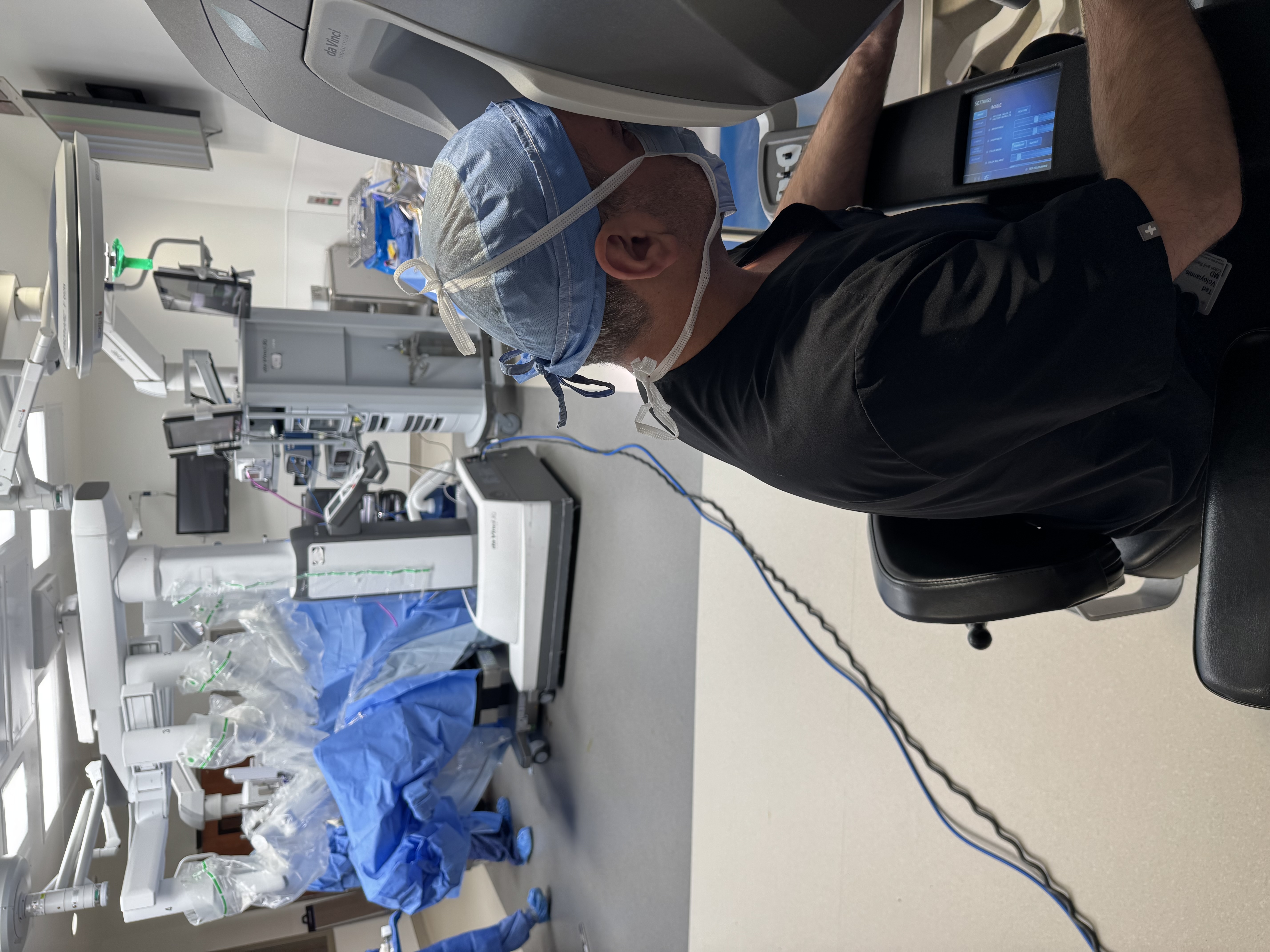
New technologies include robotic surgery, endoluminal surgery (operating through natural openings), and even experimental remote surgery capabilities.
For rectal cancer specifically, treatment often requires a multidisciplinary approach combining surgery, chemotherapy, and radiation therapy. Recent developments mean some patients respond so well to chemo-radiation that they may avoid surgery entirely through "watch and wait" protocols.
One of the biggest fears patients express is needing a permanent colostomy bag. "In the majority of cases, we actually avoid that, or if they need one, it's temporary," Dr. Voloyiannis reassures. "The earlier you detect cancer, the higher the chance of avoiding a permanent colostomy."
Dr. Theodoros Voloyiannis
Surprisingly, genetics plays a smaller role than many assume, accounting for roughly 15% of colorectal cancer cases, according to a study by the Mayo Clinic. Most cases are sporadic, occurring in people with no family history.
The Basics
One concerning trend Dr. Voloyiannis identifies is the disconnect between younger adults and primary care physicians.
"I've noticed through all these years of my practice that a lot of the younger generation—Gen Zs—don't have a primary care physician," he explains. "They feel symptom-free, believe they don't have risk factors, eat healthy, and go to the gym, so they don't think they need medical attention."
Instead, when symptoms develop, they often turn to social media and online self-diagnosis rather than seeking professional medical advice—potentially delaying critical early detection.
This problem is easily solved. HCA Houston Healthcare offers many convenient locations across Greater Houston for primary care, urgent and emergency care. Regularly seeing a primary care physician not only helps identify, and possibly prevent diseases like colorectal cancer but drastically improves overall health outcomes.
Beyond age, Dr. Voloyiannis identifies several dangerous myths about colorectal cancer:
"No symptoms means I'm not at risk."
In early stages, colorectal cancer often causes no noticeable symptoms or only vague ones easily attributed to hemorrhoids, constipation, or diarrhea.
"I have no family history, so I'm not at risk."
Many cases are unrelated to genetics.
"Screening tests are painful or dangerous."
Modern screening methods have improved dramatically. The preparation process is easier than ever, with better-tasting solutions in smaller volumes. Colonoscopies are quick, painless and typically performed under sedation—you'll feel nothing and remember nothing.
"My healthy lifestyle eliminates my risk."
While a healthy lifestyle helps, it doesn't guarantee immunity. Regular screening remains essential for catching polyps before they develop into cancer.
Dr. Voloyiannis leaves us with a straightforward message: "Our goal is first to prevent rather than treat. Go get checked, even if you're symptom-free and feel risk-free. Prevention saves lives."
The path to prevention starts with knowing your risk factors, scheduling regular screenings beginning at age 45 (or earlier for high-risk individuals), and maintaining awareness of your body's signals. With early detection, colorectal cancer isn't just treatable—it's often preventable. “Our hope is that you never have to see me,” Dr. Voloyiannis smiles.
Go see your HCA Houston Healthcare provider and get screened! Learn more here.
When it comes to cancer prevention, colorectal cancer stands out for a simple reason: with proper screening and early detection, it's not just highly treatable—it's often preventable. Despite this, it remains the third most commonly diagnosed cancer and the second leading cause of cancer deaths in the United States. The disconnect between preventability and mortality rates points to a critical awareness gap.
"The greatest tragedy is seeing patients with advanced colorectal cancer who could have been diagnosed years earlier through routine screening," says Dr. Theodoros Voloyiannis, founder and Chairman of the National Accredited Program for Rectal Cancer at HCA Houston Healthcare Clear Lake, a Sarah Cannon Cancer Network affiliate.
Understanding the basics of this disease could literally save your life—or the life of someone you love. With colorectal cancer awareness month in full swing, here’s what you need to know.
Colorectal cancer begins in the lower gastrointestinal tract—specifically the colon and rectum. It typically starts as a growth called a polyp on the inner lining of the bowel. While not all polyps become cancerous, some transform into malignant tumors over time.
"Colorectal cancer is one of the most common cancers worldwide," Dr. Voloyiannis explains. "One in 24 people will be diagnosed with colorectal cancer in their lifetime. "
Risk factors for colorectal cancer include age, family history, sedentary lifestyle, a diet high in red meat and processed foods, comorbidities like type 2 diabetes, ulcerative colitis or Crohn's, being obese and certain ethnicities, such as African American.
The good news? When detected early, colorectal cancer has approximately a 90% five-year survival rate. The reason it’s so often deadly is because many of its symptoms—blood in stool, changes in frequency or consistency—can be confused with other illnesses. It’s also due to where the cancer typically spreads—liver, lungs and lymph nodes—when metastasized.
Why Are Younger People Getting Colorectal Cancer?
While no one knows for certain, the rising incidence in younger adults likely stems from several factors:
Surprisingly, genetics plays a smaller role than many assume, accounting for roughly 15% of colorectal cancer cases, according to a study by the Mayo Clinic. Most cases are sporadic, occurring in people with no family history.
Dietary changes: Increased consumption of red meat, processed foods, ultra-processed foods, high-sugar beverages, and refined grains can alter gut bacteria and increase inflammation
Sedentary lifestyle and obesity
Increasing antibiotic use, particularly in childhood and young adulthood
Rising diabetes rates
Environmental factors: Pollutants, chemicals in processed foods, plastics, pesticides,
and industrial contaminants
Alcohol Consumption
What was once considered primarily a disease affecting people over 50 is now appearing with alarming frequency in those under 45.
The Screening Options You Should Know
Colonoscopy remains the gold standard, examining the entire colon using a flexible camera. It's both diagnostic and therapeutic; doctors can remove polyps during the procedure. For average-risk individuals, it's recommended every 10 years.
Alternatives include:
Dr. Voloyiannis recommends starting with a colonoscopy for your first screening at 45. "You don't only check for polyps. You can check for other issues that might cause symptoms," he explains. "It makes a huge difference using a camera to look directly into the bowel versus doing other tests that aren't 100% specific or sensitive."
Stool DNA tests: Combines detection of blood with tests for DNA markers associated with colorectal cancer
Fecal immunochemical tests (FIT) and fecal occult blood tests: Non-invasive methods that detect hidden blood
CT colonography: Creates detailed images of the colon and rectum using CT scan technology
Flexible sigmoidoscopy: Examines only the lower part of the colon and rectum
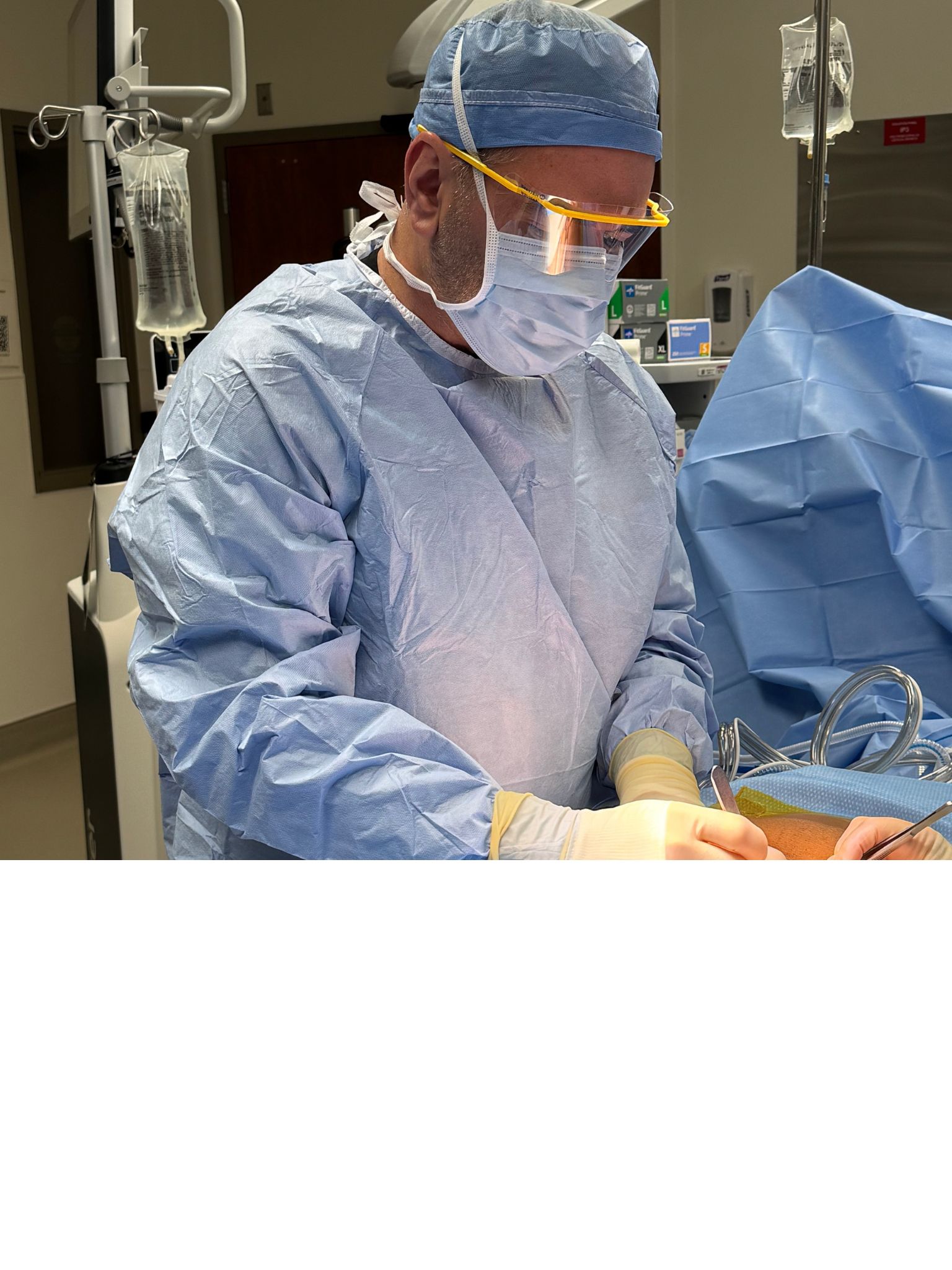
"Our goal is first to prevent rather than treat. Go get checked, even if you're symptom-free and feel risk-free. Prevention saves lives."
Dr. Theodoros Voloyiannis
Treatment Options: Better Than Ever
For those diagnosed with colorectal cancer, treatment options have advanced dramatically.
Surgical approaches have evolved from primarily open surgeries 25 years ago to advanced minimally invasive techniques. "Patients can have these procedures through very small openings in their abdomen, with shorter surgeries and much shorter hospitalizations," Dr. Voloyiannis explains. "Many go home within 36-48 hours and return to activities within about 10 days."
New technologies include robotic surgery, endoluminal surgery (operating through natural openings), and even experimental remote surgery capabilities.
For rectal cancer specifically, treatment often requires a multidisciplinary approach combining surgery, chemotherapy, and radiation therapy. Recent developments mean some patients respond so well to chemo-radiation that they may avoid surgery entirely through "watch and wait" protocols.
One of the biggest fears patients express is needing a permanent colostomy bag. "In the majority of cases, we actually avoid that, or if they need one, it's temporary," Dr. Voloyiannis reassures. "The earlier you detect cancer, the higher the chance of avoiding a permanent colostomy."