Know Your Numbers: The Importance of Blood Pressure for Your Heart Health

By StoryStudio on February 2, 2026
Have the past few years raised your blood pressure? You’re not alone. Nearly half of all Americans—122 million people have high blood pressure. When high blood pressure becomes chronic, it’s called hypertension. Worse, many Americans have high blood pressure and don’t even know it. Dubbed “the silent killer” because it often shows no symptoms until very serious, hypertension can cause all sorts of life-threatening complications, including stroke and heart disease, the leading cause of death in the U.S.
“Elevated blood pressure puts an extra strain on the arteries and the heart,” says Jay Johnson, MD, Cardiologist at Dominican Hospital. “If left untreated, over time this can lead to a narrowing of the arteries, which can then cause heart attack, heart failure or stroke.”
According to heart experts like Dr. Johnson, prevention is the key to avoiding the serious side effects of high blood pressure. Because chronic high blood pressure is often asymptomatic and so common, knowing what your blood pressure is, what the risk factors are, and how you can control it is vitally important.
Lorem ipsum dolor sitamet
27%
Lorem ipsum dolor sitamet
100,000
Lorem ipsum dolor sitamet ipsum dolor sitamet


Lorem ipsum dolor sitamet
Lorem ipsum dolor sitamet ipsum dolor sitamet consectetur adipiscing elit.
Lorem ipsum dolor sitamet ipsum dolor sitamet
Lorem ipsum dolor sitamet consectetur adipiscing elit sed dolor.
SPONSORED BY DIGNITY HEALTH
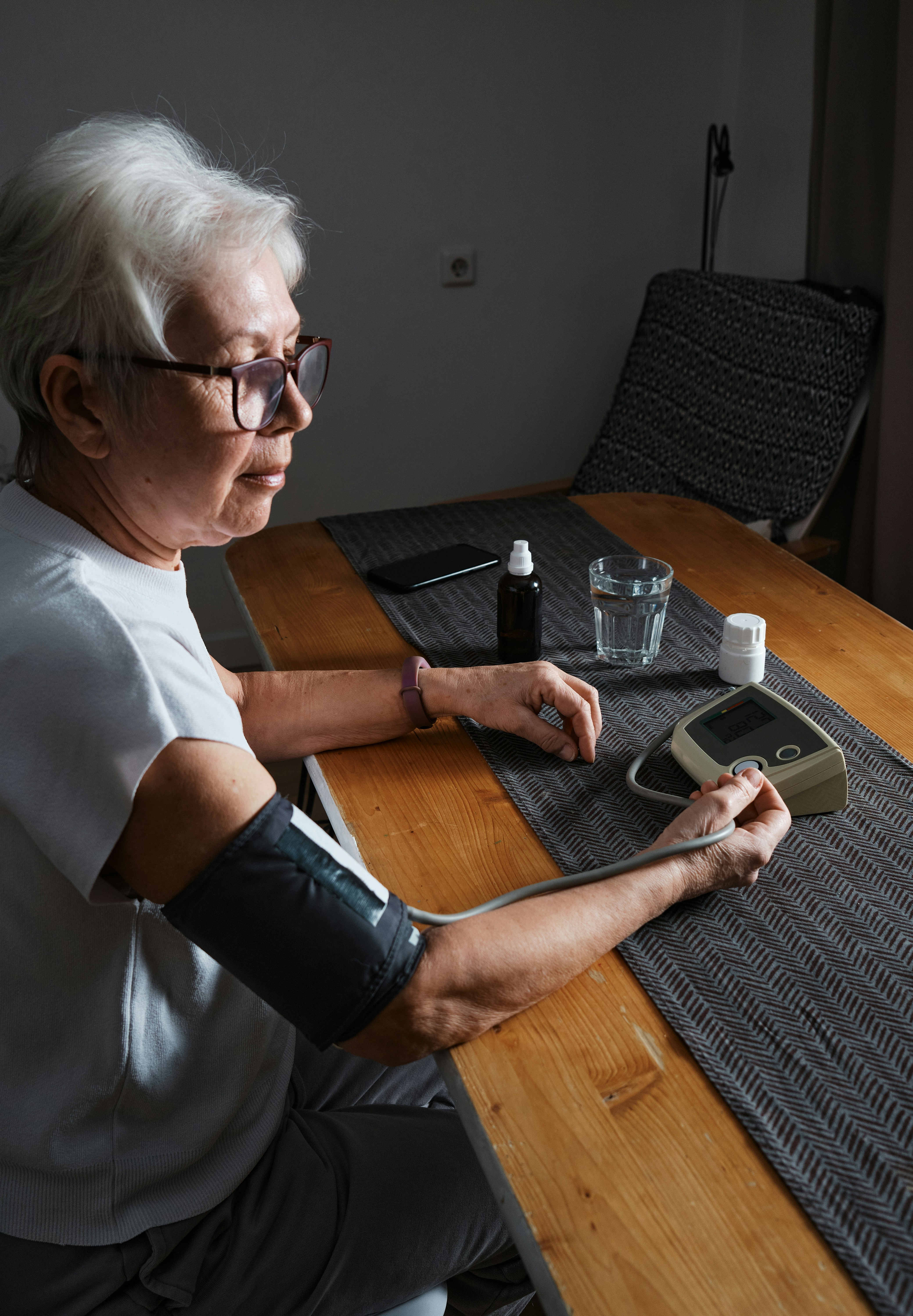
First things first, says Dr. Johnson: Know your numbers. That means knowing what your blood pressure is on a regular basis, either by checking it at your local pharmacy or, if you have certain risk factors, by checking it at home with a blood pressure monitor. Modern blood pressure devices are easy to use, affordable, and connect right to your smartphone, providing an accurate reading of your blood pressure and keeping track of the numbers for you.
A blood pressure reading greater than 120/80 is considered elevated. Blood pressure changes throughout the day according to environmental factors, which is why taking consistent readings is necessary to diagnose hypertension. For example, a person in the hospital with a broken arm is going to have a high blood pressure reading. That doesn’t mean the person has chronic high blood pressure.
Dr. Johnson suggests that the best time to check your blood pressure is at home when you’re relaxed. For those monitoring their blood pressure, check at random throughout the month. For those with hypertension, monitor daily. Checking at home is important because many people experience increased anxiety in a clinical setting. Taking your blood pressure when you’re at home, sitting down, and relaxed can provide a more accurate picture.
Know Your Numbers
Warning Signs
Solving Gaps in Care
Many women ignore the warning signs of cardiovascular disease until it’s too late. By raising awareness of those signs, Dr. Singh and the team at the Women’s heart Program hope more women will take a preventative approach to heart health.
"As a society, we must aim higher to overcome barriers that prevent cardiovascular survivorship in women.
If you want to improve your blood pressure immediately, the best thing you can do is increase your activity level.

Learn More
It’s very rewarding to provide great care for our patients here.
Considering the prevalence of high blood pressure, every adult should know their numbers.
While heart experts like Dr. Johnson recommends that every adult know their numbers given the prevalence of high blood pressure, for adults with certain risk factors, knowing your numbers is imperative. For example, if you have a family history of heart disease or hypertension, you’ll want to be proactive with your blood pressure.
Risk Factors
being overweight
eating too much salt and not enough fruits and vegetables
an inactive lifestyle
drinking too much alcohol or coffee (or other caffeine-based drinks)
smoking
having a lot of stress
being over 65
having a relative with high blood pressure
certain races and ethnicities have a higher prevalence of hypertension

Risk factors for hypertension include:

The good news is that many lifestyle changes can have a meaningful effect on our blood pressure. Altering your diet is generally step one. Lowering the amount of salt you eat, avoiding fast food or processed foods, cutting down on alcohol and caffeine—all these can help lower your blood pressure. Quitting smoking and getting more exercise are other impactful changes you can make.
However, there are non-modifiable factors, too. As we age, our blood pressure generally rises, changing the guideposts of what constitutes high blood pressure. Other factors beyond our control include our genetics. When age and genetics are the main contributors to high blood pressure or when lifestyle changes do not result in lowering stage 2 hypertension, medication is recommended.
How You Can Control Your Blood Pressure
Treatment options are varied and personalized to each patient. When taking blood pressure medication, it’s vitally important to not skip a dose or stop taking the medication without first consulting your doctor. There are times when blood pressure medication, in concert with lifestyle changes, can lower one’s blood pressure to a point where medication may not be needed, but that should always be a decision made by your doctor.
Lastly, when trying to modify your lifestyle, Dr. Johnson tells his patients that it’s a process.
“Taking moderate steps toward your goal can still have positive effects on your health. Whether it’s changing your diet, getting more exercise or managing stress, it all helps.”
Controlling blood pressure is a lifelong pursuit, but it’s one that leads to a longer, healthier quality of life.
Visit DignityHealth.org/DominicanHearts to learn more.
Learn More

Please revisit on a desktop device!
We will build out the mobile version of this experience once the desktop is approved!
Women are often in the caregiver role and prioritizing your health can be difficult including self-judgment. As women, we need to remember that it is okay to put yourself first so that we can take care of our loved ones—the “put on your oxygen mask first” concept.
Considering the prevalence of high blood pressure, every adult should know their numbers.
Take our Heart Health Risk Assessment
Take our Heart Health Risk Assessment


First things first, says Dr. Johnson: Know your numbers. That means knowing what your blood pressure is on a regular basis, either by checking it at your local pharmacy or, if you have certain risk factors, by checking it at home with a blood pressure monitor. Modern blood pressure devices are easy to use, affordable, and connect right to your smartphone, providing an accurate reading of your blood pressure and keeping track of the numbers for you.
A blood pressure reading greater than 120/80 is considered elevated. Blood pressure changes throughout the day according to environmental factors, which is why taking consistent readings is necessary to diagnose hypertension. For example, a person in the hospital with a broken arm is going to have a high blood pressure reading. That doesn’t mean the person has chronic high blood pressure.
Dr. Johnson suggests that the best time to check your blood pressure is at home when you’re relaxed. For those monitoring their blood pressure, check at random throughout the month. For those with hypertension, monitor daily. Checking at home is important because many people experience increased anxiety in a clinical setting. Taking your blood pressure when you’re at home, sitting down, and relaxed can provide a more accurate picture.