By StoryStudio on March 24, 2025
What began as a grassroots effort by dedicated community volunteers has grown into a comprehensive non-profit organization, touching countless lives in the community.
This November, as we observe National Hospice & Palliative Care Month, we turn our attention to the remarkable work of Hospice East Bay. Their services span a crucial continuum—from palliative care supporting those managing serious illnesses, to hospice care providing comfort and dignity in life’s final chapter.
When faced with a serious illness, patients often find themselves navigating a complex web of medical treatments as well as spiritual and emotional challenges. Palliative care is a specialized approach to health and well-being that addresses these needs. “Palliative care is provided by a team of different specialists as an extra layer of support for patients seeking a higher quality of life,” says Dr. Mina Chang, Chief Medical Officer at Hospice East Bay. “The goal is to champion patients’ goals; to be able to live successfully and independently in the community for as long as possible.”
Palliative care can be offered alongside curative treatments, making it accessible to a broader range of patients living with serious illness. Hospice care, on the other hand, is an insurance program primarily focused on quality of life and comfort. The overall strategy is to address what Dr. Chang refers to as “total pain” – a concept developed in the 1960s by Dame Cicely Saunders that encompasses physical, social, emotional, and spiritual aspects of a patient’s experience.
SPONSORED BY Hospice East Bay
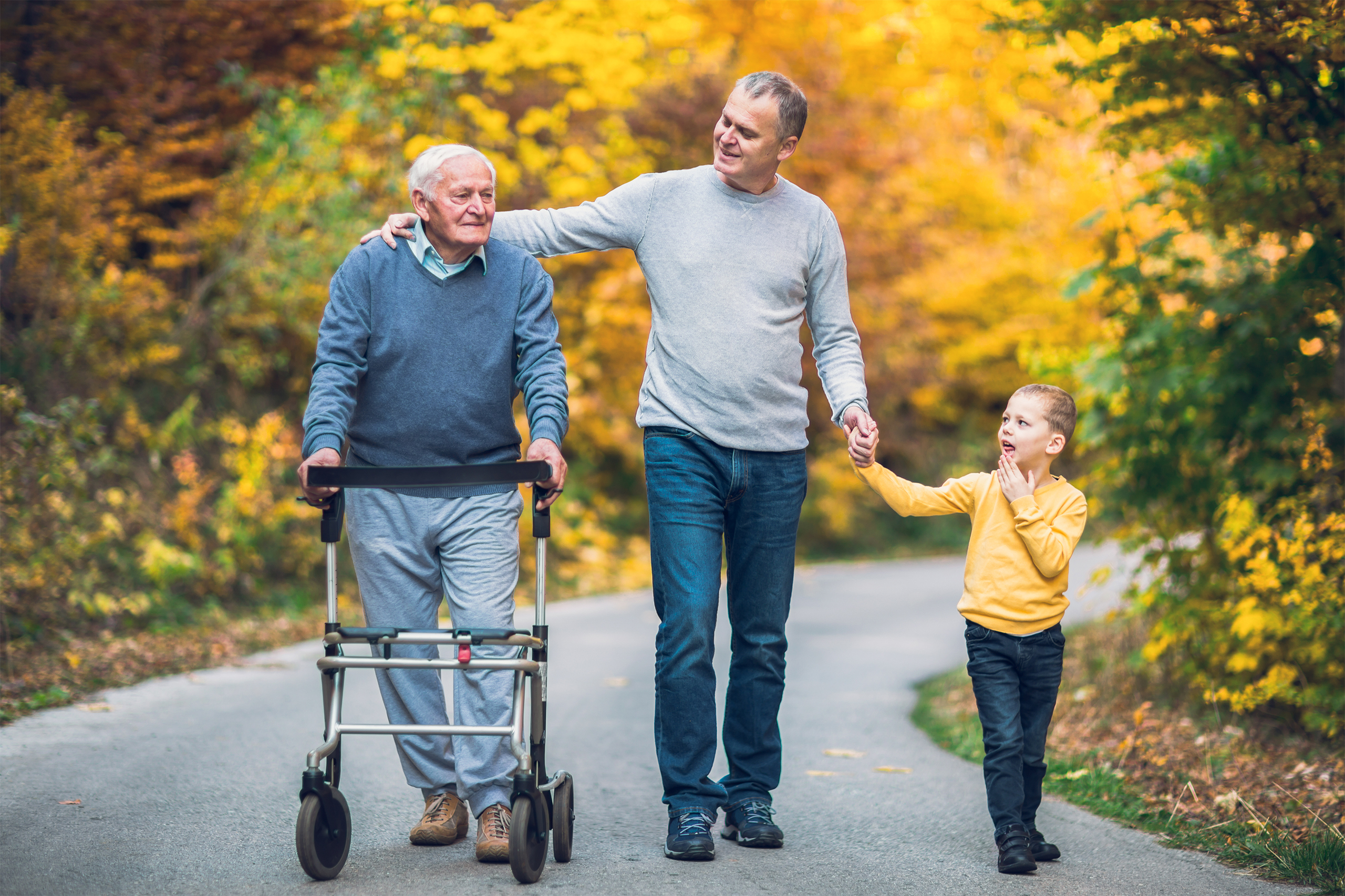
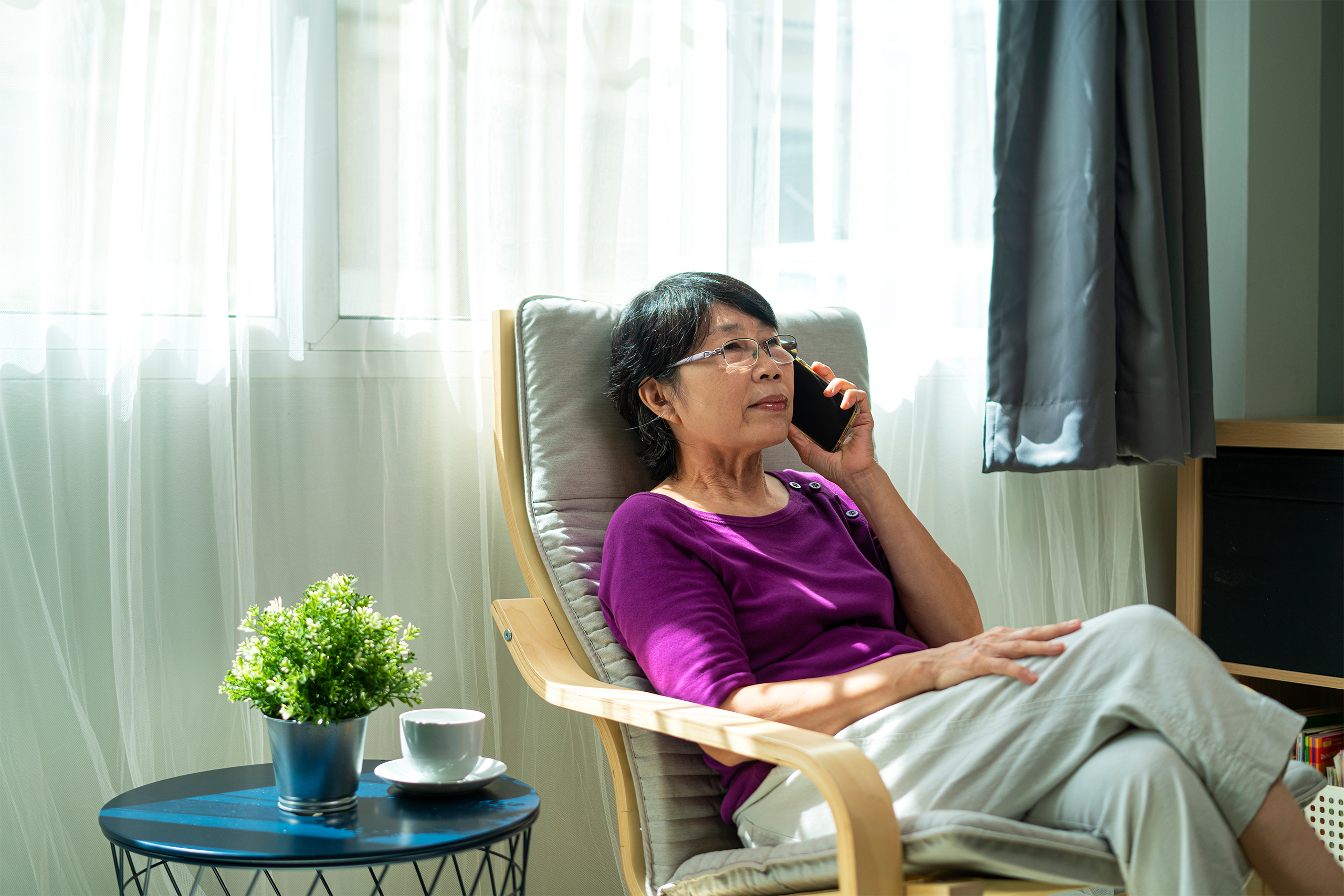


The hospice team comprises an interdisciplinary group of professionals. Physicians and nurses focus on advanced symptom management, while social workers and spiritual care counselors delve deeper into end-of-life emotional and spiritual needs. Home health aides become crucial in maintaining patient dignity through personal care, and trained volunteers offer invaluable relief to family caregivers.
Beyond these services, Hospice East Bay offers several specialized programs to enhance patient care. This includes an extensive veteran-centered care program, which provides tailored support for those who have served in the military.
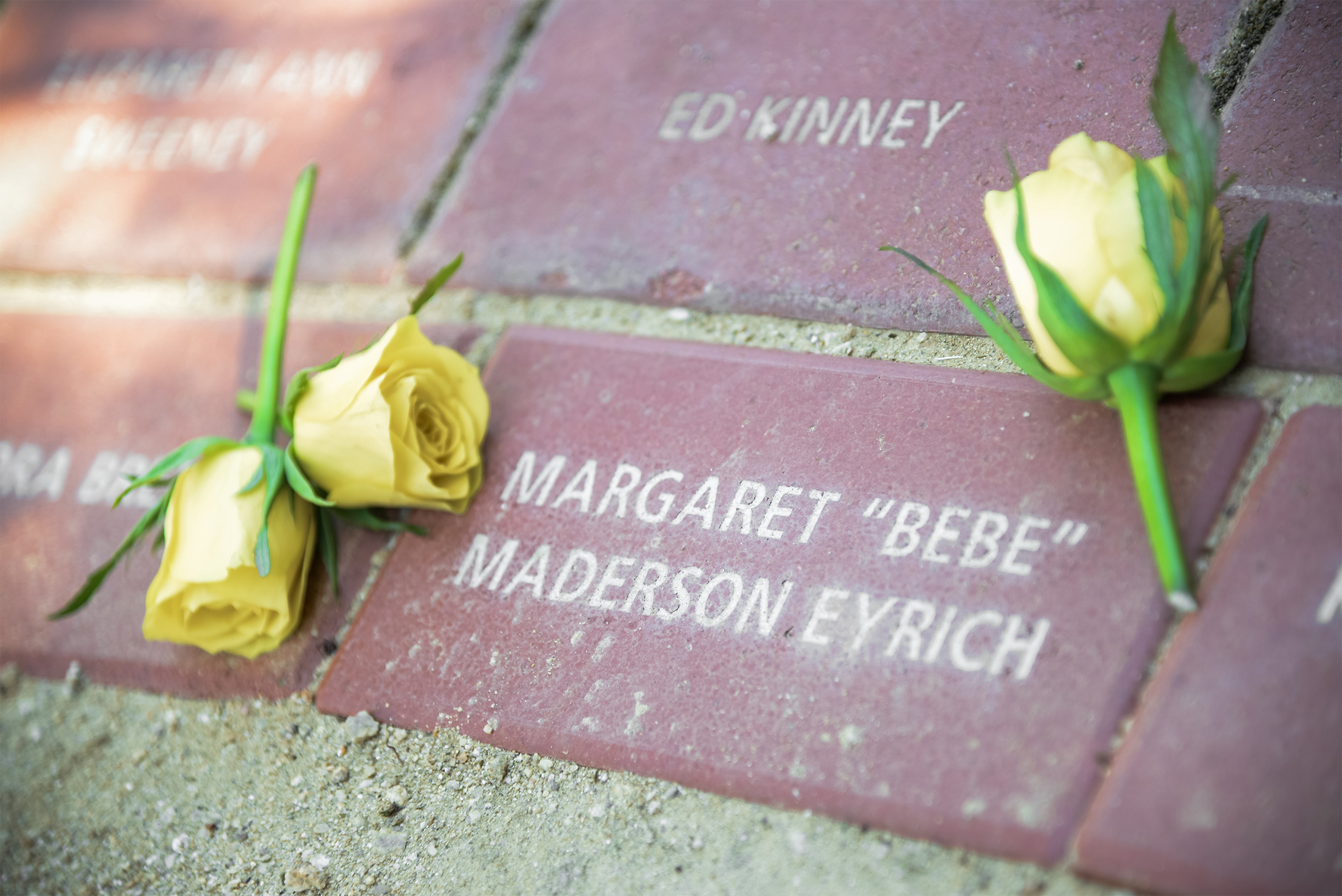

Hospice East Bay’s palliative care team is specifically structured to address the multifaceted needs of their patients: physicians manage physical symptoms, social workers address emotional and practical concerns, and spiritual care counselors offer existential support. Nurses act as a crucial link, coordinating care across all domains. “It is important to have the range of disciplines that can support the concept of total pain and support the individual as their disease progresses,” Dr. Chang explains.
The patient-centered approach demands an orchestrated effort from Hospice East Bay. “Our goal is to meet patients where they are, which means we have to be creative,” Dr. Chang says. Providing services in various settings—homes, clinics, and even during treatments like dialysis or chemotherapy—requires extensive coordination, travel, and evolving skillsets from team members. “We try not to create additional burden for patients and families, who are already shouldering the stress of multiple appointments, transportation needs, and caregiver responsibilities,” says Dr. Chang.
While palliative care can be provided at any stage of a serious illness, hospice care is designed for patients with an expected prognosis of six months or less and whose goals are primarily focused on comfort. “There comes a point where some medical technologies may prolong life, but not add to the patient’s quality of life, as they define it,” says Dr. Chang. It is at this point that some patients may consider transitioning to hospice care for more focused comfort and support.
Hospice East Bay facilitates this transition by maintaining open communication with patients and their families. They conduct regular check-ins during what Dr. Chang calls “pivotal medical times,” such as after hospitalizations or when a condition progresses. These conversations ensure that care aligns with the patient’s evolving goals and values.
The shift from palliative to hospice care often allows patients to focus entirely on comfort and quality of life, spending their remaining time in familiar surroundings with loved ones.
Hospice care is designed to provide comprehensive support for patients and their families during the final stages of life. Laura Bakar, Director of Bruns House—Hospice East Bay’s inpatient facility—highlights the organization’s unique approach to this family-centered service: “We see the family as our unit of care. Whereas, for example, in a hospital, the patient is the person in the bed—for us, the unit of care is that whole family.” Recognizing the diverse nature of modern families and support systems, Bakar adds, “For us, the family unit is defined by the patient. It doesn’t have to necessarily be a blood relative or a legal entity. It can be whoever the patient determines to be their family.”
Most hospice care is provided in the patient’s home or place of residence, allowing them to remain in familiar surroundings. The team provides education and support to family caregivers, ensuring they feel confident in caring for their loved one. For those needing more intensive care or to provide respite for caregivers, Hospice East Bay offers inpatient services at their Bruns House facility.
The organization's commitment to families extends beyond the period of direct care. Through its comprehensive bereavement program, Hospice East Bay provides grief support for 13 months following a death, beginning with anticipatory counseling when needed. Support includes regular check-ins, mailings, support groups, and workshops. The program even extends to the broader community, offering educational training in local school districts and making grief services available to all community members, not just families under Hospice East Bay's care.
Bruns House, celebrating its 20th anniversary this year, is a cornerstone of Hospice East Bay’s services. This six-bed facility offers an alternative to a traditional hospital setting, providing short-term intensive care in a more intimate and flexible environment. Bakar explains, “We don’t have limited visiting hours. Pets are allowed to visit, and we’re more family-friendly, whether the patient has young children or grandchildren.”
Respite care is another crucial service offered at Bruns House. “We recognize that families are tired, they need a break, and so we started accepting more respite patients in the last few years,” says Bakar. “Many people choose Bruns House rather than a skilled nursing facility for respite. Everybody here gets a private room in a home-like setting. There’s continuity here.”
The impact of Bruns House is perhaps best illustrated by the experiences of those it serves. Bakar recounts a recent story of a veteran patient who received a touching honor on her final day, including a pinning ceremony and spiritual care: “The husband—when we checked on him the next day—said to us, ’I cannot imagine a more beautiful way to have a last day on earth.’”
Dr. Chang stresses the value of introducing palliative care at the earliest appropriate stage. Early intervention allows patients to navigate complex healthcare systems more effectively, manage symptoms better, and make more informed decisions as their illness progresses.
Bakar echoes these sentiments, emphasizing the benefits of starting hospice care sooner:
“When patients start hospice sooner, we have the opportunity to really get to know them,” she explains. "It’s important to us as a hospice team to be able to individualize the care, which is easier if we’re getting to know somebody before it’s a crisis situation.”

As a non-profit organization, Hospice East Bay thrives on community involvement to maintain its high level of care. This engagement enables the adoption of specialized programs, sliding-scale payments, and continuous service improvements.
Support from the community takes many forms, from financial contributions to volunteer efforts. One of the most visible examples is the annual Tree of Lights ceremony, held in multiple cities across Contra Costa County during the holiday season. Community members can donate to light a candle in memory of a loved one, whether or not they were a Hospice East Bay patient.
Bakar underscores the importance of community connection: "There’s a reason we’re the only inpatient hospice facility in the whole Bay Area. It takes a tremendous amount of community backing to do what we do here, and we are very fortunate to have that. We wouldn’t be celebrating 20 years here without our community."
As we recognize National Hospice and Palliative Care Month this November, we’re reminded of the vital role these services play in our community. Bruns House, celebrating its 20th anniversary, is a testament to the community’s commitment to compassionate end-of-life care. This milestone invites us all to consider how we can support and advance this crucial work.
To learn more about National Hospice and Palliative Care Month, visit NHPCO.org. To learn more about Hospice East Bay’s services, including palliative care, hospice care, and Bruns House, or to find out how you can support their mission, visit their website at HospiceEastBay.org. Your involvement, whether through volunteering, donations, or simply spreading awareness, can make a significant difference in the lives of those facing serious illnesses in our community.

Hospice East Bay ensures that patients and families navigate their challenging journey with dignity and compassion by honoring individual goals and providing comprehensive care.
Comfort and Dignity:
How Hospice East Bay Supports Patients and Families
For nearly half a century, Hospice East Bay has been a leader in compassionate palliative and end-of-life care in Contra Costa County.
We try not to create additional burden for patients and families, who are already shouldering the stress of multiple appointments, transportation needs, and caregiver responsibilities
— Dr. Mina Chang, Chief Medical Officer at Hospice East Bay

Understanding Palliative Care
Interdisciplinary Teamwork: The Core of Care
When Priorities Change: The Move to Hospice
Embracing the Whole Family in End-of-Life Care
Spotlight on Bruns House
Why Timing Matters in Palliative and Hospice Care
The Role of Community Support
Honoring Lives, Supporting Families