As residents living along Texas’ Gulf Coast region, the threat of hurricanes and the destruction they can cause looms large. When a hurricane strikes, time is of the essence, and not being prepared can have disastrous consequences.
When a storm is in the Gulf and approaching landfall, vital resources may become scarce making it important to stock up on emergency supplies and medication in advance. Improper evacuation planning can lead to traffic gridlocks, leaving individuals stranded and vulnerable in the path of the storm. To ensure the safety and well-being of everyone in your family, it's crucial to take hurricane preparedness seriously. Fortunately, there are plenty of ways to prepare well in advance. Let’s dive into the best ways to prepare, from stocking up on essentials - including important items you may not have considered - to creating an evacuation plan.

Are you prepared for a hurricane? Plan now to avoid stress later


Et harum quidem rerum facilis est et expedita distinctio. Libero tempore, cum soluta nobis est eligendi optio cumque nihil impedit quo minus id quod placeat.
LOREM IPSUM SIT

DISCOVER
You can stock up on emergency supplies any time of year – don’t wait.”
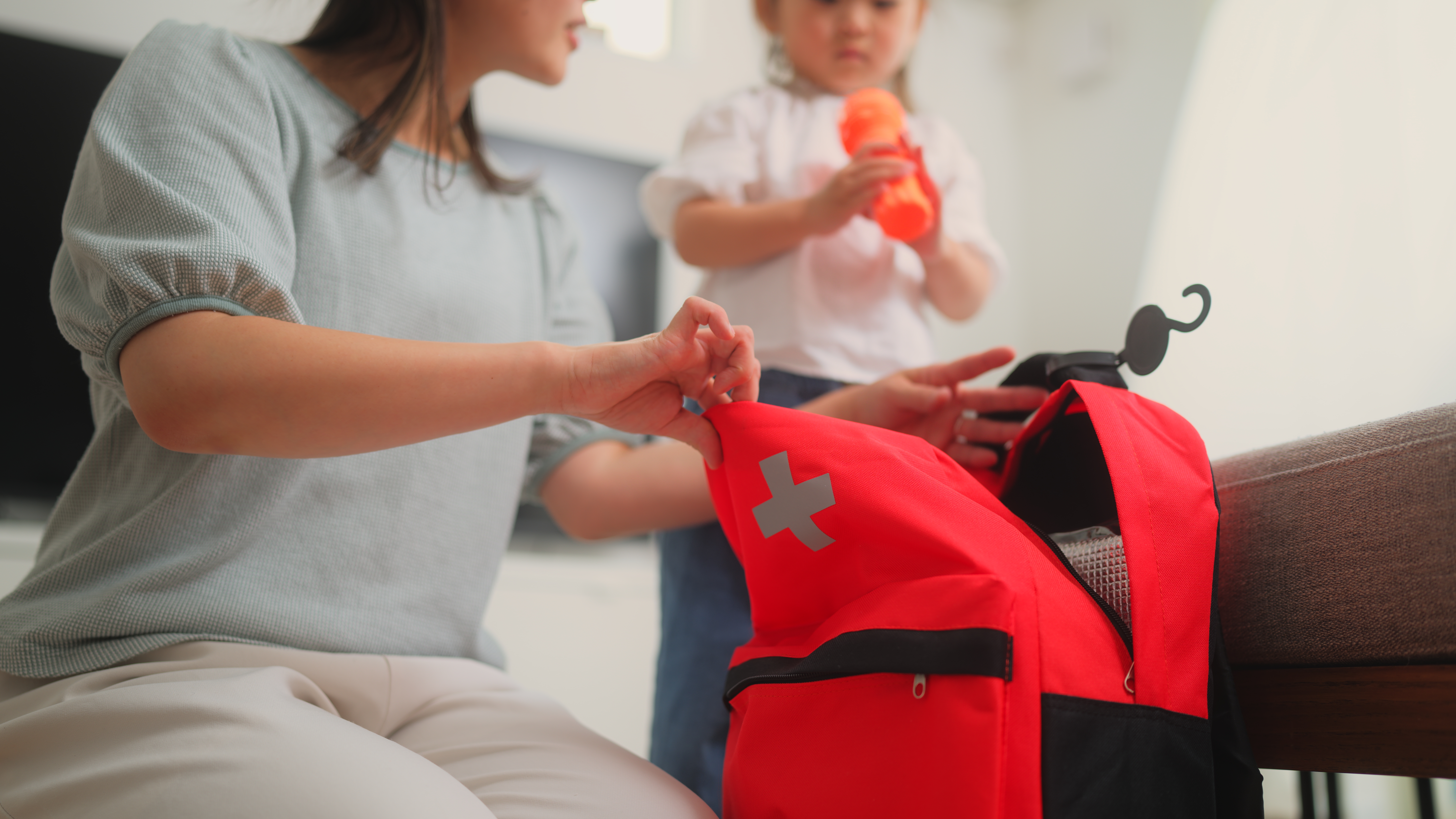
A key aspect of hurricane preparedness is assembling an emergency kit with essential supplies – and you can get started today.
“You can stock up on emergency supplies any time of year – and there is no time like now,” said Francis Rodriguez, principal program coordinator of Incident Management at the Houston-Galveston Area Council (H-GAC). H-GAC has a comprehensive hurricane guide available at h-gac.com/HurricanePrep.
“Our hurricane guide contains a wealth of information, guidance, and checklists to help everyone prepare for Hurricane Season as well as any other natural disaster,” she added.
For the essentials, Rodriguez recommends having nonperishable food, along with disposable plates, bowls and a manual can opener, as well as one gallon of drinkable water per person per day for seven days.
Other must-have items to add to your emergency kit include:
• First aid kit
• Hand sanitizer
• Toilet paper
• Paper towels
• Batteries
• Flashlights
• Waterproof matches
• Portable power banks and phone chargers
• Battery-operated radio
“I would also recommend keeping a full tank of gas throughout hurricane season,” said Rodriguez. “This will help you avoid long lines and potential shortages when a hurricane is imminent.”
While many are diligent about gathering the supplies listed above, there are often some overlooked items that can be crucial, especially during an evacuation. “Ensuring you have a plan for pets, or anyone in your family who is older or medically fragile is critical,” she noted.
According to Rodriguez, H-GAC has many new resources available this season to help you take care of anyone in your family or who may be weathering the storm with you. These resources include special considerations for seniors, those with disabilities, and pets.
“We realize that families come in all forms and have worked to make sure our resources are comprehensive and address many needs and considerations,” she added.
Resources available at h-gac.com/Hurricane, for download and print, include:
• Hurricane Guide
• Hurricane Guide Supplement for Seniors and Special Populations
• Disaster Kit Checklist
• Pet Boarding Checklist
• News & Information Resource List
• Evacuation Zone Map (based on your zip code)
• Evacuation Route Map – Updated for 2024 to include SH 146 out of Baytown
Lorem Ipsum
Lorem ipsum dolor sit amet, consectetur adipiscing elit, sed do eiusmod tempor incididunt ut labore et dolore magna aliqua. Ut enim ad minim veniam, quis nostrud exercitation ullamco laboris nisi ut aliquip ex ea commodo consequat. Duis aute irure dolor in reprehenderit in voluptate velit esse cillum dolore eu fugiat nulla pariatur. Excepteur sint occaecat cupidatat non proident, sunt in culpa qui officia deserunt mollit anim id est laborum.
"
Create your emergency kit
Lorem ipsum sit dolor amet sed un unde omni iste natus. rem ipsum sit dolor amet.
"
Consider having a dedicated bag or backpack for each person in your household for their personal items, such as clothing and any necessary medications in their labeled pharmacy bottles. Young children may need books or games. Be sure to include identification documents (such as a driver’s license or passport) for each member of your household.
Work-related items, such as company laptops for remote workers, are an often-overlooked part of disaster planning. If you are displaced for several days (or even longer), your employer might still expect you to work. This may not have been top of mind prior to the pandemic, but now that a larger number of people work from home, it’s important to consider this in your hurricane preparedness strategy.
Gather important paperwork – such as the deed to your house, insurance information, your will or the title to your vehicle – and take it with you, make copies or safeguard them in a waterproof storage box to ensure they’re protected.
“If you’re a family that has split custody of a child, make sure you have the paperwork that confirms the agreement between the parents,” said Rodriguez. “This is especially important if you evacuate and are displaced for a long time.”
Don’t forget about your pets! Make sure you have their food and medication, and a kennel to transport them or in case you end up at a place that requires your pet to be in a kennel. If you are in an evacuation zone, research ahead of time and identify shelters or organizations, like the American Red Cross, that will accept pets in an emergency. Keep a photo of your pet on you in case you get separated, and make sure your pet is microchipped and has a collar with your contact information.
Ensuring you have these necessities on hand can make a significant difference during a weather emergency.
Additional considerations for the vulnerable population
Planning your evacuation route in advance is as important as creating your emergency kit. This will help you avoid taking a route that isn’t safe or efficient. Rodriguez recommends familiarizing yourself with two maps: the hurricane evacuation zone map, and the evacuation routes map. The evacuation zone map shows you which evacuation zone you live in based on your zip code. When a storm is coming and there is a need to evacuate, you can watch or listen to the news, and they will announce which evacuation zones need to start moving.
The evacuation route map shows you which designated route you will need to take when evacuating. These are carefully planned to get you away from areas where the likelihood of damage is high. The state-designated routes are also equipped with first responders and emergency supplies to aid evacuees along the route. Many gas stations and stores along the routes are prepared with gas, generators, and other essentials in case you have to stop.
Both the evacuation zone and evacuation route maps are updated each year, and it’s important to check the website for the most current map. The devastating effects of Hurricane Rita in 2005 serve as a poignant reminder of the importance of an organized evacuation. Due to an uncoordinated evacuation process for Hurricane Rita, there were more than 100 deaths attributed to traffic-related incidents and people being stuck in their vehicles for up to 20 hours. This tragedy underscores the significance of preparing early, leaving promptly when your evacuation zone is called, and following designated evacuation routes to avoid such situations in the future.
Make an evacuation plan
Having a solid evacuation plan can mitigate the risks associated with hurricanes.
Click the arrows to view evacuation routes
Make An Evacuation Plan
By StoryStudio on July 17, 2024
It's never too early to stock up on supplies especially for critical items.
- Full Name, Title
Sponsored by Houston Galveston Area Council


Ashley Seals, Communications Manager at Houston-Galveston Area Council.


Insert your client's headline here to engage potential clients


Click to watch
Learn how to prepare for a hurricane and help those most vulnerable.
Sponsored by Houston Galveston Area Council
Hurricane preparedness takes on an added significance for vulnerable populations, including the elderly, pregnant/nursing or lactating mothers, those with medical conditions, and disabilities. Special considerations should be made to address their unique needs. For guidance on infant feeding during a disaster, visit: https://wicbreastfeeding.fns.usda.gov/breastfeeding-during-disasters or www.acf.hhs.gov/ohsepr/fact-sheet/infant-feeding-during-disasters
“Have a plan of action so you’re not scrambling to find the supplies, medications, devices at the last minute,” said Rodriguez. Ensure that medical supplies and medications are well-stocked and have a plan in place for transportation to a safe location if necessary. Keep in mind any medical equipment that relies on electricity and have a plan for a power outage.
“Go ahead and write out the plan or use the H-GAC Disaster Kit check list to note items you need to take and how much,” added Rodriguez. “Making your plan now, when you are in no imminent danger, can save so much time and anxiety during an evacuation and help ensure no one in the family is put under any undue stress.”
Even if no one in your own household falls into this category, chances are you know someone who does. “A lot of times they’re forgotten about – so go check in on your elderly neighbor, check in on the family down the block with a lot of young kids.”
The Houston-Galveston Area Council developed the website TogetherAgainstTheWeather.com to help those with access and functional support needs to better prepare for hurricanes in advance of a storm. Visit the site for additional resources, and share it with your family, friends, and neighbors.

Learn how to prepare for a hurricane and help those most vulnerable.
When a hurricane is imminent, additional steps need to be taken promptly. Stay informed by monitoring local news and weather updates, and follow the instructions issued by authorities. If you reside in an evacuation zone, do not delay in leaving when an evacuation order is given for your zone. Delaying evacuation can put your life at risk and strain emergency responders who may be called upon to rescue stranded individuals later.
“If you’re not in the current zone being called, stay put and allow the other zones to evacuate first because they’re in the most danger,” said Rodriguez. “This will help avoid the traffic gridlock.”
As residents along Texas’ Gulf Coast region, it is our responsibility to protect ourselves, our loved ones, and our communities. By preparing in advance, creating comprehensive emergency kits, and having a solid evacuation plan, we can ensure we’re prepared and ready for what hurricane season might bring. For more information, including all the resources listed above, visit
h-gac.com/HurricanePrep
What to do when a storm is imminent


Click to watch
Stock up early

Additional considerations for the vulnerable population
Hurricane preparedness takes on an added significance for vulnerable populations, including the elderly, pregnant individuals, and those with medical conditions and disabilities. Special considerations should be made to address their unique needs.
“Have a plan of action for those people in your household so you’re not scrambling to find the medications, medical devices, etc. at the last minute,” said Seals. Ensure that medical supplies and medications are well-stocked, and have a plan in place for transportation to a safe location if necessary. “Go ahead and write out the plan: here are the things you need to grab and how much. That can save so much time and anxiety during an evacuation. Not just making sure they have what they need if they’re displaced, but making sure the household and those individuals are not put under any undue stress.”
Even if no one in your household falls into this category, chances are you know someone who does. “A lot of times they’re forgotten about – so go check in on your elderly neighbor, check in on the family down the block with a lot of young kids.”
The Houston-Galveston Area Council developed the website TogetherAgainstTheWeather.com to help those with access and functional support needs to better prepare for hurricanes in advance of a storm. Visit the site for additional resources, and share it with your family, friends, and neighbors.
Having a solid evacuation plan can mitigate the risks associated
with hurricanes.
Click the arrows to view evacuation
routes
Click the arrows to view evacuation Having a solid evacuation plan
can mitigate the risks associated
with hurricanes.
Make an evacuation plan
Planning your evacuation route well in advance is just as important as creating your emergency kit. This will help you avoid taking a route that isn’t safe or efficient.
Seals recommends familiarizing yourself with two maps: the hurricane zip code zone map, and the evacuation routes map. The zip zone map shows you which evacuation zone you live in based on your zip code. When a storm is coming and there is a need to evacuate, you can watch or listen to the news and they will announce which evacuation zones need to start moving.
The evacuation route map shows you which route you will need to take when evacuating. These are carefully planned to get you away from areas where the likelihood of damage is high. The routes are also equipped with first responders and emergency supplies to aid evacuees along the route. Many gas stations and stores along the routes are prepared with gas, generators, and other essentials in case you have to stop. The maps are updated each year, so it’s important to check the website for the most current map.
The devastating effects of Hurricane Rita in 2005 serve as a poignant reminder of the importance of timely evacuation. During the evacuation process for Hurricane Rita, there were over 100 deaths attributed to traffic-related incidents and people being stuck in their vehicles for up to 20 hours. This tragedy underscores the significance of preparing early, leaving promptly, and following designated evacuation routes to avoid such situations in the future.

Please revisit on a desktop device!
This experience is not yet optimized for your mobile screen.