At Houston Methodist West Hospital, leadership takes many forms. For Chief Nursing Officer Laura Espinosa, who has over 30 years of clinical and nursing management experience, effective leadership is all about serving others and building future leaders.
"It's not about you," Espinosa says, articulating her fundamental philosophy. "It's about the people that you're working with."
This perspective, coupled with her commitment to maintaining the highest standards of patient care, has made Espinosa a standout figure in Houston's healthcare community—and an ideal subject for the Houston Chronicle’s Salute to Nurses spotlight—though she's reluctant to acknowledge it herself.
This humility seems intrinsic to nursing, a profession built on serving others, and it informs everything she does. For Espinosa, effective leadership centers on amplifying the work of her team, a lesson she’s learned from her mentors, and one she’s trying to pass on to the next generation of nurse leaders at the hospital.
The Leadership Philosophy at Houston Methodist That’s Building the Nurse Leaders of Tomorrow
I may not be in a position to help manage a Code Blue every day, but I can still help you turn a patient. I can still help you clean a patient. I am not above that.
"
By Ryann Swift on May 16, 2025
Sponsored by Houston Methodist
- Laura Espinosa, Chief Nursing Officer, Houston Methodist

Explore Hub
Espinosa leads a team of over 950 nurses at Houston Methodist West, but she sees her role as collaborative rather than hierarchical. "When you get a job like this, you learn that you’re still part of a team," she explains. "I have the title, but I'm really working with a set of people that are so committed to our workplace."
Her leadership philosophy has been shaped by influential mentors. There's Vicki Brownewell, her predecessor as Chief Nursing Officer, whom Espinosa describes as "definitely a role model." After working as Brownewell’ s direct report for eight years, Espinosa was promoted to Associate Chief Nurse and eventually assumed the CNO position when Brownewell retired about a year and a half ago. Espinosa’s progression highlights how leaders are grown, not born.

Chief Nursing Officer at Houston Methodist
Laura Espinosa

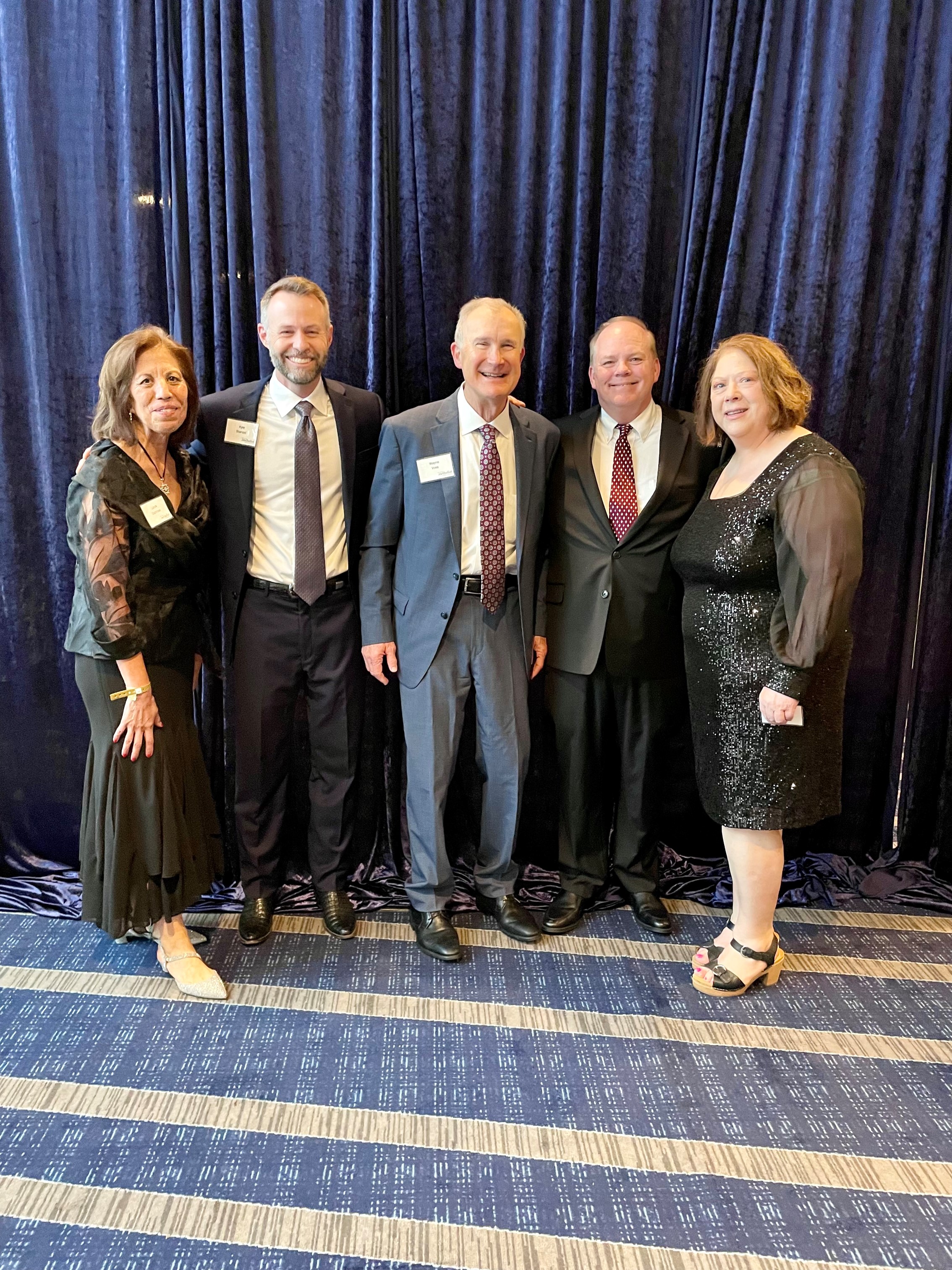
At Houston Methodist West, leadership begins with CEO, Wayne Voss, whom Espinosa describes as "an incredible leader." Voss is another from whom Espinosa has gleaned crucial leadership philosophy. "When you come to leadership, always remember, it's an evolution. It's not a revolution."
The idea is that respect is earned, not given. "In other words," she explains, "don't come into a new leadership role like a tornado. Come in, look around, listen, and then slowly start to make changes."
Integral to this philosophy is leading by example, something Espinosa takes seriously. Despite her executive role, Espinosa hasn't forgotten her roots. She began her career in 1985 as a patient care assistant (PCA) before becoming a registered nurse. "I will never forget what it's like," she recalls. "I may not be in a position to help manage a Code Blue every day, but I can still help you turn a patient. I can still help you clean a patient. I am not above that."
This willingness to "do whatever it takes" is central to her approach, though she acknowledges, "I don't do it enough. I wish I had more time to do more." Instead, her lead-by-example is grounded in service to her team. Espinosa connects with staff through rounds and late-night "snack carts," though she says there are times when she misses the hands-on involvement she had as an ICU director.
Influence Across Generations
I think that's the most wonderful thing about Houston Methodist— they not only encourage you to excel in your position, but also to grow as a leader.
"
- Laura Espinosa, Chief Nursing Officer, Houston Methodist
When asked what she learned from Brownewell, Espinosa describes her as "a jack of all trades" who "knew everything about every operation of the hospital" while always remaining "calm in the storm." This equanimity proved pivotal during the COVID-19 pandemic when Brownewell was called away to lead the system-wide incident command.
“When that happened, Vicky just said to me, ‘Tag, you're it for Houston Methodist West,’” Espinosa laughs. Espinosa recalls the moment with a mixture of awe and self-deprecating humor. But despite the challenges, the crisis revealed the strength of her leadership team: "You saw your leadership team in any moment just step up to the plate and do whatever we had to do to give the best care that we could for the patients."
Evolution, Not Revolution
A Legacy of Leaders
Espinosa's nursing journey began early—she wrote a paper in second grade declaring her intention to become a nurse—influenced by her mother, who "wasn't a formal registered nurse, but always served" and a childhood hospitalization after a knee injury.
The classic motivation of wanting to help people evolved as her career advanced. "As I grew in nursing, I realized I wanted to help more than just my patients,” Espinosa remembers. “I wanted to help all the nurses. Because I feel like, if I help the nurses, the impact is greater than what I can do with my two hands."
This multiplier effect drives her leadership approach: "If I can in some way invigorate them, support them, be a cheerleader for them, I'm influencing 950 times two, because they each have two hands. Then I'm a little bit more influential, I hope. That's my goal."
Her proudest achievement is seeing former team members leading at other hospitals: "I'm not totally responsible for their success. They're responsible for their own success, but I feel as though I helped them grow and really want to become leaders. And then now how they have blossomed, and I still call on them now as they're leaders in other systems."
This legacy perspective shapes her ultimate goal. "I hope someday that when I leave healthcare, I retire, that I turn around and [see that those] that I have worked with will be leading the place, leading the hospital successfully."
"That's the mark of a good leader," she adds, "that you walk away and it keeps ticking, and those that you have worked with take the lead."
As she looks to the future, Espinosa's focus remains characteristic—not on herself, but on her organization and colleagues. "I just want to say how honored and privileged I am to work at Houston Methodist," she says. "I love coming to work every day, and it's because of the people that you get to work with and the people that you work for, when you know that they're truly committed and they walk the walk."
In a profession dedicated to healing others, Laura Espinosa has discovered the leader's most powerful tool: helping others shine.
Learn more about our nurse heroes at chron.com/lifestyle/salute-to-nurses/
At Houston Methodist West Hospital, leadership takes many forms. For Chief Nursing Officer Laura Espinosa, who has over 30 years of clinical and nursing management experience, effective leadership is all about serving others and building future leaders.
"It's not about you," Espinosa says, articulating her fundamental philosophy. "It's about the people that you're working with."
This perspective, coupled with her commitment to maintaining the highest standards of patient care, has made Espinosa a standout figure in Houston's healthcare community—and an ideal subject for the Houston Chronicle’s Salute to Nurses spotlight—though she's reluctant to acknowledge it herself.
This humility seems intrinsic to nursing, a profession built on serving others, and it informs everything she does. For Espinosa, effective leadership centers on amplifying the work of her team, a lesson she’s learned from her mentors, and one she’s trying to pass on to the next generation of nurse leaders at the hospital.
I think that's the most wonderful thing about Houston Methodist— they not only encourage you to excel in your position, but also to grow as a leader.
"
- Laura Espinosa, Chief Nursing Officer, Houston Methodist
When asked what she learned from Brownewell, Espinosa describes her as "a jack of all trades" who "knew everything about every operation of the hospital" while always remaining "calm in the storm." This equanimity proved pivotal during the COVID-19 pandemic when Brownewell was called away to lead the system-wide incident command.
“When that happened, Vicky just said to me, ‘Tag, you're it for Houston Methodist West,’” Espinosa laughs. Espinosa recalls the moment with a mixture of awe and self-deprecating humor. But despite the challenges, the crisis revealed the strength of her leadership team: "You saw your leadership team in any moment just step up to the plate and do whatever we had to do to give the best care that we could for the patients."
Evolution, Not Revolution
A Legacy of Leaders
Espinosa's nursing journey began early—she wrote a paper in second grade declaring her intention to become a nurse—influenced by her mother, who "wasn't a formal registered nurse, but always served" and a childhood hospitalization after a knee injury.
The classic motivation of wanting to help people evolved as her career advanced. "As I grew in nursing, I realized I wanted to help more than just my patients,” Espinosa remembers. “I wanted to help all the nurses. Because I feel like, if I help the nurses, the impact is greater than what I can do with my two hands."
This multiplier effect drives her leadership approach: "If I can in some way invigorate them, support them, be a cheerleader for them, I'm influencing 950 times two, because they each have two hands. Then I'm a little bit more influential, I hope. That's my goal."
Her proudest achievement is seeing former team members leading at other hospitals: "I'm not totally responsible for their success. They're responsible for their own success, but I feel as though I helped them grow and really want to become leaders. And then now how they have blossomed, and I still call on them now as they're leaders in other systems."
This legacy perspective shapes her ultimate goal. "I hope someday that when I leave healthcare, I retire, that I turn around and [see that those] that I have worked with will be leading the place, leading the hospital successfully."
"That's the mark of a good leader," she adds, "that you walk away and it keeps ticking, and those that you have worked with take the lead."
As she looks to the future, Espinosa's focus remains characteristic—not on herself, but on her organization and colleagues. "I just want to say how honored and privileged I am to work at Houston Methodist," she says. "I love coming to work every day, and it's because of the people that you get to work with and the people that you work for, when you know that they're truly committed and they walk the walk."
In a profession dedicated to healing others, Laura Espinosa has discovered the leader's most powerful tool: helping others shine.
Learn more about our nurse heroes at chron.com/lifestyle/salute-to-nurses/