According to the American Cancer Society, nearly 240,000 new cases of lung cancer are diagnosed and more than 127,000 people die from the disease each year in the United States.
Kiran Nair, DO, shares some important information related to this disease, which is the leading cause of cancer death in both men and women.

Lung Cancer: The Key Is To Find It Early


Et harum quidem rerum facilis est et expedita distinctio. Libero tempore, cum soluta nobis est eligendi optio cumque nihil impedit quo minus id quod placeat.
LOREM IPSUM SIT

DISCOVER
Generally, there is no cure for lung cancer if not caught early enough. This is why early screening is so important, especially for those who smoke and those with a family history of lung cancer. Catching the disease early is the only way to beat it.
Dr. Nair: The bad thing about lung cancer is that there are really no signs and symptoms of the disease until it is too late. By the time someone has any symptoms, it usually means that the disease has progressed to stage III or stage IV and has possibly spread to the lymph nodes, other organs or into the bones. These symptoms can include a persistent cough, shortness of breath, coughing up blood and localized pain in the chest. When you get to stage III or IV, the disease is not usually curable.
Lorem Ipsum
Lorem ipsum dolor sit amet, consectetur adipiscing elit, sed do eiusmod tempor incididunt ut labore et dolore magna aliqua. Ut enim ad minim veniam, quis nostrud exercitation ullamco laboris nisi ut aliquip ex ea commodo consequat. Duis aute irure dolor in reprehenderit in voluptate velit esse cillum dolore eu fugiat nulla pariatur. Excepteur sint occaecat cupidatat non proident, sunt in culpa qui officia deserunt mollit anim id est laborum.
"
Q: What are the signs and symptoms of lung cancer?
Lorem ipsum dolor consctp sit amet
Dr. Nair: There are many treatment options available for patients with lung cancer, and most of it is stage-specific. Patients with early stage lung cancers are best managed with surgery involving resecting the part of the lung with the cancer. Most patients with early stage lung cancer can be offered a minimally invasive surgical approach with robotic and video assistance. For those who do not qualify for surgery, radiation techniques are also a good option for people with early stage lung cancers. More advanced cancers are typically treated with some combination of chemotherapy and radiation, and we have added immunotherapy to this list, which has been proven effective for the treatment of patients with more advanced cancers and will continue to change our management of this disease. All of these treatment options are available at Memorial Hermann.
Q: What treatment options are available for lung cancer?
Learn More
By StoryStudio on January 11, 2024
Sponsored by Memorial Hermann

- Kiran Nair, DO

Insert your client's headline here to engage potential clients
Generally, there is no cure for lung cancer if not caught early enough. This is why early screening is so important, especially for those who smoke and those with a family history of lung cancer. Catching the disease early is the only way to beat it.
"
buy tickets now
Sponsored by Memorial Hermann
Memorial Hermann offers comprehensive care when it comes to treating lung cancer.




Kiran Nair, DO, is a pulmonologist affiliated with Memorial Hermann.
Dr. Nair: A prolonged smoking history is the No. 1 risk factor for lung cancer, with smokers making up 90% of lung cancer cases. Additionally, nonsmokers who are exposed to secondhand smoke increase their risk of getting lung cancer by 20% to 30%. Other risk factors include genetic or familial history as well as exposure to certain radiation or chemicals, but those cases are less common. I cannot stress enough the importance of quitting smoking. If you quit for 15 years, you can reverse the damage to your lungs and hopefully avoid lung cancer. There are many ways to kick the habit, including medications or pharmacologic agents, nicotine replacement therapies, counseling, support groups and more. We have programs at Memorial Hermann that can help you.
Q: What are some of the risk factors for lung cancer?
Q: Who should be screened for lung cancer?
Refer a Patient
- Kiran Nair, DO

Please revisit on a desktop device!
This experience is not yet optimized for your mobile screen.
Lorem ipsum dolor sit amet, consectetur adipiscing elit, sed do eiusmod tempor incididunt ut labore et dolore magna aliqua. Ut enim ad minim veniam, quis nostrud exercitation ullamco laboris nisi ut aliquip ex ea commodo consequat. Duis aute irure dolor in reprehenderit in voluptate velit esse cillum dolore eu fugiat nulla pariatur. Excepteur sint occaecat cupidatat non proident, sunt in culpa qui officia deserunt mollit anim id est laborum.
Lorem ipsum dolor sit amet, consectetur adipiscing elit, sed do eiusmod tempor incididunt ut labore et dolore magna aliqua. Ut enim ad minim veniam, quis nostrud exercitation ullamco laboris nisi ut aliquip ex ea commodo consequat. Duis aute irure dolor in reprehenderit in voluptate velit esse cillum dolore eu fugiat nulla pariatur. Excepteur sint occaecat cupidatat non proident, sunt in culpa qui officia deserunt mollit anim id est laborum.
Lorem ipsum dolor sit aiam, quis nostrud exercitation ullamco laboris nisi ut aliquip ex ea commodo consequat.
Q: What is osseointegration?
Dr. Vanodia: It’s the installment of a metal implant into the femur bone of an individual with an above-knee amputation, so, over time, the metal integrates into the bone and becomes one unit. The surgery involves two stages. The first stage is where the femur bone is prepared to receive the metal implant and it is placed into the bone. Patients then wait three months to allow the metal to integrate with the bone. During the second surgery, surgeons screw in a titanium abutment that will come through the skin and attach directly to a prosthetic knee and foot.
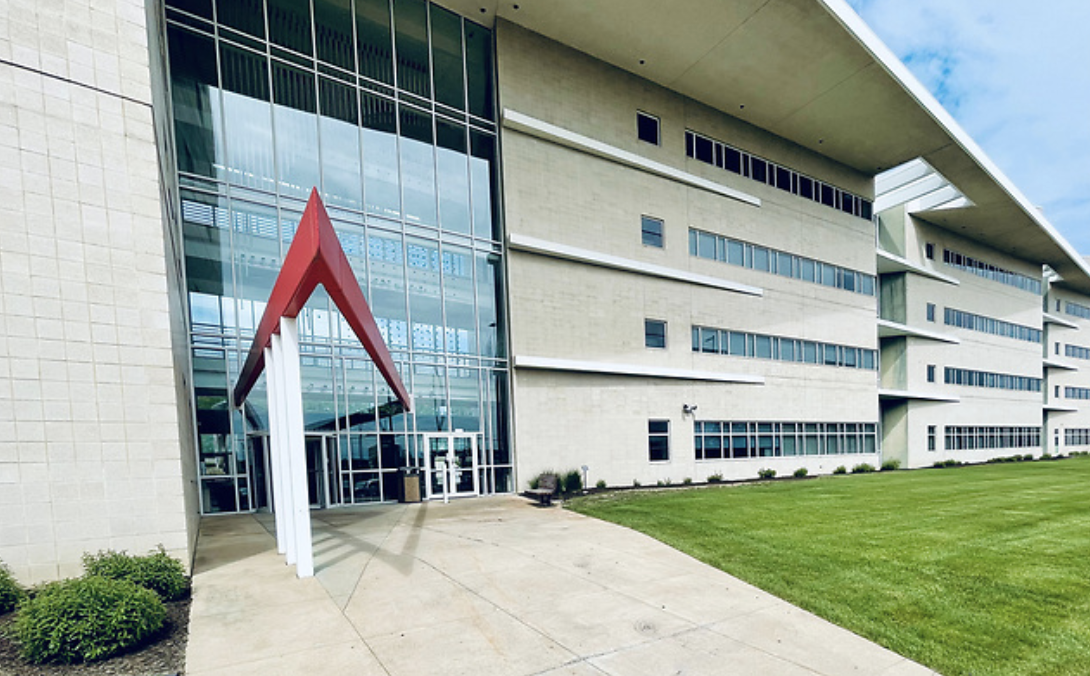
Kiran Nair, DO, is a pulmonologist affiliated with Memorial Hermann.

Become a Patient
Learn More
Dr. Tojuola: The main screening tool we use right now is called a Prostate-Specific Antigen or PSA test. PSA is a protein made only in the prostate, and when cancer is present, the amount of PSA is elevated in the blood stream. We recommend men at average risk get screened starting at age 50, and those with a famly history get screened between ages 40 and 45. A normal PSA level is between 4 and 4.5, but if you are in your early 50s, your level should be less than 2. There are a few reasons why your PSA level might be high, so it’s important to have a conversation with your urologist to determine why the number is elevated and how to treat it. In addition to the PSA test, we have also found that Magnetic Resonance Imaging (MRI) of the prostate and other genomic markers that have been developed, involving urine or blood tests, are also used to screen in some cases.
Dr. Nair: The Lung Cancer Multidisciplinary Program is a team-based approach where specialists from all of Memorial Hermann’s lung cancer management teams are collaborating on cases. This involves the pulmonologist, surgeon, radiologist, pathologist and oncologist joining forces to provide a more comprehensive approach to the management of each patient’s cancer. A great example of this is in a tumor board setting where there is expertise offered from each of those specialties. We also work closely with our Memorial Hermann oncology nurse navigators to coordinate appointments for patients, so they can see every specialist they need to see on the same day, rather than coming back for separate appointments. This is less stressful for patients who are already dealing with the disease. It truly is a multidisciplinary effort that focuses on collaboration for the benefit of the patient and allows us to provide high-quality, personalized care at Memorial Hermann.
Q: What is the Lung Cancer Multidisciplinary Program at Memorial Hermann?
Dr. Nair: The purpose of lung cancer screening is to try and catch the disease early, when it’s at a manageable stage. Anyone with a significant smoking history should definitely be screened. The most recent U.S. Preventative Services Task Force guidelines say that if you are between the ages of 50 and 80 and you smoked at least a pack of cigarettes a day for 20 years or more, whether you are an active smoker or you’ve quit smoking within the last 15 years, the recommendation is that you get a low-dose computed tomography (LDCT) scan of the chest annually to screen for lung cancer.
Dr. Nair: There are many treatment options available for patients with lung cancer, and most of it is stage-specific. Patients with early stage lung cancers are best managed with surgery involving resecting the part of the lung with the cancer. Most patients with early stage lung cancer can be offered a minimally invasive surgical approach with robotic and video assistance. For those who do not qualify for surgery, radiation techniques are also a good option for people with early stage lung cancers. More advanced cancers are typically treated with some combination of chemotherapy and radiation, and we have added immunotherapy to this list, which has been proven effective for the treatment of patients with more advanced cancers and will continue to change our management of this disease. All of these treatment options are available at Memorial Hermann.
Q: What is the Lung Cancer Multidisciplinary Program at Memorial Hermann?