According to the American Heart Association, there are more than 350,000 cases of out-of-hospital cardiac arrests every year in the United States—and nearly 90% of these cases are fatal. Memorial Hermann cardiologist Daniel Hermann, MD, talks about signs and symptoms of sudden cardiac arrest and the lifestyle changes people can make to lower their risk.

Sudden Cardiac Arrest: The Silent Killer


Et harum quidem rerum facilis est et expedita distinctio. Libero tempore, cum soluta nobis est eligendi optio cumque nihil impedit quo minus id quod placeat.
LOREM IPSUM SIT

DISCOVER
When emergency care is provided within 90 minutes or less, the mortality rate for a heart attack is less than 5%, while nearly 90% of sudden cardiac arrest cases are fatal.
Dr. Hermann: It’s a life-threatening condition where the heart stops pumping, a person stops breathing and they quickly become unconscious. When this happens, the heart cannot pump blood to the brain, lungs or other organs. The condition needs to be treated immediately in order for the person to survive. This was on display for everyone to see last year when Buffalo Bills safety Damar Hamlin was stricken during a Monday Night Football game. The quick action of the team’s medical staff gave him a second chance at life.
There are two forms of emergency treatment for sudden cardiac arrest: cardiopulmonary resuscitation (CPR) and an automatic external defibrillator (AED). While there are instructions that come with an AED, you need to take a class or two to learn how to correctly perform CPR. It’s critically important that every person learns how to do this. It really is a matter of life and death.
Lorem Ipsum
Lorem ipsum dolor sit amet, consectetur adipiscing elit, sed do eiusmod tempor incididunt ut labore et dolore magna aliqua. Ut enim ad minim veniam, quis nostrud exercitation ullamco laboris nisi ut aliquip ex ea commodo consequat. Duis aute irure dolor in reprehenderit in voluptate velit esse cillum dolore eu fugiat nulla pariatur. Excepteur sint occaecat cupidatat non proident, sunt in culpa qui officia deserunt mollit anim id est laborum.
"
Q: What is sudden cardiac arrest?
Lorem ipsum dolor consctp sit amet
Dr. Hermann: What you eat and what you do with your feet will go a long way towards helping you prevent coronary artery disease and sudden cardiac arrest. Try to do some type of aerobic exercise at least 30 minutes a day, five days a week, eat a lot of fresh fruits and vegetables and try to stay away from processed foods. Do not smoke and limit your intake of alcohol. If you have diabetes, high blood pressure or high cholesterol, see a doctor regularly and get those conditions under control, especially if you are over the age of 50. If you have a family history of heart disease, you need to be screened at a young age. A great screening tool is a coronary calcium score. It’s an X-ray that looks at your heart arteries for plaque and can give you a clear picture of the actions you need to take to improve your heart health. Being proactive when it comes to heart health will give you the best chance to avoid sudden cardiac arrest and live a long, healthy life.
Q: Is there anything people can do to prevent sudden cardiac arrest?
Learn More
By StoryStudio on October 9, 2023
Sponsored by Memorial Hermann

- Daniel Hermann, MD

Insert your client's headline here to engage potential clients
When emergency care is provided within 90 minutes or less, the mortality rate for a heart attack is less than 5%, while nearly 90% of sudden cardiac arrest cases are fatal.
"
buy tickets now
Sponsored by Memorial Hermann
Memorial Hermann offers comprehensive care when it comes to treating heart disease.


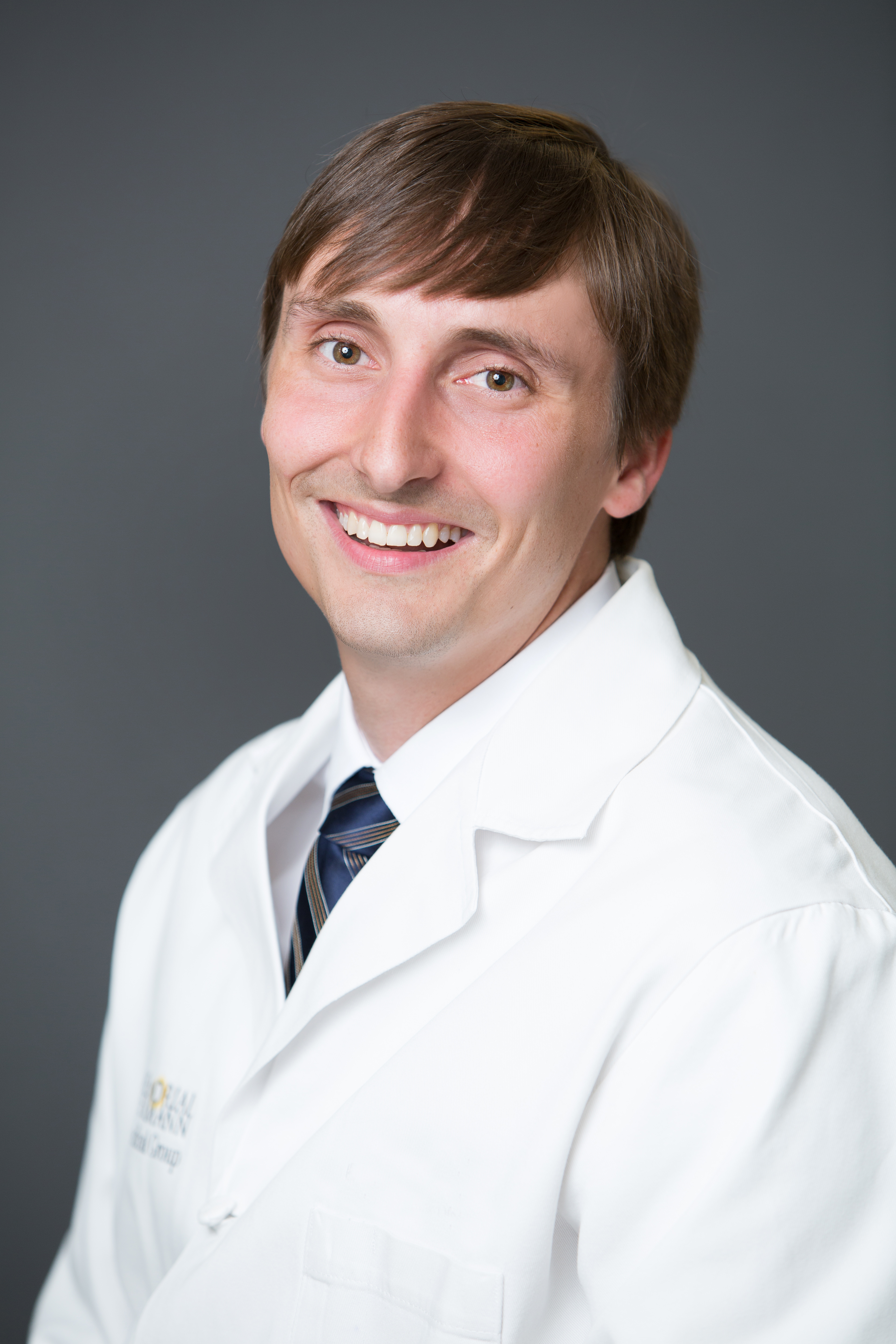
Daniel Hermann, MD
Daniel Hermann, MD, is director of Structural Cardiology and Complex PCI at Memorial Hermann Memorial City Medical Center.
Dr. Hermann: In cases of sudden cardiac arrest, there is usually a problem with the electrical system of the heart itself. This can either be inherited or something that has built up over time with age and wear and tear on the heart. There could also be structural issues with the heart: it could be enlarged or abnormally thickened, or the blood supply to the heart could be poor. All of these issues could cause the electrical system of the heart to go out. However, the most common reason for cardiac arrest is underlying obstructive coronary artery disease, the No. 1 killer in the United States. If you have symptoms of coronary artery disease, such as chest discomfort or shortness of breath with exertion, it’s important to visit a cardiologist to determine if you are at risk for a sudden cardiac event.
Q: What causes sudden cardiac arrest?
Dr. Hermann: A heart attack occurs when blood flow cannot get to the heart. Often, this is caused by a blood clot. Sudden cardiac arrest, on the other hand, is a malfunction of the heart’s electrical system that causes the heart to stop beating and can cause sudden death if not treated immediately. During a heart attack, the heart might still be beating. Symptoms of a heart attack may be immediate and can include intense chest pain, shortness of breath, cold sweats, and nausea or vomiting. It’s not uncommon that the symptoms could persist for days or weeks before an actual heart attack.
Q: What is the difference between a heart attack and sudden cardiac arrest?
Refer a Patient
- Daniel Hermann, MD

Please revisit on a desktop device!
This experience is not yet optimized for your mobile screen.
Lorem ipsum dolor sit amet, consectetur adipiscing elit, sed do eiusmod tempor incididunt ut labore et dolore magna aliqua. Ut enim ad minim veniam, quis nostrud exercitation ullamco laboris nisi ut aliquip ex ea commodo consequat. Duis aute irure dolor in reprehenderit in voluptate velit esse cillum dolore eu fugiat nulla pariatur. Excepteur sint occaecat cupidatat non proident, sunt in culpa qui officia deserunt mollit anim id est laborum.
Lorem ipsum dolor sit amet, consectetur adipiscing elit, sed do eiusmod tempor incididunt ut labore et dolore magna aliqua. Ut enim ad minim veniam, quis nostrud exercitation ullamco laboris nisi ut aliquip ex ea commodo consequat. Duis aute irure dolor in reprehenderit in voluptate velit esse cillum dolore eu fugiat nulla pariatur. Excepteur sint occaecat cupidatat non proident, sunt in culpa qui officia deserunt mollit anim id est laborum.
Lorem ipsum dolor sit aiam, quis nostrud exercitation ullamco laboris nisi ut aliquip ex ea commodo consequat.
Q: What is osseointegration?
Dr. Vanodia: It’s the installment of a metal implant into the femur bone of an individual with an above-knee amputation, so, over time, the metal integrates into the bone and becomes one unit. The surgery involves two stages. The first stage is where the femur bone is prepared to receive the metal implant and it is placed into the bone. Patients then wait three months to allow the metal to integrate with the bone. During the second surgery, surgeons screw in a titanium abutment that will come through the skin and attach directly to a prosthetic knee and foot.
Daniel Hermann, MD
Daniel Hermann, MD, is director of Structural Cardiology and Complex PCI at Memorial Hermann Memorial City Medical Center.
Become a Patient
Find a Cardiologist
Learn More
Dr. Tojuola: The main screening tool we use right now is called a Prostate-Specific Antigen or PSA test. PSA is a protein made only in the prostate, and when cancer is present, the amount of PSA is elevated in the blood stream. We recommend men at average risk get screened starting at age 50, and those with a famly history get screened between ages 40 and 45. A normal PSA level is between 4 and 4.5, but if you are in your early 50s, your level should be less than 2. There are a few reasons why your PSA level might be high, so it’s important to have a conversation with your urologist to determine why the number is elevated and how to treat it. In addition to the PSA test, we have also found that Magnetic Resonance Imaging (MRI) of the prostate and other genomic markers that have been developed, involving urine or blood tests, are also used to screen in some cases.