Healing the Mind and Spirit: TIRR Memorial Hermann’s Neurobehavioral Program Leads the Way�
Sponsored by Memorial Hermann
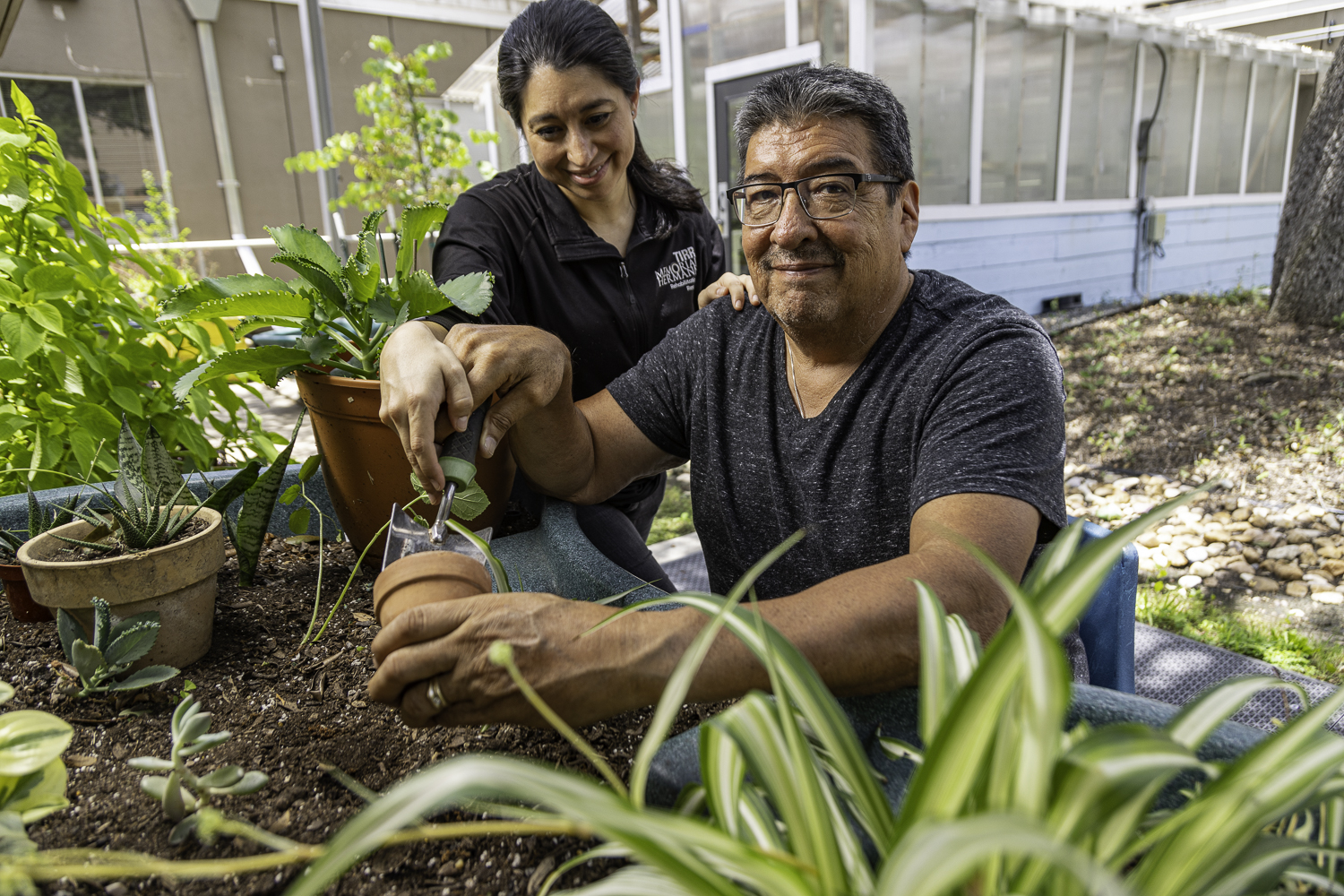
At TIRR Memorial Hermann, recovery after a brain injury goes beyond physical healing. For patients facing some of the most complex challenges—changes in behavior, memory, thinking and emotions—the hospital’s Neurobehavioral Program offers hope where others may fall short. In a calm, structured setting, patients receive personalized therapies designed not only to restore function but also to rebuild confidence and independence.
Led by Christopher M. Falco, MD, the program blends advanced rehabilitation with compassionate care, helping patients and families navigate life after brain injury with dignity and possibility.
The overall philosophy for our program, which is a little bit different from what you’ll find in most other rehabilitation facilities, is that it prioritizes cognitive recovery above all else, even over the behavioral issues. "
"
— Dr. Christopher Falco
TIRR Memorial Hermann program prioritizes cognitive healing while safely, calmly managing complex behaviors for patients with brain injuries
The program blends advanced rehabilitation with compassionate care, helping patients and families navigate life after brain injury with dignity and possibility."
— Dr. Paul Rizk
"
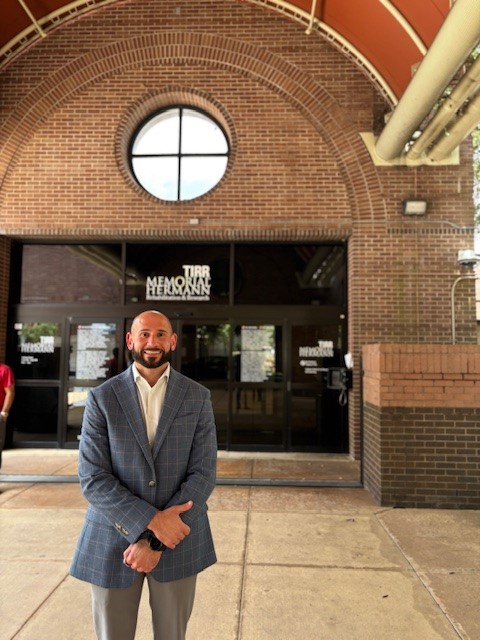
Dr. Christopher Falco, MD
Clinical Chief, Neurobehavioral Program
Q: What is the Neurobehavioral Program at TIRR Memorial Hermann and why is it significant?
A: TIRR Memorial Hermann has always admitted patients with severe traumatic brain injuries, and behavior concerns such as agitation are a common presentation in this patient population. The overall philosophy for our program, which is a little bit different from what you’ll find in most other rehabilitation facilities, is that it prioritizes cognitive recovery above all else, even over the behavioral issues. We structure our treatment plans, both pharmacological and nonpharmacological, around promoting and supporting cognitive recovery.
Q: What does this unique approach mean for patient care?
A: When you think about the most severely agitated patients, they are going to require medication management. The vast majority of rehabilitation programs will use sedating medications as a method to keep patients and staff as safe as possible. Our philosophy is a little bit different in that, because of the expertise and comfort level we have with this patient population, we know how to manage them and keep everyone safe, without having to use heavily sedating medications. We know that if we can guide the patient through the early stages of their recovery, when neurobehavioral problems are still very acute, and if we improve their cognitive function to the point where they begin to understand what’s going on and recognize why they’re in the hospital, their behavior can get dramatically better on its own. At most other rehabilitation facilities, patients aren’t going to be afforded that opportunity. They will get loaded up on sedating medication, which will likely decrease the agitation, but will almost certainly also delay cognitive recovery.
Q: How does the Neurobehavioral Program engage families and caregivers in the treatment process?
�A: For any patient who is admitted to TIRR Memorial Hermann, there’s going to be a lot of communication with family. We’re always going to want them involved as early as possible, both to give them a sense of what we’re trying to accomplish, and also to begin preparing them to take their loved ones home. My colleague and co-leader of this program, clinical neuropsychologist Dr. Lindsey
Q: What providers are on the team and how do the multidisciplinary teams work together?
�A: We have an amazing team, and excellence starts at the top with Dr. Harik. She is truly one of the nation’s leading experts on managing this patient population, and the success of our program is directly linked to her incredible leadership. We then have a group of dedicated neurobehavioral therapists from PT, OT and speech therapy, all of whom have extensive knowledge and experience
TIRR Memorial Hermann, a national leader in rehabilitation, does more than provide inpatient and outpatient therapy. TIRR Memorial Hermann provides rehabilitation beyond the health care setting for children and adults with a disabling injury or illness and changes lives by helping people regain the skills and confidence they need to re-integrate into the community and continue living full and meaningful lives. Continually recognized as one of America’s best rehabilitation hospitals by U.S. News & World Report, TIRR Memorial Hermann is a national leader in medical rehabilitation and research.
�
Learn More
Become a Patient
Refer a Patient
Harik, is the program manager for the Neurobehavioral Program, and she and I make every effort when a patient is first admitted to meet with the family very early in their stay. This initial meeting is super helpful for us to get to know more about who the patient was prior to their injury, which then helps us to understand and identify reasons why the patient might be experiencing the behavioral challenges we are now seeing. We also use this meeting as an opportunity to give the family extensive information about our treatment plan and our expectations, and to set the stage for what will happen over the remainder of the patient’s time at TIRR Memorial Hermann. We also go out of our way to answer any questions they might have about the program and our treatments. It’s probably more information than they can truly digest, but we find it helpful to be
very transparent in what we are trying to accomplish, especially the emphasis on promoting cognitive recovery while concurrently managing these challenging behaviors. We then have a lot of additional checkpoints with families over the rest of the stay, both to see how things are going from their perspective and to make sure they are comfortable with the continuing treatment plan.
working with the neurobehavioral patient population. It’s important that the therapists who are treating patients with these potentially unsafe behaviors have the necessary skillset and comfort level to do so, and our group of neurobehavioral therapists are just phenomenal. The nursing staff is also paramount, including the patient care technicians, because they’re the ones tasked with caring for these patients and keeping them safe around the clock. Most of the time, these patients require a one-to-one sitter, and our nurses and techs are truly the all-stars in managing these patients. Knowing they will keep the patient safe using their behavior management skills gives me, as the physician, the luxury of not having to use sedating medications which, again, will only interfere with the big-picture recovery process.
anywhere else. We have the ability to safely and competently manage patients with remarkably severe neurobehavioral disorders, patients that many other facilities simply can’t take on. We are not at all intimidated or apprehensive about working with this challenging patient population, and we are very confident that we can adequately and safely manage them so that they ultimately can experience the best recovery possible.
— Dr. Christopher Falco
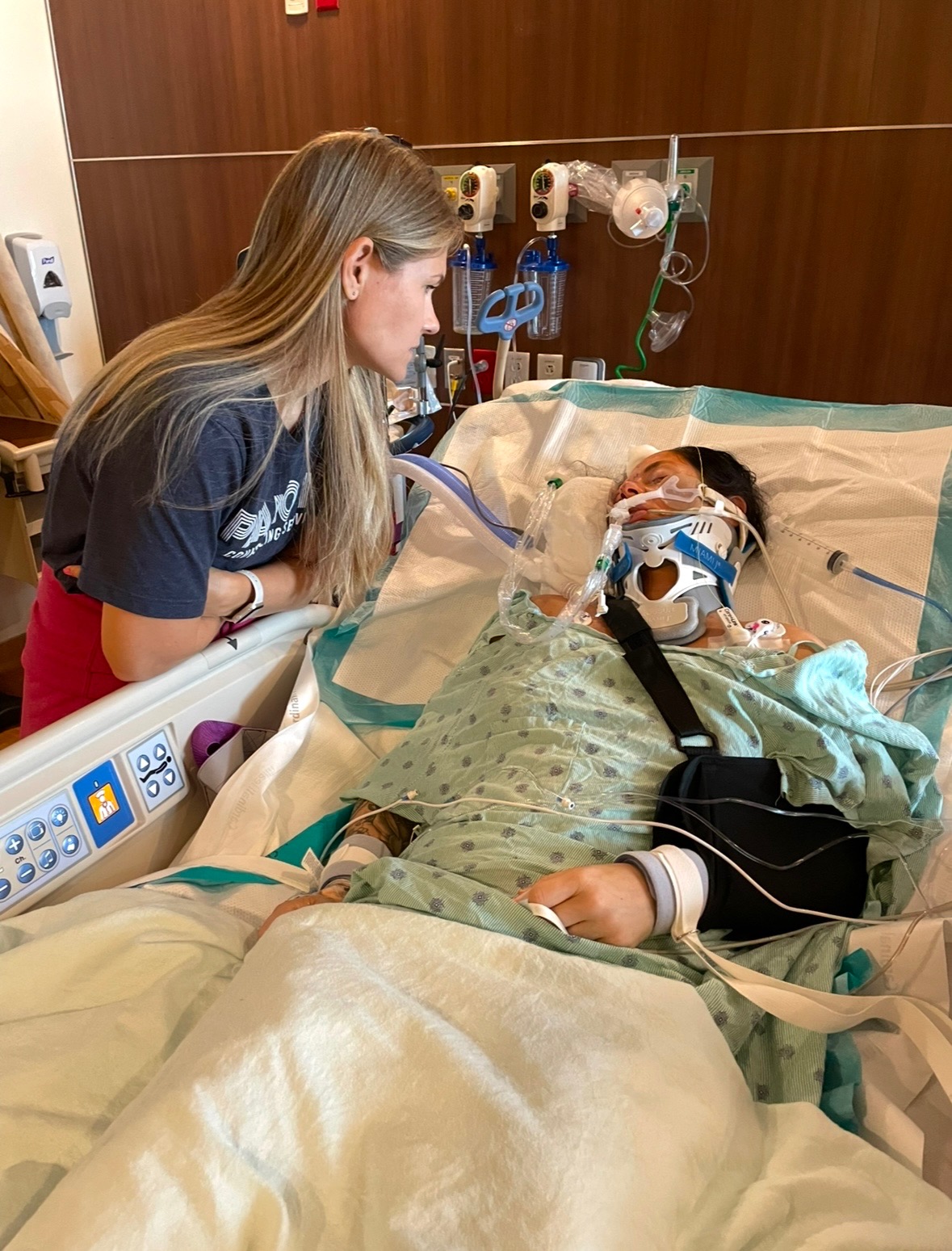
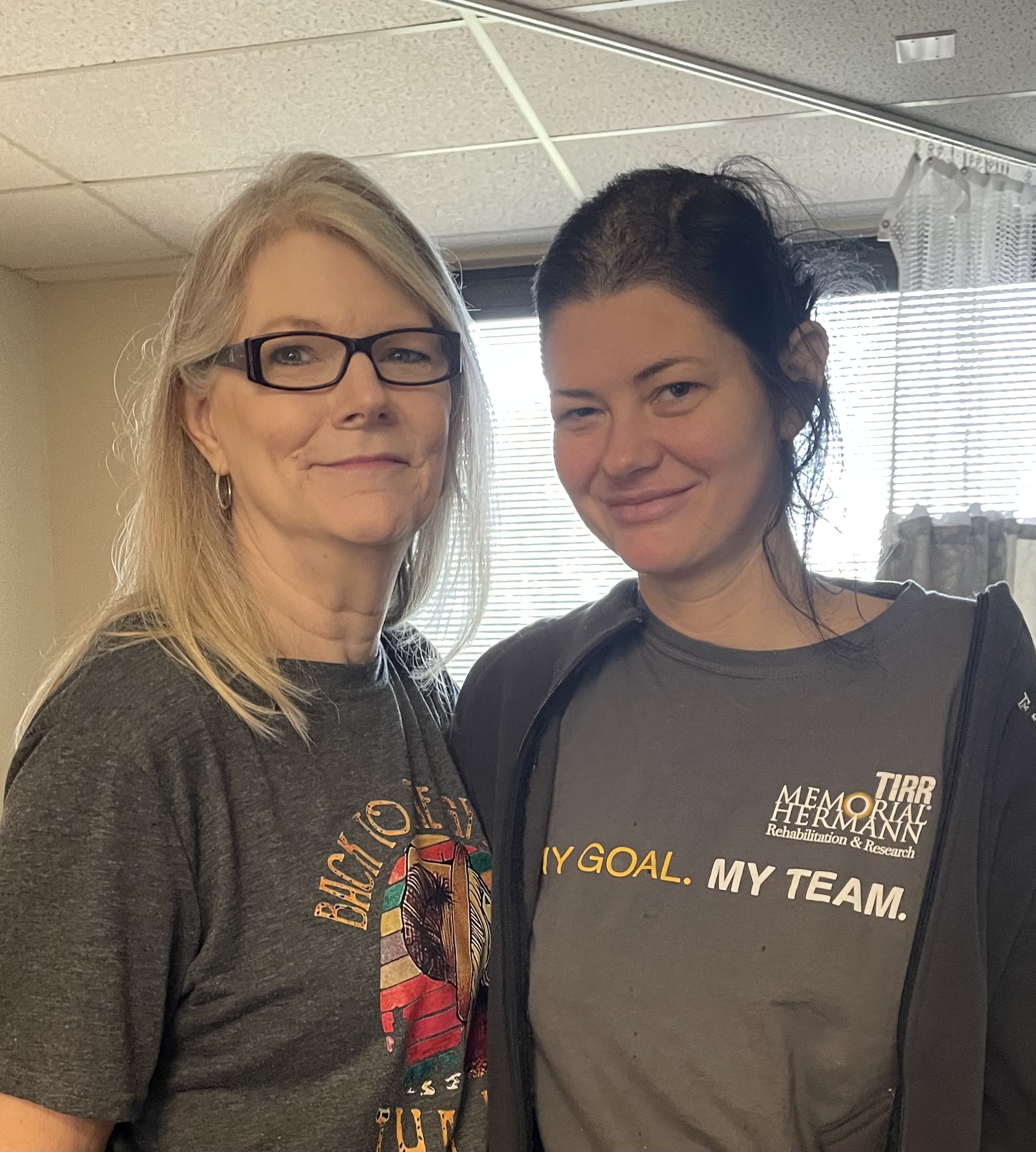
April’s journey to recovery highlights the full continuum of care from the Memorial Hermann Health System. From treatment in the Red Duke Trauma Institute at Memorial Hermann-Texas Medical Center to rehabilitation and neurobehavioral care at TIRR Memorial Hermann, April is now thriving as she works to continue her education, and, hopefully soon, buy her first home for family.
Q: What does it say about TIRR Memorial Hermann that it has this dedicated program for these patients?
A: I think it says that we have a level of expertise that you’re not going to find
At TIRR Memorial Hermann, our team works every day to care for people with disabilities who trust us during some of the most difficult moments of their lives and look to us to help keep them healthy long after they leave our doors. Hear from patients and former patients who share, in their own words, how care from TIRR Memorial Hermann provided hope and healing.

By Ryann Swift on October 2, 2025
By Monica Vanover on September 29, 2025