Healthcare Equality in Heartland: How the National Grange is Improving Rural Health
By StoryStudio on September 22, 2023 11:19 AM
Burton Eller has a foot in two different Americas. One is in the rolling farmlands, pastures, and ranches, like the family cattle operation he grew up with and now owns. The other is in Washington, D.C., where Eller serves as Executive Director of Grange Advocacy at the National Grange, a voice for rural Americans when it comes to shaping policy and allocating for federal resources. Essentially, his job is to make sure his country neighbors have the resources they need.
And Eller knows firsthand that, when it comes to health care, rural America has been largely left behind.
“Rural America has been a little sicker, for various factors,” says Eller. “It’s getting older. There is a lack of health care and a lack of access to health care. And there is a lack of being able to pay for it once you get it.”
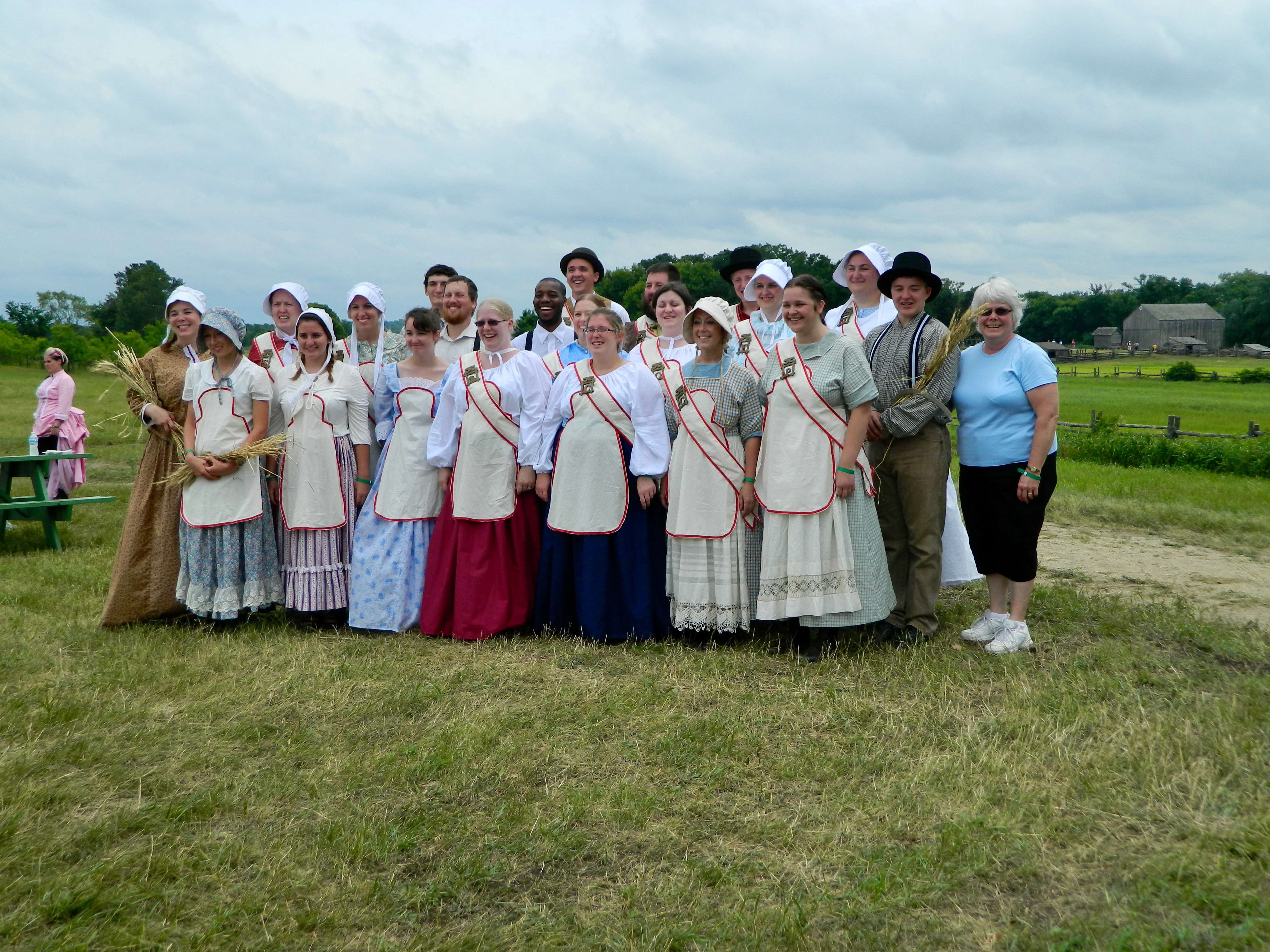
That’s why the National Grange, a family and community organization dedicated to service, education, advocacy, and agricultural awareness since 1867, is working with federal, state, and local governments, industry partners like Pfizer, and the 1,500 local Grange chapters across the nation to improve the health of Americans living in rural areas.
SPONSORED BY Pfizer

Access to Vaccinations
“We hope to empower Americans – no matter where they live - to be an active participant in their health care.”
“Immunization is a big thing for National Grange,” says Eller. “Thanks to companies like Pfizer, we had a COVID-19 vaccine within months of the outbreak—it’s been amazing what Biopharma has been able to do. But rolling things like that out in rural America has been a struggle.”
For instance, local community chapters of National Grange are trying to raise awareness and education about a vaccine for respiratory syncytial virus (RSV) that was recently approved by the Food and Drug Administration. Eller, a lifelong cattle rancher, says they’ve tried to relate to rural farmers through familiar terms.
“Our members try to explain that immunization is a world of its own, outside of politics,” says Eller. “If you have pigs out back, you don’t just inoculate one or two, you have to vaccinate all of them. Same with cows. We’ve tried to make that comparison. And it’s worked.”
Even away from the farm, the National Grange has worked with USAging, the national association representing and supporting the network of Area Agencies on Aging, to set up vaccine education projects in rural communities. For instance, at the recent 2023 Eastern States Exposition, New England’s combined “state fair,” the National Grange hosted a tent to provide vaccination screenings, education, and free shots to many of the 1.6 million rural New Englanders who’ll visit.
“We could never have dreamed of something like that,” says Eller. “The fact that we’re able to do that is because companies like Pfizer have stepped up and helped.”


According to the Department of Agriculture, 22.3% of Americans living in rural areas still lack access to fixed terrestrial broadband internet. That disconnect hinders those residents in a wide variety of ways, from making it harder to access online financial tools to limiting the flow of reliable information to inhibiting their ability to telecommute in an increasingly remote work environment.
But since the pandemic, with more and more hospitals, clinics, and specialists’ offices offering telemedicine as an option, access to high-speed internet is becoming necessary for rural healthcare access. Today more than ever, healthcare providers are using online portals for everything from test results to prescription refills to making and canceling appointments to bill paying. Physicians and their assistants are also using videoconferencing to diagnose certain injuries and illnesses and direct patients on how to respond.
Just as the National Grange was instrumental in getting electricity to rural Americans in the 1920s and 1930s, the organization is now working to get those same remote areas wired for the digital age.
We’re trying to do something that hasn’t been done since rural electrification. We’re looking forward to getting high-speed Wi-Fi down every last country mile of every last dirt road and educating those people on how to use it, so they don’t have to drive 50 miles to get seen by a doctor.


Mental health is a vital issue throughout American society—and during the pandemic, it became even more important in rural America.
According to the Centers for Disease Control and Prevention, suicide rates have been consistently higher in rural America than in urban areas, skyrocketing by 46% in non-metro areas between 2000 and 2020. Rates of depression, likewise, are rising in rural areas.
The National Grange has partnered with Rural Minds, a nonprofit confronting mental health challenges in rural America, to develop a Rural Suicide Awareness and Prevention program that uses a grassroots, person-to-person approach to providing information and resources. This also dovetails with the National Grange’s efforts to provide broadband access to telemedicine through which rural Americans can better reach mental health experts and clinicians.
But one underlying challenge to bringing more mental health care to rural America is battling the stigma that surrounds the subject in those parts of the country where people still worry a lot about what their neighbors might think.
“Some of the stigma is getting removed for the first time,” says Eller. “People in rural America are talking about mental health, particularly in agriculture, which has been suffering for some time. They’re turning to people they trust.”
To help get the resources, information, and expertise they need to reach these rural Americans, the National Grange turns to partners it can trust.


Et harum quidem rerum facilis est et expedita distinctio. Libero tempore, cum soluta nobis est eligendi optio cumque nihil impedit quo minus id quod placeat.
LOREM IPSUM SIT

DISCOVER
2/2


But one underlying challenge to bringing more mental health care to rural America is battling the stigma that surrounds the subject in those parts of the country where people still worry a lot about what their neighbors might think.
“Some of the stigma is getting removed for the first time,” says Eller. “People in rural America are talking about mental health, particularly in agriculture, which has been suffering for some time. They’re turning to people they trust.”
Learn More


“The hope and ultimate goal is that individuals in rural and geographically dispersed communities have access to equitable health care and a clear understanding of health-related issues,” says Christine Hanson, director of U.S. Public Affairs and Policy at Pfizer, who works with Eller and the National Grange on to support the organization’s initiatives. “We hope to empower Americans – no matter where they live - to be an active participant in their health care.”
Burton Eller has a foot in two different Americas. One is in the rolling farmlands, pastures, and ranches, like the family cattle operation he grew up with and now owns. The other is in Washington, D.C., where Eller serves as Executive Director of Grange Advocacy at the National Grange, a voice for rural Americans when it comes to shaping policy and allocating for federal resources. Essentially, his job is to make sure his country neighbors have the resources they need.
And Eller knows firsthand that, when it comes to health care, rural America has been largely left behind.
“Rural America has been a little sicker, for various factors,” says Eller. “It’s getting older. There is a lack of health care and a lack of access to health care. And there is a lack of being able to pay for it once you get it.”
That’s why the National Grange, a family and community organization dedicated to service, education, advocacy, and agricultural awareness since 1867, is working with federal, state, and local governments, industry partners like Pfizer, and the 1,500 local Grange chapters across the nation to improve the health of Americans living in rural areas.
By StoryStudio on September 22, 2023 11:19 AM

Healthcare Equality in Heartland: How the National Grange is Improving Rural Health


Insert engaging Pull-quote from body text here. insert engaging Pull-quote from body text here. Insert engaging Pull-quote.


Telemedicine & High-speed Internet
Prioritizing Mental Health
“The hope and ultimate goal is that individuals in rural and geographically dispersed communities have access to equitable health care and a clear understanding of health-related issues,” says Christine Hanson, director of U.S. Public Affairs and Policy at Pfizer, who works with Eller and the National Grange on to support the organization’s initiatives. “We hope to empower Americans – no matter where they live - to be an active participant in their health care.”

Please revisit on a desktop device!
This experience is not yet optimized for your mobile screen.
“The credibility of the Grange, based on a long legacy of supporting rural communities, is key to ensuring all individuals regardless of geographic location have equitable access to health care,” says Mike Zincone, senior director of Patient Advocacy at Pfizer, who frequently works with Eller and National Grange on these partnerships “Their knowledge, experience, and trust specific to rural health issues are essential to ensure the communities they represent are part of the health equity discussion.”
Learn More


“Immunization is a big thing for National Grange,” says Eller. “Thanks to companies like Pfizer, we had a COVID-19 vaccine within months of the outbreak—it’s been amazing what Biopharma has been able to do. But rolling things like that out in rural America has been a struggle.”
For instance, local community chapters of National Grange are trying to raise awareness and education about a vaccine for respiratory syncytial virus (RSV) that was recently approved by the Food and Drug Administration. Eller, a lifelong cattle rancher, says they’ve tried to relate to rural farmers through familiar terms.
“Our members try to explain that immunization is a world of its own, outside of politics,” says Eller. “If you have pigs out back, you don’t just inoculate one or two, you have to vaccinate all of them. Same with cows. We’ve tried to make that comparison. And it’s worked.”
Even away from the farm, the National Grange has worked with USAging, the national association representing and supporting the network of Area Agencies on Aging, to set up vaccine education projects in rural communities. For instance, at the recent 2023 Eastern States Exposition, New England’s combined “state fair,” the National Grange hosted a tent to provide vaccination screenings, education, and free shots to many of the 1.6 million rural New Englanders who’ll visit.
“We could never have dreamed of something like that,” says Eller. “The fact that we’re able to do that is because companies like Pfizer have stepped up and helped.”
Access to Vaccinations
Telemedicine &
High-speed Internet