
How One Family’s Tragedy Sparked a Movement to Save Rural Lives

Rural Americans are facing a mental health crisis.
If you’ve never lived on a farm, you might think of it as a rustic wonderland. You imagine a red barn beside a quaint house with a front porch overlooking rolling green fields and neatly plowed crop rows. Cows graze lazily in open pastures; chickens strut around the yard. The American family farmer has also been mythologized as almost superhuman: Strong, resourceful, and resilient.
However, there is a dark side to living and working in rural America. Small farming communities are often remote and spread out across the countryside. Family farms and ranches can be even more insular, often down secluded dirt and gravel roads on the outskirts of town. As a result, a disproportionate number of rural Americans can experience a challenge that is increasingly facing the entire country: loneliness and social isolation.
A lack of social connection can cause harm to an individual’s physical and mental health — and in some instances it can be deadly.
“Because of my mother’s bravery and her honesty, other farm families felt that: If the Wintons can talk about this, we can talk about it,” says Winton. “And all of a sudden, the floodgates opened.”
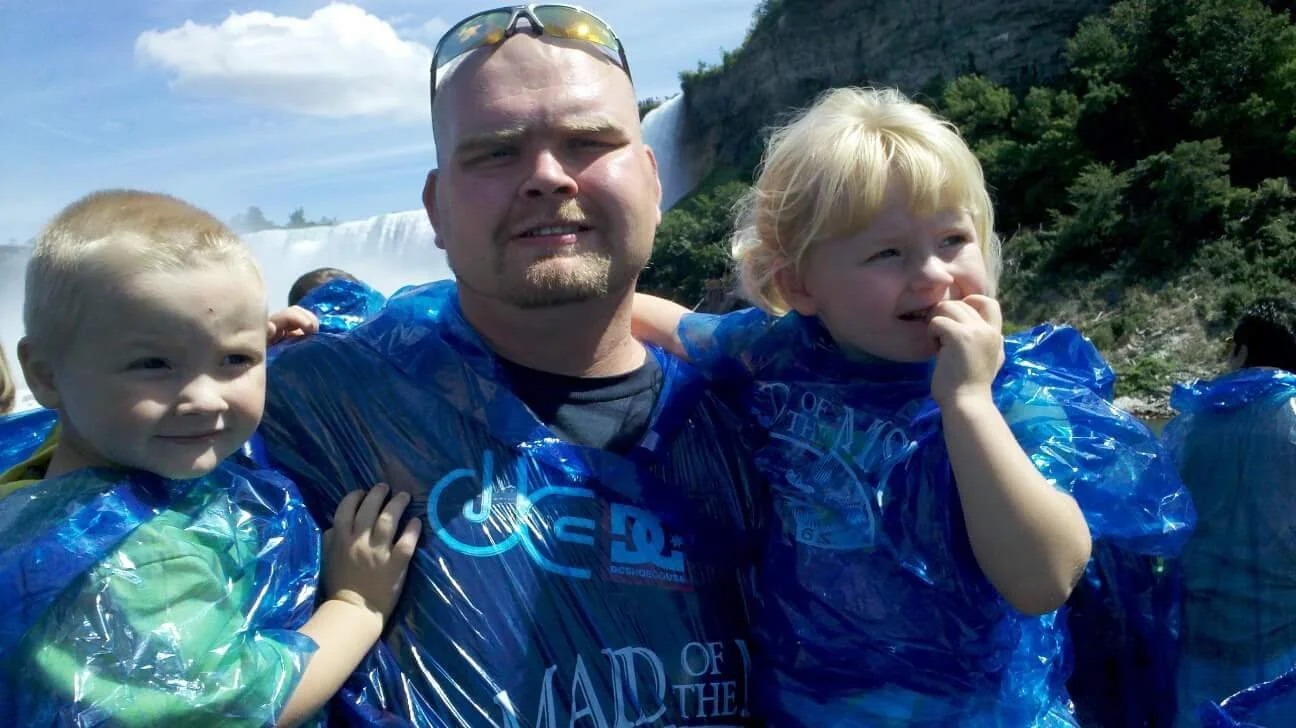
Brooks had worked on the family farm, seemed happy and gregarious, and had friends all around him. But the note he left in his jeans pocket to explain his actions to his 3-year-old twins when they were old enough detailed emotional struggles within.
“He was a very grateful and appreciative young man,” says Winton. “He was the absolute last person that we would’ve ever expected to take his own life. Clearly, he was suffering in silence.”
From Winton’s point of view, and that of his family, farmers had always suffered in silence — a silence that was no longer sustainable. And Winton’s mother, the matriarch of the family, decided it was time to speak out. This courageous step led to the founding of Rural Minds.
The other side of rural life
Rural Minds aims to serve as a nexus of resources for rural Americans looking to take care of their mental health. The website, ruralminds.org, is packed with resources such as:

It’s estimated that youths age 15 to 19 living in rural America are 74% more likely to die by suicide than those in urban or suburban areas.
SPONSORED BY
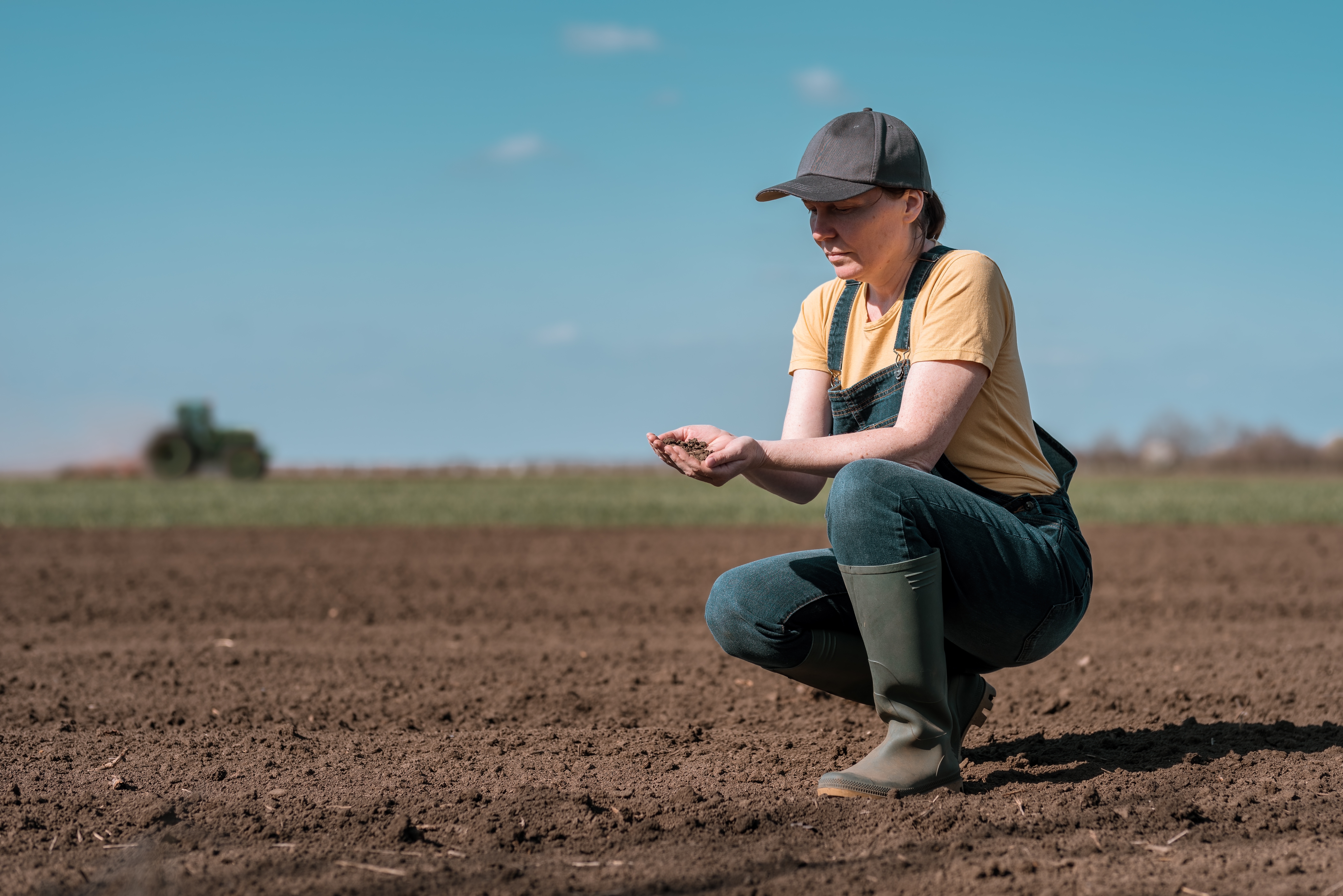
Farmers and ranchers are estimated to be 3.5x more likely to die by suicide
“Life on the farm is filled with blessings and things I’m incredibly grateful for,” says Jeff Winton, founder and chairman of Rural Minds, a nonprofit focused on mental health resources for the estimated 46 million people who live in rural America. “Many people who don’t live on a farm romanticize the beauty and bucolic nature. But underneath that façade, in many cases, there are struggles and hardships.”
Winton and his family know this firsthand. In September 2012, Winton, a multi-generational dairy farmer in Chautauqua County, New York, happened to be driving past the rural house of his 28-year-old nephew, Brooks, when he spotted police cars and an ambulance in the driveway. He jumped out of his truck and started running down the driveway. The woman who lived across the road stopped him.
“Jeff, don’t go any further,” she said, crying. “I just found Brooks in the backyard. I think he’s dead.”
The coroner determined Brooks had died by suicide.
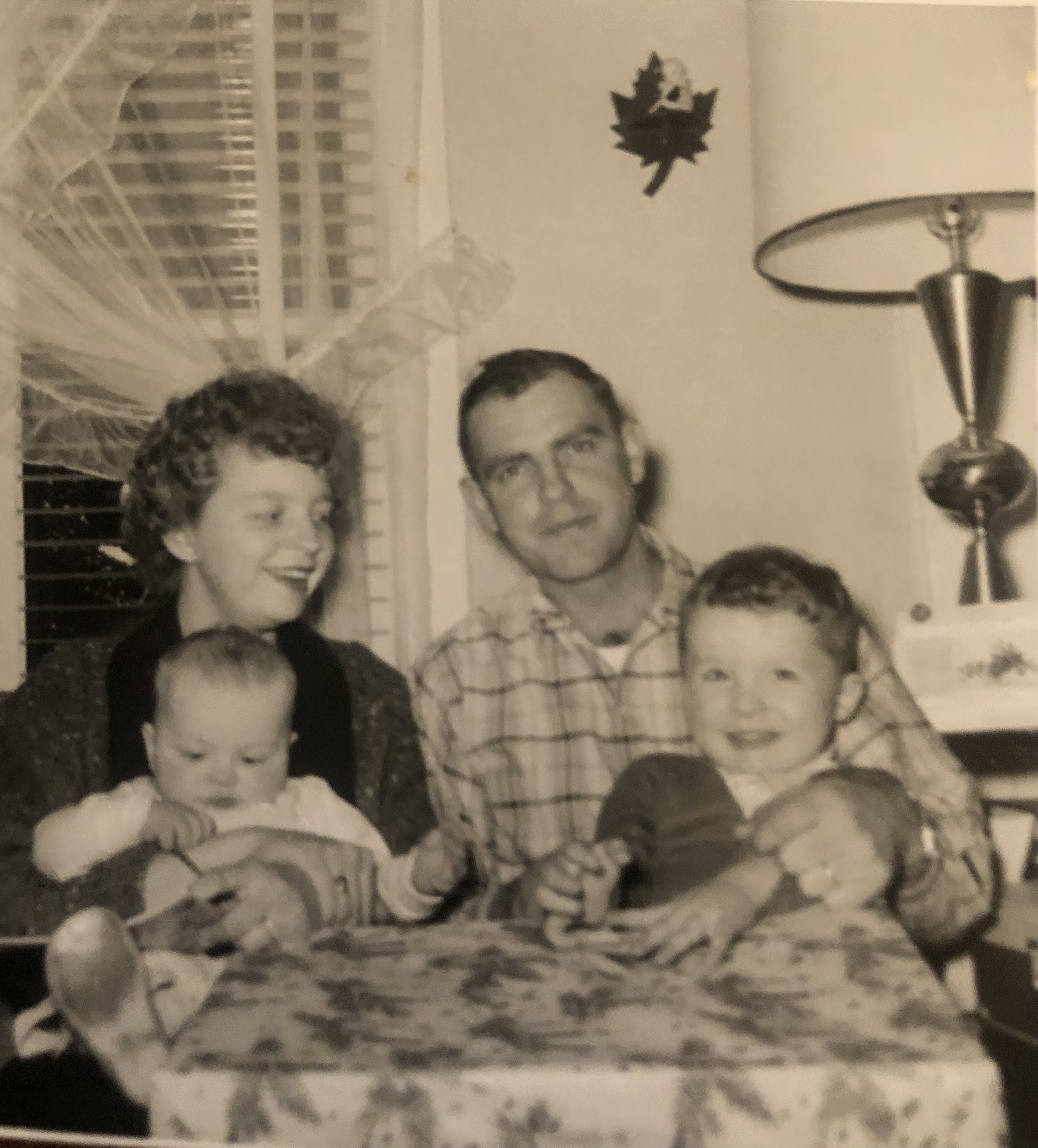
“On the farm, you’re taught from a very young age to be independent, to pull yourself up by your bootstraps, to be self-sufficient and not to talk about your issues,” says Winton. “And certainly, mental health is one of those things. Because of the shame that comes with mental illness and suicide, in particular, there was some question as to whether my family should even talk about why my nephew died. And it was my mother who, tears coming down her face, said, ‘This is going to stop with my family.’”
Many rural areas are suffering from a severe shortage of primary care and mental healthcare providers. To compound matters, telehealthcare is often unreliable or nonexistent. That's where Rural Minds provides information and resources to bridge the gap and confront mental health challenges and the stigma that surrounds mental illness.
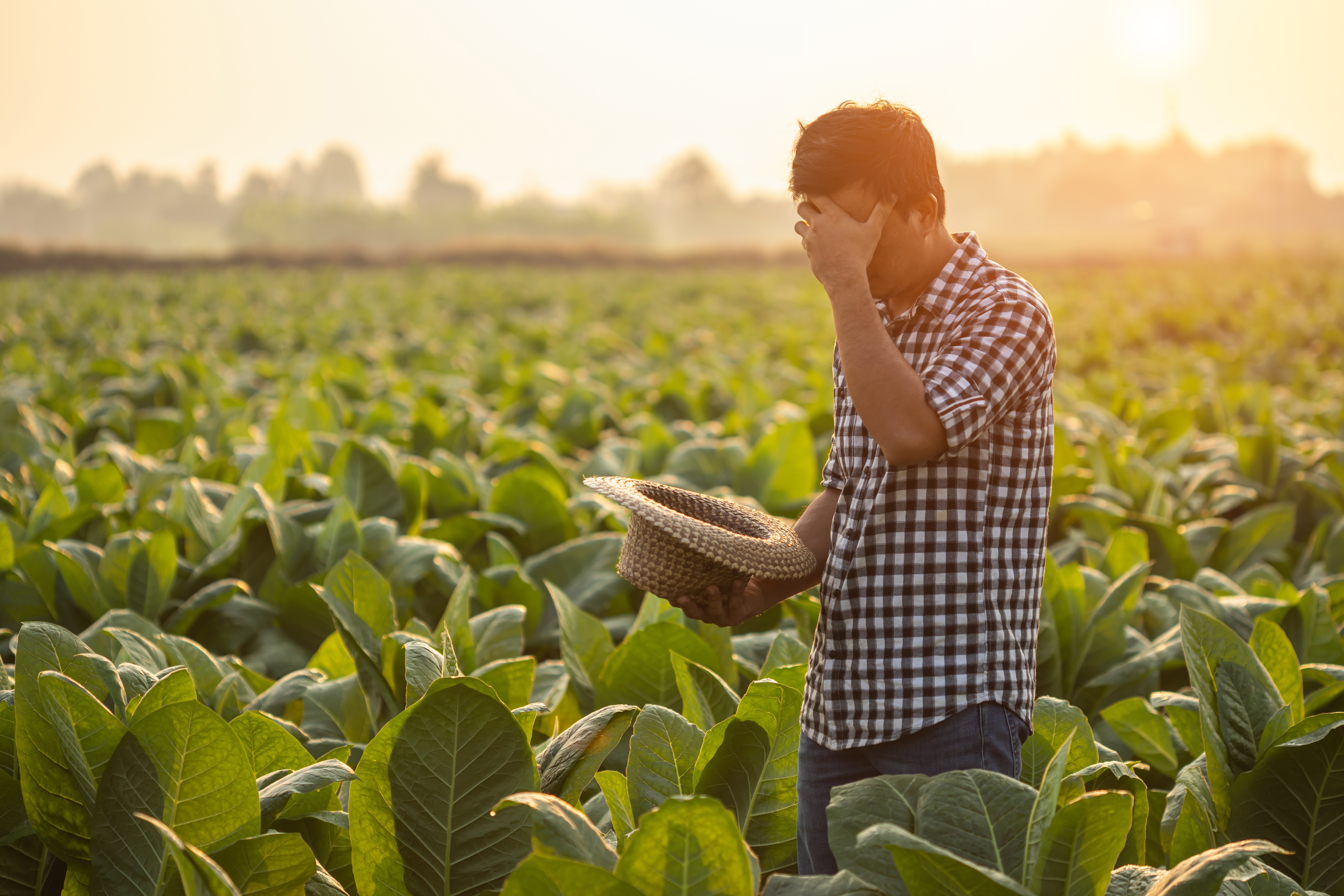
Dispelling the stigma around mental health
But perhaps the most important thing Rural Minds has accomplished is simply breaking the stigma around talking about mental health among farmers and small communities. And it started in Chautauqua County, New York, at Brooks’s funeral.
48,000
In 2021, there were over
deaths from suicide.








































That is about 1 death every

11 minutes
Suicide in the United States
Suicide is a leading cause of death in the U.S.


Risk increases as areas become more rural.
+27.3%
URBAN
+46%
RURAL
Suicide rates have risen faster in rural America
Rates have been consistently higher in rural areas for two decades.
Fact sheets for individual conditions, such as post-traumatic stress disorder, anxiety, depression, and substance use disorder.
Connections to crisis hotlines for suicide, substance use, and peer support for LGBTQ, trans, and veterans.
Directory for mental health resources by topic.
Tips and coping mechanisms for dealing with isolation and loneliness.
A webinar series on pressing topics in mental healthcare, such as postpartum depression, medication access, and sleep, nutrition, and exercise.
Rural Minds also partners with community leaders and organizations that already have roots and resources in small towns and rural areas across the country. They collaborate with like-minded rural residents, donors, volunteers, other nonprofits, and private sector partners. And Rural Minds is continuously developing new educational resources and support services to address any unmet needs.
And with support from companies like Pfizer, Rural Minds has been able to offer programs geared toward rural mental health awareness, resilience, and prevention.
“We have designed programs that are specific to people in rural America,” says Winton. “We’ve also taken other resources that have been designed by other organizations and gotten them in the hands of the people that we represent.”
“If I could tell Jeff what it means to me, I would say it’s a lifeline,” says Heather Woodis, co-owner of Country Ayre Farms in Dewittville, New York, who has personally benefited from Rural Minds’ programming, as have members of her family. “It’s powerful. It’s life-affirming to me to know that there are people who care about this person that I love so much. And they’re changing how mental illness is looked at in our communities, and he’s changed it specifically for my family. I’m so thankful to them for being a voice for all of us when we didn’t always have one.”
If you or someone you know is in emotional distress, call or text 988 for 24/7 support. You can also chat at 988lifeline.org. The resource is free, confidential, and will help locate local resource after any particular crisis is over. To learn more about mental health in rural America, go to www.ruralminds.org.
By Monica Vanover on November 3, 2025